
Ancient Indian Metallurgy and Its Environmental Impact: A Critical Analysis

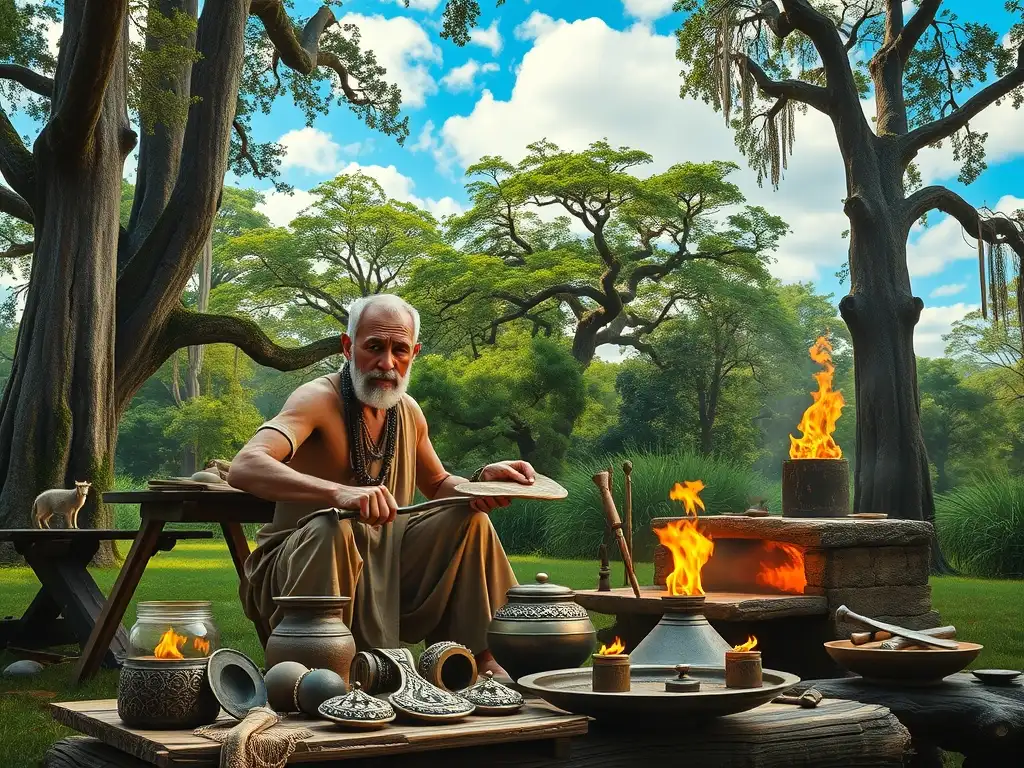
Welcome to Ancient India History, where we embark on a fascinating journey through the rich tapestry of ancient Indian civilizations. From the sophisticated urban planning of the Indus Valley to the intellectual advancements of the Gupta Empire, our exploration reveals the profound contributions that shaped the world. In our featured article, "Ancient Indian Metallurgy and Its Environmental Impact: A Critical Analysis," we delve into the innovative techniques and practices of ancient Indian metallurgy and their lasting effects on both society and the environment.
Curious about how these ancient technologies influence our modern world? Join us as we uncover the intricate connections between past and present!
Introduction to Ancient Indian Metallurgy
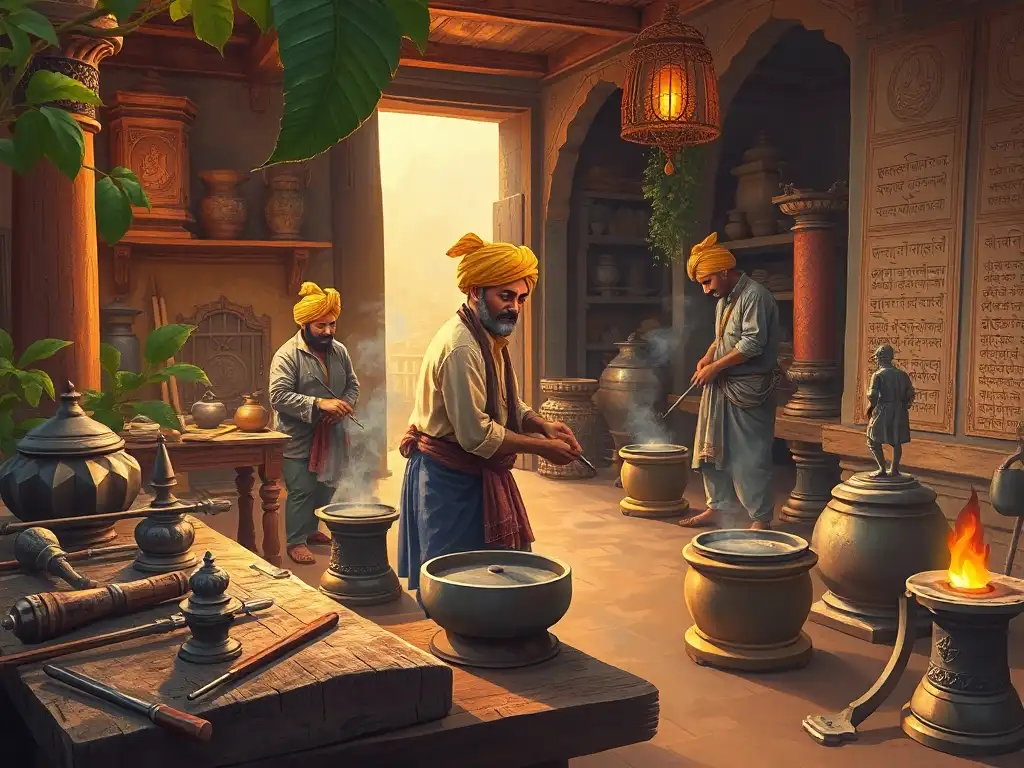
Ancient Indian metallurgy represents a significant chapter in the history of technology and innovation, showcasing the sophistication and ingenuity of early Indian civilizations. From the advanced techniques employed in the Indus Valley Civilization to the refined metallurgical practices of the Gupta Empire, ancient Indian societies made substantial contributions to the field of metallurgy.
This article delves into the environmental impact of these practices, examining how ancient metalworking not only shaped the technological landscape but also influenced ecological systems across the region. By critically analyzing the intricate relationship between metallurgy and the environment in ancient India, we aim to shed light on the sustainability and repercussions of these practices in the context of their time.
Overview of Metallurgical Practices in Ancient India
Metallurgy in ancient India was characterized by a rich diversity of techniques and materials. The production of metals such as copper, bronze, iron, and gold was not merely a craft but an art form that involved extensive knowledge of resources, extraction processes, and alloy compositions.
- Key Metals Used:
- Copper: Often used for tools and ornaments.
- Bronze: An alloy that revolutionized weapon-making.
- Iron: Its introduction marked a significant technological advancement.
Ancient Indian metallurgists utilized methods such as smelting and casting, which required a deep understanding of natural resources and environmental conditions.
Significance of Metallurgy in Ancient Indian Civilization
The role of metallurgy in ancient Indian civilization extended beyond mere material utility; it played a crucial part in socio-economic and cultural development.
- Economic Impact:
- Trade flourished due to the demand for metal goods, establishing India as a prominent player in regional and global trade networks.
- Cultural Significance:
- Metal artifacts, from coins to sculptures, reflected the rich cultural heritage and artistic expressions of the time.
The advancements in metallurgy facilitated the growth of urban centers, enhanced agricultural productivity, and contributed to the rise of powerful kingdoms.
Historical Context of Ancient Indian Metallurgy
Understanding the historical context of ancient Indian metallurgy involves examining its timeline, key regions, and prominent techniques that defined its evolution.
Timeline of Metallurgical Developments in India
The timeline of metallurgical advancements in ancient India can be broadly categorized into significant periods:
- Indus Valley Civilization (c. 3300–1300 BCE): Early evidence of copper and bronze working.
- Vedic Period (c. 1500–500 BCE): Development of iron metallurgy, particularly in northern India.
- Mauryan Empire (c. 322–185 BCE): Sophisticated techniques in metalworking, including the production of high-quality steel.
- Gupta Empire (c. 240–550 CE): Peak of metallurgical innovation, marked by the creation of intricate metal art and weaponry.
Key Regions Involved in Metallurgical Innovations
Certain regions in ancient India became hubs of metallurgical innovation due to their access to natural resources and skilled artisans:
- Punjab: Renowned for early copper and bronze artifacts.
- Karnataka: Known for iron production and the famous Wootz steel.
- Tamil Nadu: A center for bronze casting and intricate sculptures.
These regions not only influenced local economies but also contributed to the broader narrative of Indian history through their metallurgical advancements.
Prominent Metallurgical Techniques Used in Ancient India
Ancient Indian metallurgists employed various techniques that were unique to their cultural and environmental contexts. Some of the most notable techniques included:
- Smelting: The extraction of metals from ores through heating.
- Alloying: The combination of different metals to enhance properties, such as strength and corrosion resistance.
- Casting: The process of shaping molten metal into desired forms, which was crucial for creating tools and artistic sculptures.
These techniques not only advanced technological capabilities but also had lasting impacts on the environment, which will be explored further in the subsequent sections of this article.
Types of Metals and Alloys in Ancient Indian Metallurgy
Ancient Indian metallurgy was characterized by a sophisticated understanding of various metals and their properties, leading to the development of numerous alloys. Metallurgists of the time utilized locally available resources, which contributed significantly to the growth and innovation in metalworking. The primary metals used included copper, iron, gold, and silver, each playing a crucial role in the technological advancements of ancient civilizations.
Copper: The Foundation of Metallurgical Practices
Copper was among the first metals to be utilized in ancient India, marking the beginning of metallurgical practices around 5000 BCE in the Indus Valley Civilization. Its malleability and ductility made it ideal for creating tools, weapons, and decorative items. The crafting of copper tools allowed for more efficient agriculture and craftsmanship, facilitating the growth of settlements.
The alloying of copper with tin led to the creation of bronze, which further advanced metallurgy. This transition to the Bronze Age saw the development of stronger and more durable tools, weapons, and artistic objects, allowing for significant advancements in trade and warfare. Ancient texts and archaeological findings indicate that copper was extensively traded, underscoring its importance in ancient economies.
Iron: The Age of Iron and Its Innovations
Iron metallurgy emerged around the 1st millennium BCE, heralding the Iron Age in India. The advent of iron tools and weapons revolutionized agriculture and warfare, contributing to societal changes and the expansion of empires. The production techniques included the use of bloomeries, which allowed for the efficient extraction of iron from ore through the application of heat and charcoal.
Innovations such as the production of high-carbon steel, known as Wootz steel, were developed during this period. Wootz steel, famed for its strength and sharpness, became highly sought after, leading to trade networks extending beyond India. The mastery of iron metallurgy not only provided functional advantages but also facilitated the growth of urban centers and increased agricultural productivity.
Gold and Silver: Precious Metals and Their Usage
Gold and silver were primarily valued for their aesthetic qualities and were often used for decorative purposes, currency, and religious artifacts. Ancient Indian craftsmen excelled in techniques such as gilding, alloying, and intricate jewelry making, showcasing the cultural significance of these metals.
Gold was often associated with power and divinity, leading to its use in various religious and ceremonial contexts. Silver, on the other hand, served as an essential medium for trade and commerce. The ability to extract and work with these precious metals not only reflected the technological capabilities of ancient metallurgists but also played a crucial role in establishing trade relations with neighboring regions.
Environmental Impact of Ancient Indian Metallurgy
The environmental consequences of ancient Indian metallurgy were profound, reflecting the interplay between technological advancement and ecological sustainability. The extraction and processing of metals had significant impacts on local environments, necessitating a critical analysis of these practices.
Resource Extraction and Its Environmental Consequences
The extraction of metals such as copper and iron often involved extensive mining activities, which altered landscapes and ecosystems. The deforestation required for charcoal production, essential for smelting processes, led to soil erosion and habitat destruction. Additionally, the depletion of local mineral resources raised concerns about sustainability and long-term environmental health.
Archaeological evidence suggests that the mining activities not only affected the immediate vicinity but also had broader implications for regional ecosystems, including changes in water quality and availability due to runoff and sedimentation. The environmental footprint of these practices has become an essential area of study, highlighting the need for responsible resource management.
Waste Management Practices in Ancient Metallurgical Sites
Ancient metallurgical practices generated considerable waste, including slag and other byproducts. However, archaeological findings indicate that some ancient civilizations implemented rudimentary waste management practices, such as reusing slag in construction and other applications.
The effective disposal of waste was critical in minimizing the environmental impact of metallurgical activities. Evidence suggests that metallurgical sites were often strategically located to mitigate waste-related issues, showing an early understanding of environmental management, albeit limited by the technological and scientific knowledge of the time.
Effects of Metallurgy on Local Ecosystems
The expansion of metallurgy in ancient India had lasting effects on local ecosystems. The alteration of land use for mining and smelting activities disrupted natural habitats, affecting biodiversity. The resulting changes in soil composition, water quality, and vegetation patterns contributed to ecological shifts that could have long-term implications for both the environment and human settlements.
Additionally, the introduction of non-native species, as a result of trade and transportation associated with metallurgy, further impacted local ecosystems. The balance between technological advancement and environmental sustainability remains a crucial aspect of understanding ancient Indian civilization's legacy in metallurgy.
Case Studies of Ancient Indian Metallurgical Sites
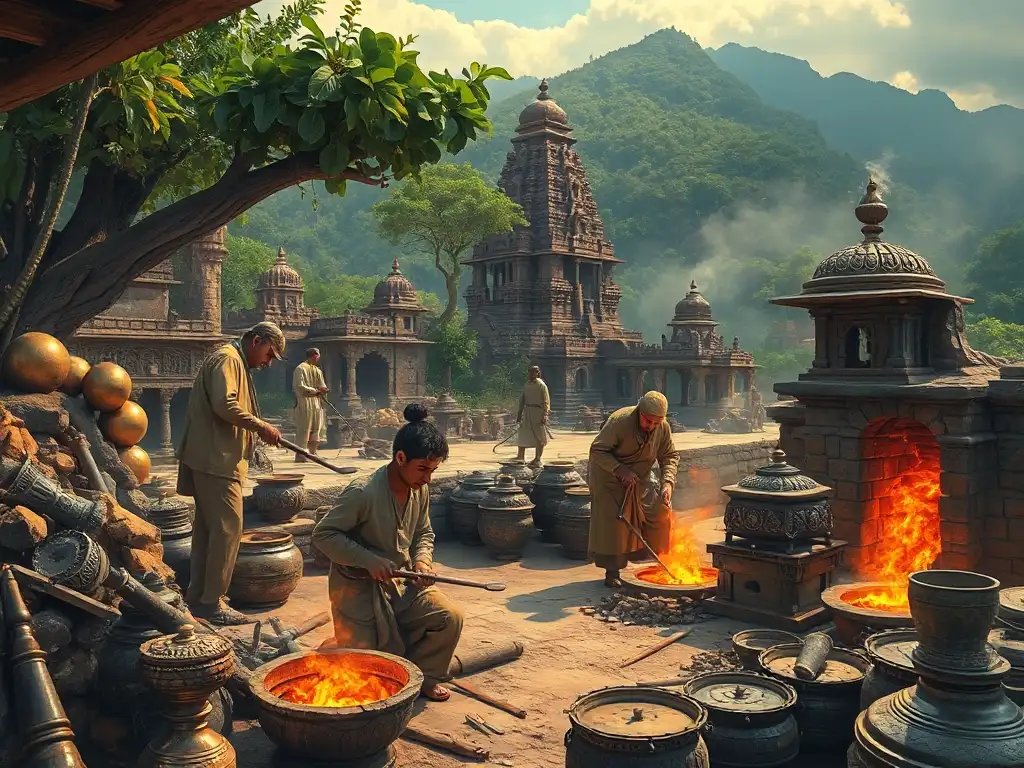
Ancient Indian metallurgy is rich with diverse practices and innovations, often reflected in archaeological sites across the subcontinent. These sites provide insights into the technological advancements and environmental considerations of ancient metallurgical practices. By examining notable civilizations such as the Indus Valley, Maurya Empire, and Gupta Period, we can understand the impact of these practices on both society and the environment.
The Indus Valley Civilization: Metallurgical Innovations and Their Impact
The Indus Valley Civilization (circa 3300–1300 BCE) is renowned for its sophisticated urban planning and advanced metallurgical techniques. Archaeological evidence suggests that the people of this civilization were skilled in the production of copper, bronze, lead, and zinc. The use of furnaces and crucibles points to an understanding of smelting and alloying, which enabled the creation of tools, weapons, and ornaments that were both functional and aesthetically pleasing.
The environmental impact of these metallurgical innovations was significant. The extraction of copper and other metals led to deforestation in certain areas, as wood was required for fuel in smelting operations. Moreover, the pollution from smelting processes may have affected local water sources and soil quality. However, the organized nature of the Indus Valley settlements suggests that there may have been some awareness of sustainable practices, as seen in their urban drainage systems which could have helped mitigate some environmental damage.
The Maurya Empire: Advancements in Metallurgy and Environmental Concerns
The Maurya Empire (circa 322–185 BCE) marked a period of remarkable advancements in metallurgy, with a notable emphasis on iron production. The introduction of techniques such as bloomery smelting allowed for the efficient production of high-quality wrought iron, which had substantial military and agricultural applications. This period also saw the rise of the famous Iron Pillar of Delhi, a testament to the advanced metallurgical skills of the time.
However, the expansion of metallurgy during the Maurya Empire came with environmental concerns. The increased demand for iron led to intensified mining operations, which in turn resulted in soil erosion and habitat destruction. The empire's extensive use of natural resources highlighted the need for sustainable practices, as the long-term viability of these resources was not prioritized. The environmental toll during this period prompts a critical analysis of how metallurgy can affect ecological balance.
The Gupta Period: Metallurgical Excellence and Its Environmental Footprint
The Gupta Period (circa 320–550 CE) is often referred to as the Golden Age of India, characterized by significant achievements in arts, sciences, and metallurgy. The mastery of goldsmithing and the production of high-quality steel, particularly wootz steel, showcased the advanced metallurgical techniques developed during this time. Wootz steel, known for its durability and sharpness, became highly sought after, both domestically and internationally.
While the Gupta Period is celebrated for its metallurgical excellence, it also faced environmental challenges. The extensive mining for gold and iron, combined with increased smelting activities, raised concerns about land degradation and resource depletion. The environmental footprint of metallurgy during this period offers critical lessons in balancing technological advancement with ecological sustainability. The Gupta metallurgical practices provide a historical case study for understanding the long-term impacts of industrial activities on the environment.
Sustainability Practices in Ancient Indian Metallurgy
The sustainability practices in ancient Indian metallurgy highlight the interplay between technology and environmental stewardship. Various techniques and community approaches revealed a consciousness towards ecological balance, which can serve as valuable lessons for contemporary practices in metallurgy.
Techniques for Sustainable Metal Production
Ancient Indian metallurgists employed several techniques that reflected sustainable practices. For instance, the use of local materials minimized the environmental impact associated with transporting raw materials over long distances. Additionally, the adoption of low-temperature smelting methods reduced fuel consumption and carbon emissions, showcasing a sophisticated understanding of resource efficiency.
The practice of recycling metals was also prevalent, as evidenced by the reworking of old tools and ornaments into new forms. This not only conserved resources but also reflected a cultural appreciation for metal artifacts. Such techniques underscore the importance of sustainability in ancient practices, which modern metallurgists can draw inspiration from.
Community Involvement in Environmental Stewardship
Community involvement played a crucial role in ancient Indian metallurgy. Local artisans and metallurgists often collaborated with communities to manage resources sustainably. This included shared knowledge regarding the seasonal availability of materials and the ecological impact of mining activities.
Communities were likely involved in decision-making processes that addressed the environmental consequences of metallurgical activities, fostering a sense of collective responsibility towards the land. This grassroots involvement in environmental stewardship serves as a model for modern practices, emphasizing the need for community engagement in sustainable resource management.
Lessons from Ancient Practices for Modern Metallurgy
The metallurgical practices of ancient India offer valuable lessons for contemporary metallurgy regarding sustainability and environmental impact. The integration of traditional techniques, community involvement, and a focus on resource efficiency can inform modern practices aimed at minimizing ecological footprints.
For instance, modern metallurgists can learn from ancient techniques such as low-temperature smelting and recycling, applying them to current technologies to reduce waste and improve sustainability. Furthermore, fostering community engagement in metallurgical processes can enhance awareness of environmental consequences and promote responsible resource management. By revisiting these ancient practices, the metallurgical industry can strive for a more sustainable future.
Conclusion: The Legacy of Ancient Indian Metallurgy and Its Environmental Impact
Ancient Indian metallurgy has left an indelible mark on both the technological advancements of the time and the environmental landscape. The sophisticated techniques developed by ancient metallurgists not only contributed to the economic prosperity of various civilizations but also shaped the ecological dynamics of regions where metal extraction and processing occurred. The legacy of their practices serves as a reminder of the intricate relationship between technological innovation and environmental stewardship.
As we analyze the environmental impact of ancient metallurgical practices, it becomes evident that sustainable methods were employed to some extent. The recycling of metals, efficient use of resources, and an understanding of local ecosystems highlight a level of ecological awareness that resonates with contemporary environmental challenges. The ongoing study of these historical practices can inspire modern approaches to metallurgy that prioritize sustainability and ecological preservation.
Summary of Key Findings
- Technological Innovation: Ancient Indian metallurgists were pioneers in developing advanced techniques such as smelting and alloying, which laid the groundwork for future advancements in metallurgy.
- Economic Impact: The production of high-quality metal goods contributed significantly to trade and commerce, enhancing the economic status of ancient Indian civilizations.
- Environmental Considerations: While metal extraction and processing had detrimental effects on the environment, evidence suggests that ancient practices also included sustainable elements, such as recycling and responsible resource management.
- Cultural Significance: Metallurgy played a crucial role in the cultural and religious life of ancient Indians, with metal artifacts often carrying symbolic meanings.
Relevance of Ancient Metallurgy to Contemporary Environmental Issues
The study of ancient Indian metallurgy is particularly relevant in today’s context of environmental degradation and resource depletion. As modern societies grapple with the consequences of industrialization, the sustainable practices observed in ancient metallurgical processes can offer valuable insights.
- Sustainability Practices: The principles of recycling and efficient resource use from ancient times serve as a framework for developing sustainable metallurgical practices today.
- Ecological Awareness: Understanding how ancient metallurgists interacted with their environment can inform current practices, encouraging a holistic approach to resource management that respects ecological limits.
- Innovative Solutions: By examining the historical context of metallurgy, contemporary researchers and practitioners can innovate solutions that balance technological advancement with environmental conservation.
References
Scholarly Articles on Ancient Indian Metallurgy
- "Metallurgy in Ancient India: A Review": - This article discusses the techniques and materials used in ancient Indian metallurgy, highlighting key advancements and their societal impacts.
- "Environmental Impacts of Ancient Metallurgical Practices in India" - An analysis of how ancient metallurgical activities affected local ecosystems, examining both positive and negative consequences.
- "Recycling in Ancient Indian Metallurgy" - A study focusing on the recycling practices of ancient metallurgists and their implications for modern sustainable practices.
Books and Resources for Further Reading on Metallurgical Practices in Ancient India
- "The History of Metallurgy in India" by R. Balasubramaniam - This comprehensive book provides an overview of metallurgical developments in India from ancient to modern times.
- "Metallurgy in Ancient India" by R. K. Sharma - A detailed examination of the techniques, materials, and cultural significance of metallurgy in ancient Indian society.
- "Ancient Indian Technology: A Historical Perspective" by S. D. Vaidya: - This resource explores technological innovations in ancient India, including metallurgy, and their impact on society and the environment.
- Introduction to Ancient Indian Metallurgy
- Historical Context of Ancient Indian Metallurgy
- Types of Metals and Alloys in Ancient Indian Metallurgy
- Environmental Impact of Ancient Indian Metallurgy
- Case Studies of Ancient Indian Metallurgical Sites
- Sustainability Practices in Ancient Indian Metallurgy
- Conclusion: The Legacy of Ancient Indian Metallurgy and Its Environmental Impact
- References
- What is the significance of ancient Indian metallurgy?
- How did ancient Indian metallurgy impact the environment?
- What were the primary materials used in ancient Indian metallurgy?
- How did metallurgy contribute to ancient Indian civilization?
- What lessons can modern societies learn from ancient Indian metallurgy?
Frequently Asked Questions
What is the significance of ancient Indian metallurgy?
Ancient Indian metallurgy is significant for its innovative techniques and the production of high-quality metals like steel, which influenced both local and global industries.
How did ancient Indian metallurgy impact the environment?
The environmental impact of ancient Indian metallurgy included changes in land use and deforestation, as mining and metal production required extensive natural resources.
What were the primary materials used in ancient Indian metallurgy?
The primary materials included copper, gold, and iron, with ancient Indians mastering the art of alloying to produce superior metals such as Wootz steel.
How did metallurgy contribute to ancient Indian civilization?
Metallurgy significantly contributed to trade, warfare, and daily life, enhancing tools and weaponry and promoting economic growth through trade networks.
What lessons can modern societies learn from ancient Indian metallurgy?
Modern societies can learn about sustainable practices and resource management from ancient Indian metallurgy, emphasizing the importance of balancing industrial development with environmental conservation.
Final Reflection: The Lasting Impact of Ancient Indian Metallurgy
The exploration of ancient Indian metallurgy reveals not only the ingenuity of past civilizations but also its profound relevance in today's discussions on sustainability and environmental stewardship. As we grapple with the consequences of modern industrial practices, understanding the sophisticated methods and materials used by our ancestors can illuminate paths toward more sustainable practices in metallurgy and beyond. The legacy of ancient Indian metallurgy serves as a powerful reminder that innovation and environmental consciousness can coexist harmoniously.
The influence of ancient Indian metallurgy extends far beyond its historical context; it continues to shape our cultural and social landscapes today. The techniques developed thousands of years ago not only laid the groundwork for future advancements in metalworking but also fostered a deep respect for the materials and processes involved. This respect is echoed in the words of historian R. Balasubramaniam: The mastery of metals in ancient India was not merely a technical achievement; it was a reflection of the civilization's understanding of nature and its resources.
This perspective invites us to reflect on our own relationship with the environment and the materials we utilize in our daily lives.
As we conclude this exploration of ancient Indian metallurgy and its environmental impact, I invite you to consider how the lessons from the past can inform our actions today. Reflect on your own practices and choices—how can you incorporate the wisdom of ancient civilizations into your life? Whether it’s through sustainable consumption, recycling, or advocating for responsible production methods, each small step can contribute to a larger movement toward environmental harmony. Let us honor the legacy of ancient metallurgists by committing to a future that values both innovation and ecological balance.
Rediscover Ancient Techniques and Their Modern Relevance!
Thank you for diving into the fascinating world of ancient Indian metallurgy and its environmental implications. You've gained insights into sustainable practices that continue to resonate today, reminding us of the wisdom our ancestors offered. Now, let's take these valuable lessons further—here's how you can make a difference:
- Explore traditional crafts: Seek out local artisans or workshops that utilize ancient techniques to forge metal. Participate in hands-on experiences to understand their environmental impact.
- Share your knowledge: Discuss what you’ve learned about ancient metallurgy with your friends or on social media. Start a conversation about the importance of sustainability in today's metalworking practices!
- Engage with nature: Visit historical sites where ancient metallurgy flourished. Document your thoughts and observations to inspire others to appreciate our rich heritage.
What aspect of ancient Indian metallurgy do you find most fascinating, and how do you think it can influence our contemporary practices?