
The Surprising Role of Ancient Indian Metallurgy in Daily Life

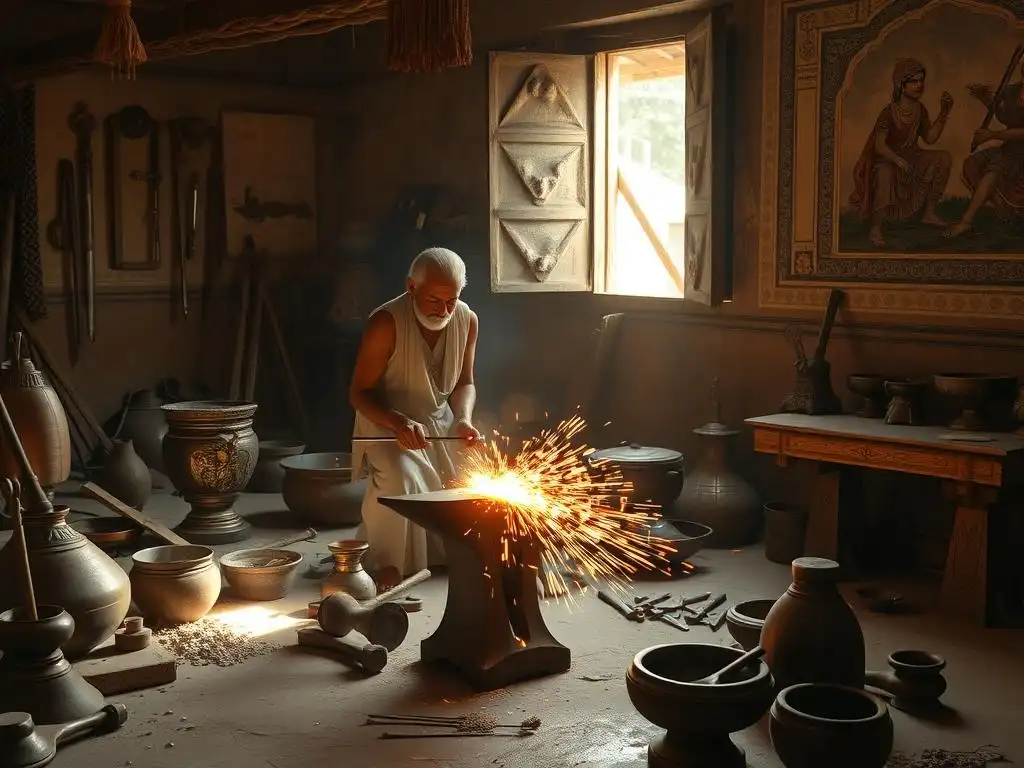
Welcome to Ancient India History, where we embark on an enlightening journey through the captivating tapestry of ancient Indian civilizations. Here, we delve into the significance of ancient Indian metallurgy, a fascinating aspect that shaped daily life and technological advancements from the Indus Valley to the Gupta Empire. Prepare to uncover the surprising contributions and innovations that resonate through time, igniting your curiosity to explore how these ancient practices laid the groundwork for modern-day advancements. Join us as we unravel the intricate threads of history, culture, and ingenuity waiting to be discovered!
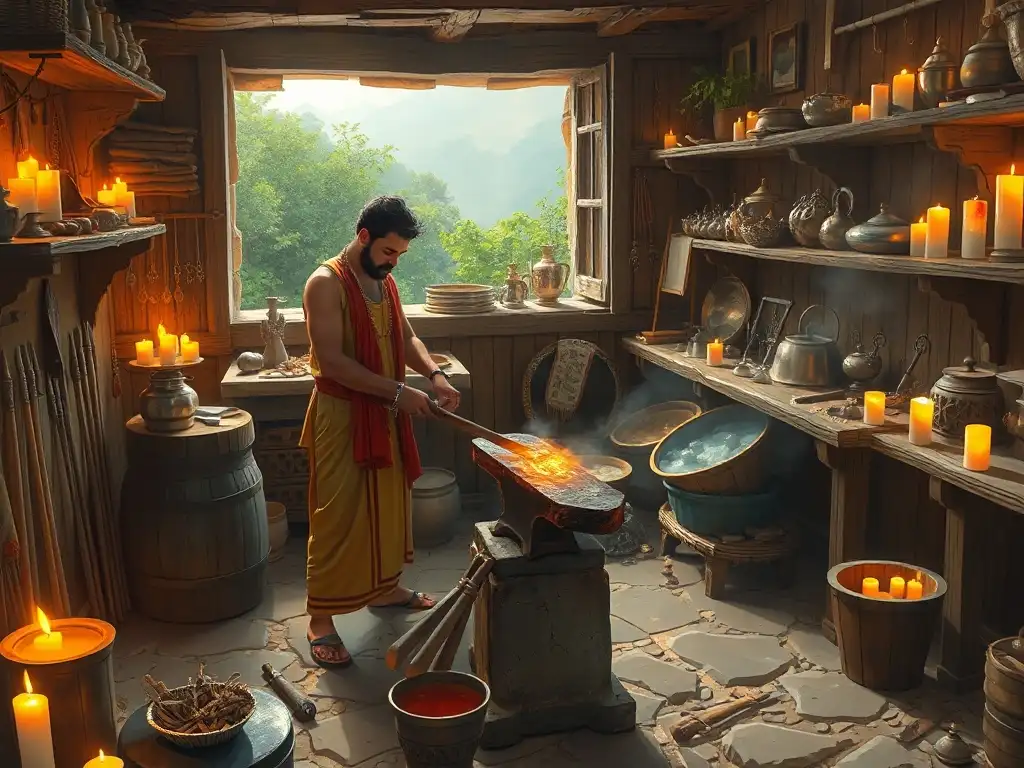
Introduction to Ancient Indian Metallurgy Significance
Ancient Indian metallurgy stands as a pivotal pillar in understanding the technological advancements and cultural developments of early civilizations in the Indian subcontinent. The significance of ancient Indian metallurgy lies not merely in the creation of tools and artifacts but extends to its profound influence on daily life, trade, and the socio-economic fabric of the time.
From the sophisticated techniques used by the Harappans in the Indus Valley to the innovations seen during the Gupta Empire, the mastery of metals played a crucial role in shaping the lifestyle, economy, and even the artistic expression of ancient Indian societies. This article delves into the remarkable contributions of metallurgy to daily life in ancient India, highlighting its enduring legacy.
Overview of Metallurgy in Ancient India
Metallurgy in ancient India was marked by impressive skills and a rich tradition of metalworking that spanned several millennia. The earliest evidence of metallurgy can be traced back to the Indus Valley Civilization (circa 3300–1300 BCE) where artisans crafted intricate copper tools, ornaments, and vessels. The development of metallurgy was not confined to copper; ancient Indian metallurgists also excelled in working with bronze, iron, and precious metals like gold and silver.
Key aspects of ancient Indian metallurgy include:
- Copper and Bronze Production: The adept use of copper and its alloy, bronze, paved the way for tool-making, weaponry, and decorative items.
- Iron Age Innovations: The transition to iron metallurgy around 1200 BCE marked a significant technological leap, leading to stronger tools and agricultural implements which enhanced productivity.
- Advanced Techniques: The use of techniques such as smelting, casting, and alloying showcased the high level of expertise attained by ancient Indian metallurgists.
The legacy of these metallurgical practices can still be felt today, with many techniques and methods having been passed down through generations.
Importance of Metallurgy in Daily Life
The significance of metallurgy in daily life during ancient times cannot be overstated. It influenced various facets of society, including:
- Agriculture: The production of iron tools improved farming efficiency, leading to increased crop yields and supporting population growth.
- Commerce: Metal goods became vital trade items, facilitating exchanges both within and beyond the Indian subcontinent.
- Art and Culture: The ability to craft metal into intricate designs enriched cultural expressions, as seen in sculptures, jewelry, and ceremonial objects.
- Military Advancement: The development of superior weaponry through metallurgical innovations played a crucial role in the defense and expansion of territories.
The integration of metallurgy into daily life not only enhanced the quality of living but also laid the groundwork for future technological advancements.
Historical Context of Ancient Indian Metallurgy
To fully appreciate the significance of metallurgy in ancient India, it is essential to explore its historical context. Understanding the origins and developmental milestones of metallurgical practices reveals the ingenuity of ancient Indian civilizations.
Origins of Metallurgical Practices in India
The origins of metallurgical practices in India can be traced back to prehistoric times, with evidence of copper smelting found in sites like Chalcolithic cultures. The transition from stone tools to metal was gradual, but the advent of metallurgy marked a significant turning point in technological development.
Key points about the origins include:
- Geological Resources: India’s rich deposits of copper, iron, and other minerals provided the necessary raw materials for early metallurgical activities.
- Trade Networks: Connections with other ancient civilizations, such as Mesopotamia, facilitated the exchange of knowledge and techniques, enhancing metallurgical practices.
Key Civilizations Contributing to Metallurgy
Several key civilizations played pivotal roles in advancing metallurgy in ancient India. Notable among them are:
- Indus Valley Civilization: Renowned for its advanced urban planning and craftsmanship, this civilization laid the groundwork for early metallurgical practices.
- Maurya Empire: The Mauryan period saw significant advancements in iron metallurgy, which were crucial for military expansion.
- Gupta Empire: Often referred to as the Golden Age of India, this era witnessed remarkable achievements in science and technology, including metallurgy, which contributed to cultural and economic flourishing.
The collective contributions of these civilizations underscore the evolving significance of ancient Indian metallurgy and its lasting impact on the region's history and culture.
Techniques and Innovations in Ancient Indian Metallurgy
Ancient Indian metallurgy was characterized by its advanced techniques and innovations that significantly influenced various aspects of daily life. The artisans of ancient India demonstrated remarkable skill in the extraction and processing of metals, leading to the development of sophisticated methods that catered to both practical and artistic needs. Their contributions laid a strong foundation for subsequent advancements in metallurgy across the world.
Smelting and Alloying Techniques
The smelting and alloying techniques practiced in ancient India were pivotal in the successful extraction of metals from ores. Ancient metallurgists utilized furnaces capable of generating high temperatures, enabling them to smelt copper, bronze, and iron effectively.
- Copper Smelting: The use of shaft furnaces allowed for the efficient extraction of copper from its ores. Researchers believe that the Harappan civilization, around 3000 BCE, demonstrated advanced techniques in copper metallurgy.
- Bronze Alloying: The alloying of copper with tin to produce bronze marked a significant technological advancement. This transition from copper to bronze facilitated the creation of more durable and versatile tools and weapons.
- Iron Smelting: By around 1200 BCE, ancient Indian metallurgists had mastered iron smelting techniques, which included the use of bloomery furnaces. This innovation not only improved the quality of iron produced but also enhanced its availability for various applications.
Notable Innovations in Tools and Weapons
The innovations in metallurgy led to the creation of a variety of tools and weapons that played crucial roles in agriculture, warfare, and craftsmanship.
- Agricultural Tools: The introduction of metal plows, sickles, and axes revolutionized farming practices, enabling higher productivity and efficiency.
- Weapons: The creation of swords, spears, and shields from bronze and iron provided ancient Indian warriors with significant advantages in combat. Notably, the famed "wootz steel" produced in ancient India was recognized for its remarkable strength and ability to hold a sharp edge.
- Artistic Expressions: Metalworking also allowed for artistic creations, including intricate jewelry and religious artifacts, reflecting the cultural and spiritual life of ancient Indian societies.
Use of Materials: Copper, Bronze, and Iron
The materials used in ancient Indian metallurgy—copper, bronze, and iron—each played a distinct role in the development of technology and culture.
- Copper: As one of the first metals used by humans, copper was essential for creating tools, ornaments, and utensils. Its malleability made it a favored choice for craftsmanship.
- Bronze: The development of bronze marked a significant advancement in technology. Its superior hardness compared to copper made it ideal for weapons and tools, enhancing agricultural productivity and warfare capabilities.
- Iron: The widespread use of iron, especially during the first millennium BCE, transformed various societal aspects. Iron's abundance and strength contributed to advancements in agriculture, construction, and warfare, solidifying its importance in ancient Indian civilization.
Everyday Applications of Ancient Indian Metallurgy
Metallurgy in ancient India was not limited to tools and weapons; it permeated various aspects of daily life, influencing agriculture, domestic activities, and trade.
Metallurgy in Agriculture Tools
The impact of metallurgy on agriculture was profound. The development of metal tools allowed for more effective farming practices, which in turn supported population growth and urbanization.
- Plows: Metal plows enabled deeper tilling of the soil, improving fertility and crop yields.
- Sickles: Metal sickles made harvesting more efficient, reducing labor time and increasing productivity.
- Irrigation Tools: Innovations in metallurgy also led to the creation of tools for irrigation, enhancing agricultural sustainability.
Role of Metal in Domestic Life
Metallurgy also played a significant role in domestic life, as metals were utilized in various household items that improved living standards.
- Cookware: Metal cookware, including pots and pans, facilitated better cooking methods, leading to enhanced nutrition.
- Utensils: The crafting of metal utensils improved the efficiency of food preparation and consumption.
- Decorative Items: Metal artifacts, such as jewelry and household decorations, reflected the social status and aesthetic values of the time.
Significance in Trade and Economy
The advancements in metallurgy had far-reaching implications for trade and the economy of ancient Indian societies.
- Trade in Metal Goods: The production of high-quality metal tools and weapons allowed for trade with neighboring regions, enhancing economic interactions and cultural exchanges.
- Economic Growth: The increased efficiency in agriculture and domestic life contributed to economic stability and growth, supporting larger communities and urban centers.
- Cultural Exchange: The metallurgy trade facilitated the exchange of ideas and technologies, influencing other civilizations and contributing to the global development of metallurgy.
Ancient Indian metallurgy was not merely a technical achievement; it was a vital component that shaped the daily lives, economy, and cultural practices of ancient Indian civilizations. Its significance continues to be appreciated in contemporary discussions on technological advancements and historical developments.
Cultural Impact of Ancient Indian Metallurgy
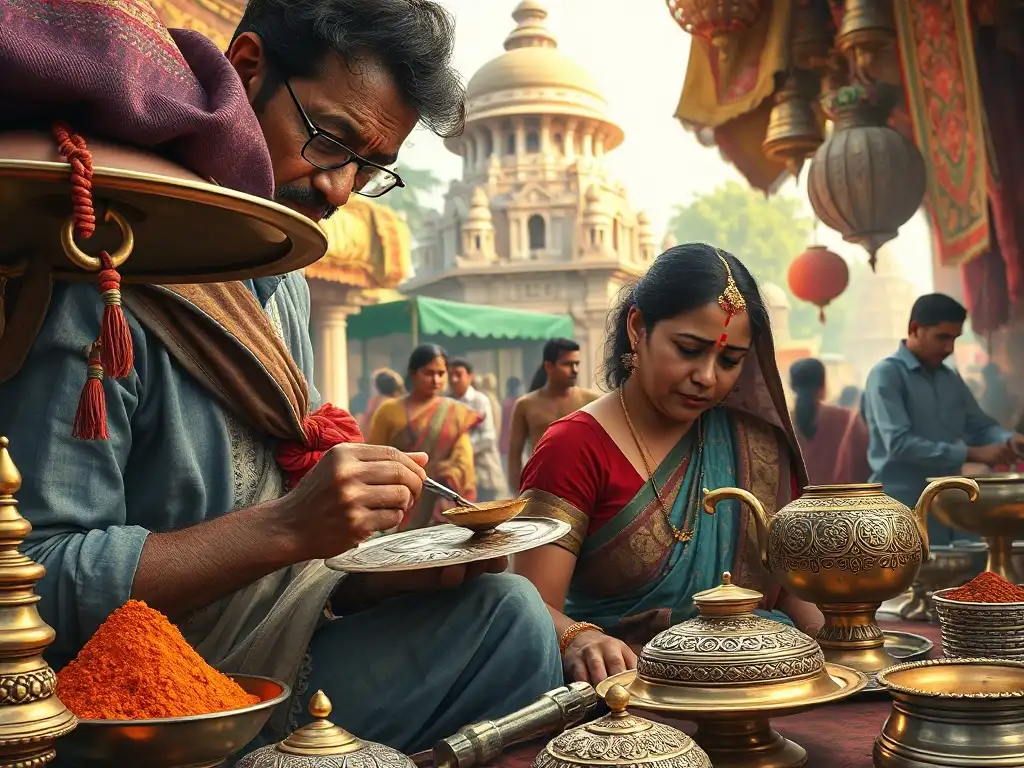
Ancient Indian metallurgy played a vital role in shaping the cultural landscape of the subcontinent. From the creation of intricate metal artifacts to the development of advanced smelting techniques, metallurgy influenced various aspects of daily life, art, trade, and even religious practices. The ability to manipulate metals such as copper, bronze, iron, and gold led to innovations that reflected and enhanced the societal values and aesthetic preferences of ancient Indian civilizations.
The significance of metallurgy can be seen in the exquisite craftsmanship of metalwork, which often incorporated both functional and decorative elements. These creations not only served practical purposes but also conveyed the cultural identity of different regions and communities. The production and use of metals became a reflection of social status and artistic expression, intertwining with the broader narrative of India's rich heritage.
Metallurgy and Art: A Cultural Heritage
Artisans in ancient India were highly skilled in the art of metallurgy, producing a wide array of items ranging from utilitarian tools to ornate jewelry and statues. The intricate designs found in metal sculptures, such as those from the Gupta period, showcase the exceptional craftsmanship and artistic sensibility of the time. For instance, the famous bronze statues of deities like Nataraja exemplify the fusion of technology and artistry, demonstrating not only the technical prowess of metalworkers but also the spiritual significance of their creations.
Moreover, the use of metals in architecture, such as the intricate iron pillars of Delhi, highlights the advanced metallurgical techniques employed by ancient engineers. These structures not only served functional purposes but also became symbols of cultural pride and technological achievement, influencing subsequent generations of builders and artisans.
Religious and Symbolic Uses of Metals
Metals held profound religious and symbolic meanings in ancient Indian society. Gold, for instance, was often associated with divinity and purity, making it a preferred material for religious artifacts and offerings. Temples were adorned with gold and silver ornaments, which were believed to attract divine blessings. Copper, on the other hand, was considered sacred and was frequently used in rituals and ceremonies.
Additionally, various metals were attributed specific qualities in Ayurvedic texts, linking metallurgy to health and wellness practices. For example, certain metal powders were used in traditional medicines, believed to enhance vitality and longevity. This intertwining of metallurgy with spirituality and health further underscores its significance in daily life.
Ancient Texts and Treatises on Metallurgy
The knowledge of metallurgy in ancient India was codified in various texts and treatises, reflecting the advanced understanding of materials and processes among ancient scholars. One of the most notable texts is the Arthashastra, attributed to Kautilya, which discusses the extraction and use of metals in the context of statecraft and economy. This indicates that metallurgy was not merely a craft but an integral part of governance and trade.
Another significant treatise is the Rasaratnasamuchaya by Nagarjuna, which outlines various alchemical processes and metallurgical techniques, emphasizing the importance of metals in both practical applications and esoteric traditions. These ancient texts not only provide insight into the scientific knowledge of the time but also illustrate the cultural and philosophical dimensions of metallurgy in ancient Indian society.
The Legacy of Ancient Indian Metallurgy
The legacy of ancient Indian metallurgy extends far beyond its historical context, influencing contemporary practices and scientific advancements. The techniques and knowledge developed during ancient times laid the groundwork for future innovations in metallurgy and material science.
Influence on Modern Metallurgy and Material Science
Modern metallurgy owes much to the foundational work done by ancient Indian metallurgists. The methods of smelting, alloy production, and metalworking techniques pioneered in ancient India have informed contemporary practices. For instance, the production of high-quality steel, such as Wootz steel, is a testament to the advanced understanding of alloy compositions and heat treatment processes developed by ancient craftsmen.
Furthermore, the interdisciplinary approach of integrating metallurgy with fields like chemistry and engineering has its roots in ancient practices, highlighting the enduring influence of these early innovations on modern material science.
Continuation of Traditional Practices
Despite the advent of modern technology, many traditional metallurgical practices continue to thrive in various regions of India. Artisans continue to employ age-old techniques to produce items that reflect the cultural heritage and craftsmanship of their ancestors. This continuity not only preserves the knowledge of ancient metallurgy but also sustains local economies and communities.
Craft fairs and cultural festivals often showcase traditional metalworking, providing a platform for artisans to demonstrate their skills and educate the public about the significance of their craft. This revival of interest in traditional practices is crucial for maintaining the cultural fabric of Indian society.
Preservation and Study of Ancient Techniques
The study and preservation of ancient Indian metallurgy are essential for understanding the technological advancements and cultural heritage of the region. Archaeological discoveries, such as ancient smelting sites and metal artifacts, provide valuable insights into the techniques used by ancient metalworkers. Museums and research institutions play a crucial role in preserving these artifacts and disseminating knowledge about ancient practices.
Furthermore, academic research in the field of material science often draws inspiration from ancient techniques, exploring their relevance in contemporary applications. By studying ancient metallurgical practices, scholars can uncover innovative solutions to modern challenges, ensuring that the legacy of ancient Indian metallurgy continues to impact future generations.
Conclusion: The Enduring Significance of Ancient Indian Metallurgy
Ancient Indian metallurgy stands as a testament to the ingenuity and resourcefulness of early Indian civilizations. The development of advanced metallurgical techniques not only underscores the technological prowess of these societies but also highlights their understanding of materials and their properties. The significance of ancient Indian metallurgy extends beyond mere historical curiosity; it played a crucial role in daily life, influencing agriculture, warfare, craftsmanship, and trade. From the intricate weapons forged in the fires of skilled artisans to the agricultural tools that enhanced productivity, metallurgy was interwoven into the fabric of daily existence.
Moreover, the legacy of ancient Indian metallurgy is evident in modern practices. Techniques such as lost-wax casting and alloying, which were perfected centuries ago, continue to be foundational in contemporary material science and engineering. The ancient methods of producing high-quality steel, particularly the famed Wootz steel, set benchmarks that many cultures aspired to replicate. In this way, the achievements of ancient metallurgists have not only shaped their own society but have also left an indelible mark on global metallurgy.
Reflection on Its Impact in Contemporary Society
The influence of ancient Indian metallurgy can be observed in various aspects of contemporary society. In the modern world, the principles of metallurgy are crucial in numerous industries, including construction, automotive, and aerospace. The foundational knowledge established by ancient metallurgists is reflected in the sophisticated techniques used today. For instance, the alloying processes that create stronger and lighter materials are rooted in the ancient understanding of combining metals.
Furthermore, the resurgence of interest in sustainable practices has drawn attention to traditional metallurgical techniques that prioritize local resources and craftsmanship. Many artisans are revisiting ancient methods to produce goods that are both environmentally friendly and culturally significant. This blend of ancient wisdom with modern innovation reflects a growing recognition of the importance of preserving heritage while addressing contemporary challenges.
Final Thoughts on the Rich Heritage of Indian Metallurgy
The rich heritage of Indian metallurgy is a captivating chapter in the narrative of human technological advancement. As we explore the contributions of ancient Indian civilizations, it becomes clear that their metallurgical innovations were not merely technical achievements; they were integral to the cultural and economic fabric of society. The ability to manipulate metals influenced art, architecture, and even spiritual practices, showcasing the multifaceted role of metallurgy in daily life.
The significance of ancient Indian metallurgy is profound, resonating through time and continuing to inspire modern practices. It serves as a reminder of the interconnectedness of technology and culture, emphasizing the importance of preserving and honoring the knowledge passed down through generations. As we delve deeper into the history of ancient India, the legacy of its metallurgists remains a vital part of our understanding of both past and present innovations.
- Introduction to Ancient Indian Metallurgy Significance
- Historical Context of Ancient Indian Metallurgy
- Techniques and Innovations in Ancient Indian Metallurgy
- Everyday Applications of Ancient Indian Metallurgy
- Cultural Impact of Ancient Indian Metallurgy
- The Legacy of Ancient Indian Metallurgy
- Conclusion: The Enduring Significance of Ancient Indian Metallurgy
- What was the significance of metallurgy in ancient India?
- Which civilizations were known for their metallurgical achievements?
- How did metallurgy impact trade in ancient India?
- What materials were primarily used in ancient Indian metallurgy?
- How does ancient Indian metallurgy influence modern practices?
Frequently Asked Questions
What was the significance of metallurgy in ancient India?
Metallurgy played a crucial role in the development of tools, weapons, and artifacts, showcasing the technological advancements of ancient Indian civilizations.
Which civilizations were known for their metallurgical achievements?
The Indus Valley Civilization and the Gupta Empire are notable for their innovative techniques and high-quality metalwork, contributing significantly to ancient Indian metallurgy.
How did metallurgy impact trade in ancient India?
Metal products enhanced trade by providing value and strength, enabling the exchange of goods both locally and with neighboring regions, thus boosting the economy.
What materials were primarily used in ancient Indian metallurgy?
Ancient Indian metallurgists commonly used copper, bronze, and iron, each serving important functions in craftsmanship and daily life.
How does ancient Indian metallurgy influence modern practices?
The techniques and methods developed in ancient India laid the groundwork for contemporary metallurgical practices, influencing both technology and artistry today.
Final Reflection: The Enduring Significance of Ancient Indian Metallurgy
The legacy of ancient Indian metallurgy is not merely a relic of the past; it is a testament to human ingenuity and resilience that continues to shape our daily lives today. From the tools we use to the materials that construct our homes, the innovations of ancient metallurgists have laid the groundwork for modern advancements. Their mastery in extracting and manipulating metals has profound implications, reminding us that the past is intricately woven into the fabric of our present.
Cultural and social landscapes are often shaped by the technologies we adopt, and ancient Indian metallurgy serves as a prime example of this phenomenon. The techniques developed thousands of years ago not only influenced trade and craftsmanship but also fostered a sense of community and shared knowledge. As we reflect on this rich heritage, we can appreciate how these ancient practices continue to inspire contemporary artisans and industries. The past is never dead. It's not even past.
— William Faulkner. This quote resonates deeply as we recognize that the innovations of our ancestors still echo in our modern world.
As we ponder the significance of ancient Indian metallurgy, I invite you to consider how these lessons can be applied in your own life. Reflect on the ways in which you can honor the ingenuity of those who came before us by embracing sustainable practices and fostering innovation in your own endeavors.
Whether it’s through supporting local artisans or advocating for sustainable materials, each small action contributes to a larger narrative of respect for our shared history and a commitment to a more sustainable future. Let us carry forward the spirit of innovation that defined ancient Indian metallurgy, ensuring that its significance continues to resonate for generations to come.
Unlock the Secrets of Ancient Metallurgy Today!
Thank you for diving into the fascinating world of ancient Indian metallurgy with us! We hope you gained valuable insights into how these techniques shaped daily life, culture, and innovation. Now, it’s time to take your newfound knowledge even further.
Here are some powerful steps you can take next:
- Explore educational resources: Visit local museums or online exhibits to view ancient metalwork up close and deepen your appreciation for these remarkable artifacts.
- Share your insights: Discuss this article with friends or family—what surprised you the most? Encourage them to discover how metallurgy has impacted their lives as well.
- Join a community: Connect with historians or archaeology groups that focus on ancient technologies to broaden your understanding and create valuable connections.
What aspect of ancient metallurgy interests you the most, and how do you believe it has influenced modern technologies? We invite you to share your thoughts below!