
Understanding the Role of Trade in Spreading Indus Valley Innovations

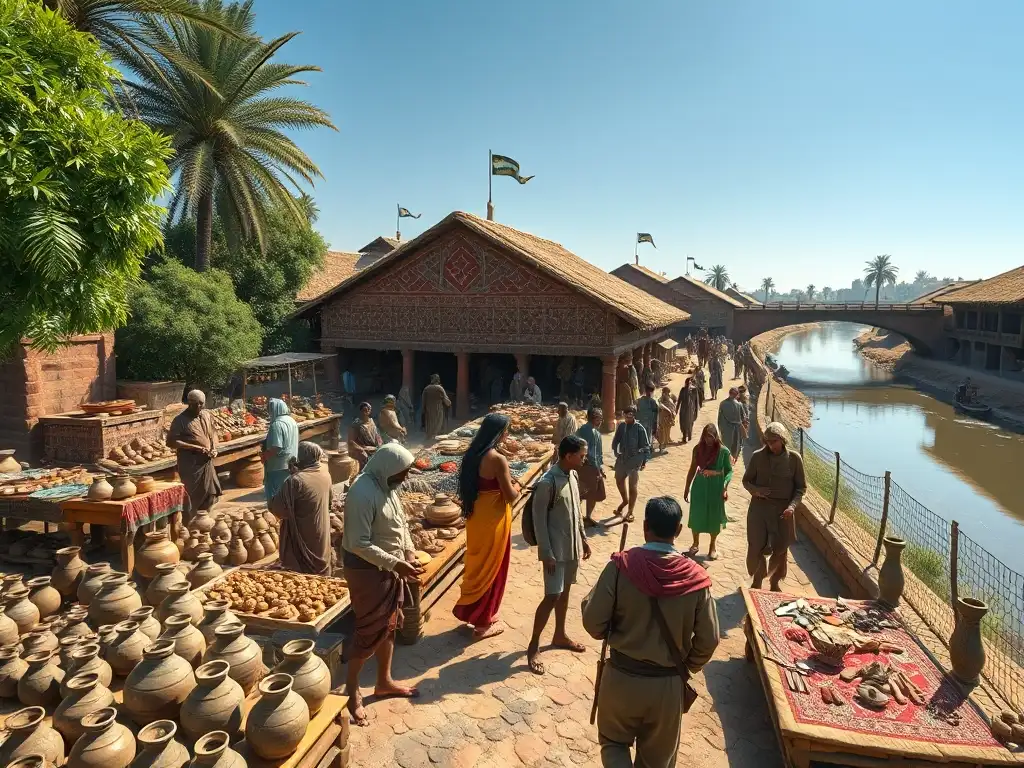
Welcome to Ancient India History, where we embark on a fascinating journey through the rich tapestry of ancient Indian civilizations. Today, we delve into the captivating world of Indus Valley trade innovations, uncovering how commerce not only fueled economic growth but also facilitated the spread of groundbreaking ideas and cultural practices across the region. Are you ready to discover the ingenious ways the Indus Valley people shaped trade and innovation? Join us as we explore the intricate connections that defined their legacy and paved the way for future civilizations. Your adventure into the past begins now!
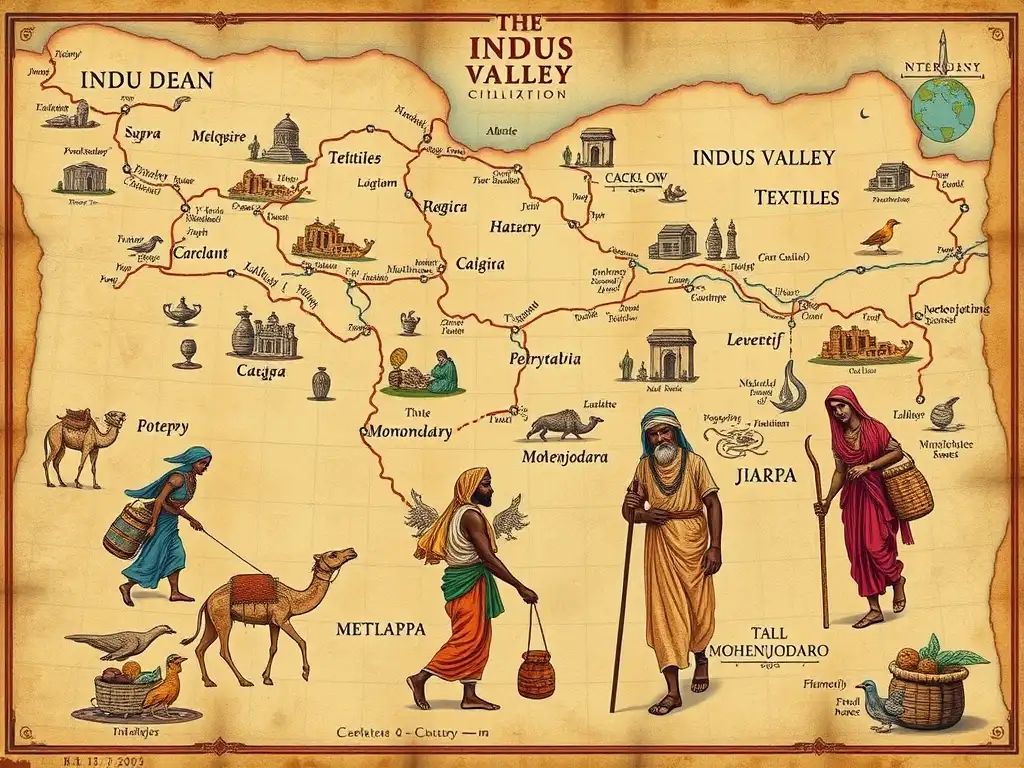
Introduction to Indus Valley Trade Innovations
The Indus Valley Civilization, one of the world's earliest urban cultures, flourished between 3300 and 1300 BCE in what is now Pakistan and northwest India. Known for its advanced city planning, sophisticated drainage systems, and remarkable craftsmanship, the civilization's innovations were not only pivotal for its own society but also played a crucial role in shaping trade dynamics across ancient Asia. This article delves into the Indus Valley trade innovations that facilitated the exchange of ideas and goods, highlighting how commerce contributed to the dissemination of technology and cultural practices.
Overview of Indus Valley Civilization
The Indus Valley Civilization, often referred to as the Harappan Civilization, was characterized by its impressive urban centers, such as Harappa and Mohenjo-Daro. These cities showcased remarkable architectural prowess, including grid layout streets, multi-story buildings, and advanced water management systems. The civilization is also known for its standardized weights and measures, which facilitated trade.
- Key Features of the Indus Valley Civilization:
- Urban planning and architecture
- Advanced drainage and sewage systems
- Standardization of weights and measures
- Craftsmanship in metallurgy, pottery, and textiles
This civilization thrived on agriculture, supported by the fertile plains of the Indus River, which allowed for surplus production and, consequently, trade with neighboring regions.
Importance of Trade in Ancient Societies
Trade has always been a fundamental aspect of human civilization, serving as a conduit for not just goods but also knowledge, culture, and technology. In ancient societies, trade networks connected distant communities, fostering interaction and mutual influence. The Indus Valley Civilization exemplified this dynamic, as trade was integral to its economic structure and cultural exchange.
- Benefits of Trade in Ancient Societies:
- Economic prosperity through resource exchange
- Cultural diffusion and blending of traditions
- Technological advancements through shared innovations
- Strengthening of political and social ties between communities
Understanding the role of trade in the Indus Valley provides insight into how this civilization not only sustained itself but also impacted others through its innovations.
Purpose of the Article
This article aims to explore the intricate mechanisms of trade within the Indus Valley Civilization, examining how the exchange of goods and ideas contributed to the spread of innovations. By analyzing trade routes, trading partners, and the specific goods exchanged, we can gain a clearer understanding of the civilization's far-reaching influence and its role in the broader context of ancient Indian history.
The Mechanisms of Indus Valley Trade
Key Trade Routes of the Indus Valley Civilization
The Indus Valley Civilization was strategically positioned along key trade routes that facilitated interactions with various regions, including Mesopotamia, Persia, and the Arabian Peninsula. These routes enabled the movement of goods, ideas, and innovations, creating a vibrant trade network.
- Notable Trade Routes:
- The Indus River and its tributaries
- Overland routes connecting to the Arabian Sea
- Trade pathways to the Persian Gulf and beyond
These routes not only facilitated the exchange of commodities but also allowed cultural interactions that enriched the civilization.
Major Trading Partners of Indus Valley Merchants
Indus Valley merchants engaged with several notable trading partners, including:
- Mesopotamia: Known for exchanging textiles and precious stones.
- Persia: Engaged in the trade of metals and agricultural products.
- Arabian Peninsula: Provided access to incense and exotic goods.
This interconnectedness highlights the global nature of trade even in ancient times, demonstrating how the Indus Valley civilization was a key player in the ancient economy.
Trade Goods and Innovations Exchanged
The trade goods exchanged by the Indus Valley Civilization were diverse and included:
- Textiles: Cotton and woolen fabrics, which were highly sought after.
- Metals: Copper, bronze, and gold items, showcasing advanced metallurgy.
- Pottery: Distinctive ceramics that reflected artistic skills.
In addition to physical goods, the trade networks facilitated the exchange of innovations, such as:
- Agricultural techniques: Improved farming practices and irrigation methods.
- Craftsmanship: Advances in pottery, jewelry making, and metallurgy.
The exchange of such goods and ideas played a significant role in promoting cultural and technological advancements, leaving a lasting legacy on subsequent civilizations.
Innovations Originating from the Indus Valley
The Indus Valley Civilization, flourishing around 2500 BCE, is renowned for its remarkable innovations that laid the groundwork for future advancements in various fields. These innovations were not isolated; they were intertwined with trade practices that enabled the spread of ideas and technologies across regions. The contributions of the Indus Valley can be categorized into several key areas, each reflecting the sophistication and ingenuity of this ancient civilization.
Technological Advances in Agriculture
Agriculture was a cornerstone of the Indus Valley economy, and several innovations significantly enhanced farming practices. One of the most notable advancements was the development of advanced irrigation systems, which included the construction of canals and reservoirs. This allowed for year-round cultivation and the efficient use of water resources, essential in the semi-arid climate of the region.
Additionally, the Indus Valley people were among the first to cultivate cotton, which later became a significant trade commodity. The introduction of ploughs and crop rotation techniques further increased agricultural productivity, ensuring a steady food supply that supported urbanization and trade.
Innovations in Urban Planning and Architecture
The urban planning of Indus Valley cities, such as Harappa and Mohenjo-Daro, is a testament to their architectural brilliance. These cities were meticulously designed with a grid layout, featuring well-planned streets, advanced drainage systems, and standardized fired-brick construction. This planning not only optimized land use but also enhanced public health, demonstrating an early understanding of urban management.
The use of uniform weights and measures facilitated trade, contributing to economic stability. Public structures, such as the Great Bath of Mohenjo-Daro, indicate the presence of advanced civic planning and social organization, marking a significant departure from earlier settlement patterns.
Contributions to Craftsmanship and Artistry
Indus Valley artisans were skilled craftsmen, producing a wide array of goods that showcased their artistic and technical capabilities. They excelled in pottery, metallurgy, and bead-making, creating intricate jewelry and ornaments that were traded extensively. The use of seals made from steatite, often intricately carved with animal motifs and script, reflects both artistic talent and the importance of trade in establishing identity and authority.
The quality of craftsmanship not only meets local demands but also appeals to distant markets, exemplifying how trade played a crucial role in disseminating Indus artistic innovations across regions.
The Impact of Trade on the Dissemination of Innovations
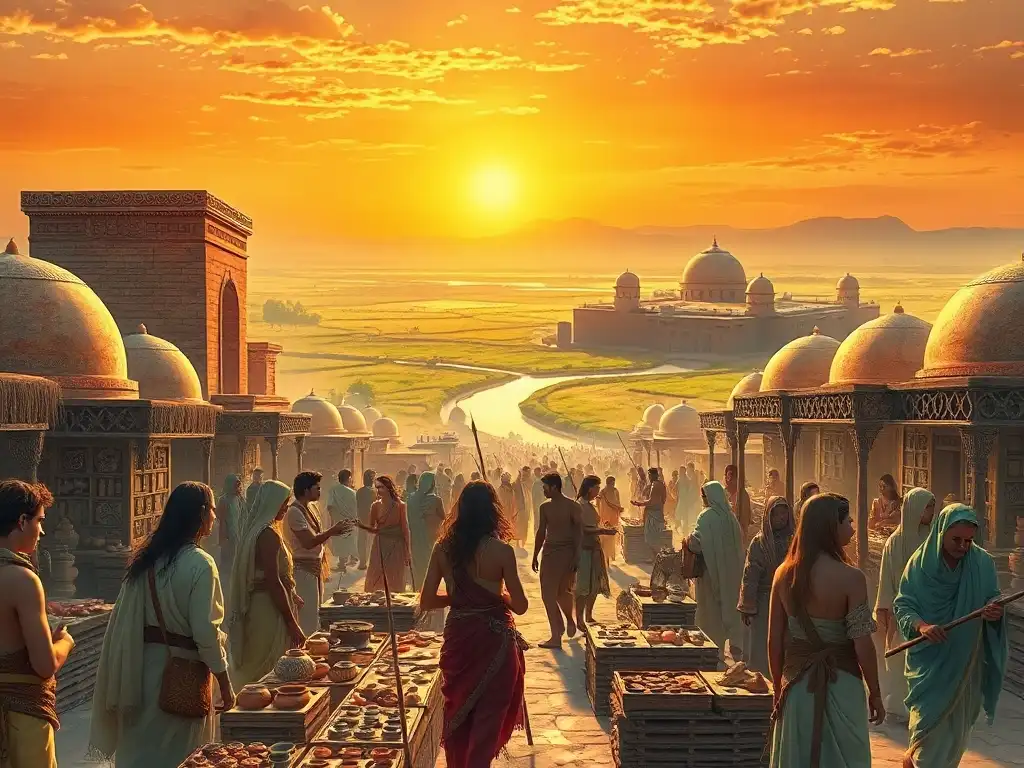
Trade was a pivotal mechanism through which the innovations of the Indus Valley Civilization spread beyond its geographical confines. The extensive trade networks established by the Indus people facilitated the exchange of goods, ideas, and technologies, influencing neighboring cultures and civilizations.
How Trade Facilitated Cultural Exchange
The trade routes established by the Indus Valley linked them to Mesopotamia, Persia, and other regions, fostering significant cultural exchanges. These interactions allowed for the sharing of agricultural techniques, artistic styles, and technological innovations. For instance, the adoption of metallurgy techniques from the Indus Valley significantly impacted neighboring regions, enhancing their own craftsmanship and industrial capabilities.
Moreover, the exchange of goods, such as textiles and pottery, not only provided economic benefits but also created a platform for cultural intermingling, enriching the social fabric of surrounding communities.
The Role of Trade in Spreading Agricultural Techniques
Trade was instrumental in the dissemination of advanced agricultural practices. The Indus Valley's expertise in irrigation, crop cultivation, and farming tools gradually influenced agricultural methods in neighboring regions. For example, the techniques of cotton cultivation and the use of ploughs spread to other civilizations, enhancing their agricultural output and sustainability.
As these techniques were adopted, they contributed to the growth of trade networks, which further perpetuated the cycle of innovation and exchange across ancient societies.
Influence on Urban Development in Neighboring Regions
The urban planning strategies of the Indus Valley had a lasting impact on the development of cities in surrounding regions. As traders and merchants interacted with the Indus people, they took note of the sophisticated urban infrastructure and city layouts, leading to the adoption of similar practices in their own urban centers.
Cities such as Lothal and Dholavira, influenced by Indus innovations, showcased improved drainage systems, organized street layouts, and public buildings. This cross-pollination of ideas helped to elevate the standards of urban living and governance in the ancient world, showcasing the far-reaching effects of Indus Valley trade innovations.
Case Studies of Specific Trade Innovations
The Indus Valley Civilization was not only remarkable for its urban planning and architecture but also for its significant contributions to trade innovations that influenced neighboring cultures. Through the extensive trade networks established by the Indus Valley people, several innovations spread beyond its borders, showcasing the interconnectedness of ancient civilizations. Here are some notable examples of these trade innovations:
The Spread of Indus Valley Weight and Measurement Systems
The Indus Valley Civilization is credited with developing one of the earliest systems of weights and measures, which was crucial for trade. Archaeological findings indicate that they used standardized weights made of stone, with precise measurements that facilitated fair trade practices. These weights typically ranged from 1 to 7.5 grams, and the system was likely based on a decimal system, showcasing advanced mathematical understanding.
As trade flourished, this system of weights and measures was adopted by neighboring cultures, including those in Mesopotamia and Persia. The adoption of these standardized measures played a vital role in enhancing trade efficiency and trust. The influence of the Indus Valley weight and measurement systems can be seen in the artifacts recovered from sites outside the Indus region, illustrating the far-reaching impact of these innovations on commerce in the ancient world.
Adoption of Indus Valley Pottery Techniques in Other Cultures
Indus Valley pottery is characterized by its high quality and intricate designs, particularly the red and black pottery that became a hallmark of the civilization. Trade routes facilitated the exchange of these pottery techniques, allowing other cultures to adopt and adapt the crafting methods used in the Indus Valley.
For instance, archaeological evidence suggests that the techniques of wheel-thrown pottery and the use of specialized kilns spread to regions such as the Iranian plateau. This adaptation led to the emergence of new pottery styles in these areas, indicative of the cultural exchange fostered by trade. The fine craftsmanship of Indus Valley pottery not only influenced aesthetic preferences but also improved the functionality of pottery in daily life across various cultures.
The Influence of Indus Valley Textile Innovations on Surrounding Areas
Textiles were a major commodity in the Indus Valley trade system, with evidence of cotton cultivation and advanced weaving techniques that set the foundation for future textile industries in the region. The Indus Valley people produced high-quality cotton fabrics, which were traded extensively across Asia.
The spread of these textile innovations had a profound influence on surrounding civilizations, particularly in the regions that later became part of the Persian Empire and beyond. These areas began adopting cotton cultivation and textile production techniques, which ultimately contributed to the establishment of a thriving textile trade in the ancient world. The popularity of cotton textiles from the Indus Valley paved the way for the fabric’s global prominence, underscoring the role of trade in disseminating innovative practices.
Conclusion
Summary of Key Points on Trade and Innovation
The trade innovations of the Indus Valley Civilization were pivotal in shaping not only their own economy but also the cultural and technological landscapes of neighboring regions. The standardized weight and measurement systems, advanced pottery techniques, and revolutionary textile innovations exemplify how trade acted as a conduit for knowledge transfer and cultural exchange. These innovations fostered economic prosperity and laid the groundwork for future advancements in various fields.
The Lasting Legacy of Indus Valley Trade Innovations in Ancient Indian History
The legacy of the Indus Valley trade innovations is evident in their lasting impact on subsequent ancient Indian civilizations. The knowledge and practices disseminated through trade paved the way for the development of more sophisticated economic systems, influencing industries such as textiles and craftsmanship. As trade routes expanded and evolved, the foundational innovations from the Indus Valley remained integral to the growth of trade and commerce in ancient India, contributing significantly to its historical narrative.
Final Thoughts on the Importance of Trade in Cultural Development
The role of trade in the cultural development of the Indus Valley Civilization cannot be overstated. Through trade, not only were goods exchanged, but also ideas, technologies, and cultural practices. This interaction fostered innovation and adaptation, highlighting the interconnectedness of ancient societies. Understanding the dynamics of trade and its influence on innovation provides valuable insights into the complexities of cultural development in ancient Indian history and emphasizes the importance of trade as a catalyst for progress and collaboration.
- Introduction to Indus Valley Trade Innovations
- The Mechanisms of Indus Valley Trade
- Innovations Originating from the Indus Valley
- The Impact of Trade on the Dissemination of Innovations
- Case Studies of Specific Trade Innovations
- Conclusion
- What were the main trade innovations of the Indus Valley civilization?
- How did trade influence the cultural exchange in ancient India?
- What role did geography play in the trade networks of the Indus Valley?
- How did the decline of trade impact the Indus Valley civilization?
- What can we learn from the Indus Valley trade practices today?
Frequently Asked Questions
What were the main trade innovations of the Indus Valley civilization?
The Indus Valley civilization introduced several trade innovations, including standardized weights and measures, advanced shipping techniques, and the use of seals for identification in trade.
How did trade influence the cultural exchange in ancient India?
Trade facilitated significant cultural exchange between the Indus Valley and neighboring regions, leading to the sharing of ideas, technologies, and artistic styles among different civilizations.
What role did geography play in the trade networks of the Indus Valley?
The geography of the Indus Valley, with its proximity to river systems and coastal areas, enabled efficient trade networks that connected it to other ancient cultures in Mesopotamia and beyond.
How did the decline of trade impact the Indus Valley civilization?
The decline of trade due to climatic changes and shifts in river paths contributed to the collapse of many urban centers, leading to the eventual decline of the Indus Valley civilization.
What can we learn from the Indus Valley trade practices today?
The trade practices of the Indus Valley civilization offer insights into ancient commerce and innovation, highlighting the importance of trade in economic development and cultural integration, which remains relevant today.
Final Reflection: The Enduring Legacy of Indus Valley Trade Innovations
Understanding the role of trade in spreading Indus Valley innovations is not just a historical inquiry; it is a vital lens through which we can examine the interconnectedness of cultures today. The innovations that emerged from the Indus Valley civilization were not confined to its geographical boundaries; they traveled far and wide, influencing societies and economies across continents. This historical narrative reminds us that trade has always been a powerful vehicle for the exchange of ideas, technologies, and cultural practices, shaping the world as we know it.
The influence of Indus Valley trade innovations continues to resonate in our modern cultural and social landscape. The principles of trade that emerged during this ancient civilization laid the groundwork for global commerce and cultural exchange. As we navigate an increasingly interconnected world, we can draw parallels between the past and present. Trade is not just about goods; it’s about the ideas and cultures that flow along with them.
This quote encapsulates the essence of trade as a transformative force, highlighting how the legacy of the Indus Valley continues to inspire innovation and collaboration across diverse societies.
As we reflect on the lessons of the Indus Valley trade innovations, let us embrace the spirit of curiosity and openness that characterized this ancient civilization. I invite you to consider how you can foster connections in your own life, whether through sharing knowledge, collaborating on projects, or engaging with different cultures. By doing so, we honor the legacy of the Indus Valley and contribute to a future where innovation knows no borders, and the exchange of ideas enriches our shared human experience.
Unleash the Power of Trade: Take Action Today!
Thank you for exploring the essential role of trade in disseminating the incredible innovations of the Indus Valley! Your interest in this fascinating topic empowers you to dive deeper into the rich history of ancient civilizations.
Now, it's your turn to make an impact! Here are a few actionable steps you can take right away:
- Visit local museums or online exhibits showcasing ancient trade and innovations to connect with history firsthand!
- Share this article with friends or on social media to spark discussions about the significance of trade in our modern world.
- Join a local history group or an online forum dedicated to exploring historical studies, and engage in conversations about the influence of ancient trade routes.
Which innovation from the Indus Valley do you believe has shaped our modern world the most? Let's discuss!