
The Gupta Empire’s Innovations in Mechanical Engineering: An Ancient Marvel

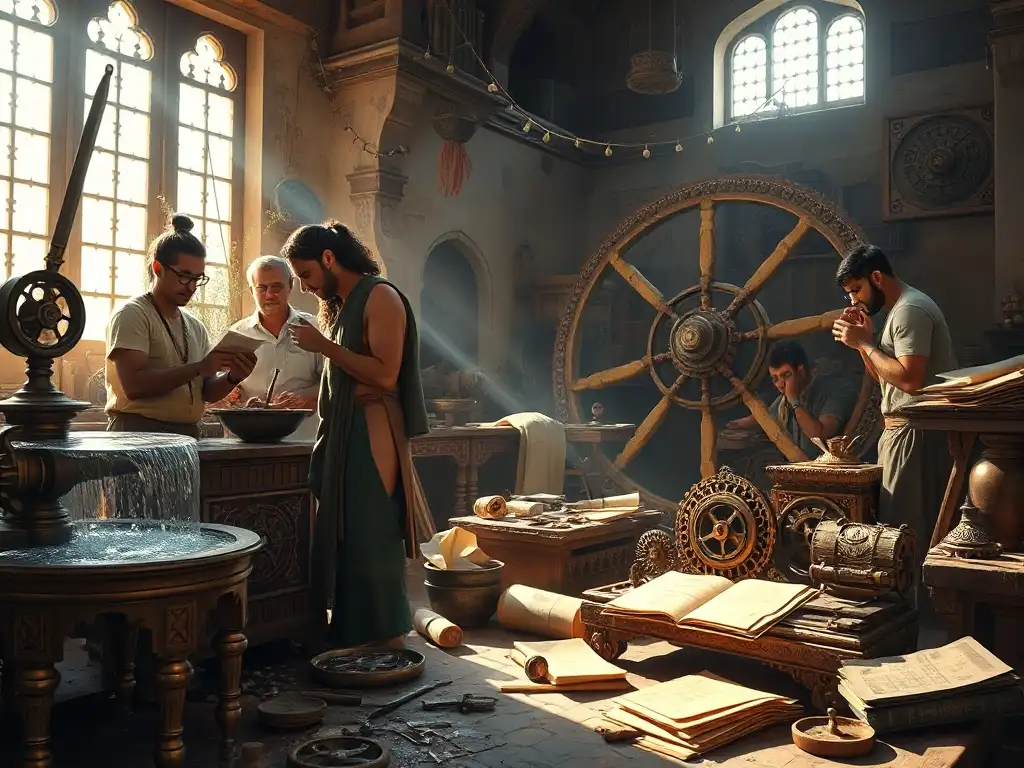
Welcome to Ancient India History, where we delve deep into the rich tapestry of ancient Indian civilizations that have shaped our world. Today, we invite you to uncover the brilliance of the Gupta Empire and its groundbreaking mechanical engineering innovations. What secrets lie within the marvels of ancient machinery?
From ingenious water management systems to remarkable advancements in tools and technology, the Gupta period was truly a golden age of innovation. Join us as we explore these extraordinary contributions that continue to inspire curiosity and admiration for the ingenuity of our ancestors. Your journey into the wonders of ancient India begins here!
Introduction to the Gupta Empire's Mechanical Engineering Innovations
The Gupta Empire, often referred to as the Golden Age of India, flourished between the 4th and 6th centuries CE. This era is marked by remarkable advancements in various fields, including arts, science, and particularly, mechanical engineering. The innovative spirit of this period led to significant contributions that not only showcased the ingenuity of ancient Indian civilization but also laid the groundwork for future technological advancements. This article delves into the Gupta Empire mechanical engineering innovations, highlighting their importance and the enduring impact on engineering practices.
Overview of the Gupta Empire and Its Significance
The Gupta Empire, established by Maharaja Sri Gupta, expanded under the reign of notable rulers like Chandragupta II and Samudragupta. This empire is celebrated for its cultural and intellectual achievements, which spurred developments in mathematics, astronomy, literature, and engineering.
- Cultural Flourishing: The Gupta period saw a renaissance in arts and culture, where scholars like Aryabhata and Kalidasa made significant contributions.
- Political Stability: The empire's political structure provided a stable environment, encouraging innovation and scholarly pursuits.
- Trade and Economy: A robust trade network facilitated the exchange of ideas and technologies, further enhancing the empire's engineering capabilities.
Importance of Mechanical Engineering in Ancient India
Mechanical engineering in ancient India played a crucial role in addressing practical challenges faced by society.
- Agricultural Advancements: Innovations such as water lifting devices improved irrigation, directly impacting agricultural productivity.
- Construction Techniques: The engineering prowess of the Gupta period allowed for the construction of impressive structures, including temples and universities, showcasing advanced architectural techniques.
- Automata and Mechanical Devices: The fascination with mechanics led to the development of automata, which were not only entertaining but also demonstrated an understanding of mechanics.
Purpose of the Article: Exploring Innovations and Contributions
This article aims to explore the innovative strides made in mechanical engineering during the Gupta Empire. By examining specific inventions and techniques, the goal is to shed light on how these advancements contributed to the empire's legacy and influenced subsequent generations. We will delve into key innovations, including water lifting devices, engineering tools, and mechanical devices, providing a comprehensive overview of their significance in ancient Indian history.
Key Innovations in Mechanical Engineering During the Gupta Empire
Development of Water Lifting Devices
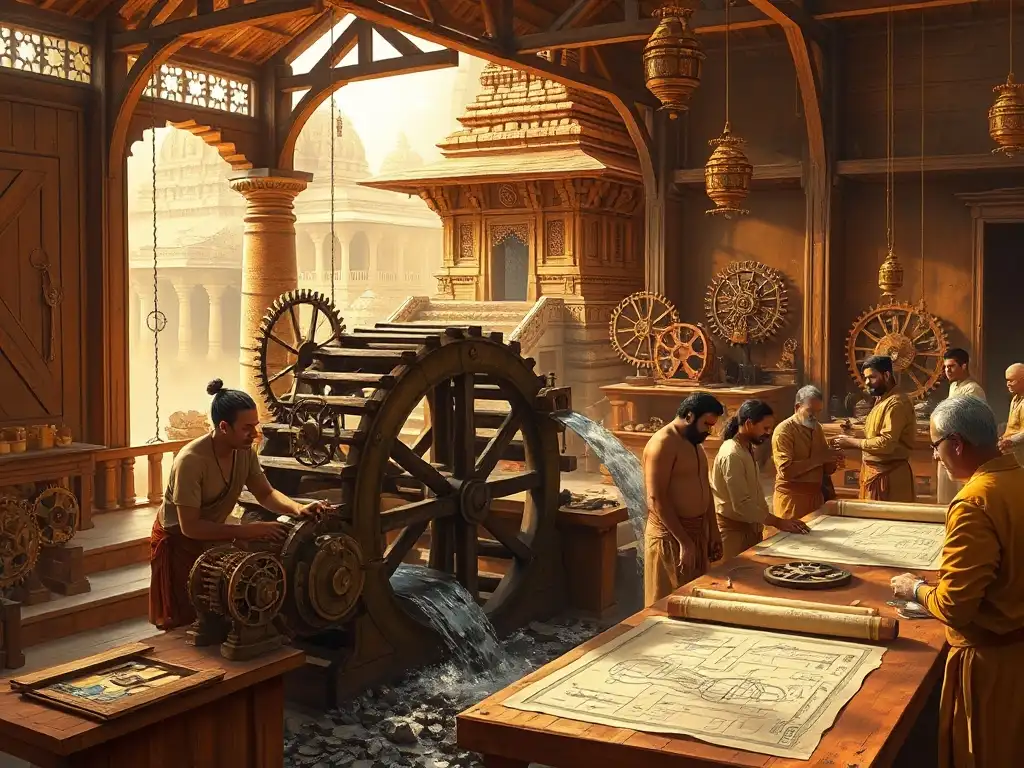
One of the most remarkable achievements in the Gupta Empire was the development of advanced water lifting devices. These machines revolutionized irrigation practices, allowing farmers to efficiently access water resources for their crops. Key innovations include:
- Archimedes Screw: This device, although originally invented earlier, saw refinements during the Gupta period, enhancing its efficiency in transferring water.
- Persian Wheel: This water-lifting mechanism, known for its rotational design, was widely adopted in Indian agriculture, showcasing ingenuity in harnessing natural resources.
Advances in Engineering Tools and Techniques
The Gupta Empire also witnessed significant advancements in engineering tools and techniques, which facilitated various construction and manufacturing processes. Important developments included:
- Improved Measuring Instruments: The refinement of tools such as the plumb bob and leveling instruments ensured precision in construction.
- Brick and Mortar Innovations: The use of better-quality materials and construction techniques allowed for the creation of durable structures.
Mechanical Devices and Automata
The fascination with mechanics led to the creation of intricate mechanical devices and automata during the Gupta Empire. These innovations included:
- Moving Statues: Ingenious designs allowed for the creation of statues that could move or produce sound, reflecting a deep understanding of mechanics.
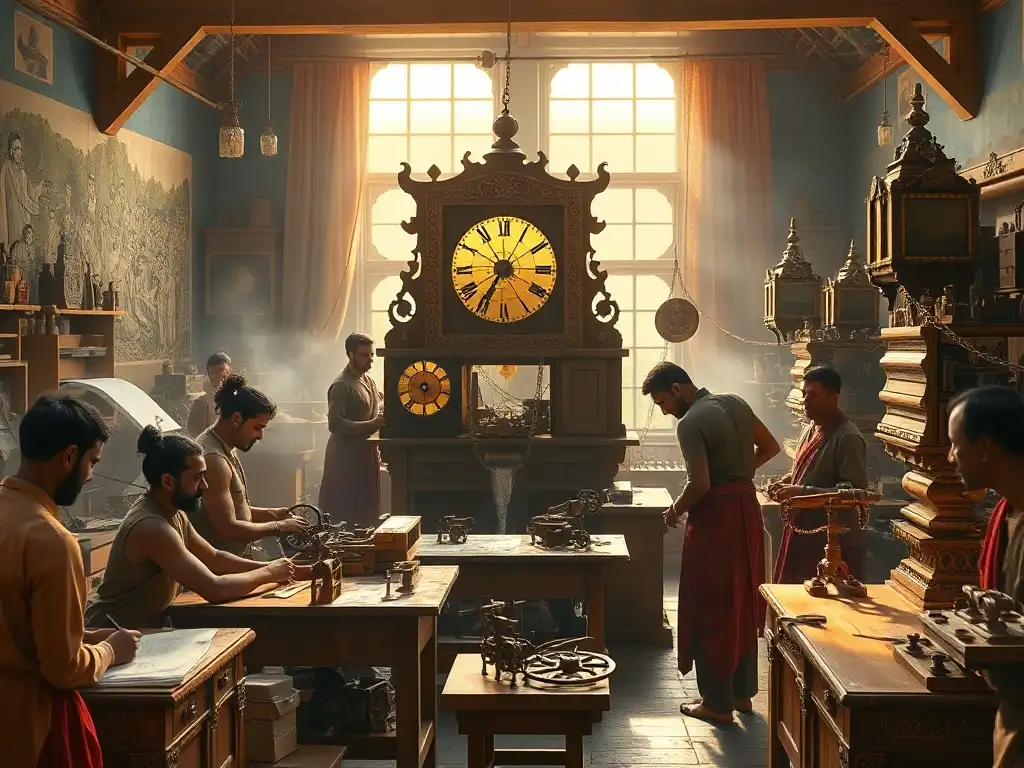
- Water Clocks: Devices that used water flow to measure time, showcasing the intersection of engineering and daily life.
This exploration of the Gupta Empire mechanical engineering innovations not only highlights the technical prowess of the time but also emphasizes the empire's lasting influence on the field of engineering and technology.
Influential Figures in Gupta Mechanical Engineering
The Gupta Empire, often regarded as a golden age of Indian history, was marked by significant advancements in various fields, including mechanical engineering. This period saw several influential figures whose contributions laid the groundwork for future innovations. These individuals not only excelled in engineering but also in mathematics and astronomy, showcasing the interconnectedness of disciplines during this era.
One of the most notable figures was Aryabhata, an eminent mathematician and astronomer who, although primarily known for his work in mathematics, also contributed to mechanical principles through his understanding of astronomical instruments. His treatise, the Aryabhatiya, outlined concepts that influenced the design of sophisticated mechanical devices used for astronomical observations.
Another significant figure was Varahamihira, who, while primarily recognized for his astrological texts, also delved into the mechanics of various devices. His work, Brihat Samhita, includes descriptions of water clocks and other mechanical devices that reflect the advanced engineering skills of the time.
These influential figures not only made individual contributions but also inspired a generation of engineers and craftsmen who collectively advanced the field of mechanical engineering in the Gupta Empire.
Notable Engineers and Inventors of the Gupta Period
The Gupta period was home to remarkable engineers and inventors who created innovative mechanical devices that were integral to various industries, including agriculture, textiles, and construction. Among them, Bhaskara I stands out for his contributions to the development of water-lifting devices. His designs for water wheels and pumps significantly improved irrigation methods, which were vital for agriculture in the region.
Another notable inventor was Siddhanta Siromani, attributed to the creation of various mechanical tools and devices. His work demonstrated a deep understanding of leverage and hydraulics, principles that were crucial in the development of machinery used in construction and manufacturing.
These engineers not only demonstrated technical prowess but also played a vital role in enhancing the quality of life during the Gupta period through their inventions, many of which served as prototypes for future engineering advancements.
The Role of Craftsmen and Artisans in Engineering Developments
Craftsmen and artisans were the backbone of mechanical engineering developments during the Gupta Empire. Their skills and expertise in various materials, such as wood, metal, and textiles, allowed them to create intricate mechanical devices that were both functional and aesthetically pleasing.
Artisans specialized in fields such as metallurgy, woodworking, and textile production, contributing to the Empire's engineering prowess. For instance, blacksmiths were essential in crafting tools and components for larger machines, while carpenters built sophisticated water-lifting devices.
Moreover, the collaboration between engineers and artisans fostered a culture of innovation, where practical knowledge was combined with theoretical principles. This synergy was crucial for the successful implementation of engineering projects, such as the construction of temples and irrigation systems, which required meticulous planning and execution.
The Impact of Gupta Empire Mechanical Engineering Innovations
The innovations in mechanical engineering during the Gupta Empire had far-reaching effects that influenced subsequent civilizations and contributed to global engineering practices.
Influence on Subsequent Indian Civilizations
The mechanical engineering innovations of the Gupta Empire set a precedent for future Indian civilizations. The advancements in irrigation techniques, for example, played a significant role in enhancing agricultural productivity, which was crucial for the sustenance of later empires, such as the Chola and Mughal dynasties.
The principles developed during this period continued to evolve, leading to the construction of more complex machines and systems. The mechanical devices created by Gupta engineers became foundational knowledge that was passed down through generations, influencing local engineering practices for centuries.
Contributions to Global Engineering Practices
The mechanical engineering innovations of the Gupta Empire also reached beyond the Indian subcontinent, contributing to global engineering practices. Indian scholars traveled to other regions, sharing their knowledge of mechanics, mathematics, and astronomy. This exchange of ideas helped lay the groundwork for advancements in engineering in countries such as Persia and the Arab world.
For instance, the concepts of hydraulic engineering pioneered by Gupta engineers influenced the development of water management systems in various cultures, showcasing the global impact of Indian mechanical innovations.
Preservation and Transmission of Knowledge
The preservation and transmission of knowledge during the Gupta Empire were vital in ensuring that the mechanical engineering innovations of the time were not lost. The establishment of educational institutions, such as the renowned Nalanda University, played a crucial role in this process. Scholars gathered to study and share knowledge, creating a vibrant intellectual community that fostered innovation.
Manuscripts and texts documenting engineering principles, mathematical concepts, and astronomical observations were meticulously copied and disseminated, allowing future generations to build upon the work of their predecessors. This dedication to knowledge preservation ensured that the mechanical engineering advancements of the Gupta Empire continued to inspire and inform innovations in later periods.
Conclusion: Legacy of the Gupta Empire's Mechanical Engineering
The Gupta Empire, often referred to as a golden age in Indian history, made significant advancements in mechanical engineering that have left an indelible mark on the field. The innovative spirit of this period not only fostered the development of various technologies but also laid the groundwork for future engineering endeavors. From ingenious water management systems to intricate mechanisms that powered ancient machines, the Gupta Empire’s contributions are a testament to the ingenuity and technical prowess of its people.
Summary of Key Innovations and Their Importance
Among the key innovations during the Gupta period were the development of advanced water lifting devices, such as the sakia (mechanical water wheel), which facilitated irrigation and supported agriculture. The use of pulleys and levers in construction showcased a sophisticated understanding of mechanics, allowing for the erection of monumental structures.
Moreover, the introduction of sophisticated metallurgy techniques, particularly in the crafting of tools and weaponry, underscored the importance of mechanical engineering in enhancing productivity and efficiency. These innovations were crucial not only for their immediate utility but also for their role in promoting trade and commerce, which were vital for the empire's economy.
Lasting Influence on Modern Engineering and Technology
The legacy of Gupta mechanical engineering innovations extends far beyond their time. Many principles that emerged during this era have been foundational in the development of modern engineering practices. The concepts of leverage, efficiency in design, and the integration of mechanical systems can be traced back to the sophisticated understanding exhibited by Gupta engineers. Furthermore, the advancements in metallurgy have influenced contemporary material science, paving the way for modern engineering applications. As such, the Gupta Empire can be seen as a precursor to the engineering marvels that would follow in both India and the broader world.
Encouragement to Explore Further on Ancient Indian Innovations
The Gupta Empire's achievements in mechanical engineering are just a glimpse into the rich tapestry of ancient Indian innovations. Readers are encouraged to delve deeper into the history of this period to uncover the myriad ways in which ancient Indian civilizations contributed to the fields of science and technology. Exploring these innovations provides a profound appreciation for the ingenuity of past cultures and their influence on modern advancements.
References and Further Reading
Suggested Books and Articles on Gupta Engineering Innovations
- "Science and Technology in Ancient India" by K.V. Sarma: This book explores various scientific advancements during ancient Indian civilizations, including those from the Gupta Empire.
- "The History of Mechanical Engineering in Ancient India" by Ramesh Chandra: A comprehensive analysis of engineering practices and their evolution in ancient Indian society.
- "The Gupta Empire: A Historical Overview": by J.L. Mehta: This article provides insights into the political and cultural context of the Gupta period, shedding light on its technological advancements.
Online Resources for Learning about Ancient Indian Mechanical Engineering
- Ancient Indian Science and Technology: A dedicated online portal that offers resources, research papers, and articles on the scientific achievements of ancient India.
- The Gupta Empire: A Digital Archive: An interactive website featuring documents, images, and scholarly articles related to the Gupta period's contributions to engineering and technology.
- YouTube Channel: Ancient Engineering: This channel features documentaries and discussions on the engineering feats of ancient civilizations, including the Gupta Empire, highlighting their significance and impact.
By exploring these resources, readers can gain a deeper understanding of the remarkable innovations that emerged during the Gupta Empire and their relevance to today's engineering landscape.
- Introduction to the Gupta Empire's Mechanical Engineering Innovations
- Key Innovations in Mechanical Engineering During the Gupta Empire
- Influential Figures in Gupta Mechanical Engineering
- The Impact of Gupta Empire Mechanical Engineering Innovations
- Conclusion: Legacy of the Gupta Empire's Mechanical Engineering
- References and Further Reading
- What were the key innovations in mechanical engineering during the Gupta Empire?
- How did the Gupta Empire influence modern mechanical engineering?
- Were there any notable figures in mechanical engineering during the Gupta Empire?
- How did the Gupta Empire's innovations impact agriculture?
- Are there any surviving examples of Gupta mechanical engineering?
Frequently Asked Questions
What were the key innovations in mechanical engineering during the Gupta Empire?
The Gupta Empire is renowned for its innovative mechanical engineering techniques, including advanced water management systems, automated devices like the water clock, and sophisticated machinery for various applications.
How did the Gupta Empire influence modern mechanical engineering?
The principles and technologies developed during the Gupta period laid foundational concepts for modern mechanical engineering, particularly in hydraulics and mechanical devices, which still resonate in contemporary engineering practices.
Were there any notable figures in mechanical engineering during the Gupta Empire?
Yes, the Gupta Empire boasted remarkable scholars and engineers such as Aryabhata, whose contributions to mathematics and physics influenced mechanical engineering and helped advance the field significantly.
How did the Gupta Empire's innovations impact agriculture?
The mechanical engineering innovations of the Gupta Empire, such as improved plowing techniques and irrigation systems, significantly enhanced agricultural productivity, supporting the empire's economy and sustaining its population.
Are there any surviving examples of Gupta mechanical engineering?
While many original structures have not survived, remnants of water management systems and references in ancient texts provide insights into the advanced engineering practices of the Gupta Empire, showcasing their technological prowess.
Final Reflection: The Enduring Legacy of Gupta Empire Mechanical Engineering Innovations
The Gupta Empire's mechanical engineering innovations stand as a testament to human ingenuity and creativity, reflecting a time when science and art intertwined to shape the world. Today, as we navigate an era defined by rapid technological advancements, the principles and techniques established during the Gupta period continue to resonate. The remarkable achievements of this ancient civilization remind us that innovation is not merely a modern phenomenon; it is a timeless pursuit that transcends generations.
The influence of the Gupta Empire on our cultural and social landscape is profound and ongoing. From the intricate water clocks to the sophisticated pulley systems, these innovations laid the groundwork for future engineering marvels. The legacy of the Gupta Empire serves as a source of inspiration, urging us to explore the depths of our own creativity.
As the historian and philosopher Will Durant once said, "> Civilization exists by geological consent, subject to change without notice." This quote encapsulates the idea that while our technological landscape may evolve, the foundational principles of innovation remain constant, urging us to learn from the past.
As we reflect on the remarkable achievements of the Gupta Empire, I invite you to consider how these ancient innovations can inspire your own journey. What lessons can you draw from their ingenuity that might apply to your personal or professional life? Embrace the spirit of innovation, challenge the status quo, and let the legacy of the Gupta Empire guide you in your quest for creativity and progress. Remember, the seeds of change are often sown in the rich soil of history, waiting for us to cultivate them into something extraordinary.
Unveil the Wonders of Ancient Innovation!
Thank you for delving into the fascinating world of the Gupta Empire's mechanical engineering marvels! You've gained insight into how creativity and ingenuity shaped ancient technology. Now, it’s time to take the next step and engage with this legacy in meaningful ways.
- Explore further: Dive into more ancient engineering feats by visiting our related articles that spotlight various civilizations' innovative contributions.
- Share the knowledge: Discuss these incredible inventions with friends or on social media to highlight the brilliance of the Gupta Empire.
- Get hands-on: Try building a small engineering project inspired by ancient designs. Tap into your creativity and see how these marvels can be reimagined!
As you reflect on the Gupta Empire's innovations, consider this: What modern technologies do you believe were inspired by ancient engineering principles, and how can we apply these lessons today? Share your thoughts in the comments below!