
The Role of Indian Miniature Painting in Preserving History

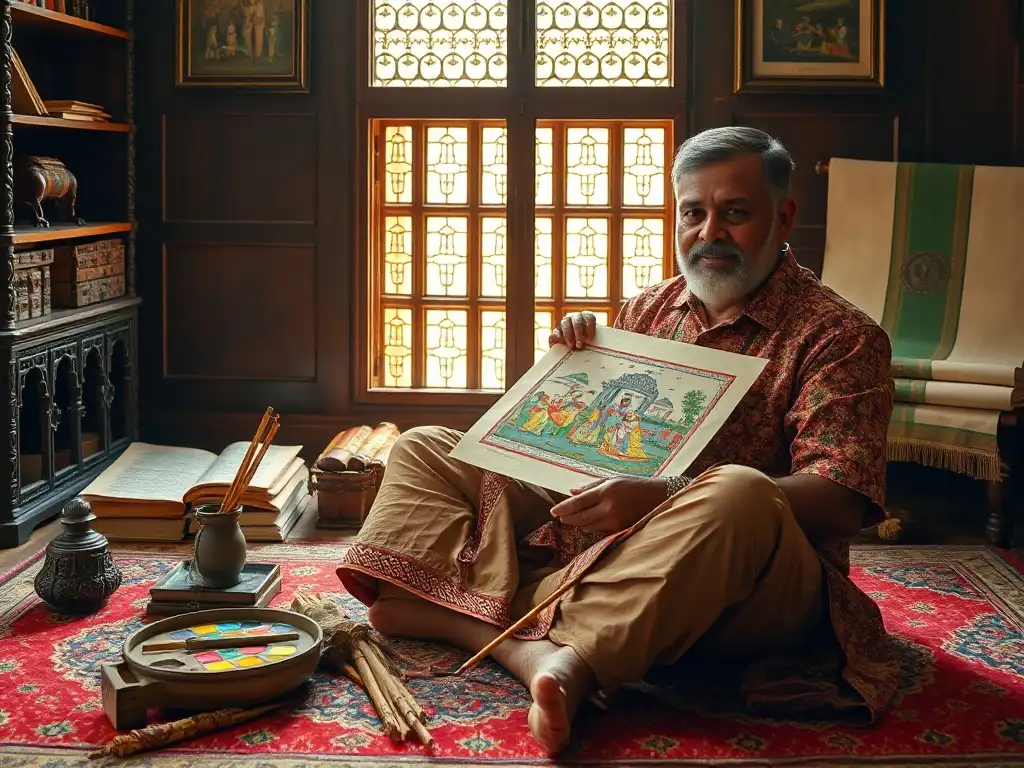
Welcome to Ancient India History, where we embark on a fascinating journey through the vibrant tapestry of ancient Indian civilizations. Delve into the rich culture, groundbreaking contributions, and enduring legacies that have shaped the subcontinent from the Indus Valley to the Gupta Empire.
In our featured article, "The Role of Indian Miniature Painting in Preserving History," we uncover how this exquisite art form not only reflects the beauty of its time but also serves as a crucial window into the past. Prepare to be captivated by the intricate details and stories embedded within these masterpieces, inviting you to explore further into the enigma of Indian miniature painting history.
- Introduction to Indian Miniature Painting History
- Historical Context of Indian Miniature Painting
- Techniques and Materials in Indian Miniature Painting
- Themes and Subjects in Indian Miniature Painting
- Preservation and Conservation of Indian Miniature Paintings
- Indian Miniature Painting and Its Influence on World Art
- Conclusion: The Legacy of Indian Miniature Painting in History
-
Frequently Asked Questions
- What is Indian miniature painting?
- How did Indian miniature painting contribute to historical preservation?
- What are some key themes in Indian miniature paintings?
- Which periods are most significant for the development of Indian miniature painting?
- How can one appreciate the intricacies of Indian miniature painting?
- Final Reflection: The Enduring Legacy of Indian Miniature Painting
- Unveil the Treasures of Indian Miniature Painting!
Introduction to Indian Miniature Painting History
Indian miniature painting is a captivating art form that has played a significant role in preserving the rich tapestry of Indian history and culture. Originating from the vibrant canvas of ancient Indian civilizations, this intricate style of painting has evolved over centuries, reflecting the socio-political dynamics, religious beliefs, and aesthetic sensibilities of its time.
As we delve into the history of Indian miniature painting, we not only explore its artistic techniques and themes but also uncover its profound impact on the documentation of historical narratives and cultural heritage. The delicate strokes and vibrant colors of these paintings serve as a visual chronicle, offering insights into the lives, traditions, and values of the people who created them.
Definition and Overview of Indian Miniature Painting
Indian miniature painting refers to a highly detailed and decorative style of painting that is usually executed on a small scale. This genre of art encompasses various regional styles, each characterized by distinct techniques, themes, and materials.
- Characteristics of Miniature Paintings:
- Size: Typically small, often no larger than a few feet.
- Materials: Created using natural pigments, gold, and intricate brushwork on materials like paper, cloth, or wood.
- Themes: Subjects range from court scenes, religious illustrations, and nature to folklore and mythology.
The origins of Indian miniature painting can be traced back to the Mughal Empire in the 16th century, where it flourished under royal patronage. However, its roots extend further back to the Indus Valley Civilization, showcasing the continuity of artistic expression through the ages. As the art form evolved, it absorbed influences from different regions and cultures, including Persian, European, and Indian folk styles, resulting in a rich diversity of miniature painting traditions.
Importance of Indian Miniature Painting in Cultural Heritage
Indian miniature painting is not merely an artistic endeavor; it is a vital aspect of the cultural heritage of India, serving multiple purposes:
- Documentation of History: These paintings are historical artifacts that document the socio-political landscape of various periods, capturing significant events, royal portraits, and everyday life.
- Preservation of Traditions: Through their intricate narratives, miniature paintings preserve ancient customs, rituals, and folklore, ensuring that these cultural elements are passed down through generations.
- Cultural Exchange: The evolution of miniature painting reflects a confluence of different cultures and ideas, illustrating how art can bridge gaps and foster understanding among diverse communities.
In essence, Indian miniature painting is a testament to the creativity and resilience of Indian civilizations, playing a crucial role in the preservation of history and identity. As we explore this art form further, we uncover not just its aesthetic beauty but also its profound significance in the continuum of Indian heritage.
Historical Context of Indian Miniature Painting
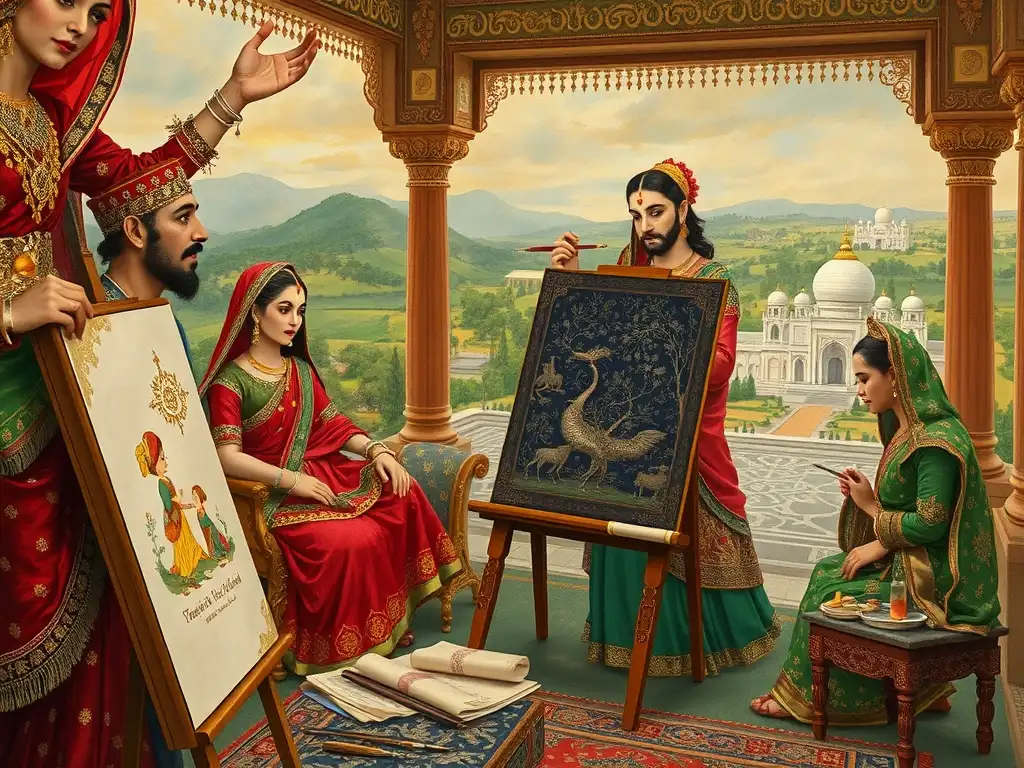
Origins of Miniature Painting in Ancient India
Indian miniature painting has its roots deeply embedded in the artistic practices of ancient India, tracing back to the Indus Valley Civilization (c. 3300–1300 BCE). Archaeological findings, such as seals and terracotta artifacts, suggest that early forms of artistic expression included intricate designs and vibrant colors. However, it was during the medieval period, particularly under the patronage of various dynasties, that miniature painting began to flourish as a distinct art form.
The earliest documented instances of miniature painting can be seen in manuscripts from the Buddhist and Hindu traditions, where illustrations accompanied religious texts. The Ajanta Caves (2nd century BCE - 6th century CE) showcase remarkable paintings that, while not miniature in size, laid the groundwork for the stylistic elements and themes that would later define miniature artworks. These early forms emphasized narrative storytelling, often depicting scenes from religious epics like the Mahabharata and Ramayana.
Evolution of Styles through Different Dynasties
As Indian miniature painting evolved, it was significantly influenced by the various dynasties that ruled over different regions. Each dynasty contributed unique stylistic elements and themes to the art form, leading to a rich tapestry of styles.
- Mughal Dynasty (1526–1857): The Mughal period is perhaps the most celebrated era for Indian miniature painting. The emperors, especially Akbar, were great patrons of the arts. Miniature paintings from this era are characterized by their detailed realism, vibrant colors, and intricate backgrounds. The Mughal School often depicted court scenes, battles, and portraits, showcasing a blend of Persian and Indian artistic techniques.
- Rajput Schools (16th–19th centuries): Parallel to the Mughal style, the Rajput states developed their own distinctive styles of miniature painting. Each region, such as Mewar, Marwar, and Bundelkhand, had its unique approach, often emphasizing bold colors and decorative elements. Themes frequently revolved around mythology, love, and nature, reflecting the local culture and traditions.
- Pahari School (17th–19th centuries): Originating in the hilly regions of northern India, Pahari miniature paintings are known for their lyrical beauty and romantic themes. The artists often focused on Krishna and Radha, portraying the divine couple in various pastoral settings. The use of soft colors and delicate brushwork distinguishes this style.
- Deccan School (16th–18th centuries): The Deccan region produced a unique style that combined elements from Persian and Indian traditions. The paintings often depicted court life and were characterized by their bold colors and intricate detailing.
Influence of Religion and Philosophy on Miniature Art
Religious and philosophical themes played a pivotal role in shaping the narratives depicted in Indian miniature paintings. The art form served as a medium to convey spiritual beliefs, moral teachings, and cultural values.
- Hinduism: Many miniature paintings illustrated scenes from Hindu epics and mythology, serving both devotional and educational purposes. These artworks often depicted gods and goddesses, festivals, and mythological tales, making the divine accessible to the common people.
- Buddhism: Early miniature paintings were used to illustrate Buddhist texts, portraying the life of Buddha and various Jataka tales. These paintings aimed to educate and inspire followers, emphasizing the principles of compassion and enlightenment.
- Islam: With the advent of Muslim rule, the influence of Islamic art became evident in miniature paintings. The merging of Islamic calligraphy and Indian motifs created a unique visual language, evident in Mughal miniatures that depicted court life and romantic themes.
The historical context of Indian miniature painting reflects a complex interplay of artistic practices, cultural influences, and religious beliefs, showcasing how this art form has preserved and conveyed the rich tapestry of Indian history. Through its various styles and themes, Indian miniature painting serves as a vibrant visual narrative that continues to captivate audiences and scholars alike.
Techniques and Materials in Indian Miniature Painting
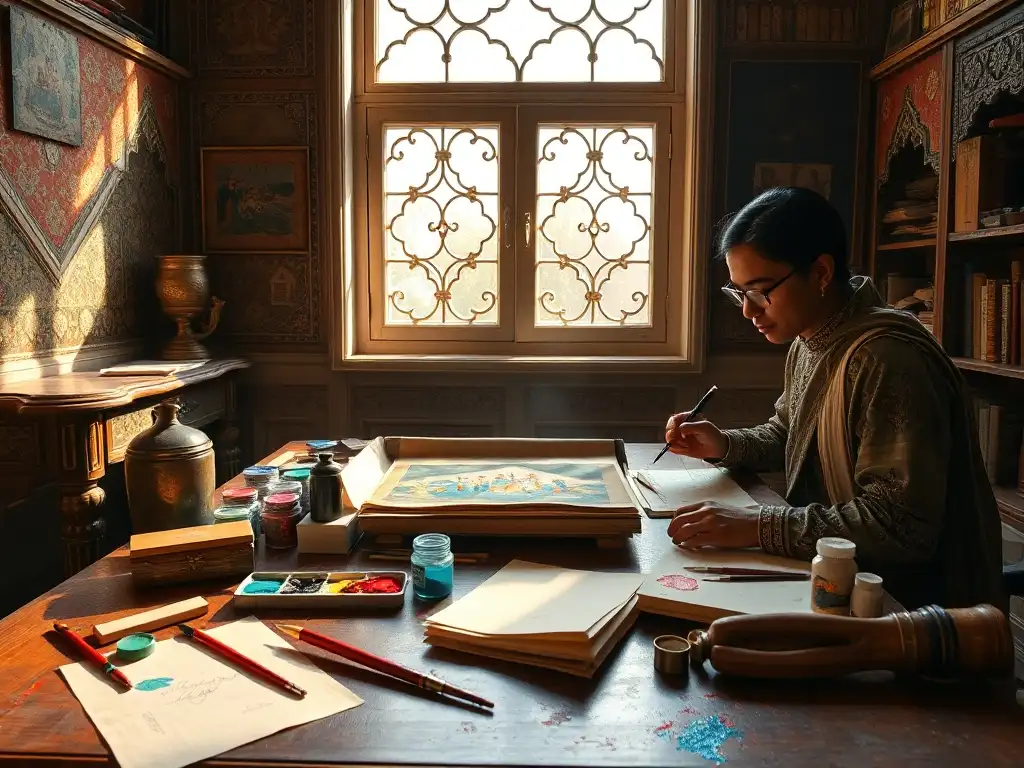
Traditional Techniques Used in Miniature Painting
Indian miniature painting has a rich heritage characterized by intricate techniques that have evolved over centuries. The traditional methods employed by artists reflect both the cultural context and the artistic innovations of their time.
- Watercolor Techniques:
- Most Indian miniature paintings are executed using water-based colors. Artists skillfully mixed natural pigments with water to achieve vibrant hues.
- The layering technique, known as glazing, involved applying multiple thin washes of color, allowing for depth and luminosity.
- Precision and Detail:
- Artists often used fine brushes made from squirrel or goat hair, enabling them to create delicate lines and intricate details.
- The process required immense patience, as the artists often worked under magnifying glasses to ensure accuracy.
- Use of Gold and Silver:
- Gold and silver leaf were frequently incorporated into the artwork, adding richness and a three-dimensional effect.
- These materials not only enhanced the visual appeal but also symbolized wealth and divinity in many pieces.
- Narrative Techniques:
- Miniature paintings often depicted stories from mythology, literature, and history, employing sequential art to narrate events through a series of panels.
- Artists mastered the art of storytelling through expressive gestures and facial expressions, effectively conveying emotions.
Materials and Tools: From Paper to Natural Pigments
The choice of materials is crucial in the creation of Indian miniature paintings, influencing both the technique and the final outcome.
- Paper and Fabric:
- Traditionally, handmade paper, known as wasli, was used, which provided a textured surface that held colors well.
- Some artists also painted on silk, offering a luxurious feel and a unique sheen to the colors.
- Natural Pigments:
- Miniature painters favored natural pigments derived from plants, minerals, and precious stones. Common colors included:
- Indigo for deep blues
- Saffron for yellows
- Cochineal for reds
- Malachite for greens
- The use of these organic materials not only enhanced the aesthetics but also ensured the longevity of the artworks.
- Miniature painters favored natural pigments derived from plants, minerals, and precious stones. Common colors included:
- Binding Agents:
- Gum arabic served as a binding agent, allowing the pigments to adhere to the surface. Artists often experimented with different binders to achieve varied textures and finishes.
- Tools:
- In addition to brushes, artists utilized tools such as kalam (pens) for fine line work and chisel for creating textured surfaces.
- The meticulous preparation of materials was as important as the painting itself, with artists often spending days preparing their workspace.
Unique Characteristics of Indian Miniature Paintings
Indian miniature paintings are distinguished by several unique characteristics that set them apart from other art forms:
- Vibrant Colors:
- The use of natural pigments results in an unparalleled vibrancy, with colors that have remained intact for centuries. This quality makes Indian miniatures visually striking and culturally significant.
- Intricate Detailing:
- The hallmark of miniature paintings is their intricate detailing. Every element, from clothing patterns to floral designs, showcases the artist's skill and attention to detail.
- Cultural Themes:
- Miniature paintings frequently depict themes from Indian mythology, folklore, and historical narratives, reflecting the socio-political landscape of their time.
- This rich thematic content serves as a visual documentation of India's cultural and historical evolution.
- Symbolism and Iconography:
- Every color, motif, and figure in Indian miniature paintings often carries symbolic meanings, enhancing the narrative and emotional depth of the artwork.
- For instance, the lotus may symbolize purity, while the peacock often represents beauty and grace.
- Size and Format:
- True to their name, miniature paintings are typically small in size, allowing for detailed work that invites close inspection.
- This intimate scale encourages viewers to engage with the artwork on a personal level, discovering new details upon each viewing.
The techniques and materials used in Indian miniature painting not only showcase the artistic prowess of its creators but also play a vital role in preserving the rich history and culture of ancient India. These paintings serve as a testament to the intricate relationship between art and history, making them invaluable cultural artifacts.
Themes and Subjects in Indian Miniature Painting
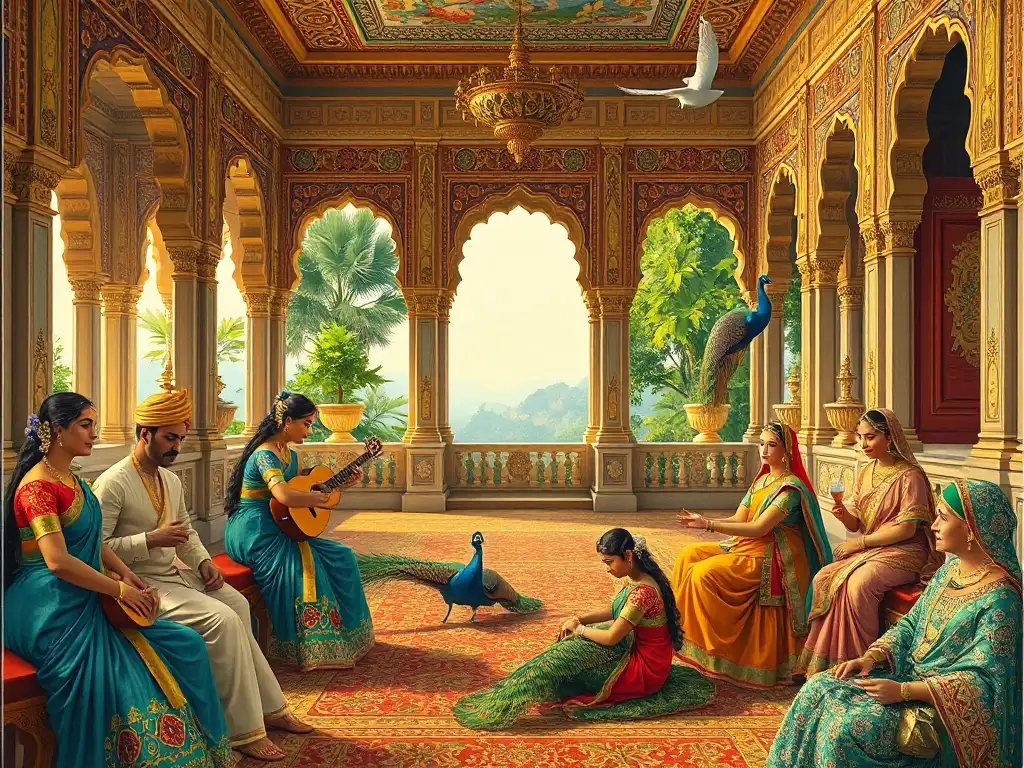
Common Themes: Mythology, Nature, and Daily Life
Indian miniature painting is renowned for its intricate details and vibrant colors, and it often encapsulates a wide range of themes that reflect the rich tapestry of Indian culture and history. Among the most prominent themes are mythology, nature, and daily life.
- Mythology: Miniature paintings frequently depict scenes from Hindu epics such as the Mahabharata and the Ramayana. These artworks serve not just as visual storytelling but also as a means of preserving and propagating religious beliefs. For example, the portrayal of divine figures like Krishna or Rama in various avatars highlights the spiritual significance embedded in these narratives.
- Nature: The delicate representation of flora and fauna is another hallmark of Indian miniature painting. Artists often included lush landscapes, intricate gardens, and animals in their compositions, emphasizing the connection between nature and human existence. The use of natural elements not only enhances the aesthetic appeal but also reflects the cultural reverence for nature in ancient Indian society.
- Daily Life: Scenes of daily life, including festivals, rituals, and social gatherings, are also common. These paintings provide insights into the customs, attire, and architectural styles of the time. For instance, a miniature depicting a wedding celebration can reveal details about traditional clothing and social customs, serving as a valuable historical document.
Notable Subjects: Portraits and Historical Events
In addition to common themes, Indian miniature painting is characterized by its focus on portraits and historical events.
- Portraits: Portraiture is a significant aspect of Indian miniature painting, particularly during the Mughal era. Detailed portraits of emperors, nobles, and courtiers not only highlight individual personalities but also reflect their status and power. The meticulous attention to clothing, jewelry, and expressions in these portraits ensures that they serve as lasting representations of historical figures.
- Historical Events: Miniature paintings also capture significant historical events, such as battles and royal ceremonies. These artworks serve as visual chronicles of India's past, providing context and narrative to the events depicted. For example, paintings illustrating the coronation of a Mughal emperor offer not just artistic beauty but also an understanding of the political dynamics of the time.
The Role of Symbolism in Miniature Art
Symbolism plays a crucial role in the narrative and aesthetic dimensions of Indian miniature painting. Artists employed a rich palette of symbols to convey deeper meanings and messages within their works.
- Color Symbolism: Colors in miniature paintings often carry specific meanings. For instance, red may symbolize love and passion, while blue often represents divinity and spirituality. The choice of colors can thus provide insight into the emotional and spiritual undertones of the subject matter.
- Iconography: Many figures and motifs possess symbolic significance. For example, the lotus flower frequently represents purity and enlightenment, while specific animals may signify different virtues or qualities. Understanding these symbols enriches the viewer's appreciation of the artwork and its historical context.
- Cultural Context: The use of symbolism is deeply rooted in the socio-cultural and religious contexts of the time. Different regions and periods in Indian history have their unique sets of symbols, which can be traced through the evolution of miniature painting styles. This aspect not only highlights the diversity of Indian art but also its role in reflecting the collective consciousness of its people.
The themes, subjects, and symbolism found in Indian miniature painting provide a profound insight into the history and culture of ancient India. Through vibrant depictions of mythology, nature, daily life, portraits, and significant events, these artworks serve as historical records that preserve the essence of Indian civilization for future generations.
Preservation and Conservation of Indian Miniature Paintings
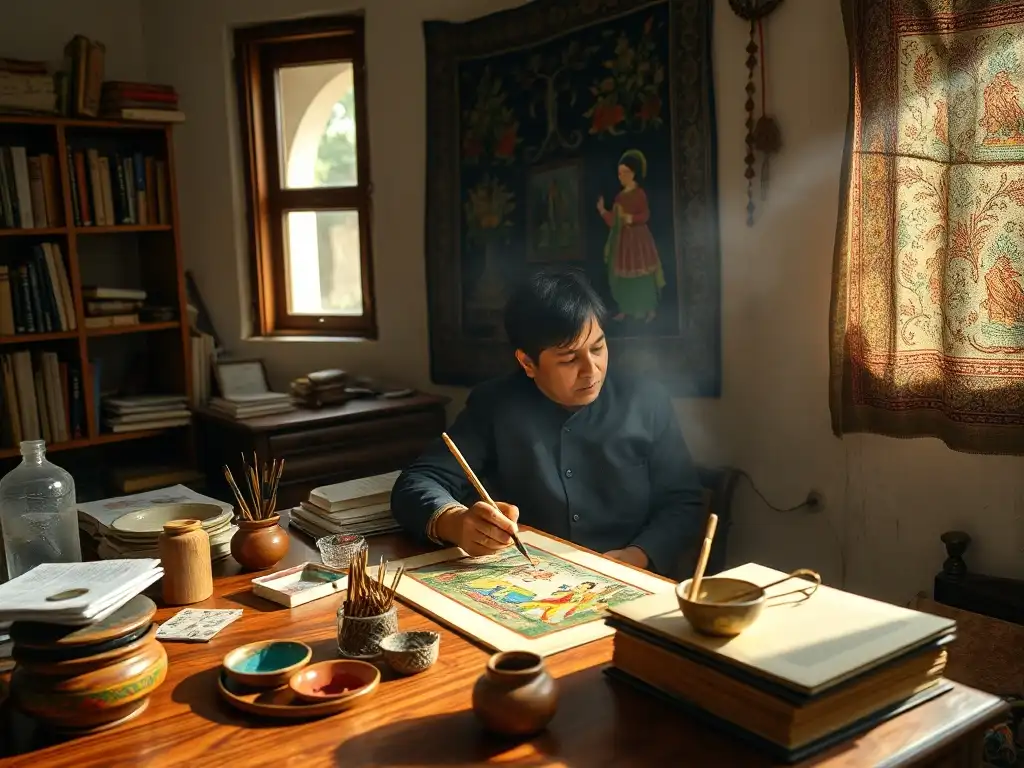
Challenges in Preserving Miniature Artworks
The preservation of Indian miniature paintings is fraught with challenges that stem from both environmental and human factors. These intricate works, often characterized by their detailed imagery and vibrant colors, face deterioration due to several reasons:
- Environmental Factors:
- Humidity and Temperature: Fluctuations in humidity and temperature can lead to the warping of paper and fading of colors. Miniatures created on paper are particularly vulnerable to moisture, which can cause mold growth.
- Light Exposure: Prolonged exposure to direct sunlight can bleach the vivid pigments used in these paintings, leading to irreversible damage.
- Material Degradation:
- Acidic Materials: Many traditional supports, including paper and wood, may contain acidic compounds that can cause yellowing and brittleness over time.
- Pigment Stability: The natural pigments used in miniature paintings, while historically significant, vary in their stability. For example, certain organic dyes may fade more quickly than synthetic alternatives.
- Human Interaction:
- Handling and Display: Frequent handling and improper display techniques can lead to physical damage. The delicate nature of these artworks makes them susceptible to tears and creases.
- Lack of Awareness: There is often a general lack of awareness about the importance of these paintings, leading to insufficient care and conservation efforts.
Efforts by Institutions and Artists in Preservation
To combat the challenges faced by Indian miniature paintings, various institutions and artists have engaged in concerted preservation efforts. These initiatives are critical in maintaining the legacy of this art form for future generations.
- Institutional Support:
- Museums and Galleries: Institutions like the National Museum in Delhi and the Victoria and Albert Museum in London have established dedicated conservation departments. They employ trained conservators who specialize in the preservation of miniature paintings.
- Research and Documentation: Many organizations conduct research to understand the degradation processes of materials used in miniatures, facilitating better conservation techniques.
- Training and Education:
- Workshops: Regular workshops and training sessions are organized for artists and conservators to educate them about best practices in preservation. These workshops often include hands-on training with conservation materials and techniques.
- Collaboration with Universities: Partnerships between art institutions and universities help in integrating modern scientific methods into traditional conservation practices, ensuring the longevity of these artworks.
- Community Involvement:
- Awareness Campaigns: Local artists and art historians often engage in community outreach to raise awareness about the significance of Indian miniature painting history.
- Revival Projects: Some efforts focus on reviving traditional techniques and materials, ensuring that contemporary artists can create new works that adhere to historical standards.
The Role of Indian Miniature Painting in Contemporary Art
The relevance of Indian miniature painting extends beyond its historical significance; it plays a vital role in contemporary art as well. By bridging the gap between ancient techniques and modern expressions, this art form continues to evolve.
- Inspiration for Modern Artists:
- Many contemporary artists draw inspiration from traditional miniature painting styles, incorporating elements such as intricate detail, bright colors, and narrative themes into their work. This fusion creates a dialogue between the past and the present, enriching the contemporary art scene.
- Cultural Identity:
- In a rapidly globalizing world, Indian miniature paintings serve as a potent symbol of cultural identity. Artists often explore themes from Indian mythology, folklore, and history, using miniature techniques to comment on contemporary societal issues.
- Exhibitions and Installations:
- Contemporary art exhibitions frequently feature miniature paintings, showcasing their relevance in today’s art landscape. This not only promotes awareness but also encourages appreciation for the meticulous craftsmanship involved in these works.
- Digital Adaptations:
- With advancements in technology, some artists have begun to adapt miniature painting techniques for digital media. This innovation allows for a broader audience reach while preserving the essence of the art form.
The preservation and contemporary relevance of Indian miniature painting highlight its enduring legacy as a vital component of India's cultural heritage. Through concerted efforts from institutions and artists, the rich history encapsulated in these artworks continues to inspire and educate.
Indian Miniature Painting and Its Influence on World Art
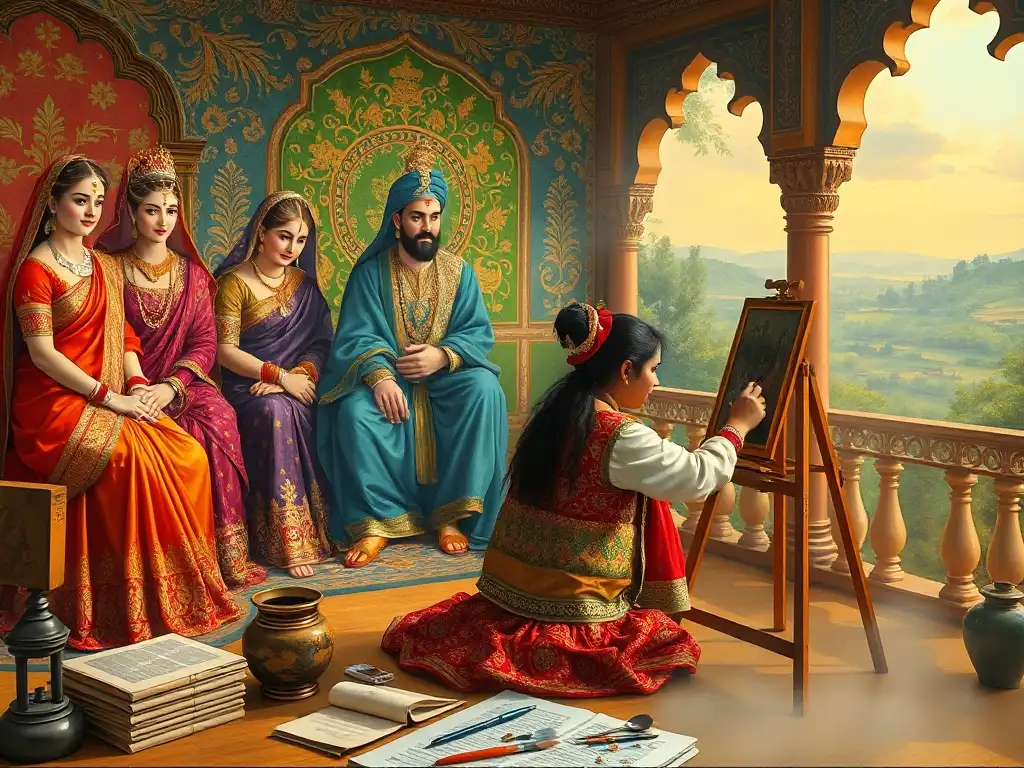
Indian miniature painting is a captivating art form that has evolved over centuries, deeply intertwined with the history and culture of the Indian subcontinent. This intricate art style, characterized by its meticulous detail and vibrant colors, serves not only as a medium of artistic expression but also as a historical record, preserving the stories, traditions, and philosophies of ancient Indian civilizations.
Originating as early as the 9th century, Indian miniature painting flourished during various dynasties, including the Rajputs, Mughals, and Pahari kingdoms. These paintings often depicted scenes from mythology, royal courts, and everyday life, providing a glimpse into the socio-political landscape of the time. The finesse of these artworks lies in their ability to encapsulate complex narratives within a small canvas, making them a unique mode of storytelling.
The influence of Indian miniature painting extends beyond its own borders, impacting various art forms globally. The techniques, themes, and aesthetics of these paintings have inspired countless artists and movements, reinforcing their significance in the broader spectrum of art history.
Cross-Cultural Exchanges: Indian Miniature Painting’s Global Influence
The reach of Indian miniature painting can be traced through its interactions with other cultures and art forms. As trade routes expanded and empires grew, the exchange of artistic ideas became inevitable.
- Silk Road Influence: The Silk Road facilitated cultural exchanges between India, Persia, and beyond. Indian miniature artists absorbed techniques from Persian miniature painting, leading to a hybrid style that merged detailed line work with rich color palettes.
- Colonial Era Adaptations: During the colonial period, Indian miniature painting saw another transformation as European artists began to incorporate elements of this style into their work. This can be seen in the romanticized depictions of Indian life and landscapes, which showcased the influence of miniature art on Western art movements.
- Contemporary Global Art: Today, Indian miniature painting continues to inspire contemporary artists worldwide. Many incorporate traditional techniques into modern themes, bridging the gap between ancient practices and modern expressions.
The ability of Indian miniature painting to adapt and influence other cultures highlights its enduring legacy in the world of art.
Comparisons with Other Art Forms: Persian and Mughal Miniatures
When examining the history of Indian miniature painting, it is essential to compare it with Persian and Mughal miniatures, as these styles share a significant historical context and artistic lineage.
- Persian Miniatures: Persian miniatures are known for their intricate detail, vibrant colors, and use of gold leaf. While Indian miniatures often focus on narrative elements from Hindu epics and royal life, Persian miniatures frequently depict courtly scenes and poetic themes. The exchange between these two styles has led to unique characteristics in Indian art, such as the incorporation of floral motifs and elaborate borders.
- Mughal Miniatures: The Mughal era marked a golden age for Indian miniature painting, with the establishment of royal workshops that employed skilled artists. Mughal miniatures are characterized by their larger scale, intricate detailing, and use of naturalistic elements. They often depict court life, battles, and portraits of emperors, blending Persian influences with indigenous themes. This era saw the rise of notable artists, such as Bichitr and Mansoor, whose works exemplify the synthesis of these artistic traditions.
Through these comparisons, we can appreciate the distinct yet interconnected nature of these art forms, highlighting the rich tapestry of influence that defines Indian miniature painting history.
Modern Adaptations and Inspirations from Miniature Art
In recent years, there has been a resurgence of interest in Indian miniature painting, prompting modern artists to explore and reinterpret this ancient tradition.
- Fusion with Other Art Forms: Contemporary artists are blending miniature techniques with modern mediums such as digital art, sculpture, and installation art. This fusion creates a dialogue between the past and present, allowing for innovative interpretations of traditional themes.
- Preservation and Revival: Initiatives aimed at preserving the techniques of Indian miniature painting are gaining traction. Workshops and exhibitions are being organized to educate new generations about this art form, ensuring its techniques and narratives are not lost to time.
- Global Art Exhibitions: Modern adaptations of miniature art are being showcased in international exhibitions, allowing for broader appreciation and understanding of this unique style. Artists are gaining recognition for their ability to reinterpret historical narratives while addressing contemporary issues, thus keeping the essence of Indian miniature painting alive.
Indian miniature painting history is not just a reflection of artistic achievement; it is a living testament to the cultural exchanges and adaptations that continue to shape the art world today. As we explore these adaptations and inspirations, we recognize the enduring relevance of this art form in preserving and narrating the rich tapestry of human experience.
Conclusion: The Legacy of Indian Miniature Painting in History
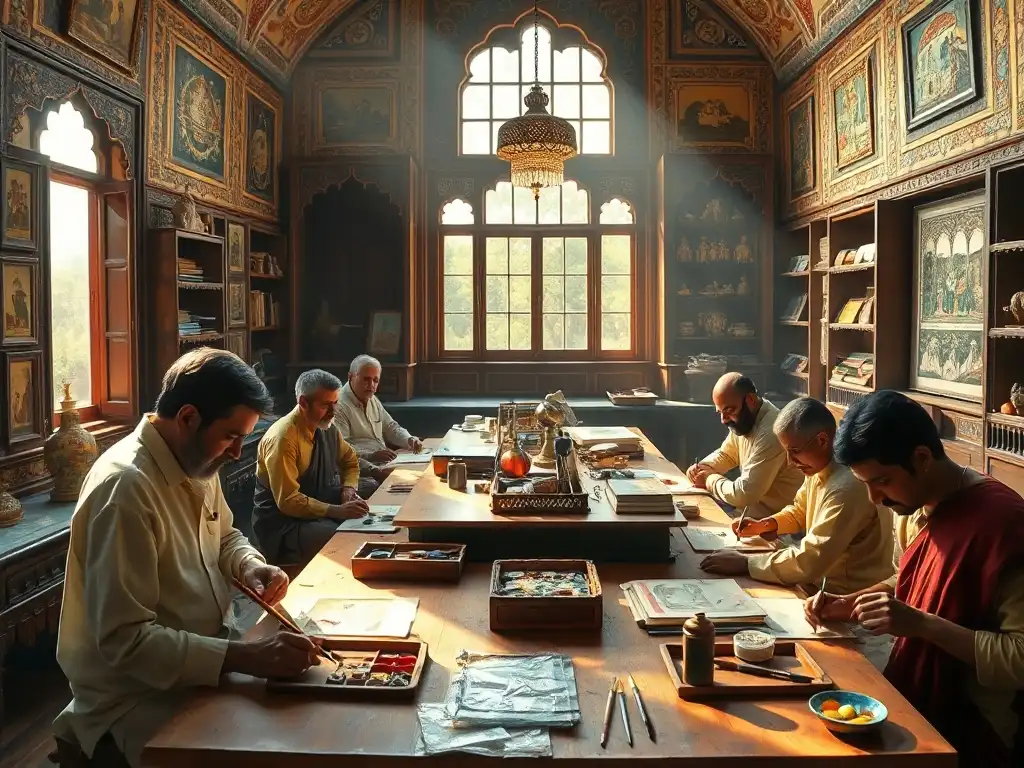
The legacy of Indian miniature painting is profound, serving as a vital link between the past and present. These exquisite artworks, characterized by their intricate details and vibrant colors, encapsulate not just aesthetic beauty but also a wealth of historical narratives. From the depictions of royal courts and mythological tales to everyday life in ancient India, miniature paintings provide a visual documentation of cultural shifts, social structures, and religious beliefs.
Reflection on the Cultural Significance of Miniature Painting
Indian miniature painting emerged as a significant art form during the medieval period, with roots tracing back to the Mughal Empire. This art form evolved across various regions, including Rajputana, Pahari, and Deccan, each developing distinct styles reflective of local culture and traditions. The cultural significance of these paintings is multifaceted:
- Historical Documentation: Miniature paintings serve as historical records, illustrating events, lifestyles, and customs of their time. They often depict royal ceremonies, battles, and divine epics, providing insight into the societal structure and cultural ethos of ancient India.
- Religious Narratives: Many miniatures are imbued with religious significance, portraying Hindu deities, Jain tirthankaras, and Buddhist themes. These artworks acted as visual aids in religious education and devotion, reinforcing spiritual beliefs within society.
- Artistic Techniques and Innovations: The meticulous techniques used in Indian miniature paintings highlight the skill and creativity of artists. The use of natural pigments, intricate brushwork, and gold leaf embellishments demonstrate an advanced understanding of color and composition, influencing later art forms.
- Cultural Exchange: The evolution of Indian miniature painting reflects a confluence of cultures, particularly during the Mughal era when Persian and Indian styles merged. This cultural exchange not only enriched the art form but also fostered a broader understanding of shared heritage.
Future Prospects for Indian Miniature Painting in Art and History
As we look to the future, the prospects for Indian miniature painting are promising, albeit challenging. Here are some potential avenues for its growth and preservation:
- Revival and Education: There is a growing interest in traditional art forms among younger generations. Educational initiatives, workshops, and online courses can help revive interest in miniature painting techniques. Collaborations with art institutions can further promote this art form.
- Integration with Contemporary Art: Artists are increasingly blending traditional miniature techniques with modern themes, creating a fusion that appeals to contemporary audiences. This innovation can lead to new interpretations of historical narratives and broaden the reach of Indian miniature painting.
- Digital Preservation: The digitization of miniature paintings can ensure their preservation and accessibility for future generations. Virtual galleries and online exhibitions can introduce this art form to a global audience, fostering appreciation and understanding of its historical value.
- Cultural Tourism: Promoting miniature painting through cultural tourism can provide economic support to artists and artisans. Art exhibitions, festivals, and workshops can attract tourists, enhancing the visibility of this art form while educating visitors about its historical significance.
The history of Indian miniature painting is a testament to the richness of India's cultural heritage. As we work to preserve and promote this art form, it remains a vital part of our understanding of the past and a source of inspiration for future generations.
Frequently Asked Questions
What is Indian miniature painting?
Indian miniature painting refers to a traditional art form characterized by small, detailed artwork, often created on paper or cloth. This art form has its roots in ancient Indian civilizations, particularly during the Mughal and Rajput periods.
How did Indian miniature painting contribute to historical preservation?
Indian miniature paintings played a crucial role in preserving history by depicting historical events, mythological stories, and daily life of ancient times. These artworks serve as important visual documents for understanding the cultural and social context of their eras.
What are some key themes in Indian miniature paintings?
Common themes in Indian miniature paintings include royalty, battles, festivals, and mythological tales. Each piece often reflects the values, beliefs, and aesthetic preferences of the society at the time it was created.
Which periods are most significant for the development of Indian miniature painting?
The Mughal and Rajput periods are particularly significant for the evolution of Indian miniature painting. Each era introduced unique styles and techniques, influencing the overall artistic landscape of India.
How can one appreciate the intricacies of Indian miniature painting?
To appreciate the intricacies of Indian miniature painting, one should focus on the fine details, vibrant colors, and symbolism within each piece. Visiting galleries or museums that showcase these artworks can provide a deeper understanding of their cultural significance.
Final Reflection: The Enduring Legacy of Indian Miniature Painting
The intricate art of Indian miniature painting serves as a vibrant tapestry woven with threads of history, culture, and identity. Today, as we navigate a world increasingly dominated by digital imagery, the significance of these delicate artworks becomes even more pronounced. They not only preserve the narratives of bygone eras but also challenge us to appreciate the depth of our heritage. In an age where history can often feel distant, these paintings remind us of the stories that shaped our past and continue to resonate in our present.
The influence of Indian miniature painting extends far beyond the canvas, permeating our cultural consciousness and inspiring contemporary artists and historians alike. These artworks encapsulate the essence of a rich tradition that has survived the test of time, urging us to reflect on our roots. As art historian Dr. B.N. Goswamy once said, Miniature paintings are not just art; they are a visual history, a mirror reflecting the society of their times.
This observation underscores the importance of preserving such art forms, as they hold the keys to understanding our collective identity and the evolution of our cultural narratives.
As we contemplate the lessons embedded in the history of Indian miniature painting, I invite you to engage with this art form on a personal level. Consider how the stories told through these paintings can inspire your own journey and understanding of history. Whether through visiting galleries, supporting local artists, or even exploring the techniques of miniature painting yourself, each action contributes to the preservation of this invaluable heritage. Let us honor the past while actively participating in the narrative of our future, ensuring that the beauty and significance of Indian miniature painting remain alive for generations to come.
Unveil the Treasures of Indian Miniature Painting!
Thank you for diving into the fascinating world of Indian miniature painting and its profound role in preserving history. You've uncovered a valuable perspective on how art can encapsulate culture and stories! Now, it's time to take the insights gained and put them into action.
Here are a few ways you can further connect with this rich tradition:
- Visit a local museum or browse an online exhibition showcasing Indian miniature paintings to experience their beauty firsthand.
- Engage with artists and historians through social media or community events to deepen your understanding and appreciation of this remarkable art form.
- Share your newfound knowledge with friends or family by discussing the significance of these artworks—ignite a conversation about art and history!
Which miniature painting resonates with you the most, and what story does it tell? We invite you to share your thoughts below!