
Unveiling Ancient Indian Farming Techniques: A Journey Through Time

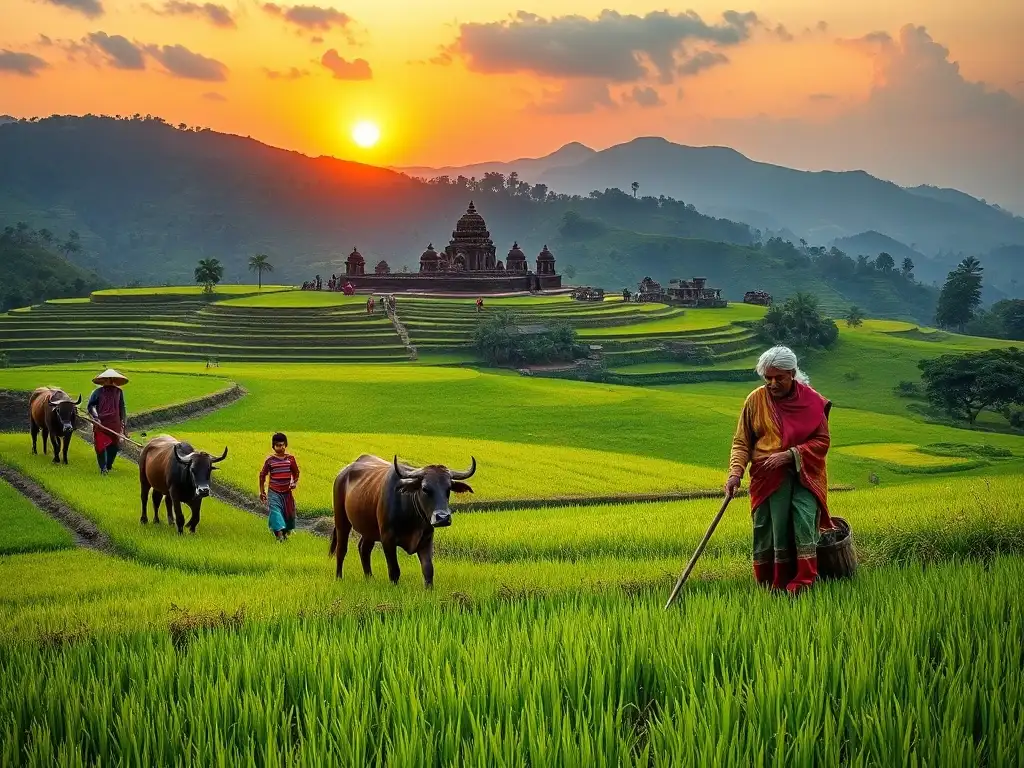
Welcome to Ancient India History, where we embark on a captivating journey through the rich tapestry of ancient Indian civilizations. In our latest article, "Unveiling Ancient Indian Farming Techniques: A Journey Through Time," discover the ingenious farming methods that not only sustained communities but also shaped the economy and culture of a vibrant era. As you delve into the fascinating world of ancient Indian farming, prepare to uncover secrets that have been lost to time, and explore how these practices continue to influence agriculture today. Are you ready to sow the seeds of knowledge? Let’s dig deeper!
The agricultural practices of ancient India represent a fascinating tapestry of innovation, adaptation, and sustainability that has shaped the subcontinent's economy and culture for millennia. From the sophisticated irrigation systems of the Indus Valley Civilization to the crop rotation methods utilized during the Gupta Empire, ancient Indian farming techniques reflect a profound understanding of environmental dynamics and resource management.
As we delve into the rich history of these farming methods, we will uncover how they not only supported the livelihoods of countless communities but also contributed to the development of trade, social structures, and cultural identities. This journey through time reveals the ingenuity and resilience of ancient Indian civilizations, showcasing their remarkable contributions to agriculture that continue to influence modern practices today.
The Origins of Agriculture in Ancient India
The roots of agriculture in ancient India can be traced back to the Neolithic period, around 7000 BCE, when early settlers began transitioning from a nomadic lifestyle to settled farming communities. The fertile plains of the Indus River Valley provided the ideal conditions for cultivating a variety of crops. Key developments during this period included:
- Domestication of Plants and Animals:
- Wheat and barley were among the first crops cultivated.
- Animals such as cattle, sheep, and goats were domesticated for labor and food.
- Establishment of Permanent Settlements:
- Communities began to form around agricultural activities, leading to the rise of urban centers like Harappa and Mohenjo-Daro.
Innovations in Farming Techniques
Ancient Indian civilizations were marked by a series of innovative farming techniques that enhanced productivity and sustainability. Some notable methods include:
- Irrigation Systems:
- The creation of canals and reservoirs allowed for the effective management of water resources, crucial in a predominantly agrarian society.
- Techniques such as rainwater harvesting were employed to optimize water usage.
- Crop Rotation and Intercropping:
- Farmers practiced crop rotation to maintain soil fertility and reduce pest infestations.
- Intercropping of complementary crops ensured better yields and economic stability.
The Role of Agriculture in Ancient Indian Society
Agriculture was not merely an economic activity; it played a central role in shaping ancient Indian society. The connection between farming and culture is evident in various aspects:
- Social Structure:
- Agricultural surplus facilitated trade, leading to the emergence of distinct social classes.
- The agrarian lifestyle fostered community bonds, with festivals and rituals often centered around harvests.
- Economic Impact:
- The agricultural output contributed significantly to the wealth of ancient kingdoms, influencing trade routes and interactions with other civilizations.
- Innovations in agriculture laid the groundwork for advancements in other fields, including metallurgy and textiles.
Legacy of Ancient Indian Farming Methods
The legacy of ancient Indian farming techniques is profound and enduring. Many practices developed during this period continue to influence modern agricultural methods in India and beyond. The emphasis on sustainable practices and ecological balance remains relevant today as contemporary societies grapple with the challenges of food security and environmental sustainability.
Through this exploration of ancient Indian farming methods, we gain insight into a crucial aspect of the subcontinent's history, highlighting the ingenuity and resilience of its people. As we continue to uncover the layers of this rich agricultural heritage, we not only honor the past but also pave the way for future innovations in farming practices.
- The Origins of Agriculture in Ancient India
- Innovations in Farming Techniques
- The Role of Agriculture in Ancient Indian Society
- Legacy of Ancient Indian Farming Methods
Introduction to Ancient Indian Farming Methods
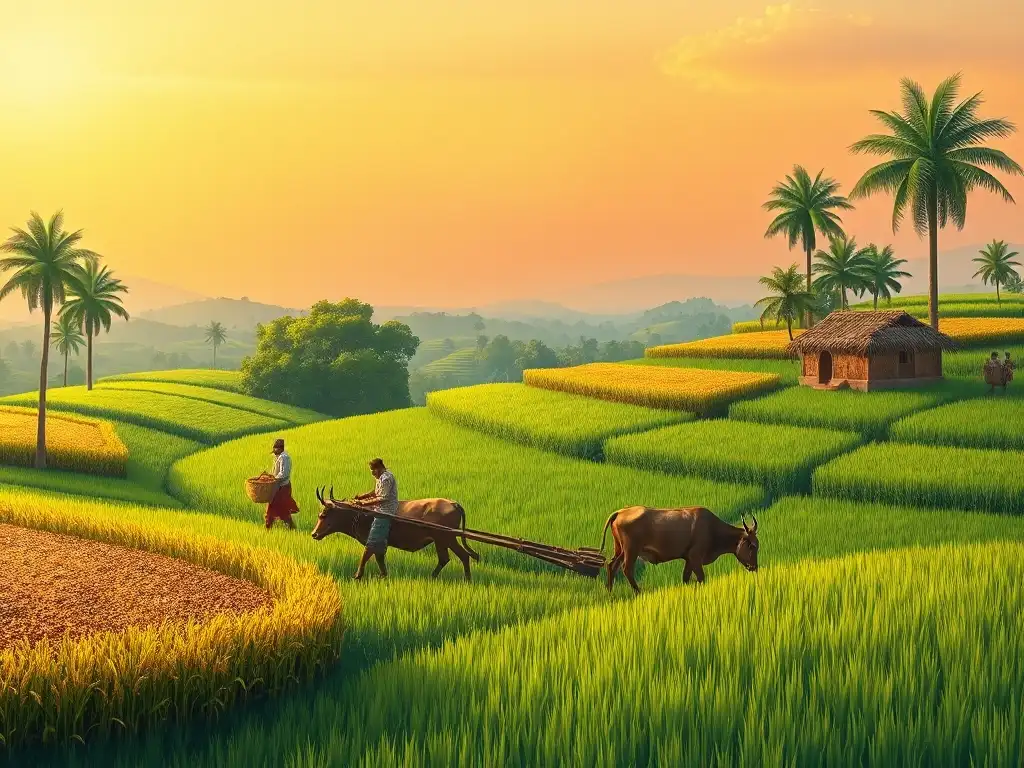
Ancient Indian farming methods represent a blend of innovative practices, environmental adaptation, and cultural significance that have shaped the agrarian landscape of India for millennia. From the sophisticated agricultural systems of the Indus Valley Civilization to the advanced techniques employed during the Gupta Empire, these methods reveal the profound relationship ancient societies had with the land.
The development of agriculture was not merely a means of sustenance; it was the backbone of economic prosperity, social structure, and cultural identity in ancient India. By understanding these farming practices, we can appreciate how they laid the foundation for contemporary agricultural systems in the region.
Significance of Agriculture in Ancient Indian Civilizations
Agriculture in ancient India was vital for various reasons:
- Economic Foundation: Agriculture served as the primary source of food and income for the majority of the population. Crops like rice, wheat, barley, and pulses were staples that supported local economies and trade.
- Cultural Identity: Farming practices were deeply intertwined with the cultural and spiritual life of ancient communities. Festivals, rituals, and traditions often revolved around planting and harvest cycles, reflecting the agrarian lifestyle.
- Technological Advancements: The challenges posed by the diverse geographic and climatic conditions of India necessitated innovations in farming techniques. This led to the development of tools, irrigation systems, and crop rotation practices that enhanced productivity.
- Social Organization: Agricultural surplus facilitated the growth of urban centers and complex societies. It allowed for the division of labor and the establishment of social hierarchies, influencing governance and community structures.
Overview of Ancient Indian Farming Techniques
Ancient Indian farming techniques were characterized by a variety of methods that showcased ingenuity and adaptability. Here are some prominent practices:
- Terracing: In hilly regions, farmers constructed terraces to prevent soil erosion and manage water runoff. This technique enabled them to cultivate crops on steep slopes, maximizing arable land.
- Irrigation Systems: The Indus Valley Civilization is known for its advanced drainage and irrigation systems, including canals and wells. These systems facilitated year-round farming by ensuring a reliable water supply.
- Crop Rotation: To maintain soil fertility and prevent pest infestations, ancient farmers practiced crop rotation. Alternating different crops in the same field helped to replenish nutrients and diversified production.
- Use of Plows: The introduction of wooden plows revolutionized farming efficiency. Plowing allowed for deeper tilling of the soil, improving aeration and facilitating better root development for crops.
- Organic Fertilizers: Ancient Indian farmers relied on natural fertilizers, such as cow dung and compost, to enrich the soil. This practice not only enhanced soil fertility but also maintained ecological balance.
- Diverse Crop Cultivation: Farmers cultivated a variety of crops, including cereals, pulses, and vegetables. This biodiversity not only provided food security but also enriched the diet of ancient populations.
- Agroforestry: The integration of trees and shrubs with crops was common, providing shade, shelter, and additional resources like fruits and timber. This practice contributed to sustainable land use.
By studying these ancient Indian farming methods, we gain valuable insights into the agricultural heritage that has influenced modern practices. The knowledge and techniques developed in ancient times continue to resonate, reminding us of the enduring relationship between agriculture and civilization.
Historical Context of Agriculture in Ancient India
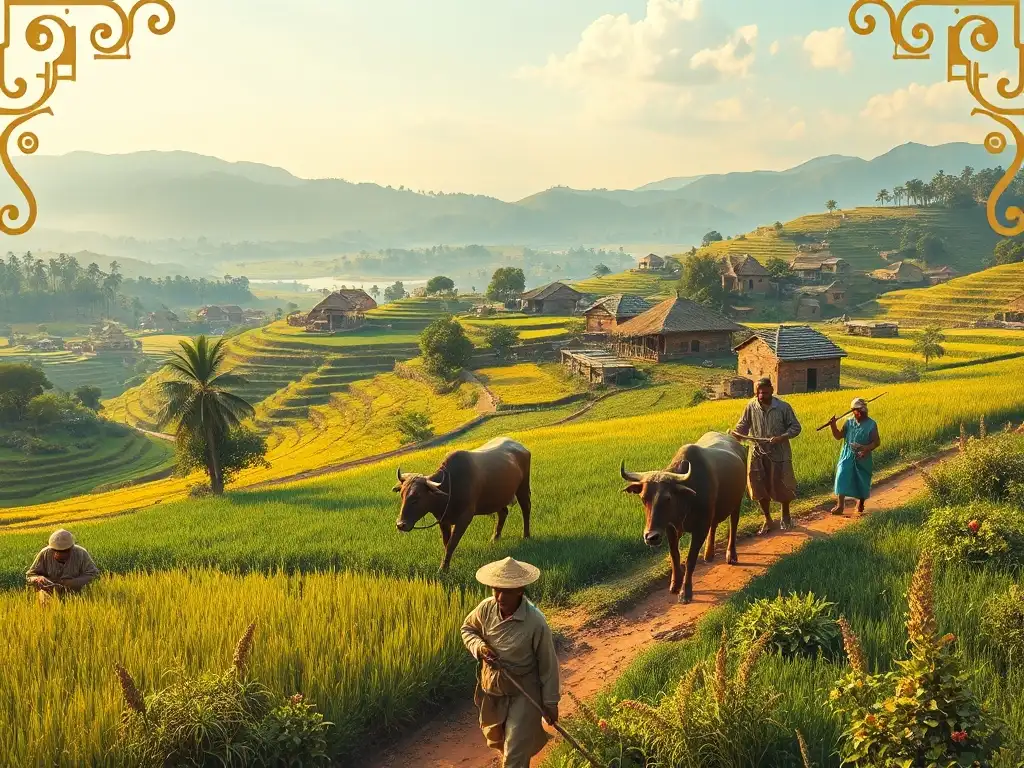
The evolution of agriculture in ancient India is a testament to the ingenuity and adaptability of its civilizations. With the fertile land of the Indus Valley and the rich cultural practices that followed, agriculture became a cornerstone of societal development. The ancient Indian farming methods reflect not only the agricultural practices but also the socio-economic structures, climate variations, and technological advancements of the time. The study of these methods provides insight into how ancient societies sustained themselves and thrived.
The Indus Valley Civilization: Pioneers of Agriculture
The Indus Valley Civilization (c. 3300–1300 BCE) is often heralded as one of the earliest urban centers that demonstrated advanced agricultural practices. The people of this civilization were adept at cultivating a variety of crops, which laid the groundwork for sustainable farming in the region.
- Crop Diversity: The Indus farmers cultivated wheat, barley, peas, and cotton. Evidence suggests that they were among the first to domesticate cotton, which had significant implications for textile production.
- Irrigation Techniques: The civilization developed sophisticated irrigation systems, utilizing canals and reservoirs to manage water supply. This innovation allowed for the expansion of arable land and improved crop yields even during dry spells.
- Urban Planning and Agriculture: The cities of Harappa and Mohenjo-Daro featured well-planned layouts that integrated agricultural land with urban centers, facilitating trade and the distribution of produce. The concept of granaries in these cities indicates an organized approach to surplus storage and food security.
The agricultural practices of the Indus Valley Civilization laid a strong foundation for future developments in ancient Indian farming methods, influencing subsequent cultures and their agricultural philosophies.
Agricultural Developments During the Vedic Period
The Vedic Period (c. 1500–500 BCE) marked a transformative phase in ancient Indian farming methods, characterized by a shift in agricultural practices influenced by the changing socio-political landscape.
- Introduction of New Crops: Along with the traditional crops, the Vedic farmers began to cultivate rice, millets, and legumes, which diversified their agricultural output. The increased crop variety contributed to improved nutrition and resilience against crop failures.
- Vedic Texts and Agriculture: Texts like the Rigveda and Atharvaveda contain references to agricultural rituals, indicating that farming was not just a means of sustenance but also a significant cultural activity. These texts emphasize the importance of deities associated with agricultural prosperity, showing the intertwining of spirituality and farming.
- Tools and Techniques: The period witnessed the development of new agricultural tools, such as the plough, which enhanced farming efficiency. The introduction of iron ploughshares allowed farmers to cultivate tougher soils, thus expanding the agricultural frontier.
The Vedic Period’s contributions to ancient Indian farming methods established agricultural practices that would persist and evolve in subsequent eras, reflecting a blend of innovation and tradition.
Innovations in Farming Techniques During the Maurya and Gupta Empires
The Maurya (c. 321–185 BCE) and Gupta (c. 240–550 CE) Empires are noted for their remarkable agricultural advancements, which significantly influenced ancient Indian farming methods.
- State Support and Agricultural Policies: Both empires recognized the importance of agriculture for economic stability. The Mauryan administration, under Ashoka, implemented policies to promote irrigation projects, which included the construction of dams and canals, improving water management for agriculture.
- Agricultural Manuals: The emergence of texts such as the “Arthashastra” during the Mauryan period provided guidelines on agricultural management, crop rotation, and pest control. These manuals reflect a systematic approach to farming, highlighting the importance of scientific methods in agriculture.
- Technological Innovations: The introduction of crop rotation techniques and mixed farming allowed for increased productivity. Farmers began to integrate livestock into their agricultural systems, which not only provided manure for fertilization but also diversified their income sources.
- Trade and Economy: The thriving trade networks established during these empires facilitated the exchange of agricultural produce, enhancing market access for farmers. This economic integration encouraged the cultivation of cash crops, such as spices and textiles, further advancing the agricultural landscape.
The innovations in farming techniques during the Maurya and Gupta Empires exemplify the dynamic evolution of ancient Indian farming methods, showcasing a blend of tradition, innovation, and economic foresight that would shape the subcontinent's agricultural history for centuries to come.
Key Ancient Indian Farming Methods
Ancient Indian farming methods were characterized by a deep understanding of the land, climate, and natural resources. This knowledge not only facilitated agricultural productivity but also contributed to the sustainability of farming practices. The techniques employed by ancient civilizations laid the groundwork for modern agricultural practices in India and showcased their innovative spirit in addressing the challenges of farming.
Crop Rotation: Enhancing Soil Fertility
One of the cornerstone practices in ancient Indian agriculture was crop rotation, which involved alternating the cultivation of different crops on the same land in sequential seasons. This method was essential for several reasons:
- Soil Nutrient Management: By rotating crops, farmers could prevent the depletion of specific nutrients in the soil. For instance, legumes—such as lentils and chickpeas—were often planted after cereal crops like wheat or barley. Legumes fixed nitrogen in the soil, enriching it and promoting fertility for subsequent crops.
- Pest and Disease Control: Crop rotation helped in managing pests and diseases. Changing the crops grown in a particular area made it harder for pests to establish and thrive, reducing the need for chemical interventions.
- Diversity in Production: This practice allowed farmers to diversify their production, ensuring a varied diet and reducing the risk of crop failure due to market fluctuations or adverse weather conditions.
The systematic application of crop rotation in ancient India not only enhanced soil fertility but also demonstrated an advanced understanding of ecological balance, which is a significant aspect of ancient Indian farming methods.
Use of Natural Fertilizers: Cow Dung and Green Manure
Natural fertilizers were pivotal in ancient Indian agriculture, with cow dung and green manure being the most commonly used.
- Cow Dung: Used extensively, cow dung served multiple purposes. It was not only a vital fertilizer but also acted as a fuel source and a building material. Rich in nutrients, cow dung improved soil structure and moisture retention. Farmers often mixed it with soil to create fertile patches, enhancing productivity.
- Green Manure: Farmers cultivated specific crops, such as dhaincha or sunhemp, which were plowed back into the soil to increase organic matter. This practice improved soil health by boosting microbial activity and nutrient availability.
The use of these natural fertilizers reflects the sustainable practices of ancient Indian farming, emphasizing harmony with nature rather than reliance on synthetic inputs. This approach ensured long-term agricultural productivity and health.
Irrigation Techniques: Wells, Canals, and Tanks
Effective irrigation techniques were crucial for the success of ancient Indian farming, especially in regions with irregular rainfall. The following methods were prominently employed:
- Wells: Hand-dug wells were common, providing farmers access to groundwater. These wells were strategically placed to ensure that crops received adequate moisture throughout the growing season. The ingenuity of well construction allowed for the efficient use of water resources.
- Canals: Ancient civilizations, particularly during the Mauryan and Gupta periods, developed extensive canal systems. These canals facilitated the diversion of river water to agricultural fields, ensuring consistent irrigation. The construction of canals required significant engineering skills, showcasing the advanced understanding of hydraulics.
- Tanks: Water tanks or reservoirs were built to collect and store rainwater, which could then be used during dry periods. These tanks played a vital role in managing water resources and were often complemented by earthen embankments to maximize water retention.
The implementation of these irrigation techniques demonstrates the innovative spirit of ancient Indian farmers, who continuously adapted to their environment to enhance agricultural productivity. By harnessing water efficiently, they ensured the sustainability of their farming practices, paving the way for future generations.
Tools and Implements: Plows and Harvesting Equipment
In ancient India, farming was not merely an occupation but a way of life that shaped the very fabric of society. The tools and implements used in agriculture played a crucial role in the efficiency and effectiveness of farming practices. Among these, plows and harvesting equipment were of paramount importance, reflecting the ingenuity and craftsmanship of ancient Indian farmers.
Plows: The Backbone of Agriculture
The plow, known as "rath" in Sanskrit, was fundamental to ancient Indian agriculture. These were typically made from wood, crafted from locally available resources. The design of the plow varied across regions, adapting to the specific soil conditions and agricultural practices.
- Types of Plows:
- Single-Horse Plow: This simple yet effective tool was drawn by a single horse or bullock. It was suitable for lighter soils and was primarily used for tilling and turning the earth.
- Multi-Tine Plow: Equipped with multiple tines, this plow was used for deeper tilling, allowing farmers to cultivate tougher soils.
The construction of these plows demonstrated a deep understanding of material properties. Farmers would often use hardwoods or bamboo, ensuring durability while keeping the tools lightweight for ease of use.
Harvesting Equipment: From Reaping to Threshing
Harvesting was a critical phase in the agricultural cycle, and ancient Indian farmers employed various tools to ensure a successful yield. The primary equipment used for harvesting included sickles and threshing sledges.
- Sickles:
- The sickle, known as "dhar" in many regions, was a curved blade that allowed farmers to cut crops efficiently. Made from iron or bronze, these sickles were designed for quick and effective harvesting of grains like wheat, barley, and rice. The curve of the blade enabled a smooth cutting motion, reducing the effort required to harvest.
- Threshing Sledges:
- After harvesting, threshing was essential to separate the grain from the chaff. Threshing sledges, often pulled by animals, featured a wooden platform with a heavy frame that would crush the harvested crops. The grains would then be separated from the chaff through a combination of beating and wind (winnowing).
Innovations and Adaptations
The ancient Indian farming community was not static; they continuously innovated their tools and techniques. Evidence suggests that by the time of the Indus Valley Civilization, farmers were already using more advanced plowing techniques, including the use of iron plows. This shift not only improved efficiency but also signified a broader understanding of metallurgy and its applications in agriculture.
Moreover, local adaptations were prevalent. For example, in regions with heavy rainfall, farmers would create raised beds to prevent waterlogging, while in arid areas, they developed tools to conserve moisture in the soil. These practices highlight the deep connection ancient farmers had with their environment and their ability to adapt to various climatic conditions.
The tools and implements used in ancient Indian farming were not just functional; they were a reflection of the ingenuity, adaptation, and cultural significance of agricultural practices. The plows and harvesting equipment served as the backbone of the agricultural economy, demonstrating the importance of farming in sustaining and nurturing ancient Indian civilizations.
Crop Diversity in Ancient India
Major Crops Cultivated in Ancient India
Ancient Indian farming methods were characterized by a diverse array of crops that were cultivated across various regions, reflecting the agricultural richness of the civilization. The major crops included:
- Cereals:
- Rice: Predominantly grown in the fertile river valleys, especially in the Ganges basin. Evidence from archaeological sites like Harappa indicates that rice cultivation dates back to around 3000 BCE.
- Wheat: Primarily cultivated in the northwestern regions, particularly in the Punjab area, wheat was a staple food that supported the population.
- Barley: Another significant cereal, barley was mainly grown in arid regions and was used for both food and fodder.
- Pulses:
- Chickpeas, lentils, and peas were essential protein sources, complementing the diet of ancient Indians. These legumes were cultivated alongside cereals, enhancing soil fertility through nitrogen fixation.
- Oilseeds:
- Sesame and mustard were important for oil extraction and played a crucial role in cooking and food preservation.
- Fruits and Vegetables:
- Ancient texts and archaeological evidence suggest that fruits like mangoes, pomegranates, and cucumbers were cultivated. Vegetables such as taro and gourds also featured prominently in agricultural practices.
The cultivation of these crops not only supported the sustenance of ancient Indian societies but also facilitated trade and economic prosperity.
Regional Variations in Farming Practices
The diversity in ancient Indian farming methods can be attributed to the varied geographic and climatic conditions across the subcontinent, which influenced regional agricultural practices:
- Indus Valley Civilization:
- The sophisticated urban centers like Mohenjo-Daro and Harappa employed advanced irrigation techniques, utilizing canals to channel water from rivers for crop cultivation. This allowed for the growth of staple crops like wheat and barley.
- Gangetic Plains:
- Known for its rich alluvial soil, this region saw extensive paddy cultivation. Farmers utilized floodplain agriculture, harnessing monsoon rains for irrigation, which led to multiple cropping cycles.
- Southern India:
- The Deccan Plateau was characterized by terracing and dry farming methods. Crops such as millet and sorghum were cultivated, which were well-suited to the drier climate.
- Western India:
- In arid regions like Rajasthan, farmers adopted drought-resistant crops such as bajra (pearl millet) and legumes. Traditional rainwater harvesting techniques were employed to maximize water use.
These regional adaptations highlight the ingenuity of ancient Indian farmers in utilizing local resources and addressing environmental challenges.
The Role of Climate in Crop Selection
Climate played a pivotal role in shaping ancient Indian farming methods, influencing the types of crops cultivated and farming techniques employed:
- Monsoon Influence:
- The Indian monsoon, occurring from June to September, was crucial for agriculture. Farmers relied on seasonal rainfall for irrigating crops, particularly rice in the eastern and southern regions. The timing and strength of the monsoon directly affected planting schedules and crop yields.
- Temperature Variations:
- Different climatic zones in India dictated the choice of crops. For instance, cooler regions in the north supported wheat cultivation, while warmer areas allowed for the growth of tropical crops like rice and various fruits.
- Soil Types:
- The diverse soil characteristics across regions, such as alluvial soil in river valleys and red laterite soil in the south, influenced crop choice. Farmers typically selected crops that thrived in their specific soil conditions, optimizing agricultural productivity.
Understanding the interplay between climate and crop selection reveals the adaptability and resilience of ancient Indian farming practices, showcasing how civilizations thrived in harmony with their environment.
The exploration of ancient Indian farming methods unveils a complex tapestry of agricultural practices deeply rooted in the diverse climatic and regional contexts of the subcontinent. The cultivation of a wide variety of crops not only sustained communities, but also contributed significantly to the economic and cultural development of ancient India.
The Role of Traditional Knowledge in Farming
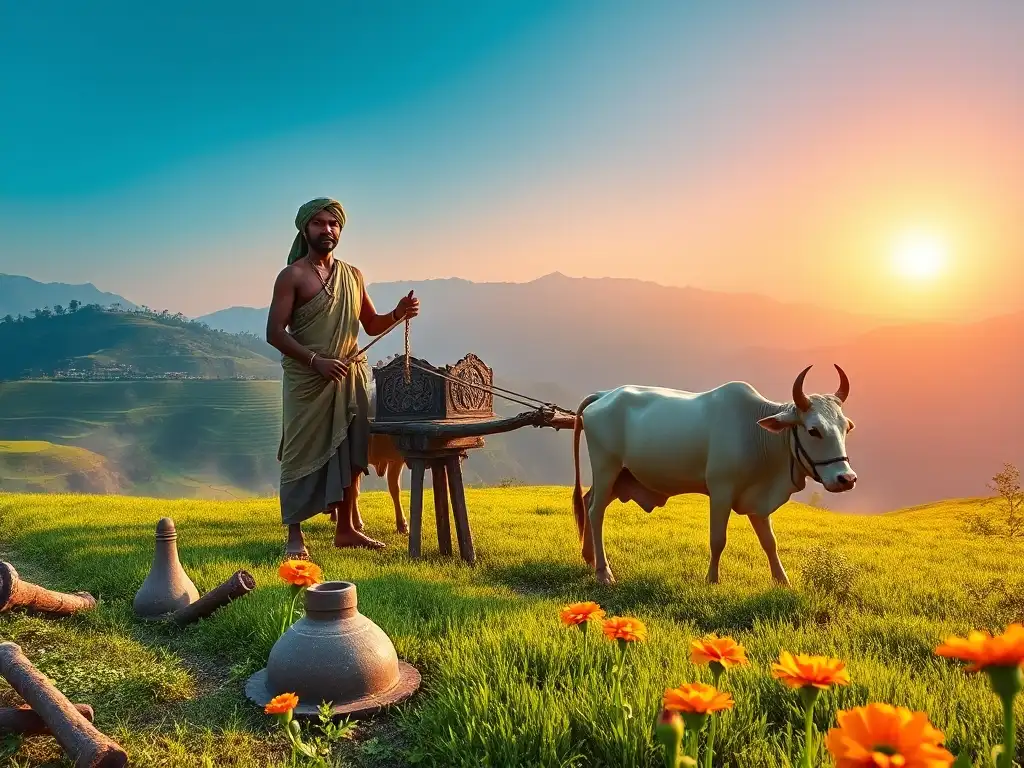
Traditional knowledge has played a pivotal role in shaping the agricultural landscape of ancient India. Farmers relied on centuries of accumulated wisdom to cultivate crops, manage soil health, and adapt to changing climatic conditions. This knowledge was not static; it evolved as communities interacted with their environment, leading to innovative farming techniques that optimized resource use.
Indigenous Farming Practices Passed Down Through Generations
Indigenous farming practices in ancient India were characterized by a deep understanding of local ecosystems. These methods included:
- Crop Rotation: Farmers often practiced crop rotation to maintain soil fertility. By alternating crops, they prevented nutrient depletion and reduced pest infestations. For instance, legumes were frequently planted after cereal crops to restore nitrogen levels in the soil.
- Intercropping: This technique involved growing two or more crops in proximity. It maximized land use and minimized risk; if one crop failed, the other could still yield a harvest. A common example was the combination of rice and beans, which benefitted from each other's growth patterns.
- Organic Fertilization: Ancient Indian farmers utilized organic materials such as compost, animal manure, and green manures to enrich soil. This sustainable practice not only improved soil structure but also enhanced microbial activity, contributing to long-term fertility.
- Water Management: Traditional irrigation methods, such as the use of wells, tanks, and step wells, illustrated the innovative approaches to water conservation. Farmers also implemented techniques like bunding and contour farming to manage water flow on sloped lands effectively.
These practices were often community-specific, reflecting the unique climate, soil types, and available resources of different regions across ancient India. The transmission of this knowledge was typically oral, with elders passing down techniques and lore to younger generations, ensuring the continuity of successful agricultural methods.
The Influence of Local Beliefs on Agricultural Practices
Local beliefs and cultural practices significantly influenced ancient Indian farming methods. Agriculture was often intertwined with spiritual and religious beliefs, which shaped how communities approached farming. Some notable influences include:
- Rituals and Festivals: Agricultural calendars were marked by various festivals that celebrated planting and harvest seasons. For example, the festival of Makar Sankranti signified the end of winter and the beginning of the harvest season, prompting communities to perform rituals to ensure a bountiful yield.
- Sacred Groves: Many farming communities maintained sacred groves, areas of land dedicated to worship and conservation. These groves were seen as protectors of biodiversity and were often left untouched, promoting a balance between agriculture and nature.
- Divine Connection: Farmers often prayed to deities for favorable weather conditions, pest control, and abundant harvests. This belief fostered a sense of responsibility towards the land, encouraging sustainable practices that respected the earth's resources.
- Folk Wisdom: Local proverbs and folk tales often contained agricultural wisdom. For instance, sayings about the right time to sow seeds based on lunar cycles or seasonal changes guided farmers in their planting decisions.
These cultural elements not only influenced agricultural practices but also reinforced community bonds, as shared beliefs brought people together in their farming endeavors. The integration of traditional knowledge and local beliefs created a holistic approach to agriculture, ensuring the sustainability and resilience of ancient Indian farming methods.
Comparison of Ancient Indian Farming Methods with Modern Techniques
Similarities and Differences in Farming Practices
Ancient Indian farming methods were characterized by their adaptability to local conditions and the integration of ecological knowledge passed down through generations. While modern techniques have evolved significantly, there are notable similarities and differences that can be observed.
Similarities:
- Crop Diversification: Both ancient and modern farming practices emphasize the importance of growing a variety of crops. Ancient farmers cultivated diverse species to enhance soil fertility and reduce the risk of crop failure. Today, polyculture remains a strategy in sustainable farming to improve biodiversity and resilience against pests.
- Fertilization Techniques: The use of natural fertilizers, such as cow dung and compost, was prevalent in ancient Indian agriculture. Modern organic farming continues to utilize these methods, recognizing the benefits of organic matter in enriching soil health.
- Irrigation Methods: Ancient Indian civilizations developed sophisticated irrigation systems, such as stepwells and canals, to manage water resources efficiently. Modern agriculture also employs irrigation techniques like drip and sprinkler systems, focusing on water conservation and efficiency.
Differences:
- Technology and Mechanization: One of the most significant differences is the level of technology. Ancient Indian farmers relied on manual labor and simple tools, whereas modern agriculture utilizes advanced machinery, biotechnology, and automated systems to enhance productivity.
- Scientific Knowledge: Ancient practices were deeply rooted in traditional knowledge, whereas modern methods are guided by scientific research and data analysis. This shift has led to the development of high-yield crop varieties and integrated pest management strategies that were not available in ancient times.
- Scale of Production: Ancient farming was typically small-scale and community-oriented, focusing on local needs. In contrast, modern agriculture often operates on a large scale, driven by global markets and the demand for mass production.
Lessons Modern Agriculture Can Learn from Ancient Techniques
The exploration of ancient Indian farming methods offers valuable insights for contemporary agricultural practices. Here are some lessons that modern agriculture can adopt:
- Sustainable Practices: Ancient farmers employed sustainable practices that preserved soil health and biodiversity. Techniques such as crop rotation, intercropping, and the use of organic fertilizers can inspire modern practices to promote sustainability and reduce the environmental impact of agriculture.
- Water Conservation: The efficient water management strategies used in ancient India, such as rainwater harvesting and the construction of check dams, can be vital for addressing current water scarcity issues. Modern agriculture can benefit from reviving these techniques to enhance water conservation and improve irrigation efficiency.
- Community Involvement: Ancient agricultural systems were often community-driven, fostering collective efforts in farming. Modern agriculture can learn from this approach by encouraging community-supported agriculture (CSA) and cooperative farming, which can enhance local food systems and strengthen community ties.
- Emphasis on Indigenous Knowledge: Ancient Indian farmers possessed an intimate understanding of their environment, which guided their farming practices. By integrating indigenous knowledge and practices with modern scientific methods, contemporary agriculture can create more resilient and adaptive farming systems.
While there are distinct differences between ancient Indian farming methods and modern techniques, the core principles of sustainability, community, and ecological balance remain relevant. By embracing these lessons, modern agriculture can work towards a more sustainable future that honors the wisdom of the past.
Challenges Faced by Ancient Farmers
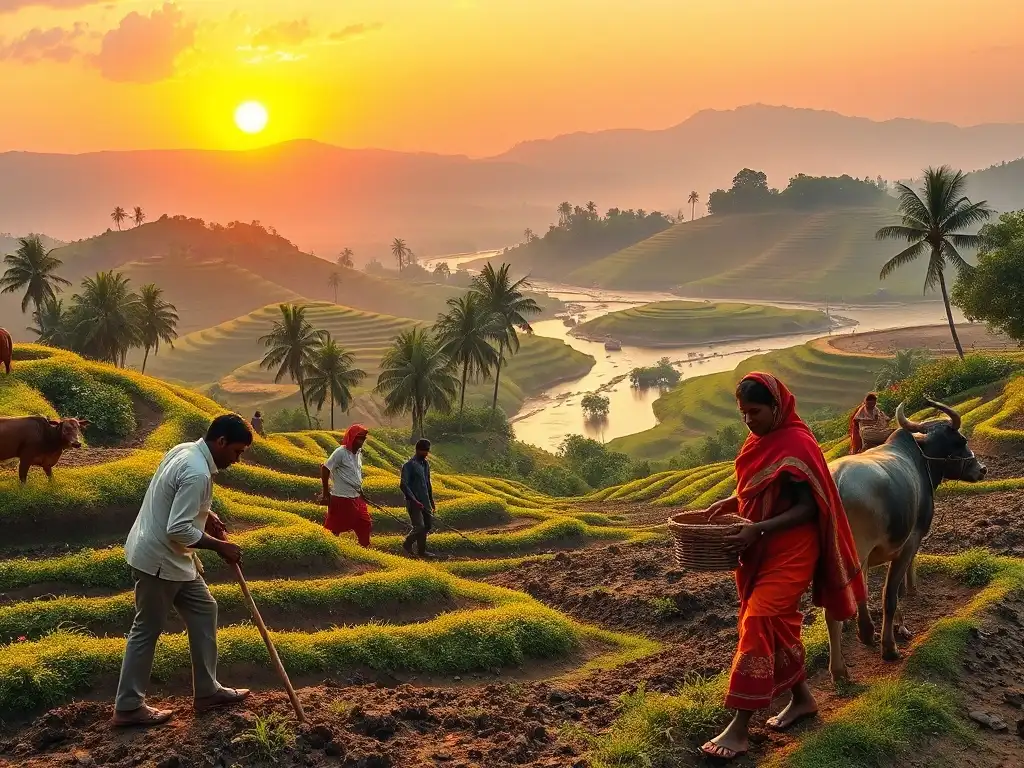
The evolution of ancient Indian farming methods was not without its challenges. Farmers faced a myriad of obstacles that shaped their agricultural practices and innovations. Understanding the environmental and socio-economic factors that influenced these ancient civilizations provides key insights into their resilience and adaptability.
Environmental Challenges and Adaptation Strategies
Ancient Indian farmers contended with various environmental challenges, including:
- Monsoonal Variability: The Indian subcontinent is characterized by its reliance on monsoon rains. Farmers had to adapt their planting schedules and crop choices based on the unpredictable nature of the monsoon. For instance, they developed drought-resistant varieties of crops and employed rainwater harvesting techniques to mitigate the effects of erratic rainfall.
- Soil Degradation: Over time, intensive farming practices led to soil depletion. To combat this, ancient farmers practiced crop rotation and intercropping. This not only helped maintain soil fertility but also reduced the risk of pest infestations.
- Pest and Disease Management: Crop diseases and pests were significant threats to yield. Ancient Indian farmers utilized a variety of methods to protect their crops, such as introducing companion planting to deter pests and using natural pesticides derived from local plants.
- Topographical Challenges: The diverse geography of India, from the Himalayan foothills to the Deccan plateau, required farmers to develop specific techniques suited to their local environments. For example, terrace farming was practiced in hilly areas to prevent soil erosion and maximize arable land.
"The ability of ancient Indian farmers to adapt to their environment is a testament to their ingenuity and resilience."
Socio-Economic Factors Affecting Agriculture
Several socio-economic factors played a crucial role in shaping ancient Indian farming methods:
- Land Ownership and Class Structure: The distribution of land ownership significantly influenced agricultural practices. Wealthy landowners often employed laborers to work their fields, which created a class divide that affected access to resources and farming techniques. In contrast, small-scale farmers were more likely to employ sustainable practices as they relied on the longevity of their land.
- Trade and Market Demand: The demand for certain crops dictated agricultural choices. For instance, the rise of trade routes led to increased cultivation of cash crops like cotton and spices, which were highly sought after in domestic and international markets. This shift encouraged farmers to innovate and improve productivity.
- Cultural Practices and Knowledge Transfer: Agricultural methods were often passed down through generations. The integration of cultural beliefs with farming practices, such as the timing of sowing based on lunar cycles, showcased the importance of tradition in farming. Additionally, communal farming practices were prevalent, where farmers would share resources and knowledge, enhancing overall productivity.
- Political Stability and Support: The support of ruling dynasties often determined the prosperity of agricultural communities. Periods of stability allowed for agricultural advancements, whereas times of conflict disrupted farming activities. For example, the Gupta Empire promoted agricultural innovations by providing irrigation facilities and encouraging the dissemination of agricultural knowledge.
- Technological Innovations: Innovation played a significant role in ancient Indian farming. The introduction of tools like the plough and advancements in irrigation techniques, such as canals and wells, drastically improved farming efficiency.
Ancient Indian farming methods were shaped by a complex interplay of environmental and socio-economic factors. The ability of farmers to adapt to challenges not only ensured their survival but also laid the groundwork for the agricultural practices that continue to influence India today.
Conclusion: The Legacy of Ancient Indian Farming Techniques
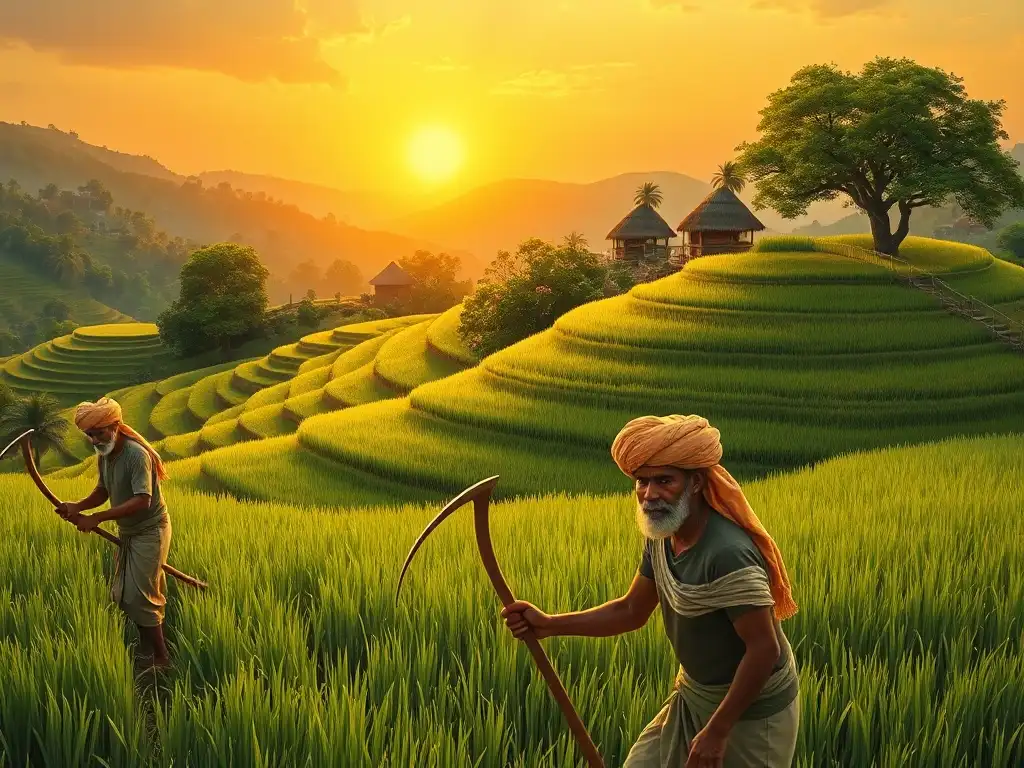
The farming techniques developed in ancient India have left an indelible mark on agricultural practices around the world. From the sophisticated irrigation systems of the Indus Valley Civilization to the diverse crop rotation methods employed during the Gupta Empire, these techniques were not only innovative for their time but also laid the groundwork for sustainable agriculture. Ancient Indian farming methods emphasized harmony with nature, a principle that is increasingly relevant in today's agricultural discourse.
Lasting Impact on Contemporary Agricultural Practices
Ancient Indian farming methods continue to influence modern agriculture in several profound ways:
- Irrigation Systems: The use of canals, wells, and tanks in ancient India established a framework for water management that is still relevant today. Modern irrigation systems, such as drip and sprinkler irrigation, owe much to these early innovations. Efficient water usage remains a critical concern in contemporary farming, especially in regions prone to drought.
- Crop Diversity and Rotation: Ancient Indian farmers practiced crop rotation and intercropping, which not only improved soil fertility but also reduced pest infestations. This practice is echoed in today’s sustainable farming techniques, where biodiversity is encouraged to enhance resilience against diseases and climate change.
- Organic Farming: The traditional use of natural fertilizers, such as compost and green manure, reflects an understanding of soil health that modern organic farming advocates. Techniques such as vermicomposting and bio-pesticides are direct descendants of these ancient practices, promoting an eco-friendly approach to agriculture.
- Community and Cooperative Farming: The communal farming practices seen in ancient India fostered social bonds and collective productivity. Modern cooperatives and community-supported agriculture (CSA) initiatives draw inspiration from these historical precedents, emphasizing the importance of local food systems and community engagement.
Importance of Preserving Traditional Knowledge in Modern Farming
The preservation of traditional agricultural knowledge is vital for several reasons:
- Sustainability: Ancient farming techniques often reflect sustainable practices that are crucial for combating modern agricultural challenges, such as soil degradation and climate change. Understanding these methods can help in developing more resilient agricultural systems.
- Cultural Heritage: Traditional farming practices are an integral part of cultural identity. By preserving them, we maintain a connection to our history and the wisdom of our ancestors, which can inform future innovations.
- Biodiversity Conservation: Many ancient farming methods promote the use of indigenous crop varieties, which are often more resilient to local pests and climatic conditions. Preserving these varieties is essential for maintaining agricultural biodiversity.
- Education and Community Empowerment: Reviving ancient practices can serve as a tool for education and community empowerment, fostering local knowledge and encouraging sustainable practices among new generations of farmers.
The legacy of ancient Indian farming techniques is a treasure trove of knowledge that holds immense potential for addressing contemporary agricultural challenges. Embracing and preserving these methods not only honors our agricultural heritage but also paves the way for a sustainable future in farming.
References and Further Reading on Ancient Indian Agricultural Practices
Suggested Books and Articles
-
"The Ancient Indus Valley: A New History" by Jane McIntosh
This book provides an in-depth look at the agricultural practices of the Indus Valley Civilization, emphasizing the advanced techniques used in irrigation and crop cultivation.
-
"Agricultural History of India" by R. S. Sharma
A comprehensive exploration of India's agricultural history, this work delves into various farming methods, tools, and the socio-economic impacts of agriculture throughout ancient times.
-
"Farming in Ancient India" by D. N. Roy
This article analyzes the transition from hunter-gatherer societies to settled agricultural communities, highlighting innovations in farming techniques that emerged during this period.
-
"The Role of Agriculture in Ancient Indian Society" by Sudha S.
This paper discusses the significance of agriculture in shaping social structures and economies in ancient Indian civilizations, offering insights into the methods employed by farmers.
-
"Indian Agriculture: A Historical Perspective" by M. R. Ramesh
This article provides a historical overview of agricultural practices in India, focusing on the evolution of farming methods from ancient times to the modern era.
Online Resources for Exploring Ancient Indian Agriculture
-
Digital South Asia Library
A rich resource for researchers, this online library offers access to a collection of historical texts and documents related to agriculture in ancient India.
-
The Archaeological Survey of India
The official website provides extensive information about archaeological findings related to ancient farming practices, including excavation reports and research papers.
-
Ancient India: Agriculture and Economy
This dedicated webpage offers various articles and resources focusing on the agricultural systems of ancient India, including farming techniques, tools, and their economic implications.
-
Google Scholar
A valuable tool for accessing scholarly articles and research papers on ancient Indian farming methods, Google Scholar offers a wealth of academic resources that can deepen understanding of historical agricultural practices.
-
YouTube Channels: Indian History and Culture
Several educational channels provide video content on ancient Indian agriculture, featuring expert discussions, animations, and historical documentaries that make the subject accessible and engaging.
-
Online Courses on Ancient Indian History
Platforms like Coursera and edX often feature courses that delve into the agricultural practices of ancient civilizations, including India, providing a structured learning experience.
By utilizing these references and resources, readers can gain a more profound understanding of the ancient Indian farming methods and their substantial contributions to the development of agriculture and economy in the region.
Frequently Asked Questions
What were some key ancient Indian farming methods?
Ancient Indian farming methods included crop rotation, intercropping, and the use of plowing techniques with wooden tools, which helped enhance soil fertility and maximize yields.
How did the Indus Valley Civilization influence farming?
The Indus Valley Civilization had advanced irrigation systems and agricultural practices that laid the groundwork for future farming techniques, emphasizing water management and crop cultivation.
What role did monsoons play in ancient agriculture?
Monsoons were crucial for ancient Indian farmers as they provided vital rainfall for crops. Farmers developed techniques to utilize this seasonal rain efficiently, ensuring successful harvests.
How did the Gupta Empire contribute to farming advancements?
During the Gupta Empire, there was significant progress in agricultural technology, including improved tools and techniques that boosted productivity and fostered the growth of trade in agricultural products.
Are any ancient farming practices still in use today?
Yes, several ancient farming practices, such as organic farming techniques and the use of crop diversity, are still relevant today, promoting sustainable agriculture and biodiversity.
Final Reflection: Rediscovering the Wisdom of Ancient Indian Farming Methods
The exploration of ancient Indian farming methods reveals not only the ingenuity of our ancestors but also their profound connection to the land. In today's world, where modern agriculture often prioritizes efficiency over sustainability, the lessons learned from these time-honored techniques are more relevant than ever. As we face pressing challenges such as climate change and food security, it becomes imperative to look back and draw inspiration from the sustainable practices that have nourished generations.
Cultural heritage is not merely a relic of the past; it is a living testament to the resilience and adaptability of communities. The ancient farming methods of India, characterized by their deep understanding of local ecosystems and biodiversity, continue to influence contemporary agricultural practices. As we strive for a more sustainable future, we must acknowledge the wisdom embedded in these traditions. To forget one's ancestors is to be a brook without a source, a tree without a root.
This quote resonates deeply as we reflect on the importance of honoring the agricultural practices that have shaped our identities and environments.
As you ponder the insights shared in this article, I invite you to consider how you can incorporate the principles of ancient Indian farming into your own life. Whether through supporting local farmers, embracing organic practices, or simply learning more about sustainable agriculture, every small action contributes to a larger movement toward environmental stewardship. Let us honor the legacy of our ancestors by cultivating a future that respects and nurtures the land, ensuring that the wisdom of ancient farming methods continues to thrive for generations to come.
Rediscover Ancient Wisdom: Embrace Sustainable Farming!
Thank you for joining us on this enlightening journey through ancient Indian farming techniques. We hope you’ve uncovered valuable insights that inspire you to connect with traditional methods that have stood the test of time. Now, it's time to take action and integrate this wisdom into your own life!
Here are some exciting steps you can take:
- Explore local farmers' markets to learn about traditional farming practices and support local agriculture.
- Share your newfound knowledge with friends and family— consider organizing a discussion group on sustainable farming methods.
- Experiment with a small section of your garden by implementing one of the ancient techniques you've learned— even cultivating a small herb garden can have a positive impact!
As you reflect on these ancient practices, which technique do you believe could transform modern farming today? We would love to hear your thoughts!