
The Impact of Trade Routes on Ancient Indian Agricultural Development

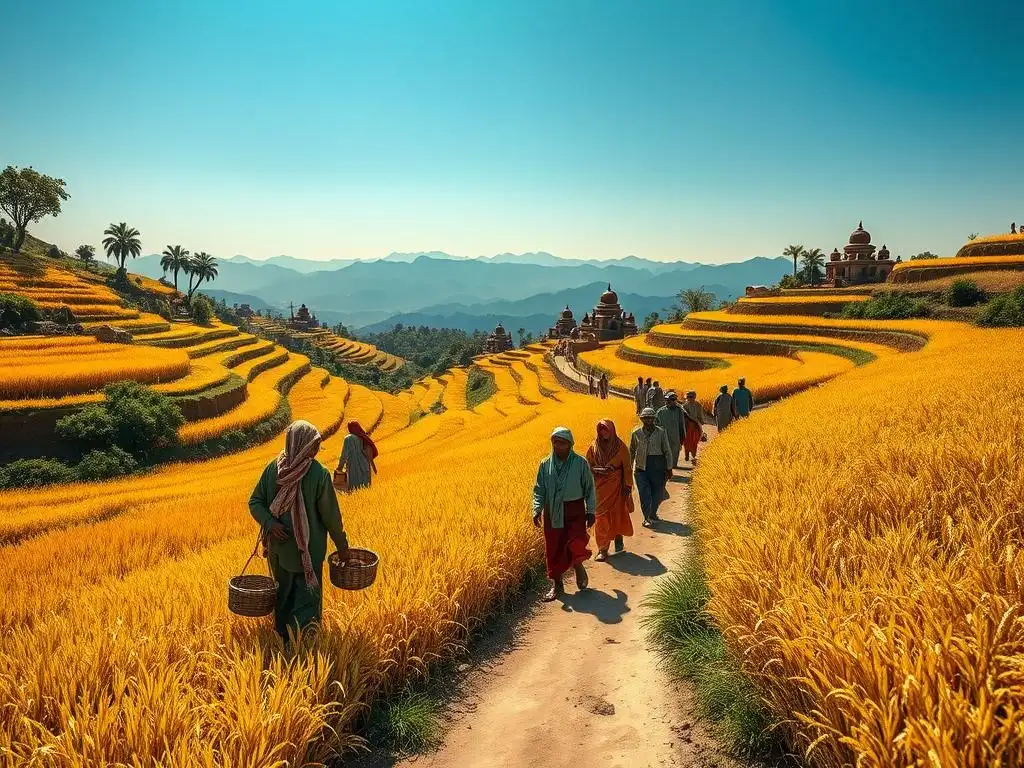
Welcome to Ancient India History, where we embark on a fascinating journey through the vibrant tapestry of ancient Indian civilizations. Here, you'll uncover the intricate connections between trade routes and agricultural development, revealing how these pathways shaped economies and influenced the very fabric of society. As you delve into our featured article, “The Impact of Trade Routes on Ancient Indian Agricultural Development,” you'll discover the profound effects of commerce on agriculture, sparking curiosity about how these ancient practices still resonate today. Join us as we explore the rich legacy of India's past—your adventure into history begins now!

Introduction to Ancient Indian Trade Routes and Agriculture
The intricate tapestry of ancient Indian civilization is woven with the threads of its trade routes and agricultural practices. These trade routes not only facilitated the exchange of goods but also played a pivotal role in the agricultural development of the region. The interaction between various cultures along these routes led to the introduction of new crops, innovative farming techniques, and advancements in agricultural tools. Understanding the impact of trade routes on ancient Indian agriculture gives us insight into how these civilizations thrived and adapted to their environment.
Overview of Trade Routes in Ancient India
Ancient India was crisscrossed by an extensive network of trade routes, both overland and maritime. Key routes included:
- Silk Road: Linked India to Central Asia, facilitating trade with China and the West.
- Grand Trunk Road: An ancient route connecting the eastern and western parts of India, crucial for domestic trade.
- Coastal Trade Routes: Enabled maritime trade with Southeast Asia, the Middle East, and beyond.
These routes were vital for the movement of not just commodities such as spices, textiles, and precious stones, but also agricultural products. The connectivity fostered by these routes helped disseminate agricultural knowledge and practices across regions.
Significance of Agriculture in Ancient Indian Civilization
Agriculture was the backbone of ancient Indian society, providing sustenance and economic stability. Key points include:
- Subsistence Farming: Most communities relied on agriculture for their food supply, growing staples such as rice, wheat, and millet.
- Cultural Importance: Agricultural festivals and rituals played a significant role in the social fabric, celebrating the connection between the land and its people.
- Economic Foundation: Surplus production allowed for trade, supporting artisans and traders, and thus strengthening the economy.
The significance of agriculture in ancient Indian civilization cannot be overstated, as it was intrinsically linked to the success of trade routes.
The Role of Trade Routes in Agricultural Innovation
Trade routes were instrumental in facilitating agricultural innovation throughout ancient India. They acted as conduits for the exchange of ideas, practices, and resources that transformed farming.
Introduction of New Crops through Trade
One of the most profound impacts of trade was the introduction of new crops. Through interactions with neighboring regions and cultures, ancient Indian farmers began cultivating:
- Spices: Such as black pepper and cardamom, which became significant trade commodities.
- Fruits: Like citrus and bananas, enriching the diet and agricultural diversity.
- Crops from Other Regions: For instance, the arrival of rice from China enhanced food security.
These diverse crops not only improved nutrition but also helped in developing trade networks centered around agricultural products.
The Influence of Trade on Farming Techniques
The exchange of knowledge along trade routes led to significant advancements in farming techniques. Influences included:
- Irrigation Practices: Techniques from Mesopotamia and Persia improved water management in arid areas.
- Crop Rotation: Knowledge of crop rotation from different regions enhanced soil fertility and yielded better harvests.
- Integrated Farming Systems: The blending of various agricultural practices led to more sustainable farming methods.
These innovations helped farmers increase productivity, supporting larger populations and more complex societies.
Agricultural Tools and Innovations Facilitated by Trade
Trade routes also enabled the dissemination of agricultural tools and technologies, which were crucial for enhancing farming efficiency. Notable innovations included:
- Plows: Advanced plowing techniques and tools, such as the ard, improved soil cultivation.
- Harvesting Equipment: The introduction of sickles and other tools made harvesting more efficient.
- Storage Solutions: Techniques for storage and preservation of crops were shared, reducing waste and increasing food security.
The evolution of agricultural tools and techniques through trade not only boosted productivity but also laid the groundwork for future agricultural advancements in the region.
The interplay between ancient Indian trade routes and agriculture created a dynamic environment that fostered growth, innovation, and cultural exchange, leaving a lasting legacy on the subcontinent's agricultural practices.
Economic Impact of Trade Routes on Agricultural Development
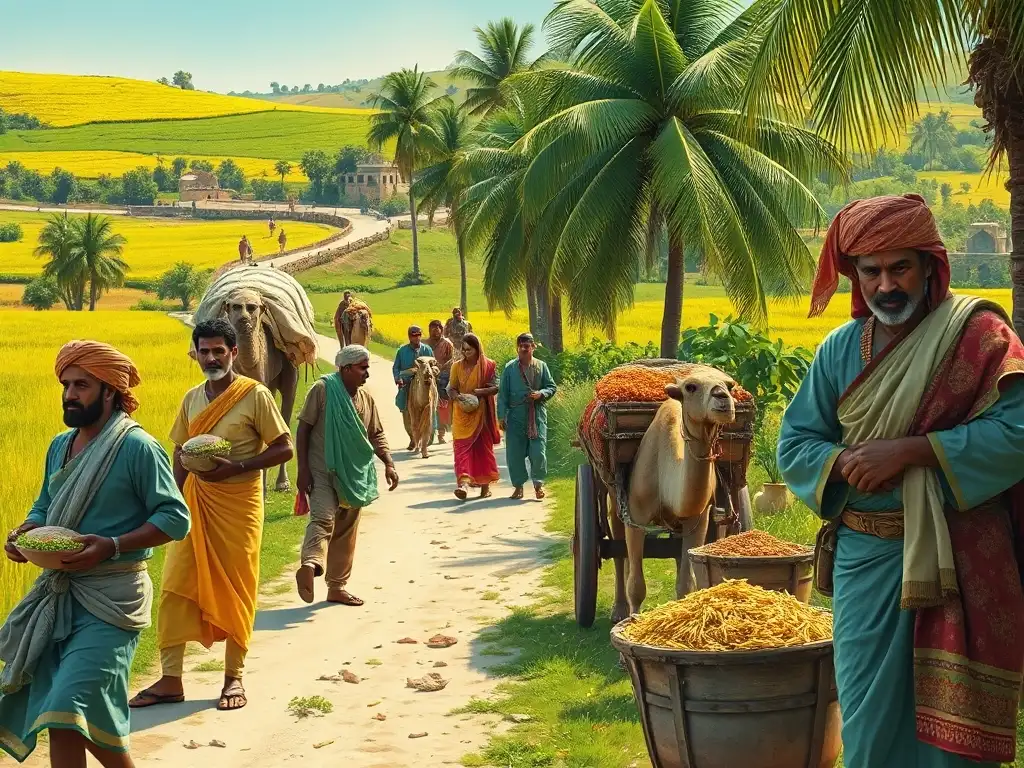
The development of trade routes in ancient India had a profound impact on agricultural practices, leading to enhanced production and efficiency. These routes facilitated the exchange of goods, ideas, and agricultural innovations among various regions, significantly contributing to the economy. The network of trade routes, including land and maritime pathways, connected different agricultural zones, enabling farmers to access a broader market for their produce. This economic integration not only stimulated local economies but also encouraged specialization in certain crops, leading to increased agricultural productivity.
How Trade Routes Boosted Agricultural Production
Ancient Indian trade routes served as conduits for agricultural products, allowing for the distribution of surplus produce from one region to another. This enhanced market access incentivized farmers to increase their output, knowing that they could sell excess crops beyond local consumption. For instance, the trade networks linking the fertile plains of the Ganges with the coastal regions facilitated the movement of rice, wheat, and spices, which were in high demand. Additionally, the influx of resources like irrigation techniques and tools from other regions, brought via trade, further improved agricultural efficiency and output.
The Relationship Between Trade and Agricultural Surplus
The relationship between trade and agricultural surplus in ancient India is multifaceted. As trade routes expanded, so did the capacity for agricultural surplus, which was critical for sustaining urban centers and supporting population growth. Agricultural surplus not only provided food security but also allowed for the diversification of the economy. Surplus crops could be exchanged for other goods, fostering economic interdependence. For example, the surplus of cotton from the Deccan Plateau became a significant trade item, leading to the development of textile industries in urban areas.
Economic Interdependence of Regions via Trade Routes
The establishment of trade routes led to significant economic interdependence among various regions of ancient India. Regions specialized in particular crops based on their climatic and geographical advantages, while relying on trade to obtain other necessary goods. For instance, the fertile lands of the Punjab were known for wheat production, while the southern regions focused on rice cultivation. This interdependence not only optimized agricultural production but also fostered cooperative relationships among different communities, leading to shared agricultural practices and innovations.
Cultural Exchange and Agricultural Practices
The trade routes of ancient India were not just conduits for goods but also vibrant pathways for cultural exchange, greatly influencing agricultural practices. This exchange facilitated the transfer of agricultural knowledge, techniques, and even crops among diverse communities, enriching the agricultural landscape of India.
Exchange of Knowledge and Techniques Across Regions
As traders and travelers moved along the trade routes, they shared agricultural knowledge and techniques that were unique to their regions. For instance, the introduction of new irrigation methods from arid regions to those with abundant rainfall helped optimize water usage. Similarly, the dissemination of knowledge regarding crop rotation and sustainable practices contributed to improved soil fertility and crop yield across various regions, enhancing overall agricultural productivity.
The Integration of Diverse Agricultural Practices
Cultural exchanges along trade routes led to the integration of diverse agricultural practices, resulting in hybrid farming techniques. Farmers began to incorporate practices from different regions, such as the use of new crop varieties and innovative farming tools. The introduction of crops like sugarcane and citrus fruits from Southeast Asia through trade significantly diversified the agricultural practices in India, allowing farmers to adapt to changing market demands and climatic conditions.
Impact of Cultural Exchange on Crop Diversity
The impact of cultural exchange on crop diversity was profound. Trade routes facilitated the introduction of a variety of crops that were not traditionally grown in certain areas. This not only enriched the agricultural portfolio of ancient Indian farmers but also contributed to food security. The blending of indigenous crops with those introduced through trade resulted in a more resilient agricultural system capable of withstanding pests and climatic fluctuations. For example, the adoption of new spices and pulses contributed to both culinary diversity and nutritional benefits, showcasing the dynamic interplay between trade and agricultural development in ancient India.
The Geographic Influence of Trade Routes on Agriculture
The geographic layout of ancient India played a significant role in shaping the trade routes that ultimately influenced agricultural development. The intersection of various terrains—mountains, plateaus, plains, and rivers—created unique opportunities for trade and agriculture to thrive. These routes facilitated the movement of not only goods but also agricultural techniques, seeds, and farming practices, which enhanced agricultural productivity across different regions.
Trade routes often connected fertile regions with less productive areas, allowing for the exchange of surplus crops. For instance, the Indo-Gangetic Plain, known for its rich alluvial soil, became a hub of agricultural production, while the arid regions of Rajasthan benefited from the import of crops such as grains, fruits, and vegetables. The movement along these routes fostered a diverse agricultural landscape, as farmers adapted their practices based on the crops that were in demand in different markets.
Key Trade Routes and Their Agricultural Regions
Several key trade routes significantly impacted agricultural practices in ancient India. The Silk Road, which extended from the northern regions of India through Central Asia, facilitated the exchange of not just silk but also spices, grains, and other agricultural products. This route allowed Indian farmers to gain access to exotic crops and farming techniques from distant lands.
The Grand Trunk Road, one of the oldest and longest trade routes in Asia, connected the eastern and western parts of India. It traversed through fertile agricultural zones such as Punjab and Bengal, enabling the transportation of grains, pulses, and rice to different markets. This route was crucial in linking farmers with urban centers, thereby increasing demand for various agricultural products.
Another significant trade network was the Maritime Trade Routes, which connected the Indian subcontinent with Southeast Asia and beyond. These routes facilitated the export of spices, cotton, and other cash crops, while also introducing new agricultural practices and crops, such as rice and sugarcane, which thrived in coastal regions.
Climate and Geography: Facilitators of Agricultural Growth
The climatic conditions and geographical diversity of ancient India were instrumental in promoting agricultural growth along trade routes. Different regions experienced varying climates, from the tropical monsoons of the coastal areas to the temperate conditions of the northern plains. This diversity allowed for a wide range of crops to be cultivated, making the Indian agricultural landscape rich and varied.
Monsoon rains, in particular, played a critical role in agriculture, as they replenished the soil and provided the necessary water for crop growth. The trade routes aligned with river systems, such as the Indus and Ganges, which were vital for irrigation. Farmers utilized these rivers to enhance their agricultural productivity, making it possible to cultivate multiple crops throughout the year.
Moreover, the geographical barriers, such as the Himalayas, acted as natural shields for agricultural regions, protecting them from invasions and allowing agricultural practices to flourish in relative peace. The interaction of climate, geography, and trade routes contributed to the resiliency and adaptability of ancient Indian agriculture.
Case Studies of Specific Trade Routes and Their Agricultural Impact
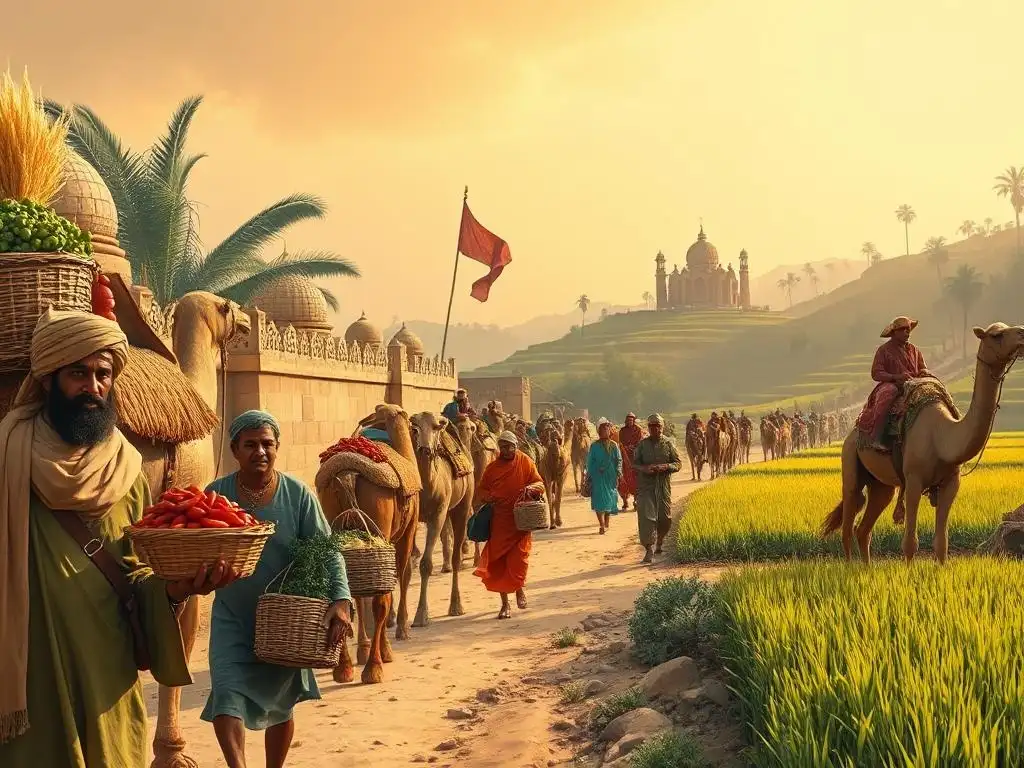
The Silk Road: Linking Cultures and Agriculture
The Silk Road not only facilitated the exchange of silk and luxury goods but also played a pivotal role in the agricultural development of ancient India. This extensive trade network connected India with Central Asia, China, and the Middle East, allowing for the exchange of agricultural knowledge and crop varieties.
For example, through interactions along the Silk Road, Indian farmers were introduced to new irrigation techniques and crop rotation methods that improved yields. Moreover, the demand for Indian spices and textiles along the Silk Road encouraged farmers to increase production, which ultimately transformed local economies and contributed to the overall agricultural wealth of the region.
The Maritime Trade Routes: Influence on Coastal Agriculture
The Maritime Trade Routes significantly influenced coastal agriculture by facilitating the exchange of crops and agricultural innovations between India and its trading partners in Southeast Asia and beyond. Ports such as Lothal and Sopara became bustling centers of trade where farmers could export surplus crops like cotton, rice, and spices.
This interaction led to the adoption of new agricultural practices, such as wet rice cultivation, which became popular in the coastal regions of India. The availability of trade routes also encouraged the cultivation of cash crops, allowing farmers to engage in trade that supported both local economies and the broader Indian economy.
The Role of the Grand Trunk Road in Agricultural Development
The Grand Trunk Road has been a crucial artery for trade and commerce in India since ancient times. This important trade route promoted agricultural development by connecting major agricultural hubs with urban markets. Regions like Punjab, known for its fertile lands and robust agricultural output, benefited immensely from this connectivity.
Farmers along the Grand Trunk Road were able to transport their produce—such as wheat, barley, and pulses—more efficiently, leading to increased agricultural productivity. The road also facilitated the flow of information regarding crop techniques and market demands, allowing farmers to adapt their practices to changing economic conditions. As a result, the Grand Trunk Road not only served as a trade route but also significantly contributed to the agricultural landscape of ancient India.
Conclusion: The Lasting Legacy of Ancient Indian Trade Routes on Agriculture
The ancient Indian trade routes were not merely conduits for the exchange of goods; they were vital arteries that facilitated the evolution and enhancement of agricultural practices across the subcontinent. These routes enabled the transfer of agricultural knowledge, crops, and technologies, significantly influencing the agricultural landscape of ancient India. As a result, the cultivation of diverse crops flourished, which laid the foundation for robust agrarian societies. The legacy of these trade routes continues to resonate in contemporary agricultural practices and economic systems, demonstrating the enduring impact of trade on the development of agriculture.
The interconnections established by these trade routes fostered interactions among various cultures, leading to the exchange of not only agricultural products but also ideas and innovations. This cultural diffusion enhanced agricultural productivity and efficiency, transforming the way ancient Indians approached farming. The agricultural advancements resulting from these exchanges contributed to the prosperity and sustainability of ancient civilizations, underscoring the pivotal role that trade played in shaping agricultural history.
Summary of Key Impacts on Agricultural Practices
- Crop Diversification: The exchange of seeds and agricultural knowledge through trade routes introduced a variety of crops, such as spices, grains, and legumes. This diversification improved food security and nutrition.
- Technological Innovations: Trade facilitated the introduction of advanced farming techniques and tools from neighboring regions, such as irrigation methods and plowing techniques, which increased agricultural efficiency.
- Market Expansion: The establishment of trade networks allowed for the creation of markets where surplus produce could be sold, encouraging farmers to increase production and adopt better agricultural practices.
- Cultural Exchange: Interactions among traders, farmers, and scholars led to the sharing of agricultural philosophies and practices, enriching the agricultural knowledge base.
- Economic Stability: A strong agricultural foundation supported by trade routes contributed to the economic stability of ancient Indian civilizations, enabling them to thrive and expand.
Reflection on the Importance of Trade in Shaping Agricultural History
The role of trade in shaping ancient Indian agriculture cannot be overstated. It was through these routes that ancient civilizations were able to connect with distant lands, bringing back not only commodities but also transformative agricultural ideas. The trade practices established during this period laid the groundwork for future agricultural policies, practices, and innovations.
As a result, ancient Indian societies became adept at leveraging their agricultural resources, fostering a sense of community and economic interdependence that would influence generations to come. The legacy of these trade routes serves as a testament to the dynamic interplay between commerce and agriculture, highlighting the significant role of trade in agricultural history.
Further Reading and Resources on Ancient Indian Agriculture and Trade
Recommended Books and Articles
- "The Spice Trade: A History": - This book explores the history of spice trading, including its impact on agriculture in ancient India.
- "Agriculture in Ancient India" by R.S. Sharma - This comprehensive study delves into agricultural practices and innovations in ancient Indian civilizations.
- "Trade and Traders in Ancient India" by T. S. S. Raghavan - An insightful examination of the trade networks and their influence on India's agricultural development.
Online Resources for Exploring Ancient Indian Agricultural Practices
- Digital South Asia Library: A treasure trove of maps, texts, and images documenting ancient agricultural practices and trade routes in India.
- The Indian Council of Historical Research: Offers various publications and research articles on the historical aspects of trade and agriculture in ancient India.
- Ancient History Encyclopedia: Provides articles and resources focused on ancient Indian civilizations, including their agricultural practices and trade networks.
- Introduction to Ancient Indian Trade Routes and Agriculture
- Overview of Trade Routes in Ancient India
- Significance of Agriculture in Ancient Indian Civilization
- The Role of Trade Routes in Agricultural Innovation
- Economic Impact of Trade Routes on Agricultural Development
- Cultural Exchange and Agricultural Practices
- The Geographic Influence of Trade Routes on Agriculture
- Case Studies of Specific Trade Routes and Their Agricultural Impact
- Conclusion: The Lasting Legacy of Ancient Indian Trade Routes on Agriculture
- Further Reading and Resources on Ancient Indian Agriculture and Trade
- What were the main trade routes in ancient India?
- How did trade influence agriculture in ancient India?
- What crops were commonly traded along ancient Indian trade routes?
- What role did geography play in shaping ancient Indian trade routes?
- How did the Gupta Empire influence agricultural development through trade?
Frequently Asked Questions
What were the main trade routes in ancient India?
Ancient India had several key trade routes, including the Silk Road and the Grand Trunk Road, which facilitated the exchange of goods and ideas with other civilizations.
How did trade influence agriculture in ancient India?
Trade routes enabled the exchange of agricultural techniques and crops, leading to improved agricultural productivity and diversification of farming practices in ancient India.
What crops were commonly traded along ancient Indian trade routes?
Commonly traded crops included spices, cotton, and rice, which were highly valued both domestically and internationally, enhancing the economy of ancient Indian civilizations.
What role did geography play in shaping ancient Indian trade routes?
The geographical features of India, such as rivers and mountain passes, facilitated trade, while fertile regions supported agriculture, making them key points along these routes.
How did the Gupta Empire influence agricultural development through trade?
Under the Gupta Empire, trade flourished, leading to advancements in agricultural technology and practices, which significantly boosted agricultural output and economic growth.
Final Reflection: The Enduring Legacy of Ancient Indian Trade Routes on Agriculture
The intricate web of ancient Indian trade routes not only shaped the economic landscape of the time but also laid the foundation for agricultural development that resonates today. The exchange of goods, ideas, and agricultural practices through these routes facilitated a remarkable transformation in farming techniques and crop diversity, which ultimately contributed to the prosperity of ancient Indian civilizations. This historical narrative reminds us that trade is not merely a transaction; it is a powerful catalyst for growth and innovation.
The influence of these trade routes extends far beyond their historical context, continuing to shape our understanding of agricultural practices and trade dynamics in modern India. The cultural exchanges that occurred along these routes fostered a rich tapestry of agricultural knowledge, which has been passed down through generations. As we reflect on this legacy, we are reminded of the words of Mahatma Gandhi: The future depends on what you do today.
This sentiment underscores the importance of recognizing our agricultural heritage and its ongoing impact on contemporary practices.
As we contemplate the lessons learned from the ancient Indian trade routes, I invite you to reflect on your own relationship with agriculture and trade. Consider how the interconnectedness of our world today mirrors the past, and think about the role you can play in fostering sustainable agricultural practices and supporting local economies. Let the story of ancient trade routes inspire you to engage with the agricultural community, advocate for sustainable practices, and appreciate the rich history that has shaped our present.
Uncover the Threads of Ancient Trade – Act Now!
Thank you for delving into the captivating world of ancient Indian trade routes and their significant impact on agricultural development! Your curiosity not only enhances your understanding but also connects you with a crucial aspect of history that shaped civilizations.
Now, let's turn that knowledge into action! Here are a few steps you can take to further explore and engage with this topic:
- Explore the past: Visit a local museum or historical site to see artifacts related to ancient trade and agriculture. You’ll be amazed at the stories they tell!
- Share your insights: Discuss what you've learned with friends or online communities. Start a conversation about how these trade routes have influenced contemporary agricultural practices.
- Join a historical forum: Connect with fellow history enthusiasts to exchange insights and delve deeper into the relationships between trade and agriculture in ancient societies.
What unique perspectives can you share about the influence of ancient trade routes on modern agriculture in your region?