
How Ancient Indian Agricultural Practices Influenced Neighboring Cultures

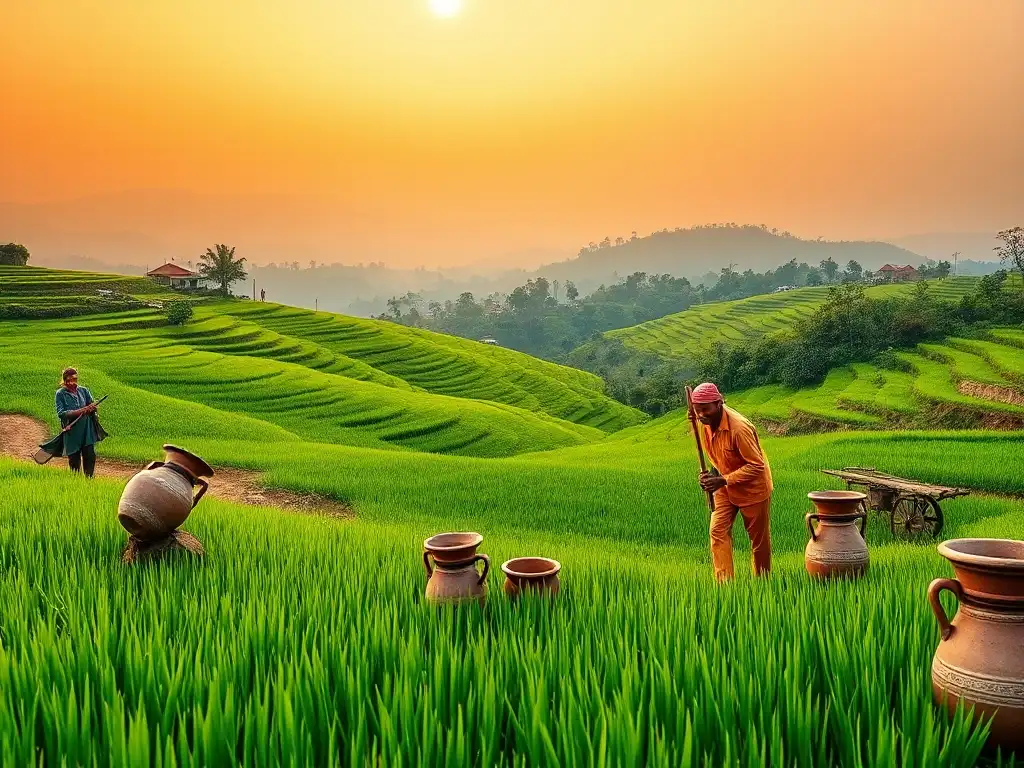
Welcome to Ancient India History, where we embark on a fascinating journey through time to uncover the vibrant tapestry of ancient Indian civilizations. In this article, we delve into the influence of ancient Indian agriculture, exploring how innovative farming practices shaped not only the subcontinent but also left an indelible mark on neighboring cultures.
Prepare to be captivated by the stories of cultivation and community that have stood the test of time, and discover the profound legacy that continues to resonate today. Join us as we uncover the roots of agricultural wisdom that flourished in ancient India and its far-reaching impact on the world around it.
- Introduction to Ancient Indian Agriculture Influence
- Historical Context of Ancient Indian Agriculture
- Key Agricultural Practices of Ancient India
- Influence of Ancient Indian Agriculture on Neighboring Cultures
- Comparative Analysis of Agricultural Practices
- The Legacy of Ancient Indian Agricultural Innovations
- Conclusion: The Enduring Influence of Ancient Indian Agriculture
-
Frequently Asked Questions
- What were the main agricultural practices in ancient India?
- How did ancient Indian agriculture influence neighboring cultures?
- What crops were commonly cultivated in ancient India?
- Did ancient Indian agriculture contribute to urban development?
- What role did climate play in ancient Indian agriculture?
- Final Reflection: The Enduring Legacy of Ancient Indian Agriculture
- Embrace the Legacy of Ancient Wisdom!
Introduction to Ancient Indian Agriculture Influence
The influence of ancient Indian agriculture extends far beyond the borders of the subcontinent, shaping the agricultural practices of neighboring cultures and civilizations. As one of the earliest centers of agrarian development, ancient India cultivated a rich tapestry of farming techniques, crop varieties, and irrigation methods that not only sustained its own population but also served as a model for agricultural innovation throughout Asia.
From the sophisticated urban planning of the Indus Valley Civilization to the agrarian policies of the Gupta Empire, ancient Indian agriculture played a pivotal role in fostering economic stability, social organization, and cultural exchange. This article explores the multifaceted impact of ancient Indian agricultural practices on surrounding cultures, highlighting key innovations and their lasting legacies.
Overview of Ancient Indian Agricultural Practices
Ancient Indian agriculture was characterized by diverse practices that evolved over millennia, influenced by geography, climate, and socio-economic conditions. Key features included:
- Crop Diversity: Ancient Indians cultivated a variety of crops, including rice, wheat, barley, millet, pulses, and oilseeds. This diversity not only ensured food security but also contributed to a rich culinary tradition.
- Irrigation Techniques: The development of advanced irrigation systems, such as canals and wells, allowed for the effective management of water resources. The construction of the Indus Valley drainage system is a prime example, demonstrating remarkable engineering skills.
- Farming Tools: Tools like the plough, sickle, and wooden harrow were essential for enhancing agricultural productivity. Evidence from archaeological sites indicates that these tools were made from locally available materials, showcasing ingenuity in resource utilization.
- Crop Rotation and Fertilization: Ancient texts suggest the practice of crop rotation and the use of organic fertilizers, which helped maintain soil fertility and prevent depletion.
These practices not only laid the foundation for agricultural sustainability in ancient India but also had significant repercussions on neighboring regions, influencing their own agricultural developments.
Importance of Agriculture in Ancient Indian Society
Agriculture was the backbone of ancient Indian society, shaping its economy, culture, and social structure. Key aspects include:
- Economic Foundation: Agriculture provided the primary source of sustenance for the majority of the population. It also facilitated trade, both locally and with distant regions, contributing to the rise of prosperous cities and markets.
- Cultural Significance: Agricultural festivals and rituals were integral to cultural life. Harvest festivals such as Pongal and Makar Sankranti celebrated the agrarian lifestyle and reflected the community's gratitude towards nature.
- Social Organization: The agrarian lifestyle fostered social hierarchies and community bonds. Land ownership and agricultural productivity often dictated social status, influencing political structures and governance.
- Technological Innovation: The need for improved agricultural practices spurred technological advancements, including the development of new tools and methods, which had a ripple effect on neighboring cultures.
The significance of agriculture in ancient India is not merely a matter of sustenance; it permeated every aspect of life, establishing a framework that would influence generations to come.
Historical Context of Ancient Indian Agriculture
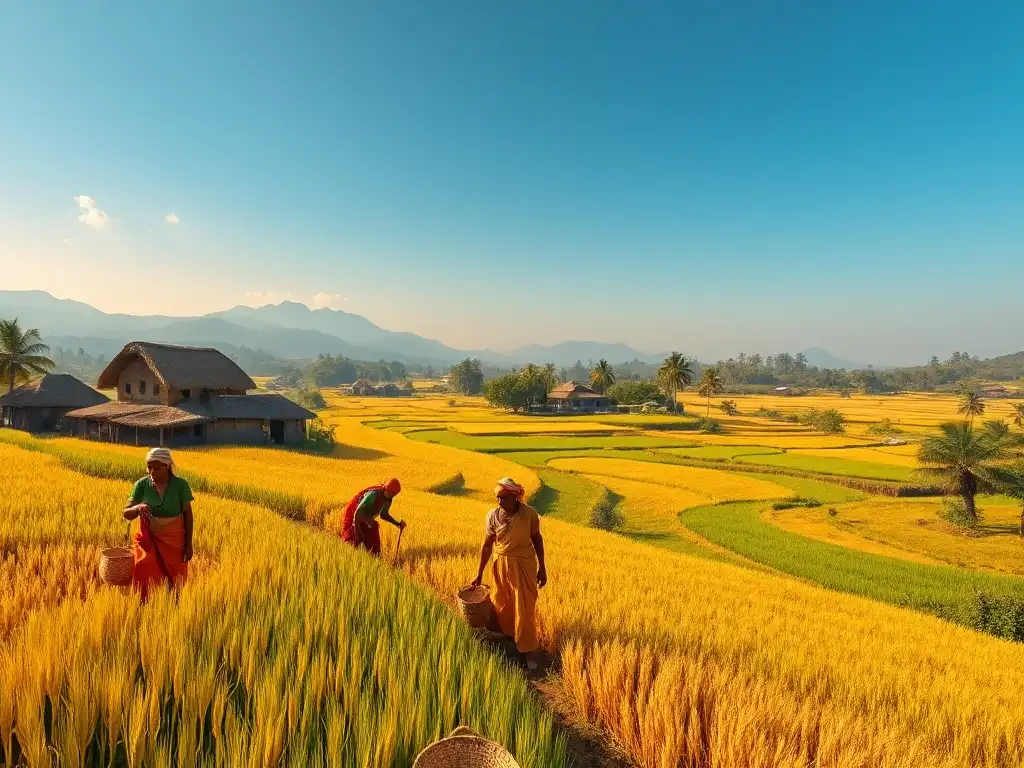
Ancient Indian agriculture has a rich history that laid the foundation for the agrarian practices not only within its borders but also in neighboring regions. The evolution of agricultural techniques can be traced back to the early civilizations that flourished along the fertile banks of major rivers. This historical context provides insights into how ancient Indian agriculture influenced various cultures in Asia and beyond.
The Indus Valley Civilization's Agricultural Innovations
The Indus Valley Civilization (c. 3300–1300 BCE) is considered one of the earliest urban cultures in the world, and its agricultural innovations were crucial for its development. Farmers of this civilization cultivated a variety of crops, including wheat, barley, peas, and cotton. Some key innovations included:
- Irrigation Systems: The Indus Valley people developed complex irrigation systems that allowed them to harness river water efficiently, enabling agriculture even in arid conditions.
- Crop Rotation: This method was practiced to maintain soil fertility and maximize yield, allowing different crops to be grown in succession on the same land.
- Use of Ploughs: The introduction of wooden ploughs significantly improved the efficiency of farming, making it easier to till the land and prepare it for sowing.
The influence of these practices can be seen in neighboring regions like Mesopotamia and Persia, where similar irrigation techniques and crop varieties emerged. The efficiency of the Indus agrarian system contributed to the growth of trade and economic stability, impacting the socio-political dynamics of contemporary cultures.
Agricultural Techniques in the Vedic Period
Following the decline of the Indus Valley Civilization, the Vedic Period (c. 1500–500 BCE) marked a significant shift in agricultural practices. During this era, several techniques were refined and new methods were introduced:
- Introduction of New Crops: The Vedic texts mention the cultivation of rice, millet, and legumes, which diversified the agricultural output and contributed to dietary variations.
- Farming Tools: The development and use of improved agricultural tools, such as sickles and hoes, facilitated more efficient harvesting and land preparation.
- Fertility Management: The Vedic people also emphasized the importance of soil fertility, employing methods such as composting and the use of animal manure to enrich the soil.
These agricultural techniques had far-reaching impacts, influencing farming practices in regions like Central Asia and Southeast Asia, where similar crops and methods were adopted, reflecting the interconnectedness of ancient cultures.
The Role of Monsoons in Ancient Indian Farming
Monsoons played a pivotal role in shaping agricultural practices in ancient India. The seasonal winds brought much-needed rainfall, which was essential for crop growth. Key aspects of this influence include:
- Dependence on Seasonal Cycles: Farmers aligned their agricultural activities with the monsoon seasons, planting and harvesting crops based on the expected rainfall patterns. This cyclical dependence shaped the agricultural calendar.
- Irrigation Development: The unpredictability of monsoon rains led to the development of advanced irrigation techniques, such as canals and reservoirs, to store excess water and manage droughts.
- Crop Selection: The types of crops cultivated were often determined by the monsoon's reliability. Drought-resistant crops were favored in regions with inconsistent rainfall, while rice became prominent in areas with abundant water.
The understanding of monsoon patterns not only influenced agricultural practices in India but also affected neighboring regions in South Asia, where similar climatic conditions existed. This knowledge exchange facilitated the spread of agricultural practices and innovations across cultures, reinforcing the significance of ancient Indian agriculture influence on its neighbors.
Key Agricultural Practices of Ancient India
Crop Rotation and Diversity in Ancient Indian Agriculture
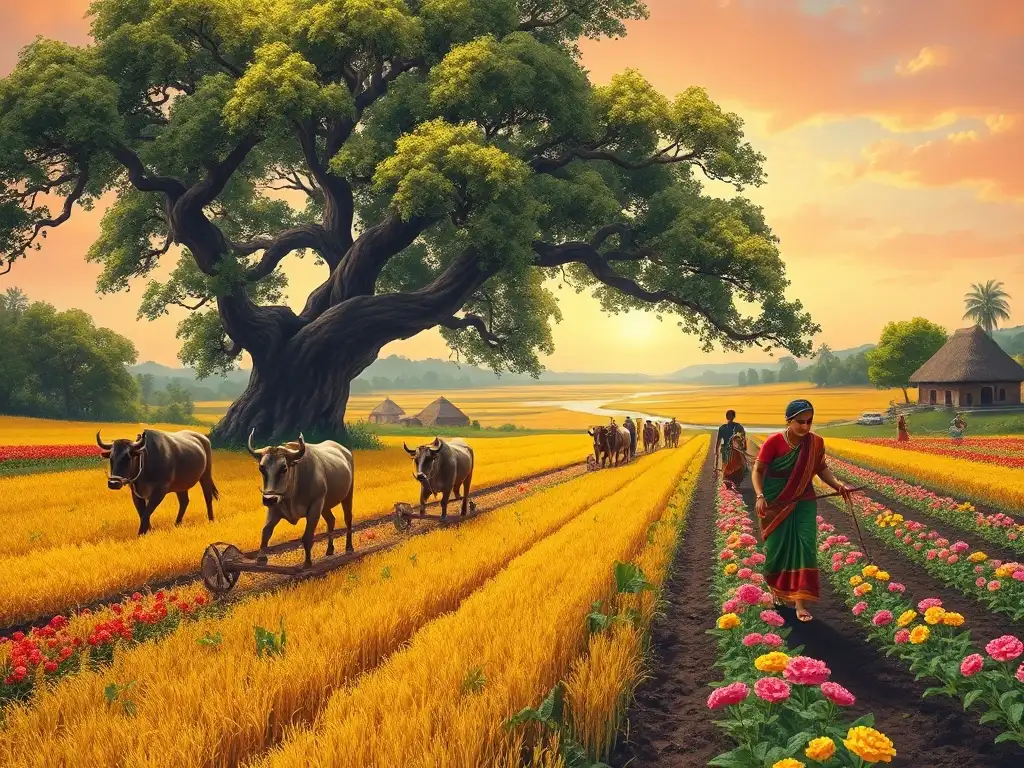
Ancient Indian agriculture was characterized by a keen understanding of crop rotation and diversity, which played a crucial role in enhancing soil fertility and maximizing yields. Farmers employed a system of rotating crops, which helped prevent soil depletion and reduce pest infestations. This practice not only maintained the health of the soil but also ensured a variety of crops were harvested throughout the seasons, contributing to food security and economic stability.
Benefits of Crop Rotation
- Soil Health: Different crops have varying nutrient requirements and effects on soil structure. For instance, leguminous plants, such as lentils and chickpeas, were often rotated with cereals like wheat and barley. This practice naturally replenished nitrogen levels in the soil, making it more fertile.
- Pest and Disease Management: By rotating crops, farmers minimized the risk of pests and diseases that typically thrive on specific plants. The diversity in crops disrupted their life cycles and reduced infestations.
- Economic Resilience: Growing multiple crops allowed farmers to mitigate risks associated with market fluctuations and climate variability, ensuring a steady income throughout the year.
Use of Irrigation Systems in Ancient Indian Farming
Irrigation played a pivotal role in the development of ancient Indian agriculture. The Indus Valley Civilization is known for its advanced irrigation systems, which included wells, canals, and reservoirs that facilitated the cultivation of crops in arid regions.
Types of Irrigation Techniques
- Surface Irrigation: This method involved directing water from rivers or canals onto fields. The use of levees and bunds helped control water flow and distribution.
- Well Irrigation: Farmers dug wells to tap into underground water sources. This technique was particularly beneficial during dry seasons, allowing for consistent crop production.
- Rainwater Harvesting: Ancients implemented systems to collect and store rainwater, optimizing water usage during monsoon seasons, which was crucial for sustaining agricultural productivity.
Impact on Neighboring Cultures
The sophisticated irrigation methods developed in ancient India influenced neighboring cultures, particularly in regions that faced similar climatic challenges. Knowledge of irrigation techniques spread to areas such as Persia and Central Asia, where local farmers adopted these practices to improve their agricultural output.
Organic Farming Practices: Fertilizers and Soil Management
Ancient Indian agricultural practices were deeply rooted in organic farming, emphasizing sustainable methods that promoted soil health and crop productivity without relying on synthetic chemicals.
Natural Fertilizers Used
- Cow Dung: Considered a vital resource, cow dung was widely used as a natural fertilizer. It enriched the soil with essential nutrients and improved its structure.
- Compost: Farmers created compost from plant residues, kitchen waste, and animal manure. This practice not only recycled organic matter but also enhanced soil fertility.
- Green Manure: Farmers often planted cover crops, like legumes, which were later plowed back into the soil. This method added organic matter and nutrients, benefiting subsequent crops.
Soil Management Techniques
- Mulching: The practice of covering the soil with organic materials helped retain moisture, suppress weeds, and regulate soil temperature, promoting healthy crop growth.
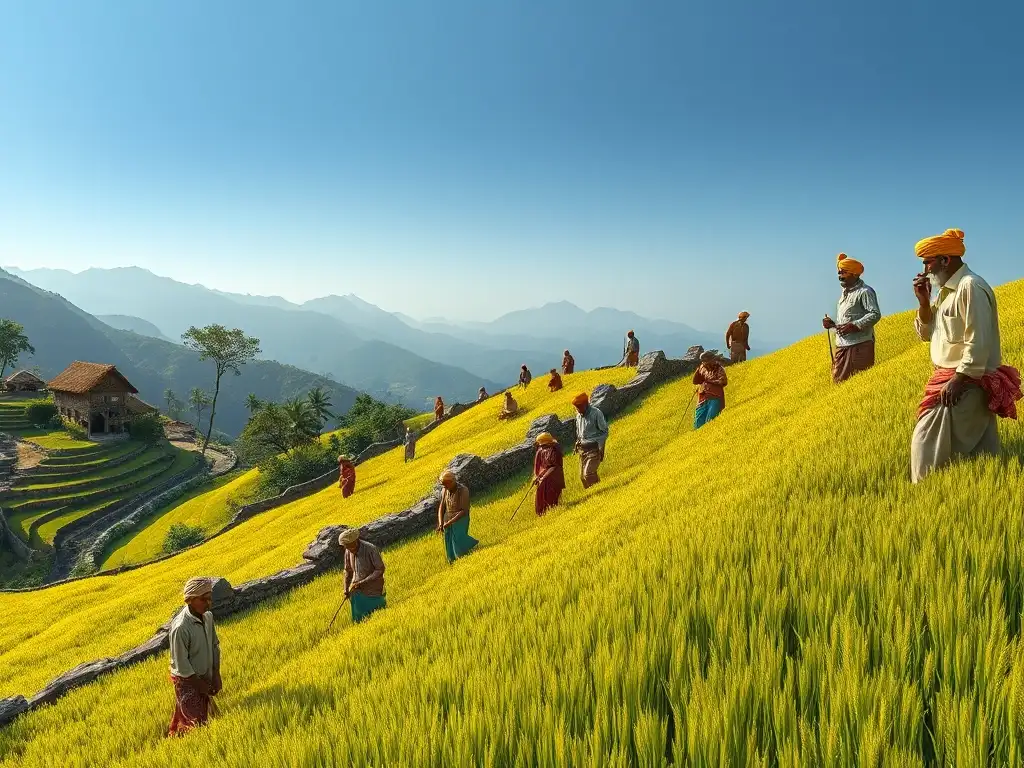
- Terracing: In hilly regions, farmers constructed terraces to prevent soil erosion and manage water runoff. This technique allowed for effective farming on slopes, maximizing land use.
The organic practices established by ancient Indian farmers not only contributed to the sustainability of their agricultural systems but also served as a model for neighboring cultures, promoting the adoption of similar sustainable practices across the region.
Influence of Ancient Indian Agriculture on Neighboring Cultures
Spread of Agricultural Techniques to Southeast Asia
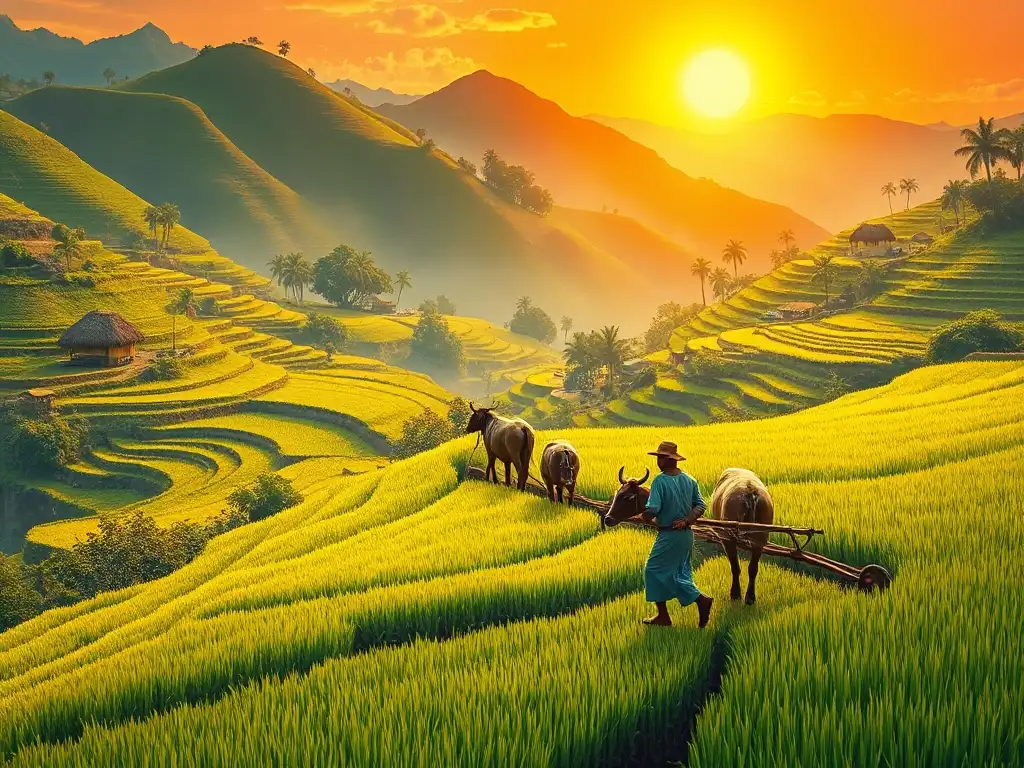
Ancient Indian agriculture played a pivotal role in shaping agricultural practices across Southeast Asia. The dissemination of knowledge regarding irrigation, crop cultivation, and farming techniques significantly influenced the agrarian societies in this region.
- Irrigation Techniques: The sophisticated irrigation systems developed in ancient India, such as the construction of canals and reservoirs, were adopted by neighboring cultures. For example, the Khmer Empire in Cambodia utilized similar methods to support their rice cultivation, leading to enhanced agricultural productivity.
- Crop Varieties: Indian farmers cultivated a variety of crops, including rice, millet, and pulses. These crops were not only staples in India but were also introduced to Southeast Asia. Historical records indicate that rice cultivation techniques from India were transferred to regions like Thailand and Indonesia, leading to the establishment of thriving agrarian communities.
- Cultural Exchange: The movement of peoples and traders across the Indian Ocean facilitated the exchange of agricultural knowledge. The spread of Indian cultural practices, including agrarian rituals and festivals, further cemented the interconnection between Indian agriculture and Southeast Asian societies.
Trade of Agricultural Products and Knowledge
The vibrant trade networks established during ancient times were instrumental in the exchange of agricultural products and knowledge between India and its neighbors.
- Commercial Trade: Ancient Indian merchants traded a plethora of agricultural goods, including spices, grains, and textiles. These products were highly sought after in markets across the Arabian Peninsula and Southeast Asia. The thriving spice trade is a prime example, where Indian spices not only enhanced culinary practices but also introduced new agricultural practices in the regions they reached.
- Knowledge Transfer: Alongside the trade of goods, there was a significant transfer of agricultural knowledge. Indian scholars and farmers shared their expertise in sustainable farming practices, crop rotation, and pest management with their trading partners. This knowledge transfer was crucial for the development of agriculture in regions like Sri Lanka and Myanmar.
- Cultural Practices: The integration of agricultural festivals from India, such as Makar Sankranti, into local traditions in Southeast Asia exemplifies how agricultural practices influenced cultural identities. These festivals, originally focused on harvest celebrations, became a part of the agricultural calendar in these regions, showcasing the deep-rooted connections formed through trade.
Influence on Chinese Agricultural Practices
The agricultural innovations of ancient India also had a significant impact on Chinese farming practices, particularly during the Han Dynasty (206 BCE – 220 CE).
- Introduction of Crops: Several key crops, such as cotton and certain varieties of rice, were introduced to China from India. This introduction not only diversified the agricultural landscape of China but also enhanced its textile production capabilities, as cotton became a vital crop in the Chinese economy.
- Agricultural Techniques: Chinese farmers adopted Indian-inspired techniques such as advanced plowing methods and crop rotation. These practices improved soil fertility and increased crop yields, allowing for greater agricultural productivity in Chinese society.
- Cultural Influence: The philosophical aspects of agriculture, including the emphasis on harmony with nature found in Indian agrarian practices, influenced Chinese agricultural thought. The integration of these philosophies contributed to the development of sustainable farming practices in China, emphasizing the importance of ecological balance.
The influence of ancient Indian agriculture extended far beyond its borders, shaping agricultural practices, trade, and cultural exchanges in neighboring regions. The innovations and techniques developed by Indian civilizations laid the groundwork for agrarian advancements and cultural integration that continue to resonate in these societies today.
Comparative Analysis of Agricultural Practices
Similarities and Differences with Mesopotamian Agriculture
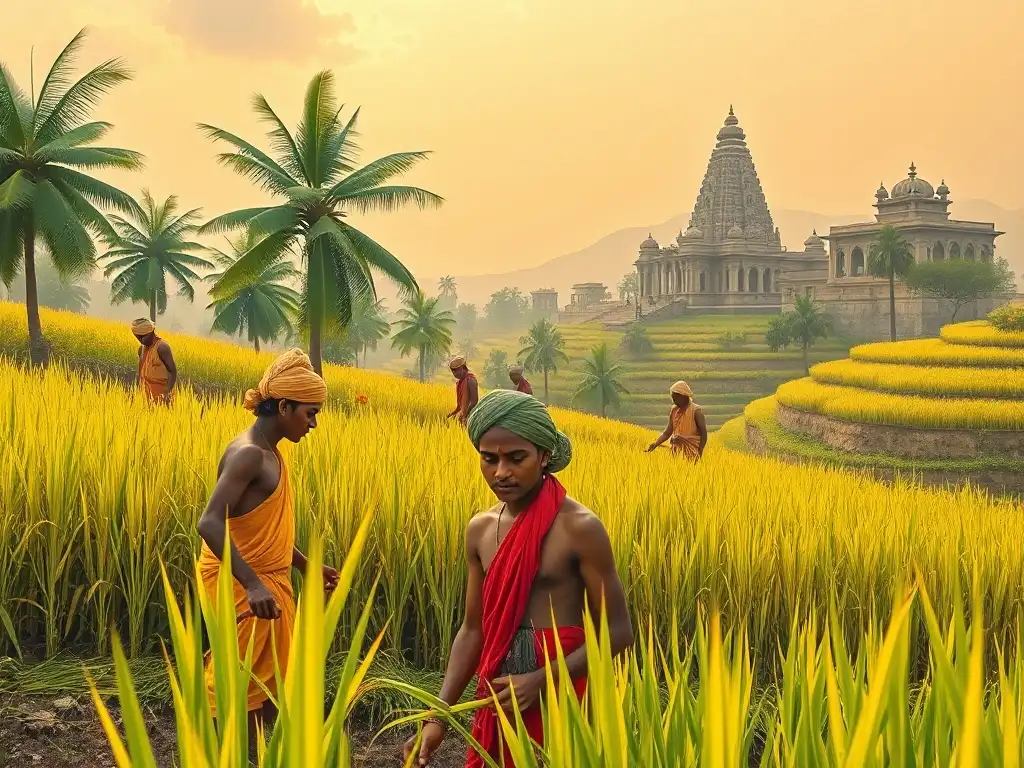
Ancient Indian agriculture share several similarities and differences with Mesopotamian agricultural practices, reflecting the unique environmental and cultural contexts of each civilization.
- Irrigation Systems: Both civilizations implemented sophisticated irrigation techniques to optimize water usage. Mesopotamian farmers developed canals and levees to control the Tigris and Euphrates rivers, while ancient Indian farmers, particularly in the Indus Valley, utilized a network of wells and reservoirs to manage monsoon rains effectively.
- Crop Varieties: While both regions cultivated staple crops, the predominant crops differed. Mesopotamia relied heavily on barley and wheat, whereas ancient India showcased a diverse range of crops, including rice, millets, and pulses. This variety in crop selection was largely influenced by India's varied climatic zones.
- Soil Management: Mesopotamian agriculture faced challenges with salinity due to irrigation, leading to the development of salt-resistant crops. In contrast, Indian farmers utilized crop rotation and intercropping, enhancing soil fertility and reducing pest outbreaks.
- Tools and Techniques: The agricultural tools also varied significantly. The plow used in Mesopotamia was often wooden and simple, while ancient Indian farmers developed iron plows, which were more efficient for tilling the diverse Indian soil types.
These similarities and differences illustrate how geography and climate shaped agricultural practices in both regions, laying the groundwork for future agricultural innovations.
Influence on Persian Agricultural Techniques
The agricultural practices of ancient India significantly influenced Persian agricultural techniques, particularly during the Achaemenid Empire's expansion throughout the Indian subcontinent.
- Crop Diversity: The introduction of diverse crops such as rice and sugarcane from India enriched the Persian agricultural landscape. Persian farmers began integrating these crops into their own systems, adapting irrigation practices to accommodate different growing conditions.
- Irrigation Innovations: The sophisticated irrigation techniques developed in ancient India, particularly in the Indus Valley, inspired Persian engineers. They adopted techniques including qanats—underground channels for water transport—reflecting Indian influences on water management.
- Agricultural Texts and Knowledge Transfer: The translation and adaptation of ancient Indian texts on agriculture into Persian facilitated knowledge transfer. This exchange included agricultural practices like soil management and pest control, which improved Persian agricultural productivity.
- Trade and Economic Impact: The trade routes established between India and Persia allowed for the exchange of not only goods but also agricultural knowledge. This interaction contributed to the growth of cities and economies in Persia, highlighting the interconnectedness of ancient agricultural practices.
Adoption of Indian Agricultural Methods in African Cultures
Ancient Indian agricultural methods made their way to various African cultures, particularly through trade routes and migration patterns.
- Introduction of Crops: Indian agricultural practices, particularly the cultivation of rice and spices, found a new home in regions like East Africa. The monsoon-dependent agricultural techniques developed in India were adapted to the climatic conditions of Africa, leading to the successful cultivation of these crops.
- Irrigation Techniques: African societies, particularly those along the Nile and in the Swahili Coast, adopted Indian-inspired irrigation techniques. The use of furrows and basins for water management enhanced crop yields, showcasing the adaptability of Indian methods to different environments.
- Cultural Exchange: The exchange of agricultural knowledge extended beyond mere practices; it influenced cultural aspects such as culinary traditions. The integration of Indian spices into African cuisine is a testament to the lasting impact of ancient Indian agriculture.
- Agricultural Innovations: The impact of Indian agricultural techniques also fostered innovations in tools and methods in Africa. The introduction of iron plowing techniques from India improved farming efficiency, allowing for increased productivity and supporting population growth.
Through these adaptations, ancient Indian agricultural practices not only influenced neighboring cultures but also contributed to the agricultural development and sustainability of diverse regions across Africa.
The Legacy of Ancient Indian Agricultural Innovations

Ancient Indian agriculture laid the foundation for numerous agricultural practices that have persisted through the ages, influencing not only the subcontinent but also neighboring cultures. The innovations developed by ancient Indian civilizations, such as the Indus Valley, were characterized by meticulous planning, advanced irrigation techniques, and the cultivation of diverse crops.
Lasting Impact on Modern Agricultural Practices
The agricultural methodologies established in ancient India continue to resonate within modern farming practices. One of the most notable contributions is the concept of crop rotation, which was practiced to maintain soil fertility. Ancient farmers understood the importance of alternating crops to prevent soil depletion, a principle that remains a cornerstone of sustainable farming today.
Moreover, ancient Indian agriculture introduced the use of organic fertilizers made from animal manure and plant residues. This practice not only enriched soil but also minimized the reliance on chemical fertilizers, aligning with contemporary movements towards organic farming. The ancient texts, such as the Arthashastra and Krishi Parashara, provide insights into these practices, highlighting the wisdom of ancient agricultural systems.
| Ancient Practice | Modern Equivalent |
|---|---|
| Crop rotation | Sustainable farming |
| Organic fertilizers | Organic farming techniques |
| Irrigation systems | Drip and sprinkler irrigation |
In addition, the introduction of high-yielding varieties of crops like rice and wheat, which were selectively bred for better output, can be traced back to ancient practices. The genetic diversity fostered through traditional methods continues to be vital in addressing food security today.
Contributions to Sustainable Agriculture Worldwide
Ancient Indian agriculture significantly contributed to sustainable agricultural practices worldwide. The concept of agroforestry, which integrates trees and shrubs into agricultural landscapes, can be traced to practices in ancient India. This method enhances biodiversity, reduces soil erosion, and improves water retention, thus contributing to environmental sustainability.
Furthermore, ancient Indian farmers excelled in water management techniques, including the construction of step wells, tank systems, and canal networks. These innovations not only served to irrigate vast agricultural lands but also inspired similar systems in neighboring regions, including Southeast Asia. The use of rainwater harvesting techniques, commonplace in ancient India, has gained renewed interest globally as a sustainable solution to combat water scarcity.
Another significant contribution is the preservation of traditional knowledge regarding indigenous seeds and local crop varieties. Such practices have been recognized for their role in enhancing resilience against climate change, promoting biodiversity, and ensuring food sovereignty. The revival of these ancient techniques in various parts of the world reflects their timeless relevance.
The influence of ancient Indian agriculture extends far beyond its historical context, shaping modern agricultural practices and contributing to global sustainability efforts. These ancient innovations serve as a testament to the ingenuity of early Indian civilizations and their lasting impact on agricultural methodologies worldwide.
Conclusion: The Enduring Influence of Ancient Indian Agriculture
Summary of Key Points
Ancient Indian agriculture was not merely a means of sustenance; it was a sophisticated system that laid the groundwork for various societal advancements. Key points regarding its influence on neighboring cultures include:
- Innovative Techniques: The introduction of advanced irrigation methods, such as the use of wells and canals, significantly improved crop yields. This innovation was adopted by neighboring civilizations, showcasing the practical wisdom of ancient Indian farmers.
- Crop Diversity: Ancient Indians cultivated a variety of crops, including rice, wheat, and millet. This diversity influenced agricultural practices in regions such as Southeast Asia, where similar crops were later introduced.
- Agricultural Texts: Texts like the Arthashastra and Krishi Parashara provided insights into agricultural management and techniques. The dissemination of these texts fostered knowledge exchange and inspired agricultural practices beyond India’s borders.
- Trade and Economy: The flourishing agricultural economy of ancient India facilitated trade with neighboring cultures. The exchange of grains and agricultural products contributed to the economic interdependence among various societies, further spreading Indian agricultural practices.
Reflection on the Importance of Ancient Agricultural Practices in Today’s Context
The agricultural practices of ancient India continue to resonate in contemporary contexts, highlighting their enduring relevance. Today, as we face challenges such as climate change, food security, and sustainable farming, revisiting ancient Indian agricultural techniques can offer insightful solutions.
- Sustainable Practices: Methods such as crop rotation and organic farming, which were prevalent in ancient times, are now being recognized for their sustainability. These practices promote soil health and reduce dependency on chemical fertilizers, aligning with modern environmental needs.
- Cultural Heritage: The techniques and crops introduced by ancient Indian agriculture are part of the cultural heritage that shapes food systems across various regions today. Recognizing this influence fosters a deeper appreciation for biodiversity and traditional agricultural knowledge.
- Cross-Cultural Exchange: The historical exchange of agricultural ideas underscores the importance of collaboration in addressing global challenges. By learning from ancient practices, modern societies can innovate while respecting traditional knowledge.
The impact of ancient Indian agriculture extends far beyond its time, influencing not only neighboring cultures but also shaping the future of agricultural practices worldwide. Understanding and integrating these ancient methodologies can lead us toward a more sustainable and resilient agricultural future.
Frequently Asked Questions
What were the main agricultural practices in ancient India?
Ancient India featured advanced farming techniques such as crop rotation, irrigation systems, and the use of organic fertilizers, which significantly boosted crop yields.
How did ancient Indian agriculture influence neighboring cultures?
The innovative agricultural practices of ancient India were adopted by neighboring regions, promoting trade and the exchange of ideas, which enriched their own farming methods.
What crops were commonly cultivated in ancient India?
Ancient Indian farmers primarily cultivated rice, wheat, barley, and millets, which were foundational to their economy and influenced dietary habits in surrounding areas.
Did ancient Indian agriculture contribute to urban development?
Yes, the surplus production from agriculture supported the growth of urban centers, leading to the rise of complex societies and trade networks in ancient India and beyond.
What role did climate play in ancient Indian agriculture?
The monsoon climate was crucial for agriculture, providing the necessary water supply for crops. Understanding these patterns allowed ancient Indian farmers to maximize their agricultural yields.
Final Reflection: The Enduring Legacy of Ancient Indian Agriculture
The influence of ancient Indian agricultural practices extends far beyond the borders of its origin, shaping the agricultural techniques and cultural narratives of neighboring civilizations. Today, as we face challenges such as climate change and food security, revisiting these time-tested methods can provide invaluable insights into sustainable practices that have stood the test of time. The wisdom embedded in ancient Indian agriculture is not just a relic of the past; it is a beacon guiding us towards a more resilient future.
The impact of these agricultural practices resonates deeply within the cultural and social frameworks of the regions they touched. From the introduction of innovative irrigation techniques to the cultivation of diverse crops, ancient Indian agriculture has enriched the lives of countless communities. This legacy is a testament to the interconnectedness of human societies and the shared knowledge that transcends geographical boundaries. Agriculture is the foundation of civilization and any stable economy.
– Victor Davis Hanson. This quote encapsulates the essence of how agricultural practices shape societies, and it reminds us of the profound influence that ancient Indian agriculture has had on the world.
As we reflect on the lessons from ancient Indian agricultural practices, I invite you to consider how these insights can be applied in your own life and community. Embrace the wisdom of the past to cultivate a sustainable future. Whether it’s adopting organic farming techniques, supporting local agriculture, or simply appreciating the rich history behind our food systems, each of us has a role to play in honoring this legacy. Let us take inspiration from the past and work together to create a more sustainable and interconnected world.
Embrace the Legacy of Ancient Wisdom!
Thank you for taking the time to explore how ancient Indian agricultural practices have shaped neighboring cultures. Your interest in this rich history empowers you to connect with the profound impact these traditions have had on society. Now, it’s time to take action and dive deeper into this legacy!
Here are some engaging ways to continue your journey:
- Start a community garden inspired by ancient techniques, experimenting with organic methods and sharing your experiences with friends and family.
- Visit a local museum or cultural site related to agriculture, where you can uncover the stories behind these innovative practices.
- Join a discussion group or online forum focused on exploring ancient agricultural wisdom and its relevance in contemporary life.
What unique agricultural methods will you incorporate into your own life after engaging with this fascinating history?