
The Role of Rituals and Science in the Lives of Indus Valley People

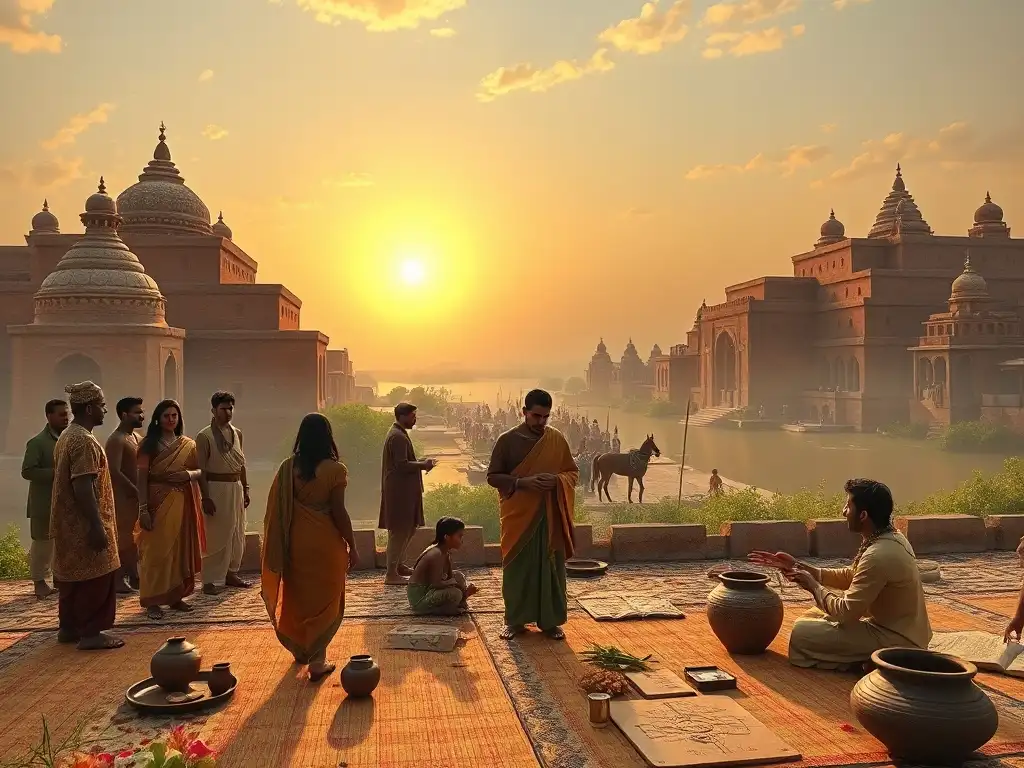
Welcome to Ancient India History, where we embark on a fascinating journey through the tapestry of time, uncovering the rich and diverse history of ancient Indian civilizations. In this exploration, we invite you to delve into our latest article, “The Role of Rituals and Science in the Lives of Indus Valley People.” Discover the intricate rituals and scientific advancements that shaped the lives of the Indus Valley inhabitants, and learn how their innovations laid the groundwork for future societies. Are you ready to unlock the mysteries of this remarkable civilization? Let’s dive deeper!
Introduction to the Indus Valley Civilization
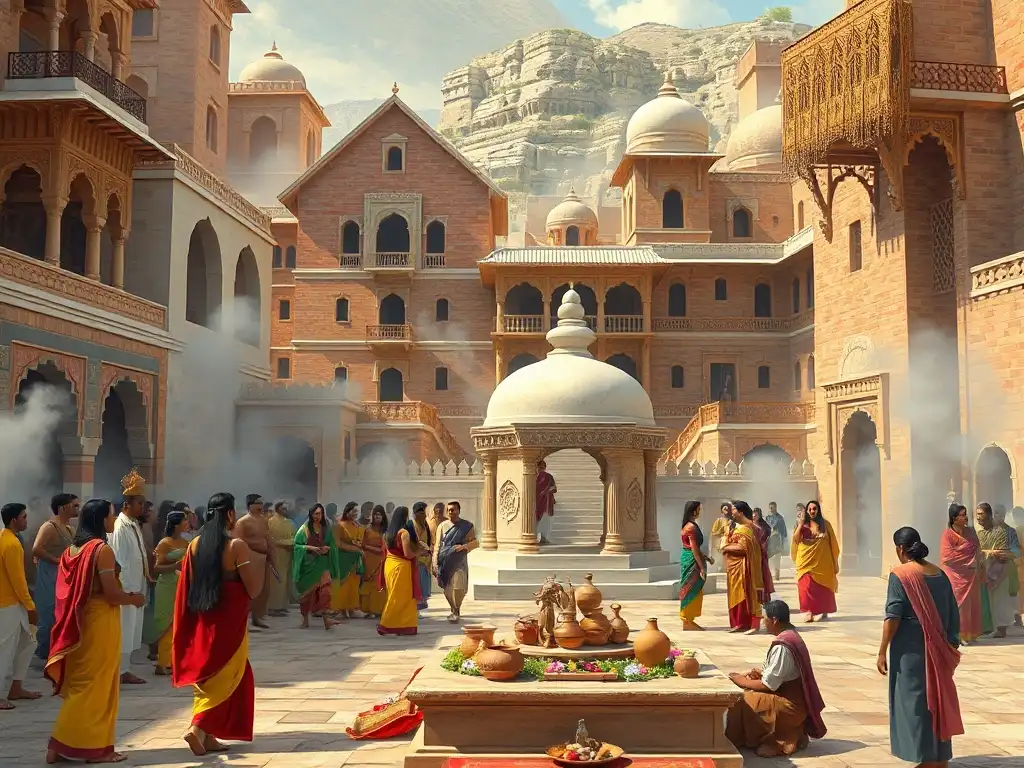
The Indus Valley Civilization (IVC), one of the world's earliest urban cultures, thrived from approximately 3300 to 1300 BCE in what is now modern-day Pakistan and northwest India. This remarkable civilization is renowned for its advanced urban planning, impressive architecture, and sophisticated social organization. However, beyond its remarkable infrastructure, the essence of the IVC can be profoundly understood through its rituals and scientific practices. These elements not only reflect the daily lives of the people but also reveal the underlying belief systems and knowledge that shaped their society.
Overview of the Indus Valley Civilization
The Indus Valley Civilization is characterized by its well-planned cities, such as Mohenjo-Daro and Harappa, which featured grid patterns, advanced drainage systems, and public baths. The people of this civilization are believed to have engaged in various economic activities, including trade, agriculture, and craft production. Artifacts unearthed from archaeological sites suggest a highly organized society with a complex social hierarchy, including rulers, merchants, and artisans. The civilization's decline around 1900 BCE remains a subject of research and debate, with theories ranging from climate change to invasion.
Significance of Rituals and Science in Ancient Societies
In ancient societies, rituals served as a critical means of expressing cultural identity and social cohesion. They often played a role in significant life events, agricultural cycles, and religious observances. Meanwhile, science, encompassing early forms of mathematics, medicine, and astronomy, underpinned the practical aspects of daily life. The interplay between rituals and science not only enhanced the community's understanding of the world but also reinforced their beliefs and traditions.
Understanding Indus Valley Rituals
Definition and Importance of Rituals in the Indus Valley
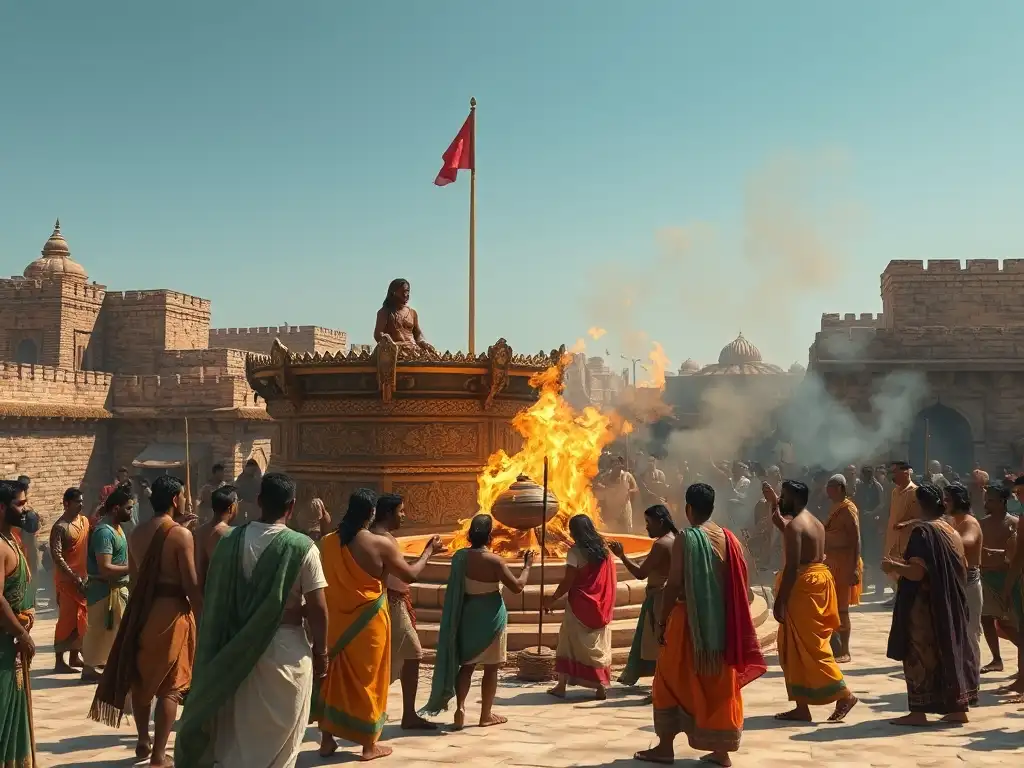
Rituals in the Indus Valley were integral to the community's social fabric. They encompassed a range of activities, from religious ceremonies to agricultural rites, which were believed to appease deities and ensure prosperity. The importance of these rituals can be seen in the artifacts discovered, such as seals and figurines, which suggest a rich spiritual life and the presence of ritualistic practices.
Types of Rituals Practiced by Indus Valley People
The rituals practiced by the Indus Valley people can be categorized into several types:
- Religious Rituals: Likely centered around deities worshipped through offerings and ceremonial activities.
- Agricultural Rituals: Events aligned with the agricultural calendar, aimed at ensuring bountiful harvests.
- Funerary Practices: Rituals performed in connection with death, including burial customs and grave goods, reflecting beliefs about the afterlife.
- Community Gatherings: Social rituals that fostered community bonding and cultural identity.
These rituals not only highlight the spiritual and communal life of the Indus Valley civilization but also demonstrate how deeply intertwined their beliefs were with their understanding of the natural world and scientific principles.
The Intersection of Science and Rituals
The Indus Valley Civilization, one of the world's earliest urban cultures, intricately intertwined rituals and scientific practices. Rituals in this ancient society were not merely ceremonial; they served a dual purpose, reflecting both the spiritual beliefs and the scientific understanding of the people. The archaeological evidence suggests that rituals often involved significant scientific principles related to agriculture, astronomy, and health, indicating that the Indus Valley people possessed a sophisticated comprehension of their environment.
Rituals often revolved around agricultural cycles, with ceremonies held to ensure a bountiful harvest. These practices were guided by astronomical observations, showcasing the civilization's ability to blend spirituality with empirical knowledge. For instance, the timing of sowing and harvesting was likely influenced by celestial movements, demonstrating a reliance on science to dictate the rhythm of life. This intersection of science and rituals illustrates a holistic approach to existence in the Indus Valley, where spiritual beliefs were informed by, and in turn influenced, scientific understanding.
The Scientific Basis of Indus Valley Rituals
Indus Valley rituals were deeply rooted in the natural world, with many practices grounded in scientific principles. Evidence from excavations at sites such as Mohenjo-Daro and Harappa indicates that rituals related to fertility and agriculture were common. The worship of deities associated with nature, such as fertility goddesses, highlights an understanding of the agricultural cycle and the science behind crop production.
Rituals often utilized specific plants and herbs, which were likely chosen based on their medicinal properties. The use of these plants in ceremonies not only reflects spiritual beliefs but also demonstrates a scientific awareness of their benefits. Moreover, the architectural layout of cities, including the presence of granaries and public baths, suggests that the Indus Valley people practiced rituals that were hygienically informed, underscoring their knowledge of health and sanitation.
How Rituals Influence Scientific Practices
Rituals played a significant role in shaping scientific practices in the Indus Valley Civilization. The systematic approach to agriculture, which included crop rotation and irrigation, was likely influenced by religious practices that emphasized the importance of maintaining balance with nature. This reciprocal relationship between rituals and scientific practices allowed for the sustainable management of resources.
Additionally, rituals often served as communal gatherings that facilitated the sharing of knowledge. These gatherings would have provided opportunities for individuals to exchange ideas and observations about agricultural techniques, weather patterns, and health practices, thus fostering a culture of innovation grounded in both scientific inquiry and spiritual beliefs. The continuity of these practices ensured that scientific knowledge was preserved and enhanced over generations.
Scientific Achievements of the Indus Valley Civilization
The Indus Valley Civilization is renowned for its remarkable scientific achievements, many of which were closely tied to their rituals and daily practices. Innovations in various fields illustrate the civilization's advanced understanding of science and technology, significantly impacting their societal structure and quality of life.
Innovations in Water Management and Sanitation
One of the most notable scientific achievements of the Indus Valley people was their advanced water management and sanitation systems. The civilization developed a sophisticated drainage system that included covered drains and soak pits, which effectively managed wastewater and stormwater. This system not only reflects an understanding of hydraulics but also underscores the importance of cleanliness and hygiene in their rituals and daily lives.
Public baths, like the Great Bath of Mohenjo-Daro, served both a ritualistic and practical purpose. They were likely used for purification rituals, emphasizing the spiritual significance of water, while also functioning as a means of public hygiene. This duality of purpose highlights the integration of scientific knowledge in the realm of ritual practice, demonstrating an advanced understanding of public health.
Advances in Weaving and Metallurgy
The Indus Valley Civilization was also notable for its advancements in weaving and metallurgy. The production of high-quality cotton textiles, evidenced by archaeological finds, indicates a sophisticated knowledge of plant cultivation, fiber processing, and weaving techniques. These textiles were not only essential for daily wear but also played a role in ceremonial attire, linking them to cultural rituals.
In metallurgy, the Indus Valley people demonstrated expertise in creating tools and ornaments from copper, bronze, and other metals. The development of metalworking techniques allowed for the production of sophisticated items used in both daily life and rituals, showcasing the intersection of art, science, and spirituality. The craftsmanship involved in these creations reflects a deep understanding of materials and their properties.
The Role of Mathematics and Measurement in Daily Life
Mathematics and measurement were fundamental aspects of daily life in the Indus Valley Civilization. The use of standardized weights and measures facilitated trade and commerce, ensuring fair transactions and economic stability. This standardization reflects an advanced understanding of mathematics that was essential for both practical applications and ritualistic practices, such as the construction of altars or ceremonial structures.
The presence of seals with inscriptions suggests that the Indus Valley people had developed a form of writing, possibly linked to trade and administrative functions. This literacy in numerical systems further indicates their proficiency in mathematics, which was likely applied in various scientific endeavors, including agricultural planning and resource management. The integration of mathematical principles into daily rituals and practices highlights the civilization's holistic approach to science and spirituality.
The Relationship Between Rituals and Community Life
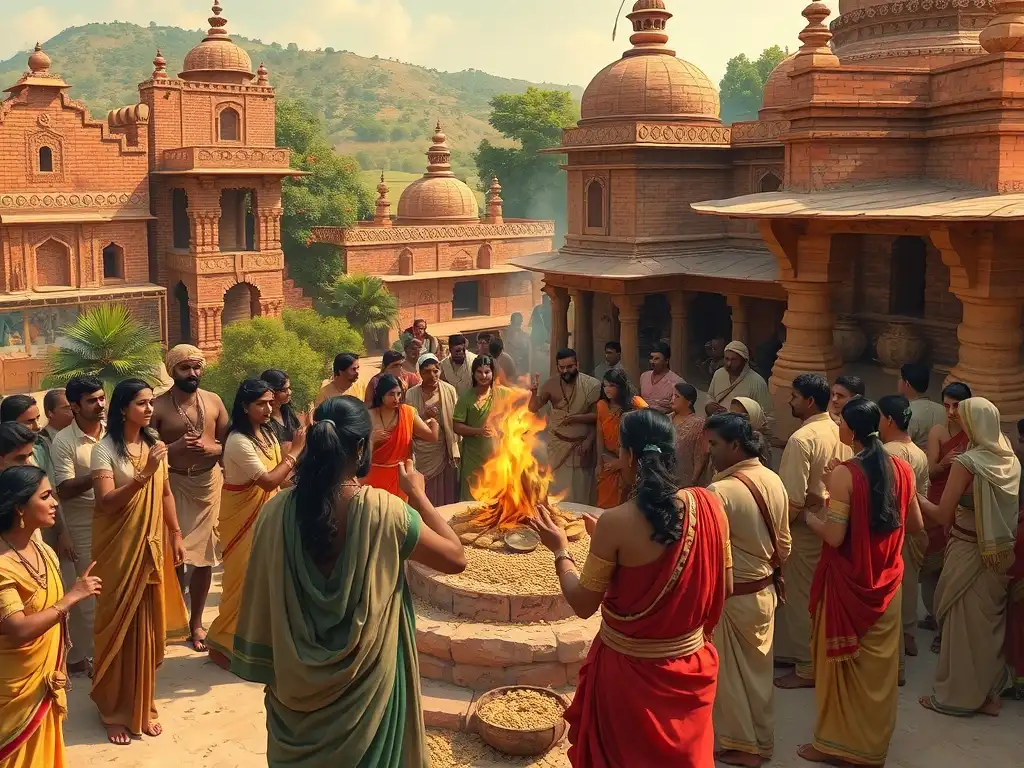
The Indus Valley Civilization, flourishing around 2500 BCE, exhibited a complex interplay between rituals and the daily lives of its people. Rituals were not mere religious observances; they were integral to the social fabric of the community. The emphasis on collective rituals fostered a sense of belonging and unity among the inhabitants, reinforcing their identity as part of a larger society. These practices often involved communal gatherings, celebrations, and ceremonies that were pivotal in maintaining social harmony and cohesion.
Social Cohesion through Ritual Practices
Social cohesion in the Indus Valley was significantly enhanced through shared rituals. Archaeological findings suggest that communal activities, such as festivals and agricultural ceremonies, played a vital role in bringing people together. These rituals often included offerings to deities, which were believed to ensure favorable conditions for crops and community well-being. The collaborative nature of these practices not only strengthened interpersonal relationships but also established a collective responsibility towards the community's welfare.
Rituals as a Means of Cultural Expression
Rituals also served as a profound means of cultural expression, reflecting the values, beliefs, and artistic sensibilities of the Indus Valley people. Evidence shows that pottery, seals, and sculptures often depicted ritualistic themes, indicating a rich tradition of symbolic representation. The motifs found in these artifacts provide insights into the spiritual and social life of the civilization, illustrating the significance of deities, nature, and fertility in their rituals. This cultural expression fostered a shared identity, allowing individuals to connect with their heritage and the natural world.
The Impact of Rituals on Trade and Economy
The economic landscape of the Indus Valley was intricately linked to its rituals. Trade networks flourished partly due to the rituals associated with agricultural cycles. For instance, the timing of harvest festivals was crucial, as it dictated the trade of surplus crops. Furthermore, rituals involving craft production—such as pottery and metallurgy—encouraged artisans to collaborate, thus enhancing economic activity. The demand for ritualistic items also stimulated trade with neighboring regions, showcasing how rituals were not only a cultural cornerstone but also a driving force in economic exchanges.
Conclusion: The Legacy of Indus Valley Rituals and Science
The legacy of the Indus Valley Civilization is profound, particularly concerning its rituals and scientific advancements. The integration of ritual practices with daily life and technological innovations laid the groundwork for subsequent Indian cultures.
Lasting Influence on Modern Indian Culture
Modern Indian society continues to reflect the influences of Indus Valley rituals. Many contemporary festivals and practices can trace their roots back to these ancient traditions, showcasing a continuity of cultural heritage. The reverence for nature and community, which was central to Indus rituals, persists in various cultural expressions, such as folk art, music, and seasonal celebrations. This enduring legacy highlights the importance of rituals in shaping the cultural landscape of India.
Lessons from Indus Valley Practices for Contemporary Society
The Indus Valley people's approach to rituals offers valuable lessons for contemporary society. The emphasis on community, sustainability, and respect for nature resonates strongly in today's context of environmental challenges. By understanding and incorporating these ancient practices, modern societies can foster social cohesion and develop sustainable practices that honor both cultural heritage and ecological balance. The lessons derived from the rituals of the Indus Valley serve as a reminder of the importance of community and cultural continuity in navigating the complexities of modern life.
References
The study of the Indus Valley Civilization reveals a complex interplay between rituals and scientific practices that shaped the daily lives of its people. To gain a deeper understanding of this fascinating topic, here are some essential references that explore various aspects of Indus Valley rituals and science.
Suggested Reading on Indus Valley Civilization
-
"The Indus Civilization: A Contemporary Perspective" by Gregory L. Possehl
This book offers an extensive overview of the Indus Valley Civilization, providing insights into its urban planning, trade practices, and cultural rituals.
-
"The Archaeology of Early Historic South Asia: The Emergence of Cities and States" by Robin Coningham and Ruth Young
A comprehensive examination of the transition from the Indus Valley Civilization to the early historic period, highlighting the continuity and changes in rituals and scientific knowledge.
-
"Indus Valley Civilization: A Historical Overview" by R.S. Sharma
This book focuses on the historical context of the Indus Valley, discussing the significance of rituals in daily life and their connection to social structures.
-
"Ritual and Power in Stone: The Performance of Rulership in an Early State" by J. C. Wright
This work explores the role of rituals in establishing and maintaining power within the Indus Valley, emphasizing their importance in governance and social hierarchy.
Academic Sources on Rituals and Science in Ancient India
-
"Rituals, Science, and the Indus Valley Civilization" - Journal of Ancient Indian History (2019)
An academic article that delves into the scientific practices observed in the Indus Valley, including their agricultural techniques and urban planning, alongside their ritualistic traditions.
-
"The Role of Rituals in the Indus Valley Civilization" - Archaeological Review (2020)
This study investigates the various rituals performed in the Indus Valley and their relation to societal norms, cultural identity, and scientific understanding.
-
"Science and Technology in Ancient India" by S. D. Sharma
This work examines the advancements in science and technology during ancient Indian civilizations, with a specific focus on the contributions of the Indus Valley.
-
"The Indus Valley: Science, Technology, and Culture" - Journal of South Asian Studies (2021)
A thorough analysis of how the integration of scientific knowledge influenced the cultural practices and rituals in the Indus Valley, showcasing their innovative spirit.
- Introduction to the Indus Valley Civilization
- Overview of the Indus Valley Civilization
- Significance of Rituals and Science in Ancient Societies
- Understanding Indus Valley Rituals
- The Intersection of Science and Rituals
- Scientific Achievements of the Indus Valley Civilization
- The Relationship Between Rituals and Community Life
- Conclusion: The Legacy of Indus Valley Rituals and Science
- References
- What were some common rituals practiced by the people of the Indus Valley?
- How did science influence the daily lives of the Indus Valley civilization?
- What is the significance of rituals in understanding Indus Valley culture?
- Did the Indus Valley have any scientific advancements?
- How do rituals and science reflect the overall achievements of the Indus Valley civilization?
Frequently Asked Questions
What were some common rituals practiced by the people of the Indus Valley?
The Indus Valley people engaged in various rituals including worship of deities, possibly involving fire, and usage of figurines for ceremonial purposes, reflecting their deep spiritual beliefs.
How did science influence the daily lives of the Indus Valley civilization?
Science played a crucial role in the Indus Valley through advanced practices in urban planning, drainage systems, and agriculture, showcasing their innovative approach to enhancing quality of life.
What is the significance of rituals in understanding Indus Valley culture?
The rituals provide insights into the social structure, spiritual beliefs, and daily practices of the Indus Valley civilization, highlighting their values and community dynamics.
Did the Indus Valley have any scientific advancements?
Yes, the Indus Valley civilization is known for its metallurgy, textile production, and measurement systems, indicating a sophisticated understanding of science and technology for their time.
How do rituals and science reflect the overall achievements of the Indus Valley civilization?
The interplay of rituals and science demonstrates the Indus Valley's commitment to both spiritual and practical aspects of life, showcasing their ability to blend cultural practices with scientific endeavors for societal advancement.
Final Reflection: The Enduring Legacy of Indus Valley Rituals and Science
The exploration of Indus Valley rituals and science reveals a profound connection between spirituality and empirical understanding that resonates deeply in today's world. As we navigate an era increasingly defined by technological advancements and scientific inquiry, the ancient practices of the Indus Valley civilization remind us of the importance of integrating ritualistic elements into our lives. These rituals not only served as a means of understanding the cosmos but also fostered community and continuity, illustrating that the quest for knowledge and meaning is timeless.
The influence of Indus Valley rituals and science continues to shape our cultural and social landscapes, urging us to reflect on our own practices and beliefs. The intricate balance between the sacred and the scientific in this ancient civilization invites us to reconsider how we approach our modern lives. As anthropologist Victor Turner once said, “Ritual is a means of transforming the individual and society.” > This insight encourages us to recognize that rituals, whether in personal or communal contexts, can serve as powerful tools for transformation and understanding in our own journeys.
As we conclude our exploration of the Indus Valley's rich heritage, I invite you to reflect on the rituals and practices that hold significance in your life. Consider how these elements can enhance your understanding of the world and foster deeper connections with those around you. Embrace the lessons from the past and integrate them into your present, allowing the wisdom of the Indus Valley people to inspire a more harmonious balance between science and spirituality in your own life.
Unlock the Secrets of Ancient Rituals Today!
Thank you for diving into the fascinating world of the Indus Valley civilization! Your interest in how rituals and science shaped their lives reveals the deep connections between culture and daily practices. Now, let’s turn that insight into action!
- Explore more about specific rituals practiced in the Indus Valley by visiting your local library or finding online resources that delve deeper into archaeological findings.
- Share your thoughts with friends or peers: start a conversation about how ancient rituals compare to modern practices. Use social media to spark engaging discussions!
- Join a local history group or participate in an online forum where you can exchange ideas and learn more about ancient civilizations.
Which ritual or practice from the Indus Valley do you find most intriguing, and how do you think it could be relevant in today's world?