
The Role of Animals in Daily Life: Pets, Work, and Symbolism in the Indus Valley

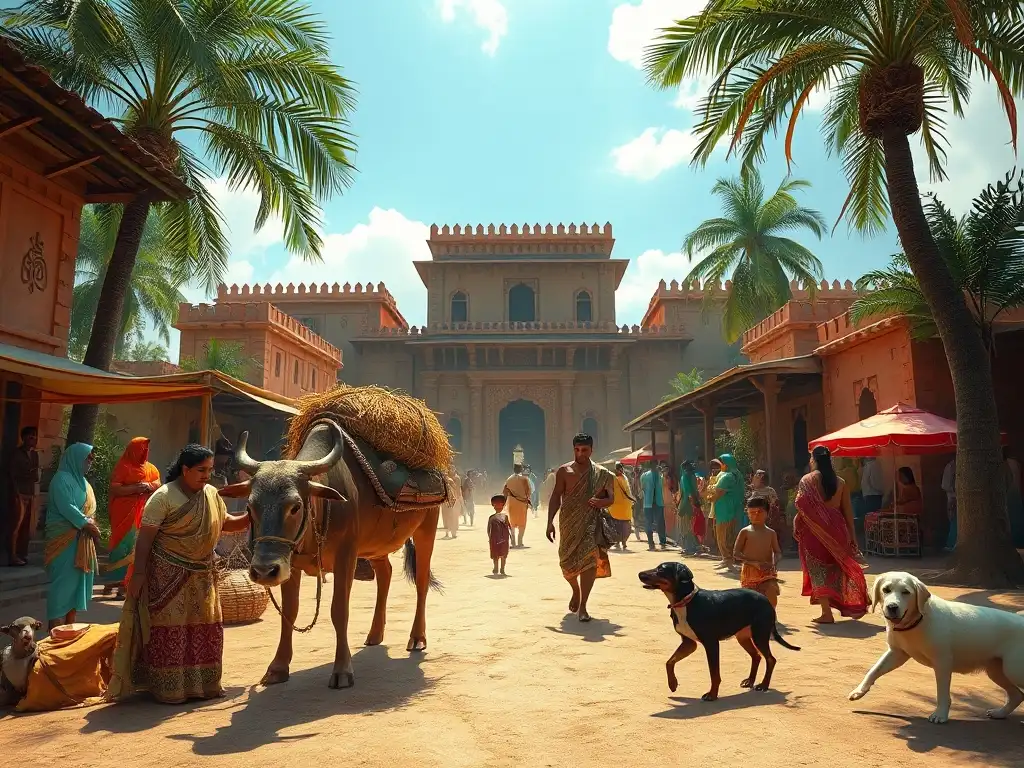
Welcome to Ancient India History, where we embark on a captivating journey through the rich tapestry of ancient Indian civilizations. Dive into our latest exploration of the Indus Valley Civilization, where we uncover the profound role of animals in daily life—from beloved pets to hardworking companions and their symbolic significance. What secrets do these relationships reveal about the culture and values of one of history's most intriguing societies?
Join us as we unravel the fascinating connections between humans and animals in this remarkable era, and discover how they shaped the world we know today. Your adventure into the past starts here!
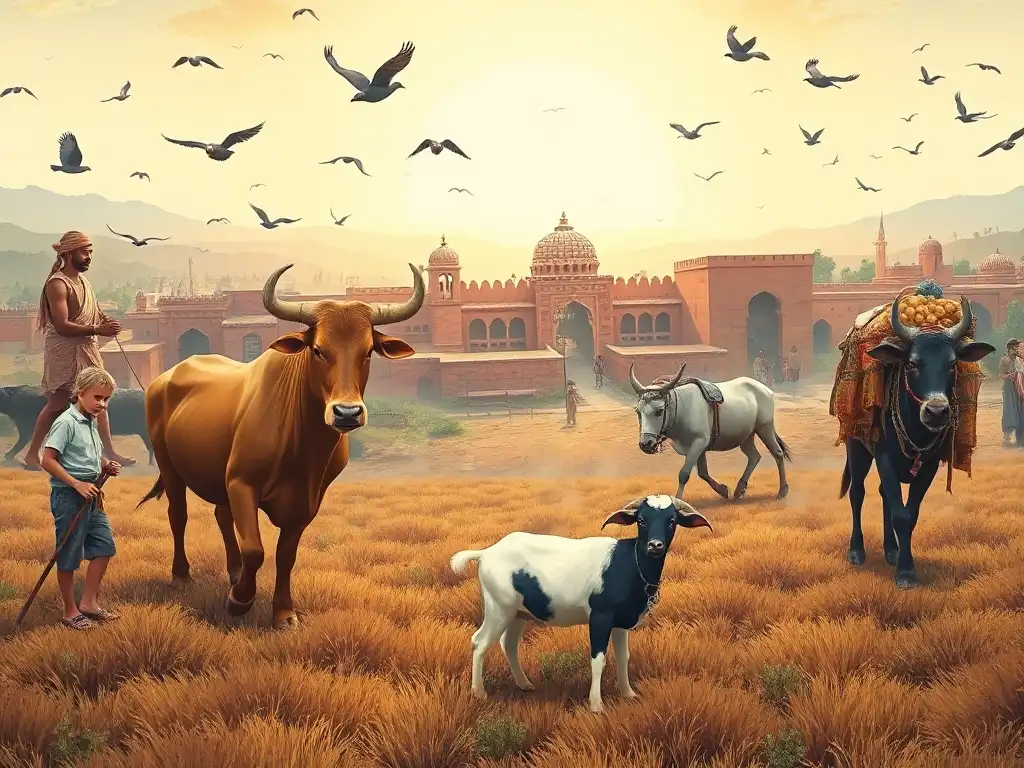
Introduction to Animals in Indus Valley Civilization
The Indus Valley Civilization, which flourished between approximately 3300 and 1300 BCE, is renowned for its advanced urban planning, sophisticated architecture, and rich cultural practices. However, one often overlooked aspect of this civilization is the integral role that animals played in the daily lives of its inhabitants.
From serving as loyal companions to fulfilling essential roles in agriculture and trade, animals were woven into the very fabric of Indus society. Understanding the significance of these animals not only sheds light on the lifestyle and customs of the Indus Valley people but also emphasizes their deep connection with nature and the environment.
Overview of the Indus Valley Civilization
The Indus Valley Civilization, located in present-day Pakistan and northwest India, was one of the world's earliest urban cultures. It boasted well-planned cities such as Harappa and Mohenjo-Daro, featuring advanced drainage systems and standardized weights and measures. The civilization thrived on agriculture, trade, and craftsmanship, leading to a prosperous economy. The diverse geography, ranging from fertile plains to arid regions, allowed a variety of agricultural practices. However, its richness extended beyond human activities, as animals played a crucial part in both the economy and daily routines.
Importance of Animals in Daily Life
Animals were indispensable to the Indus Valley Civilization in multiple facets of life:
- Economic Contributions:
- Animals such as cattle, sheep, and goats were vital for agriculture, providing labor for plowing and transportation.
- Livestock also contributed to the economy through milk, wool, and meat production.
- Companionship:
- Pets, particularly dogs, served as companions, indicating a bond between humans and animals that transcended mere utility.
- Symbolism and Culture:
- Animals were often depicted in seals, pottery, and artifacts, symbolizing various aspects of life and beliefs. They held both practical and spiritual significance, reflecting the society's values.
The integration of animals into daily life illustrates the interdependence between humans and the natural world, shaping social structures and practices.
Types of Animals in the Indus Valley Civilization
The diversity of animals in the Indus Valley can be categorized into two main groups: domesticated and wild animals, each serving distinct roles within the civilization.
Domesticated Animals
The domesticated animals in the Indus Valley Civilization were pivotal for both economic and social functions:
- Cattle:
- Used for plowing fields and as a source of milk. Their strength made them essential for agricultural practices.
- Sheep and Goats:
- Provided wool and meat, contributing to the textile industry and food security.
- Dogs:
- As companions, dogs were valued for their loyalty and had roles in hunting and protection.
- Buffalo:
- Besides milk production, buffaloes were also used in farming, showcasing their versatility.
Wild Animals in Society
While domesticated animals were crucial, wild animals also held significance in the Indus Valley:
- Leopards and Tigers:
- Often depicted in art, these animals may have been symbols of strength and bravery.
- Elephants:
- Though not commonly domesticated, elephants were likely utilized in trade and possibly as symbols of power.
- Birds:
- Various species were represented in art, indicating their importance in rituals and as part of the ecosystem.
Understanding the roles of both domesticated and wild animals enriches our knowledge of the Indus Valley Civilization, revealing a complex relationship that encompassed practical, economic, and symbolic dimensions.
Pets in the Indus Valley Civilization
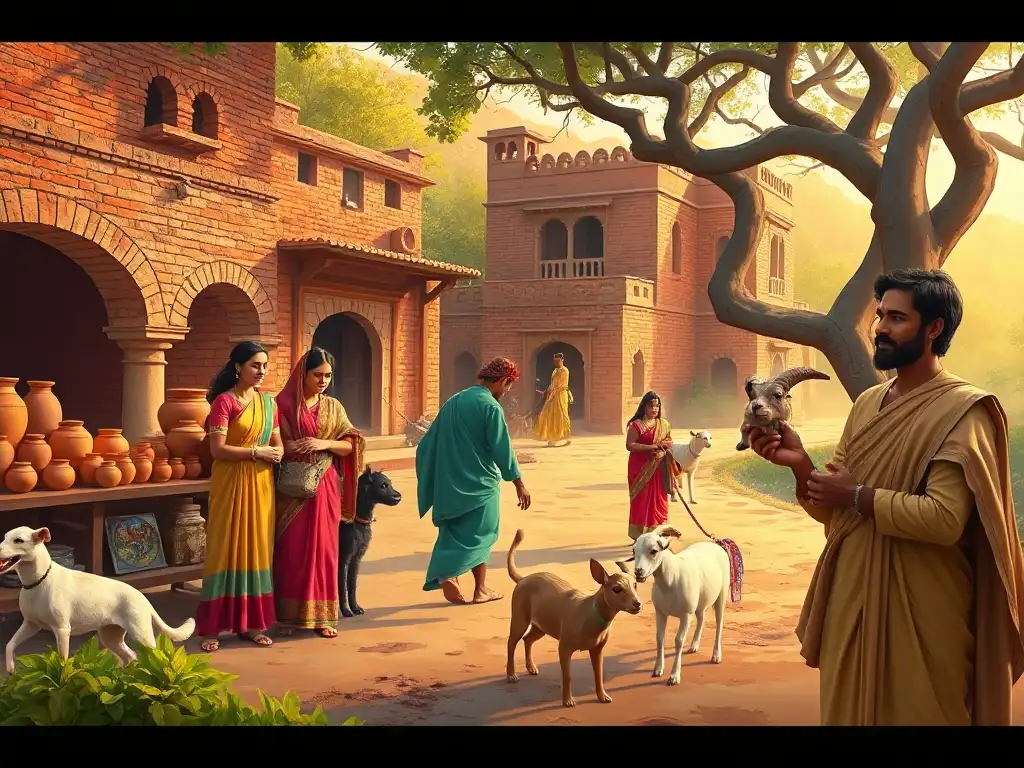
In the Indus Valley Civilization, animals played a significant role beyond their utilitarian functions; they were cherished as pets. Archaeological findings suggest that domestic animals such as dogs, cats, and birds were common in the households of this ancient civilization. These animals were not only companions but also held cultural significance, reflecting the values and lifestyle of the people.
Evidence from excavations in sites like Harappa and Mohenjo-Daro indicates that dogs, for instance, were often depicted in art and pottery, suggesting a close relationship between humans and these animals. The presence of pet animals points to a society that appreciated companionship and the emotional bonds that can develop between humans and animals. The treatment of pets in the Indus Valley highlights the civilization's understanding of animals as integral members of their social structure.
The Role of Pets in Daily Life
Pets in the Indus Valley Civilization likely served multiple purposes in daily life. They provided companionship, which contributed to the emotional well-being of individuals and families. Additionally, pets may have played roles in safeguarding the home, particularly dogs, which are known for their protective instincts.
Furthermore, the presence of animals such as cats suggests an understanding of their utility in controlling pests, thereby protecting food supplies. This dual role of pets—as companions and helpers—demonstrates the multifaceted relationships that existed between humans and animals in this civilization. Notably, the reverence for animals is further evidenced in various seals and figurines that depict pets, indicating their importance in both social and spiritual contexts.
Working Animals: Contribution to Agriculture and Trade
Working animals were vital to the economic and agricultural frameworks of the Indus Valley Civilization. The use of animals for labor significantly enhanced agricultural productivity, enabling societies to thrive. The primary working animals included oxen, buffalo, and donkeys, each fulfilling essential roles in farming and transport.
Oxen were particularly valued for their strength, as they were used to plow fields and facilitate the cultivation of crops such as wheat, barley, and pulses. The integration of these animals into agricultural practices not only increased efficiency but also allowed for more extensive farming operations, contributing to food security and trade.
The Use of Animals in Farming Practices
The methods of farming in the Indus Valley Civilization relied heavily on the capabilities of working animals. Plowing with oxen was a common practice, as their strength enabled farmers to till the land effectively. This practice facilitated the preparation of larger plots for cultivation, which ultimately led to surplus production.
Moreover, the use of animals for irrigation, such as drawing water from wells, was crucial in maintaining crop yields, especially during dry seasons. The symbiotic relationship between humans and working animals fostered advancements in agricultural techniques and supported the growth of the civilization as a whole.
Animals in Trade and Commerce
Animals were integral to the trade and commerce of the Indus Valley Civilization, serving as both a means of transport and a commodity in themselves. Donkeys and camels were commonly used to carry goods across long distances, facilitating trade routes that connected the Indus Valley with other regions, including Mesopotamia and Persia.
Furthermore, certain animals, such as cattle, were not only important for agricultural work but also served as valuable trade items, with their value recognized across various cultures. The presence of animal depictions in seals used for trade suggests that animals were part of commercial exchanges, pointing to a sophisticated economy that utilized both animal labor and the animals themselves as goods.
The role of animals in the Indus Valley Civilization was multifaceted, encompassing companionship, agricultural labor, and trade, all of which contributed to the richness of daily life and the economy of this ancient society.
Symbolism of Animals in Indus Valley Culture
Animals played a critical role in the cultural fabric of the Indus Valley Civilization (IVC), symbolizing various aspects of life and beliefs. The significance attributed to different species can be observed in their representation across various artifacts, murals, and seals. Animals such as the bull, elephant, and tiger often emerged as prominent symbols, each carrying connotations tied to strength, fertility, and power.
The bull, for instance, was frequently depicted in seals and pottery, representing agricultural prosperity and the agrarian lifestyle that dominated the civilization. Its association with fertility and strength made it an essential symbol in the context of farming and livestock rearing. Similarly, the elephant was revered, not only for its physical strength but also for its role in trade and transportation, reflecting the socio-economic dynamics of the time.
Moreover, the tiger and other wild animals were often used in art to signify power and dominance over nature. The representation of these creatures in various artistic forms indicates a profound respect and understanding of the natural world, reflecting the beliefs and values of the people of the IVC.
Animals in Art and Sculpture
Art and sculpture from the Indus Valley are rich in depictions of animals, showcasing not only their physical forms but also their importance in daily life and spirituality. Terracotta figurines, seals, and pottery often feature various animals, including cattle, goats, and birds, highlighting their roles in agriculture, domestic life, and as offerings or symbols in rituals.
The famous "Dancing Girl" statue, though primarily human in focus, is often interpreted in conjunction with the presence of animals in its background, suggesting a harmonious coexistence. Similarly, seals depicting animals like unicorns and bulls are thought to hold symbolic meanings that extend beyond mere representation, possibly denoting trade, ownership, or spiritual beliefs.
These artistic expressions provide insights into the daily lives of the people and their interactions with animals, emphasizing their significance in both practical and symbolic terms. The intricate detailing in these artworks reveals a sophisticated understanding of the animals and their behaviors, further indicating the deep-rooted connections between the Indus Valley inhabitants and the animal kingdom.
Religious and Spiritual Significance of Animals
In the spiritual landscape of the Indus Valley Civilization, animals held considerable religious significance. Rituals and worship practices often incorporated animal sacrifices, reflecting their importance as offerings to deities, thereby establishing a connection between the divine and the earthly realm.
Certain animals were considered sacred and were likely associated with specific deities. For instance, the bull's prominent presence in seals suggests its possible association with fertility and agricultural deities, reinforcing its revered status. This reverence extended to wildlife, with certain species potentially embodying spiritual symbolism, reflecting the people's understanding of nature as a divine entity.
Archaeological evidence, such as animal motifs found in sacred sites, further illustrates the belief systems surrounding animals. These motifs indicate that animals were not only part of the daily life of the Indus Valley people but also played a crucial role in their spiritual practices, serving as mediators between the human and the divine.
Conclusion: The Integral Role of Animals in Indus Valley Civilization
Summary of Key Points
The exploration of animals in the Indus Valley Civilization reveals their multifaceted roles in daily life, culture, and spirituality. Animals were not merely companions or laborers; they served as symbols of power, fertility, and divinity. Their depictions in art and sculpture highlight the sophistication of the civilization's understanding of the natural world and its significance to human life.
The religious and spiritual importance attributed to animals further emphasizes their integral role in the social and cultural structure of the Indus Valley. From their representation in everyday artifacts to their involvement in rituals, animals were deeply interwoven into the very identity of the civilization.
Lasting Impact of Animals on Indus Valley Society
The relationship between the Indus Valley Civilization and animals has left a lasting impact on historical understanding and cultural evolution. The symbolism of animals has influenced subsequent Indian cultures, where many of the same species continue to hold significance.
The agricultural practices rooted in the domestication of animals have shaped the economic foundations of later societies in the Indian subcontinent. Furthermore, the spiritual connections established during the Indus Valley period are echoed in contemporary Indian beliefs, where animals still play essential roles in rituals and cultural expressions.
In essence, the legacy of animals in the Indus Valley Civilization extends beyond the past, continuing to resonate through modern Indian culture, highlighting the timeless bond between humans and animals.
- Introduction to Animals in Indus Valley Civilization
- Overview of the Indus Valley Civilization
- Importance of Animals in Daily Life
- Types of Animals in the Indus Valley Civilization
- Pets in the Indus Valley Civilization
- Working Animals: Contribution to Agriculture and Trade
- Symbolism of Animals in Indus Valley Culture
- Conclusion: The Integral Role of Animals in Indus Valley Civilization
- What types of animals were common in the Indus Valley Civilization?
- How did animals contribute to agriculture in the Indus Valley?
- Were there any pets in the Indus Valley Civilization?
- What was the symbolic significance of animals in the Indus Valley?
- How did the artifacts found in the Indus Valley reflect the role of animals?
Frequently Asked Questions
What types of animals were common in the Indus Valley Civilization?
The Indus Valley Civilization featured a variety of animals, including cattle, sheep, goats, and elephants, which played essential roles in agriculture and transport.
How did animals contribute to agriculture in the Indus Valley?
Animals such as oxen were used for plowing fields, while cattle provided milk and other products, significantly enhancing the agricultural productivity of the region.
Were there any pets in the Indus Valley Civilization?
Yes, pets like dogs were common, and archaeological findings suggest that they were valued companions and possibly used for hunting and protection.
What was the symbolic significance of animals in the Indus Valley?
Animals held symbolic meanings, with certain species representing fertility and prosperity in their art and seals, indicating their cultural importance beyond practical uses.
How did the artifacts found in the Indus Valley reflect the role of animals?
Artifacts, including seals and pottery, often depicted animals, showcasing their importance in daily life and their role in the spiritual and economic aspects of the civilization.
Final Reflection: The Enduring Legacy of Animals in the Indus Valley Civilization
The intricate relationship between humans and animals has shaped our daily lives in profound ways, and this connection remains vital today. From the companionship of pets to the symbolic significance of animals in ancient cultures, understanding the role of animals in the Indus Valley Civilization offers us valuable insights into our own interactions with the animal kingdom. As we navigate a world increasingly disconnected from nature, reflecting on these historical ties can inspire us to foster deeper connections with the animals around us.
The influence of animals in the Indus Valley Civilization is not just a relic of the past; it continues to resonate in our cultural and social landscapes today. The reverence for animals as symbols of strength, fertility, and companionship has transcended time, reminding us of our shared existence. As we observe the ongoing importance of animal welfare and conservation efforts, we are reminded of the words of Mahatma Gandhi: The greatness of a nation and its moral progress can be judged by the way its animals are treated.
This perspective encourages us to recognize the intrinsic value of all living beings and the responsibilities we hold towards them.
As we conclude this exploration of the role of animals in our lives, I invite you to reflect on your own relationship with animals. Consider how you can integrate the lessons from the Indus Valley Civilization into your daily life, whether through adopting a pet, supporting animal welfare initiatives, or simply appreciating the wildlife around you. Let us honor the legacy of our ancestors by nurturing our bonds with animals, ensuring that their presence enriches our lives and the world we inhabit.
Embrace the Bond: Discover How Animals Enrich Our Lives
Thank you for diving into the fascinating world of animals in daily life and their rich symbolism in the Indus Valley! You've uncovered not only their practical roles but also the deep emotional connections we share with them. Now, take this knowledge a step further and integrate these insights into your own life.
Here are a few actionable suggestions to help you engage with the themes discussed:
- Explore opportunities to adopt or volunteer with animals at your local shelter—experience the joy and companionship they bring!
- Share your favorite animal stories or their symbolic meanings from the Indus Valley with friends and family, sparking conversations about your connections to nature.
- Join a community group or forum focused on animal symbolism and the historical contexts in which animals have shaped cultures.
Reflect on the animals in your life—what creature has had a profound impact on your personal journey, and how do you see it symbolically representing your experiences?