
The Contributions of Ancient Indian Women Philosophers to the Discourse

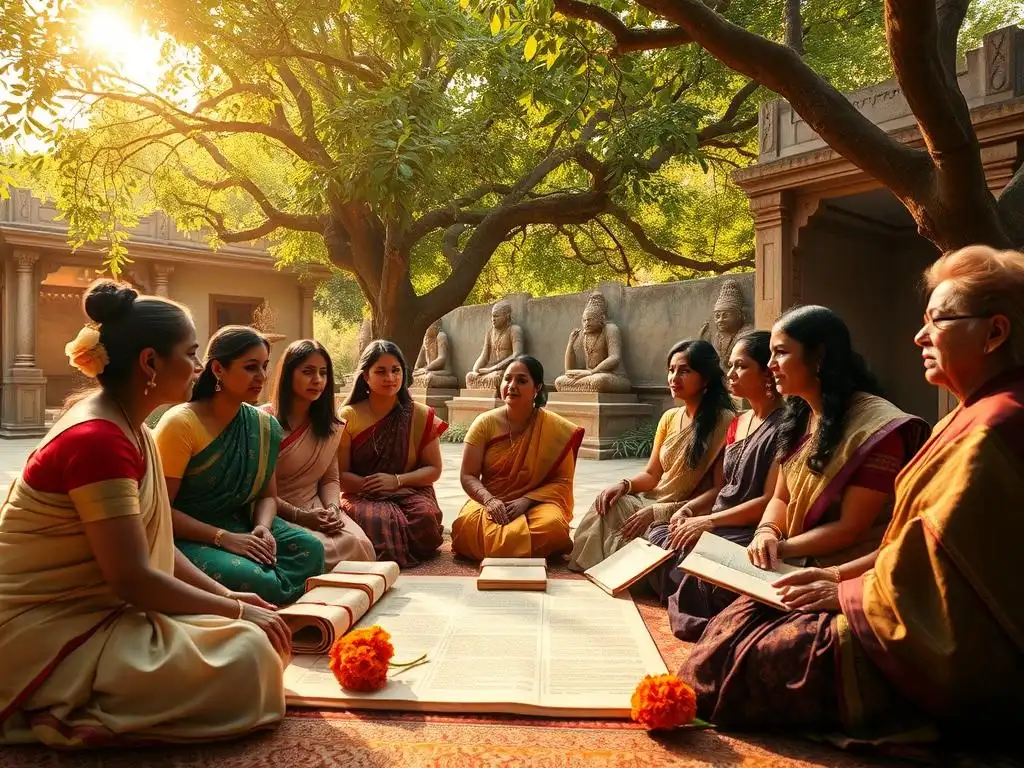
Welcome to Ancient India History, where we embark on a fascinating journey through time to uncover the rich tapestry of India's past. In this exploration, we shine a spotlight on the often-overlooked voices of Ancient Indian women philosophers who made remarkable contributions to philosophical discourse. What wisdom did these trailblazers impart, and how did their insights shape the intellectual currents of their time? Prepare to delve deeper as we unravel the stories and philosophies that have left an indelible mark on history. Your adventure into the profound legacies of these extraordinary women begins now!
Introduction to Ancient Indian Women Philosophers
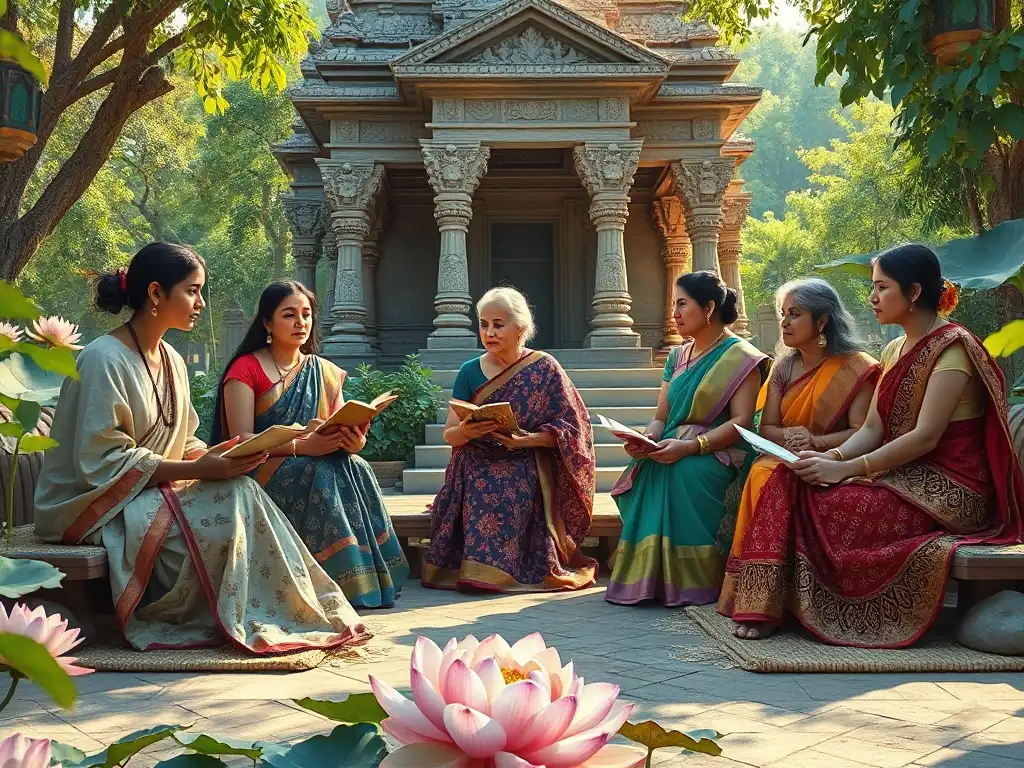
The exploration of Ancient Indian women philosophers unveils a fascinating yet often overlooked aspect of India's rich intellectual heritage. While the philosophical contributions of men are widely documented, the insights and ideas of women in ancient India represent a crucial dimension of philosophical thought that deserves greater recognition.
These women not only engaged with the prevailing philosophical currents of their time but also shaped discourse in ways that resonate across centuries. From the early Vedic texts to the nuanced discussions of later philosophical schools, ancient Indian women philosophers have contributed profound ideas that reflect their unique perspectives and lived experiences.
Overview of Ancient Indian Philosophy
Ancient Indian philosophy is a tapestry woven with diverse threads, including Vedic, Upanishadic, and Buddhist thought, each contributing to a multifaceted understanding of existence, ethics, and the nature of reality. The philosophical landscape was rich with schools of thought such as Nyaya, Vaisheshika, Sankhya, and Yoga, providing frameworks for inquiry and debate. Within this context, women philosophers emerged as significant figures, challenging norms and offering alternative viewpoints that enriched philosophical discussions.
- Key Philosophical Schools:
- Vedic Philosophy
- Upanishadic Thought
- Buddhist Philosophy
- Jain Philosophy
Importance of Women in Ancient Indian Thought
The significance of women in ancient Indian philosophy cannot be overstated. Their contributions highlight the essential role of women in shaping intellectual traditions and expanding the boundaries of philosophical inquiry. Women like Gargi, Maitreyi, and Vasuki not only participated in philosophical debates but also posed critical questions that challenged the status quo. Their involvement illustrates that philosophical thought was not an exclusive domain of men, but rather a collaborative endeavor that included diverse voices and perspectives.
Historical Context of Ancient Indian Women Philosophers
Socio-Cultural Environment in Ancient India
The socio-cultural environment of ancient India was marked by a complex interplay of tradition, religion, and societal norms. While patriarchal structures predominated, there were periods and regions where women achieved significant intellectual and spiritual autonomy. Texts such as the Upanishads and Puranas offer glimpses into the lives of women philosophers who engaged in spiritual discourse and philosophical inquiry, often within the context of family, education, and societal roles.
Key Periods Influencing Women’s Philosophical Contributions
Several key periods significantly influenced the contributions of women philosophers in ancient India:
- Vedic Period (1500 - 500 BCE):
- Emergence of philosophical thought and spiritual inquiry.
- Women like Gargi and Maitreyi were prominent figures in philosophical discussions.
- Buddhist Period (500 BCE - 200 CE):
- The establishment of monastic communities allowed women greater access to education and philosophical dialogue.
- Figures such as Sanghamitra contributed to the spread of Buddhist philosophy.
- Gupta Period (c. 320 - 550 CE):
- A time of flourishing culture and intellectual pursuit.
- Women philosophers began to receive recognition for their contributions to various philosophical schools.
The contributions of ancient Indian women philosophers are a testament to their resilience and intellectual prowess, enriching the philosophical legacy of India. Their voices, often marginalized, are crucial to understanding the broader scope of ancient Indian thought.
Notable Ancient Indian Women Philosophers
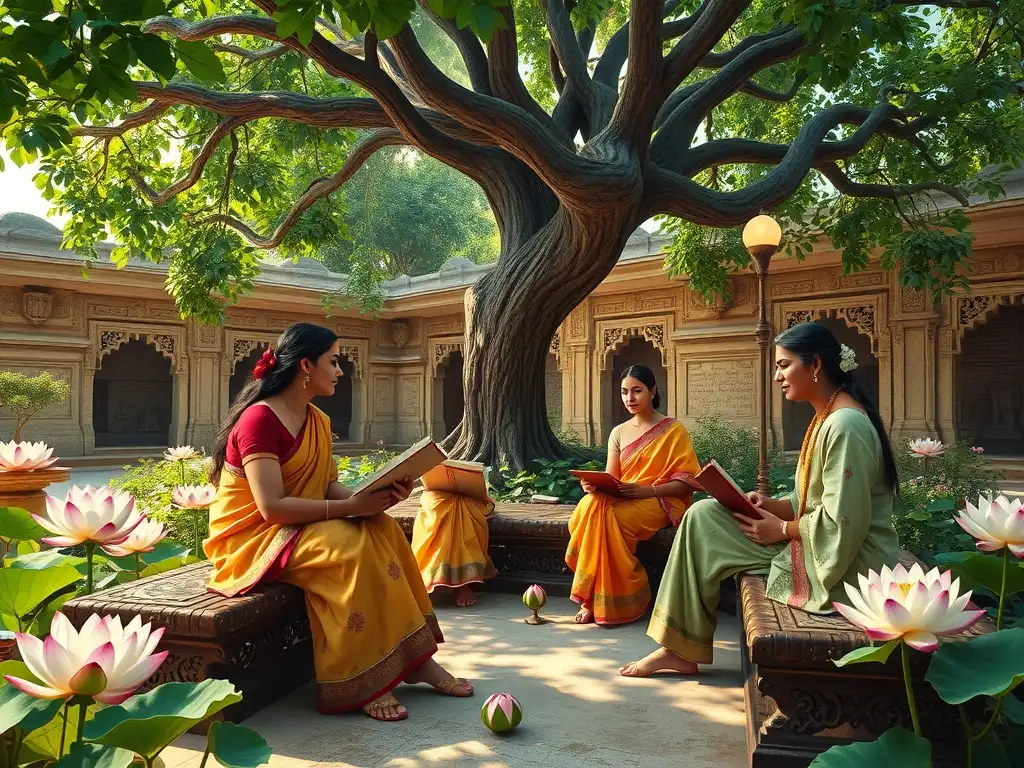
Ancient India boasts a rich tradition of philosophical thought, and among its many contributors, women philosophers played a vital role. These thinkers were not only scholars but also seers who engaged deeply with the metaphysical and ethical questions of their time. Their contributions, though often overshadowed by their male counterparts, laid crucial foundations for various philosophical discourses. Notable figures such as Gargi Vachaknavi and Maitreyi are emblematic of this vibrant intellectual tradition, showcasing the depth and breadth of women's involvement in philosophy during ancient times.
Gargi Vachaknavi: The Prodigious Thinker
Gargi Vachaknavi is perhaps one of the most celebrated ancient Indian women philosophers, known for her sharp intellect and profound contributions to Vedic philosophy. A prominent figure in the Brihadaranyaka Upanishad, Gargi engaged in philosophical debates with renowned sages, including Yajnavalkya. Her inquiries often revolved around the nature of the ultimate reality (Brahman) and the nature of the self (Atman).
One of her most famous challenges involved a series of questions about the origins of the universe and the nature of existence, highlighting her commitment to understanding the metaphysical frameworks of her time. Gargi's legacy as a formidable thinker who questioned established norms continues to inspire contemporary discussions on gender and philosophy.
Maitreyi: Philosophy of the Self
Maitreyi, another significant figure in ancient Indian philosophy, is known for her exploration of the self and its relationship to the universe. Featured in the same Upanishadic texts as Gargi, Maitreyi's philosophical inquiries often centered around the nature of consciousness and the pursuit of true knowledge.
Her dialogue with her husband, Yajnavalkya, reveals her deep understanding of the concept of Atman, where she famously asserts that the self is not merely an extension of the material world but a fundamental aspect of reality itself. Maitreyi's reflections on love, identity, and the self's eternal nature contribute to a broader understanding of human existence and spirituality in ancient Indian philosophy.
Apala: Contributions to Spiritual Discourse
Apala is another remarkable figure in the realm of ancient Indian philosophy, recognized for her contributions to spiritual and ethical discourse. As a Vedic seer, she is often associated with the Rigveda, where her hymns articulate themes of devotion and the quest for spiritual enlightenment.
Her philosophical contributions primarily focus on the relationship between the individual and the divine. Apala emphasized the importance of personal experience in understanding spiritual truths, advocating for a direct connection with the divine through introspection and devotion. This approach not only enriched spiritual discourse but also opened avenues for women’s voices in the sacred traditions of ancient India.
Others: Aditi, Lopamudra, and Vedic Seers
In addition to Gargi, Maitreyi, and Apala, other notable women philosophers include Aditi and Lopamudra. Aditi, often regarded as the mother of the gods in Vedic texts, symbolizes the cosmic womb and the nurturing aspects of existence, providing a metaphysical framework that intertwines motherhood with cosmic principles.
Lopamudra, a scholar and poet, is celebrated for her dialogues that explore the interplay of love, duty, and knowledge. Both figures contributed to the philosophical tapestry of ancient India, emphasizing themes of creation, existence, and the role of women in the spiritual and intellectual realms. These women, alongside many unnamed Vedic seers, collectively enriched the philosophical landscape of their time.
Philosophical Themes Explored by Ancient Indian Women
Ancient Indian women philosophers not only contributed individual insights but also explored various thematic areas within their philosophical discourse. Their works encompass a wide array of themes, including metaphysics, ethics, and the social dynamics of gender. These themes reflect their diverse experiences and perspectives, offering a holistic view of the philosophical landscape of ancient India.
Metaphysics and Cosmology
The exploration of metaphysics and cosmology is a prominent theme in the writings of ancient Indian women philosophers. Figures like Gargi and Maitreyi delved into questions regarding the nature of reality, existence, and the cosmos. Their inquiries often led to profound discussions on the ultimate nature of Brahman and the interrelationship between the self and the universe.
The philosophical dialogues presented in texts such as the Upanishads reveal a sophisticated understanding of metaphysical concepts, where women philosophers questioned the nature of reality and sought to comprehend the cosmos' workings. Their contributions underscored the significant role of women in shaping metaphysical thought and expanding the boundaries of philosophical inquiry.
Ethics and Morality
Ethics and morality form another critical area of discourse among ancient Indian women philosophers. Their reflections often addressed the moral responsibilities of individuals within society, focusing on the nature of right and wrong, duty (Dharma), and the implications of personal choice.
Through their writings, figures like Apala and Lopamudra articulated ethical frameworks that emphasized compassion, integrity, and the importance of individual agency. Their perspectives provided a nuanced understanding of moral philosophy, highlighting the centrality of ethics in personal and communal life.
Gender and Society
The theme of gender and society is intricately woven into the philosophical contributions of ancient Indian women. Their works frequently interrogated the societal norms and roles imposed upon women, challenging traditional views and advocating for greater recognition of women's intellectual and spiritual contributions.
By engaging in philosophical dialogues, these women not only asserted their voices but also addressed broader issues of gender equality and societal roles. Their insights contributed to an evolving discourse on the place of women in philosophy and society, paving the way for future generations to continue the dialogue on gender, identity, and philosophical thought.
The Impact of Ancient Indian Women Philosophers on Philosophy
Ancient Indian women philosophers made significant contributions to philosophical thought, challenging the conventions of their time and offering unique perspectives on ethics, metaphysics, and epistemology. Figures such as Gargi, Maitreyi, and Savitribai Phule not only engaged in philosophical discourse but also shaped the intellectual landscape of ancient India through their writings and teachings. Their emphasis on questions of existence, morality, and knowledge laid the groundwork for future philosophical inquiry, influencing generations of thinkers both within and beyond the Indian subcontinent.
The dialogues and debates initiated by these women often centered around the nature of reality, the self, and the relationship between the individual and the cosmos. Their contributions provided a counter-narrative to male-dominated philosophical traditions, introducing themes of inclusivity, compassion, and social justice. This distinct perspective not only enriched Indian philosophy but also offered a framework that resonates with various contemporary philosophical movements advocating for equality and human rights.
Influence on Contemporary Philosophical Thought
The ideas posited by ancient Indian women philosophers continue to echo in contemporary philosophical thought. Their engagement with notions of identity, gender, and ethics has laid the groundwork for feminist philosophy and post-colonial studies. For instance, Gargi's arguments in the Brahmanas concerning the nature of the self and the pursuit of knowledge resonate with modern discussions on epistemology and the construction of knowledge itself.
Moreover, Maitreyi's reflections on the nature of love and relationships provide a foundation for contemporary discussions on ethics and interpersonal dynamics. The emphasis these philosophers placed on questioning established norms serves as a catalyst for modern thinkers who seek to challenge traditional philosophical boundaries. By revisiting their works, contemporary scholars are discovering valuable insights that remain relevant in addressing today's complex social and ethical dilemmas.
Legacy in Indian and Global Philosophical Discourse
The legacy of ancient Indian women philosophers extends beyond their immediate historical context, influencing both Indian and global philosophical discourse. Their presence in texts such as the Upanishads and various commentaries signifies their integral role in shaping philosophical narratives. This legacy is evident in the way modern scholars engage with their ideas, often highlighting the relevance of their thoughts in discussions of spirituality, ethics, and metaphysical inquiry.
Globally, the contributions of these women have inspired a re-evaluation of the roles women have played in the history of philosophy. As scholars increasingly recognize the importance of diverse voices, the work of ancient Indian women philosophers offers a rich tapestry of thought that complements and challenges Western philosophical traditions. This cross-pollination of ideas fosters a more inclusive understanding of philosophy as a discipline, illustrating the universal relevance of their insights.
Challenges Faced by Ancient Indian Women Philosophers
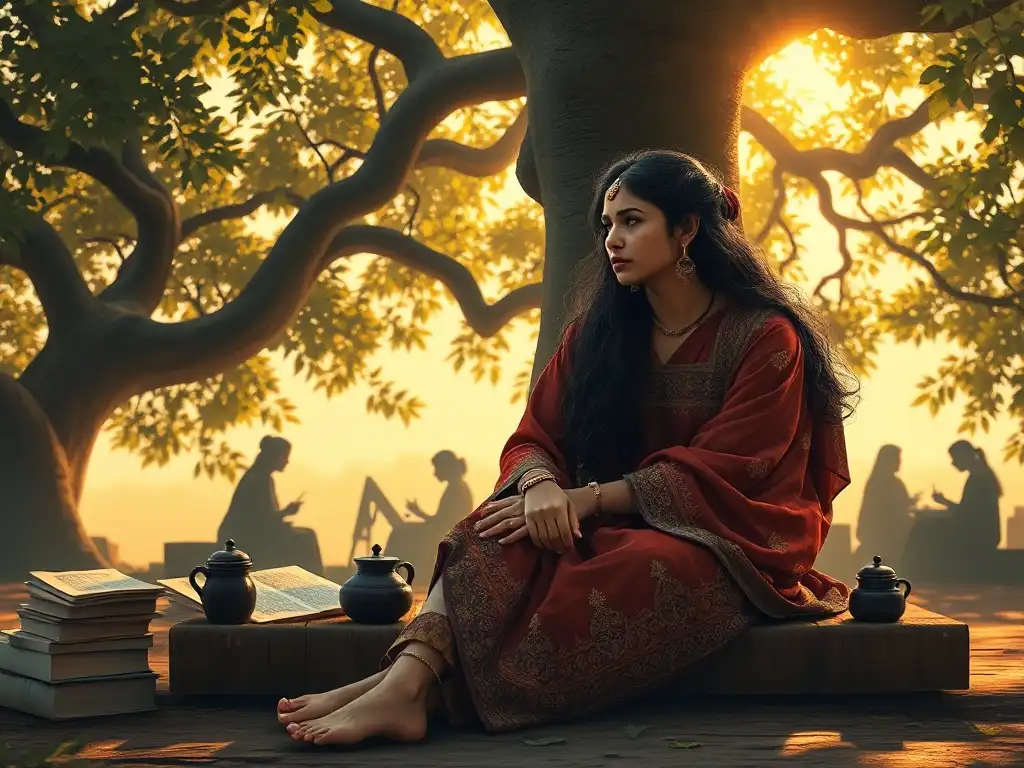
Despite their profound contributions, ancient Indian women philosophers faced numerous challenges that hindered their recognition and accessibility. Societal norms and restrictions often relegated women to the background, limiting their opportunities to engage in philosophical discourse actively. Understanding these challenges is crucial to appreciating their contributions fully and recognizing the resilience they exhibited in the face of adversity.
Societal Restrictions and Limitations
The societal restrictions imposed on women in ancient India significantly impacted their ability to participate in philosophical discussions. Patriarchal structures often dictated their roles within the family and society, confining them to domestic responsibilities. As a result, many women philosophers had to navigate a complex landscape of societal expectations while striving to express their ideas and thoughts.
Additionally, educational opportunities were limited for women, which further obstructed their intellectual development. Despite these barriers, some women managed to carve out spaces for themselves, demonstrating exceptional intelligence and resilience. The philosophical insights they offered were often rooted in personal experience and a deep understanding of the human condition, reflecting their struggle against these societal limitations.
Preservation of Their Works and Ideas
The preservation of the works and ideas of ancient Indian women philosophers poses another significant challenge. Many of their writings have been lost to history, overshadowed by the dominant narratives of male philosophers. The transmission of knowledge in ancient India was predominantly oral, and the lack of written records exacerbated the difficulty in preserving their contributions.
Moreover, the historical tendency to prioritize male voices in philosophical discourse has resulted in a systemic neglect of women's contributions. Efforts to rediscover and document these philosophical ideas are ongoing, as scholars strive to bring attention to the rich intellectual heritage of ancient Indian women philosophers. By recognizing and preserving their works, contemporary scholars can ensure that these voices are not only remembered but also integrated into the broader philosophical discourse, enriching our understanding of history and thought.
Conclusion
The contributions of ancient Indian women philosophers hold a significant place in the broader landscape of philosophical discourse. These thinkers not only challenged the norms of their time but also laid the groundwork for future generations to explore ideas of ethics, spirituality, and social justice. Their insights provide a rich tapestry of thought that continues to resonate today, highlighting the importance of diverse perspectives in the philosophical dialogue. By recognizing and celebrating the work of these women, we gain a deeper understanding of the complexities of ancient Indian philosophy and its relevance in contemporary discussions.
Summary of Contributions by Ancient Indian Women Philosophers
Ancient Indian women philosophers made profound contributions across various fields, including metaphysics, ethics, and epistemology. Notable figures such as Gargi and Maitreyi are often cited for their participation in the philosophical debates of the Upanishads, where they posed challenging questions and offered profound insights. Gargi, for instance, engaged in discussions around the nature of the soul and the universe, while Maitreyi explored the nature of knowledge and its implications for personal identity and relationships.
Other lesser-known philosophers such as Lilavati and Vatsala contributed to discussions on morality and virtue, emphasizing the importance of ethical living in harmony with societal norms. Their explorations often intertwined with the cultural and social contexts of their times, reflecting a unique perspective on the human experience. Overall, these women's contributions were pivotal in shaping philosophical thought in ancient India.
The Relevance of Their Philosophical Insights Today
The philosophical insights offered by ancient Indian women philosophers remain strikingly relevant in contemporary discussions. Their emphasis on ethical living, the interconnectedness of knowledge, and the value of questioning established norms resonate in today's society, which often grapples with issues of gender equality, social justice, and spiritual fulfillment.
Moreover, their perspectives encourage a re-examination of traditional narratives and invite modern thinkers to consider the diverse influences that shape philosophical discourse. In an era where inclusivity and representation are increasingly prioritized, revisiting the works and ideas of these ancient philosophers not only enriches our understanding but also inspires a more holistic approach to philosophy that acknowledges the contributions of women throughout history.
Further Reading and Resources
Recommended Texts on Ancient Indian Women Philosophers
-
"Women in Ancient India: A Social History" by Kumkum Roy
This text provides a comprehensive overview of the roles and contributions of women in ancient Indian society, including philosophical perspectives.
-
"The Upanishads" (translated by Eknath Easwaran)
This classic work features the philosophical dialogues involving women like Gargi and Maitreyi, showcasing their intellectual contributions.
-
"The Philosophy of the Upanishads" by Paul Deussen
Deussen's work delves into the metaphysical ideas presented in the Upanishads, highlighting the role of women philosophers in these discussions.
-
"Women Philosophers of Ancient India" by Ranjit Kumar
This book specifically focuses on various women philosophers, their ideas, and their impacts on philosophical thought.
Online Platforms for Exploring Ancient Indian Philosophy
-
Internet Archive
A treasure trove of historical texts and scholarly articles, where users can access works related to ancient Indian philosophy and women philosophers.
-
Academia.edu
A platform where scholars share research papers, including many on ancient Indian philosophical thought, allowing users to explore a range of perspectives.
-
JSTOR
An extensive digital library that provides access to academic journals, books, and primary sources on topics related to ancient Indian philosophy and contributions from women.
-
Project Gutenberg
Offers free access to a variety of texts, including translations of ancient Indian philosophical works, where readers can find writings by and about women philosophers.
By engaging with these resources, readers can deepen their understanding of the rich philosophical heritage of ancient Indian women and their lasting impact on the discourse.
- Introduction to Ancient Indian Women Philosophers
- Overview of Ancient Indian Philosophy
- Importance of Women in Ancient Indian Thought
- Historical Context of Ancient Indian Women Philosophers
- Notable Ancient Indian Women Philosophers
- Philosophical Themes Explored by Ancient Indian Women
- The Impact of Ancient Indian Women Philosophers on Philosophy
- Challenges Faced by Ancient Indian Women Philosophers
- Conclusion
- Further Reading and Resources
- What is the significance of Ancient Indian women philosophers in history?
- How did women philosophers contribute to the philosophical traditions in ancient India?
- Can you name some prominent women philosophers from ancient India?
- What were the challenges faced by women philosophers in ancient India?
- How can studying the works of ancient Indian women philosophers benefit modern society?
Frequently Asked Questions
What is the significance of Ancient Indian women philosophers in history?
Ancient Indian women philosophers played a crucial role in shaping philosophical discourse, offering unique perspectives and insights that enriched the intellectual landscape of their time.
How did women philosophers contribute to the philosophical traditions in ancient India?
They contributed through texts, teachings, and dialogues, often addressing themes of ethics, metaphysics, and spirituality, thus influencing both contemporary thinkers and future generations.
Can you name some prominent women philosophers from ancient India?
Notable figures include Gargi, who engaged in deep philosophical debates, and Maitreyi, who explored concepts of self and existence in Vedic literature, showcasing the depth of female intellect.
What were the challenges faced by women philosophers in ancient India?
Despite their contributions, women philosophers faced societal constraints and limited access to educational resources, which often hindered their recognition and influence in the philosophical realm.
How can studying the works of ancient Indian women philosophers benefit modern society?
Their works can provide valuable insights into gender, identity, and wisdom, promoting a more inclusive understanding of philosophy that recognizes diverse voices and experiences.
Final Reflection: Celebrating the Wisdom of Ancient Indian Women Philosophers
The contributions of ancient Indian women philosophers are not just historical footnotes; they are vital threads in the rich tapestry of philosophical discourse that resonate with our contemporary understanding of gender and intellect. Today, as we strive for equality and representation in all fields, the voices of these remarkable women remind us of the profound insights that can emerge when diverse perspectives are included in the conversation. Their legacies challenge us to reconsider the narratives we accept and the wisdom we choose to elevate.
The influence of ancient Indian women philosophers extends far beyond their time, shaping the cultural and social landscape of our present. Their thoughts on ethics, spirituality, and the nature of knowledge continue to inspire and provoke critical thinking. The greatest gift of the human spirit is that we can choose to be inspired.
This quote encapsulates the enduring impact of these philosophers, urging us to seek inspiration from their lives and teachings. By acknowledging their contributions, we not only honor their legacy but also empower future generations to explore philosophy without the constraints of gender.
As you reflect on the teachings and insights of ancient Indian women philosophers, I invite you to consider how their wisdom can inform your own life and choices. Let their courage and intellect inspire you to engage with philosophical discourse, challenge societal norms, and advocate for inclusivity in all areas of thought. Embrace the lessons of the past as you forge your own path, and remember that the pursuit of knowledge is a journey best undertaken together, enriched by the diverse voices that have come before us.
Celebrate the Wisdom: Dive Deeper into Ancient Indian Philosophy!
Thank you for joining us on this enlightening journey through the remarkable contributions of ancient Indian women philosophers. Their unique perspectives have profoundly shaped philosophical discourse, and we hope you feel inspired by their legacies. Now, it’s time to take that inspiration further!
Here are a few actionable ways you can deepen your engagement with this enriching topic:
- Research a specific philosopher from ancient India and share your findings with friends or on social media to spark discussions.
- Join a local or online philosophy group to explore more about the contributions of women in philosophy—connecting with like-minded individuals can broaden your horizons.
- Consider writing your reflections or a blog post about the impact of these philosophers on modern thought and share it with us!
What aspect of ancient Indian philosophy resonates most with you, and how do you believe these contributions can influence our current perspectives?