
The Evolution of Daily Life: Comparing Early and Late Indus Valley Civilization

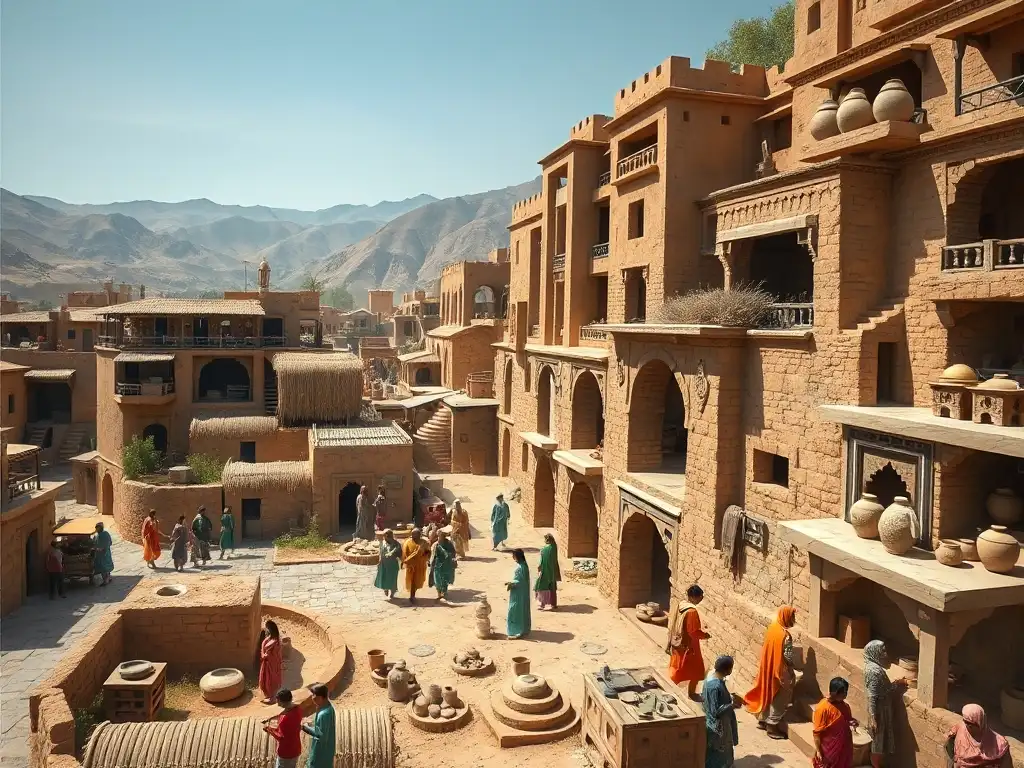
Welcome to Ancient India History! Immerse yourself in the fascinating tapestry of India's rich and diverse past, where each thread tells a story of innovation, culture, and resilience. In our featured article, "The Evolution of Daily Life: Comparing Early and Late Indus Valley Civilization," we delve into the intriguing contrasts of daily life in one of the world's earliest urban cultures.
What did a typical day look like for the inhabitants of the Indus Valley? How did their lives evolve over centuries? Join us as we uncover these compelling insights and many more, inviting you to journey further into the heart of ancient Indian civilizations!
Introduction to Indus Valley Civilization
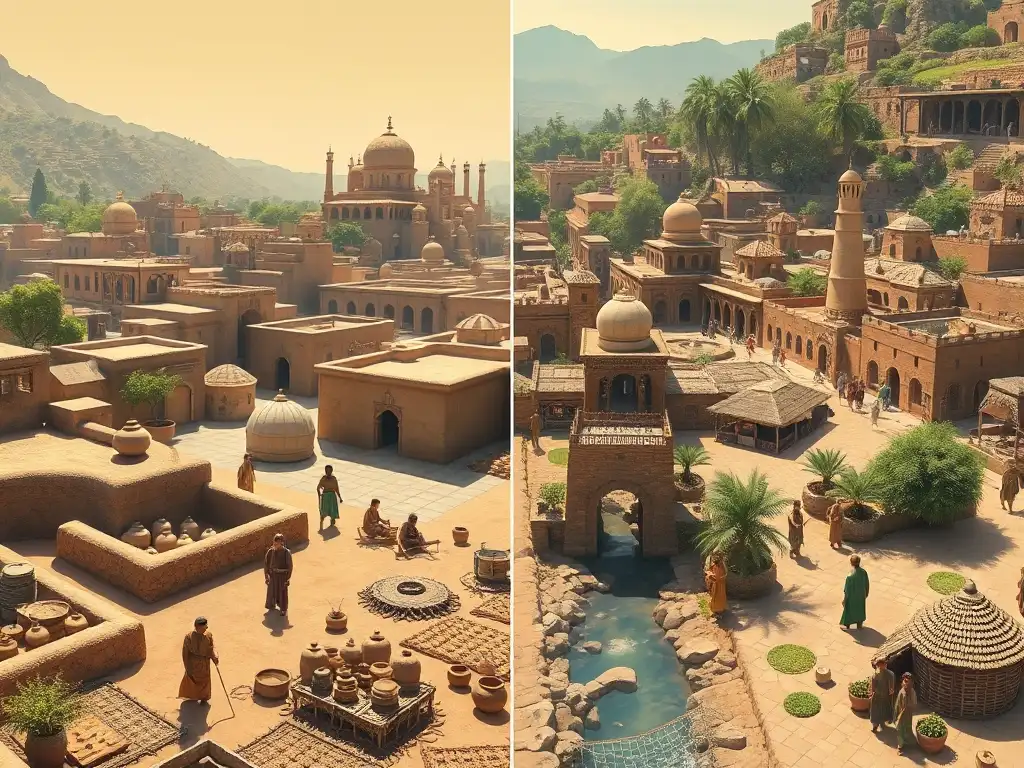
The Indus Valley Civilization (IVC), one of the world's earliest urban cultures, flourished from approximately 3300 BCE to 1300 BCE in what is now Pakistan and northwest India. Renowned for its advanced urban planning, architecture, and social organization, the IVC offers a fascinating glimpse into the daily lives of its inhabitants.
Understanding the evolution of daily life within this civilization—from its formative years to its later stages—provides valuable insights into the cultural, economic, and social dynamics that shaped one of history's most significant civilizations. This article aims to explore the Indus Valley daily life comparison by examining the distinct characteristics of daily life in both early and late periods of the civilization.
Overview of the Indus Valley Civilization
The Indus Valley Civilization is marked by its sophisticated cities, such as Harappa and Mohenjo-Daro, characterized by intricate drainage systems, grid layouts, and monumental architecture. The civilization thrived due to its strategic location along trade routes and access to fertile land, allowing for agricultural productivity. Notably, the IVC is distinguished by its undeciphered script, which remains a tantalizing mystery to historians and linguists alike.
Importance of Daily Life in Historical Context
Daily life in the Indus Valley Civilization reflects the broader cultural and societal values of the time. By studying aspects such as housing, food, trade, and social structure, historians can reconstruct the lived experiences of its people. Understanding these elements not only sheds light on the functioning of the civilization but also highlights how daily practices influenced social hierarchies, economic relationships, and cultural expressions. This comparison of early and late daily life is crucial for grasping the continuity and changes that occurred within the civilization over centuries.
Early Indus Valley Daily Life
Characteristics of Early Indus Valley Society
The early phase of the Indus Valley Civilization, typically dated from 3300 BCE to 2600 BCE, is characterized by a predominantly agrarian society. The settlements were often small and consisted of mud-brick houses, showcasing a communal approach to living. The society was likely organized around kinship and communal ties, with evidence suggesting that residents engaged in cooperative farming practices.
Economic Activities in Early Indus Valley
The economy of the early Indus Valley Civilization was primarily based on agriculture, with staple crops including wheat, barley, and pulses. Evidence from archaeological finds suggests that these communities practiced irrigation to enhance agricultural productivity. Additionally, early IVC societies participated in trade, exchanging goods such as beads, pottery, and textiles with neighboring regions, which facilitated economic growth and cultural exchange.
Social Structure and Community Life
Social structure in early Indus Valley society appears to have been relatively egalitarian, with some indications of communal decision-making and resource sharing. Houses were often of similar size, suggesting a lack of significant wealth disparity. Community life revolved around agricultural cycles, religious practices, and social gatherings, fostering a cohesive and interconnected society.
As we delve deeper into the evolution of daily life in the Indus Valley, we will explore the transition from these early societal characteristics to the complexities of later developments in the civilization.
Late Indus Valley Daily Life
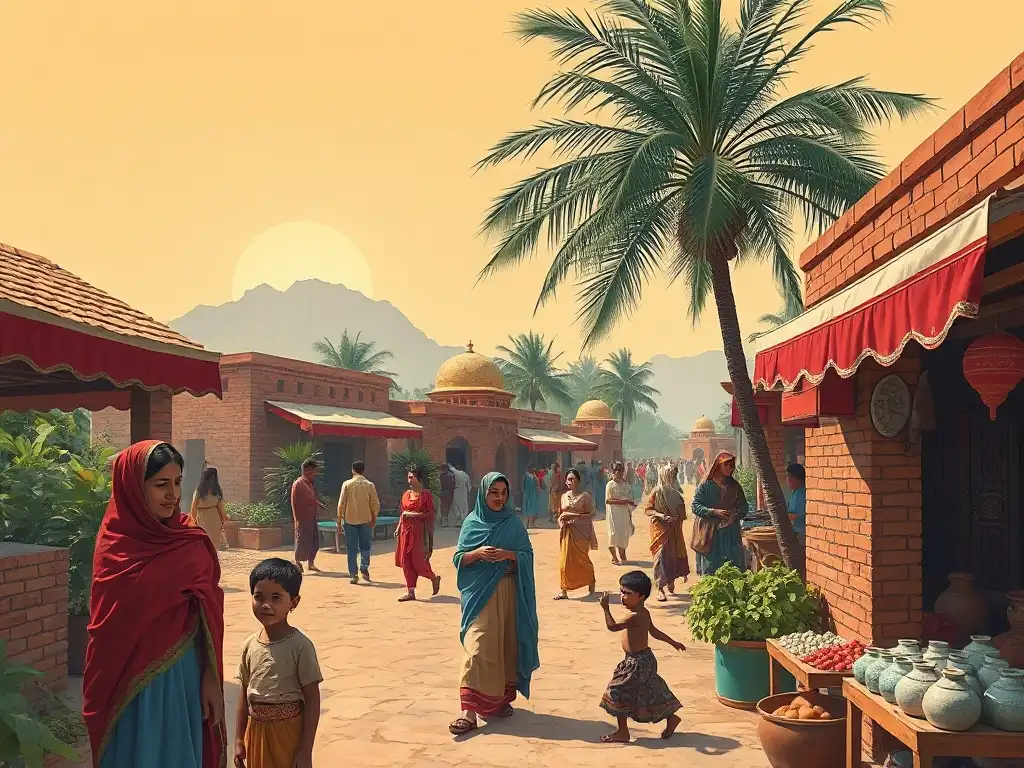
The Late Indus Valley Civilization, which emerged around 1900 BCE and lasted until approximately 1300 BCE, witnessed significant transformations in daily life compared to its earlier phase. This period is characterized by a decline in urbanization and a shift in cultural practices. As cities like Mohenjo-Daro and Harappa faced challenges such as climate change and possibly increased conflict, the way of life adapted to these new circumstances.
Agriculture remained a staple of daily life, but the methods and crops began to evolve. Communities increasingly relied on local resources, leading to a more diversified diet that included a variety of grains and domesticated animals. Homes became less elaborate, reflecting a shift towards smaller, more rural settlements. The Late Indus Valley people also showed a growing inclination towards craftsmanship and trade, albeit on a smaller scale than before.
Transition to the Late Indus Valley Civilization
The transition to the Late Indus Valley Civilization was marked by a series of environmental and social changes. As the climate shifted, possibly leading to decreased rainfall, agricultural yields began to decline. This forced communities to adapt their farming techniques and explore new agricultural territories. The once-thriving urban centers saw a gradual depopulation, with many inhabitants moving to smaller villages where they could manage resources more sustainably.
Archaeological evidence indicates a shift in architectural styles, with homes becoming simpler and more functional. This transition reflects not just an adaptation to environmental challenges but also a change in societal organization, as communal living became more prevalent, emphasizing cooperation among smaller groups. The decline of centralized urban governance led to a more decentralized social structure, affecting everything from trade to cultural practices.
Changes in Economic Practices
Economic practices underwent a significant transformation during the Late Indus Valley period. While trade remained important, it shifted from long-distance interactions to more localized exchanges. The decline in urbanization meant that communities became more self-reliant, focusing on local resources rather than imported goods.
Agricultural practices evolved as well. Farmers started to cultivate a wider variety of crops, including drought-resistant varieties, to adapt to changing climatic conditions. Livestock, particularly goats and sheep, became an integral part of the economy, providing not only food but also materials for clothing. Pottery and weaving crafts flourished, showcasing the community's ability to innovate within a changing economic landscape.
Evolution of Social Structures
The evolution of social structures in the Late Indus Valley Civilization was marked by a notable shift from the more stratified society of the Early Indus period to a more egalitarian community structure. As urban centers declined, power dynamics shifted towards local leaders and community elders, leading to a more decentralized governance model.
Social roles became less defined, with individuals participating in multiple economic activities such as farming, crafting, and trade. This flexibility contributed to a sense of community cohesion, as people worked together to adapt to their new realities. However, evidence suggests that some degree of hierarchy remained, particularly in the form of trade networks, where certain individuals or families may have retained influence.
Comparing Early and Late Indus Valley Daily Life
Economic Comparison: Early vs. Late
The economic landscape of the Early Indus Valley Civilization was characterized by extensive trade networks and a high degree of urbanization, with cities like Harappa and Mohenjo-Daro serving as bustling commercial hubs. In contrast, the Late Indus period saw a shift towards localized economies, with communities relying primarily on agriculture and local craftsmanship.
| Aspect | Early Indus Valley Civilization | Late Indus Valley Civilization |
|---|---|---|
| Urbanization | Highly urbanized with large cities | Decline in urban centers |
| Trade | Extensive long-distance trade | Localized trade |
| Agriculture | Monoculture and surplus crops | Diverse, sustainable crops |
| Craftsmanship | Specialized crafts in cities | Localized craftsmanship |
Social Comparison: Early vs. Late
In the Early Indus Valley Civilization, society exhibited clear stratification with distinct social classes. The Late Indus period, however, saw a move towards a more egalitarian structure. While some hierarchy remained—particularly in trade—individuals in the Late period engaged in multiple roles within their communities, fostering collaboration and shared responsibility.
| Aspect | Early Indus Valley Civilization | Late Indus Valley Civilization |
|---|---|---|
| Social Stratification | Well-defined social classes | More egalitarian structures |
| Governance | Centralized governance | Decentralized local leadership |
| Community Roles | Specialized roles | Multipurpose community roles |
Cultural Practices: Continuity and Change
Despite the significant changes in daily life, many cultural practices persisted from the Early to the Late Indus Valley Civilization. Rituals, pottery styles, and artistic expressions continued, albeit with regional variations. The Late period saw an adaptation of these practices to suit local needs and resources.
For instance, while the use of seals and inscriptions diminished, the artistic traditions evolved, incorporating new motifs and styles that reflected the changing environment and social dynamics. This continuity amidst change highlights the resilience of the Indus Valley people as they navigated the complexities of their shifting world.
Conclusion: The Significance of Daily Life Comparison
The comparison of daily life between the early and late phases of the Indus Valley Civilization provides invaluable insights into the evolution of this ancient society. Understanding the transformation in daily life not only highlights the socio-economic changes but also reflects the cultural adaptations and technological advancements that occurred over time. This analysis reveals how the people of the Indus Valley responded to environmental challenges, resource availability, and intercultural exchanges, ultimately shaping their community dynamics and societal structures.
By examining the contrasts in urban planning, trade practices, agricultural techniques, and social organization, we gain a clearer picture of how the Indus Valley Civilization was able to thrive and later decline. This comparative study emphasizes the importance of daily life as a lens through which we can explore broader historical themes, including resilience, innovation, and the impact of geography on human behavior.
Lessons Learned from Early and Late Indus Valley Civilization
- Adaptation to Environment: The transition from early to late Indus Valley Civilization showcases the importance of adapting to environmental changes. Early settlers thrived in fertile areas, while later communities faced challenges such as climate shifts, leading to innovations in agricultural practices.
- Trade and Economic Evolution: The early period was marked by local trade and the growth of urban centers, whereas the late phase witnessed a decline in long-distance trade routes. This shift underscores the necessity of economic resilience and diversification in sustaining a civilization.
- Cultural Continuity and Change: The evolution of daily life reflects both continuity in cultural practices and significant shifts in social structures. By studying these changes, we can appreciate the complexity of cultural identity and its resilience amidst external pressures.
- Technological Advancements: Innovations in tools, pottery, and urban planning highlight the technological progress of the Indus Valley people. The contrast between the early and late periods illustrates how these advancements influenced daily practices and social organization.
The Impact of Daily Life on the Evolution of Society
Daily life in the Indus Valley Civilization was a fundamental driver of societal evolution. The structure of homes, the organization of cities, and the nature of economic exchanges all contributed to the development of a sophisticated urban civilization.
- Urban Planning: The meticulous grid layout of cities like Harappa and Mohenjo-Daro reflects advanced urban planning that catered to public health and social interaction, influencing future city designs in subsequent civilizations.
- Social Hierarchies: Daily life practices, from household management to trade roles, played a critical role in establishing social hierarchies. The distribution of labor and resources shaped the community’s social fabric, impacting governance and societal dynamics.
- Cultural Practices: Rituals and daily activities reveal the cultural values of the society, influencing everything from family structure to religious practices. Understanding these elements helps us appreciate the complexities of their societal evolution.
- Environmental Interaction: The interplay between daily life and environmental factors, such as flooding and resource scarcity, shaped societal responses, leading to innovations and adaptations that would dictate the civilization's longevity.
Further Reading and Resources
To deepen your understanding of the Indus Valley Civilization, particularly the evolution of daily life, the following resources are recommended. These texts and articles provide a comprehensive view of the civilization’s complexities and cultural nuances.
Recommended Books on Indus Valley Civilization
- "The Indus Civilization: A Contemporary Perspective" by Gregory L. Possehl:
This book offers an in-depth analysis of the archaeological findings and their implications for understanding the Indus Valley Civilization.
- "Indus Valley Civilization: A Historical Overview" by Rita Lucarelli:
A concise overview that presents the historical context and significance of the Indus Valley, focusing on daily life and societal structures.
- "Life in the Indus Valley: Archaeological Perspectives" by Jane McIntosh:
This work delves into the daily lives of the inhabitants, exploring their culture, economy, and the environment they inhabited.
Articles and Journals for In-Depth Understanding
- "Urban Planning in the Indus Valley Civilization"
Published in the Journal of Archaeological Science, this article examines the urban layout and its significance in daily life.
- "Trade Networks of the Indus Valley: A Comparative Study":
This research paper explores the economic aspects of the Indus Valley, providing insights into trade practices and their evolution.
- "Cultural Practices in the Indus Valley: Insights from Archaeology":
An article that discusses the cultural rituals and daily activities that shaped the social fabric of the Indus Valley Civilization.
These resources will equip readers with a deeper understanding of the complexities of daily life in the Indus Valley Civilization, enhancing the appreciation of its historical significance.
- Introduction to Indus Valley Civilization
- Overview of the Indus Valley Civilization
- Importance of Daily Life in Historical Context
- Early Indus Valley Daily Life
- Late Indus Valley Daily Life
- Comparing Early and Late Indus Valley Daily Life
- Conclusion: The Significance of Daily Life Comparison
- Further Reading and Resources
- What were the key features of daily life in the Indus Valley Civilization?
- How did early and late Indus Valley civilizations differ in their daily practices?
- What role did trade play in the daily life of the Indus Valley people?
- How did the geography of the Indus Valley influence daily life?
- What were some cultural aspects of daily life in the Indus Valley?
Frequently Asked Questions
What were the key features of daily life in the Indus Valley Civilization?
Daily life in the Indus Valley Civilization included advanced urban planning, well-structured drainage systems, and a focus on agriculture and trade. These features contributed to a highly organized society.
How did early and late Indus Valley civilizations differ in their daily practices?
The early Indus Valley civilization emphasized trade and agriculture, while the late civilization saw a decline in these practices, showcasing a shift towards more localized living and a reduction in urbanization.
What role did trade play in the daily life of the Indus Valley people?
Trade was crucial for the Indus Valley Civilization, facilitating the exchange of goods such as textiles and metals. This contributed to their economic prosperity and cultural exchange with neighboring regions.
How did the geography of the Indus Valley influence daily life?
The geography of the Indus Valley, with its fertile plains and access to rivers, allowed for sustainable agriculture and supported a thriving population, which significantly affected their daily routines and economic activities.
What were some cultural aspects of daily life in the Indus Valley?
Cultural aspects included art, craftsmanship, and religious practices. The civilization is known for its pottery, seals, and potential early forms of worship, reflecting a rich cultural tapestry.
Final Reflection: Understanding the Threads of Daily Life in the Indus Valley Civilization
The exploration of daily life in the Indus Valley Civilization reveals profound insights into how societies evolve over time. As we compare the early and late phases of this remarkable civilization, we uncover not only the technological advancements and cultural shifts but also the enduring human experiences that connect us to our ancestors. The contrasts in urban planning, trade practices, and social structures highlight how adaptability and resilience are essential to the survival of any civilization.
The legacy of the Indus Valley Civilization continues to resonate in our modern world, reminding us of the intricate tapestry of human existence. The way people lived, worked, and interacted in this ancient society reflects universal themes of community, innovation, and sustainability. As we navigate our own contemporary challenges, we can draw inspiration from their achievements and failures. Civilizations are not defined by their monuments, but by the lives of their people.
This quote encapsulates the essence of our exploration, emphasizing that it is the daily lives of individuals that shape the course of history.
As we conclude this reflection, I invite you to consider how the lessons from the Indus Valley can be applied to our lives today. Reflect on your daily routines and the choices you make—how do they contribute to the world around you? Embrace the opportunity to learn from the past, fostering a deeper understanding of your own place within the continuum of human experience. Let the evolution of daily life in the Indus Valley inspire you to cultivate a more thoughtful and connected existence in our ever-changing world.
Unveil the Rich Tapestry of Daily Life!
Thank you for diving into the fascinating world of the Indus Valley Civilization with us! You've explored the intricate evolution of daily life, shedding light on the remarkable changes over time. Now, it’s time to take your newfound knowledge further and truly appreciate the legacy of this ancient civilization.
Here’s how you can continue your journey:
- Explore a Local Museum: Visit an archaeological or history museum in your area that features exhibits on ancient cultures; take a moment to contemplate the everyday lives of those who came before us.
- Join a Community Group: Engage with others who share your interest in ancient civilizations by participating in online forums or local history clubs.
- Share Your Insights: Write a blog post or social media update about what you learned. Invite friends or fellow history enthusiasts to join the conversation about the evolution of civilizations!
Which aspect of daily life in the Indus Valley captivates you the most, and how do you think it connects to our lives today?