
The Maurya Empire’s Administrative Legacy: A Blueprint for Future Generations

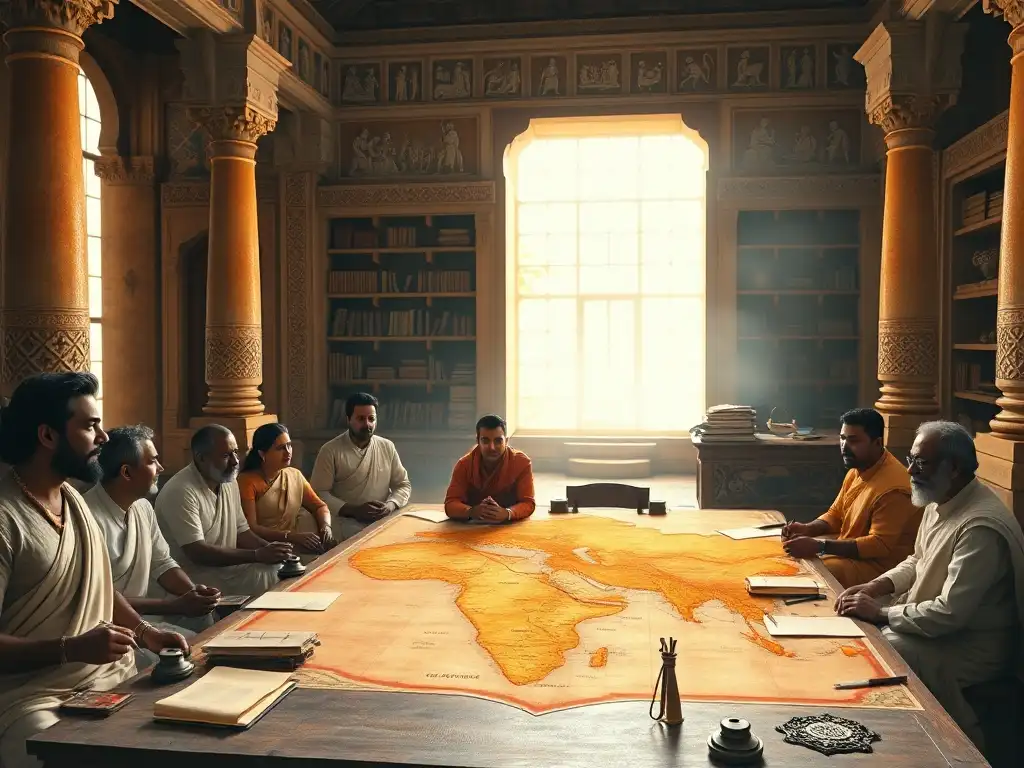
Welcome to Ancient India History, where we delve deep into the rich tapestry of cultures, innovations, and legacies that shaped one of the world's oldest civilizations. In this exploration, we invite you to uncover the fascinating intricacies of the Maurya Empire's administrative system—a remarkable framework that not only governed a vast realm but also set the stage for future generations. What secrets lay within this ancient blueprint? Join us as we navigate through history, revealing how these sophisticated systems influenced not just their time but also the world we know today. Prepare to be captivated!
Introduction to the Maurya Empire Administrative System
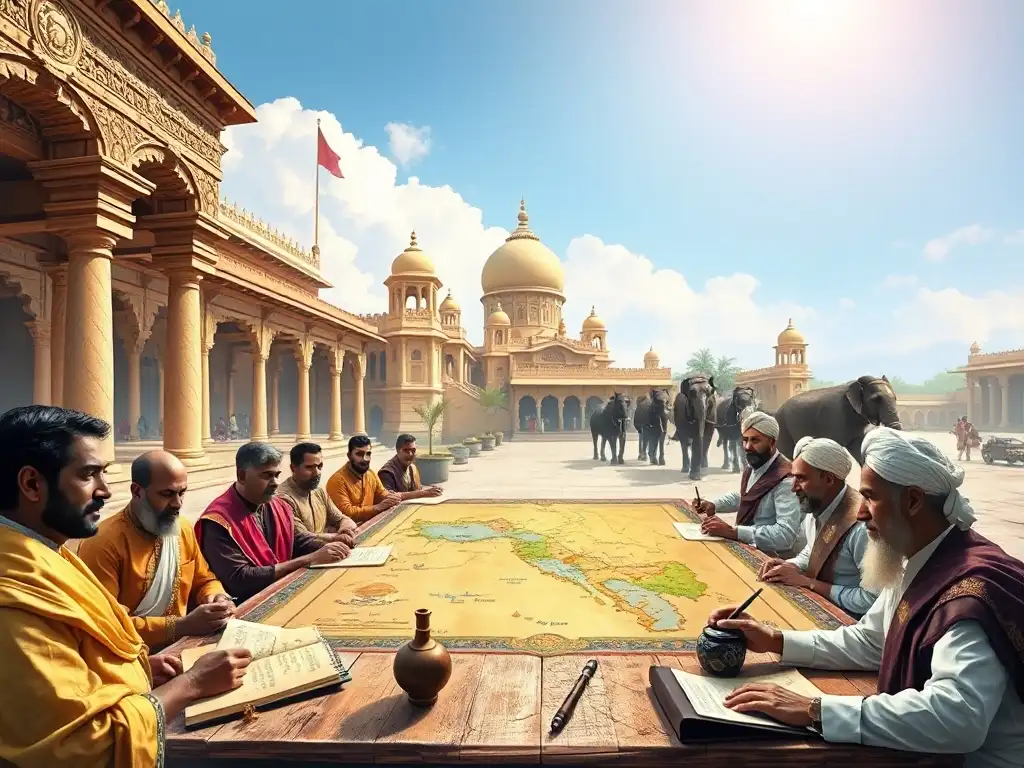
The Maurya Empire, established in 322 BCE by Chandragupta Maurya, stands as a monumental chapter in ancient Indian history, renowned for its remarkable administrative system. This empire, which reached its zenith under the reign of Ashoka the Great, showcased an intricate governance framework that not only maintained order but also promoted welfare among its vast and diverse population.
The Maurya Empire’s administrative legacy serves as an essential blueprint for future generations, demonstrating the effectiveness of centralized governance and innovative bureaucratic practices. This article delves into the intricate details of the Maurya Empire's administrative system, exploring its features and the significance of its innovations.
Overview of the Maurya Empire
The Maurya Empire spanned a considerable portion of the Indian subcontinent, from the Indus River in the west to the Bengal region in the east. At its peak, it covered approximately 5 million square kilometers, making it one of the largest empires in ancient history. The empire's establishment marked a turning point, transitioning from fragmented kingdoms to a unified state.
Key aspects of the Maurya Empire include:
- Political Unity: The unification of various regions under a single rule facilitated stronger governance and cultural exchange.
- Economic Prosperity: The empire thrived on trade, agriculture, and advancements in various industries, contributing to its wealth.
- Cultural Flourishing: The Maurya period saw significant developments in art, science, and philosophy, supported by a stable administrative structure.
Significance of Administrative Innovations
The administrative innovations of the Maurya Empire were pivotal in shaping governance not just in India, but also influencing various systems across the globe. By implementing a structured approach to administration, the Maurya rulers established principles that would be echoed in later civilizations. Notable innovations included:
- Standardization of Laws: The introduction of uniform legal codes helped streamline justice and governance.
- Taxation Systems: A well-organized taxation system ensured state revenue while maintaining the welfare of subjects.
- Public Welfare Programs: Initiatives focused on health, infrastructure, and education highlighted the empire's commitment to the well-being of its citizens.
Key Features of the Maurya Empire Administrative System
Centralized Governance in the Maurya Empire
At the heart of the Maurya Empire's success was its centralized governance. The empire was divided into provinces, each overseen by governors appointed by the emperor. This structure facilitated efficient communication and control, enabling the central government to implement policies effectively across vast distances. The provinces had their own administrative setups, which were crucial for local governance while adhering to central directives.
Role of the Emperor in Administration
The emperor held supreme authority and was considered the embodiment of the state. The ruling monarch was not only a political leader but also a moral and spiritual figure, guiding the empire with principles derived from Dharma (moral law). Key responsibilities included:
- Legislation: The emperor was responsible for enacting laws that would govern the empire.
- Justice: Upholding justice was a critical function, with the emperor often settling disputes personally.
- Military Leadership: As the commander-in-chief, the emperor ensured the defense and expansion of the empire.
Bureaucratic Structure and Hierarchy
The Maurya Empire’s bureaucratic structure was sophisticated and hierarchical, consisting of various levels of officials managing different aspects of governance. This structure included:
- Advisors and Ministers: A council of ministers assisted the emperor in decision-making.
- Provincial Administrators: Governors managed provinces, ensuring local issues were addressed.
- Local Officials: At the village and town levels, local officials implemented the emperor’s policies, collected taxes, and managed public works.
The Maurya Empire's administrative system was not merely a means of governance but a comprehensive approach to statecraft that encompassed efficiency, justice, and public welfare. Its legacy continues to serve as a reference point in the study of governance in ancient civilizations.
Provinces and Local Governance in the Maurya Empire
The Maurya Empire, one of the largest empires in ancient India, established a sophisticated administrative framework that allowed it to govern its vast territories effectively. This framework was characterized by a well-structured division of the empire into provinces and a robust system of local governance, which facilitated efficient administration and enhanced the central authority's control over distant regions.
Division of the Empire into Provinces
The Maurya Empire was divided into several provinces, known as Mahajanapadas, to streamline governance. The most significant provinces included Magadha, Taxila, and Ujjain, each strategically located to manage trade routes and agricultural resources effectively.
- Centralization and Decentralization: While the emperor held supreme power, local governance was decentralized to enable efficient administration. Each province was governed by a Rajuka or Uparika, who acted as the representative of the emperor, ensuring that imperial policies were implemented locally.
- Geographical and Cultural Considerations: The division of provinces was also influenced by geographical and cultural factors. Regions with distinct languages and customs were grouped together to facilitate local governance and maintain peace.
Responsibilities of Provincial Governors
Provincial governors, appointed by the emperor, held significant responsibilities that were crucial for maintaining the empire's stability and prosperity. Their main duties included:
- Tax Collection: Governors were responsible for collecting taxes and ensuring that the revenue reached the central treasury. This included agricultural taxes, trade duties, and other forms of revenue.
- Law and Order Maintenance: They were tasked with maintaining law and order within their provinces. This involved overseeing local law enforcement and ensuring that justice was administered fairly.
- Infrastructure Development: Provincial governors were also involved in the development of infrastructure, such as roads, irrigation systems, and public buildings, which facilitated trade and communication.
Local Administration and Village Governance
At the local level, the Maurya Empire employed a system of governance that emphasized the importance of villages as fundamental units of administration.
- Village Councils: Villages were administered by councils known as Gram Sabha, which consisted of local elders and influential members of the community. These councils were responsible for making decisions related to local governance, dispute resolution, and resource management.
- Empowerment of Local Leaders: The Mauryan administration empowered local leaders, allowing them to play a significant role in the governance of their communities. This not only fostered local participation but also ensured that the needs and concerns of the villagers were addressed effectively.
Legal and Judicial Systems of the Maurya Empire

The legal and judicial systems of the Maurya Empire played a vital role in maintaining order and justice across the vast territories. The codification of laws and the structured administration of justice were instrumental in establishing a sense of security among the populace.
Codification of Laws
The Maurya Empire is known for its significant advancements in legal codification, particularly under the reign of Emperor Ashoka.
- Dharma and Legal Principles: The concept of Dharma (moral law) was central to the Mauryan legal system. Laws were codified based on ethical guidelines, promoting justice and fairness. Ashoka's edicts, inscribed on pillars and rocks, served as a public declaration of laws and moral expectations, emphasizing non-violence and tolerance.
- Comprehensive Legal Codes: The Mauryan legal codes addressed various aspects of society, including property rights, family law, and criminal justice. This codification not only provided clarity but also facilitated uniformity in legal practices across the empire.
Administration of Justice
The administration of justice in the Maurya Empire was characterized by a systematic approach to legal processes and dispute resolution.
- Court Systems: Courts were established at different levels, with higher courts handling serious offenses and lower courts addressing minor disputes. The hierarchy ensured that citizens had access to justice at various levels.
- Appeals Process: A structured appeals process allowed individuals to seek higher judgment if they were dissatisfied with lower court decisions, further reinforcing the legal framework's integrity.
Role of Judges and Legal Officials
Judges and legal officials played a crucial role in the Maurya Empire's judicial system, ensuring the fair application of laws and the administration of justice.
- Judges' Responsibilities: Judges were responsible for interpreting laws, presiding over court proceedings, and delivering verdicts based on evidence presented. Their decisions were guided by the principles of Dharma, ensuring that justice was served.
- Legal Officials: Various legal officials, such as clerks and scribes, assisted judges in documenting cases and maintaining records. Their role was essential for the efficient functioning of the judicial system, highlighting the importance of bureaucracy in the Mauryan administration.
The Maurya Empire's administrative legacy, particularly in the realms of provincial governance and legal systems, has left a lasting impact on the governance structures of subsequent Indian civilizations, serving as a blueprint for future generations.
Economic Administration in the Maurya Empire
The economic administration of the Maurya Empire was a cornerstone of its stability and prowess. This complex system was skillfully designed to manage resources, facilitate trade, and ensure a steady revenue stream for the empire. The central authority, under the leadership of Emperor Chandragupta Maurya and later Ashoka, implemented various strategies that allowed for efficient governance and economic growth.
A key feature of the economic administration was its focus on agriculture, which was the backbone of the Mauryan economy. The state encouraged agricultural productivity through irrigation projects and land reforms, ensuring that farmers had access to adequate resources. The administration also maintained detailed records of land ownership and agricultural output, which helped in effective tax collection and resource allocation.
Furthermore, the empire established a network of roads and trade routes that enhanced internal trade and facilitated commerce with neighboring regions. This infrastructure not only improved economic conditions but also fostered cultural exchange and integration.
Taxation Systems and Revenue Collection
The Maurya Empire developed a sophisticated taxation system that played a critical role in its economic administration. Taxation was levied on various sectors, including agriculture, trade, and crafts. The agrarian tax, often set at 25% of the produce, was a primary source of revenue, reflecting the empire's reliance on agriculture.
Revenue collection was meticulously organized, with officials known as "Amatyas" overseeing the process. They were responsible for ensuring that taxes were collected fairly and efficiently, often employing local leaders to facilitate this process. The Mauryan state also utilized a system of records known as "Prashasti" to maintain transparency and accountability in tax collection.
In addition to direct taxes, the empire also imposed trade tariffs, which contributed significantly to its wealth. These tariffs were carefully regulated to encourage commerce while still benefiting the state financially. Overall, the taxation systems established during the Maurya Empire were instrumental in sustaining its economic structure and funding state activities.
Trade and Commerce Management
Trade and commerce flourished under the Maurya Empire, aided by strategic policies and infrastructure development. The empire's extensive road networks and waterways facilitated the movement of goods, connecting major cities and trade hubs like Pataliputra, Taxila, and Ujjain.
The Mauryan administration also implemented measures to support merchants and traders. This included the establishment of marketplaces and the regulation of trade practices to protect consumers and ensure fair pricing. The government actively promoted trade by forming alliances with other regions and facilitating cross-border commerce.
Moreover, the use of standardized weights and measures simplified trade transactions and boosted economic activity. The Mauryan Empire's embrace of commerce not only enriched its economy but also contributed to cultural exchanges, fostering a diverse society that thrived on interactions with various civilizations.
Role of State in Economic Planning
The role of the state in economic planning was pivotal in the Maurya Empire. The central government took an active part in directing economic activities, ensuring that resources were allocated efficiently and that the welfare of its citizens was prioritized.
Emperor Ashoka, in particular, emphasized the importance of economic planning by promoting agricultural development, trade, and infrastructure projects. His administration undertook significant irrigation works, which helped to enhance agricultural productivity and food security.
The state also implemented measures to regulate prices and protect consumers, demonstrating a commitment to maintaining economic stability. By establishing a system of checks and balances, the Maurya Empire was able to create a more equitable distribution of resources, which ultimately led to a stronger and more resilient economy.
Military Administration of the Maurya Empire
The military administration of the Maurya Empire was a well-organized and integral part of its governance structure. It not only provided security and defense but also played a crucial role in maintaining order and supporting the empire's expansive ambitions.
The military was characterized by its large standing army, which was one of the most formidable of its time. This military might was essential for both territorial expansion and the suppression of internal dissent, reflecting the empire's focus on maintaining a strong central authority.
Organization of the Maurya Military
The Maurya military was organized into various units, each specializing in different aspects of warfare. The army was divided into infantry, cavalry, and chariot units, with each branch playing a specific role in military campaigns. The use of war elephants was a distinctive feature of the Mauryan military, providing both a psychological advantage and practical strength in battle.
At the top of the military hierarchy were the generals, known as "Senapati," who were responsible for strategic planning and execution of military operations. Below them were various ranks of officers, each tasked with specific responsibilities, ensuring a streamlined command structure.
Training and discipline were paramount in the Maurya military. Soldiers underwent rigorous training to enhance their combat skills, and loyalty to the emperor was instilled through a strict code of conduct. This organization and discipline were critical in enabling the Maurya military to maintain its dominance in the region.
Role of Military in Governance
The military played a multifaceted role in the governance of the Maurya Empire. Beyond its primary function of defense, the military was also involved in administrative duties, particularly in newly conquered territories. Military leaders often served as governors, overseeing local administration and ensuring that imperial policies were implemented effectively.
The presence of a strong military was essential for maintaining order within the empire. It acted as a deterrent against rebellion and unrest, allowing the central authority to exert control over vast and diverse regions. The military's involvement in governance also facilitated the spread of Mauryan culture and policies, integrating various communities into the empire.
Moreover, the military contributed to the economic administration by protecting trade routes and ensuring the safety of merchants. This dual function of the military reinforced the stability and prosperity of the Maurya Empire, demonstrating the interconnectedness of military strength and effective governance.
Defense Strategies and Their Administration
The defense strategies of the Maurya Empire were characterized by a combination of fortifications, strategic alliances, and military readiness. The empire invested in the construction of forts and fortified cities, which served as bastions against external threats and provided secure bases for military operations.
Strategic alliances with neighboring kingdoms were also a key component of Mauryan defense strategies. By forming pacts with other states, the empire was able to create a buffer against potential invasions and foster diplomatic relations that benefited trade and security.
The administration of defense strategies was centralized, with the emperor and his generals closely monitoring threats and troop movements. This proactive approach allowed for rapid mobilization of forces in response to invasions or unrest. Regular drills and training ensured that the military was always prepared to defend the empire against any challenges.
The Maurya Empire's military administration not only secured its borders but also contributed significantly to its governance and economic stability, showcasing the importance of a well-coordinated military in the success of an ancient civilization.
Impact of the Maurya Empire Administrative System on Future Generations

The administrative system of the Maurya Empire, established under the reign of Chandragupta Maurya and further refined by his grandson Ashoka, has left an indelible mark on the governance structures of subsequent civilizations. Characterized by a centralized authority, a vast bureaucratic apparatus, and an emphasis on welfare, this system became a model for future empires in India and beyond. The principles of governance articulated during this epoch not only facilitated efficient administration but also fostered a sense of unity and stability within a diverse populace.
Influences on Subsequent Indian Empires
The Maurya Empire's administrative strategies influenced numerous subsequent Indian empires, notably the Gupta and Mughal dynasties. The Gupta Empire, which emerged around 240 CE, adopted many Mauryan practices, such as a well-defined bureaucracy and a system of provincial governance. The Guptas built upon the Mauryan legacy, integrating local customs into their administration while maintaining a centralized authority that mirrored Maurya practices.
Similarly, the Mughal Empire later implemented a sophisticated administrative framework, borrowing from both the Mauryan and Gupta systems. The emphasis on tax collection, law enforcement, and local governance established during the Maurya era set a precedent for effective rule in these later empires.
Lessons from the Maurya Administrative Practices
The Maurya administrative system imparted several crucial lessons for governance that remain relevant today. Central to their practices was the importance of a well-organized bureaucracy, which allowed for efficient tax collection and resource allocation. The Mauryas also recognized the significance of local governance through the establishment of provincial officials, enabling them to respond to regional issues effectively.
Furthermore, the Maurya commitment to public welfare, exemplified by Ashoka's edicts promoting moral values and social responsibilities, illustrates the necessity of incorporating ethical governance into administrative practices. These lessons continue to resonate in contemporary governance models, emphasizing the balance between authority and accountability.
Legacy of the Maurya Empire in Modern Governance
The legacy of the Maurya Empire's administrative system is evident in modern governance, particularly in the civil service structures of contemporary India. The emphasis on a merit-based bureaucratic system, akin to the Mauryan model, has influenced the development of civil services designed to ensure effective administration across diverse geographic and cultural landscapes.
Moreover, the principles of justice and social welfare articulated by Ashoka continue to inspire modern policies aimed at social equity and public service. The Maurya Empire's focus on a strong, centralized government paired with ethical governance serves as a historical touchstone for modern states seeking to balance authority with the needs of their citizens.
Conclusion: The Enduring Legacy of the Maurya Empire’s Administrative System
The Maurya Empire's administrative system stands as a monumental achievement in the history of governance, offering insights and frameworks that have shaped both ancient and modern systems. Its impact extends beyond mere historical significance, influencing the evolution of governance in successive empires and contemporary states alike.
Summary of Key Contributions
The key contributions of the Maurya Empire’s administrative system include the establishment of a centralized bureaucracy, effective tax collection methods, and a commitment to public welfare. The integration of local governance structures paved the way for a responsive administration, while Ashoka’s edicts emphasized the importance of ethical leadership. These elements combined to create a robust framework that not only facilitated the governance of a vast empire but also provided a blueprint for future administrations.
Reflections on Administrative Practices in Ancient India
Reflecting on the administrative practices of the Maurya Empire reveals a sophisticated understanding of governance that prioritized both order and the welfare of its citizens. The balance achieved between central authority and local autonomy showcased the Mauryas' capacity to govern a diverse population effectively. As we examine these practices within the broader context of ancient Indian civilizations, it becomes clear that the Maurya Empire's legacy persists in modern administrative frameworks, underscoring the enduring relevance of its governance philosophies.
References and Further Reading on the Maurya Empire Administrative System
The Maurya Empire, known for its sophisticated administrative structure, has been the subject of extensive research and scholarship. For those interested in delving deeper into the administrative system of this remarkable civilization, there are numerous resources available that provide valuable insights into its governance, policies, and practices. Below are suggested books, articles, and online resources that can enhance your understanding of the Maurya Empire's administrative legacy.
Suggested Books and Articles
-
"The Maurya Empire: A Political and Economic History" by R. S. Sharma
This comprehensive text explores the political and economic aspects of the Maurya Empire, detailing its administrative innovations and practices that laid the groundwork for future Indian governance.
-
"Ashoka: The Search for Truth" by Charles Allen
Allen's work not only examines the life of Emperor Ashoka but also highlights the administrative policies he implemented, which had a lasting impact on governance in ancient India.
-
"The Mauryan State: Theories and Practices" by M. K. Dhavalikar
This book presents a nuanced analysis of the Mauryan state, discussing its administrative organization, taxation systems, and the role of bureaucracy in governance.
-
"The Arthashastra" by Kautilya (Chanakya)
Often considered the foundational text on statecraft and military strategy, Kautilya's Arthashastra provides critical insights into the administrative techniques and policies employed during the Maurya Empire.
-
"The Political History of Ancient India" by R. C. Majumdar
This historical account covers the rise and fall of various Indian empires, with substantial focus on the Maurya Empire's administrative structure and its significance in Indian history.
-
"The Mauryan Empire: A Historical Overview" by Romila Thapar
Thapar's scholarly work offers an overview of the Mauryan Empire, with particular emphasis on its governance and administrative mechanisms.
Online Resources for Maurya Empire Studies
-
Digital South Asia Library (DSAL)
This online resource offers access to a variety of texts and materials related to ancient Indian history, including the Maurya Empire. It provides digitized versions of historical documents and scholarly articles.
-
The Internet Archive
A vast repository of books and articles, the Internet Archive contains many texts on the Maurya Empire, including historical accounts and analyses of its administrative system.
-
India History Congress
The online platform of the India History Congress publishes research papers and articles focusing on various aspects of Indian history, including the Maurya Empire's governance and administrative practices.
-
JSTOR
An extensive digital library for academic journals, JSTOR provides access to numerous scholarly articles on the Maurya Empire, allowing for in-depth research into its administrative features.
-
The British Library’s Online Gallery
This resource includes digitized manuscripts and documents related to ancient Indian history, including materials relevant to the Maurya Empire’s administration.
By exploring these resources, readers can gain a more profound understanding of the Maurya Empire's administrative system and its enduring legacy in the context of Indian history.
- Introduction to the Maurya Empire Administrative System
- Key Features of the Maurya Empire Administrative System
- Provinces and Local Governance in the Maurya Empire
- Legal and Judicial Systems of the Maurya Empire
- Economic Administration in the Maurya Empire
- Military Administration of the Maurya Empire
- Impact of the Maurya Empire Administrative System on Future Generations
- Conclusion: The Enduring Legacy of the Maurya Empire’s Administrative System
- References and Further Reading on the Maurya Empire Administrative System
- What was the Maurya Empire administrative system known for?
- How did the Maurya Empire ensure effective governance?
- What role did Ashoka play in the administrative system?
- How did the administrative practices of the Maurya Empire influence later civilizations?
- What were some key features of the Maurya Empire’s bureaucracy?
Frequently Asked Questions
What was the Maurya Empire administrative system known for?
The Maurya Empire administrative system is recognized for its centralized governance, efficient bureaucracy, and innovative practices that influenced later Indian empires.
How did the Maurya Empire ensure effective governance?
The empire implemented a well-defined hierarchical structure, where officials were appointed to manage different regions, ensuring swift communication and responsiveness to local needs.
What role did Ashoka play in the administrative system?
Ashoka, the third Mauryan emperor, emphasized dharma and moral governance, introducing policies that focused on public welfare, ethical administration, and non-violence.
How did the administrative practices of the Maurya Empire influence later civilizations?
The administrative practices established during the Maurya Empire set a precedent for future Indian dynasties, emphasizing justice, taxation, and law, serving as a model for governance.
What were some key features of the Maurya Empire’s bureaucracy?
The bureaucracy included a well-structured hierarchy, specialized departments for taxation, law, and military, and a system of spies to maintain order and security across the empire.
Final Reflection: The Enduring Legacy of the Maurya Empire's Administrative System
The administrative system of the Maurya Empire remains a cornerstone of governance that resonates profoundly in today's world. As we navigate complex societal structures and seek efficient governance, the principles established during the Maurya period offer invaluable insights. The remarkable organization and strategic frameworks of this ancient empire not only laid the groundwork for future administrations but also serve as a reminder of the timeless nature of effective governance.
The influence of the Maurya Empire's administrative legacy can be seen in contemporary governance models, where efficiency, inclusivity, and strategic planning are paramount. This ancient system has shaped our understanding of governance, inspiring leaders to adopt practices that promote stability and prosperity. As Mahatma Gandhi once said, "> The best way to find yourself is to lose yourself in the service of others." This sentiment echoes the Mauryan ethos, emphasizing the importance of service and responsibility in leadership, which continues to resonate in our modern political landscape.
As we reflect on the lessons from the Maurya Empire, I invite you to consider how these principles can be integrated into your own life and community. Think about the ways you can embody the spirit of effective governance in your actions, whether in leadership roles or as an engaged citizen. By embracing the values of organization, accountability, and service, we can contribute to a brighter future that honors the legacy of the Maurya Empire while shaping a more equitable and prosperous society for generations to come.
Embrace the Legacy: Transform Knowledge into Action!
Thank you for exploring the administrative brilliance of the Maurya Empire! You've uncovered insightful strategies that can inspire today's leaders. Now, let’s take that knowledge and put it into meaningful action.
Here are a few steps you can take to deepen your understanding and engage with this historical legacy:
- Dive Deeper: Explore related historical articles on Ancient India to broaden your understanding of governance and administration across various dynasties.
- Start a Discussion: Share this article with friends or within your community to spark dialogue about how ancient practices can inform modern governance.
- Implement Change: Apply a principle or strategy from the Maurya administration in your own organization or community project to discover the relevance of historical lessons in today's context.
Which aspects of the Maurya Empire's administration do you believe could have the most significant impact if applied in today's world?