
The Contribution of the Maurya Empire to Global History: Key Figures

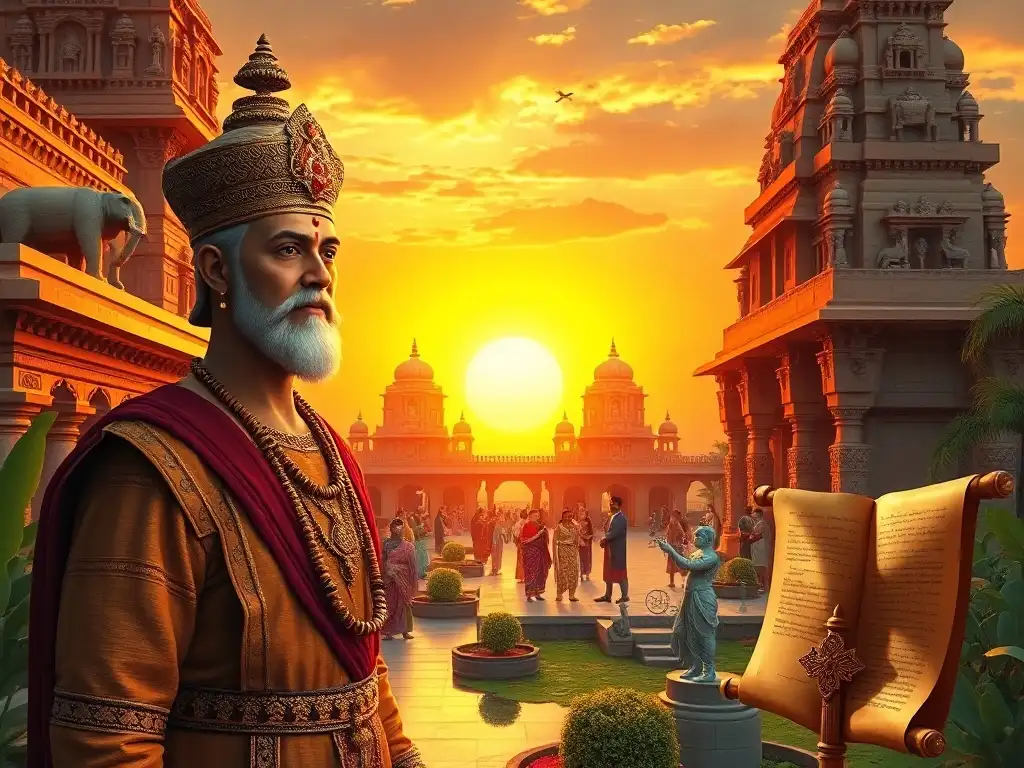
Welcome to Ancient India History, where we embark on a fascinating journey through the rich tapestry of ancient Indian civilizations. Here, we explore the profound cultural, historical, and intellectual contributions that shaped not only India but the entire world. In our featured article, we delve into the Maurya Empire and its significant impact on global history, highlighting the key figures who played pivotal roles in its legacy. What secrets of governance, philosophy, and trade did they unveil? Join us as we uncover the extraordinary influence of the Maurya Empire and its enduring mark on our world.
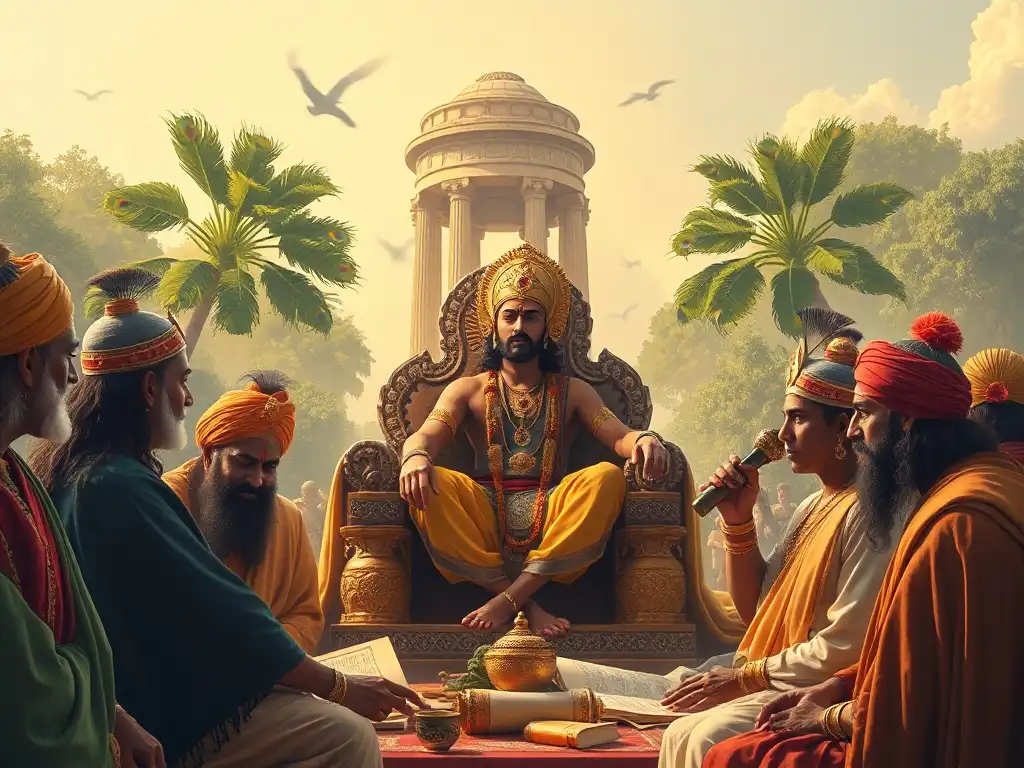
Introduction to the Maurya Empire
The Maurya Empire, one of the most significant and influential empires in ancient India, played a pivotal role in shaping the cultural, political, and economic landscape of the region. Spanning from approximately 322 BCE to 185 BCE, this vast empire not only unified a large part of the Indian subcontinent but also laid the groundwork for various aspects of governance, society, and philosophy that resonate even today. The contributions of the Maurya Empire to global history are substantial, particularly through its key figures who championed various ideologies and administrative reforms that influenced subsequent civilizations.
Overview of the Maurya Empire's Historical Context
The Maurya Empire emerged in a period characterized by fragmentation and regional kingdoms following the decline of the Nanda Dynasty. Chandragupta Maurya, the empire's founder, capitalized on this political instability to establish a centralized state. With its capital at Pataliputra (modern-day Patna), the Maurya Empire expanded through military conquests and strategic alliances, eventually encompassing most of the Indian subcontinent. The empire was marked by its sophisticated administration, agricultural advancements, and a burgeoning trade network that facilitated economic prosperity.
Significance of the Maurya Empire in Global History
The Maurya Empire's significance extends beyond its immediate geographical boundaries. It is credited with introducing concepts of governance and statecraft that influenced neighboring regions, including parts of Southeast Asia. The empire's promotion of trade and cultural exchanges fostered interactions with other civilizations, contributing to a rich tapestry of shared knowledge and ideas.
Furthermore, the reign of Ashoka the Great, one of the most notable rulers of the Maurya Empire, marked a transformative era characterized by the propagation of Buddhism and the establishment of ethical governance principles. Ashoka's edicts, inscribed on pillars and rocks, served as a guide for moral conduct and have been studied for their universal themes of peace and tolerance.
Key Figures of the Maurya Empire
The Maurya Empire is distinguished by several key figures whose actions and ideologies left an indelible mark on not only Indian history but also global historical narratives. Their contributions spanned governance, philosophy, and cultural development, each playing a unique role in shaping the empire's legacy.
Chandragupta Maurya: The Founder of the Empire
Chandragupta Maurya, the empire's founder, is often credited with the unification of India under a centralized authority. His strategic acumen and military prowess enabled him to overthrow the Nanda Dynasty and establish a new order. Chandragupta's collaboration with his advisor, Chanakya, led to the formulation of effective governance practices and economic policies that enhanced the empire's stability and prosperity. His reign set the foundation for future rulers and positioned the Maurya Empire as a formidable power in ancient history.
Ashoka the Great: The Philosopher King
Perhaps the most recognized figure of the Maurya Empire, Ashoka the Great, ascended to the throne after Chandragupta. His reign is noted for a profound transformation following the Kalinga War, which prompted a deep introspection and shift towards Buddhist principles. Ashoka's commitment to non-violence, compassion, and social welfare redefined leadership in ancient India. His edicts, advocating for moral governance and the spread of Buddhism, not only influenced Indian society but also reached far beyond its borders, impacting cultures in Southeast Asia and beyond.
Other Notable Figures in the Maurya Empire
In addition to Chandragupta and Ashoka, the Maurya Empire was home to several other notable figures who contributed to its rich legacy. Figures such as Chanakya (Kautilya), the astute strategist and philosopher, played a crucial role in shaping the political landscape of the empire. His work, the Arthashastra, remains a foundational text on statecraft and economics. Additionally, other rulers and administrators within the empire contributed to advancements in art, architecture, and trade, solidifying the Maurya Empire's status as a beacon of culture and governance in ancient history.
Together, these figures embody the enduring contributions of the Maurya Empire to global history, illustrating its pivotal role in the evolution of political thought, cultural exchange, and ethical governance principles that continue to resonate in modern contexts.
Cultural Contributions of the Maurya Empire
The Maurya Empire, which flourished from approximately 322 to 185 BCE, made significant cultural contributions that have left a lasting impact on global history. This period is marked by advancements in art, architecture, literature, and philosophy, reflecting a complex society that valued cultural expression and intellectual achievements. The empire's cultural achievements not only enriched the Indian subcontinent but also influenced neighboring regions, fostering a legacy that continues to be celebrated today.
Advancements in Art and Architecture
One of the most notable aspects of the Maurya Empire's cultural contributions is the advancement in art and architecture. The period saw the construction of impressive structures, including stupas, pillars, and rock-cut caves, which exemplify the architectural prowess of ancient Indian craftsmen.
- Ashoka's Pillars: Emperor Ashoka, one of the most prominent figures of the Maurya Empire, commissioned a series of pillars that were intricately carved and inscribed with edicts promoting moral governance, non-violence, and social welfare. The most famous of these is the Lion Capital of Ashoka, which is now India's national emblem.
- Stupas: The construction of stupas, particularly the Sanchi Stupa, marked an important development in Buddhist architecture. These dome-shaped structures served as repositories for relics and became focal points for pilgrimage and worship.
- Rock-Cut Caves: The Mauryan period also witnessed the creation of rock-cut caves, such as those at Barabar and Nagarjuni. These caves, used as monastic retreats, reflect sophisticated engineering techniques and artistic expression through intricate carvings and sculptures.
These architectural innovations not only served religious purposes but also demonstrated the empire's wealth and artistic capabilities, influencing subsequent architectural styles in India and beyond.
Contributions to Literature and Philosophy
The Maurya Empire was a significant period for literary and philosophical advancements that shaped Indian thought. This era produced a rich body of literature and philosophical discourse, reflecting diverse ideas and ideologies.
- Kautilya's Arthashastra: One of the most important texts from this period is the Arthashastra, attributed to Kautilya (Chanakya), a scholar and advisor to Chandragupta Maurya. This treatise on statecraft, economics, and military strategy is considered one of the earliest texts on political science and has had a profound influence on later governance and economic theories.
- Buddhist Literature: The Maurya Empire was also pivotal in the spread of Buddhism, which led to the creation of numerous texts that articulated Buddhist philosophy and ethics. The teachings of the Buddha were transcribed into Pali and Sanskrit, forming the foundation for later Buddhist scriptures.
- Philosophical Schools: The period witnessed the flourishing of various philosophical schools, including Jainism and early Hindu philosophical thought, which emphasized concepts such as non-violence, truth, and the pursuit of knowledge. The intellectual debates and writings from this era contributed significantly to the development of Indian philosophy.
These literary and philosophical contributions have not only enriched Indian culture but have also resonated with global intellectual traditions, influencing scholars and thinkers across the world.
The Maurya Empire's Economic Contributions
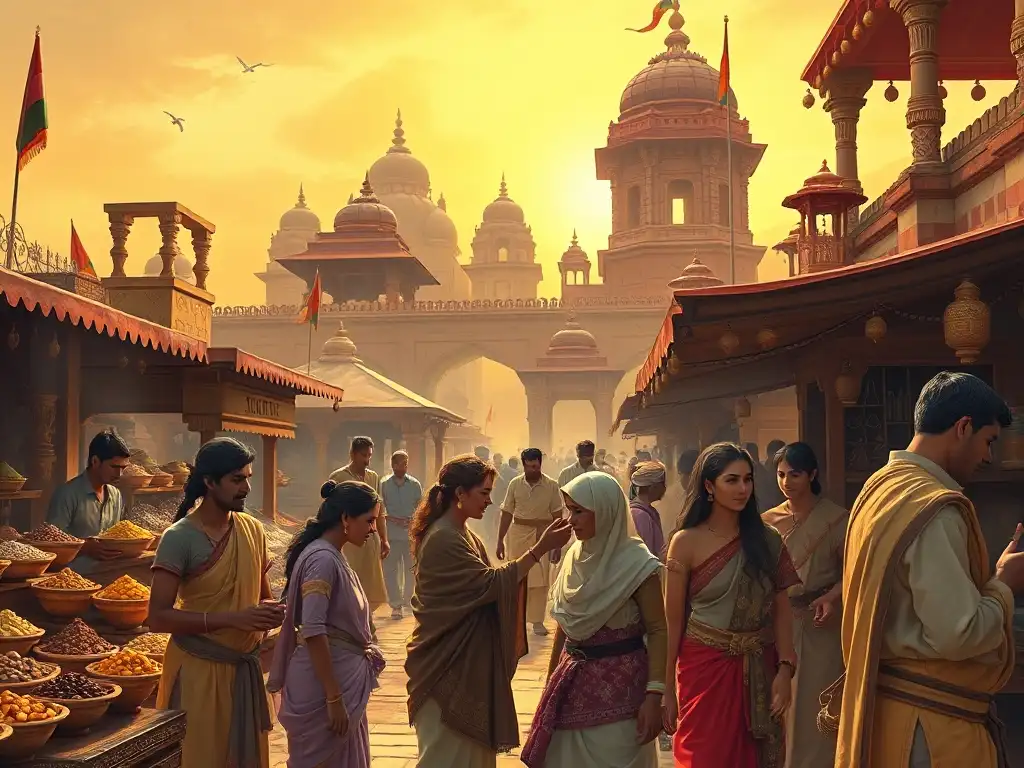
The Maurya Empire played a crucial role in shaping the economic landscape of ancient India and beyond. Its strategic location and advancements in trade and commerce facilitated extensive economic interactions, contributing to the prosperity of the empire and its influence on global trade networks.
Trade and Commerce in the Maurya Empire
Trade and commerce were vital components of the Maurya Empire's economy. The empire established a complex trade network that connected various regions, facilitating the exchange of goods, ideas, and cultures.
- Trade Routes: The Maurya Empire was strategically located along key trade routes that linked India with Central Asia, Persia, and the Mediterranean. This geographical advantage enabled merchants to engage in long-distance trade, exchanging Indian spices, textiles, and precious stones for goods from other regions.
- Market Regulations: The Mauryan administration implemented regulations to promote trade and ensure fair practices. Kautilya's Arthashastra emphasizes the importance of market oversight, taxation, and the establishment of trade guilds, which facilitated organized commerce and protected the interests of merchants.
- Economic Prosperity: The flourishing trade led to economic prosperity, which supported the growth of urban centers and contributed to the empire's wealth. Cities such as Pataliputra became bustling hubs of commerce, attracting traders and artisans.
The Maurya Empire's contributions to trade and commerce laid the groundwork for future economic interactions in the Indian subcontinent and played a significant role in the development of global trade networks, establishing a legacy that endures in contemporary commerce.
The Legacy of the Maurya Empire in Global History
The Maurya Empire, which flourished from 322 to 185 BCE, stands as a monumental chapter in global history. Its influence extends far beyond the geographical boundaries of ancient India, shaping the socio-political and economic landscapes of subsequent civilizations. The empire is renowned for its advanced governance, extensive trade networks, and cultural dissemination, laying the groundwork for future Indian dynasties and influencing neighboring regions. The Maurya Empire’s legacy is characterized by its contributions to political philosophy, commerce, and the promotion of a unifying cultural identity across diverse populations.
Influence on Subsequent Indian Dynasties
The governance model established by the Maurya Empire served as a blueprint for many future Indian dynasties. The introduction of a centralized administration under leaders like Chandragupta Maurya and his grandson Ashoka provided a framework that emphasized the importance of statecraft, law, and order. Subsequent empires, such as the Gupta Empire, adopted and adapted Mauryan principles, leading to a period of stability and prosperity known as the Golden Age of India.
Moreover, the Maurya Empire's emphasis on dharma (moral law) influenced the ethical governance of later rulers, promoting a sense of responsibility towards subjects. This legacy can be seen in the writings of Kautilya, particularly in his work Arthashastra, which discussed statecraft, economic policy, and military strategy, influencing rulers for centuries to come.
The Maurya Empire's Role in Shaping Global Trade Networks
The Maurya Empire played a crucial role in developing trade networks that connected India with regions as far as the Mediterranean and Southeast Asia. Under Chandragupta Maurya, trade flourished, aided by the establishment of safe trade routes and the promotion of commerce. The Mauryan capital, Pataliputra, became a vital hub for merchants, facilitating the exchange of goods such as textiles, spices, and precious stones.
Ashoka’s reign saw further expansion of these trade routes, which integrated India into the larger economic framework of the ancient world. The spread of Buddhism during this period also contributed to trade, as it encouraged cultural exchanges along the Silk Road and maritime routes, fostering interactions with diverse cultures and civilizations.
Lasting Impact on Governance and Political Structures
The Maurya Empire’s innovations in governance had a profound and lasting impact on political structures both within India and beyond. The establishment of a bureaucratic system, with appointed officials overseeing various regions, marked a significant advancement in administrative efficiency. This system allowed for better resource management and law enforcement, which were essential for maintaining order in a vast empire.
Additionally, Ashoka's promotion of ethical governance through his edicts demonstrated a unique approach to statecraft. His focus on non-violence, tolerance, and welfare influenced later political theories and practices, setting a standard for future rulers. The concepts of justice and public responsibility that emerged during the Maurya period resonate in contemporary governance models, showcasing the empire's enduring influence on political thought.
Conclusion
Summary of Key Contributions to Global History
The Maurya Empire's contributions to global history are multifaceted and profound. From establishing a centralized and efficient governance system to fostering extensive trade networks, the empire laid the groundwork for economic and political structures that shaped not only India but also the broader region. Its cultural and philosophical advancements, particularly in Buddhism and ethical governance, have had lasting implications that continue to resonate in contemporary societies.
The Enduring Legacy of the Maurya Empire and Its Key Figures
The legacy of the Maurya Empire is indelibly marked by its key figures, notably Chandragupta Maurya and Ashoka the Great. Their leadership and vision not only transformed India but also left an imprint on global history. The empire’s emphasis on trade, cultural exchanges, and ethical governance reflects a sophisticated society that contributed richly to the tapestry of human civilization. Today, the Maurya Empire serves as a reminder of the power of unity, governance, and cultural heritage in shaping the course of history.
- Introduction to the Maurya Empire
- Key Figures of the Maurya Empire
- Cultural Contributions of the Maurya Empire
- The Maurya Empire's Economic Contributions
- The Legacy of the Maurya Empire in Global History
- Conclusion
- What were the major contributions of the Maurya Empire to global history?
- Who were the key figures in the Maurya Empire?
- How did the Maurya Empire influence trade?
- In what ways did Ashoka contribute to the spread of Buddhism?
- How did the administrative practices of the Maurya Empire impact future civilizations?
Frequently Asked Questions
What were the major contributions of the Maurya Empire to global history?
The Maurya Empire made significant contributions in areas such as administration, trade, and cultural exchange, influencing regions far beyond its borders.
Who were the key figures in the Maurya Empire?
Notable figures include Chandragupta Maurya, the empire's founder, and Ashoka the Great, known for his philosophical and religious contributions, particularly his promotion of Buddhism.
How did the Maurya Empire influence trade?
The Maurya Empire established extensive trade networks that facilitated the exchange of goods, ideas, and cultures, helping to shape global commerce in ancient times.
In what ways did Ashoka contribute to the spread of Buddhism?
Ashoka the Great played a crucial role in the dissemination of Buddhism by sending missionaries across Asia and promoting the religion through edicts and architecture.
How did the administrative practices of the Maurya Empire impact future civilizations?
The administrative systems developed during the Maurya Empire, such as a centralized bureaucracy and efficient taxation, laid the groundwork for future governance in various civilizations.
Final Reflection: The Lasting Legacy of the Maurya Empire in Global History
The contributions of the Maurya Empire to global history resonate powerfully in our contemporary world, reminding us of the profound impact that ancient civilizations can have on modern society. As we explore the achievements of key figures like Ashoka and Chandragupta Maurya, we uncover not only their historical significance but also the timeless values of governance, ethics, and cultural exchange that continue to shape our global narrative today. The legacy of the Maurya Empire serves as a striking reminder that the lessons of the past are not merely relics but vital components of our ongoing journey.
The influence of the Maurya Empire extends beyond its geographical boundaries, enriching the cultural and social landscape of the world. In reflecting on this remarkable empire, we recognize how its principles of non-violence, religious tolerance, and administrative innovation have left an indelible mark on societies across the globe. As Mahatma Gandhi once said, "> The greatness of a nation and its moral progress can be judged by the way its animals are treated." This quote encapsulates the essence of Ashoka's commitment to compassion and ethical governance, principles that remain relevant as we navigate the complexities of modern civilization.
As we conclude our exploration of the Maurya Empire's contributions, I invite you to reflect on how these ancient lessons can be applied in your own life. Consider how the values of leadership, empathy, and cultural understanding can guide your actions and decisions today. Let the legacy of the Maurya Empire inspire you to contribute positively to your community and the world, fostering a spirit of cooperation and respect that transcends borders and time. Together, we can honor the past while shaping a brighter future.
Embrace the Legacy: Take Action Today!
Thank you for exploring the remarkable contributions of the Maurya Empire and its pivotal figures in shaping global history. Your interest not only enriches your understanding but also honors the extraordinary achievements of this era. Now, it's time to transform that knowledge into action!
Here’s how you can engage further:
- Explore the History: Delve deeper into the lives of key figures from the Maurya Empire by reading articles about **Ancient Indian history** to gain new insights.
- Share the Knowledge: Discuss what you've learned with friends or family, and inspire them to discover the fascinating past of the Maurya Empire.
- Join the Community: Connect with other history enthusiasts on forums or social media platforms to discuss the impact of the Maurya Empire on today’s world.
What aspect of the Maurya Empire's legacy resonates most with you, and how do you think it influences our lives today?