
Women in the Maurya Empire: Their Role and Status in Governance

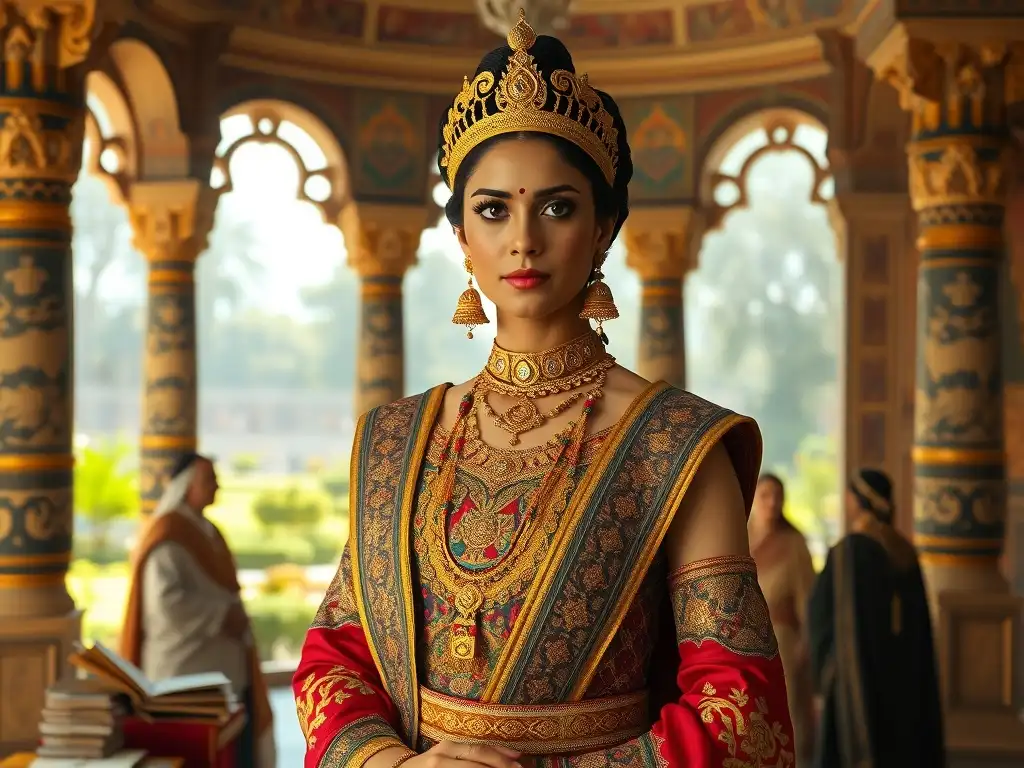
Welcome to Ancient India History, where we embark on a fascinating journey through the rich tapestry of India's past. Today, we delve into a captivating yet often overlooked aspect of ancient governance: Women in the Maurya Empire. Explore how these remarkable women not only influenced the corridors of power but also played pivotal roles in shaping the political landscape of their time.
What secrets lie in their stories, and how did their contributions redefine societal norms? Join us as we uncover the profound impact of women in governance during this remarkable era of the Maurya Empire. Your adventure into the depths of history begins now!
- Women in the Maurya Empire Governance: An Overview
-
Frequently Asked Questions
- What was the role of women in the governance of the Maurya Empire?
- Did women hold any official positions in the Maurya Empire?
- How did societal norms affect women's roles in the Maurya Empire?
- Were there any notable women leaders during the Maurya Empire?
- How did the status of women in the Maurya Empire compare to other ancient civilizations?
- Final Reflection: The Enduring Legacy of Women in Maurya Empire Governance
- Empower Your Knowledge: Take Action Now!
Women in the Maurya Empire Governance: An Overview
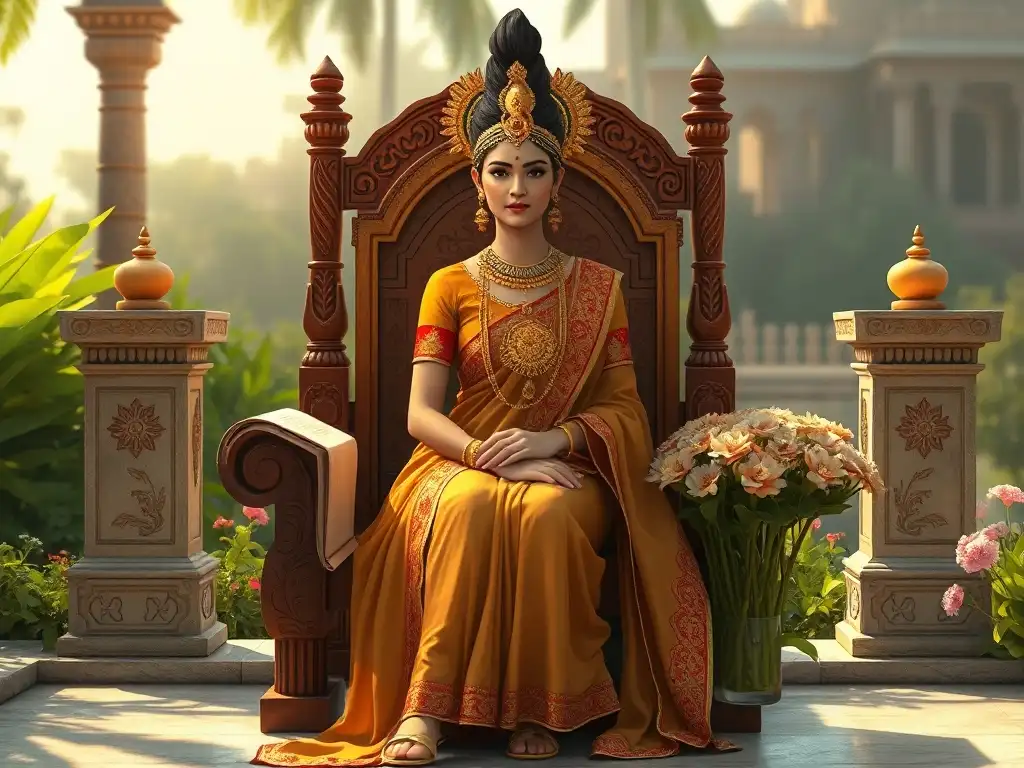
The Maurya Empire, which flourished from approximately 322 to 185 BCE, represents one of the most significant periods in ancient Indian history. Renowned for its vast territorial expanse and sophisticated administration, the empire also had a notable, albeit often overlooked, aspect: the role of women in governance. While historical narratives predominantly spotlight male rulers and warriors, it is imperative to explore how women contributed to political life and decision-making processes within this formidable empire.
By delving into the intricacies of women's roles, we uncover a rich tapestry of influence and authority that challenges conventional perceptions of gender dynamics in ancient civilizations. This article aims to investigate the multifaceted roles women played in Mauryan governance, highlighting their contributions, status, and the broader societal implications of their involvement.
Understanding the Maurya Empire
Historical Context of the Maurya Empire
The Maurya Empire emerged in a period marked by political fragmentation and social upheaval in ancient India. Founded by Chandragupta Maurya after overthrowing the Nanda Dynasty, the empire quickly expanded under the strategic leadership of Chandragupta and later his grandson, Ashoka the Great. The Maurya Empire is distinguished by its administrative innovations, economic prosperity, and cultural advancements, which laid the groundwork for future Indian states.
- Key Features of the Maurya Empire:
- Territorial Expansion: At its zenith, the empire covered much of the Indian subcontinent.
- Administrative Reforms: The establishment of a centralized bureaucratic system that facilitated governance across diverse regions.
- Cultural Flourishing: The promotion of art, architecture, and philosophy, particularly during Ashoka's reign, who embraced Buddhism and its principles of peace and tolerance.
Key Figures in the Maurya Empire
The Maurya Empire is often associated with a few key figures whose legacies shaped its governance structure. These include:
- Chandragupta Maurya: The founder of the empire, known for his military prowess and political acumen.
- Chanakya (Kautilya): A philosopher and strategist, credited with authoring the Arthashastra, a treatise on statecraft and economic policy.
- Ashoka the Great: Renowned for his transformation from a conqueror to a proponent of Buddhism, he emphasized moral governance and welfare.
The Role of Women in Governance
Women as Influencers in Political Decisions
While historical texts primarily highlight male figures, women in the Maurya Empire played crucial roles behind the scenes, influencing political decisions and shaping governance. Women from royal families often acted as advisors, and their opinions were sought in matters of statecraft. The presence of women in political spheres can be characterized by:
- Advisory Roles: Women often served as confidantes and advisors to male rulers, leveraging their familial ties to influence governance.
- Diplomatic Engagements: Women were sometimes involved in diplomatic negotiations, using marriage alliances to strengthen political ties.
- Cultural Influence: The moral and ethical standards upheld by women often guided the decision-making processes of their male counterparts.
Notable Women in Mauryan Administration
Several women from the Maurya Empire have been documented as significant figures in administration and governance. These women not only held power but also exemplified the agency women could exercise in a patriarchal society.
- Examples of Notable Women:
- Queen Durdhara: Wife of Chandragupta, her support was pivotal during the early consolidation of power.
- Ashoka's Queens: Various queens during Ashoka's reign played essential roles in promoting Buddhist values and welfare initiatives.
Through this exploration of the Maurya Empire, we can appreciate the nuanced and impactful role of women in governance, revealing their contributions to the political landscape of ancient India.
Status of Women in the Maurya Empire
The status of women in the Maurya Empire (c. 322–185 BCE) was multifaceted, shaped by social, cultural, and economic factors. Women in this ancient civilization experienced varied roles, from domestic responsibilities to participation in governance, depending on their social status and the prevailing norms of the time. While the patriarchal structure was dominant, historical records suggest that women held a more complex position than mere subservience.
The Maurya Empire, known for its significant political and cultural advancements, reflected a diverse array of practices regarding women's rights and societal roles. In urban centers, women often engaged in trade and crafts, contributing to the economy, while in rural settings, their roles were largely tied to agriculture and household management. Despite the limitations imposed by patriarchal norms, some women exercised considerable influence, particularly in elite circles.
Social Hierarchy and Women's Roles
Women in the Maurya Empire were categorized within a complex social hierarchy that included various castes and classes. Their roles were largely dictated by their social standing, with higher caste women enjoying more privileges compared to those from lower strata.
- Upper Caste Women: These women often had access to education and could participate in cultural activities. They were sometimes involved in political matters, especially as queens or noblewomen.
- Lower Caste Women: Generally confined to domestic roles, these women had limited educational opportunities and worked primarily in agriculture or trades.
Despite these distinctions, women across different strata contributed to their families and communities. Some were known to manage family businesses, while others engaged in ritualistic and religious duties which were highly respected.
Legal Rights and Restrictions for Women
The legal framework governing women's rights in the Maurya Empire was largely influenced by Vedic texts and local customs. Women had certain rights but faced significant restrictions that often limited their autonomy.
- Marriage and Property: Women were typically expected to marry and manage households. Upon marriage, a woman's property often became her husband's, reducing her financial independence. However, some legal texts suggest that women could inherit property in certain circumstances.
- Divorce and Remarriage: The ability to initiate divorce varied, with women generally having less power than men in this regard. Remarriage was often frowned upon, especially for widows, reflecting societal attitudes toward female chastity and loyalty.
Overall, while some legal rights existed, they were frequently overshadowed by the societal constraints imposed on women.
Women in Maurya Empire Leadership Positions
Despite the challenges faced in the socio-legal landscape, women in the Maurya Empire did occupy leadership positions, particularly in royal families and advisory roles. Their influence in governance, though often indirect, was significant in shaping policies and decisions.
Queens and Their Political Influence
Queens in the Maurya Empire were pivotal figures, often wielding considerable political power alongside their husbands or as regents for their sons. Notably, figures like Empress Chandragupta Maurya's wife played essential roles in supporting the administration and governance through strategic marriages and alliances.
- Regency: In instances where kings were away or incapacitated, queens often assumed regency duties, managing state affairs and maintaining stability. Their political acumen was critical in navigating challenges and ensuring continuity of governance.
- Cultural Patrons: Many queens were patrons of arts and religion, which further solidified their influence. By funding temples and cultural initiatives, they enhanced their status and reinforced their roles as leaders in society.
Women's Councils and Advisory Roles
In addition to queens, women participated in governance through councils and advisory roles, reflecting their influence in the political sphere. These councils often included women from noble families who provided insights and counsel on various matters.
- Advisory Councils: Women's councils might have contributed to discussions on social and economic policies, although specific historical details are scarce. Their involvement suggests a recognition of women's perspectives in governance.
- Community Leadership: Women often acted as community leaders, representing the interests of their families and clans, and influencing local governance. This grassroots involvement highlighted the crucial role women played in the societal framework of the Maurya Empire.
While the Maurya Empire was predominantly patriarchal, women exhibited resilience and adaptability, navigating their roles in governance and leadership, which ultimately contributed to the empire's administration and cultural richness.
Cultural Perspectives on Women in Governance
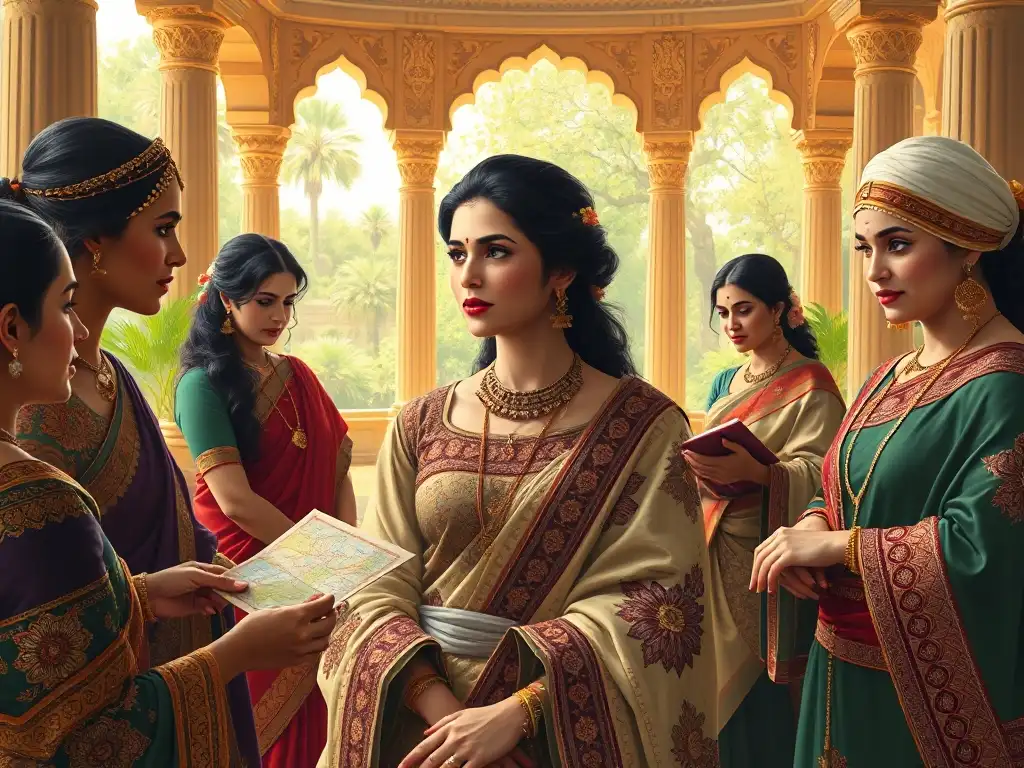
The role of women in governance during the Maurya Empire is often intertwined with the cultural narratives and societal norms of the time. Women were recognized not only as influential figures within their households but also as significant contributors to the political landscape. The Maurya Empire, with its vast administrative structure, provided opportunities for women to emerge as advisers, diplomats, and even rulers in certain contexts. Cultural texts and historical records suggest that women were often viewed through a dual lens: as caretakers of family and society, and as potential wielders of political power.
The recognition of women's roles in governance can be seen in the writings of ancient scholars, who acknowledged the intelligence and capabilities of women in administrative matters. This cultural perspective helped shape a society where, despite prevailing patriarchal norms, women could wield influence, particularly in royal families. The powerful positions held by queens and empresses, such as the influential role of Chandragupta Maurya’s wife, reflect a nuanced understanding of women's governance capabilities.
Representation of Women in Mauryan Literature
Mauryan literature offers valuable insights into the representation of women in governance, highlighting their roles and significance in political affairs. Ancient texts, such as Arthashastra by Kautilya, discuss the importance of women in statecraft, emphasizing their participation in decision-making processes. The literature often portrays women as wise and astute, capable of influencing political outcomes and contributing to the administration of justice.
Moreover, narratives from this period reveal instances where women acted as regents or advisors, especially in times of transition or instability. The portrayal of women in these texts not only reflects their status but also serves as a commentary on the complexities of gender roles in governance. The presence of female characters in political narratives indicates an acknowledgment of their contributions and a recognition of their potential to impact governance.
Artistic Depictions of Women in Power
Artistic representations from the Maurya period further illustrate the perception of women in governance. Sculptures, paintings, and coins often depicted powerful women, showcasing their status and influence. For instance, the carvings found in ancient stupas sometimes feature queens and goddesses in regal attire, symbolizing divine authority and governance.
These artistic depictions served not only as a reflection of the societal values of the time but also reinforced the idea of women as integral to the political landscape. They provided a visual narrative that celebrated female power and authority, challenging the strictly hierarchical views that often dominated historical interpretations of governance.
Challenges Faced by Women in Governance
Despite the significant roles women could assume in the Maurya Empire's governance, they faced numerous challenges that limited their political participation. These challenges were deeply rooted in societal expectations and historical biases, which often relegated women to secondary positions in political matters.
Societal Expectations and Gender Norms
The societal expectations in ancient India imposed strict gender norms that constrained women's involvement in governance. Traditional views often emphasized domestic roles for women, prioritizing their responsibilities as wives and mothers over their potential contributions to public life. Such norms not only marginalized women's political agency but also influenced how they were perceived within the administrative framework.
Women who sought to engage in governance often had to navigate a complex landscape of expectations. The pressure to conform to traditional roles could deter them from pursuing political ambitions, and those who did challenge these norms often faced scrutiny and resistance from male counterparts and society at large. This tension between societal expectations and individual aspirations created a challenging environment for women in governance.
Limitations in Political Participation
Political participation for women in the Maurya Empire was often limited by legal and institutional barriers. Although some women held influential positions, such as queens or advisors, these roles were frequently contingent upon their relationships with male rulers rather than a reflection of their own political agency. Consequently, women's access to power was often indirect, reliant on familial connections or marital ties.
Moreover, the lack of formal recognition for women's rights in political discourse further hindered their ability to influence governance effectively. The absence of supportive structures or institutions that promoted women's political participation meant that their roles were often confined to informal influence rather than formal authority. This limitation in political participation underscores the complexities of women's status in the Maurya Empire and highlights the need for a deeper understanding of the societal structures that shaped their experiences in governance.
Conclusion: The Legacy of Women in Maurya Empire Governance
The role of women in the governance of the Maurya Empire is a multifaceted aspect of ancient Indian history that reveals much about the social and political fabric of the time. Although historical records primarily highlight male figures in leadership roles, recent studies and archaeological findings suggest that women held significant positions and exerted considerable influence within the political sphere. Their contributions, often overlooked, are critical in understanding the complexities of governance during this era.
Women in the Maurya Empire were not merely relegated to domestic roles; they actively participated in governance, diplomacy, and even military affairs. Figures such as Chandragupta Maurya's mother and the legendary queen, Durdhara, exemplify the vital roles women played in influencing political decisions and shaping state policies. Their involvement laid a foundation for future generations of women, illustrating that female leadership was not entirely absent from ancient Indian governance.
Lasting Impact on Future Generations
The legacy of women in Maurya Empire governance extends beyond their immediate contributions. Their active participation in political matters set a precedent that would resonate through subsequent dynasties in ancient India. This influence is evident in later historical periods, where women like Razia Sultana and the queens of the Mughal Empire demonstrated that women could ascend to power and govern effectively.
Moreover, the recognition of women's roles in governance during the Maurya Empire has encouraged contemporary scholars to reevaluate historical narratives that often marginalize female contributions. This shift not only enriches our understanding of ancient Indian history but also serves as an inspiration for modern discussions about gender equality in governance. The acknowledgment of women’s influence in the Maurya Empire encourages a broader examination of women's rights and leadership roles throughout history and into the present day.
Reflections on Women's Roles in Ancient Indian Governance
Reflecting on the roles of women in the governance of the Maurya Empire prompts a reassessment of societal norms during this period. While traditional narratives have often emphasized patriarchal structures, it is essential to recognize the agency that women exercised within these frameworks. This recognition challenges the simplistic view of ancient societies as uniformly oppressive towards women and instead highlights a more nuanced understanding of their capabilities and contributions.
Women in the Maurya Empire engaged in various forms of governance, whether through advisory roles, administrative positions, or direct involvement in state affairs. Their experiences reveal that governance was not solely the domain of men, but rather a collaborative process that included diverse voices.
As we explore the legacies of these women, we gain insight into the complexities of ancient Indian political life and the evolving role of women in governance. Ultimately, the story of women in the Maurya Empire serves as a reminder of the importance of inclusive historical narratives that celebrate diverse contributions to governance and society as a whole.
Frequently Asked Questions
What was the role of women in the governance of the Maurya Empire?
Women in the Maurya Empire played significant roles, often influencing political decisions and acting as advisors to male rulers, highlighting their importance in governance.
Did women hold any official positions in the Maurya Empire?
While women did not typically hold formal governmental positions, they were often involved in royal courts and could wield considerable influence behind the scenes.
How did societal norms affect women's roles in the Maurya Empire?
Societal norms in the Maurya Empire were complex; while women had limited rights, those from royal families could engage in governance and politics, showcasing a dual structure in their status.
Were there any notable women leaders during the Maurya Empire?
Yes, women like Vasavadatta, the wife of King Bimbisara, are known to have played significant roles, serving as political allies and contributing to state affairs during the Maurya period.
How did the status of women in the Maurya Empire compare to other ancient civilizations?
Compared to other ancient civilizations, women in the Maurya Empire enjoyed relatively more freedom and influence, particularly among the elite, although they still faced patriarchal limitations.
Final Reflection: The Enduring Legacy of Women in Maurya Empire Governance
The exploration of women's roles in the governance of the Maurya Empire reveals a profound truth about their influence and significance in shaping political landscapes. Today, as we navigate discussions around gender equality and women's empowerment, understanding the historical context of women's contributions in governance becomes increasingly relevant. The legacy of women in the Maurya Empire serves as a powerful reminder that women's voices have always been integral to leadership and decision-making, challenging the notion that their involvement is a modern phenomenon.
Clearly, the impact of women in the Maurya Empire extends beyond historical records; it resonates within our contemporary cultural and social frameworks. Their participation in governance not only highlights their capabilities but also inspires current movements advocating for women's rights and representation. As we reflect on this, we can recall the words of historian Romila Thapar: The role of women in history is often overlooked, yet their contributions are pivotal in understanding the complexities of governance.
This observation underscores the necessity of recognizing and celebrating the multifaceted roles women have played throughout history, which continues to influence our societal structures today.
It is essential for us to reflect on the lessons learned from the past and consider how we can apply them in our lives. As we strive for a more equitable society, let us take inspiration from the women of the Maurya Empire and advocate for women's voices to be heard in all spheres of governance. I invite you to reflect on the ways you can support and uplift women's leadership in your community, ensuring that the legacy of these remarkable women continues to inspire future generations.
Empower Your Knowledge: Take Action Now!
Thank you for exploring the fascinating world of women in the Maurya Empire! We hope you’ve gained valuable insights into their crucial roles and influence in governance. Now, it's time to put that knowledge into action and delve even deeper!
- Join a community discussion: Connect with others who are passionate about ancient history by participating in our online forum. Share your thoughts and learn from fellow history enthusiasts.
- Read more: Discover articles that examine the impact of women in various ancient civilizations to enrich your understanding of their contributions throughout history.
- Create an informative post: Write about your key takeaways from this article and share it on your social media or blog to inspire others to explore the hidden histories of women.
What aspects of women’s roles in governance during the Maurya Empire surprised you the most? We invite you to share your thoughts in the comments below!