
Agricultural Innovations in Ancient India: Contributions to World Civilization

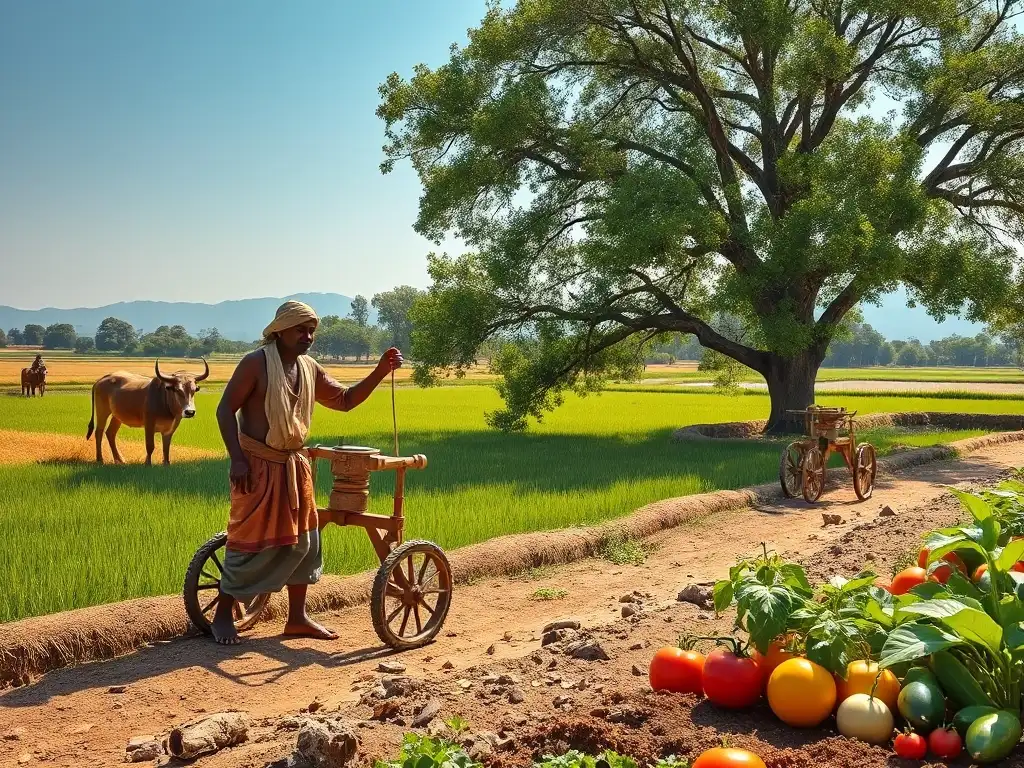
Welcome to Ancient India History, where we delve into the rich tapestry of a civilization that has shaped the world in countless ways. In this exploration, we invite you to uncover the remarkable agricultural innovations that emerged from ancient Indian societies, laying the groundwork for modern farming practices and contributing significantly to world civilization. What groundbreaking techniques did they develop, and how did these innovations transform the landscape of agriculture? Join us on this journey to unravel the fascinating story of ancient Indian ingenuity that continues to inspire and inform our present and future.
- Introduction to Agricultural Innovations in Ancient India
- Key Ancient Indian Agricultural Innovations
- Tools and Techniques of Ancient Indian Agriculture
- The Influence of Ancient Indian Agricultural Innovations on World Civilization
- Conclusion: Legacy of Ancient Indian Agricultural Innovations
- References and Further Reading
-
Frequently Asked Questions
- What were some key agricultural innovations in ancient India?
- How did ancient Indian agriculture contribute to world civilization?
- What role did the Indus Valley Civilization play in agricultural advancements?
- How did the Gupta Empire influence agricultural practices?
- Are there any notable ancient texts that discuss agriculture in India?
- Final Reflection: The Enduring Legacy of Ancient Indian Agricultural Innovations
- Unveil the Ancient Wisdom: Take Action Today!
Introduction to Agricultural Innovations in Ancient India
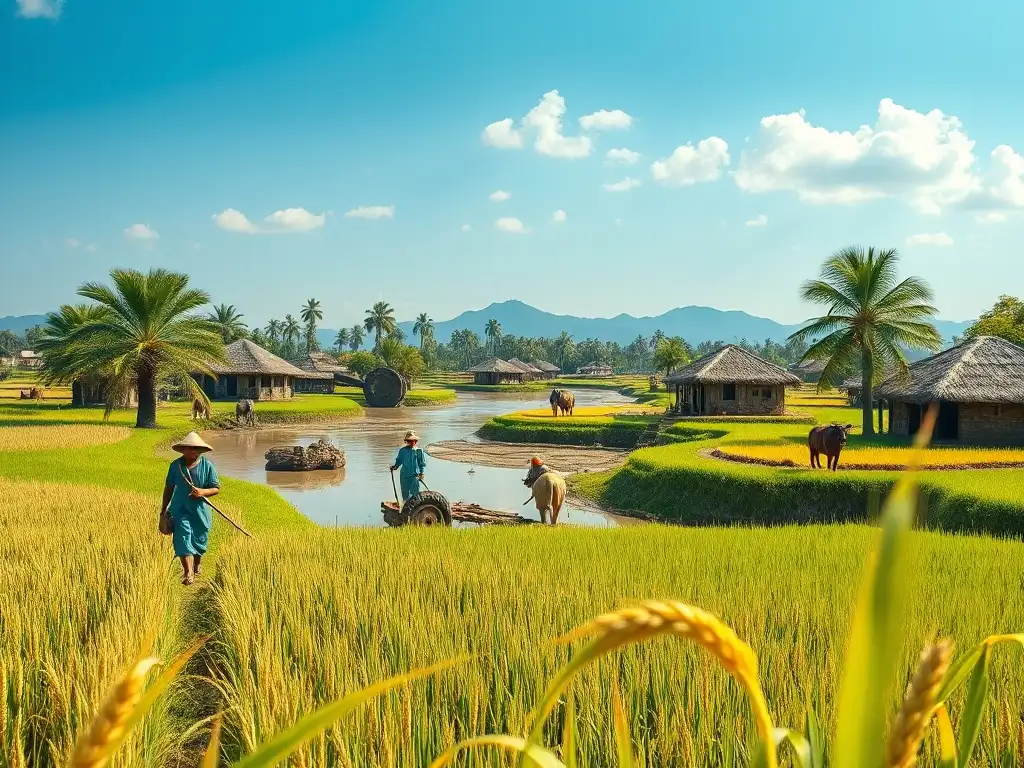
Agriculture in ancient India was not just a means of sustenance; it was the backbone of one of the world's earliest and most advanced civilizations. The innovations that emerged from this period laid a crucial foundation for agricultural practices globally, influencing techniques, crop varieties, and societal structures.
From the sophisticated irrigation systems of the Indus Valley to the crop rotations practiced during the Gupta Empire, ancient Indian agricultural innovations played a pivotal role in shaping not only local economies but also contributing significantly to world civilization. This article delves into the remarkable agricultural advancements of ancient India, examining their historical context, impact on society, and lasting legacy.
Overview of Ancient Indian Agricultural Practices
Ancient Indian agricultural practices were deeply intertwined with the region's diverse geography and climate. Fertile plains, river valleys, and monsoon rains created ideal conditions for farming, leading to the cultivation of a variety of crops.
-
Key Crops:
Ancient Indians cultivated staples such as rice, wheat, barley, and pulses. The domestication of these crops marked a significant shift from foraging to settled agricultural practices.
-
Irrigation Techniques:
Farmers implemented advanced irrigation systems, utilizing rivers and canals to enhance crop yields. The Indus Valley Civilization is particularly noted for its sophisticated drainage and irrigation networks, which optimized water management.
-
Crop Rotation and Fertility Management:
Farmers practiced crop rotation and used organic fertilizers to maintain soil fertility. These techniques not only improved yields but also ensured the sustainability of agricultural land.
Importance of Agriculture in Ancient Indian Civilization
Agriculture was central to the economic and social fabric of ancient Indian civilization. Its significance can be observed in various aspects:
-
Economic Prosperity:
The surplus produced through agricultural innovations fueled trade, both within and beyond the subcontinent. Ancient India became a hub for agricultural products, leading to prosperous economies.
-
Cultural Development:
Agricultural festivals and rituals were integral to ancient Indian culture. They celebrated the harvest and honored the deities associated with fertility and agriculture, reinforcing the community's connection to the land.
-
Social Structure:
The agricultural economy influenced social hierarchies and the distribution of wealth. Land ownership became a critical factor in determining social status, leading to the establishment of classes within society.
-
Technological Advancements:
The challenges faced in agriculture spurred innovation. Tools such as the plow were refined, while methods for pest control and seed selection emerged, showcasing the ingenuity of ancient Indian farmers.
The agricultural innovations of ancient India were not merely practical solutions to farming challenges; they were fundamental to the civilization's growth and development. Understanding these practices offers valuable insights into how ancient Indian societies thrived and contributed to the broader narrative of global agricultural history.
Key Ancient Indian Agricultural Innovations
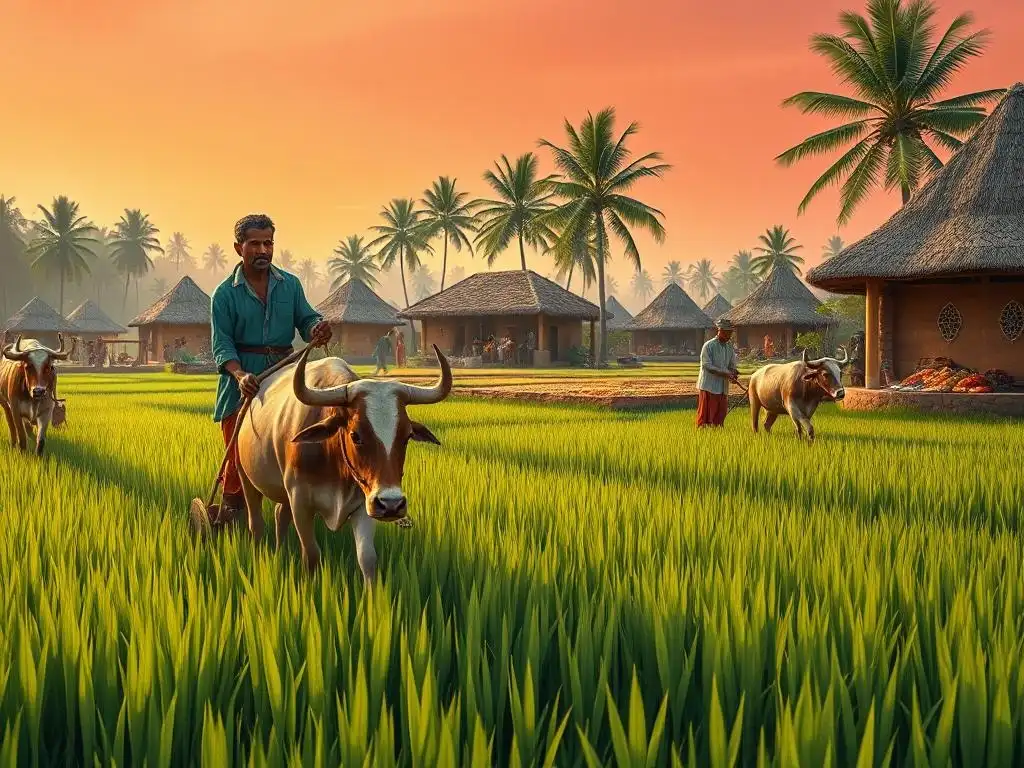
Ancient Indian agricultural innovations played a pivotal role in shaping not only the subcontinent's economy but also the foundations of agricultural practices worldwide. These innovations emerged from the necessity to adapt to diverse climatic conditions and the need for sustainable farming practices. The ingenuity of ancient Indian farmers led to several groundbreaking techniques that significantly increased agricultural productivity and laid the groundwork for modern practices. Here, we delve into some of the key innovations that defined ancient Indian agriculture.
Development of Irrigation Systems in Ancient India
One of the most significant advancements in ancient Indian agriculture was the development of sophisticated irrigation systems. The Indus Valley Civilization (c. 3300–1300 BCE) is particularly notable for its extensive network of canals and reservoirs. These systems enabled the effective management of water resources, which was crucial for farming in the arid regions of northern India.
- Canal Systems: Archaeological evidence shows that canals were constructed to divert river water to fields, supporting the cultivation of crops such as wheat and barley.
- Water Harvesting: Ancient Indians practiced water harvesting techniques, such as the construction of step wells and tanks, to capture and store rainwater. This practice ensured a reliable water supply during dry periods.
- Technological Innovations: The use of simple yet effective tools, like the potter's wheel to create water storage vessels, facilitated better water management and distribution.
Overall, the advanced irrigation systems not only increased agricultural yields but also supported urban development by enabling the growth of cities around fertile agricultural lands.
Crop Rotation Techniques in Ancient Indian Agriculture
Crop rotation emerged as a vital practice in ancient Indian agriculture, allowing farmers to maintain soil fertility and reduce pest infestations. This technique involved alternating the cultivation of different crops in the same field across seasons.
- Benefits of Crop Rotation:
- Soil Health: Different crops have varying nutrient requirements and pest resistance, leading to healthier soil and reduced reliance on fertilizers.
- Diverse Production: By rotating crops, farmers could produce a variety of food items, enhancing diet diversity and resilience against crop failures.
- Sustainability: The practice of crop rotation contributed to sustainable agriculture, ensuring that land remained productive over long periods.
Historical texts, such as the Arthashastra by Kautilya, mention the importance of crop diversification, indicating that this practice was well understood in ancient Indian agronomy.
Introduction of New Crops and Varieties
Ancient Indian civilization was also characterized by the introduction of various new crops and varieties, which contributed significantly to agricultural diversity and food security.
- Hybridization and Selection: Ancient farmers practiced selective breeding to enhance crop characteristics such as yield, taste, and resistance to diseases.
- Introduction of Crops: Notable crops introduced and cultivated in ancient India include:
- Rice: Adapted to various climatic conditions, rice became a staple food in many regions.
- Millets: Varieties like finger millet and pearl millet were cultivated for their resilience in arid climates.
- Legumes: Pulses such as lentils and chickpeas were integrated into farming systems, providing essential protein sources and enriching soil nitrogen.
These innovations not only improved food availability but also influenced trade networks, as surplus crops were exchanged with neighboring regions, fostering economic growth and cultural exchanges.
The agricultural innovations of ancient India reveal a profound understanding of farming practices that went beyond simple cultivation. The development of irrigation systems, crop rotation techniques, and the introduction of new crops collectively laid the foundations for sustainable agricultural practices that continue to influence modern agriculture today.
Tools and Techniques of Ancient Indian Agriculture
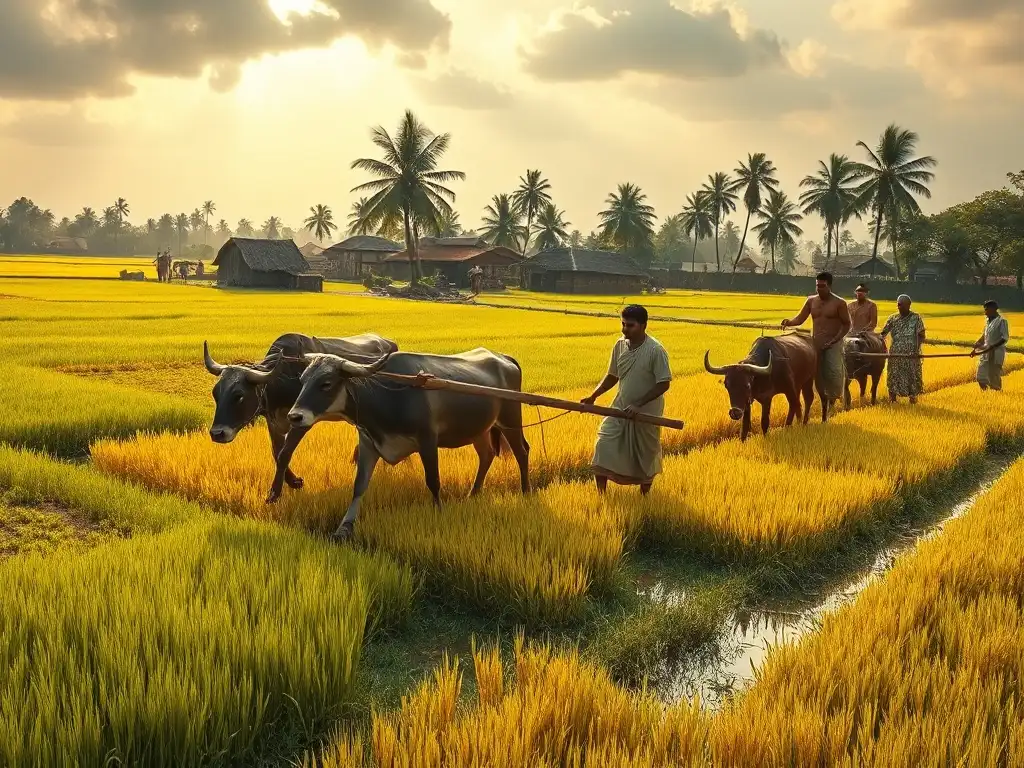
Ancient Indian agriculture was characterized by a range of innovative tools and techniques that significantly enhanced productivity and sustainability. The agricultural practices of this era laid the groundwork for modern farming techniques and contributed to the overall development of civilization.
Traditional Farming Implements Used in Ancient India
The early farmers of ancient India utilized a variety of traditional implements, each designed for specific tasks. Some of the most notable tools included:
- Ploughs (Yoke):
- Material: Typically made from wood, the plough was a vital tool for turning the soil and preparing it for sowing.
- Types: There were various designs, including the wooden plough and the iron plough, which emerged later, enhancing efficiency.
- Sickles:
- Function: Used for harvesting crops, sickles were crafted from metal or sharpened stones, allowing for swift collection of grains.
- Hoers and Spades:
- Usage: Essential for tilling and breaking up soil, these tools helped improve aeration and soil structure.
- Seed Drills:
- Innovation: Some ancient Indian farmers developed early versions of seed drills to sow seeds at regular intervals and depths, ensuring better germination rates.
These tools were crucial in transforming the way agriculture was practiced, promoting a shift from subsistence to more commercial farming practices.
The Role of Animal Husbandry in Agricultural Innovations
Animal husbandry played a critical role in enhancing agricultural productivity in ancient India. The domestication of animals not only provided labor but also contributed to sustainable farming practices.
- Draft Animals:
- Common Species: Oxen and buffaloes were commonly used as draft animals to pull ploughs, significantly reducing the manual labor required for farming.
- Manure Production:
- Natural Fertilizers: Livestock waste served as an essential source of organic manure, enriching the soil and promoting healthy crop growth.
- Dairy Products:
- Nutrition and Economy: The domestication of cows and goats provided milk and other dairy products, which were crucial for nutrition and trade.
- Animal Breeding:
- Selective Breeding: Farmers practiced selective breeding to enhance desirable traits in livestock, leading to improved productivity and resilience.
This integration of animal husbandry with crop production showcased the innovative practices of ancient Indian farmers, fostering a harmonious relationship between agriculture and livestock.
Use of Fertilizers and Organic Manure in Ancient Indian Farming
Ancient Indian agricultural practices were notably advanced in their use of fertilizers and organic manure, which played a fundamental role in sustaining soil fertility.
- Organic Fertilizers:
- Types: Farmers utilized various organic materials such as cow dung, compost, and green manure to enrich the soil.
- Benefits: These natural fertilizers improved soil structure, enhanced microbial activity, and promoted healthy crop growth.
- Crop Rotation:
- Sustainability: Ancient Indian farmers practiced crop rotation to maintain soil fertility and prevent nutrient depletion. By alternating crops, they ensured that different nutrients were utilized effectively.
- Intercropping:
- Diversity: Planting different crops in proximity allowed farmers to maximize yields and promote biodiversity, further enhancing soil health.
- Use of Natural Resources:
- Water Management: Ancient irrigation techniques, such as the construction of wells and canals, complemented the use of organic fertilizers by ensuring adequate moisture for crops.
These practices not only optimized agricultural output but also demonstrated a profound understanding of ecological balance, setting a precedent for sustainable farming methods that resonate in modern agriculture today.
The Influence of Ancient Indian Agricultural Innovations on World Civilization
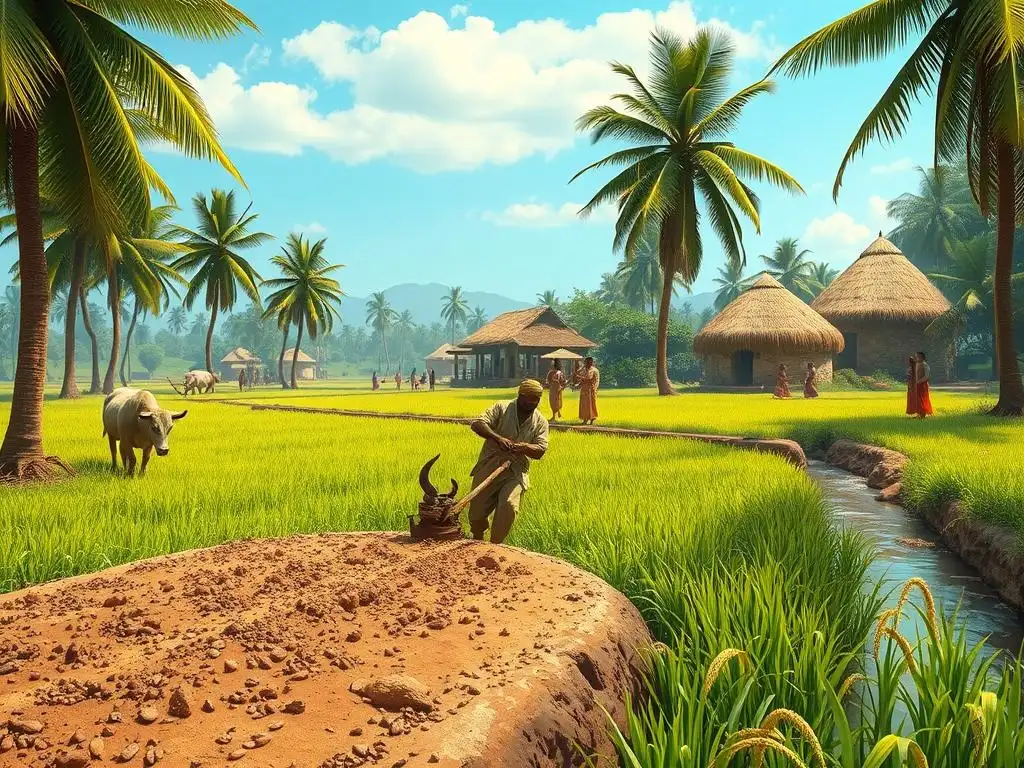
Spread of Agricultural Techniques from Ancient India to Other Civilizations
Ancient Indian agricultural innovations significantly influenced farming practices not only within the subcontinent but also across various regions of the world. The Indus Valley Civilization (circa 2500-1900 BCE) is often credited with pioneering advanced agricultural techniques, including irrigation, crop rotation, and the use of tools such as plows. Here are some key points regarding the spread of these techniques:
- Irrigation Systems: The development of intricate irrigation systems allowed for the cultivation of crops in arid regions. These methods spread to neighboring regions, including Persia and Mesopotamia, where similar irrigation practices were adopted.
- Crop Rotation: Ancient Indian farmers practiced crop rotation, enhancing soil fertility and preventing the depletion of nutrients. This technique later influenced agricultural practices in the Mediterranean and beyond.
- Trade Networks: The extensive trade networks established by ancient Indian civilizations facilitated the exchange of agricultural knowledge. Merchants and travelers carried innovative farming techniques to places like Southeast Asia and Africa, showcasing the interconnectedness of ancient agricultural practices.
The Mauryan Empire (322-185 BCE) further encouraged agricultural expansion by promoting techniques that improved yields, which were then disseminated through its vast trade routes.
Impact of Ancient Indian Innovations on Global Crop Diversity
The agricultural practices of ancient India contributed significantly to global crop diversity, introducing various staple crops that are foundational to many diets today. Some notable contributions include:
- Rice Cultivation: Ancient Indian techniques of wet rice cultivation became the basis for rice farming in Southeast Asia, particularly in regions such as China and Indonesia. This method allowed for increased yields and supported larger populations.
- Spices and Herbs: The cultivation of spices like black pepper, cardamom, and turmeric in ancient India not only enriched local cuisine but also became integral to global trade. These crops were highly sought after, leading to the establishment of trade routes that expanded agricultural diversity worldwide.
- Legumes and Pulses: India is one of the original centers of pulse cultivation, including lentils and chickpeas. These protein-rich crops were introduced to several regions, enhancing food security and nutritional diversity across continents.
The cross-pollination of ideas and crops due to trade and migration played a vital role in shaping agricultural practices worldwide.
Contributions to Sustainable Farming Practices Worldwide
Ancient Indian agricultural innovations emphasized sustainability, which continues to resonate in modern farming practices. The following elements highlight these contributions:
- Organic Farming Techniques: Ancient Indian farmers utilized natural fertilizers such as cow dung and compost, which are now recognized as essential components of organic farming. This practice promotes soil health and reduces dependency on chemical fertilizers.
- Agroforestry: The integration of trees and crops, a practice observed in ancient Indian agriculture, supports biodiversity and enhances ecosystem resilience. This sustainable approach is gaining renewed attention as a means to combat climate change.
- Water Conservation Methods: Techniques such as rainwater harvesting and the construction of water tanks were prevalent in ancient India. These methods not only maximized water use efficiency but also provided a model for contemporary water management practices in agriculture globally.
Ancient Indian agricultural innovations laid the groundwork for sustainable farming techniques that are increasingly relevant in today's world, emphasizing the importance of environmental stewardship and resource conservation.
Through these facets, it's clear that ancient Indian agricultural innovations have left an indelible mark on world civilization, influencing not just farming practices but also the very fabric of societies across the globe. 🌍
Conclusion: Legacy of Ancient Indian Agricultural Innovations

The legacy of ancient Indian agricultural innovations is profound and far-reaching, having laid the groundwork for many modern agricultural practices. Ancient India was characterized by its advanced understanding of agriculture, which was driven by the needs of a growing population and the diverse geographical conditions across the subcontinent. The techniques developed during this time have not only survived through the ages but have also influenced agricultural practices worldwide.
Lasting Influence on Modern Agricultural Practices
Ancient Indian agricultural innovations, such as crop rotation, irrigation techniques, and the development of various agricultural tools, have had a significant impact on contemporary farming methods.
- Crop Rotation:
- The practice of rotating different crops in the same field across seasons, as pioneered by ancient Indian farmers, is still a fundamental principle in modern agriculture. This method prevents soil depletion and helps control pests and diseases.
- Irrigation Techniques:
- The sophisticated irrigation systems, including the use of canals and wells, developed during the Indus Valley Civilization, have informed modern irrigation practices. Today, drip and sprinkler irrigation systems can trace their conceptual roots back to these ancient methodologies.
- Agricultural Tools:
- Tools like the plough were not only innovated but also refined in ancient India. The design and functionality of the plough have evolved, yet many modern ploughs still reflect these early innovations.
- Seed Selection and Cultivation:
- Ancient Indian farmers practiced selective breeding and the cultivation of high-yield varieties, which has become a cornerstone of modern agricultural science.
The integration of these practices showcases the ingenuity of ancient Indian civilizations and their ability to adapt to their environment, ensuring sustainable agricultural production.
Recognition of Ancient Indian Agricultural Innovations in Today’s Context
Today, the contributions of ancient Indian agricultural innovations are increasingly recognized globally. Scholars and agricultural experts acknowledge the importance of these innovations in addressing contemporary challenges, such as food security and sustainable farming.
-
Global Research and Studies:
Many research initiatives have sought to explore ancient texts and treatises on agriculture, such as the Arthashastra and the Krishi Parashara, to extract valuable insights that can be applied to modern problems.
-
Sustainable Agriculture Movements:
There is a growing movement towards sustainable agriculture that emphasizes traditional techniques, which can be traced back to ancient Indian practices. This movement highlights the need for eco-friendly farming that respects biodiversity, a principle long upheld by ancient Indian farmers.
-
Cultural Heritage and Education:
Educational programs focusing on traditional agricultural practices are being integrated into modern curricula, emphasizing the knowledge passed down through generations. This recognition not only honors ancient contributions but also encourages practices that are more in harmony with nature.
Ancient Indian agricultural innovations represent a significant chapter in the history of human civilization, influencing agricultural practices around the world. Their enduring legacy continues to shape modern agriculture, demonstrating the relevance of historical knowledge in addressing current and future challenges in food production.
References and Further Reading

Scholarly Articles on Ancient Indian Agricultural Techniques
Ancient Indian agricultural innovations have garnered significant attention in scholarly circles, revealing a wealth of knowledge about early farming practices, crop cultivation, and irrigation methods. Here are some notable articles that provide deep insights into these techniques:
-
"Agricultural Practices in Ancient India: A Historical Overview"
This article delves into the evolution of agricultural methods in ancient India, highlighting key innovations such as crop rotation and the use of plows. It discusses how these practices allowed for increased yields and sustainability.
-
"The Role of Irrigation in the Development of Ancient Indian Agriculture"
Focusing on the critical role that irrigation played, this paper examines ancient irrigation systems, including the use of canals and tanks, and their impact on agricultural productivity and settlement patterns.
-
"Crop Diversity and Agricultural Innovations in Ancient India"
This scholarly work explores the vast array of crops cultivated in ancient India, such as rice, wheat, and pulses, and how indigenous techniques contributed to crop resilience and diversity.
-
"Socio-Economic Impacts of Agricultural Innovations in Ancient India"
Analyzing the socio-economic ramifications of agricultural advancements, this article discusses how innovations influenced trade, social structures, and community development.
Books and Resources on the Historical Impact of Agriculture in India
For those interested in a more comprehensive understanding of the historical impact of agriculture in India, the following books and resources are invaluable:
-
"The Agrarian History of India: From Earliest Times to the Present" by R. S. Sharma
This extensive text explores the agrarian evolution in India, detailing agricultural practices from the Indus Valley civilization to the medieval period, offering insights into societal changes driven by agriculture.
-
"Ancient Indian Agriculture: An Overview" by N. G. Ranga
This book provides an in-depth look at various agricultural innovations in ancient India, including the introduction of new tools and techniques that transformed farming in the region.
-
"The Indian Economy: Problems and Prospects" by R. K. Sharma
While primarily focused on the modern economy, this resource includes sections that trace the roots of contemporary agricultural practices back to ancient innovations, showcasing their lasting legacy.
-
"Farming in Ancient India" by K. K. Jain
Offering an accessible yet detailed examination of ancient Indian farming methods, this book discusses different agricultural practices, regional variations, and the cultural significance of agriculture in ancient society.
These resources provide a robust foundation for understanding the significance of ancient Indian agricultural innovations and their contributions to world civilization. They cover various aspects, from practical techniques to socio-economic impacts, enriching the reader's appreciation of this vital aspect of history.
Frequently Asked Questions
What were some key agricultural innovations in ancient India?
Ancient India saw significant agricultural innovations such as the development of irrigation systems, the use of crop rotation, and the domestication of various crops like rice and wheat.
How did ancient Indian agriculture contribute to world civilization?
The agricultural practices and innovations from ancient India laid the groundwork for sustainable farming methods and influenced agricultural techniques worldwide, enhancing food production and trade.
What role did the Indus Valley Civilization play in agricultural advancements?
The Indus Valley Civilization is known for its sophisticated urban planning and irrigation techniques, which allowed for effective cultivation of crops, contributing significantly to agricultural productivity.
How did the Gupta Empire influence agricultural practices?
During the Gupta Empire, there was a notable advancement in agricultural techniques, including improved tools and methods, which led to increased crop yields and supported economic growth.
Are there any notable ancient texts that discuss agriculture in India?
Yes, texts like the Arthashastra and Vrikshayurveda provide insights into agricultural practices, crop management, and the importance of sustainability in ancient Indian farming.
Final Reflection: The Enduring Legacy of Ancient Indian Agricultural Innovations
The agricultural innovations of ancient India are not just relics of the past; they are vital threads woven into the fabric of modern civilization. Today, as we face global challenges such as food security and sustainable farming, the wisdom and practices developed by ancient Indian agronomists resonate more than ever. Their pioneering techniques and understanding of crop rotation, irrigation, and soil health laid the groundwork for agricultural practices that still influence our methods today. The legacy of these innovations is a testament to human ingenuity and resilience.
The impact of ancient Indian agricultural innovations extends far beyond the fields; it has shaped cultural identities and social structures throughout history. The methods developed by these early agrarians not only increased crop yields but also fostered community cooperation and trade, which were essential for the growth of civilizations. As we reflect on this rich heritage, we recognize that the principles of sustainability and respect for nature embedded in these practices are crucial for contemporary society. Agriculture is the foundation of civilization and any stable economy.
– Victor Davis Hanson. This quote encapsulates the essence of how agricultural practices can define and sustain societies.
As we move forward, let us take a moment to reflect on the lessons learned from ancient Indian agricultural innovations and consider how we can apply them in our lives today. Embrace sustainable practices, honor the earth, and cultivate a deeper connection with the food we consume. By doing so, we not only pay homage to the wisdom of our ancestors but also contribute to a more sustainable future for generations to come. The journey of agriculture is ongoing, and each of us has a role to play in nurturing this vital legacy.
Unveil the Ancient Wisdom: Take Action Today!
Thank you for exploring the remarkable contributions of ancient India to agricultural innovations. Your interest in this transformative era highlights the invaluable lessons we can learn from our past. Now, let's harness that inspiration and put it into action!
- Explore local farms or gardens that incorporate traditional methods in their practices—this connection can deepen your appreciation for sustainable agriculture.
- Share your newfound knowledge with friends and family by discussing how time-tested techniques can be applied today for improved food systems.
- Consider starting a small garden of your own, using methods inspired by ancient practices—it's a rewarding way to connect with history and nature!
How do you think the agricultural innovations of ancient India could influence modern farming practices in your community?