
Exploring the Spirituality of Metals in Ancient Indian Culture

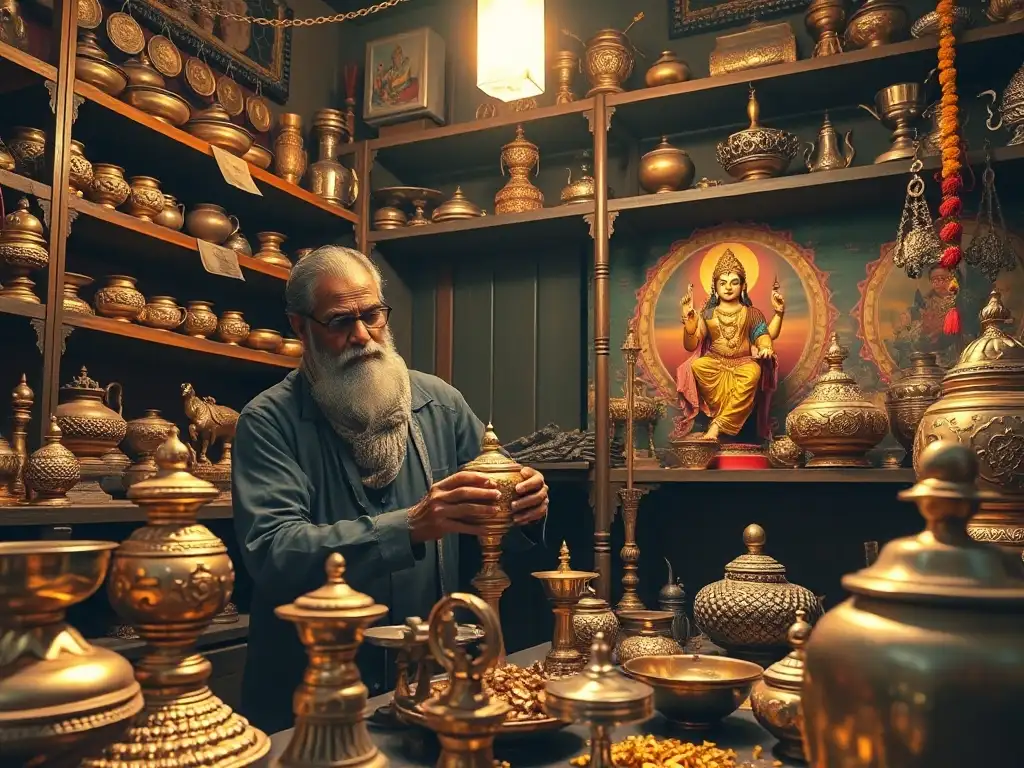
Welcome to Ancient India History, where we embark on a fascinating journey through the vibrant tapestry of India’s past! Dive into our latest article, "Exploring the Spirituality of Metals in Ancient Indian Culture," and discover the profound spiritual significance of metals in India. From the intricate craftsmanship of the Indus Valley to the philosophical insights of the Gupta Empire, ancient Indian civilizations have woven spirituality into their technological advancements. Prepare to be captivated as we unravel the secrets behind these sacred materials and their enduring impact on culture. Your adventure into the depths of ancient wisdom begins here!
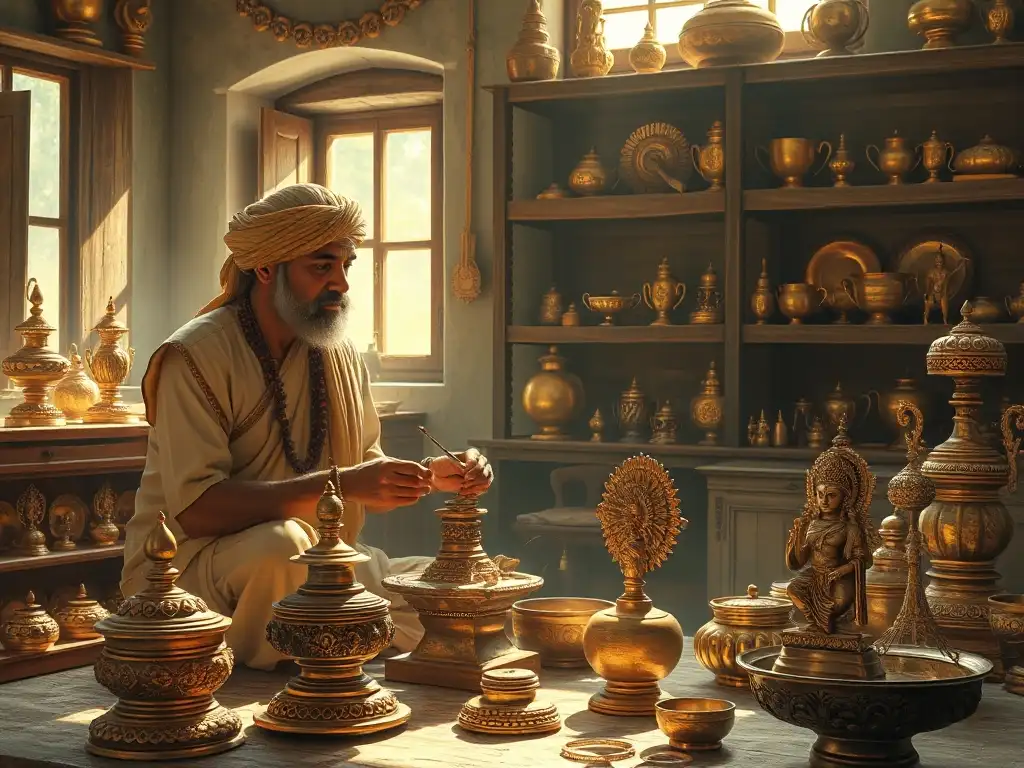
Introduction to the Spiritual Significance of Metals in India
The intricate relationship between metals and spirituality in ancient Indian culture is a profound aspect that reflects the civilization's values, beliefs, and innovations. Metals, not only served practical purposes in daily life but also held significant spiritual meanings that permeated various facets of society, including art, ritual practices, and philosophical thought.
The spiritual significance of metals in India is deeply rooted in the understanding that these materials embody both physical and metaphysical properties, symbolizing the connection between the material world and the spiritual realm. This article delves into the fascinating world of ancient Indian metallurgy, exploring how metals were revered and utilized in spiritual practices, and how they contributed to the broader cultural narrative of the time.
Overview of Ancient Indian Metallurgy
Ancient India is renowned for its advanced metallurgical practices, which began as early as the Indus Valley Civilization (circa 3300–1300 BCE). The craftsmanship involved in the extraction and manipulation of metals such as copper, bronze, gold, and iron not only facilitated technological advancements but also underscored the cultural significance attributed to these metals.
- Key Developments:
- Copper and Bronze Age: The use of copper and bronze for tools, weapons, and ornaments marked a significant technological leap.
- Iron Age: The advent of iron metallurgy around 1200 BCE revolutionized agriculture and warfare.
The sophisticated techniques developed by ancient Indian craftsmen are evident in archaeological findings, such as the famous Iron Pillar of Delhi, which showcases remarkable resistance to corrosion, highlighting the advanced knowledge of metallurgy at the time.
Importance of Spirituality in Indian Culture
Spirituality is a cornerstone of Indian culture, deeply influencing various aspects of life, including art, philosophy, and science. In the context of metallurgy, metals were not merely functional but were often imbued with spiritual meanings.
- Symbolic Representations:
- Gold: Often associated with purity and divinity, gold was used in religious artifacts and rituals.
- Copper: Considered a conductor of positive energy, copper was frequently used in temple constructions and sacred vessels.
This spiritual lens through which metals were viewed underscores their significance beyond mere materiality, reflecting the holistic worldview that characterized ancient Indian thought.
Historical Context of Metals in Ancient India
Understanding the spiritual significance of metals in ancient India requires a thorough examination of their historical context. The evolution of metal use and its integration into spiritual practices reveals how these civilizations perceived their relationship with the natural and divine worlds.
Evolution of Metal Use in Indian Civilizations
The progression of metallurgy in ancient India can be traced through various epochs, each marked by unique advancements and cultural shifts.
- Indus Valley Civilization:
- Predominantly used copper and bronze for tools and ornaments.
- Artifacts often featured intricate designs, suggesting a blend of utility and aesthetic appreciation.
- Vedic Period:
- Introduction of iron, which had a significant impact on agriculture and warfare.
- Texts from this period reflect a growing metaphysical understanding of metals, linking them to cosmic elements.
- Maurya and Gupta Empires:
- Flourishing of metallurgy with the production of high-quality coins and religious artifacts.
- The spiritual significance of metals was further elaborated in various scriptures and philosophical texts.
Key Ancient Indian Texts on Metallurgy and Spirituality
Several ancient texts provide insight into the spiritual dimensions associated with metals in India. These writings not only document metallurgical techniques but also explore the philosophical implications of metal usage.
- Arthashastra: A treatise that discusses the economic and strategic importance of metals, linking material wealth to spiritual prosperity.
- Rasa Shastra: A branch of Ayurveda that explores the use of metals and minerals for medicinal purposes, reflecting the belief in their spiritual and healing properties.
- Puranas: Mythological texts that often reference metals in the context of cosmic creation and divine manifestations, illustrating their revered status in spiritual narratives.
By examining these texts, we gain a deeper understanding of how ancient Indian cultures integrated their technological advancements with spiritual beliefs, ultimately shaping a rich tapestry of history that continues to influence contemporary thought.
The Role of Metals in Religious Practices
Metals have played a significant role in the religious practices of ancient Indian cultures, intertwining with spirituality and rituals. From the early Vedic texts to contemporary practices, metals are often imbued with symbolic meaning, representing various deities, cosmic principles, and spiritual ideals. The craftsmanship of metal artifacts, such as idols, utensils, and ceremonial objects, reflects the reverence that ancient societies held for these materials. Each metal was believed to carry unique spiritual properties, making them integral to rituals designed to invoke divine blessings and purify the environment.
In many religious ceremonies, metals are not merely functional; they embody the essence of the divine. For example, during pujas (worship rituals), offerings made from metals, particularly gold and silver, are considered sacred and are believed to attract divine energies. The meticulous crafting of these items, often adorned with intricate designs and symbols, further enhances their spiritual significance. As a result, metals have served as mediums through which the sacred and the material worlds intersect.
Sacred Metals in Hindu Rituals
In Hindu rituals, certain metals are revered for their spiritual significance. Gold, for instance, is often regarded as the most sacred metal, associated with the goddess Lakshmi, who embodies wealth and prosperity. Rituals that involve gold, such as the creation of gold-plated idols or the use of gold in wedding ceremonies, signify auspiciousness and divine approval.
Silver, another important metal in Hinduism, represents purity and is commonly used in the crafting of puja utensils. The use of silver plates and cups during rituals is believed to enhance the sanctity of offerings. Copper also holds a special place in Hindu practices, as it is thought to have purifying properties. In many rituals, copper vessels are used to store water for ablutions and offerings, symbolizing the connection between the earthly and the divine.
Metals and Their Symbolic Meanings in Jainism and Buddhism
In Jainism, metals are viewed through a lens of non-violence and purity. The use of metals in rituals is minimal, focusing instead on the spiritual essence they represent. However, certain metals, like gold, are still valued for their purity and are utilized in creating statues of Tirthankaras, revered spiritual teachers.
Buddhism, too, attributes symbolic meanings to metals. In Buddhist iconography, different metals are associated with various aspects of enlightenment. For instance, gold symbolizes ultimate enlightenment and the attainment of Nirvana, while bronze is often used for creating statues of the Buddha, representing impermanence and the material world. The careful selection of metals for religious artifacts reflects the deep philosophical beliefs of these traditions, emphasizing the interconnectedness of the material and spiritual realms.
Spiritual Properties of Specific Metals
The spiritual properties attributed to specific metals in ancient Indian culture are profound, often linked to both physical characteristics and metaphysical beliefs. Each metal is believed to resonate with distinct vibrational frequencies that influence the spiritual atmosphere and can affect the practitioners' well-being and spiritual growth.
Gold: Symbol of Purity and Divinity
Gold is often viewed as the most auspicious metal in ancient Indian spirituality. Its radiant luster and resistance to tarnish symbolize eternal purity and immortality. In Vedic texts, gold is often associated with the sun, representing vitality, growth, and divine presence. It is commonly used in various religious artifacts, such as idols and ceremonial ornaments, enhancing the sacredness of rituals. The belief that gold attracts positive energy and divine blessings makes it a preferred choice in offerings and significant life events, such as weddings and religious festivals.
Silver: The Metal of the Moon and Its Spiritual Associations
Silver, frequently referred to as the "moon metal," is imbued with qualities of calmness and serenity. In ancient Indian tradition, silver is associated with the moon goddess, symbolizing emotional balance and intuition. The cooling properties of silver are believed to promote mental clarity and enhance meditation practices. Its use in ritual utensils and offerings is thought to purify the environment, making it conducive for spiritual activities. Silver jewelry is also worn for its protective qualities, believed to ward off negative energies and enhance spiritual awareness.
Copper: Healing Properties and Its Connection to the Divine
Copper has long been associated with healing and vitality in ancient Indian culture. Known for its antimicrobial properties, copper is often used in the creation of ritual vessels and tools. The metal is believed to have the ability to conduct spiritual energy, facilitating a connection between the physical and spiritual realms. In Ayurvedic practices, copper is recognized for its healing benefits and is used in various therapeutic applications. Its association with the divine is further emphasized in rituals where copper vessels are employed to store sacred water, symbolizing the flow of divine energy.
Iron: Strength and Its Mystical Attributes
Iron, while not as celebrated as gold or silver, holds its unique place in ancient Indian spirituality. It symbolizes strength, resilience, and protection. In various myths and legends, iron is often associated with warriors and deities who embody power and valor.
Its use in tools and weapons signifies not only physical strength but also the spiritual fortitude necessary to overcome challenges. Additionally, iron is believed to possess grounding properties, helping practitioners connect with the earth and enhance their stability in spiritual practices. The mystical attributes of iron make it a significant element in the metaphysical landscape of ancient Indian culture.
Metallurgy and Alchemy: The Spiritual Quest
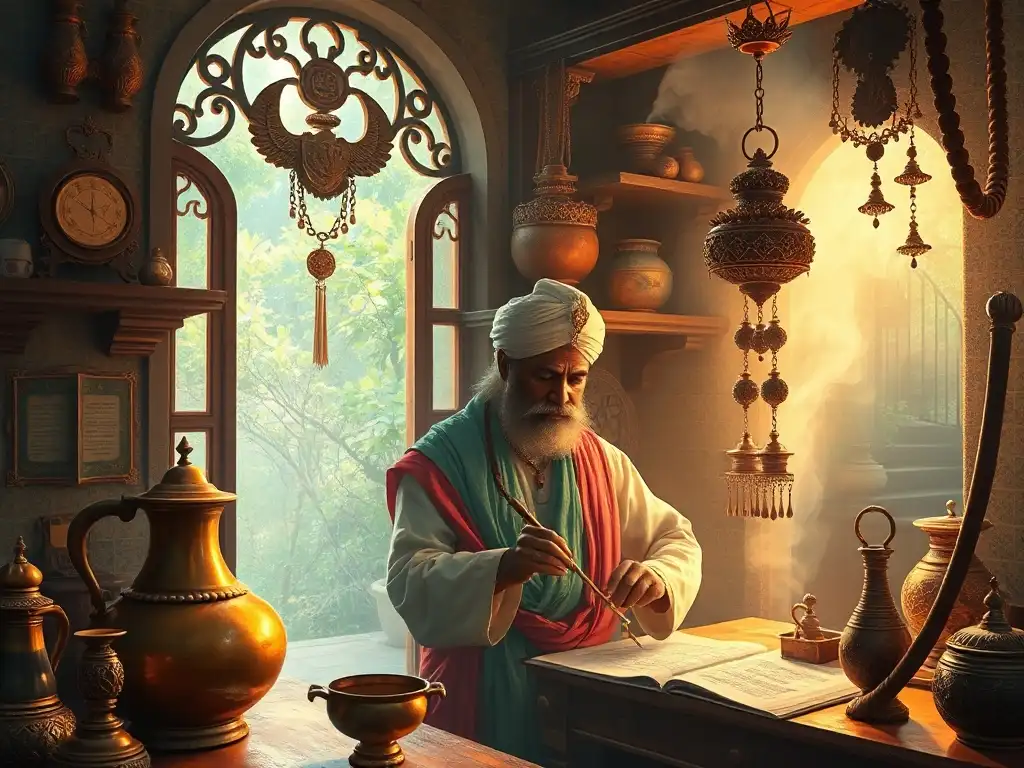
In ancient India, metallurgy was not merely an industrial activity but a deeply spiritual quest intertwined with alchemical practices. The transformation of base metals into gold was often viewed as a metaphor for personal and spiritual transformation. Alchemy, or Rasa Shastra, sought to understand the properties of metals and their spiritual significance, reflecting the belief that the physical and the metaphysical are interconnected. This quest for knowledge and transformation was deeply rooted in the philosophical and spiritual traditions of the time, leading practitioners to explore the essence of materials, seeking to unlock their hidden potential.
The spiritual quest was not only about material wealth but also encompassed the pursuit of immortality and enlightenment. Alchemists believed that by perfecting the art of transforming metals, they could achieve a greater understanding of the universe and the divine. This belief system permeated various aspects of society, influencing art, literature, and religious practices. The legacy of this spiritual metallurgy is evident in the many texts and traditions that emerged, highlighting the profound connection between metalworking and spirituality in ancient Indian culture.
The Connection Between Alchemy and Spirituality in Ancient India
The connection between alchemy and spirituality in ancient India is deeply philosophical, manifesting in various texts and oral traditions. Alchemy was seen as a practice that transcended mere physical transformation; it was a spiritual journey towards self-realization and enlightenment. It was believed that through the manipulation of metals, alchemists could not only achieve physical immortality but also gain deeper insights into the nature of existence and the divine.
In many ancient Indian texts, metals were associated with specific deities and cosmic principles, linking their properties to spiritual concepts. For instance, gold ( swarna) symbolized purity and perfection, while iron ( loha) represented strength and resilience. The process of refining these metals was seen as a reflection of the inner journey one must undertake to attain spiritual purity and wisdom. Thus, the alchemical pursuit became a sacred endeavor, intertwining the material and spiritual worlds in a profound and meaningful way.
Notable Alchemical Texts and Their Spiritual Insights
Several notable alchemical texts from ancient India reflect the spiritual insights and practices of the time. One of the most significant texts is the Rasaratna Samuccaya, attributed to the renowned alchemist Nagarjuna. This text not only outlines various alchemical processes but also emphasizes the spiritual significance of metals, presenting them as tools for achieving higher states of consciousness.
Another important work is the Rasa Shastra, which serves as a comprehensive guide to the medicinal and spiritual uses of metals and minerals. It highlights the belief that the purification and transformation of substances can lead to the purification of the soul. The Aṣṭāṅgahṛdayasaṃhitā, a foundational text in Ayurveda, also discusses the use of metals in healing practices, underscoring their dual role in physical health and spiritual well-being.
Through these texts, ancient Indian alchemists conveyed a rich understanding of the interplay between material substances and spiritual insights, emphasizing the importance of metals not just in practical applications but as symbols of deeper metaphysical truths.
Cultural Artifacts Reflecting the Spirituality of Metals
Cultural artifacts from ancient India vividly illustrate the spirituality associated with metals. The intricate designs and symbolic meanings embedded in these artifacts reveal the deep reverence with which metals were regarded. From sculptures to architectural elements, the use of metals was infused with spiritual significance, reflecting the cultural beliefs of the time.
Iconic Metal Sculptures and Their Symbolism
Metal sculptures in ancient India often served both aesthetic and spiritual purposes. Iconic representations of deities, crafted from bronze or iron, were not just artistic expressions but embodiments of divine qualities. For example, the bronze sculptures of Nataraja, depicting Lord Shiva in his cosmic dance, symbolize the dynamic interplay of creation and destruction. The meticulous craftsmanship involved in creating these sculptures reflects a spiritual dedication to the divine, imbuing the metal with sacred energy.
These sculptures were often used in rituals and worship, reinforcing the belief that the physical representation of a deity holds spiritual power. Additionally, the materials themselves were chosen for their symbolic qualities—copper for its conductivity representing knowledge, and gold for its purity representing divine essence. Thus, these artifacts not only served as objects of devotion but also as reminders of the spiritual journey one undertakes.
The Use of Metals in Temple Architecture
The use of metals in temple architecture is another significant aspect of the spirituality of metals in ancient India. Temples were often adorned with intricate metalwork, including domes, doors, and decorative elements, all designed to enhance the spiritual ambiance of the space. The incorporation of metals was believed to attract and amplify divine energy, creating a sacred environment for worshippers.
Gold and silver were commonly used in temple construction, reflecting wealth and divinity. The famous Brihadeeswarar Temple in Thanjavur, known for its majestic vimana (tower), showcases the use of bronze and stone, symbolizing the fusion of the earthly and celestial realms. The careful placement of metal elements within the temple's design was thought to facilitate the flow of energy, enhancing the spiritual experience of devotees.
Overall, the use of metals in temple architecture not only served practical purposes but also reinforced the spiritual significance of the space, creating a harmonious environment where the divine and the material coexist.
Conclusion: The Enduring Legacy of Metals in Indian Spirituality
The exploration of the spiritual significance of metals in ancient Indian culture reveals a profound relationship between material and metaphysical realms. Metals such as gold, silver, copper, and iron were not merely utilitarian substances; they were imbued with deep spiritual meanings and were often associated with various deities and cosmic principles. This connection can be seen in ancient texts and practices, where metals were revered for their transformative properties, believed to attract divine energies and provide protection against negative influences.
The legacy of these ancient beliefs continues to resonate in modern India, where metals are still used in rituals, worship, and traditional practices. The incorporation of metals in daily life reflects a continuity of thought that emphasizes the sacredness of natural materials. Temples adorned with metal sculptures and artifacts serve as reminders of this rich heritage, symbolizing the eternal link between humanity, nature, and the divine. As we navigate the complexities of contemporary spirituality, the teachings and practices surrounding metals offer valuable insights into the integration of material and spiritual existence.
Summary of Spiritual Significance in Ancient Indian Culture
In ancient Indian culture, metals were regarded not just for their physical properties but also for their spiritual significance. Each metal was associated with specific characteristics and energies:
- Gold (Au): Symbolized purity, wealth, and the divine. Associated with the sun and deities like Lakshmi, gold was often used in rituals and offerings.
- Silver (Ag): Represented clarity and the moon. It was believed to have protective qualities and was often used in jewelry and sacred utensils.
- Copper (Cu): Considered a healing metal, copper was associated with the goddess Durga and used in rituals to promote health and longevity.
- Iron (Fe): Linked to strength and resilience, iron was often used in tools and weapons, symbolizing power in both physical and spiritual battles.
Through these associations, metals played a crucial role in various rituals, ceremonies, and daily practices, reflecting a belief in their ability to influence the spiritual and physical realms. The reverence for metals in ancient texts, such as the Vedas and Puranas, underscores their importance in the spiritual fabric of society.
The Influence of Ancient Practices on Modern Spirituality in India
The influence of ancient practices surrounding metals is profoundly visible in contemporary Indian spirituality. Many traditional rituals still employ metals in their sacred contexts, demonstrating a continuity of belief systems:
- Ritual Offerings: Metals are often used in pujas (worship ceremonies), where offerings made of gold, silver, or copper are presented to deities to invoke blessings and prosperity.
- Astrological Practices: In Vedic astrology, specific metals are recommended for wearing based on individual horoscopes to enhance personal energy and spiritual well-being. For example, gold is often suggested for wealth and success, while copper is recommended for health.
- Ayurvedic Traditions: The use of metals in Ayurveda, particularly in the form of bhasmas (ash), is believed to enhance medicinal properties and promote healing, reflecting ancient wisdom in modern health practices.
The integration of metal-based rituals into daily life signifies a deep-rooted respect for the past, where ancient knowledge continues to inform and enrich modern spiritual practices. This enduring legacy emphasizes the importance of metals not just as material resources but as conduits of spiritual energy and connection to the divine.
- Introduction to the Spiritual Significance of Metals in India
- Historical Context of Metals in Ancient India
- The Role of Metals in Religious Practices
- Spiritual Properties of Specific Metals
- Metallurgy and Alchemy: The Spiritual Quest
- Cultural Artifacts Reflecting the Spirituality of Metals
- Conclusion: The Enduring Legacy of Metals in Indian Spirituality
- What were the spiritual beliefs associated with metals in ancient India?
- How did ancient Indians use metals in their rituals and ceremonies?
- What role did alchemy play in the understanding of metals in ancient Indian spirituality?
- How did the Gupta Empire contribute to the understanding of metals in spirituality?
- What are some key texts that discuss the spiritual significance of metals in ancient Indian culture?
Frequently Asked Questions
What were the spiritual beliefs associated with metals in ancient India?
Ancient Indian cultures attributed significant spiritual meanings to metals like gold, silver, and copper, viewing them as symbols of purity and divine energy.
How did ancient Indians use metals in their rituals and ceremonies?
Metals played a crucial role in rituals and ceremonies, with items like sacred vessels and ornaments made from metals being used to enhance the spiritual experience.
What role did alchemy play in the understanding of metals in ancient Indian spirituality?
Alchemy in ancient India was not just about transforming metals but also about achieving spiritual enlightenment, with the belief that certain processes could lead to self-realization.
How did the Gupta Empire contribute to the understanding of metals in spirituality?
The Gupta Empire advanced the study of metallurgy, leading to the creation of high-quality metal artifacts that were often used in religious contexts, reflecting the spiritual significance of metals.
What are some key texts that discuss the spiritual significance of metals in ancient Indian culture?
Key texts such as the Vedas and Upanishads explore the symbolism and ritualistic uses of metals, emphasizing their importance in spiritual practices and philosophy.
Final Reflection: Embracing the Spiritual Significance of Metals in India
The exploration of the spiritual significance of metals in ancient Indian culture reveals a profound connection between material and metaphysical realms. Today, as we navigate a world increasingly driven by technology and materialism, the ancient wisdom surrounding metals invites us to reconnect with our roots and recognize the deeper meanings embedded in the materials we often take for granted. The reverence for metals like gold, silver, and copper in Indian traditions serves as a reminder of the sacredness that can be found in the everyday.
Cultural practices surrounding metals have shaped not only religious rituals but also social structures and personal identities throughout history. The spiritual significance attributed to these elements continues to resonate, influencing contemporary practices and beliefs. As we reflect on this, we can appreciate how these ancient insights still guide us today. The essence of metals transcends their physical properties, embodying the energies that connect us to the universe.
This perspective encourages us to view metals not merely as commodities, but as vessels of spiritual energy and cultural heritage.
As we conclude this exploration, I invite you to reflect on the metals in your own life—how they might hold deeper meanings and connections to your personal and cultural identity. Consider the stories they tell and the energies they embody. Let this understanding inspire you to honor the spiritual significance of metals, not just in ancient traditions but in your daily existence. By doing so, we can cultivate a richer, more meaningful relationship with the world around us, fostering a sense of unity with both our heritage and the universe.
Thank you for diving into the fascinating world of ancient Indian culture with us! Your curiosity about the spirituality of metals reveals a profound understanding of how our ancestors connected with the world around them. Now, it’s time to take action and deepen that connection.
Here’s how you can continue your journey:
- Explore your spiritual practice by integrating metal objects or symbols from ancient traditions into your daily rituals.
- Share your newfound insights with friends and family; consider hosting a discussion or a mini-workshop on the effects of metals in spiritual practices.
- Research further—discover how various cultures have utilized metals in their spiritual beliefs and incorporate those concepts into your own journey.
What intriguing effects have you experienced or heard about regarding the use of metals in spirituality? We invite you to share your thoughts or experiences below!