
Military Innovations of the Gupta Empire: Strategies of Success

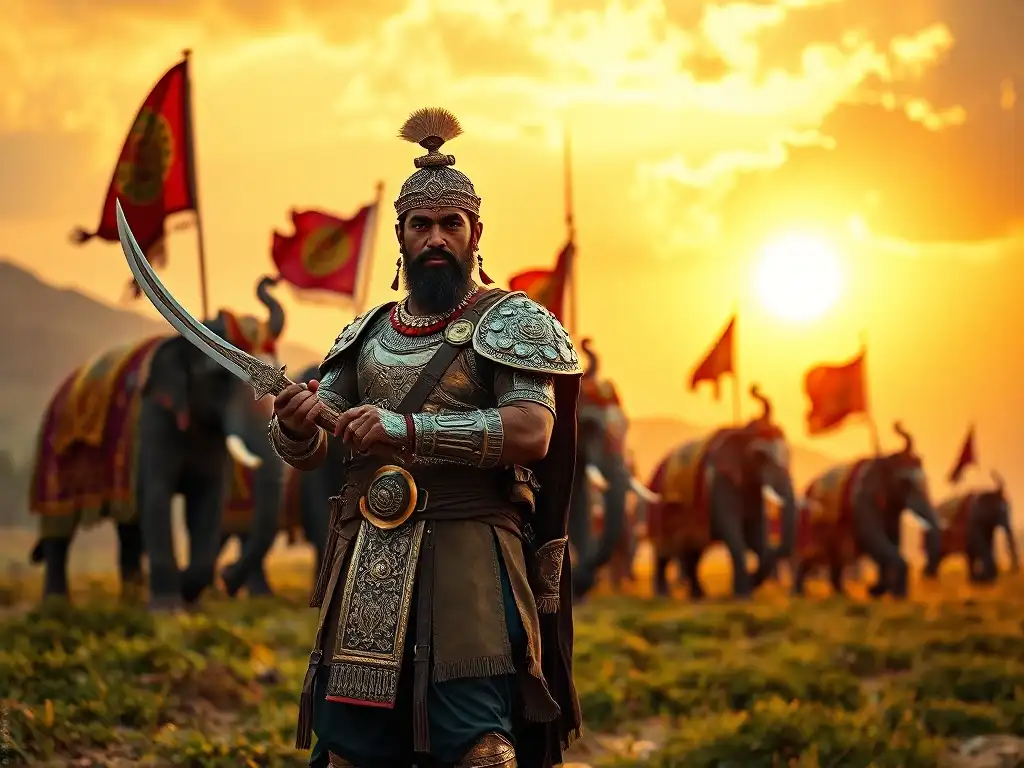
Welcome to Ancient India History, where we embark on an extraordinary journey through time to uncover the rich tapestry of ancient Indian civilizations. In our featured article, we delve into the Gupta Empire, a remarkable era known for its military innovations and strategic prowess. What made their military strategies so effective? Discover the secrets behind their success and the lasting impact these strategies had on the course of history. Join us as we explore the fascinating world of the Gupta Empire and beyond, igniting your curiosity about the vibrant cultures that shaped our past.
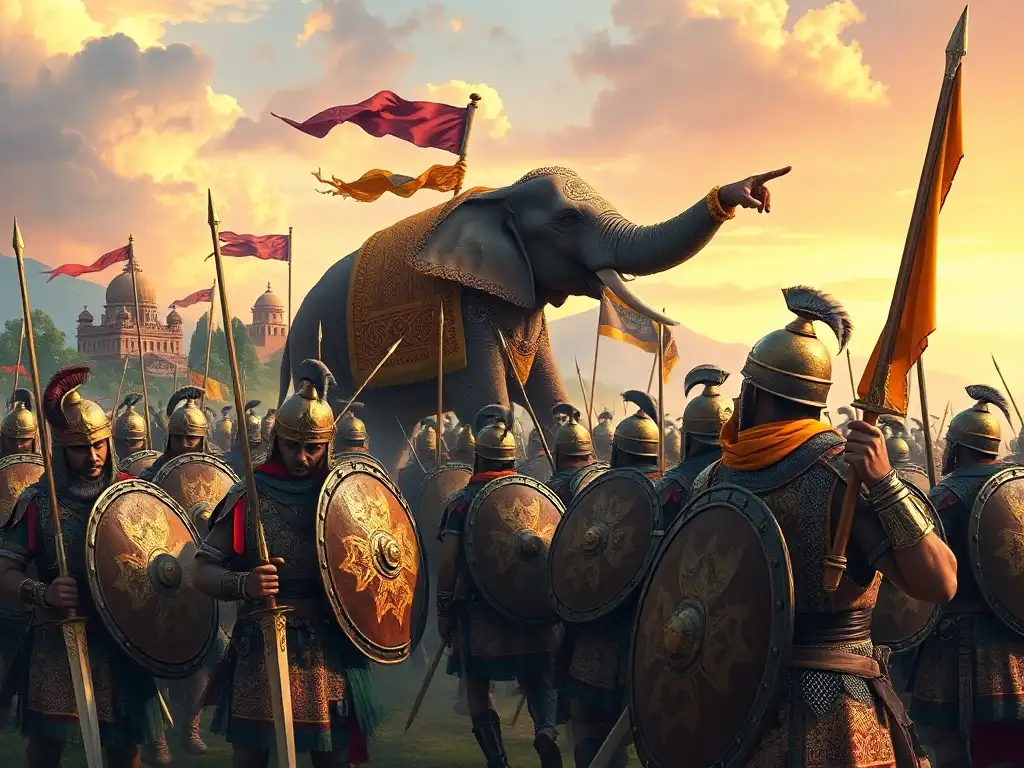
Introduction to the Gupta Empire Military Strategies
The Gupta Empire, often heralded as the Golden Age of ancient India, is celebrated not only for its remarkable contributions to art, science, and culture but also for its sophisticated military strategies. The period from approximately 320 to 550 CE was marked by significant advancements in military innovations that played a crucial role in the empire's expansion and maintenance of power.
Understanding the Gupta Empire military strategies provides insight into how this civilization managed to establish and defend its vast territories, navigate complex geopolitical landscapes, and maintain stability during its reign. This exploration will delve into the various military tactics and innovations that enabled the Gupta Empire to thrive amidst challenges, including invasions and internal strife.
Overview of the Gupta Empire's Military Power
The Gupta Empire emerged as a dominant force in ancient India, largely due to its formidable military prowess. At its zenith, the empire stretched across much of the Indian subcontinent, showcasing not only territorial expansion but also the effective governance that accompanied military strength. The Gupta military was characterized by:
- A well-organized hierarchy: The military was structured with a clear command system, allowing for efficient communication and strategic planning.
- Diverse troop composition: The army included various units such as infantry, cavalry, and elephant troops, each playing a unique role in battles.
- Advanced weaponry: Gupta warriors utilized cutting-edge weapons and armor, which were critical in their various campaigns.
These elements combined to create a military force that was both versatile and resilient, capable of adapting to different combat scenarios.
Importance of Military Innovations in the Gupta Era
Military innovations during the Gupta period were not merely about brute strength; they were indicative of a sophisticated understanding of warfare. The importance of these innovations can be summarized as follows:
- Strategic Defense: Innovations allowed the Gupta Empire to defend its borders effectively against external threats, including invasions from the Huns and other nomadic tribes.
- Expansion of Territory: With advanced military tactics, the Gupta rulers expanded their influence across northern and central India, leading to economic prosperity and cultural diffusion.
- Cohesion and Unity: A strong military presence helped maintain internal order and unity within the diverse populations of the empire, fostering a sense of shared identity.
The combination of these factors illustrates how military innovations were integral to the Gupta Empire's success and longevity.
Key Military Strategies of the Gupta Empire
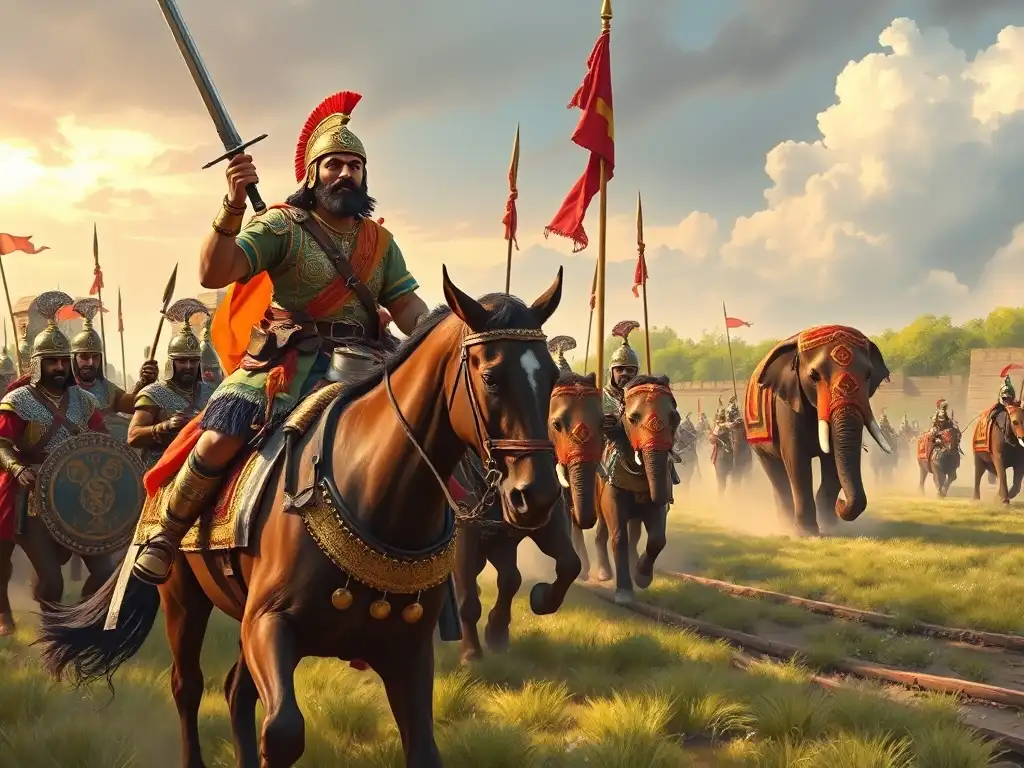
The Gupta Empire's military strategies involved a blend of traditional tactics and innovative approaches that set them apart from their contemporaries. Key components of their military strategies included:
The Role of Cavalry in Gupta Military Tactics
Cavalry units were pivotal in the Gupta military arsenal, providing mobility and speed that were crucial on the battlefield. The Gupta cavalry was known for its:
- Agility: Cavalry forces were able to maneuver quickly, allowing for rapid strikes against enemy flanks.
- Archery skills: Many cavalrymen were skilled archers, enabling them to engage foes from a distance while remaining mobile.
- Shock value: The sheer presence of a cavalry charge could intimidate enemy forces, often leading to decisive victories.
These attributes made the cavalry an essential component of Gupta military operations, influencing the outcomes of numerous battles.
Infantry Organization and Training Techniques
The Gupta infantry was the backbone of the military and was organized into specialized units. Key aspects of infantry organization included:
- Rigorous training: Soldiers underwent extensive training, which enhanced their discipline and effectiveness in combat.
- Specialized units: The infantry was divided into various units, each trained for specific roles, such as archers, swordsmen, and spearmen.
- Tactical formations: The Gupta military employed complex formations that allowed for coordinated attacks and effective defense mechanisms.
Such organization and training ensured that the infantry could adapt to various battlefield scenarios, contributing to the empire's military successes.
Naval Forces and Their Impact on Gupta Warfare
While primarily known for their land-based military strategies, the Gupta Empire also recognized the importance of naval power. The development of naval forces allowed them to:
- Secure trade routes: A strong navy protected maritime trade and ensured the flow of goods and resources, which was vital for the economy.
- Conduct amphibious operations: Naval forces enabled the Gupta military to launch attacks from the sea, surprising their enemies and expanding their tactical options.
- Counter piracy: By maintaining a formidable naval presence, the Gupta Empire could deter piracy, protecting their merchant vessels and trade interests.
The integration of naval strategies into the Gupta military framework exemplifies the empire's adaptability and foresight in warfare.
Technological Advancements in Gupta Military
The Gupta Empire, often regarded as the Golden Age of India, is celebrated not only for its cultural and scientific advancements but also for its significant military innovations. The military strategies employed during this period were characterized by a blend of technological prowess and tactical ingenuity. These advancements enabled the Gupta rulers to maintain and expand their empire across vast territories, effectively dealing with both foreign invaders and internal conflicts.
Innovations in Weaponry and Armor
During the Gupta period, there were remarkable enhancements in weaponry and armor that played a crucial role in military success. The introduction of high-quality iron and steel allowed for the production of stronger swords, spears, and arrowheads, which were essential in both hand-to-hand combat and ranged warfare. Notably, the use of "kshatrapa" swords, known for their durability and sharpness, became emblematic of Gupta military might.
Armor also saw significant improvements, with soldiers donning chain mail and scale armor that offered better protection without sacrificing mobility. This evolution in personal armor not only enhanced the effectiveness of the infantry but also contributed to the overall resilience of the Gupta forces during battles.
Use of Elephants in Warfare: A Strategic Advantage
The use of war elephants was a hallmark of Gupta military strategy, providing a distinct advantage on the battlefield. These majestic animals were not only used for their sheer size and strength but also served as a psychological tool to intimidate enemies. The Gupta army strategically deployed elephants in the front lines during battles, where they could disrupt enemy formations and create chaos.
War elephants were often armored and equipped with towers to carry archers or spearmen, allowing them to engage enemies from a height. Additionally, their mobility enabled swift maneuvers on the battlefield, making them a formidable force against infantry and cavalry alike. The effective utilization of elephants significantly contributed to the Gupta Empire's military successes and territorial expansions.
Development of Military Fortifications and Defensive Structures
The Gupta Empire invested heavily in the construction of military fortifications and defensive structures, which were critical in safeguarding their territories. The construction of forts, often situated strategically on hilltops or near water bodies, allowed for better surveillance and defense against potential invasions. These forts were equipped with robust walls and watchtowers, providing a vantage point for monitoring enemy movements.
Moreover, the Gupta military employed innovative techniques in siege warfare, utilizing catapults and other machinery to breach enemy defenses. The combination of strong fortifications and advanced siege tactics ensured that the Gupta Empire could repel invasions and maintain control over its vast territories.
Strategic Alliances and Warfare Tactics
The Gupta Empire's military strategies were not solely reliant on direct confrontation; the formation of alliances and the adoption of guerrilla tactics played a pivotal role in their success. The Gupta rulers adeptly navigated the complex political landscape of their time, using diplomacy as a tool to strengthen their military position.
Formation of Alliances: Diplomatic Strategies
Diplomacy was integral to the Gupta Empire's military strategy. The rulers often formed strategic alliances with neighboring kingdoms, leveraging these relationships to bolster their military strength. These alliances were formalized through marriages, treaties, and mutual agreements, allowing for the pooling of resources and military forces.
The Gupta Empire's adeptness at diplomacy not only helped in securing peace with potential adversaries but also facilitated joint military campaigns against common foes. Such collaborations were pivotal in expanding the Gupta influence and securing their borders against invasions.
Guerrilla Warfare: Adaptations and Tactics
The Gupta military also exhibited remarkable adaptability in their warfare tactics, particularly through the use of guerrilla warfare. This approach involved small, mobile units that engaged in hit-and-run tactics, ambushing larger enemy forces and retreating before a significant counterattack could occur. This strategy was particularly effective in the dense forests and mountainous terrains of India, where traditional large-scale battles were less feasible.
Guerrilla tactics allowed the Gupta forces to exploit their knowledge of the local terrain, striking swiftly and unexpectedly. This not only demoralized the enemy but also minimized the risks associated with direct confrontations, ensuring the Gupta military could effectively manage threats without overextending their forces.
Siege Warfare: Techniques and Successes
Siege warfare was another critical aspect of Gupta military strategy, with the empire employing sophisticated techniques to capture fortified cities. The Gupta military utilized various siege engines, such as battering rams and catapults, to breach walls and create openings for their troops.
Successful sieges were often characterized by meticulous planning and the use of diversionary tactics to distract defenders. The Gupta forces demonstrated patience and ingenuity, often surrounding a city to cut off supplies and weaken morale before launching a full-scale assault. These techniques not only led to the successful capture of key urban centers but also cemented the Gupta Empire's reputation as a formidable military power in ancient India.
The Impact of Military Strategies on Gupta Expansion
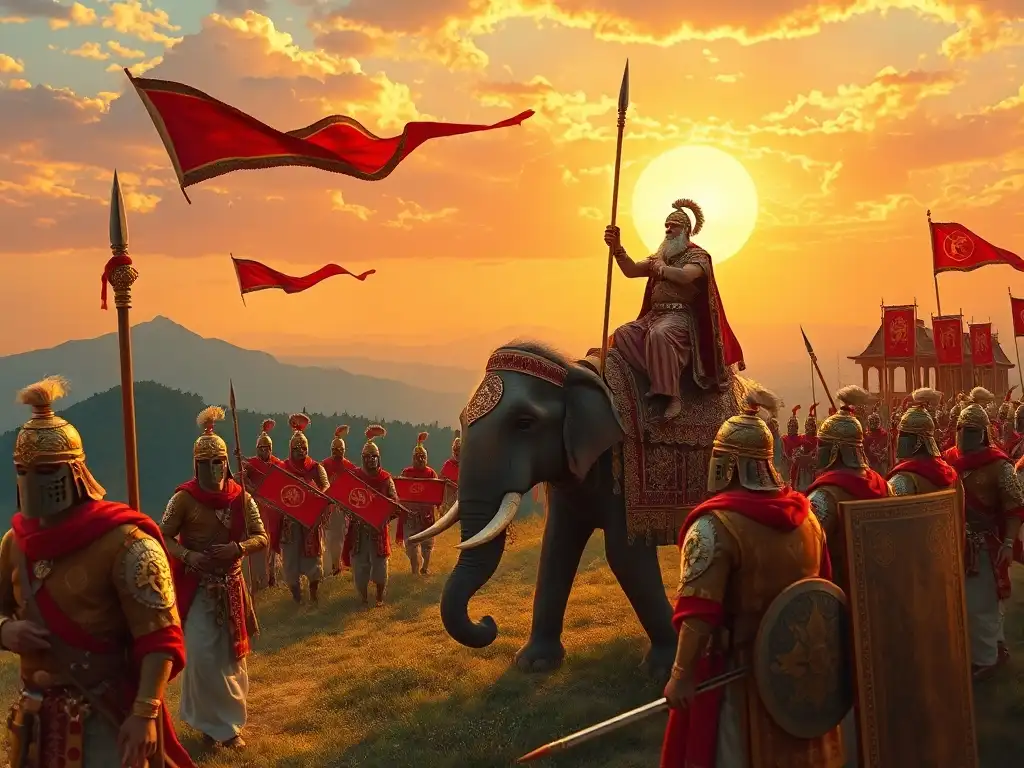
The Gupta Empire, often referred to as a golden age in Indian history, saw significant territorial expansion largely attributed to its innovative military strategies. The Gupta rulers, particularly Chandragupta I and his son Samudragupta, employed a combination of traditional and novel tactics that allowed them to conquer vast regions across northern India. Their strategic use of cavalry, infantry, and war elephants was pivotal in establishing dominance over rival kingdoms and expanding their empire.
The Gupta military was characterized by a well-organized structure, efficient logistics, and the ability to mobilize forces quickly. This flexibility enabled them to adapt to diverse terrains and combat scenarios. The use of fortified cities and strategically located military outposts facilitated rapid response to threats, further enhancing their military prowess. As a result, the Gupta Empire not only expanded its territories but also solidified its influence over trade routes, which was crucial for economic prosperity.
Key Military Campaigns and Their Outcomes
The Gupta Empire's military campaigns were marked by several key expeditions that showcased their strategic brilliance. One of the most notable was Samudragupta's campaign against the kingdoms of the north, which is famously recorded in the Allahabad Pillar inscription. This campaign involved a series of battles against various regional powers, leading to the annexation of territories such as Magadha and parts of present-day Uttar Pradesh.
Another significant campaign was the southward expedition led by Samudragupta, which aimed to extend Gupta influence into the Deccan region. This campaign not only resulted in military victories but also established diplomatic relations with local rulers, integrating them into the Gupta hegemony through alliances rather than mere conquest. The outcomes of these campaigns were not merely territorial gains; they also fostered cultural exchanges, leading to the dissemination of Gupta art, language, and governance.
Influence of Gupta Military Strategies on Neighboring Regions
The military strategies employed by the Gupta Empire had a profound influence on neighboring regions and subsequent Indian dynasties. The effective use of cavalry and war elephants became a hallmark of Indian warfare, emulated by later rulers. Additionally, the Gupta emphasis on strategic diplomacy alongside military might set a precedent for future empires, encouraging a blend of warfare and negotiation.
The Gupta military innovations also affected the political landscape of South Asia. As the Gupta Empire expanded, their administrative techniques and military organization influenced regions beyond their immediate control, including the Deccan and Southeast Asia. The establishment of trade routes and the promotion of cultural exchanges facilitated the spread of Gupta ideals, which were often absorbed and adapted by neighboring kingdoms.
Lasting Legacy of Gupta Military Innovations
The military innovations of the Gupta Empire left an enduring legacy that shaped the history of warfare in India. The introduction of organized infantry formations and the integration of various military branches laid the groundwork for future military strategies in the subcontinent. The emphasis on logistics and communication in military campaigns became essential elements in the planning of battles for subsequent Indian rulers.
Furthermore, the Gupta period is often associated with advancements in metallurgy, which included the production of superior weaponry. The Gupta's contributions to military technology, particularly in the crafting of swords and armor, influenced military practices well into the medieval period. This legacy is evident in the way later dynasties approached warfare, often drawing inspiration from Gupta strategies and innovations.
Conclusion: The Gupta Empire's Military Strategies and Their Significance
The military strategies of the Gupta Empire were central to its success and expansion, marking a significant chapter in ancient Indian history. The combination of innovative tactics, effective leadership, and strategic territorial conquests enabled the empire to flourish during its golden age.
Summary of Key Innovations and Strategies
The Gupta military was characterized by several key innovations and strategies, including:
- Cavalry and Infantry Coordination: Utilizing a balanced approach between different branches of the military.
- Use of War Elephants: Leveraging elephants in warfare, which provided both psychological and tactical advantages.
- Fortified Outposts: Establishing strongholds to maintain control over conquered territories and protect trade routes.
- Diplomatic Engagements: Combining military campaigns with diplomacy to ensure stability and integration of newly acquired regions.
Reflection on the Gupta Empire's Military Legacy in Ancient India
Reflecting on the Gupta Empire’s military legacy, it is clear that their strategies significantly influenced not only their contemporary rivals but also future generations. The Gupta model of warfare, blending military might with diplomacy and cultural integration, established a framework that many Indian empires would strive to emulate. This enduring legacy underscores the importance of military innovation and strategic planning in shaping the course of history in ancient India.
References for Further Reading on Gupta Military History
To gain a deeper understanding of the military innovations and strategies of the Gupta Empire, a variety of resources are available. These texts and online materials provide insights into the tactics, organization, and technological advancements that characterized Gupta military practices. Below are some recommended resources for further exploration.
Suggested Books and Articles on Gupta Military Strategies
-
"The Gupta Empire: A Comprehensive Study" by Ramesh Chandra Sharma
This book offers an in-depth analysis of the socio-political and military structure of the Gupta Empire, focusing on its strategies that contributed to its expansion and stability.
-
"War and Society in Ancient India" by R. S. Sharma
This scholarly work examines the relationship between warfare and society during ancient Indian civilizations, including the Gupta period, highlighting military strategies and their societal implications.
-
"The Art of War in Ancient India" by S. S. Dey
This book discusses ancient Indian military strategies across various empires, with a specific focus on the Gupta Empire’s innovative approaches to warfare.
-
"Gupta Military Architecture: Forts and Defense Systems" by A. K. Verma
This article explores the architectural innovations in military forts and their strategic significance during the Gupta Empire, shedding light on defense strategies.
-
"The Role of Cavalry in the Gupta Military" by R. K. Gupta
This research paper analyzes the role of cavalry units in the Gupta military, discussing their tactical advantages and contributions to successful campaigns.
Online Resources for Exploring Ancient Indian Military Innovations
-
Digital South Asia Library
This online repository provides access to a wealth of resources related to South Asian history, including military strategies and innovations during the Gupta period.
-
Ancient India: Military History Resource Center
This website curates articles, papers, and discussions specifically focused on ancient Indian military history, including detailed analyses of Gupta military strategies.
-
The Indian History Congress Digital Archives
This platform hosts a collection of research papers presented at the Indian History Congress, which often includes topics on military history and innovations in ancient India.
-
Gupta Empire Military Strategies - A Virtual Exhibit
This interactive exhibit allows users to explore the military strategies of the Gupta Empire through maps, timelines, and detailed descriptions of key battles and innovations.
-
India: A History of Warfare
This comprehensive online resource offers insights into the evolution of military tactics in India, with sections dedicated to the strategies employed by the Gupta Empire.
These resources will provide a robust foundation for anyone interested in the military strategies of the Gupta Empire and their impact on ancient Indian civilization.
- Introduction to the Gupta Empire Military Strategies
- Overview of the Gupta Empire's Military Power
- Importance of Military Innovations in the Gupta Era
- Key Military Strategies of the Gupta Empire
- Technological Advancements in Gupta Military
- Strategic Alliances and Warfare Tactics
- The Impact of Military Strategies on Gupta Expansion
- Conclusion: The Gupta Empire's Military Strategies and Their Significance
- References for Further Reading on Gupta Military History
- What were the key military strategies of the Gupta Empire?
- How did the Gupta Empire contribute to military innovations?
- What role did geography play in the Gupta military strategies?
- How did the Gupta Empire maintain control over its territories?
- What were the outcomes of the Gupta Empire's military strategies?
Frequently Asked Questions
What were the key military strategies of the Gupta Empire?
The Gupta Empire employed various military strategies, including fast cavalry units and the use of war elephants for both offense and defense, enhancing their overall combat effectiveness.
How did the Gupta Empire contribute to military innovations?
The Gupta Empire is known for its innovative tactics, such as the integration of archers with infantry units, allowing for more coordinated and effective battle formations.
What role did geography play in the Gupta military strategies?
The geography of the Indian subcontinent influenced the Gupta military strategies, as they utilized natural barriers and terrain, such as mountains and rivers, to fortify their defenses and plan strategic offensives.
How did the Gupta Empire maintain control over its territories?
The Gupta Empire maintained control through a combination of military presence, alliances with local rulers, and the establishment of a strong administrative system, ensuring loyalty and stability.
What were the outcomes of the Gupta Empire's military strategies?
The military strategies of the Gupta Empire led to significant expansion, allowing them to establish a strong regional influence and contributing to an era marked by cultural and scientific advancements.
Final Reflection: The Enduring Legacy of Gupta Empire Military Strategies
The military innovations of the Gupta Empire are not just relics of the past; they resonate with profound relevance in today's world. As we navigate complex geopolitical landscapes, understanding the strategies that led to the Gupta Empire's success can provide invaluable insights into modern military and diplomatic tactics. The Gupta Empire's ability to adapt and innovate in warfare illustrates the timeless nature of strategic thinking, reminding us that the principles of success often transcend time and culture.
The Gupta Empire's military strategies have left an indelible mark on the cultural and social fabric of subsequent civilizations. These strategies fostered a sense of unity and strength, which not only contributed to the empire's dominance but also influenced neighboring regions. The echoes of their tactical prowess can be seen in how contemporary nations approach military alliances and defense strategies. In the midst of chaos, there is also opportunity.
– Sun Tzu. This quote encapsulates the essence of the Gupta military approach, emphasizing that adaptability and foresight are critical in overcoming challenges.
As we reflect on the lessons from the Gupta Empire, let us consider how these historical military strategies can inspire us in our own lives. What can we learn about resilience, adaptability, and the importance of strategic planning? I invite you to ponder these questions and apply the insights gleaned from this exploration into your personal and professional endeavors. Embrace the spirit of innovation and strategic thinking, for in doing so, you carry forward the legacy of the Gupta Empire into the future.
Unveil the Secrets of Gupta Mastery!
Thank you for diving into the remarkable military innovations of the Gupta Empire! Your exploration has revealed strategies that shaped an era and can inspire our modern approaches to problem-solving and resilience. Now, it’s time to put this knowledge into action!
Here are a few ways you can take the insights from this article and make a difference today:
- Engage in a local history group or online forum to discuss the military strategies of the Gupta Empire and how they can inspire contemporary practices.
- Share your thoughts on social media! Post a key insight from this article and invite your friends to discuss its relevance in today's world.
- Consider creating or joining a community initiative that emphasizes leadership and strategic thinking, inspired by the principles demonstrated by the Gupta rulers.
Which innovative strategy from the Gupta Empire do you find most relevant to today's challenges, and how would you apply it in your own life?