
The Importance of Festivals: Celebrated Figures in Mauryan Culture

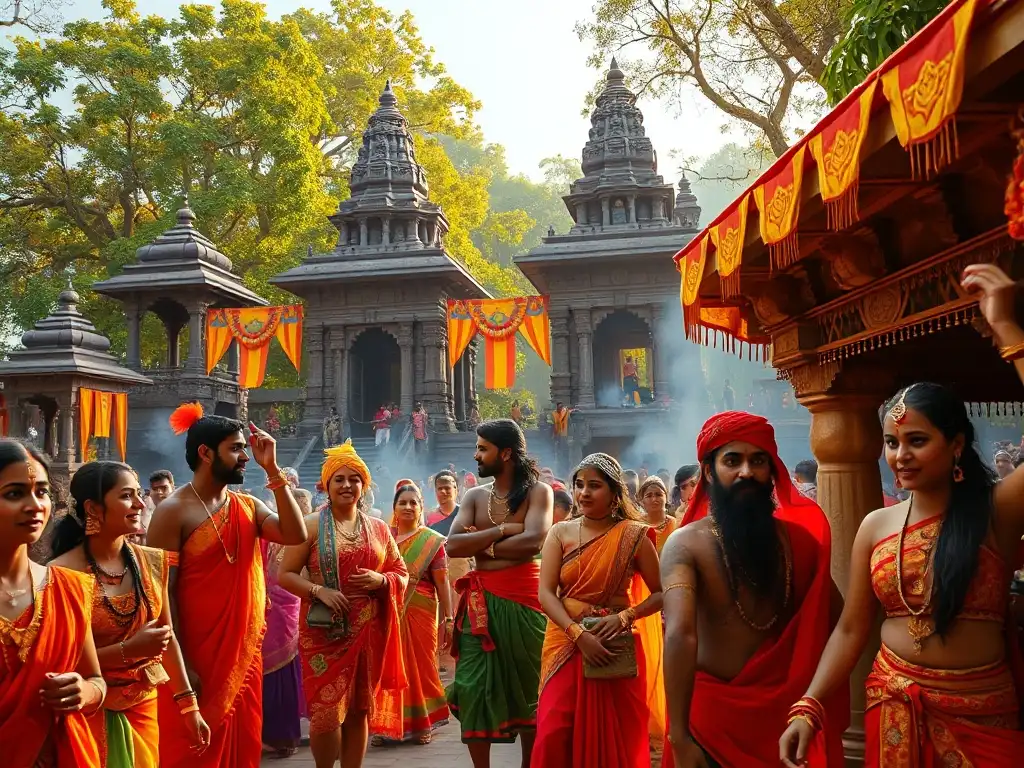
Welcome to Ancient India History, where we embark on a fascinating journey through the vibrant tapestry of ancient Indian civilizations. Our exploration today centers on the Significance of Mauryan festivals, revealing how these celebrations were not merely events but vital expressions of culture, unity, and spirituality. As we delve into the Importance of Festivals within Mauryan culture, you'll discover the stories of celebrated figures who shaped these traditions, inviting you to uncover the profound legacy they left behind.
Get ready to immerse yourself in a world where every festival tells a tale of devotion, community, and historical significance. Let's begin this captivating exploration!
Introduction to the Significance of Mauryan Festivals
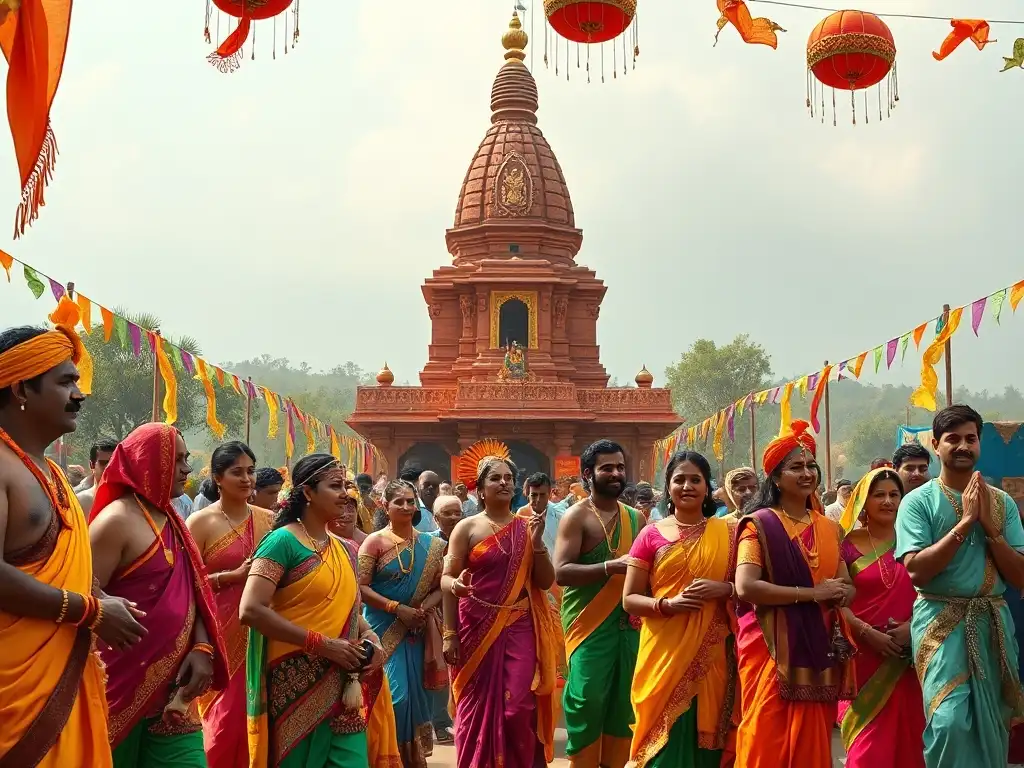
Festivals have always played a paramount role in shaping the cultural and spiritual fabric of civilizations throughout history. In the context of ancient India, particularly during the Maurya Empire (c. 322–185 BCE), festivals served as vital expressions of community, spirituality, and statecraft. The significance of Mauryan festivals extends beyond mere celebration; they were instrumental in fostering unity, disseminating cultural values, and reinforcing the ideological frameworks established by key figures of the time. This article delves into the pivotal role festivals played in Mauryan society and highlights the influential figures who shaped these celebrations.
Overview of Festivals in Ancient India
Festivals in ancient India were not merely occasions for revelry; they were deeply intertwined with religion, agriculture, and social structure. These celebrations marked seasonal changes, agricultural cycles, and significant religious events. The diversity of festivals reflected the myriad beliefs and practices across the subcontinent, ranging from the worship of deities to the celebration of harvests.
- Key aspects of festivals included:
- Religious Observances: Many festivals were dedicated to deities, featuring rituals, prayers, and offerings.
- Cultural Expression: Festivals served as a platform for artistic expressions, including dance, music, and visual arts.
- Community Cohesion: They brought together people from diverse backgrounds, fostering relationships and solidarity.
The Role of Festivals in Mauryan Society
In Mauryan society, festivals held a multifaceted significance that encompassed political, social, and religious dimensions. Festivals were essential in:
- Legitimizing Authority: Rulers, like Chandragupta Maurya and his grandson Ashoka, utilized festivals to strengthen their authority and connect with their subjects.
- Promoting Dharma: Festivals were often linked to moral and ethical teachings, which were integral to the Mauryan philosophy of governance, especially under Ashoka.
- Economic Activity: The festivals stimulated local economies, facilitating trade and commerce through fairs and markets that accompanied major celebrations.
Key Figures Influencing Mauryan Festivals
The Maurya Empire was home to several influential leaders whose contributions significantly shaped the festival culture of the time. Their legacies are evident in the traditional celebrations that continue to resonate in modern society.
Chandragupta Maurya: The Founder’s Influence on Celebrations
As the founder of the Maurya Empire, Chandragupta Maurya established a centralized authority that transformed the festival landscape. His reign saw the integration of various regional practices into a cohesive celebration framework that reflected the empire's vast diversity. Chandragupta’s emphasis on state-sponsored festivals helped legitimize his rule and unify the empire's diverse populations.
Ashoka the Great: Festivals as Tools for Dharma Promotion
Ashoka, known for his profound commitment to Dharma, redefined the purpose of festivals. He utilized these celebrations as platforms to promote moral values, compassion, and non-violence. Ashoka’s edicts often emphasized the importance of communal harmony and ethical living, which resonated through the festivals celebrated during his reign. His efforts to spread Buddhism further infused the festival culture with spiritual significance.
Other Notable Figures and Their Contributions to Festival Culture
While Chandragupta and Ashoka were pivotal, other notable figures also contributed to the rich tapestry of Mauryan festivals. Their influences, whether through patronage, philosophical teachings, or cultural exchanges, helped shape the diverse celebrations that characterized the Maurya Empire.
- Key Contributions:
- Royal Patronage: Support from various royal figures encouraged the preservation and evolution of local traditions.
- Cultural Syncretism: Interactions with different cultures led to the blending of practices, enriching the festival experience.
By examining the significance of these festivals and the key figures behind them, we gain a deeper understanding of the cultural heritage that emerged from the Maurya Empire, reflecting its complexities and enduring legacy.
The Cultural Significance of Festivals in the Mauryan Empire
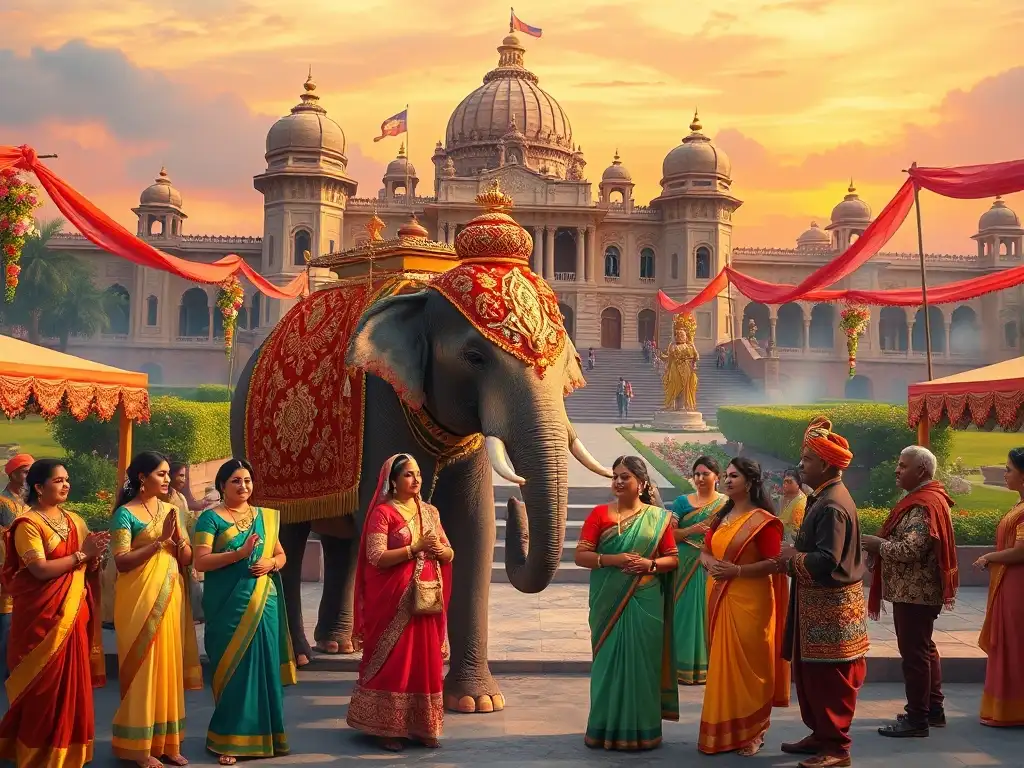
Festivals in the Mauryan Empire were not mere occasions for celebration; they were deeply woven into the fabric of society, reflecting the values, beliefs, and social structures of the time. They served as a platform for the expression of cultural identity and played a crucial role in fostering community spirit. By examining the festivals celebrated during this period, one can gain insights into the philosophical and ethical frameworks that guided the lives of the Mauryan people.
These celebrations were often aligned with agricultural cycles, seasonal changes, and religious observances, highlighting the interdependence of nature and human activity. The Mauryan rulers, particularly Emperor Ashoka, utilized festivals as a means of promoting social unity and harmony, often encouraging the populace to engage in acts of charity and compassion during these times of communal gathering. As such, festivals became a vital component of the Mauryan way of life, enhancing social bonds and reinforcing cultural continuity.
Festivals as a Reflection of Mauryan Values
The festivals of the Mauryan Empire were emblematic of the core values that defined its society, such as dharma (moral duty), ahimsa (non-violence), and community welfare. These celebrations often included rituals that reinforced the moral teachings of Buddhism and Jainism, which were predominant during this era. For instance, during significant festivals, it was common to engage in acts of philanthropy, such as feeding the poor or offering alms to monks, which illustrated the commitment to social responsibility and ethical conduct.
Moreover, festivals were occasions for storytelling and the recitation of texts that conveyed moral lessons, further embedding these values into the collective consciousness of the Mauryan people. The emphasis on compassion and peaceful coexistence, particularly under the influence of Ashoka's reign, was evident in the manner in which festivals were celebrated, fostering a culture of empathy and mutual respect among diverse communities.
The Role of Religion and Spirituality in Celebrations
Religion played a pivotal role in shaping the festivals of the Mauryan Empire. The intertwining of spirituality with daily life was a hallmark of the era, with festivals often dedicated to various deities and spiritual figures. These occasions served not only as a time for worship but also as a means of reaffirming one's faith and connection to the divine.
Celebrations such as the Buddha Purnima honored the birth, enlightenment, and death of the Buddha, drawing large crowds and instilling a sense of reverence and devotion among participants. Rituals included offerings, prayers, and communal meditative practices, which reinforced the spiritual dimension of these festivals. The presence of religious leaders and monks during these events further emphasized the importance of spiritual guidance in the Mauryan context, making festivals a communal space for both celebration and reflection on spiritual teachings.
Festivals and Community Cohesion in Mauryan Society
Festivals in the Mauryan Empire served as vital opportunities for community cohesion and social interaction. These events brought together individuals from diverse backgrounds, fostering a sense of belonging and mutual respect. The shared experience of celebration allowed for the reinforcement of social ties, which was particularly important in a vast empire with numerous ethnic and cultural groups.
Through communal activities such as dances, music, and feasting, festivals promoted a collective identity that transcended individual differences. This sense of unity was crucial for maintaining stability within the empire, as it encouraged collaboration and understanding among various communities. Additionally, festivals often included public displays of art and culture, showcasing local talents and traditions, which further enhanced the cultural richness and diversity of Mauryan society.
Major Festivals Celebrated During the Maurya Empire
The Mauryan Empire was characterized by a variety of vibrant festivals that celebrated both religious and seasonal themes. These festivals not only marked significant events in the calendar but also served to strengthen cultural and spiritual bonds within the community. Their importance extended beyond mere celebration, acting as a mirror to the social and ethical values of the time.
Overview of Prominent Festivals in Mauryan Culture
Among the most notable festivals during the Mauryan Empire were Buddha Purnima, Ashoka's Dhamma Day, and Maha Shivaratri. Each of these festivals held unique significance and offered a unique glimpse into the cultural and religious fabric of Mauryan society.
- Buddha Purnima: Celebrated in honor of the Buddha, this festival involved rituals such as processions, meditation sessions, and the reading of Buddhist scriptures.
- Ashoka's Dhamma Day: This festival commemorated Emperor Ashoka’s conversion to Buddhism and his promotion of non-violence and compassion. It featured public sermons and discussions on ethical living.
- Maha Shivaratri: A festival dedicated to Lord Shiva, it involved night-long vigils and offerings, highlighting the significance of devotion and spirituality in daily life.
These festivals not only reflected the religious diversity of the Mauryan Empire but also served as a means of reinforcing community values and cultural practices.
Specific Festivals Associated with Key Figures
Specific festivals were often linked to significant figures in Mauryan history, reflecting their contributions and legacies. For example:
- Ashoka's Dhamma Day is closely tied to Emperor Ashoka, who was instrumental in spreading Buddhism and promoting ethical governance. This festival became a rallying point for his followers and served as a reminder of his commitment to peace and social harmony.
- Celebrations in honor of Chanakya, the royal advisor and strategist, often involved public discussions and reenactments of his teachings on governance and statecraft, emphasizing the importance of wisdom and leadership in Mauryan culture.
These festivals not only commemorated the achievements of these figures but also served to inspire future generations to embody the values they represented, ensuring the continuity of Mauryan ideals and traditions.
The Impact of Festivals on Mauryan Politics and Administration
Festivals played a pivotal role in the political and administrative landscape of the Mauryan Empire, serving as a tool for consolidating power and fostering loyalty among the populace. The Mauryan rulers, most notably Chandragupta Maurya and his grandson Ashoka, recognized the significance of festivals as a means of promoting their authority and reinforcing social cohesion. These celebrations were not merely cultural events; they were strategic instruments that helped unify diverse communities under a single political umbrella.
One of the primary ways in which festivals impacted politics was through the promotion of royal legitimacy. Rulers often sponsored grand festivals, aligning themselves with traditional practices and religious observances that resonated with the people. By participating in these events, they showcased their commitment to the well-being of their subjects and their role as custodians of cultural heritage. This alignment helped solidify the rulers' positions and fostered a sense of loyalty among the citizenry.
Moreover, festivals facilitated communication between the government and the masses. They provided a platform for the dissemination of royal decrees and policies, often accompanied by festive activities that encouraged participation and engagement. This interaction was crucial in a vast empire where maintaining order and allegiance required a delicate balance of tradition and governance.
Festivals as a Means of Political Unity
Festivals were essential in promoting political unity within the Mauryan Empire, which encompassed a vast and diverse population with varying cultural practices. By standardizing certain festivals across regions, the Mauryan administration reinforced a shared cultural identity and fostered a sense of belonging among its subjects. For instance, the celebration of major festivals like Ashoka's Dharma Vijaya was not only a religious observance but also a political statement, emphasizing the ruler's commitment to dharma (moral law) and justice.
These celebrations also provided an opportunity for various social classes to come together, breaking down barriers and fostering interactions among different groups. The inclusivity of festivals helped soften class distinctions, allowing common people to engage with the elite and the ruling class. This interaction played a significant role in reinforcing loyalty to the emperor, as subjects felt acknowledged and valued during these communal festivities.
Additionally, festivals often coincided with important political events, such as royal announcements or military victories. By linking celebrations with significant state affairs, the Mauryan rulers skillfully intertwined political narratives with cultural expressions, thus enhancing the perceived legitimacy of their reign.
The Economic Implications of Festival Celebrations
The economic impact of festivals in the Mauryan Empire cannot be overstated. These events stimulated local economies, particularly in urban centers where trade and commerce flourished. Festivals attracted merchants, artisans, and travelers, boosting economic activity through increased sales and trade. Temporary markets sprung up during these celebrations, providing lucrative opportunities for vendors and craftsmen to showcase their goods.
Moreover, the royal patronage of festivals meant significant financial investment, which often translated into infrastructure development. The need for public spaces, decorations, and provisions for large gatherings led to advancements in urban planning and resource allocation. This investment not only enhanced the immediate economic benefits of festivals but also contributed to the overall growth of the empire's economy.
Additionally, festivals served as a conduit for redistributing wealth. The influx of resources during celebrations allowed for the provision of food and entertainment, ensuring that even the less fortunate could partake in the festivities. This practice reinforced social stability, as it alleviated economic disparities, if only temporarily, and fostered goodwill towards the ruling class.
Conclusion: The Lasting Legacy of Mauryan Festivals
The festivals of the Mauryan Empire left an indelible mark on the cultural and political landscape of ancient India. Their significance transcended mere celebration, becoming integral to the governance and unity of a vast empire. The Mauryan rulers understood the multifaceted nature of festivals, leveraging them to promote political cohesion, economic prosperity, and cultural identity.
Reflection on the Importance of Festivals in Ancient Cultures
The importance of festivals in ancient cultures, including the Mauryan Empire, lies in their ability to forge connections between individuals and their communities. They served as a vital expression of cultural identity, allowing people to celebrate their shared heritage and collective values. Festivals were moments of joy and reflection, providing opportunities for renewal and reaffirmation of social bonds.
In the context of the Mauryan Empire, these celebrations also reflected the rulers' understanding of the social fabric, as they sought to embrace and elevate the diverse traditions within their realm. The legacy of such festivals continues to resonate in contemporary society, where cultural celebrations still play a crucial role in fostering community and identity.
The Continuing Influence of Mauryan Festival Traditions Today
Even today, the influence of Mauryan festival traditions can be seen in various aspects of Indian culture. Many modern festivals still incorporate elements reminiscent of ancient celebrations, showcasing the continuity of cultural practices over millennia. The underlying themes of unity, prosperity, and community bonding remain central to these celebrations, echoing the values that the Mauryan Empire sought to promote.
Moreover, the celebration of festivals continues to serve as a means of preserving historical narratives and cultural heritage. Events that commemorate significant figures or milestones from the Mauryan period foster a sense of pride and connection to the past, reminding contemporary society of the rich tapestry of Indian history. As we observe these festivals, we not only celebrate the present but also honor the legacy of our ancestors, ensuring that their contributions to culture and society endure through time.
- Introduction to the Significance of Mauryan Festivals
- Overview of Festivals in Ancient India
- The Role of Festivals in Mauryan Society
- Key Figures Influencing Mauryan Festivals
- The Cultural Significance of Festivals in the Mauryan Empire
- Major Festivals Celebrated During the Maurya Empire
- The Impact of Festivals on Mauryan Politics and Administration
- Conclusion: The Lasting Legacy of Mauryan Festivals
- What were the key festivals celebrated during the Mauryan Empire?
- How did festivals contribute to Mauryan society?
- What is the significance of Mauryan festivals in historical context?
- How did Emperor Ashoka influence festival celebrations?
- Are there any modern-day celebrations that trace back to Mauryan festivals?
Frequently Asked Questions
What were the key festivals celebrated during the Mauryan Empire?
The Mauryan Empire celebrated various religious and cultural festivals such as Ashoka's Dhamma festivals, which promoted Buddhism and community welfare.
How did festivals contribute to Mauryan society?
Festivals played a crucial role in promoting social cohesion and cultural identity among the people, fostering a sense of community and shared values.
What is the significance of Mauryan festivals in historical context?
The significance of Mauryan festivals lies in their reflection of the empire's values, religious practices, and the integration of diverse cultures, showcasing the richness of ancient Indian civilization.
How did Emperor Ashoka influence festival celebrations?
Emperor Ashoka significantly influenced celebrations by promoting Buddhist festivals and emphasizing moral values and non-violence, which were central to his reign.
Are there any modern-day celebrations that trace back to Mauryan festivals?
Yes, several modern Indian festivals have roots in ancient celebrations, emphasizing cultural continuity and the enduring legacy of the Mauryan Empire's traditions.
Final Reflection: Embracing the Significance of Mauryan Festivals
The exploration of Mauryan festivals reveals their profound impact on cultural identity and social cohesion, reminding us that celebration is a vital thread in the fabric of society. In today's fast-paced world, where individualism often overshadows communal experiences, the lessons from the Mauryan era resonate more than ever. Festivals were not merely events; they were pivotal moments that united people, fostered shared values, and celebrated the rich tapestry of human experience.
Celebrations in the Mauryan period were not just about revelry; they were a reflection of the society's values, beliefs, and aspirations. The significance of these festivals continues to echo in contemporary culture, as they serve as a reminder of our shared heritage and the importance of community. As we navigate our increasingly fragmented world, we can draw inspiration from the words of Mahatma Gandhi: A nation's greatness is measured by how it treats its weakest members.
This sentiment underscores the idea that festivals can be a platform for inclusivity, bridging gaps and fostering understanding among diverse groups.
As we reflect on the importance of festivals in our lives, let us consider how we can incorporate the spirit of the Mauryan celebrations into our own communities. Take a moment to think about how you can contribute to the cultural richness around you—whether by participating in local events, supporting cultural initiatives, or simply sharing stories that celebrate our collective heritage. By embracing the significance of festivals, we not only honor the past but also pave the way for a more connected and vibrant future.
Celebrate the Vibrance of Mauryan Festivals!
Thank you for diving into the rich tapestry of Mauryan culture with us! We hope you’ve gained a deeper appreciation for the profound impact festivals had on society and how celebrated figures shaped these vibrant traditions. Now, it’s time to channel that interest into action!
Here are some steps you can take to further engage with this fascinating topic:
- Uncover More: Delve deeper into the history of a specific Mauryan festival. Research and write a short piece about its significance and its modern-day celebrations.
- Join the Discussion: Share your thoughts or questions in the comments below. What aspect of Mauryan festivals intrigued you the most?
- Spread the Joy: Introduce a friend to the wonders of Indian history. Share this article with someone who loves learning about diverse cultures and traditions!
As we celebrate the influence of festivals in ancient societies, we’d love to know: Which festival would you love to experience firsthand, and why?