
Reviving Interest in Prakrit and Pali: Modern Courses and Resources


Welcome to Ancient India History, where we embark on a fascinating journey through the rich tapestry of ancient Indian civilizations. Our exploration unveils the profound cultural and linguistic contributions that have shaped the subcontinent, from the enigmatic Indus Valley to the illustrious Gupta Empire. In this article, we delve into the revival of interest in Prakrit and Pali language courses, uncovering modern resources that breathe new life into these ancient tongues.
Join us as we unravel the significance of these languages and discover how they continue to influence contemporary society. Are you ready to explore the depths of history that echo through time? Let’s dive in!
Introduction to Prakrit and Pali Languages
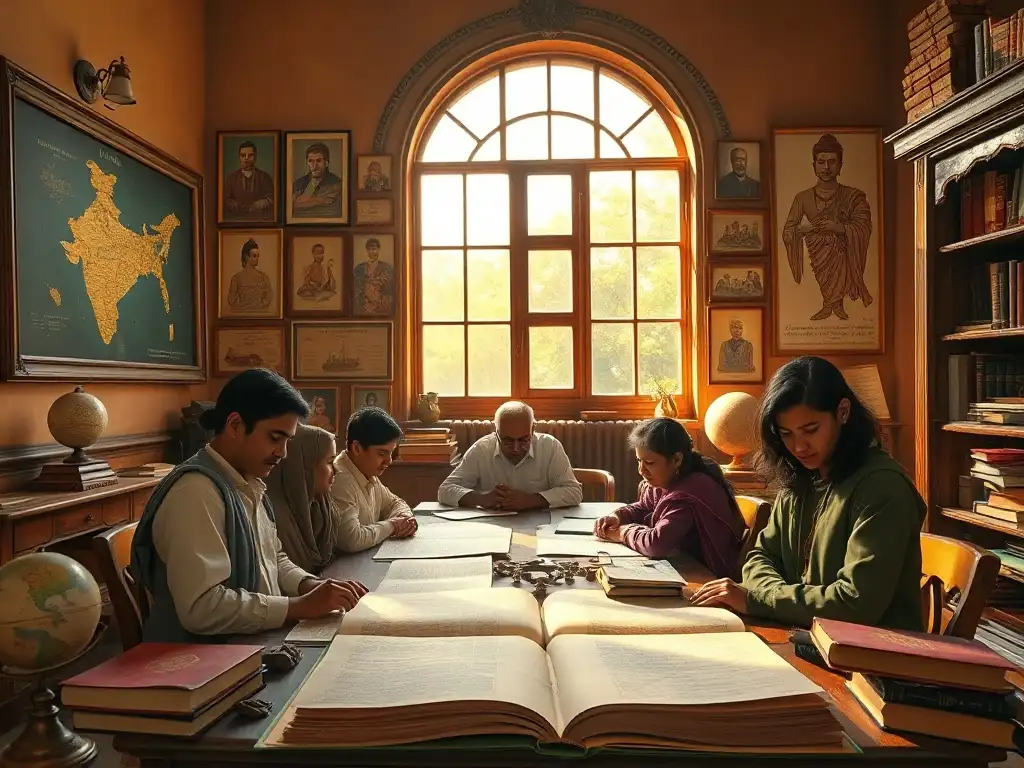
The revival of interest in Prakrit and Pali languages is not merely a linguistic endeavor; it is a gateway to understanding the profound cultural and philosophical foundations of ancient Indian civilizations. As languages that flourished during significant historical periods, Prakrit and Pali provide invaluable insights into the social, religious, and literary practices of their time.
With the advent of modern courses and resources dedicated to these languages, learners today have unprecedented opportunities to engage with a rich heritage that has shaped the Indian subcontinent's identity. This article explores the importance of these languages, their historical context, and the modern initiatives that aim to rekindle interest in their study.
Overview of Prakrit and Pali
Prakrit languages are a group of Middle Indo-Aryan languages that evolved from Sanskrit and were spoken in various regions of ancient India. They served as the vernacular during the time of the Maurya and Gupta Empires, enabling a more accessible means of communication for the general populace.
On the other hand, Pali is best known as the language of the Buddhist scriptures. It played a crucial role in disseminating the teachings of Buddhism across Asia, particularly during the time of the Theravada school. Not only did Pali facilitate the preservation of spiritual texts, but it also fostered dialogue between diverse cultures as Buddhism spread beyond India.
Key Features of Prakrit and Pali:
- Prakrit:
- Varieties include Ardhamagadhi, Maharashtri, and Shauraseni.
- Used in various literary genres, including poetry and drama.
- Pali:
- Written in the Brahmi script and later in other scripts.
- Central to Theravada Buddhism, making it significant in religious studies.
Historical Significance of Prakrit and Pali in Ancient India
The historical significance of Prakrit and Pali cannot be overstated. These languages were not merely tools for communication; they were instrumental in the evolution of Indian philosophy, literature, and politics.
- Political Context:
- The use of Prakrit in inscriptions and edicts, notably by Emperor Ashoka, emphasizes its role in governance and public communication.
- This accessibility allowed for the dissemination of state policies and moral teachings.
- Philosophical Impact:
- Pali texts such as the Tripitaka encapsulate the core tenets of Buddhism, influencing thought across generations.
- The dialogues written in these languages laid the groundwork for philosophical discourse in ancient and modern contexts.
The Importance of Learning Prakrit and Pali
As the world becomes increasingly interconnected, the relevance of learning Prakrit and Pali extends beyond historical interest. These languages provide learners with tools to engage with profound philosophical concepts and cultural practices that resonate even today.
Cultural Relevance of Prakrit and Pali Languages
Understanding Prakrit and Pali languages opens avenues to engage with the cultural heritage of ancient India.
- Cultural Identity:
- These languages are a testament to India's rich tapestry of history, reflecting the values, traditions, and beliefs of diverse communities.
- Art and Literature:
- The study of Prakrit literature, including plays by Kalidasa and Bhasa, enriches one's appreciation of Indian arts and aesthetics.
Contributions to Literature and Philosophy
The literary and philosophical contributions of Prakrit and Pali are immense, offering a trove of knowledge that continues to inspire scholars and thinkers.
- Literary Works:
- Texts composed in Prakrit and Pali, such as the Jataka tales, are not only foundational to understanding Buddhist teachings but also serve as moral fables that transcend time.
- Philosophical Foundations:
- The philosophical discourses found in Pali texts have influenced various schools of thought, making them essential for anyone interested in the evolution of Indian philosophy.
The revival of interest in Prakrit and Pali languages through modern courses and resources is a vital step towards reconnecting with the legacies of ancient Indian civilizations. As we delve deeper into these languages, we uncover the rich narratives and philosophical insights that continue to shape our understanding of the world.
Modern Prakrit and Pali Language Courses
In recent years, there has been a resurgence of interest in the ancient languages of Prakrit and Pali, primarily due to their significant roles in the history and literature of India. Modern courses designed to teach these languages have emerged in various educational institutions, catering to both academic scholars and enthusiasts. These courses often cover the grammatical structure, vocabulary, and historical context of the languages, along with their literature, which includes religious texts, poetry, and philosophical discourse.
Universities and language institutes around the world are starting to offer dedicated programs on Prakrit and Pali languages. These courses can vary widely in duration, from short workshops and summer schools to full-fledged semester-long or year-long programs. They are designed to accommodate different proficiency levels, ensuring that both beginners and advanced learners can find suitable options tailored to their needs.
Types of Courses Available
- University Degree Programs:
- Many universities offer undergraduate or postgraduate degrees with a focus on ancient languages, including Prakrit and Pali. These programs often include coursework in linguistics, literature, and cultural studies.
- Certificate and Diploma Courses:
- Various institutes provide shorter, intensive programs that culminate in a certificate or diploma. These courses are ideal for those looking to gain foundational knowledge without committing to a full degree.
- Workshops and Summer Schools:
- Short-term workshops and summer schools are occasionally organized, often focusing on specific aspects of the languages, such as grammar, translation, or literary analysis. These can be a great way to immerse oneself in the language in a focused environment.
- Online Courses:
- The rise of online education has made it possible for learners to access courses from anywhere in the world. Various platforms now offer Prakrit and Pali language courses that can be taken at one's own pace.
Resources for Learning Prakrit and Pali

To complement formal courses, several resources are available to aid learners in their journey to mastering Prakrit and Pali. These include textbooks, online platforms, and community forums where students can engage with one another and with experienced scholars.
Recommended Textbooks and Study Materials
- "A Practical Grammar of the Pali Language" by A. C. Burnell: This is a comprehensive guide that covers the essential grammatical rules of Pali, making it an excellent resource for beginners.
- "Introduction to Prakrit" by R. S. McGregor: This textbook provides a clear introduction to Prakrit, focusing on both grammar and vocabulary.
- "Pali Reader" by Charles Duroiselle: Featuring selections from various Pali texts, this reader is beneficial for those looking to practice reading and comprehension in Pali.
- "Prakrit Language: A Comprehensive Guide" by R. D. Tripathi: This book offers insights into the evolution and usage of Prakrit, along with exercises for practice.
Online Learning Platforms
- Coursera and edX: These platforms offer courses related to ancient languages, including Prakrit and Pali, often created by reputable universities. Courses can be audited for free or taken for a certificate.
- Udemy: This platform features various language courses, some focusing specifically on Prakrit and Pali, which can be taken at one's convenience.
- YouTube: Numerous educators and linguists share free lectures and tutorials on Prakrit and Pali, providing an accessible way to learn the languages visually.
Important Websites and Forums for Language Learners
- Digital South Asia Library: This site hosts a range of resources, including texts and tools for studying Prakrit and Pali.
- The Pali Text Society: An organization dedicated to the study and publication of Pali texts, they offer valuable resources for learners and researchers.
- Reddit Language Learning Communities: Subreddits like r/languagelearning can be useful for finding fellow learners and getting advice on resources and study techniques.
- Facebook Groups and Online Forums: Various groups exist where learners can ask questions, share resources, and discuss their progress with others interested in Prakrit and Pali languages.
By utilizing these resources and enrolling in modern courses, learners can cultivate a deeper understanding of Prakrit and Pali, contributing to the revival of these significant languages in contemporary scholarship.
Challenges in Reviving Interest in Prakrit and Pali
Reviving interest in Prakrit and Pali languages presents various challenges that need to be addressed to promote their study effectively. One significant hurdle is the limited awareness of these languages among the general public. Many people are unaware of the historical significance and cultural richness embedded in Prakrit and Pali, as they are often overshadowed by more widely spoken languages like Hindi or English. This lack of awareness can contribute to a perception that these languages are irrelevant in modern times.
Another challenge is the scarcity of trained educators who can teach Prakrit and Pali. The specialized nature of these languages means that fewer academic programs exist, resulting in a limited number of instructors. Consequently, students may find it difficult to access quality education in these languages, leading to a decline in student enrollment and interest.
Additionally, the availability of resources plays a crucial role. Many educational materials, such as textbooks and online courses, are not readily accessible or may not be sufficiently comprehensive to cater to different learning levels. This lack of resources can deter potential learners from pursuing their studies in Prakrit and Pali.
Common Misconceptions About Prakrit and Pali
One prevalent misconception is that Prakrit and Pali are merely historical relics without practical application in contemporary society. In reality, these languages hold profound cultural and philosophical significance, particularly in the context of ancient Indian literature and Buddhist texts. Understanding these languages can provide valuable insights into the history of thought and expression in ancient India.
Another misunderstanding is that learning Prakrit and Pali requires extensive prior knowledge of Sanskrit. While a background in Sanskrit can be beneficial, it is not a prerequisite for learning these languages. Many courses are designed for beginners and offer structured pathways to ease learners into the languages without overwhelming them with complex grammatical rules.
Additionally, some individuals may believe that studying Prakrit and Pali is of interest only to scholars or academics. However, these languages can also appeal to enthusiasts of history, literature, philosophy, and linguistics, broadening their potential student base.
Barriers to Accessing Language Courses
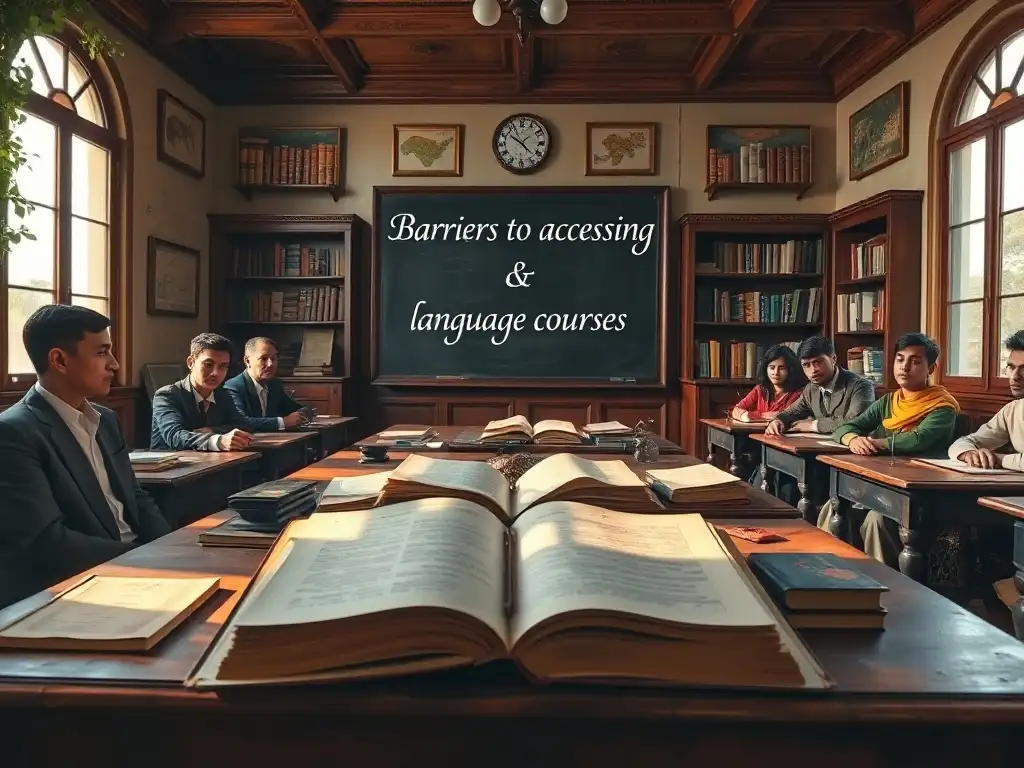
Accessing courses in Prakrit and Pali often involves various barriers that can discourage potential learners. One major barrier is geographical limitations; many universities and institutions offering these courses are located in specific regions, making it challenging for individuals from other areas to participate. This geographic disparity limits the reach of these programs and restricts enrollment.
Another significant hurdle is the financial aspect. Tuition fees for language courses, especially at higher education institutions, can be prohibitively expensive for many prospective students. Additionally, there may be hidden costs associated with required materials and resources, further deterring interest.
Furthermore, the lack of online resources poses a challenge. Although some courses are available virtually, the number is still relatively low compared to other languages. The absence of comprehensive online programs limits access for individuals who cannot attend in-person classes due to various constraints.
Strategies for Promoting Prakrit and Pali Language Courses
To effectively promote Prakrit and Pali language courses, targeted strategies must be employed to increase visibility and accessibility.
Community Engagement and Awareness Campaigns
Engaging with local communities through awareness campaigns can significantly boost interest in Prakrit and Pali. Organizing workshops, seminars, and public lectures can help demystify these languages and showcase their relevance. These events could feature guest speakers, scholars, and practitioners who can share their experiences and knowledge, making the languages more relatable and appealing.
Additionally, collaborating with cultural organizations and heritage sites can amplify outreach efforts. By hosting events at places of historical significance, the connection between the languages and their cultural roots can be highlighted, fostering a deeper appreciation among participants.
Collaboration with Educational Institutions
Partnering with educational institutions is crucial for creating structured and accessible courses. Universities and colleges can be encouraged to incorporate Prakrit and Pali into their curricula, offering degree programs or elective courses. This collaboration can also extend to summer schools and intensive language programs, providing students with various learning formats.
Moreover, developing partnerships with online educational platforms can expand course availability to a global audience. By utilizing these platforms, institutions can create engaging, interactive courses that attract learners from diverse backgrounds.
Utilizing Social Media for Promotion
Social media serves as a powerful tool for promoting Prakrit and Pali language courses. Institutions and educators can harness platforms like Facebook, Twitter, and Instagram to share informative content, success stories, and updates about upcoming courses. Engaging infographics and video content can effectively capture the attention of potential learners and spark curiosity.
Additionally, creating dedicated groups or forums on social media can foster a sense of community among learners. These platforms can provide spaces for discussion, resource sharing, and collaboration, ultimately enhancing the overall learning experience and encouraging more individuals to explore Prakrit and Pali.
Conclusion: The Future of Prakrit and Pali Language Studies
The future of Prakrit and Pali language studies hinges on the successful integration of modern educational practices and resources. As interest in these ancient languages grows, it is crucial to develop a curriculum that resonates with contemporary learners while maintaining the essence of these historical tongues. The revival not only serves academic purposes but also enriches cultural understanding, allowing students to connect with the philosophical and literary traditions of ancient India.
Efforts to digitize resources and create accessible online courses are paving the way for wider participation. With the rise of technology, learners can now engage with Prakrit and Pali through interactive platforms, making the study of these languages more appealing. This shift towards modern teaching methods is essential for sustaining interest and ensuring that these languages do not fade into obscurity.
By fostering a vibrant community of learners and educators, the future of Prakrit and Pali studies looks promising. Continued investment in educational resources and outreach programs will play a critical role in securing the legacy of these languages for future generations.
The Role of Modern Courses in Preserving Ancient Languages
Modern courses in Prakrit and Pali are instrumental in preserving these ancient languages by providing structured learning environments that encourage engagement and exploration. These courses often incorporate diverse teaching methodologies, including digital resources, interactive activities, and immersion experiences, making the learning process dynamic and relevant.
One significant aspect of these programs is their ability to connect learners with the cultural heritage of ancient India. Through the study of ancient texts, students gain insights into historical contexts, philosophical ideas, and literary expressions, enriching their understanding of the civilizations that spoke these languages. Additionally, modern language courses often highlight the practical applications of Prakrit and Pali in contemporary studies, such as in fields like linguistics, anthropology, and religious studies.
Furthermore, the incorporation of online platforms has expanded access to these courses beyond geographical limitations. Students from around the world can now engage with these languages, fostering a global community of learners dedicated to preserving and revitalizing Prakrit and Pali. This accessibility is crucial in ensuring that these languages continue to thrive in an increasingly interconnected world.
Encouraging a New Generation of Learners in Prakrit and Pali
To encourage a new generation of learners in Prakrit and Pali, it is vital to create engaging and relatable content that resonates with contemporary interests. Educational institutions and language programs are increasingly recognizing the importance of integrating modern themes and technologies to attract younger audiences. This can include utilizing multimedia resources, gamified learning experiences, and collaborative projects that promote social interaction among learners.
Additionally, outreach initiatives aimed at schools and universities can spark interest in these ancient languages. Workshops, seminars, and cultural events can introduce students to the beauty and significance of Prakrit and Pali, demonstrating their relevance in today's world. By showcasing the connections between ancient wisdom and modern challenges, these initiatives can inspire students to embark on their language-learning journeys.
Mentorship programs pairing experienced scholars with novice learners can also play a crucial role in fostering a supportive environment for those interested in Prakrit and Pali. Such relationships can provide guidance, encouragement, and a sense of community, motivating new learners to delve deeper into their studies.
Encouraging a new generation to explore Prakrit and Pali requires a multifaceted approach that combines modern educational practices with a focus on cultural heritage. By making these languages accessible and engaging, we can ensure their survival and relevance in the contemporary world.
- Introduction to Prakrit and Pali Languages
- The Importance of Learning Prakrit and Pali
- Modern Prakrit and Pali Language Courses
- Resources for Learning Prakrit and Pali
- Challenges in Reviving Interest in Prakrit and Pali
- Common Misconceptions About Prakrit and Pali
- Barriers to Accessing Language Courses
- Strategies for Promoting Prakrit and Pali Language Courses
- Conclusion: The Future of Prakrit and Pali Language Studies
Frequently Asked Questions
What are Prakrit and Pali languages?
Prakrit and Pali are ancient languages of India, with Pali being closely associated with Buddhism and the Tipitaka, while Prakrit served as a vernacular language used in various literary and cultural contexts.
Why is there a growing interest in Prakrit and Pali language courses?
There is a revival of interest in these languages due to their cultural significance, their role in understanding ancient texts, and the desire to connect with India's historical heritage.
What resources are available for learning Prakrit and Pali?
Various modern courses, online platforms, and books are available that offer structured lessons, grammar guides, and interactive learning opportunities for both languages.
Who can benefit from taking Prakrit and Pali language courses?
Students, scholars, and anyone interested in ancient Indian history, linguistics, or Buddhist studies can greatly benefit from these courses, enhancing their understanding of historical texts.
How can I find reputable Prakrit and Pali language courses?
Look for courses offered by universities, cultural organizations, and online educational platforms that have positive reviews and a focus on authentic teaching methods in these ancient languages.
Final Reflection: Reviving the Voices of Prakrit and Pali
The revival of interest in Prakrit and Pali languages is not just an academic endeavor; it is a vital connection to our cultural heritage and shared human experience. As we navigate an increasingly globalized world, the significance of these ancient languages becomes ever more relevant, reminding us of the rich tapestry of human expression that has shaped our civilizations. In a time where languages are rapidly fading, the resurgence of Prakrit and Pali courses offers a beacon of hope for preserving our linguistic diversity.
Cultural and social landscapes are deeply influenced by the languages we speak, and the revival of Prakrit and Pali is a testament to the enduring power of history and tradition. The study of these languages opens doors to ancient texts, philosophies, and narratives that continue to resonate today. As we engage with these languages, we not only honor our past but also enrich our present. Language is the road map of a culture. It tells you where its people come from and where they are going.
— Rita Mae Brown. This quote encapsulates the essence of why learning Prakrit and Pali is crucial; it is about understanding our roots while paving the way for future generations.
As you reflect on the insights shared in this article, consider how you can contribute to the revival of these languages in your own life. Whether through enrolling in a course, engaging with community resources, or simply sharing your newfound knowledge, every action counts. Let us embrace the challenge of keeping the voices of Prakrit and Pali alive, ensuring that their wisdom continues to inspire and guide us in the years to come. Your journey into these ancient languages could be the key to unlocking a deeper understanding of our shared humanity.
Ignite Your Passion for Prakrit and Pali!
Thank you for exploring the fascinating world of Prakrit and Pali with us! We hope you feel inspired and empowered by the insights shared in this article. Now, it’s time to take that enthusiasm and put it into action. Here’s how you can dive deeper into these ancient languages and make a meaningful impact on your learning journey.
- Enroll in a modern course to deepen your understanding of Prakrit and Pali—discover options that align with your schedule and interests!
- Join a community group or online forum where you can share experiences, resources, and learning tips with fellow enthusiasts.
- Organize a local meetup or study group to explore these languages together—collaboration can spark excitement and generate new ideas!
As you embark on this journey, remember: the more we engage with our heritage, the richer our understanding becomes. What’s the first step you’ll take to begin your journey into Prakrit and Pali? We invite you to share your thoughts in the comments below!