
Unraveling the Mysteries of Sanskrit: A Journey Through Time


Welcome to Ancient India History, where we embark on a captivating journey through the tapestry of time that weaves together the rich narratives of ancient Indian civilizations. In our featured article, "Unraveling the Mysteries of Sanskrit: A Journey Through Time," we delve into the profound history and significance of the Sanskrit language—a cornerstone of cultural heritage that has shaped literature, philosophy, and spirituality.
Join us as we explore the enigmatic roots of this ancient tongue, uncovering its impact on the world and inviting you to discover the wisdom that transcends centuries. Prepare to dive deep into a realm where language and legacy converge, beckoning you to read further and unveil the secrets of Sanskrit.

Introduction to Sanskrit Language History
The Sanskrit language stands as a monumental pillar in the tapestry of ancient Indian civilization, representing not only a means of communication but also a profound cultural and philosophical heritage. As one of the oldest languages in the world, Sanskrit has influenced numerous languages, philosophies, and literatures across the globe.
This article embarks on a journey through time to unravel the rich history and significance of Sanskrit, exploring its origins, evolution, and the pivotal role it played in shaping ancient Indian society. By delving into the nuances of Sanskrit language history and its cultural ramifications, we aim to illuminate the lasting impact of this linguistic treasure on contemporary thought and global languages.
Overview of the Sanskrit Language
Sanskrit, known as "Saṃskṛtam" in its own lexicon, which translates to "refined" or "cultured," is a language that boasts a highly systematic grammatical structure. It is classified as a member of the Indo-Aryan branch of the Indo-European language family. The language is characterized by its rich vocabulary and extensive literary tradition, featuring a myriad of texts encompassing philosophy, science, and the arts.
- Key Features of Sanskrit:
- Phonetics: A precise system of phonetics with distinct sounds, including vowels and consonants.
- Grammar: An elaborate grammatical framework, notably detailed in the work of Panini, which codified the language over 2,500 years ago.
- Literature: A vast array of literature, including Vedas, Upanishads, epics like the Mahabharata and Ramayana, and various philosophical treatises.
Importance of Sanskrit in Ancient Indian Civilization
Sanskrit's significance extends beyond its linguistic attributes; it served as a vital instrument for the dissemination of knowledge and culture in ancient India. The language was the primary medium for religious texts, educational discourse, and philosophical inquiry.
- Cultural Impact:
- Religious Texts: The Vedas and other sacred texts were composed in Sanskrit, shaping the spiritual landscape of ancient India.
- Philosophy and Science: Sanskrit provided a framework for philosophical discourse and scientific inquiry, influencing various fields such as mathematics, astronomy, and medicine.
The Origins of Sanskrit
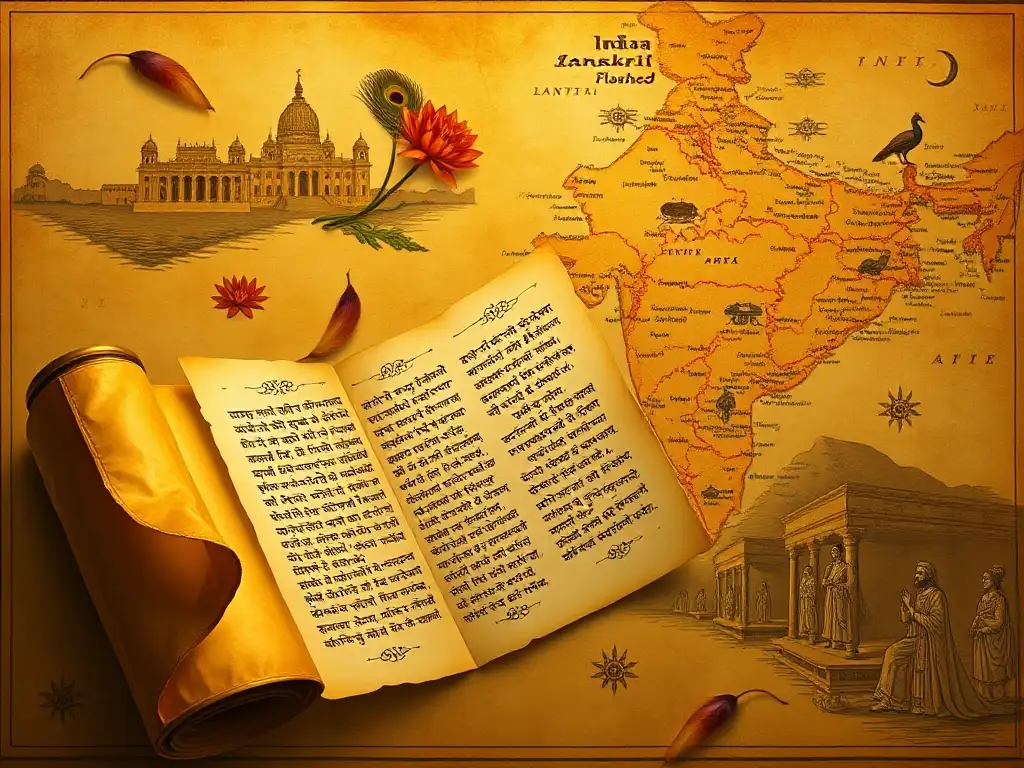
Understanding the origins of Sanskrit is essential for appreciating its evolution and legacy. The roots of this ancient language can be traced back to several theories and archaeological findings that provide insights into its early development.
Theories on the Birth of Sanskrit
There are several theories regarding the emergence of Sanskrit, reflecting the complexities of linguistic evolution. Some of these theories include:
- Indo-European Theory: This theory posits that Sanskrit evolved from the Proto-Indo-European language, sharing roots with other ancient languages.
- Cultural Exchange: The spread of Sanskrit is also attributed to the cultural exchanges between various ancient civilizations, which contributed to its development and diversification.
Early Evidence of Sanskrit in Ancient Texts
Archaeological discoveries have unveiled early evidence of Sanskrit, showcasing its historical significance. Some notable examples include:
- Inscriptions: The discovery of inscriptions in Brahmi and Kharosthi scripts that contain Sanskrit words.
- Literary Texts: The earliest known texts, such as the Rigveda, which date back to around 1500 BCE, offer invaluable insights into the linguistic and cultural milieu of ancient India.
Through this exploration of Sanskrit's origins and significance, we continue to unveil the layers of history and culture that make this ancient language a cornerstone of human civilization.
Evolution of the Sanskrit Language
The Sanskrit language boasts a rich and intricate history that spans thousands of years. Its origins can be traced back to the Vedic texts, which date to around 1500 BCE. The evolution of Sanskrit can be categorized into distinct phases, reflecting its transformation from an oral tradition to a highly sophisticated written language. This journey of evolution mirrors the broader socio-cultural changes in ancient India, making Sanskrit a vital component of the subcontinent's linguistic heritage.
Sanskrit evolved through various dialects and forms, resulting in the emergence of Classical Sanskrit around the 5th century BCE, which was codified by the renowned grammarian Panini in his work, the "Ashtadhyayi." This period marked a significant turning point where Sanskrit became the formalized language of literature, science, and philosophy, setting the foundation for its enduring legacy.
Phases of Sanskrit Development
The development of Sanskrit can be delineated into several key phases:
- Vedic Sanskrit (1500–500 BCE): This is the oldest form of Sanskrit, encapsulated within the Vedas, the sacred texts of Hinduism. Vedic Sanskrit is characterized by its complex phonetics and varied dialects, which reflect the diverse cultural practices of early Indo-Aryan tribes.
- Classical Sanskrit (500 BCE–1000 CE): With the advent of Panini's grammar, Classical Sanskrit emerged as a standardized form. This phase saw the flourishing of literature, including epic poems like the "Mahabharata" and "Ramayana," and the works of playwrights such as Kalidasa.
- Post-Classical Sanskrit (1000 CE onward): Following the Classical period, Sanskrit began to coexist with regional languages, although it continued to be used in religious and scholarly contexts. During this time, numerous texts were composed, including commentaries on earlier works and new philosophical treatises.
- Modern Sanskrit (19th century onward): The revival of interest in Sanskrit during the colonial period led to efforts to promote its study and usage. Today, while Sanskrit is not spoken as a native language, it is taught in institutions and remains significant in Hindu rituals and cultural practices.
Influence of Other Languages on Sanskrit Development
Sanskrit's evolution has been influenced by various languages, particularly through cultural exchanges over centuries. Here are some notable influences:
- Prakrit Languages: As the vernacular languages of ancient India, Prakrits played a crucial role in shaping the phonetic and grammatical aspects of Sanskrit. The interaction between these languages led to the development of regional dialects and adaptations.
- Persian and Arabic: During the medieval period, the arrival of Persian and later Arabic saw the incorporation of loanwords into Sanskrit, particularly in fields like science, mathematics, and administration. These languages contributed to the lexical expansion of Sanskrit.
- European Languages: The colonial era introduced European languages, especially English and French, which influenced Sanskrit education and scholarship. This interaction facilitated the modernization of Sanskrit studies and the creation of new terminologies.
The Significance of Sanskrit in Ancient Indian Culture
Sanskrit holds a central position in the cultural and intellectual history of ancient India. Its significance transcends mere linguistic value, permeating various aspects of life, spirituality, and artistic expression.
Sanskrit as a Language of Knowledge and Literature
Sanskrit was revered as the language of the learned, serving as a medium for the transmission of knowledge in diverse fields such as philosophy, mathematics, astronomy, and medicine. The vast corpus of Sanskrit literature includes:
- Philosophical Texts: Works such as the "Upanishads" and "Brahmanas" explore metaphysical concepts and the nature of reality, influencing spiritual thought.
- Scientific Treatises: Ancient scholars like Aryabhata and Charaka wrote significant texts in Sanskrit, laying the groundwork for advancements in mathematics and medicine.
- Poetry and Drama: The rich literary tradition of Sanskrit encompasses renowned epics and lyrical poetry, showcasing the artistic prowess of ancient Indian civilization.
Sanskrit's role as a language of knowledge fostered a culture of learning, encouraging intellectual discourse and the preservation of wisdom across generations.
Role of Sanskrit in Religion and Philosophy
Sanskrit is intrinsically linked to the religious and philosophical landscape of ancient India. It served as the liturgical language of Hinduism, Buddhism, and Jainism, playing a pivotal role in spiritual practices and rituals. Its significance can be highlighted through:
- Sacred Texts: The Vedas, Upanishads, and other religious scriptures were composed in Sanskrit, establishing its authority in spiritual matters and guiding the moral and ethical framework of society.
- Philosophical Schools: The philosophical discourse in ancient India, including schools such as Vedanta and Samkhya, utilized Sanskrit to articulate complex ideas, fostering a rich intellectual tradition that continues to influence contemporary thought.
- Mantras and Chants: The precise phonetics of Sanskrit are believed to have spiritual potency, making it integral to rituals and worship. Mantras chanted in Sanskrit are considered to invoke divine energies and facilitate spiritual connections.
Influence of Sanskrit on Art and Architecture
The influence of Sanskrit extends beyond literature and philosophy; it also significantly impacted art and architecture in ancient India. Key contributions include:
- Inscriptions and Reliefs: Many ancient inscriptions found on temple walls and monuments were composed in Sanskrit, showcasing its importance in documenting history, religious beliefs, and royal patronage.
- Temple Architecture: The design and iconography of temples often reflect Sanskrit texts, infusing spiritual meaning into architectural elements. This integration is evident in the intricate carvings and sculptures that narrate stories from epics and Puranas.
- Performing Arts: The classical dance forms and theatrical traditions of India, such as Bharatanatyam and Kathak, rely heavily on Sanskrit literature for their narratives, enhancing the cultural fabric of ancient Indian society.
Sanskrit's evolution and significance reveal its profound impact on the cultural, spiritual, and artistic dimensions of ancient Indian civilization, underscoring its status as a timeless treasure in the history of language and thought.
The Decline and Revival of Sanskrit

The journey of Sanskrit, one of the oldest languages in the world, reflects the dynamic shifts in culture, politics, and society in ancient India. While it flourished for centuries, contributing significantly to religious, philosophical, and literary traditions, it also faced periods of decline. However, recent efforts have aimed to revive this classical language, ensuring its relevance in contemporary discourse.
Factors Leading to the Decline of Sanskrit Usage
The decline of Sanskrit can be attributed to several interrelated factors:
- Cultural Shifts: As regional languages began to evolve and gain prominence, especially during the medieval period, the use of Sanskrit diminished in everyday communication. The rise of vernacular languages made literature and education more accessible to the masses.
- Political Changes: The invasions and subsequent rule by various foreign powers, such as the Mughals and later the British, led to the marginalization of Sanskrit. These regimes often promoted their languages, further sidelining Sanskrit in administrative and educational contexts.
- Colonial Influence: The British colonial education system favored English and local languages over Sanskrit, leading to a significant reduction in its study and usage. This trend continued well into the post-independence era, where English became the medium of instruction in many institutions.
- Religious Reform Movements: Various reform movements in the 19th and early 20th centuries sought to simplify practices and doctrines, often moving away from traditional Sanskrit texts. This contributed to a perception of Sanskrit as an archaic language detached from modern life.
Efforts Toward Reviving Sanskrit in Modern Times
In recent decades, there has been a concerted effort to revive Sanskrit through various initiatives:
- Educational Institutions: Numerous universities and institutions have established dedicated departments for Sanskrit studies, offering courses at various levels. This has attracted both scholars and enthusiasts who wish to learn the language.
- Government Initiatives: The Indian government has implemented policies to promote Sanskrit, including the establishment of the Central Sanskrit University and various state-level Sanskrit academies. These institutions facilitate research, publication of texts, and the organization of seminars and workshops.
- Cultural Programs: Festivals, conferences, and cultural events celebrating Sanskrit literature and philosophy have gained popularity. These platforms provide opportunities for individuals to engage with the language and its rich heritage.
- Digital Expansion: The internet has opened new avenues for Sanskrit revival. Online courses, social media groups, and digital libraries have made resources more accessible, allowing a global audience to connect with the language.
Conclusion: The Enduring Legacy of Sanskrit
Sanskrit's historical significance cannot be overstated. It is not only the foundation of many modern Indian languages but also a critical element of India's cultural identity. Its literature, philosophy, and scientific texts have influenced civilizations beyond India, making it a treasure trove of knowledge.
The Relevance of Sanskrit Language History Today
Today, the history of Sanskrit holds significant relevance in various fields:
- Linguistics: Scholars continue to study Sanskrit to understand the evolution of languages, including Indo-European linguistics. Its grammatical structure serves as a reference point for comparative studies.
- Cultural Studies: The exploration of ancient texts in Sanskrit provides insights into the social, political, and spiritual life of ancient India. This understanding fosters a deeper appreciation of India’s diverse cultural heritage.
- Philosophy and Religion: Many philosophical concepts and religious texts in Hinduism, Buddhism, and Jainism are rooted in Sanskrit. Engaging with these texts is essential for comprehending the profound ideas that have shaped spiritual thought.
Future of the Sanskrit Language in Global Context
The future of Sanskrit appears promising, with several trends indicating its potential resurgence:
- Global Interest: As the world becomes increasingly interconnected, there is a growing interest in ancient languages and their contributions to modern thought. Sanskrit's unique insights into philosophy and science can attract scholars and practitioners globally.
- Interdisciplinary Studies: The integration of Sanskrit studies into various disciplines such as artificial intelligence, cognitive science, and environmental studies opens new research avenues, showcasing its relevance in contemporary discourse.
- Cultural Exchange: The global movement toward cultural preservation and revival can further bolster the study and use of Sanskrit. Collaborative efforts between Indian and international institutions may lead to more comprehensive research and educational programs.
While Sanskrit has faced significant challenges throughout its history, the enduring legacy and ongoing revival efforts highlight its importance in the modern world, ensuring that it remains a vital part of our collective heritage.
References for Further Reading on Sanskrit Language History and Significance
Sanskrit, one of the oldest languages in the world, has a profound historical and cultural significance that continues to influence various fields such as linguistics, philosophy, and literature. For those interested in delving deeper into the history and significance of the Sanskrit language, the following resources and texts provide a wealth of information.
Key Texts and Resources on Sanskrit Development
-
"The Sanskrit Language: An Introduction" by Arthur Anthony Macdonell
This comprehensive text explores the structure, grammar, and historical development of Sanskrit, making it an essential resource for both scholars and students.
-
"A History of Sanskrit Literature" by Arthur Anthony Macdonell
This book provides insights into the evolution of literary forms in Sanskrit, covering poetry, drama, and prose across various epochs.
-
"Sanskrit Grammar" by William Dwight Whitney
A foundational work focusing on the grammatical aspects of Sanskrit, it serves as a crucial reference for linguists and language learners.
-
"The Rigveda: An Anthology" translated by Wendy Doniger
This anthology presents selected hymns from the Rigveda, showcasing the linguistic richness and spiritual depth of early Sanskrit literature.
-
Online Resources
- Sanskrit Documents: A digital library containing a vast collection of Sanskrit texts and resources.
- The Digital Sanskrit Library: An initiative aimed at digitizing and making available important Sanskrit manuscripts and texts.
Recommended Academic Works and Articles on Sanskrit Significance
-
"Sanskrit and the World" by Michael Witzel
This article discusses the global significance of Sanskrit and its influence on various languages and cultures, highlighting its relevance in contemporary studies.
-
"The Role of Sanskrit in the Development of Indian Philosophy"
This academic paper examines how Sanskrit has shaped philosophical thought in India, detailing its impact on key philosophical schools.
-
"Sanskrit: The Language of the Gods" by N. V. Raghuram
This work explores the spiritual and cultural importance of Sanskrit, discussing its use in religious texts and rituals.
-
"The Evolution of Sanskrit: From Vedic to Classical"
This research article traces the linguistic evolution of Sanskrit, focusing on its transition from Vedic Sanskrit to Classical Sanskrit, emphasizing significant changes in phonetics and grammar.
-
"Sanskrit in the Modern World"
An exploration of how Sanskrit is being revived and taught in modern educational institutions, highlighting its relevance in contemporary linguistics and cultural studies.
By engaging with these texts and resources, readers can gain a deeper understanding of the fascinating history and significance of the Sanskrit language, enriching their appreciation of its contributions to human civilization.
- Introduction to Sanskrit Language History
- Overview of the Sanskrit Language
- Importance of Sanskrit in Ancient Indian Civilization
- The Origins of Sanskrit
- Evolution of the Sanskrit Language
- The Significance of Sanskrit in Ancient Indian Culture
- The Decline and Revival of Sanskrit
- Conclusion: The Enduring Legacy of Sanskrit
- References for Further Reading on Sanskrit Language History and Significance
Frequently Asked Questions
What is the historical significance of the Sanskrit language?
Sanskrit is considered one of the oldest languages in the world, deeply intertwined with Indian culture and religion. It serves as a foundation for many Indian languages and is central to ancient texts, including the Vedas and Upanishads.
How did Sanskrit influence other languages?
Sanskrit has significantly influenced many Indo-European languages, particularly in the realms of grammar and vocabulary. Its structure and words appear in languages such as Hindi, Bengali, and even some European languages.
What are the key texts written in Sanskrit?
Some of the most notable texts include the Vedas, Mahabharata, Ramayana, and various philosophical and scientific treatises. These works highlight the depth of knowledge and culture in ancient India.
How did the Gupta Empire contribute to Sanskrit literature?
The Gupta Empire, often referred to as a Golden Age of Indian culture, saw a flourish of Sanskrit literature and drama. Scholars like Kalidasa produced timeless literary works that are still celebrated today.
Why is Sanskrit relevant in modern times?
Today, Sanskrit is not only studied for its historical and cultural significance but also for its potential in linguistics and computer programming. Its structured nature provides insights into language development and cognitive science.
Final Reflection: The Enduring Legacy of Sanskrit
The exploration of Sanskrit's rich history and significance reveals not only its linguistic beauty but also its profound impact on culture and philosophy today. In a world increasingly dominated by rapid communication and digital language, the ancient roots of Sanskrit remind us of the depth and complexity that language can embody. The journey through time that Sanskrit offers is not merely an academic pursuit; it is a vital connection to our shared human heritage and the wisdom it holds.
Sanskrit has shaped the cultural and spiritual landscapes of countless societies, influencing everything from literature to modern languages. Its teachings and texts continue to resonate, providing insights into the human experience that are as relevant today as they were millennia ago. As Mahatma Gandhi once said, "> The best way to find yourself is to lose yourself in the service of others." This sentiment echoes the essence of Sanskrit, where the pursuit of knowledge and self-discovery is intertwined with the greater good of society.
As we reflect on the significance of Sanskrit, let us embrace the invitation to deepen our understanding of this ancient language and its teachings. Consider how the principles and philosophies embedded in Sanskrit can enrich your own life and the lives of those around you. Whether through learning its intricacies, exploring its texts, or simply appreciating its influence on modern thought, each step we take in this journey can illuminate our path forward, fostering a greater appreciation for the interconnectedness of all cultures and languages.
Unlock the Secrets of Sanskrit Today!
Thank you for immersing yourself in the fascinating world of Sanskrit and its historical significance. You’ve gained valuable insights into this ancient language and its cultural heritage—now it's time to transform that knowledge into action!
Here are some empowering steps you can take:
- Explore Sanskrit Literature: Dive into classic texts like the Mahabharata and the Bhagavad Gita to experience the beauty of the language firsthand.
- Connect with Others: Join online forums or local groups focused on Sanskrit studies to enhance your understanding and share your enthusiasm!
- Practice Speaking: Enroll in a beginner's Sanskrit language course or download an educational app to start conversing with fellow enthusiasts.
Are you ready to embrace the wonders of Sanskrit and share your discoveries with others? What aspect of Sanskrit history captivates you the most?