
Discovering the Daily Rituals of Indus Valley Families: A Journey Through Time

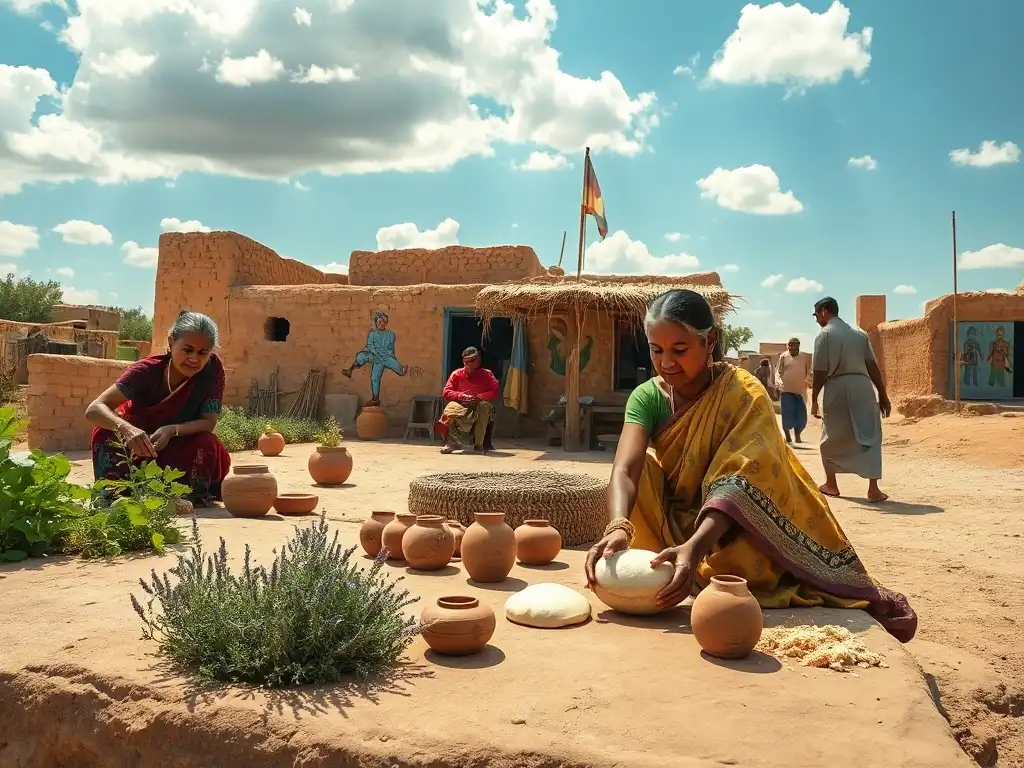
Welcome to Ancient India History, where we embark on a captivating journey through time to uncover the rich tapestry of ancient Indian civilizations. In this exploration, we invite you to delve into our main article, "Discovering the Daily Rituals of Indus Valley Families," where we illuminate the fascinating customs and practices of a society that thrived thousands of years ago. What secrets do these daily rituals hold about life in the Indus Valley?
Join us as we peel back the layers of history, revealing the profound connections between past and present, and ignite your curiosity about one of the world's earliest urban cultures. Your adventure into the heart of ancient India begins here!
The Indus Valley Civilization, one of the world's earliest urban cultures, flourished from approximately 2600 to 1900 BCE in what is now modern-day Pakistan and northwest India. This remarkable society, renowned for its advanced city planning, sophisticated drainage systems, and impressive architecture, also had a rich tapestry of daily life characterized by unique rituals and customs. Understanding the Indus Valley daily rituals provides us with profound insights into the social structure, spiritual beliefs, and cultural practices of its people.
In this exploration, we will journey through the daily lives of Indus Valley families, illuminating the significant rituals that shaped their existence. From morning routines centered around agriculture and trade, to family gatherings and religious observances, we will uncover how these practices reflect the broader societal values and interconnections of this ancient civilization. Join us as we delve into the fascinating world of the Indus Valley and discover how these daily rituals not only sustained life but also forged a communal identity that resonates through history.
The Role of Agriculture in Daily Rituals
Agriculture was the backbone of the Indus Valley economy, and it played a crucial role in the daily lives of its inhabitants.
- Farming Practices: Families engaged in farming as a primary way of life, cultivating staple crops such as wheat, barley, and cotton.
- Seasonal Rituals: The agricultural cycle dictated various rituals, from sowing seeds to harvesting crops, often accompanied by prayers for a bountiful yield.
Domestic Life and Family Dynamics
The structure of family life in the Indus Valley was deeply intertwined with daily rituals that fostered kinship and community.
- Household Activities: Daily chores often included cooking, pottery, and textile production, which were not only practical but also infused with ritual significance.
- Family Gatherings: Mealtime was a sacred time for families, marked by shared dishes and communal prayers, reinforcing bonds and traditions.
Spiritual Practices and Religious Observances
Spiritual beliefs were pivotal in the lives of Indus Valley families, influencing their daily rituals and practices.
- Worship and Deities: Many families participated in rituals honoring fertility deities and nature, reflecting their deep connection to the environment.
- Ceremonial Practices: Specific days were set aside for rituals, such as the worship of sacred animals and offerings to the gods, which were believed to bring prosperity and protection.
The Influence of Trade on Daily Life
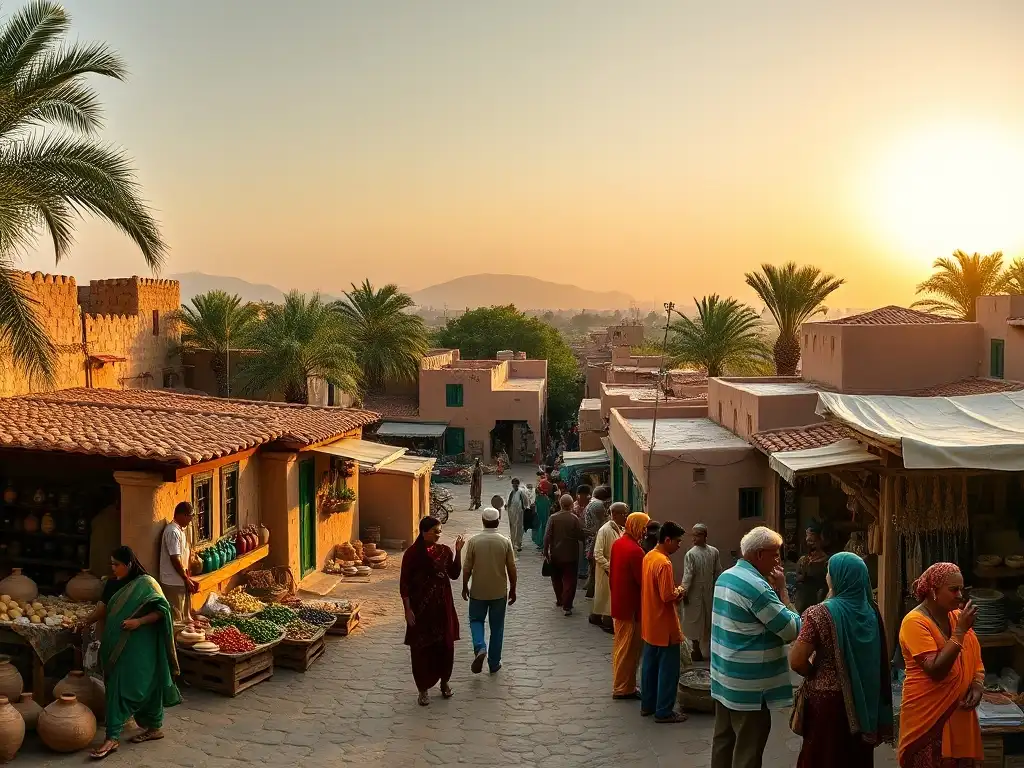
Trade was a vital aspect of the Indus Valley Civilization, impacting daily routines and rituals.
- Market Activities: Families often engaged in trade, exchanging goods such as pottery and textiles, which necessitated specific rituals for commerce.
- Cultural Exchange: Interactions with neighboring civilizations brought new ideas and practices, enriching the daily rituals of the Indus Valley people.
Conclusion: Legacy of Daily Rituals
The daily rituals of Indus Valley families not only provided structure to their lives but also contributed to a rich cultural heritage that has left a lasting impact on the region. By understanding these practices, we gain valuable insights into the lives of one of humanity's earliest civilizations, revealing how their customs and rituals resonate through time.
In the following sections, we will delve deeper into each aspect of these daily rituals, exploring their significance and the ways they shaped the identity of the Indus Valley Civilization.
- The Role of Agriculture in Daily Rituals
- Domestic Life and Family Dynamics
- Spiritual Practices and Religious Observances
- The Influence of Trade on Daily Life
- Conclusion: Legacy of Daily Rituals
- What were the daily rituals of Indus Valley families?
- How did religion influence daily life in the Indus Valley?
- What artifacts provide insight into the daily rituals of the Indus Valley?
- Were there any specific festivals celebrated in the Indus Valley?
- How do the daily rituals of the Indus Valley compare to those of other ancient civilizations?
Introduction to Indus Valley Civilization
The Indus Valley Civilization (IVC), existing around 3300 to 1300 BCE, is one of the world's earliest urban cultures. Primarily located in what is now Pakistan and northwest India, it flourished along the fertile floodplains of the Indus River. This civilization is renowned for its advanced urban planning, sophisticated drainage systems, and a writing system that remains undeciphered. The IVC was characterized by its well-structured cities like Harappa and Mohenjo-Daro, where the daily lives of families were rich with rituals and customs that reflected their beliefs and societal norms.
Overview of the Indus Valley Civilization
The Indus Valley Civilization was marked by its remarkable achievements in various domains:
- Urban Planning: Cities were laid out in a grid pattern, featuring wide streets and impressive public baths, like the Great Bath of Mohenjo-Daro.
- Trade and Economy: The IVC engaged in extensive trade with neighboring regions, exchanging goods such as cotton textiles and precious stones.
- Craftsmanship: Artisans were adept at creating intricate jewelry, pottery, and seals, showcasing the civilization's artistic prowess.
- Agriculture: The fertile land allowed for the cultivation of wheat, barley, and pulses, which were central to their diet.
These features indicate a complex society with a structured approach to daily life, including various Indus Valley daily rituals that played a significant role in the lives of its inhabitants.
Importance of Daily Rituals in Ancient Societies
Daily rituals in ancient societies, including the Indus Valley, served multiple purposes that were essential for maintaining social cohesion and cultural identity. Here are some key aspects to consider:
- Spiritual Significance: Rituals often had religious connotations, reflecting the society's beliefs and connection to the divine. For example, regular purification rituals may have been conducted at the Great Bath, signifying a communal approach to spirituality.
- Cultural Continuity: Daily practices, such as cooking, dressing, and family gatherings, helped in passing down traditions and customs from one generation to the next, ensuring cultural continuity.
- Social Structure: Rituals often reinforced social hierarchies and roles within the community. For instance, certain rituals may have been reserved for specific families or castes, highlighting the stratified nature of society.
- Community Bonding: Participating in communal rituals fostered a sense of belonging and unity among families, promoting cooperation and collaboration within the society.
These daily rituals were not merely practices but integral components of the Indus Valley Civilization's identity, influencing their interactions and relationships, both within families and the broader community. Understanding these practices offers valuable insight into the lives of Indus Valley families and their enduring legacy in ancient Indian history.
Understanding Indus Valley Daily Rituals
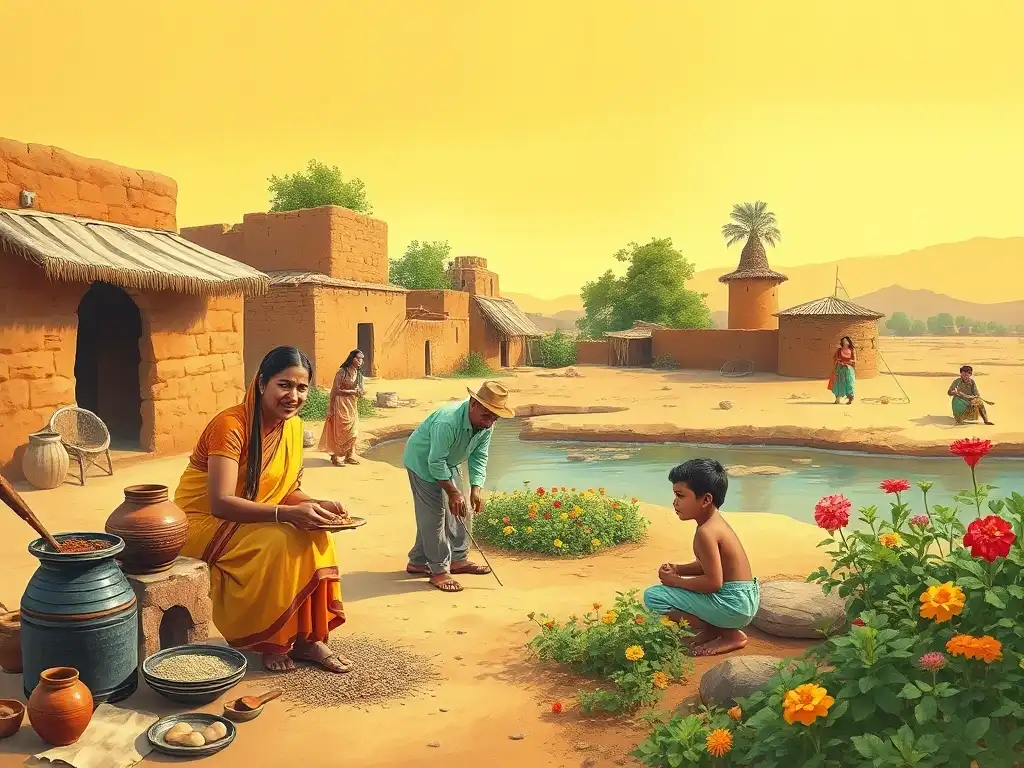
The daily rituals of the Indus Valley Civilization reflect a profound connection to spirituality, nature, and community life. These rituals were not mere routines; they were integral to the social fabric, influencing everything from agriculture and trade to family dynamics and religious beliefs. Understanding these rituals offers invaluable insights into the values and practices of one of the world's oldest urban cultures.
Definition of Daily Rituals in the Indus Valley
Daily rituals in the Indus Valley encompassed a variety of practices that were woven into the everyday lives of its inhabitants. These rituals can be categorized into several key areas:
- Religious Practices: Worship of deities, often linked to fertility and nature, played a central role. Evidence from archaeological sites indicates that small figurines, possibly representing gods and goddesses, were used in domestic shrines.
- Agricultural Routines: Seasonal rituals were conducted to ensure bountiful harvests. This included ceremonies to honor the land and water, acknowledging their vital role in sustaining life.
- Family and Community Gatherings: Rituals surrounding marriage, childbirth, and death were significant events that reinforced social bonds. Families would gather to celebrate or mourn, often involving specific rites that highlighted their cultural values.
- Craft and Trade: Skilled artisans and traders also had their unique rituals, such as blessing tools or goods before market transactions, which underscored the importance of commerce in their daily lives.
These rituals were deeply embedded in the Indus Valley culture, shaping their identities and daily interactions.
Significance of Rituals in Daily Life
The significance of daily rituals in the Indus Valley can be observed through various lenses:
- Cultural Identity: Rituals served as a means of expressing and preserving cultural identity. They helped to transmit values, beliefs, and traditions from one generation to the next, fostering a sense of continuity and belonging within the community.
- Social Cohesion: Engaging in communal rituals strengthened social ties among individuals. Families and neighbors would come together, fostering cooperation and mutual support, which was crucial for survival in the bustling urban centers.
- Spiritual Connection: Daily rituals provided a framework for spiritual expression and connection to the divine. By participating in these practices, individuals and families sought blessings and protection from higher powers, reflecting their reverence for nature and the cosmos.
- Economic Function: Many rituals had economic implications, particularly those related to agriculture and trade. Rituals that ensured successful harvests or prosperous trade were vital for the community’s sustenance and growth.
- Psychological Well-being: The routine of daily rituals offered psychological comfort and stability. In a world filled with uncertainties, these practices provided a sense of control and predictability, contributing to overall mental health.
The Indus Valley daily rituals were multifaceted, playing a crucial role in the civilization's spiritual, social, and economic life. They were not just practices, but vital expressions of the community's identity and resilience, revealing the depth of their culture and the complexity of their societal interactions.
Family Structure in the Indus Valley
The family structure within the Indus Valley Civilization was pivotal in shaping daily life and rituals. Families were typically organized in extended units, comprising multiple generations living together. This structure fostered a strong sense of community and collective responsibility, which was essential for the survival and prosperity of the families within this ancient society.
Role of Families in Daily Rituals
Families played a central role in the daily rituals that were integral to the social and spiritual life of the Indus Valley. These rituals often revolved around agricultural cycles, religious practices, and familial relationships.
- Agricultural Practices: Families participated in communal farming activities during planting and harvesting seasons. Rituals were typically performed to appease deities for a bountiful harvest. For instance, families might gather to perform specific offerings or rituals at home, invoking fertility and abundance.
- Religious Observances: Evidence suggests that families engaged in domestic worship, likely involving shrines or altars within their homes. These spaces were used for daily offerings, prayers, and the veneration of ancestors, signifying the deep connection between familial lineage and spiritual beliefs.
- Life Cycle Events: Significant life events, such as births, marriages, and deaths, were marked by elaborate rituals involving family members. These rituals not only reinforced familial bonds but also ensured that cultural traditions were passed down through generations.
The importance of family in these daily rituals underscores the interconnectedness of social structures and religious practices within the Indus Valley Civilization.
Gender Roles and Responsibilities
Gender roles within Indus Valley families were likely defined but also exhibited flexibility, shaped by societal norms and economic needs.
- Men's Responsibilities: Men typically engaged in agricultural work, trade, and craftsmanship. Their roles extended to the protection of the family, ensuring security and stability. In the context of daily rituals, men may have been responsible for conducting certain religious ceremonies, particularly those linked to agriculture and protection.
- Women's Roles: Women were central to the household, managing daily domestic tasks, including cooking, weaving, and childcare. They also played a crucial role in religious and cultural rituals. Evidence from archaeological findings suggests that women participated in worship and were likely responsible for maintaining household shrines, thus contributing to the spiritual fabric of family life.
- Shared Responsibilities: Both men and women participated in communal activities, such as festivals and rituals, highlighting a collaborative approach to family life. This shared responsibility ensured the continuation of traditions and the reinforcement of social cohesion within the community.
The family structure of the Indus Valley Civilization was fundamental to daily rituals, with distinct yet complementary roles for men and women. This dynamic facilitated a rich tapestry of cultural practices that defined the social landscape of one of history's most remarkable civilizations.
Common Daily Rituals Practiced by Indus Valley Families
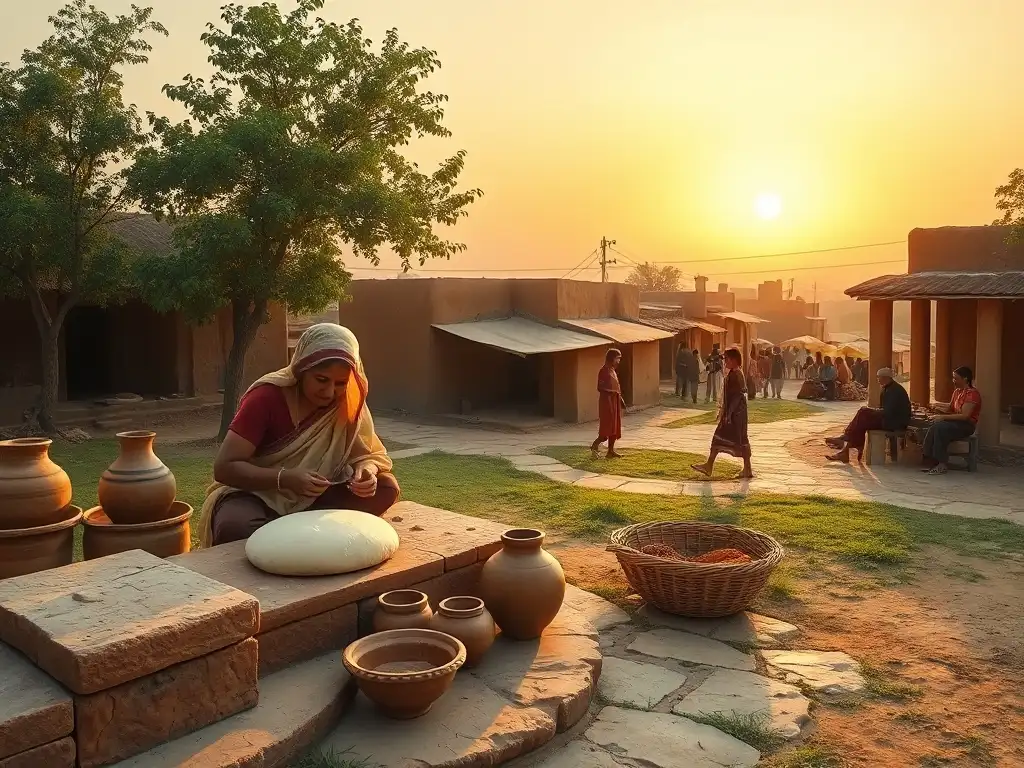
The daily life of families in the Indus Valley Civilization was deeply intertwined with rituals that reflected their cultural beliefs, agricultural practices, and social structures. These rituals, passed down through generations, played a crucial role in maintaining the community's cohesion and connection to their environment. The following sections detail the common daily rituals practiced by these ancient families, categorized into morning, afternoon, and evening activities.
Morning Rituals and Practices
Morning rituals in the Indus Valley typically began with the rising sun, which was considered a sacred time for various activities. Families often engaged in the following practices:
- Purification Rituals: Upon waking, many families would partake in purification rituals, which included bathing in nearby rivers or using water from wells. This act symbolized cleanliness and readiness to embrace the new day.
- Offering to Deities: Early mornings were also the time for families to offer prayers and small offerings to their household deities. This could include flowers, grains, or incense, placed at a designated altar within the home.
- Agricultural Preparations: For families engaged in agriculture, morning was a crucial time to prepare for daily farming activities. This involved gathering tools, assessing crop conditions, and planning the day’s work.
- Family Gatherings: Breakfast often included a communal gathering where families would share simple meals made from staple grains like barley and wheat. This time fostered bonds and reinforced social structures within the family unit.
Afternoon Activities and Rituals
As the sun reached its zenith, the afternoon was marked by a mix of labor and ritualistic practices:
- Work and Social Duties: Families would engage in their respective occupations, whether it be farming, pottery, or trade. This period was often punctuated by short breaks for rest and social interaction with neighbors.
- Culinary Rituals: Meal preparation was an integral part of the afternoon, with families cooking meals that often included lentils, vegetables, and grains. Food was frequently seasoned with local spices, and sharing these meals was a vital aspect of family and community life.
- Craft and Trade: For those skilled in crafts, afternoons were spent creating goods for trade. This included pottery, textiles, and metalwork, which were essential for both local consumption and trade with neighboring regions.
- Rituals of Abundance: Families often performed small rituals to ensure a bountiful harvest. These could include singing songs, dancing, or even creating symbolic drawings in the dirt to invite blessings from the earth and fertility deities.
Evening Traditions and Ceremonies
Evenings in the Indus Valley were characterized by winding down from the day’s labor and engaging in communal rituals:
- Family Gatherings and Storytelling: After sunset, families would gather to share stories, reinforcing cultural traditions and imparting lessons to younger generations. This oral tradition was vital for preserving the community's history and values.
- Rituals of Gratitude: Evening rituals often included expressing gratitude for the day’s work and the harvest. Families would gather around a fire, offering thanks to deities and ancestors.
- Cultural Performances: In some communities, the evenings were filled with music and dance, often linked to agricultural cycles. These performances served as both entertainment and a means to honor the gods.
- Preparation for the Next Day: Before retiring for the night, families would prepare for the next day by ensuring that tools were ready and food supplies were stocked. This practical aspect of evening rituals highlighted their connection to both daily life and the cyclical nature of agricultural society.
Through these daily rituals, families in the Indus Valley Civilization not only navigated the practicalities of life but also reinforced their cultural identity and community ties. The significance of these practices extended beyond mere routine, embedding a rich tapestry of beliefs and traditions that defined their society.
Religious Influences on Daily Rituals
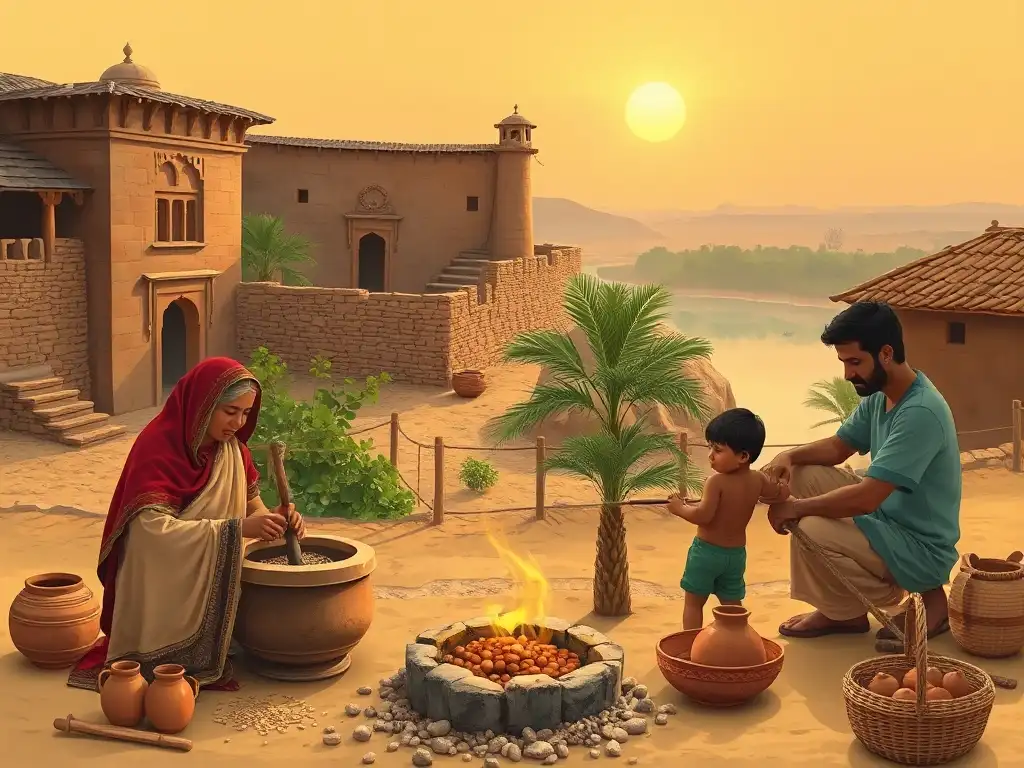
The daily rituals of the Indus Valley Civilization were deeply intertwined with the religious beliefs and practices of its people. Religion played a fundamental role in shaping not only the spiritual life of the individuals but also the social structure and cultural practices of the community. The Indus Valley region, known for its advanced urban planning and sophisticated lifestyle, also housed a set of beliefs that influenced everyday activities, rituals, and societal norms.
Overview of Indus Valley Religion
The religious framework of the Indus Valley Civilization is still somewhat enigmatic due to the limited decipherment of its script and the scarcity of written records. However, archaeological findings provide insight into the spiritual life of its inhabitants. Scholars suggest that the Indus Valley religion was polytheistic, featuring a pantheon of deities that included mother goddesses, animals, and natural elements.
- Key Elements of Indus Valley Religion:
- Mother Goddess Worship: Figurines representing mother goddesses, often depicted with exaggerated features, suggest a focus on fertility and the nurturing aspect of the divine.
- Sacred Animals: The presence of seals depicting animals, such as unicorns and bulls, indicates that certain creatures held spiritual significance and may have been revered.
- Natural Elements: The worship of natural elements, such as water and earth, was likely central to their spiritual practices, reflecting a connection to agriculture and the cycles of nature.
The religious practices of the Indus Valley people can be inferred from the layout of their cities, the presence of large public baths (often interpreted as sites for ritual purification), and the remains of fire altars. These elements suggest that rituals were likely communal, involving both private devotion and public ceremonies.
Rituals Connected to Worship and Spirituality
Rituals in the Indus Valley were diverse and often conducted within the confines of their homes or in public spaces. These rituals served multiple purposes, including worship, community bonding, and the observance of seasonal or agricultural cycles.
Common Ritual Practices:
-
Homa (Fire Ritual):
Fire played a crucial role in many rituals, symbolizing purification and the presence of the divine. The Indus Valley people may have performed homa, where offerings were made into the fire, seeking blessings for fertility, health, and prosperity.
-
Purification Rites:
The great baths, particularly the one in Mohenjo-Daro, are believed to have been used for ritual purification. Bathing in these pools was likely a communal activity, marking the transition into a sacred state before participating in worship or festivals.
-
Offerings and Altars:
Archaeological findings include remnants of altars and small shrines where offerings of food, flowers, or symbolic items may have been placed to honor deities. These offerings were a way to express gratitude and seek favor from the divine.
-
Festivals and Seasonal Celebrations:
The agricultural nature of Indus Valley society likely led to the observance of festivals aligned with the agricultural calendar. Celebrations could have included rituals to ensure a good harvest, reflecting the community's reliance on farming and the cyclical nature of life.
Summary of Rituals:
| Ritual Type | Description | Purpose |
|---|---|---|
| Homa | Fire offerings | Purification and blessings |
| Purification Rites | Use of public baths for cleansing | Spiritual readiness |
| Offerings and Altars | Sacrifices made at shrines | Gratitude and divine favor |
| Festivals | Seasonal celebrations linked to agriculture | Community bonding and gratitude |
The daily rituals of the Indus Valley Civilization were deeply influenced by their religious beliefs, shaping not only individual practices but also the collective identity of the society. These rituals highlight the intricate connection between spirituality and daily life, revealing a rich tapestry of cultural expressions that have left a lasting legacy.
The Role of Agriculture in Daily Rituals
Agriculture was not merely a means of sustenance for the inhabitants of the Indus Valley Civilization; it also played a pivotal role in shaping their daily rituals and community life. The cyclical nature of farming activities intertwined with spiritual beliefs, resulting in a rich tapestry of agricultural practices that were celebrated through various rituals. This connection between farming and spirituality illustrates how deeply embedded agriculture was in the daily lives of these ancient families.
Agricultural Practices and Their Ritualistic Aspects
The farming practices of the Indus Valley Civilization were diverse, focusing on staple crops like wheat, barley, and pulses. These practices were often accompanied by rituals aimed at ensuring a bountiful harvest. For instance, farmers would perform pujas (prayers) to appease the deities associated with agriculture, invoking blessings for fertility and abundance.
- Seed Sowing Rituals:
- Before sowing seeds, families would hold ceremonies that included offerings of flowers, rice, and other grains to the earth. This was done to express gratitude and seek the earth's blessings.
- Harvest Festivals:
- At the time of harvest, families would celebrate with specific rituals involving the community. These included:
- Goddess Worship: Offering the first fruits to the local goddess, believed to protect and enhance fertility.
- Community Feasts: Sharing the harvest with neighbors, reinforcing social bonds and collective gratitude.
- At the time of harvest, families would celebrate with specific rituals involving the community. These included:
These rituals were essential in solidifying the community's connection to the land and ensuring a collective responsibility toward agriculture. The intertwining of daily activities with spiritual practices underscores the significance of agriculture in shaping the identity and cohesion of Indus Valley families.
Seasonal Festivals and Their Significance
Seasonal changes greatly influenced the agricultural calendar, leading to the establishment of various festivals that marked significant times in the farming cycle. These festivals were not only celebrations of agricultural success but also served as important moments for community bonding and cultural expression.
-
Monsoon Festivals:
The arrival of the monsoon was a crucial event. Families would engage in rituals to welcome the rains, which were essential for crop growth.
- Ritualistic Dances and Songs: Celebratory dances and songs dedicated to rain gods were common, with families coming together to participate.
-
Post-Harvest Celebrations:
After the harvest, festivals held great importance in reinforcing community ties and expressing gratitude.
- Thanksgiving Ceremonies: Families would gather to give thanks for the successful harvest, often resulting in large communal gatherings.
- Culinary Offerings: Special dishes made from the new harvest were prepared and shared among families, symbolizing abundance and prosperity.
Through these seasonal festivals, the people of the Indus Valley Civilization celebrated their agricultural achievements, fostering a sense of community and shared joy. The Indus Valley daily rituals connected to agriculture were vital in maintaining the cultural fabric of society and ensuring that the connection between the land and its people remained strong.
Artifacts and Evidence of Daily Rituals
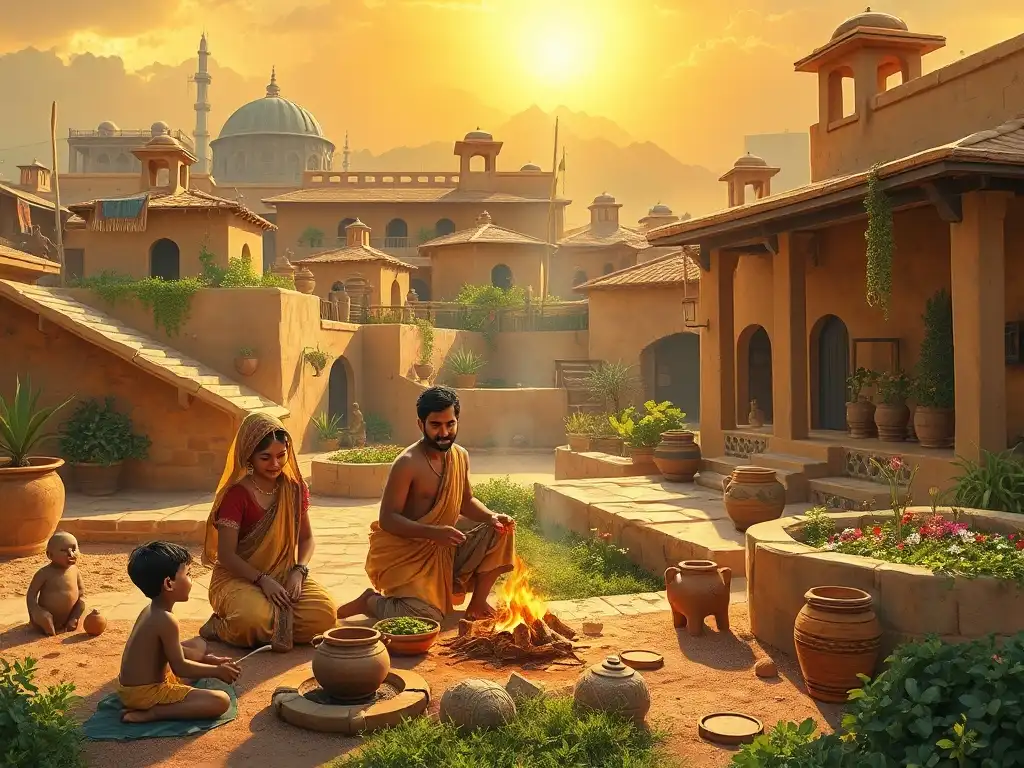
The Indus Valley Civilization (IVC) is renowned for its advanced urban planning, sophisticated drainage systems, and intricate social structures. However, it is the daily rituals practiced by its families that offer a unique insight into their spiritual and social lives. The artifacts left behind serve as crucial evidence, shedding light on the daily rituals of Indus Valley families.
Numerous archaeological sites across the Indus Valley have yielded a wealth of artifacts that reflect the daily rituals of its inhabitants. Key discoveries include:
- Terracotta Figurines: These small clay figures, often depicting animals and deities, suggest a rich tapestry of beliefs and rituals. Some figurines are thought to represent fertility deities, indicating that rituals related to agriculture and family were significant in their daily lives.
- Seal Impressions: The seals, often made of steatite, featured intricate carvings that depict animals and human figures. These seals may have been used in trade but also likely held ritual significance. For example, the depiction of a horned figure, often interpreted as a proto-Shiva, suggests the existence of early worship practices.
- Pottery with Symbolic Motifs: Indus Valley pottery often includes geometric patterns and motifs that may hold ritualistic significance. Certain vessels were likely used in domestic rituals, possibly for offerings or during festivals.
- Fire Altars: Evidence of fire altars in some sites indicates that fire played a central role in their ritual practices. This aligns with the importance of fire in many ancient cultures, where it symbolized purification, transformation, and communication with the divine.
These artifacts provide a window into the daily rituals of Indus Valley families, illustrating their connection to spiritual beliefs and communal activities.
Interpretation of Artifacts in Understanding Rituals
Interpreting the artifacts of the Indus Valley is essential to understanding the daily rituals practiced by its families. Scholars employ various methods to analyze these items, offering insights into the social and religious practices of the time.
- Contextual Analysis: By examining the location where artifacts were found, archaeologists can infer their use. For instance, the discovery of pottery near fire altars suggests that these vessels were utilized in rituals involving offerings.
- Comparative Studies: Comparing artifacts from the Indus Valley with those from contemporary civilizations helps to understand shared cultural practices. For example, the use of terracotta figures in both the Indus Valley and Mesopotamia highlights cross-cultural influences in ritualistic practices.
- Iconographic Studies: The symbolic representations found on seals and pottery are analyzed to decode their meanings. The recurring motifs may indicate specific deities or rituals, providing evidence of the spiritual life of the society.
- Experimental Archaeology: Researchers recreate ancient practices using similar materials and techniques to better understand the rituals. This hands-on approach can illuminate the practical aspects of rituals, such as how ceremonies were conducted and what items were significant.
Through these interpretative methods, scholars aim to piece together a comprehensive picture of the daily rituals of Indus Valley families, revealing a complex interplay of daily life, spirituality, and community. The evidence gathered from artifacts not only enhances our understanding of the IVC but also showcases the civilization's rich cultural heritage.
Comparing Daily Rituals Across Ancient Indian Civilizations
The daily rituals of ancient Indian civilizations reveal a tapestry of beliefs and practices that varied across different cultures and eras. When examining the daily life of the Indus Valley Civilization, it is essential to compare its rituals with those of other ancient civilizations in India, such as the Vedic society, Mauryan Empire, and Gupta Empire. This comparison not only highlights the similarities but also underscores the unique characteristics that define each civilization.
Similarities with Other Ancient Civilizations
Across ancient Indian civilizations, a number of daily rituals exhibit remarkable similarities, reflecting common cultural practices and shared spiritual beliefs:
-
Agricultural Dependency:
Many ancient Indian societies, including the Indus Valley and Vedic civilization, centered their rituals around agriculture. For instance, rituals related to sowing and harvesting were prevalent, signifying the importance of seasonal cycles.
-
Worship of Deities:
The practice of worshipping deities was integral across these civilizations. In the Indus Valley, evidence suggests the veneration of mother goddesses, akin to the later Hindu practices of worshipping female deities. This continuity illustrates a shared spiritual heritage.
-
Ritual Purity and Cleansing:
Ritual purity played a significant role in the daily life of various ancient Indian societies. The Indus Valley people likely engaged in cleansing practices, similar to the subsequent Vedic rituals, which emphasized the need for physical and spiritual cleanliness before performing religious ceremonies.
-
Community Involvement:
Many rituals involved the community, fostering a sense of belonging and collective identity. For example, communal gatherings for festivals or agricultural rites were common in both the Indus Valley and the later Mauryan Empire.
Unique Aspects of Indus Valley Daily Rituals
While the Indus Valley shared some rituals with other ancient Indian civilizations, it also featured distinct practices that set it apart. Here are some unique aspects of the daily rituals observed in the Indus Valley:
-
Urban Planning and Ritual Spaces:
The Indus Valley Civilization is renowned for its advanced urban planning. Ritual spaces were often incorporated into the layout of cities like Harappa and Mohenjo-Daro, suggesting a unique integration of daily life and spirituality. Great Baths, for example, may have served both practical and ritualistic functions, emphasizing purification and social cohesion.
-
Material Culture and Artifacts:
The artifacts found in Indus Valley sites, such as terracotta figurines and seals, indicate distinct ritual practices. These artifacts often depict animals and symbolic motifs, suggesting specific cultural narratives or deities unique to this civilization.
-
Non-Aryan Influence:
Unlike later Indian civilizations heavily influenced by Aryan migration and subsequent Vedic texts, the Indus Valley rituals exhibit a blend of indigenous beliefs. This divergence highlights a culturally rich society that practiced unique forms of worship, possibly linked to nature and fertility.
-
Absence of Extensive Written Records:
The Indus Valley lacks extensive written texts to document their daily rituals, unlike the Vedic society, which is rich in scripture. This absence creates a unique challenge in understanding their daily life, leaving much to interpretation through archaeological findings.
The exploration of daily rituals within the Indus Valley Civilization not only deepens our understanding of this ancient society but also illustrates the intricate web of cultural practices that existed across ancient Indian civilizations. In recognizing both similarities and unique traits, we gain valuable insights into the enduring legacy of these early societies.
Conclusion
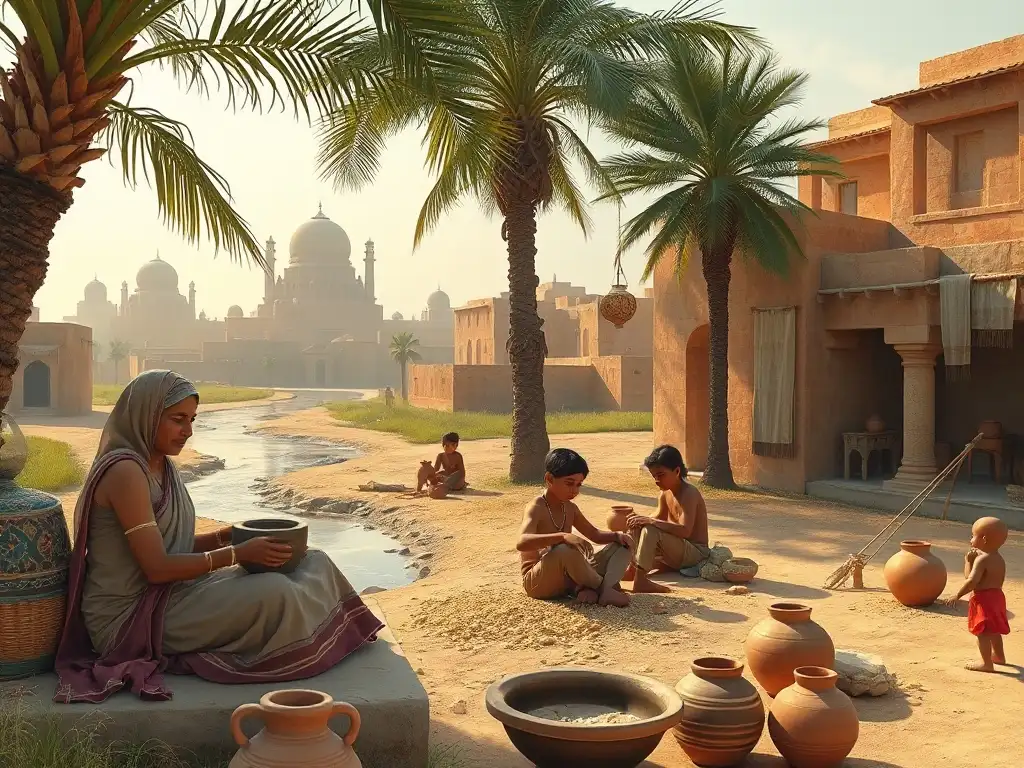
Summary of Key Insights on Indus Valley Daily Rituals
The examination of Indus Valley daily rituals reveals a complex society with rich cultural practices that defined the everyday lives of its inhabitants. Archaeological findings, such as pottery, seals, and the layout of cities like Harappa and Mohenjo-Daro, provide significant insights into the daily life of these ancient people.
- Ritualistic Practices: The rituals often centered around agriculture, fertility, and the reverence of nature. Evidence suggests that rituals were linked to seasonal cycles, particularly in relation to the monsoon rains, which were crucial for successful farming.
- Social Structure: The rituals also reflect the social hierarchy and communal activities that fostered community bonding. For instance, communal baths found in urban centers indicate shared practices of purification and possibly religious observances.
- Craft and Trade: Daily rituals extended into the practices of craft-making and trade, where artisans engaged in specialized tasks that were likely accompanied by rituals to invoke blessings for prosperity and protection.
These insights highlight the sophistication of the Indus Valley Civilization, demonstrating that their daily rituals were integral to their identity and societal organization.
The Legacy of Daily Rituals in Modern Understanding of Ancient Cultures
The daily rituals of the Indus Valley Civilization have left a lasting legacy that continues to inform modern understandings of ancient cultures. Here are some key points on how these rituals have influenced contemporary perspectives:
- Cultural Continuity: Many of the rituals and customs observed in ancient times have persisted through generations, influencing modern Indian traditions. For example, agricultural festivals echo the seasonal celebrations of the Indus Valley, showcasing the continuity of agrarian practices.
- Archaeological Impact: The study of daily rituals has prompted further archaeological investigations, prompting scholars to explore how these practices shaped urban planning and social interactions in ancient societies. This has implications for understanding other ancient civilizations.
- Interdisciplinary Approaches: Modern anthropologists and historians often draw parallels between the daily rituals of the Indus Valley and those in contemporary societies, leading to interdisciplinary studies that enrich our comprehension of human behavior and cultural evolution.
The exploration of Indus Valley daily rituals not only enhances our understanding of this ancient civilization but also serves as a bridge to connect past practices with contemporary cultural expressions. The rituals are a testament to human resilience and adaptability, illustrating how ancient traditions continue to resonate in today's world.
References and Further Reading
Recommended Books and Articles on Indus Valley Civilization
To delve deeper into the fascinating world of the Indus Valley Civilization and its daily rituals, several noteworthy books and articles provide comprehensive insights. These resources are invaluable for both scholars and enthusiasts looking to understand the complexities of life in this ancient society.
- "The Indus Civilization: A Contemporary Perspective" by Gregory L. Possehl
- This book offers an updated perspective on the Indus Valley Civilization, synthesizing archaeological findings and theoretical frameworks to explore daily life, trade, and societal structures.
- "Indus Valley Civilization: A Comprehensive Study" by R. S. Sharma
- This text serves as a foundational reference, detailing the urban planning, social organization, and daily practices of the Indus Valley people. It includes illustrations and maps to enhance understanding.
- "Daily Life in Ancient India" by Robert E. Fisher
- Through this book, readers gain insight into various aspects of daily life, including family structure, religious practices, and the significance of rituals in the Indus Valley.
- "The Archaeology of the Indus Valley Civilization" by Jim G. Shaffer
- This scholarly article provides an overview of archaeological methodologies applied to the study of the Indus Valley, highlighting significant discoveries related to daily rituals and domestic life.
- "Ritual and Religion in the Indus Valley" by Shereen Ratnagar
- Ratnagar's work investigates the spiritual practices of the Indus Valley Civilization, focusing on the role of rituals in daily life and community cohesion.
Additional Resources for Exploring Daily Life in Ancient India
Beyond books and academic articles, a variety of resources can enhance your exploration of daily life during the Indus Valley period. Here are some recommended materials:
- Documentaries and Educational Videos
- Various documentaries offer visual representations of the Indus Valley Civilization, showcasing reconstructions of daily life and rituals. Look for titles such as "The Lost Cities of the Indus" for engaging narratives.
- Online Courses and Lectures
- Platforms like Coursera and edX often feature courses on ancient civilizations, including modules focused on the Indus Valley. These courses may include lectures by leading historians and archaeologists.
- Museums and Exhibits
- Visiting museums that feature Indus Valley artifacts can provide tangible insights into daily life. Exhibitions often incorporate interactive elements that explore daily rituals, trade, and domestic life.
- Podcasts
- Podcasts such as "The History of India" delve into various aspects of ancient Indian civilizations, including the Indus Valley. These audio resources can be a convenient way to learn about daily rituals while on the go.
- Academic Journals
- Journals like "Journal of Archaeological Science" and "Antiquity" regularly publish research articles on the Indus Valley Civilization, offering current findings and discussions on daily life and rituals.
By engaging with these resources, you can gain a well-rounded understanding of the Indus Valley daily rituals and their significance within the broader context of ancient Indian civilization.
Frequently Asked Questions
What were the daily rituals of Indus Valley families?
The daily rituals of Indus Valley families included communal activities, worship, and household chores that fostered community bonding and maintained spiritual practices.
How did religion influence daily life in the Indus Valley?
Religion played a central role in daily life, with rituals often focusing on nature worship and ancestor reverence, reflecting their belief in the divine presence in everyday activities.
What artifacts provide insight into the daily rituals of the Indus Valley?
Artifacts such as terracotta figurines, pottery, and tools unearthed from archaeological sites offer valuable insights into the daily rituals and social practices of the Indus Valley civilization.
Were there any specific festivals celebrated in the Indus Valley?
While specific festivals remain largely undocumented, it is believed that families celebrated seasonal changes and harvest festivals, reflecting their agrarian lifestyle and communal identity.
How do the daily rituals of the Indus Valley compare to those of other ancient civilizations?
The daily rituals of the Indus Valley are unique, yet there are similarities in community-oriented practices and religious observances when compared to other ancient civilizations like Mesopotamia and Egypt.
Final Reflection: Embracing the Wisdom of Indus Valley Daily Rituals
The exploration of the daily rituals of Indus Valley families reveals a profound connection between past and present, illustrating how these ancient practices still resonate in our modern lives. As we delve into the routines that shaped the lives of these early civilizations, we uncover timeless values of community, sustainability, and spirituality that continue to guide us today. The significance of these rituals transcends time, reminding us that our daily actions can foster a deeper sense of belonging and purpose.
Cultural practices from the Indus Valley have left an indelible mark on our social fabric, influencing everything from agricultural methods to communal living. The rituals that once defined the lives of these families serve as a blueprint for modern society, encouraging us to reflect on our own daily habits and their impact on our communities. Tradition is not the worship of ashes, but the preservation of fire.
This quote resonates deeply as we consider how the essence of these rituals can ignite our own lives, fostering connections that are both meaningful and transformative.
As we conclude this journey through time, I invite you to reflect on your own daily rituals and consider how they shape your identity and relationships. What practices can you adopt or adapt from the Indus Valley to enrich your life and those around you? Let us honor the wisdom of our ancestors by integrating their lessons into our modern routines, creating a vibrant tapestry of tradition and innovation that continues to inspire future generations.
Embrace the Wisdom of the Past Today!
Thank you for taking the time to explore the fascinating daily rituals of Indus Valley families with us! We hope you uncovered valuable insights into this remarkable civilization and the traditions that shaped their lives. Now, it's time to take those discoveries and put them into practice!
Here are a few actions to help you connect further with the rich heritage of the Indus Valley:
- Immerse yourself in history: Visit a local museum or historical site to experience artifacts and displays related to the Indus Valley civilization.
- Share your insights: Discuss what you’ve learned with friends or online communities. Consider writing a blog post or sharing an update on social media about your favorite ritual.
- Try a new ritual: Incorporate a daily practice from the Indus Valley—like a mindful cooking session or a family storytelling night—into your modern routine.
As you reflect on the stories of the past, we’d love to hear your thoughts: Which daily ritual do you believe would bring the most benefit to your family today?