
Celebrating the Golden Age: Annual Festivals of the Gupta Empire

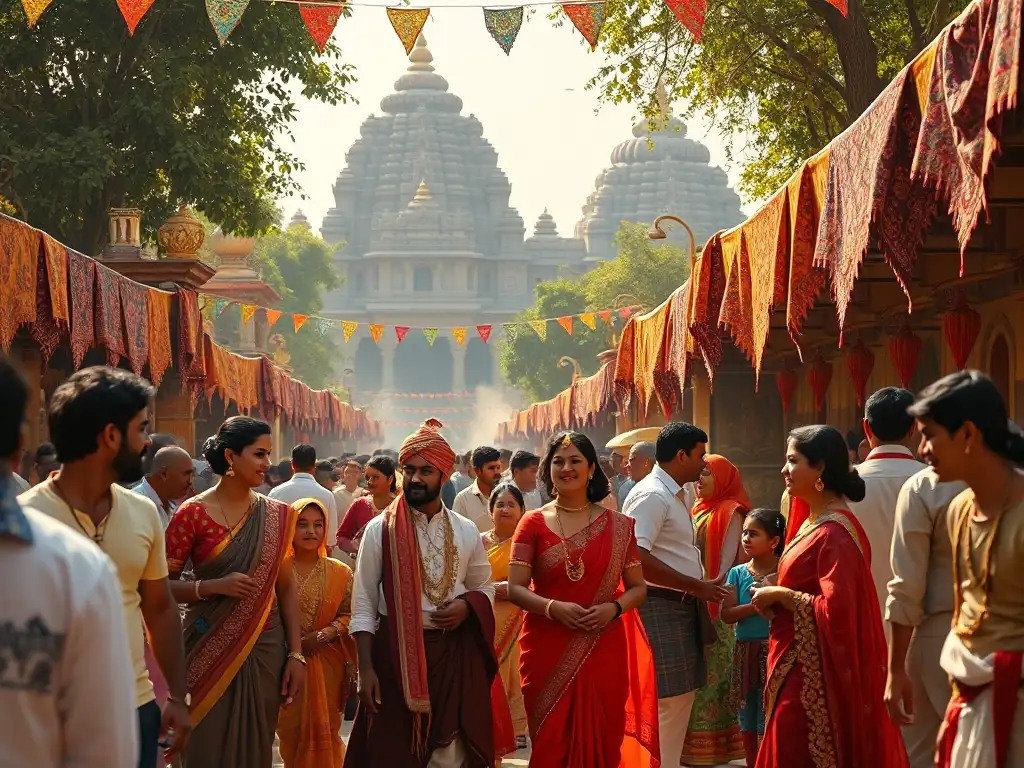
Welcome to Ancient India History, where we embark on a captivating journey through the rich tapestry of India's past. Dive into the vibrant world of the Gupta Empire, a period often celebrated as the Golden Age of Indian civilization. In our featured article, "Celebrating the Golden Age: Annual Festivals of the Gupta Empire," we unravel the fascinating traditions and cultural festivities that defined this remarkable era.
Get ready to discover how these annual celebrations not only reflected the society's beliefs but also contributed to their enduring legacy. Join us as we explore the wonders of ancient Indian civilizations and uncover the stories waiting to be told!
Introduction to the Gupta Empire and Its Annual Festivals
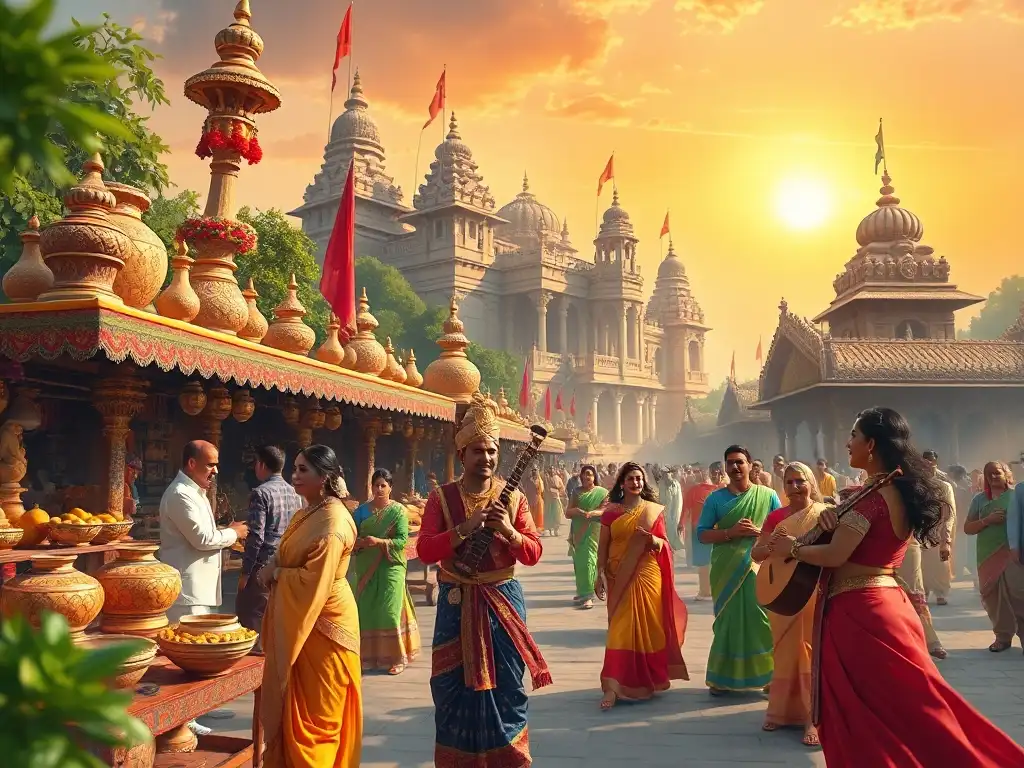
The Gupta Empire, often hailed as the "Golden Age" of ancient India, flourished from approximately 320 to 550 CE and is renowned for its remarkable contributions to art, science, philosophy, and culture. This period marked a significant advancement in various fields, including mathematics, astronomy, and literature, which laid the foundation for future generations. Among the vibrant tapestry of Gupta culture were its annual festivals, which played a pivotal role in the social and religious life of the empire.
These festivals were not merely celebrations; they were deeply intertwined with the spiritual and communal identity of the Gupta people. They provided opportunities for the community to come together, engage in rituals, and express gratitude to the deities they worshipped. The festivals also reflected the empire's rich cultural practices, showcasing music, dance, and traditional cuisine, thus promoting a sense of unity and joy among the populace.
Overview of the Gupta Empire's Golden Age
The Gupta Empire is often regarded as a zenith of Indian civilization, characterized by unprecedented achievements in various domains. This era witnessed:
- Scientific Advancements: The introduction of the concept of zero and the decimal system, attributed to mathematicians like Aryabhata.
- Art and Architecture: The construction of intricate temples and sculptures that illustrated religious themes and everyday life.
- Literature and Philosophy: The flourishing of Sanskrit literature, with notable works like Kalidasa's plays and the Puranas providing insight into the socio-religious fabric of the time.
The annual festivals celebrated during this period were a reflection of these advancements, serving as platforms for artistic expression and the dissemination of cultural values.
Significance of Festivals in Gupta Society
Festivals held immense significance in Gupta society, acting as a bridge connecting the spiritual and the temporal. They served multiple purposes:
- Religious Observance: Festivals were primarily occasions for worship and offerings to deities, reinforcing the spiritual fabric of society.
- Community Bonding: They fostered a sense of belonging and unity among the people, as families and communities came together to celebrate.
- Cultural Preservation: Through music, dance, and rituals, these festivals helped preserve and transmit cultural heritage and traditions to future generations.
The Gupta Empire's annual festivals were thus not just events on a calendar but pivotal moments that shaped the cultural and spiritual landscape of the time.
Major Annual Festivals of the Gupta Empire
1. Makar Sankranti: Celebrating the Sun God
Makar Sankranti, celebrated during the winter solstice, marked the transition of the sun into the zodiac sign of Capricorn. This festival was a significant agricultural event, symbolizing the end of winter and the beginning of the harvest season. Villagers would:
- Offer Prayers: To the Sun God, expressing gratitude for the bountiful harvest.
- Celebrate with Feasts: Families would prepare special dishes made of sesame seeds and jaggery, symbolizing prosperity.
2. Holi: The Festival of Colors
Holi, known as the festival of colors, celebrated the arrival of spring and the victory of good over evil. This joyous occasion was marked by:
- Throwing Colors: People would joyfully throw colored powders and water at each other, signifying the vibrant spirit of life.
- Cultural Performances: Music and dance were integral parts of the festivities, with folk songs resonating throughout the streets.
3. Diwali: The Festival of Lights
Diwali, or Deepavali, was one of the most important festivals of the Gupta Empire, symbolizing the triumph of light over darkness. Its celebrations included:
- Lighting Oil Lamps: Homes and public spaces were adorned with oil lamps, representing the dispelling of ignorance and evil.
- Ritual Offerings: Families would perform pujas (worship) to Goddess Lakshmi for wealth and prosperity.
4. Navaratri: Nine Nights of Worship
Navaratri, a festival dedicated to the worship of the goddess Durga, spanned nine nights and was marked by:
- Fasting and Prayers: Devotees would engage in fasting and nightly prayers to seek blessings for strength and prosperity.
- Cultural Events: Traditional dances like Garba and Dandiya Raas brought communities together, celebrating the spirit of femininity and power.
These festivals not only highlighted the cultural richness of the Gupta Empire but also exemplified the values and beliefs that shaped the lives of its people during this illustrious period in Indian history.
The Role of Festivals in Gupta Empire Society
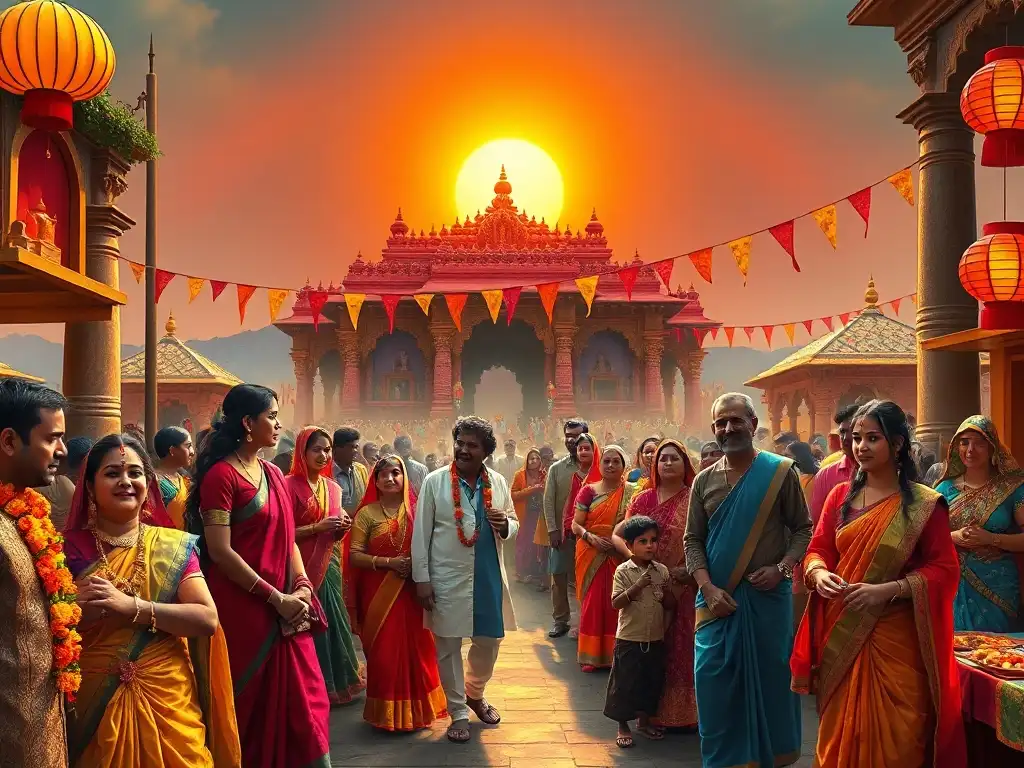
Festivals played a pivotal role in the societal fabric of the Gupta Empire, which is often regarded as a golden age of cultural, artistic, and intellectual achievements in ancient India. These annual celebrations were not merely occasions for merriment but also served as a vital mechanism for reinforcing social cohesion, cultural identity, and economic activity. As the Gupta Empire thrived between approximately 320 CE and 550 CE, its festivals reflected the diverse beliefs of its people, including Hindu traditions, Buddhist practices, and local customs, thus showcasing the empire's pluralism.
Festivals provided a structured rhythm to life in the Gupta Empire, offering citizens a break from their daily routines. They often coincided with agricultural cycles, marking important seasonal changes, and thereby fostering a sense of anticipation and excitement. The community gatherings during these festivals encouraged participation across different social strata, allowing individuals from various backgrounds to come together in celebration, thus promoting unity.
Festivals as a Means of Cultural Expression
Cultural expression flourished during the Gupta Empire, and festivals were at the forefront of this vibrant display. They served as platforms for showcasing the rich tapestry of Gupta art, music, dance, and rituals. Each festival was steeped in local traditions, with specific deities and themes celebrated that resonated with the populace.
The most notable festivals included Maha Shivaratri, dedicated to Lord Shiva, and Vasant Panchami, which celebrated the arrival of spring and the goddess Saraswati. These events were marked by elaborate rituals, offerings, and theatrical performances that reflected the sophisticated aesthetic sensibilities of the time.
Artisans and craftsmen displayed their talents through decorative art, while musicians and dancers brought life to the festivities with their performances. This intertwining of various art forms not only enriched the cultural landscape of the Gupta Empire but also fostered a sense of pride among its people.
Economic Impact of Festivals in the Gupta Empire
The economic ramifications of festivals in the Gupta Empire were significant. These events generated substantial economic activity, benefiting various sectors including agriculture, trade, and crafts. Agricultural festivals, often held during harvest time, were crucial for celebrating the bounty of the land, which in turn stimulated local economies.
Markets would flourish during festivals, with merchants and traders setting up stalls to sell goods ranging from food items to textiles and handicrafts. This influx of commerce not only provided a boost to local artisans but also facilitated trade between different regions within the empire. The bustling economic environment created by these festivals played a key role in sustaining the prosperity of the Gupta Empire.
Moreover, festivals often required elaborate preparations, leading to increased demand for materials and services. This not only provided employment opportunities for various skilled workers but also encouraged innovation in crafts and trades, further enriching the economy of the empire.
Festivals and Community Bonding in Gupta Society
Community bonding was central to the festivals celebrated in the Gupta Empire. These occasions were critical in fostering relationships among individuals, families, and different social groups. The act of coming together to celebrate a festival instilled a sense of belonging and shared identity among the diverse populations of the empire.
In many instances, festivals involved rituals that emphasized cooperation and collective participation. For example, communal feasts and processions allowed people to share resources and celebrate their cultural heritage together. Such interactions promoted social harmony and strengthened community ties, which were essential for maintaining peace and stability within the empire.
Additionally, the festive spirit often transcended social hierarchies, allowing individuals from various castes and backgrounds to participate equally in the celebrations. This aspect of inclusivity contributed to a more cohesive society, reinforcing the communal bonds that were crucial during this golden age.
The artistic and literary landscape of the Gupta Empire was profoundly influenced by its festivals, which inspired a wealth of creative expression. The vibrant celebrations provided fertile ground for artists and writers, enabling them to explore themes of spirituality, nature, and community through their work.
Influence of Festivals on Gupta Art and Architecture
Festivals inspired a distinctive style of art and architecture during the Gupta period. Temples and public spaces were often adorned with intricate carvings and sculptures that depicted scenes from festivals and mythology, reflecting the religious and cultural significance of these events.
The famous Ajanta Caves, for instance, showcase stunning frescoes that celebrate various deities and festivals, illustrating the rich artistic heritage of the empire. Such art not only served an aesthetic purpose but also functioned as a medium for storytelling, conveying the narratives and myths associated with different festivals.
Moreover, architectural innovations during the Gupta period, such as the development of temple complexes, were often linked to religious festivals. These structures were designed to accommodate large gatherings, ensuring that the community could come together to celebrate their shared beliefs and traditions effectively.
Literature and Poetry Inspired by Gupta Festivals
The literary contributions of the Gupta Empire were equally influenced by the vibrant festivals. Poets and playwrights drew inspiration from the rich tapestry of rituals, myths, and community gatherings associated with these celebrations.
Works like Kalidasa's "Shakuntala" reflect the interplay of nature and human emotions, often echoing the themes of love and devotion celebrated during festivals. The rhythm and fervor of these events found their way into poetry, enhancing the emotive power of the written word.
Furthermore, festival themes permeated not only epic poetry but also local folklore, becoming a source of inspiration for countless stories passed down through generations. This literary flourishing during the Gupta Empire highlights the profound connection between cultural practices and artistic expression, resulting in a legacy that continues to resonate through Indian history.
Conclusion: The Legacy of Gupta Empire Annual Festivals
The annual festivals of the Gupta Empire played a pivotal role in shaping the cultural and social fabric of ancient Indian society. These celebrations were not merely events of merriment; they were profound expressions of the civilization's values, beliefs, and artistic achievements. The legacy left by these festivals continues to resonate in contemporary Indian culture, providing a rich tapestry of traditions that connect the past with the present.
As we look back at the Gupta Empire's annual festivals, we can appreciate how they fostered community spirit, promoted artistic expressions, and reinforced religious beliefs. The intricate rituals and vibrant celebrations laid the groundwork for many modern festivities, highlighting the enduring influence of the Gupta era on India's cultural landscape.
Lasting Impact on Modern Indian Festivals
The festivals of the Gupta Empire have left an indelible mark on the annual celebrations observed in modern India. Many contemporary festivals, such as Diwali, Holi, and Makar Sankranti, echo the themes and rituals that were prevalent during the Gupta period. For instance, the emphasis on community gatherings and the sharing of food during these events can trace their roots back to the communal celebrations of the Gupta Empire.
Moreover, the artistic expressions seen in ancient festivals—such as dance, music, and drama—continue to thrive in today's festivities. Traditional performances, often inspired by ancient texts, showcase the continuity of cultural practices that were nurtured during the Gupta Empire. The vibrant colors, elaborate decorations, and the spirit of joy associated with these celebrations reveal their historical lineage.
Reflection on the Cultural Richness of the Gupta Empire
The Gupta Empire is often hailed as a golden age in Indian history, marked by remarkable achievements in art, literature, science, and philosophy. The annual festivals of this period reflect this cultural richness and diversity, serving as platforms for artistic expression and intellectual discourse. These festivals were not only occasions for celebration but also venues for the exchange of ideas, which contributed to advancements in various fields.
The cultural richness of the Gupta Empire is evident in the intricate sculptures, exquisite paintings, and profound literary works that emerged during this time. Festivals were integral to this artistic flourishing, as they provided inspiration for countless artists and thinkers. The themes of love, devotion, and the cycle of life celebrated during these festivals resonated deeply in the artistic outputs of the era, leaving a legacy that continues to inspire contemporary artists.
References
Recommended Readings on Gupta Empire Festivals
- "Festivals of the Gupta Era" by Dr. Anjali Sharma - A comprehensive study on the various festivals celebrated during the Gupta period, exploring their historical significance and cultural implications.
- "Cultural Heritage of the Gupta Empire" by Professor Rajesh Kumar - This book delves into the artistic and cultural achievements of the Gupta Empire, with a special focus on the role of festivals in society.
- "The Golden Age of India" edited by Dr. Meera Joshi - A collection of essays that examine different aspects of the Gupta Empire, including its festivals and their lasting influence on modern India.
Sources for Further Research on Ancient Indian Celebrations
- "Ancient Indian Traditions: Festivals and Rituals": - A detailed exploration of the various festivals throughout ancient Indian history, with a focus on their origins and evolution.
- "Rituals and Celebrations in Ancient India" by Dr. Sanjay Desai - This source provides insights into the significance of rituals and celebrations in shaping social and cultural norms in ancient Indian societies.
- "The Art and Culture of the Gupta Empire" - A journal article discussing the artistic contributions of the Gupta Empire, including how festivals influenced artistic expression.
- Introduction to the Gupta Empire and Its Annual Festivals
- Overview of the Gupta Empire's Golden Age
- Significance of Festivals in Gupta Society
- Major Annual Festivals of the Gupta Empire
- The Role of Festivals in Gupta Empire Society
- Artistic and Literary Contributions Related to Festivals
- Conclusion: The Legacy of Gupta Empire Annual Festivals
- References
Frequently Asked Questions
What were the key characteristics of the Gupta Empire?
The Gupta Empire was known for its cultural flourishing, advancements in science, and contributions to art and literature, marking it as a Golden Age in Indian history.
What annual festivals were celebrated during the Gupta Empire?
Festivals such as Holi, Diwali, and Maha Shivaratri were important in the Gupta Empire, celebrating harvests, seasons, and religious significance, reflecting the empire's rich cultural tapestry.
How did the annual festivals influence Gupta society?
These annual festivals fostered social cohesion and strengthened community ties, allowing people from various backgrounds to come together and celebrate their shared heritage.
What role did religion play in the Gupta Empire's festivals?
Religion was central to the annual festivals, with many being linked to Hindu deities and rituals, illustrating the spiritual life and practices of the Gupta people.
How did the Gupta Empire's festivals impact their economy?
The annual festivals boosted the economy through increased trade and commerce, as markets flourished during celebrations, attracting visitors and promoting local crafts and goods.
Final Reflection: Embracing the Legacy of Gupta Empire Annual Festivals
The annual festivals of the Gupta Empire serve as a vibrant reminder of a time when culture, art, and community flourished in harmony. In today's fast-paced world, where individualism often overshadows collective celebration, these festivals highlight the importance of unity and shared joy. The Gupta Empire's rich tapestry of traditions not only shaped its society but continues to resonate with us, urging us to reconnect with our roots and celebrate our own cultural heritages.
Celebrating these festivals is not merely a nod to history; it is an invitation to embrace the values of creativity, collaboration, and reverence for the arts that defined the Gupta era. The influence of these annual celebrations can still be felt in modern festivals around the world, where communities come together to honor their histories and foster a sense of belonging.
As the poet John Keats once said, “A thing of beauty is a joy forever.” This sentiment echoes through the ages, reminding us that the beauty of our cultural practices enriches our lives and strengthens our connections to one another.
As we reflect on the significance of the Gupta Empire's annual festivals, I encourage you to consider how you can incorporate the spirit of these celebrations into your own life. Take a moment to celebrate your culture, engage with your community, and honor the traditions that have shaped who you are. Let the legacy of the Gupta Empire inspire you to create your own moments of joy and togetherness, fostering a world where the beauty of our diverse histories can shine brightly for generations to come.
Embrace the Spirit of the Gupta Empire — Join the Celebration!
Thank you for journeying through the vibrant festivals of the Gupta Empire with us! We hope you’ve gained a deeper appreciation for the cultural richness and historical significance of this extraordinary period. Now, it's time to take that newfound inspiration and put it into action!
Here’s how you can immerse yourself in the spirit of ancient celebrations:
- Organize a festival-themed gathering with friends or family, where you replicate the traditions and foods of the Gupta era. Consider incorporating activities inspired by historical celebrations!
- Explore local cultural events that resonate with the themes discussed in this article. Check if any museums or historical societies are hosting events that celebrate ancient Indian cultures.
- Share your enthusiasm! Post about your experience on social media using #GuptaCelebration and engage with others who are passionate about history and culture.
What aspect of Gupta festivals would you love to experience firsthand, and how would you recreate that magic in today's world?