
Ancient Indian Innovations in Food Preservation: Techniques That Lasted

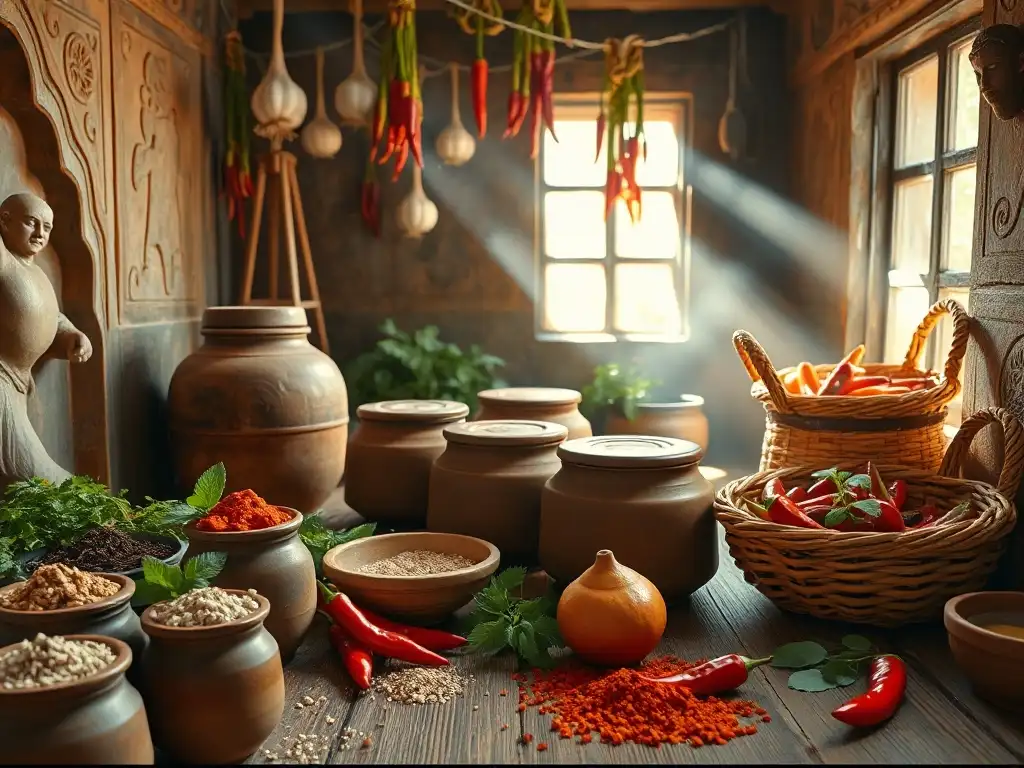
Welcome to Ancient India History, where we embark on an extraordinary journey through the rich tapestry of ancient Indian civilizations. From the sophisticated urban planning of the Indus Valley to the intellectual achievements of the Gupta Empire, the past unfolds in captivating narratives. In our featured article, we delve into the intriguing world of Ancient Indian food preservation techniques, uncovering innovations that not only sustained communities but also shaped culinary traditions. Prepare to be inspired as you explore the remarkable ingenuity that has lasted through the ages—your adventure into history begins now!
- Introduction to Ancient Indian Food Preservation Techniques
- Historical Context of Food Preservation in Ancient India
- Key Ancient Indian Food Preservation Techniques
- Regional Variations in Food Preservation Techniques
- The Impact of Ancient Indian Food Preservation Techniques on Society
- Comparison of Ancient Indian Food Preservation Techniques with Modern Methods
- Conclusion: The Legacy of Ancient Indian Food Preservation Techniques
- Frequently Asked Questions
- Final Reflection: Timeless Techniques of Ancient Indian Food Preservation
- Unlock the Secrets of Ancient Food Preservation!
Introduction to Ancient Indian Food Preservation Techniques
The preservation of food has been a critical aspect of human survival and development throughout history, particularly in ancient civilizations. In the context of Ancient India, innovative techniques in food preservation not only reflect the ingenuity of its people but also underscore the importance of agriculture and sustainability in their daily lives.
Ancient Indian food preservation techniques allowed communities to extend the shelf life of their produce, ensuring food security and facilitating trade. This article explores the various methods employed by ancient Indian civilizations, from the sophisticated practices of the Indus Valley to the more complex techniques used during the Gupta Empire, highlighting their cultural significance and enduring legacy.
Overview of Food Preservation in Ancient India
Ancient Indian civilizations developed a myriad of food preservation techniques that were both practical and innovative. These methods were vital for managing seasonal abundance and reducing waste. Some of the prominent techniques included:
- Sun Drying: One of the simplest and most effective methods, sun drying involves exposing fruits, vegetables, and grains to sunlight, effectively removing moisture and preventing spoilage.
- Fermentation: This technique not only preserved food but also enhanced its nutritional value. Fermented products like yogurt and various pickles were staples in the ancient Indian diet.
- Salting: Salt was used extensively to preserve meats and fish, drawing moisture out and creating an environment inhospitable to bacteria.
- Storage in Clay Pots: Clay pots were commonly used to store grains and liquids. The porous nature of clay allowed for temperature regulation, which helped keep food fresh longer.
These techniques were not merely functional; they were deeply ingrained in the culinary practices and traditions of ancient Indian society.
Importance of Food Preservation in Ancient Civilizations
Food preservation played a crucial role in the development of ancient civilizations, particularly in India. Its significance can be summarized in several key points:
- Food Security: By ensuring that food could be stored for extended periods, ancient Indians could withstand periods of drought, famine, or poor harvests, thereby securing their communities.
- Cultural Practices: Many food preservation methods became intertwined with cultural and religious practices, influencing festivals, rituals, and daily life. For instance, the preparation of pickles often coincided with seasonal changes and celebrations.
- Trade and Economy: The ability to preserve food allowed for surplus production, which facilitated trade with neighboring regions. This not only boosted the economy but also led to the exchange of ideas and culinary practices across cultures.
- Nutritional Benefits: Many preservation techniques enhanced the nutritional profile of foods, making them more beneficial for health. For example, fermentation can increase the bioavailability of nutrients.
Ancient Indian food preservation techniques were vital for the sustainability and advancement of civilizations, providing lessons that resonate even in modern food practices. Through exploring these innovations, we gain insight into the ingenuity and resourcefulness of ancient Indian culture.
Historical Context of Food Preservation in Ancient India
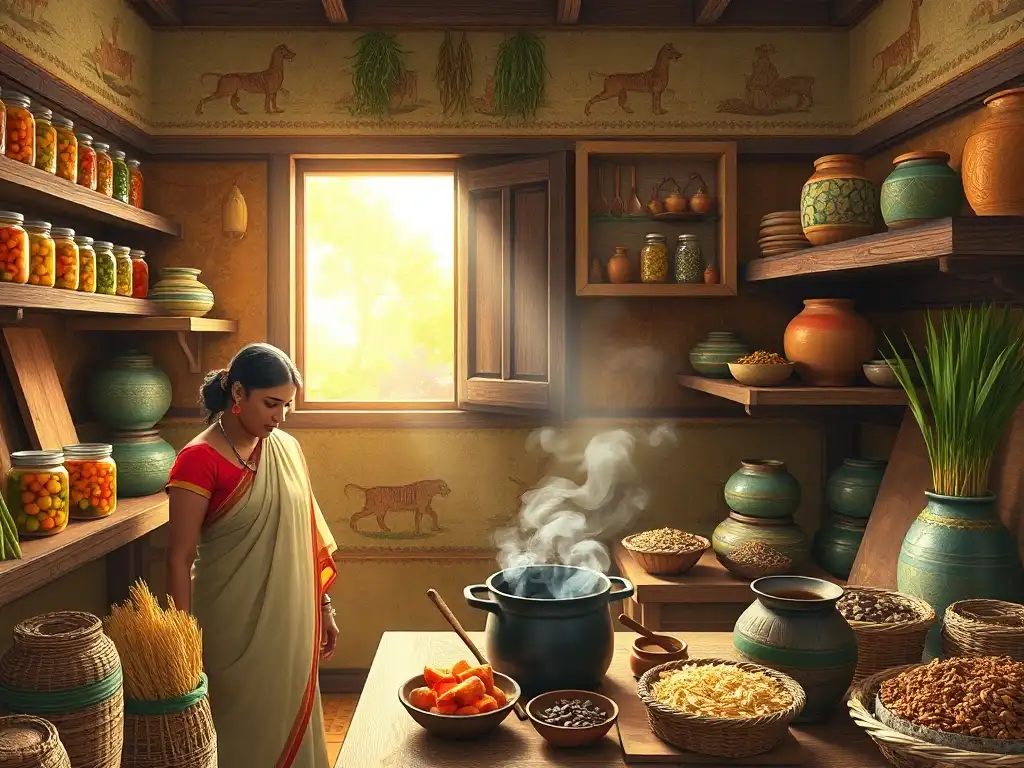
In ancient India, food preservation techniques emerged as essential practices to ensure food security and enhance the longevity of perishable items. The rich agricultural landscape, characterized by diverse climatic conditions and fertile plains, allowed for the cultivation of various crops, which in turn necessitated effective methods for storing and preserving food. The earliest records indicate that ancient civilizations, such as those in the Indus Valley, were not only adept at farming but also recognized the importance of preserving food to sustain their communities during off-seasons or periods of scarcity.
The need for food preservation was amplified by the seasonal nature of agriculture, as harvests were often abundant during specific periods but could lead to shortages during droughts or floods. Consequently, ancient Indian societies developed a range of techniques that were not only practical but also tailored to their unique environmental conditions and cultural practices.
Food preservation practices were integral to daily life, influencing trade, cultural exchanges, and even religious rituals. By exploring these techniques, one can gain insights into the ingenuity and resourcefulness of ancient Indian civilizations.
The Role of Agriculture in Ancient Indian Society
Agriculture was the backbone of ancient Indian society, shaping its economy, culture, and social structures. The primary crops cultivated included rice, wheat, barley, and pulses, which formed the staple diet of many communities. The reliance on agriculture fostered innovations in farming techniques and led to the establishment of complex irrigation systems and crop rotation practices.
- Socio-Economic Impact: Agriculture provided sustenance and livelihoods, allowing communities to flourish. Surplus production enabled trade, both within the region and with neighboring civilizations, resulting in economic growth and cultural exchanges.
- Cultural Significance: Agricultural practices were often intertwined with religious beliefs and festivals, marking the changing seasons and harvest cycles. Rituals celebrating the harvest not only strengthened community bonds but also emphasized the importance of food preservation to ensure that surplus was not wasted.
- Technological Developments: The advancement of farming tools, such as plows and sickles, along with the domestication of animals for agricultural purposes, played a crucial role in enhancing agricultural efficiency. These developments necessitated the implementation of food preservation techniques to manage the increased yield effectively.
Early Innovations in Food Preservation
The innovations in food preservation during ancient India were diverse and reflected the region's unique climatic conditions and available resources. Some notable techniques include:
- Drying and Dehydration:
- Method: Fruits, vegetables, and grains were sun-dried to reduce moisture content, thus preventing spoilage.
- Examples: Dried mangoes, tomatoes, and lentils were common, allowing for year-round consumption.
- Fermentation:
- Method: This technique involved the use of natural microorganisms to convert sugars and starches into alcohol or acids, which acted as preservatives.
- Examples: Foods like pickles, yogurt (dahi), and fermented rice dishes were staples in ancient Indian diets.
- Salting:
- Method: Salting meats and fish was widely practiced to inhibit bacterial growth and prolong shelf life.
- Examples: Salted fish and preserved meats were traded extensively and served as crucial food sources during lean seasons.
- Oil Preservation:
- Method: Submerging food in oil created an anaerobic environment, helping to prevent spoilage.
- Examples: This technique was often used for preserving vegetables, such as eggplants and lemons, in oil or ghee.
- Cooling Techniques:
- Method: The use of earthenware pots and cool storage areas took advantage of natural cooling methods to slow down spoilage.
- Examples: Underground storage pits were used to keep fruits and root vegetables fresh.
These ancient Indian food preservation techniques not only ensured a stable food supply but also laid the groundwork for many contemporary practices in food storage and preservation. By examining these methods, we gain valuable insights into the agricultural innovations of ancient India and their lasting impact on food technology.
Key Ancient Indian Food Preservation Techniques
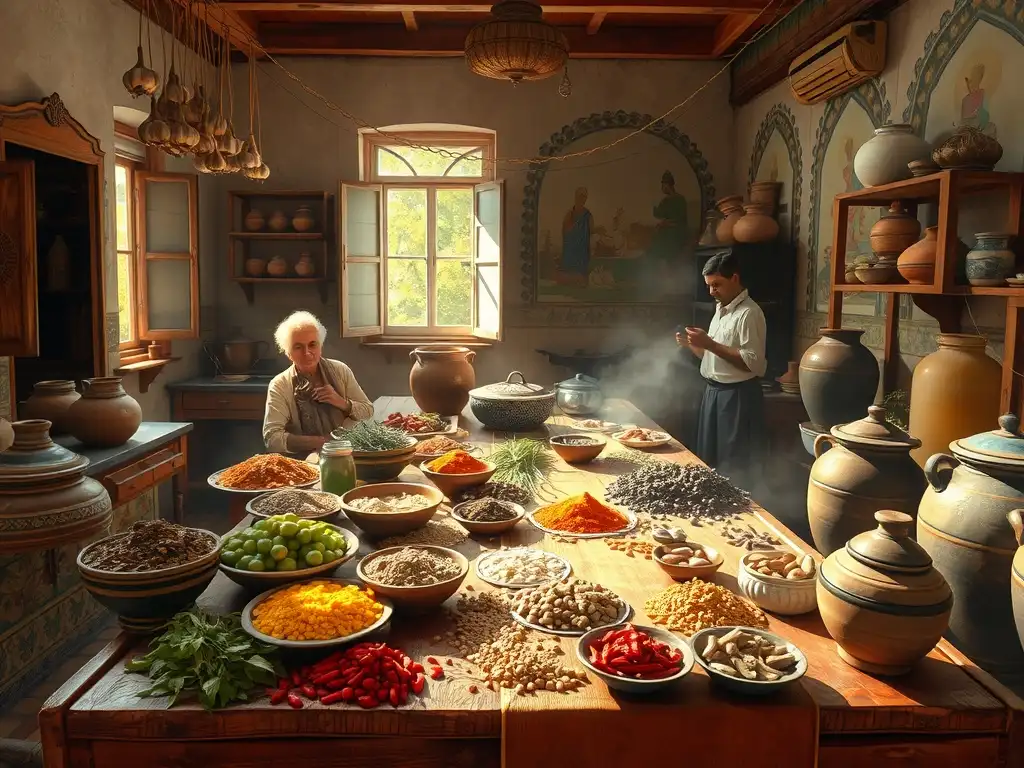
The ancient Indian civilizations developed a variety of innovative food preservation techniques that not only extended the shelf life of perishable items but also enhanced their flavors and nutritional value. These methods reflect a deep understanding of natural processes and resources. Here, we explore three key techniques: sun drying, fermentation, and pickling.
Sun Drying: Harnessing Natural Elements
Sun drying is one of the oldest and most effective food preservation methods used in ancient India. This technique involves exposing fruits, vegetables, and grains to sunlight for extended periods, allowing moisture to evaporate.
- Process: The sun drying process typically involves the following steps:
- Selection: Choose ripe and fresh produce.
- Preparation: Wash and cut the food into uniform pieces to ensure even drying.
- Drying: Spread the food on clean mats or trays in direct sunlight, turning occasionally to promote uniform drying.
- Storage: Once fully dried, the food is stored in airtight containers to prevent moisture absorption.
- Benefits:
- Nutritional Retention: Sun drying preserves essential nutrients and flavors, making dried fruits and vegetables a popular choice.
- Versatility: A wide range of foods can be preserved, including tomatoes, mangoes, and lentils.
- Sustainability: This method requires no electricity or modern technology, relying solely on solar energy.
Fermentation: The Science Behind Flavor and Longevity
Fermentation is another ancient Indian food preservation technique that not only extends the shelf life of food but also enhances its flavor and probiotic content. This process involves the conversion of sugars into acids, gases, or alcohol by the action of microorganisms.
- Common Fermented Foods: In ancient India, several staples were fermented, including:
- Dahi (yogurt): Produced by fermenting milk with specific bacterial cultures, dahi is a rich source of probiotics.
- Idli and dosa batter: Rice and lentils are soaked, ground, and left to ferment, resulting in a light and nutritious batter used for popular dishes.
- Pickled vegetables: Vegetables are often fermented with spices, creating tangy and flavorful accompaniments.
- Health Benefits:
- Probiotics: Fermented foods support gut health by introducing beneficial bacteria.
- Enhanced Flavor: The fermentation process adds depth and complexity to food flavors, making them more enjoyable.
- Extended Shelf Life: The acidity developed during fermentation helps inhibit the growth of spoilage microorganisms.
Pickling: Preserving Through Flavorful Brines
Pickling is a well-established food preservation technique that involves immersing food items in brine or vinegar. This method not only preserves the food but also imparts unique flavors through the use of various spices and herbs.
- Types of Pickling:
- Brine Pickling: Food is submerged in a saltwater solution, which draws out moisture and creates an environment unfavorable for spoilage.
- Vinegar Pickling: Vinegar is used to create a tangy flavor profile, often combined with spices such as mustard seeds, fenugreek, and turmeric.
- Popular Pickled Items:
- Achar: A traditional Indian pickle made from a variety of fruits and vegetables, often spiced with a blend of aromatic spices.
- Lemon Pickle: Whole lemons are preserved with salt and spices, celebrated for their intense flavor and versatility.
- Advantages:
- Flavor Enhancement: Pickling elevates the taste of food, making it a widely used technique in Indian cuisine.
- Long Shelf Life: Properly pickled items can last months or even years, making them an essential part of the pantry.
- Nutritional Benefits: Pickled foods can provide vitamins and minerals while also offering probiotic benefits, similar to fermented foods.
These ancient Indian food preservation techniques showcase the ingenuity of civilizations that utilized natural processes to ensure food longevity and enhance flavors, contributing to the rich culinary heritage of India.
Smoking: A Method for Enhanced Shelf Life

Smoking has long been recognized as one of the most effective food preservation techniques in ancient India. This method involves exposing food, particularly meats and fish, to smoke from burning wood or other plant materials. The process not only imbues the food with a distinctive flavor but also serves to inhibit the growth of spoilage-causing microorganisms.
The origins of smoking as a preservation method can be traced back to the necessity of ensuring food security in ancient agricultural societies. By smoking fish and meats, ancient Indians could extend the shelf life of their food, making it suitable for consumption during times when fresh resources were scarce. This technique was particularly vital in regions with limited access to fresh water or during seasonal changes that affected food availability.
The science behind smoking lies in the compounds produced during combustion. Phenols, carbonyls, and other chemical constituents in smoke act as natural preservatives. These compounds create a protective barrier around the food, reducing moisture content and altering the microbial environment. For instance, the use of specific woods, such as neem or mango, not only added flavor but also contributed additional antimicrobial properties due to their natural oils.
Moreover, smoking was often combined with other preservation methods, such as salting, to maximize its effectiveness. This combination allowed ancient Indians to create a variety of smoked products, including dried fish and cured meats, which could be stored for extended periods without refrigeration.
Jaggery and Sugar Preservation: Sweet Solutions for Longevity
Jaggery, a traditional unrefined sugar made from sugarcane or palm sap, played a significant role in ancient Indian food preservation. Its use as a preservative dates back thousands of years and is still prevalent in modern culinary practices. The high sugar content in jaggery creates an environment that is inhospitable to bacteria, thus extending the shelf life of various foods.
One of the most notable applications of jaggery in preservation is in the making of various pickles and chutneys. By combining jaggery with spices and other ingredients, ancient Indians crafted flavorful condiments that could be stored for long periods. The sweet and tangy profile of these pickles not only enhanced the taste of meals but also provided essential nutrients during off-seasons when fresh produce was unavailable.
In addition to pickles, jaggery was also utilized in the preservation of fruits. Fruits such as mangoes and tamarinds were often cooked with jaggery to create sweet preserves that could last for months. This method ensured that the nutritional value of the fruits was maintained while also providing a delicious treat.
Sugar, a refined counterpart to jaggery, also found its place in ancient food preservation techniques. Similar to jaggery, sugar's hygroscopic nature allows it to draw moisture away from foods, thereby preventing spoilage. Sweets made with sugar, such as ladoos and barfis, were not only popular treats but also served as a means of food preservation.
Both jaggery and sugar were integral to ancient Indian food preservation techniques. Their ability to enhance flavor while providing longevity made them invaluable in the culinary practices of the time, reflecting a deep understanding of food science in ancient India.
Regional Variations in Food Preservation Techniques
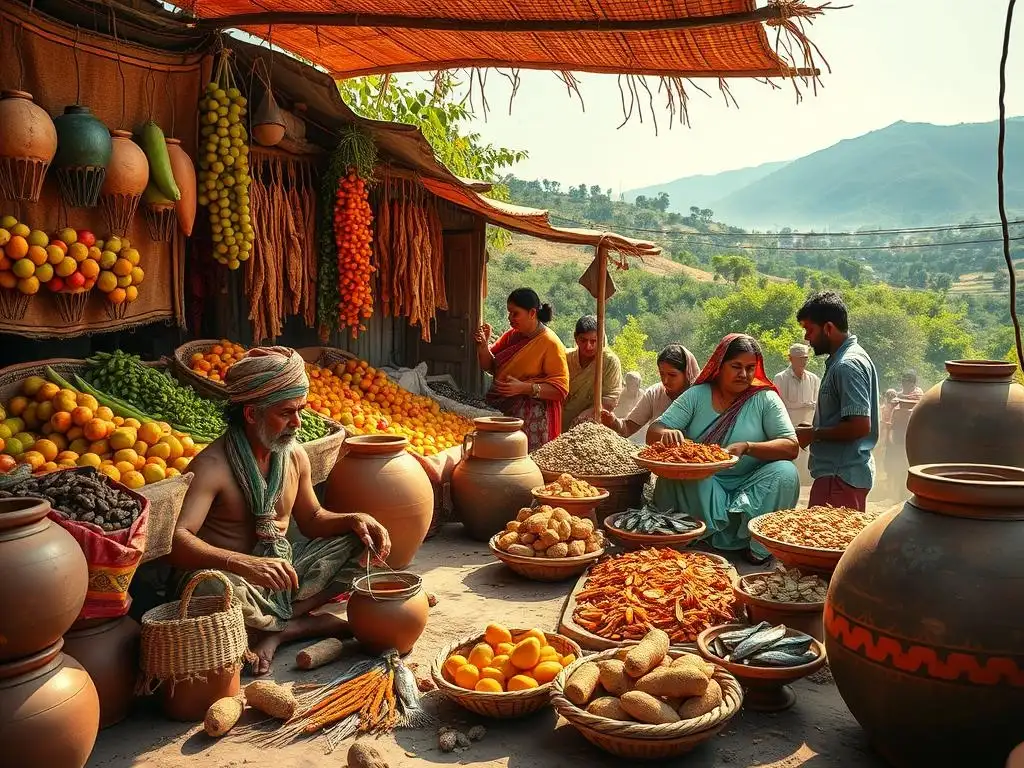
Ancient Indian food preservation techniques varied significantly across different regions, shaped by local climate, available resources, and cultural practices. These innovations were not only practical but also reflected the ingenuity of ancient civilizations in ensuring food security. Here, we explore the unique methods employed in North, South, Eastern, and Western India.
North Indian Innovations in Food Preservation
In North India, the harsh winters and the abundance of certain crops led to distinctive food preservation techniques. Among these, sun-drying and fermentation were the most prevalent.
- Sun-Drying: Vegetables such as tomatoes, green chilies, and even leafy greens were sun-dried to enhance their shelf life. This method reduced moisture content, preventing spoilage.
- Fermentation: Dairy products like yogurt and paneer were commonly fermented. This not only preserved the milk but also added nutritional value. Fermented foods like achar (pickles) were made using a mixture of spices and oil, offering a zesty flavor while extending the shelf life.
Additionally, smoking was employed for preserving meats and fish, particularly in regions near rivers. The smoky flavor added a unique twist to the food while inhibiting bacterial growth.
South Indian Methods of Preserving Food
South Indian food preservation techniques were heavily influenced by the tropical climate, which necessitated the need for effective methods to combat spoilage.
- Pickling: A rich tradition of pickling using a variety of spices and oils flourished in South India. Ingredients such as mango, lemon, and even raw vegetables were preserved in spiced oil or vinegar. This method not only enhanced flavor but also increased shelf life.
- Fermentation: Similar to North India, fermentation played a crucial role in South Indian cuisine. Idli and dosa batters are fermented using natural yeasts, which not only preserved the food but also made it more digestible.
- Coconut Preservation: With the abundance of coconuts, techniques like drying and grating were employed to preserve coconut for later use in cooking. Grated coconut was often mixed with spices and dried to create a versatile ingredient for various dishes.
Eastern and Western Techniques in Ancient India
In Eastern and Western India, the food preservation techniques were influenced by the availability of resources and the regional climate.
- Eastern Methods: In the Eastern regions, particularly Bengal, fish preservation was paramount due to the abundance of rivers. Techniques such as salting and drying were commonly used. Fish was often salted and sun-dried to create shutki, which could be stored for long periods. Additionally, the use of mustard oil in the preservation process not only enhanced flavor but also acted as a preservative.
- Western Techniques: In Western India, especially in Gujarat and Maharashtra, sugar and jaggery were used extensively for preserving fruits. Techniques like making murabbas (fruit preserves) involved cooking fruits in sugar syrup, which acted as a natural preservative. The high sugar content inhibited microbial growth, allowing these preserves to last for months.
- Spice Preservation: The use of spices for preservation was common across all regions. Notably, spices like turmeric and asafoetida not only added flavor but also possessed antimicrobial properties, aiding in food preservation.
The diverse regional variations in ancient Indian food preservation techniques highlight the adaptability and resourcefulness of these civilizations. These methods not only ensured food security but also contributed to the rich tapestry of Indian culinary traditions that continue to thrive today.
The Impact of Ancient Indian Food Preservation Techniques on Society
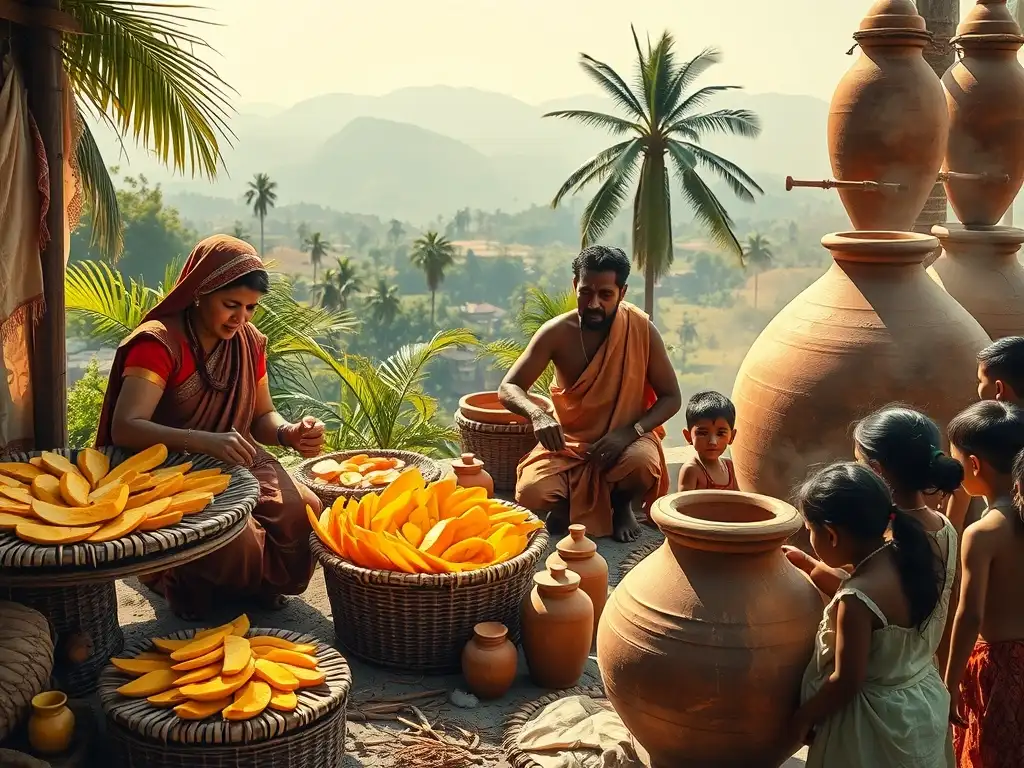
Ancient Indian food preservation techniques played a crucial role in shaping society, influencing nutrition, economics, and culture. These methods ensured that food could be stored for extended periods, enabling communities to thrive through seasonal changes and environmental challenges.
Nutritional Benefits of Preserved Foods
Ancient Indian civilizations developed various food preservation methods, such as drying, fermentation, and pickling, which not only extended the shelf life of foods but also enhanced their nutritional value.
- Drying: One of the oldest techniques, drying removes moisture from fruits and vegetables, preventing spoilage. Dried fruits like raisins and apricots are concentrated sources of vitamins and minerals, providing essential nutrients during off-seasons.
- Fermentation: This process not only preserved food but also improved its digestibility and health benefits. Fermented products like yogurt (dahi) and pickles (achar) are rich in probiotics, promoting gut health and boosting immunity.
- Pickling: By using vinegar or brine, various vegetables and fruits are preserved, retaining their essential nutrients while adding beneficial acids that aid in digestion.
These preservation techniques ensured a diverse diet throughout the year, which was crucial for maintaining health and vitality in ancient Indian societies.
Economic Implications of Food Preservation
The ability to preserve food had significant economic implications for ancient Indian civilizations, contributing to trade, storage, and food security.
- Trade Opportunities: Preserved foods became important commodities in trade routes, fostering economic relationships between regions. Spices, dried fruits, and pickled vegetables were sought after in local and international markets, enhancing the wealth of communities.
- Storage Efficiency: By preserving surplus harvests, ancient farmers could store food for lean seasons, reducing waste and ensuring a stable food supply. This efficiency in resource management helped stabilize economies and laid the foundation for future agricultural advancements.
- Culinary Diversity: The incorporation of preserved foods into daily diets led to a rich culinary culture, where flavors and techniques were exchanged among different regions, promoting economic growth through gastronomy.
Cultural Significance of Traditional Preservation Methods
Food preservation techniques in ancient India were deeply woven into the cultural fabric of society, reflecting identity, tradition, and communal practices.
- Festivals and Rituals: Many preservation methods were associated with cultural rituals and festivals. For instance, during harvest festivals, families would prepare pickles and other preserved items, symbolizing abundance and gratitude.
- Culinary Heritage: Traditional recipes for preserved foods, handed down through generations, contributed to a sense of identity and continuity. Each region developed its unique styles of preservation, showcasing local ingredients and culinary practices.
- Social Cohesion: The act of preparing preserved foods often involved communal participation, fostering social bonds and cooperation within families and communities. Sharing preserved items during gatherings reinforced relationships and cultural ties.
Ancient Indian food preservation techniques had far-reaching impacts on society, influencing nutrition, economy, and culture. These methods not only ensured food security but also enriched the social and cultural lives of ancient civilizations, leaving a lasting legacy that continues to influence modern practices.
Comparison of Ancient Indian Food Preservation Techniques with Modern Methods
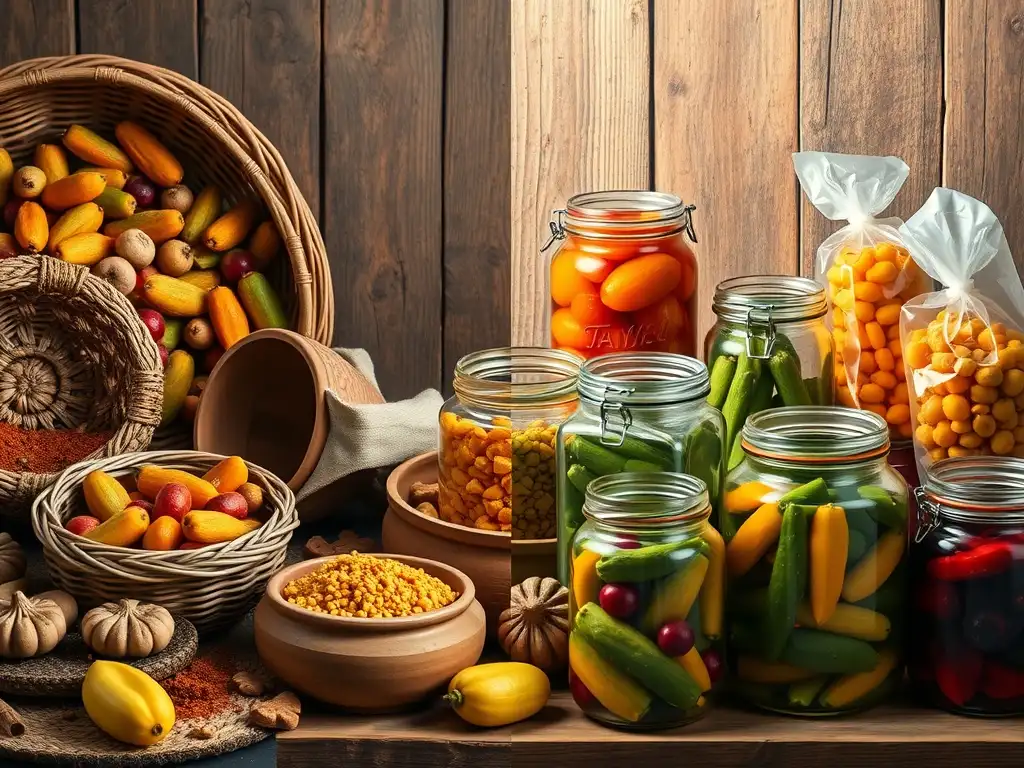
Similarities Between Ancient and Contemporary Techniques
Ancient Indian food preservation techniques and modern methods share several fundamental principles aimed at extending the shelf life of food and maintaining its quality. Both approaches prioritize the elimination of spoilage agents, such as bacteria and fungi, while preserving the nutritional and sensory attributes of food. Here are some notable similarities:
- Utilization of Natural Ingredients:
- Salt: Both ancient and modern methods employ salt as a key preservative. In ancient India, salt was used in pickling and curing meats, while contemporary practices still rely on salting to inhibit microbial growth.
- Spices: Spices like turmeric and mustard seeds, which were integral to ancient Indian preservation, are still utilized today for their antimicrobial properties.
- Drying Methods:
- Ancient techniques such as sun-drying fruits and vegetables are mirrored in modern practices. Today, dehydration remains a popular method for preserving food, whether through solar drying or using dehydrators.
- Fermentation:
- The process of fermentation, used in ancient India for producing items like yogurt and pickles, is also a staple in contemporary food preservation. Modern fermentation techniques continue to enhance flavor and increase shelf stability.
- Temperature Control:
- Both ancient and modern methods emphasize the importance of temperature control. While ancient methods relied on cool storage spaces, modern refrigeration has taken this concept further, allowing for longer preservation times.
Advantages of Ancient Techniques in Today's Context
Ancient Indian food preservation techniques offer a variety of advantages that resonate with contemporary values, particularly in sustainability and health. Here are some key benefits:
- Natural and Chemical-Free:
- Many ancient techniques rely on natural ingredients without the use of synthetic preservatives. This aligns with the modern consumer's preference for organic and chemical-free food products.
- Nutritional Retention:
- Traditional methods like fermentation not only preserve food but also enhance its nutritional profile. For example, fermented foods are rich in probiotics, which support gut health—a focus of current dietary trends.
- Sustainability:
- Ancient methods often used local resources and required less energy compared to modern techniques. For instance, sun-drying utilizes solar energy, making it an eco-friendly alternative that reduces reliance on electricity.
- Cultural Heritage:
- Reintroducing ancient preservation methods helps maintain cultural practices and culinary heritage. This not only fosters a sense of identity but also supports local economies through traditional food production.
- Flavor and Quality:
- Many ancient preservation techniques, such as pickling and smoking, impart distinctive flavors to food. Today's consumers are increasingly drawn to unique and robust flavors, making these traditional methods relevant.
While modern food preservation methods have advanced significantly, the ancient Indian techniques remain relevant and beneficial, offering insights into sustainable practices and the preservation of food quality. Embracing these methods can enhance our understanding of food science while celebrating the rich culinary heritage of ancient India.
Conclusion: The Legacy of Ancient Indian Food Preservation Techniques
The legacy of ancient Indian food preservation techniques is a testament to the ingenuity and resourcefulness of early civilizations. These methods not only ensured the survival of food in a landscape marked by seasonal fluctuations but also contributed to the development of rich culinary traditions. By employing a variety of techniques, ancient Indians enhanced the shelf life of foods, which was crucial for trade and sustenance, especially in the context of agrarian societies.
Continuing Influence on Modern Culinary Practices
The influence of ancient Indian food preservation techniques is still evident in contemporary culinary practices, both in India and around the world. Many of these methods have been adapted or preserved, showcasing the enduring wisdom of ancient cultures. Key techniques include:
- Fermentation: This method, utilized for making yogurt and pickles, not only extends the shelf life of food but also enhances its nutritional profile. Modern diets continue to embrace fermented foods for their probiotic benefits.
- Sun Drying: The technique of sun drying fruits and vegetables, prevalent in ancient times, is still widely used today to produce items like dried mango and sun-dried tomatoes. This method retains the essence of the ingredients while preventing spoilage.
- Spicing: The use of spices not only enhances flavor but also acts as a natural preservative. For example, turmeric and mustard have antimicrobial properties, making them integral to the preservation of various dishes.
- Smoking: Smoking was traditionally employed to preserve fish and meats. The flavor imparted through this method has led to its resurgence in modern culinary practices, particularly in gourmet cooking.
Modern culinary experts often draw inspiration from these ancient techniques, incorporating them into fusion cuisines and health-conscious cooking, thereby maintaining a connection to the past while adapting to contemporary tastes and dietary needs.
Preserving the Knowledge of Ancient Techniques for Future Generations
To ensure that the knowledge of ancient Indian food preservation techniques is not lost, various initiatives and practices are crucial. These include:
- Culinary Education: Integrating traditional techniques into culinary school curricula can equip new chefs with an appreciation for ancient practices. Workshops and classes focusing on these methods can foster a deeper understanding of their benefits and applications.
- Documentation and Research: Scholars and researchers are increasingly documenting these techniques through ethnographic studies and culinary history projects. This body of work serves as a valuable resource for future generations and helps to revive interest in traditional practices.
- Community Engagement: Local communities can play a pivotal role in preserving these techniques through festivals, cooking demonstrations, and community cooking classes. Engaging the younger generation in hands-on experiences with these methods can spark interest and appreciation for their cultural heritage.
- Sustainable Practices: As the world shifts towards sustainability, ancient food preservation techniques offer valuable insights. By promoting these methods, we can encourage environmentally-friendly practices that resonate with contemporary demands for sustainability in food systems.
The ancient Indian food preservation techniques represent a rich cultural heritage that continues to influence modern culinary practices. By preserving and promoting these techniques, we not only honor the legacy of our ancestors but also ensure that future generations can benefit from the wisdom embedded in these time-tested methods.
Frequently Asked Questions
What are some ancient Indian food preservation techniques?
Ancient Indian civilizations used various techniques such as drying, pickling, and fermenting to preserve food, ensuring it lasted longer and retained its nutritional value.
How did the Indus Valley Civilization preserve food?
The Indus Valley Civilization utilized techniques like sun drying and storage in jars, which helped maintain the quality of grains and other perishable items for extended periods.
What role did spices play in food preservation?
Spices were critical in ancient Indian food preservation; they not only enhanced flavor but also acted as natural preservatives due to their antimicrobial properties.
Were there any specific food items that were commonly preserved?
Commonly preserved items included fruits, vegetables, and dairy products, which were often dried or pickled to extend their shelf life and availability throughout the year.
How did food preservation techniques influence ancient Indian cuisine?
These food preservation techniques enabled the development of diverse culinary traditions, allowing ancient Indians to enjoy a variety of flavors and maintain their food supply during off-seasons.
Final Reflection: Timeless Techniques of Ancient Indian Food Preservation
The exploration of ancient Indian food preservation techniques reveals not only the ingenuity of our ancestors but also their profound understanding of nature and sustainability. In today's fast-paced world, where food waste and preservation methods are critical issues, these ancient practices remind us of the importance of harmonizing with our environment. The wisdom embedded in these techniques is not just historical; it serves as a guiding light for modern practices in food sustainability and health.
The influence of these preservation methods continues to resonate in our cultural and social landscapes. From pickling to fermenting, these techniques are not merely relics of the past but are experiencing a renaissance in contemporary culinary practices. As we embrace farm-to-table movements and seek to minimize our ecological footprint, the relevance of these ancient methods becomes increasingly apparent. The art of preserving food is not just about survival; it is about celebrating the bounty of nature and honoring our heritage.
As we reflect on the lessons learned from ancient Indian innovations, I invite you to consider how these time-tested techniques can be integrated into your own life. Whether it's experimenting with fermentation at home or choosing to support local farmers who practice sustainable methods, each small action contributes to a larger movement towards food preservation and sustainability. Let us honor the wisdom of our ancestors by embracing these practices, ensuring that the art of food preservation continues to thrive for generations to come.
Unlock the Secrets of Ancient Food Preservation!
Thank you for taking the time to explore the fascinating world of ancient Indian food preservation techniques! You’ve uncovered valuable insights into methods that have stood the test of time, showcasing human ingenuity and resourcefulness. Now, it's your turn to dive deeper into this rich heritage and discover how you can apply these techniques in your own kitchen.
Here are a few simple yet impactful actions you can take right now:
- Experiment with traditional methods: Try preserving vegetables with salt, using fermentation techniques, or making your own natural pickles. Let the flavors of ancient India inspire your culinary creativity!
- Share your discoveries: Connect with friends or family by hosting a homemade food preservation tasting party, where everyone can bring a dish and learn together.
- Join an online community: Engage with others interested in historical cooking methods by sharing your experiences and learning new techniques. Utilize social media platforms to find like-minded enthusiasts.
What’s your favorite preservation technique, and how do you think it could transform modern cooking practices? We’d love to hear your thoughts!