
The Journey of Indian Textiles to China: A Fabric of Cultural Exchange

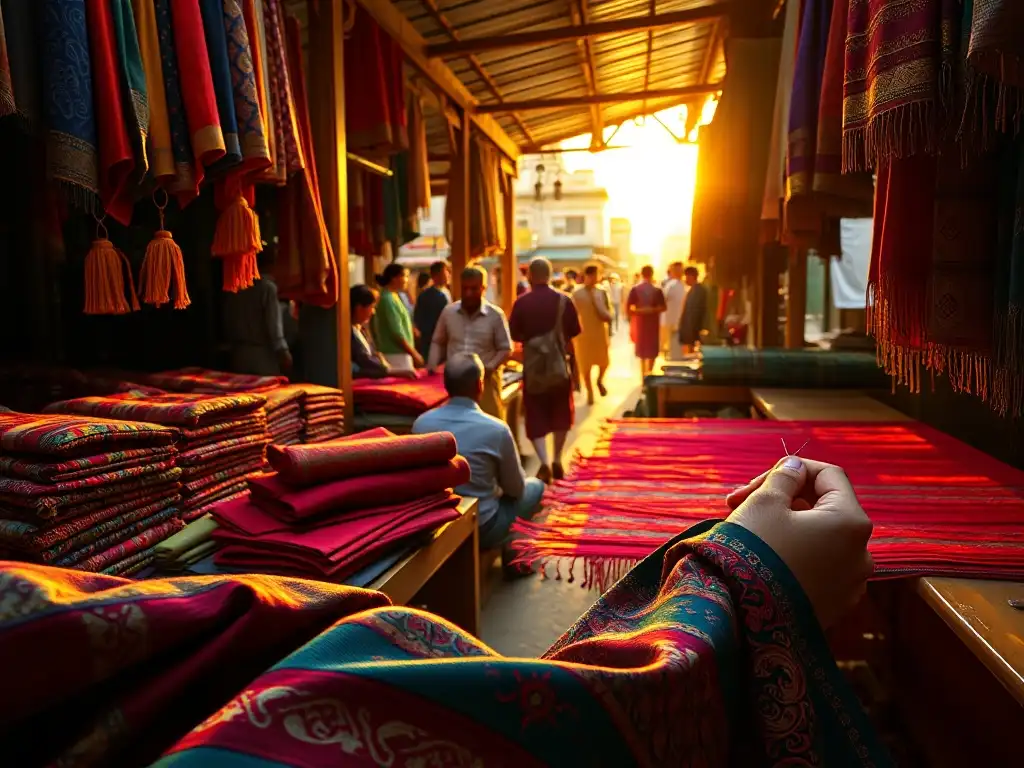
Welcome to Ancient India History, where we embark on a captivating journey through the rich tapestry of India's past. In this space, we delve into the intricate stories of ancient civilizations, from the enigmatic Indus Valley to the illustrious Gupta Empire. Today, we invite you to explore the fascinating cultural exchange history of Indian textiles, a journey that transcends borders and weaves connections between India and China.
Discover how these exquisite fabrics not only adorned the bodies of emperors but also transformed cultures and economies. Prepare to be captivated as we unravel the threads of history that bind us all—read on to uncover the secrets behind this vibrant fabric of cultural exchange!
Introduction to Indian Textiles Cultural Exchange History
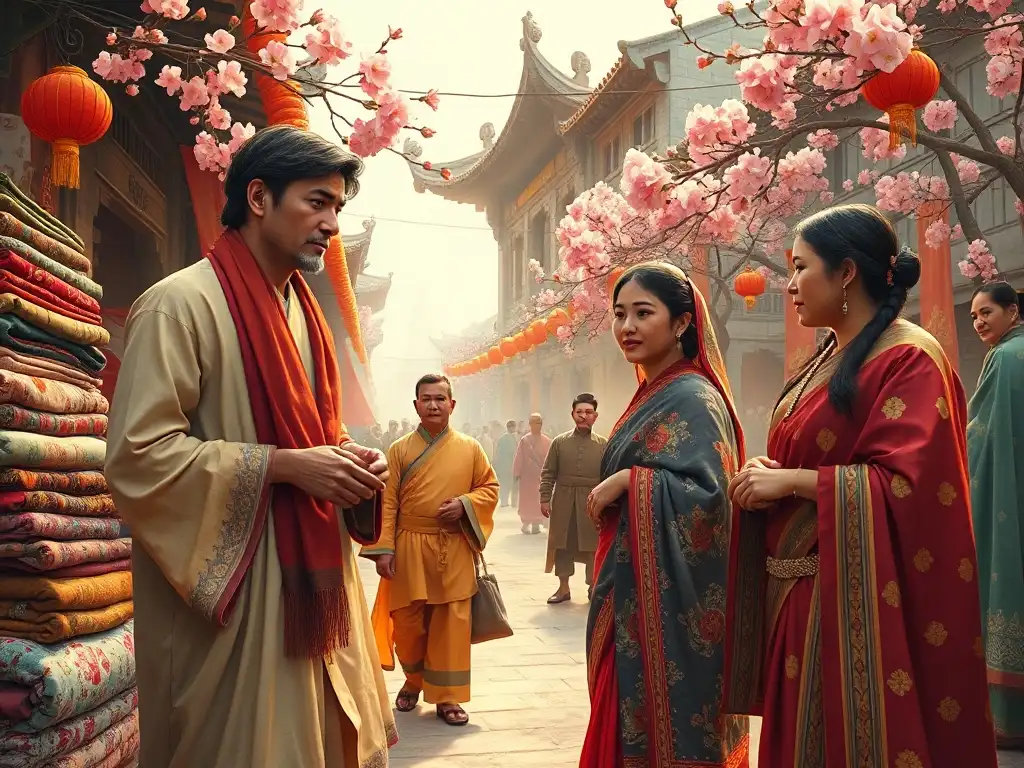
The history of Indian textiles is not merely a tale of fabric and thread; it is a vivid tapestry woven with the threads of culture, art, and commerce. Indian textiles have played a pivotal role in the cultural exchange between India and China, showcasing the rich heritage and craftsmanship that have evolved over millennia.
This journey of textiles transcends mere trade; it embodies the shared history and interactions of two ancient civilizations, each contributing to the other’s cultural landscape. From the intricate designs of silk to the vibrant hues of cotton, the exchange of textiles stands as a testament to the artistic and economic ties that flourished along the Silk Road and beyond.
As we delve deeper into the Indian textiles cultural exchange history, we will explore how these textile traditions not only influenced fashion across borders but also fostered mutual respect and admiration between the peoples of India and China.
Overview of Indian Textiles and Their Significance
Indian textiles are renowned for their exquisite craftsmanship, unique patterns, and diverse materials. They encompass a wide range of fabrics, including cotton, silk, wool, and jute, each with its own regional significance and historical context. Not only did these textiles serve practical purposes, but they also held immense cultural and symbolic value. For instance, the intricate designs often reflected the social status, religious beliefs, and artistic expressions of the communities that produced them.
- Cultural Significance: Textiles often played a crucial role in rituals, ceremonies, and festivals, symbolizing various aspects of life and death, fertility, and prosperity.
- Economic Impact: The textile industry was a significant contributor to the economy, providing livelihoods for millions and facilitating trade routes that connected India with distant lands, including China.
Importance of Cultural Exchange in Ancient Civilizations
Cultural exchange has always been a cornerstone of human civilization, fostering understanding, innovation, and cooperation among diverse peoples. In the context of ancient India and China, the exchange of textiles served as a medium for broader interactions, including art, philosophy, and technology.
- Mutual Influence: The sharing of textile techniques and styles between India and China enriched both cultures, leading to the evolution of new designs and methods.
- Trade Routes: The establishment of trade routes, particularly the Silk Road, enabled not just the exchange of goods but also ideas, beliefs, and customs, laying the groundwork for future generations to appreciate and adopt one another's cultural heritage.
Historical Context of Indian Textiles
To fully appreciate the journey of Indian textiles to China, it is essential to understand their historical roots and evolution. This section will explore the origins of Indian textiles, the major centers where these fabrics were produced, and the innovative techniques that emerged over time.
Origins of Indian Textiles in Ancient Civilizations
The origins of Indian textiles can be traced back to the Indus Valley Civilization (c. 3300–1300 BCE), where evidence of cotton cultivation and weaving has been discovered. The skillful artisans of this era laid the foundation for a textile tradition that would flourish for centuries.
- Materials Used: Cotton and silk were the primary materials used in textile production, with cotton being particularly significant due to its availability in the Indian subcontinent.
- Artifacts and Evidence: Archaeological findings, including spindle whorls and woven fabrics, provide insight into the advanced techniques employed by ancient weavers.
Major Textile Centers in India
Throughout history, various regions in India emerged as prominent textile centers, each contributing unique styles and techniques to the broader tapestry of Indian textiles.
- Gujarat: Known for its vibrant cotton and silk textiles, Gujarat became a hub for trade with China, exporting intricate fabrics such as Bandhani and Patola.
- Tamil Nadu: Renowned for its silk sarees, particularly Kanjeevaram, Tamil Nadu's textile industry played a significant role in cultural exchanges with neighboring regions.
Evolution of Textile Techniques and Designs
The evolution of textile techniques and designs reflects the dynamic interplay of culture, technology, and artistic expression across centuries.
- Innovative Techniques: Techniques such as dyeing, block printing, and embroidery have not only enriched the textiles but have also served as a medium for storytelling and cultural representation.
- Cross-Cultural Influences: The interaction between Indian and Chinese textile traditions led to a blend of styles, evident in the adoption of motifs and weaving techniques that can be traced back to both civilizations.
Through this exploration of Indian textiles and their journey to China, we uncover a rich narrative of cultural exchange that continues to resonate in modern times.
The Routes of Cultural Exchange: India to China
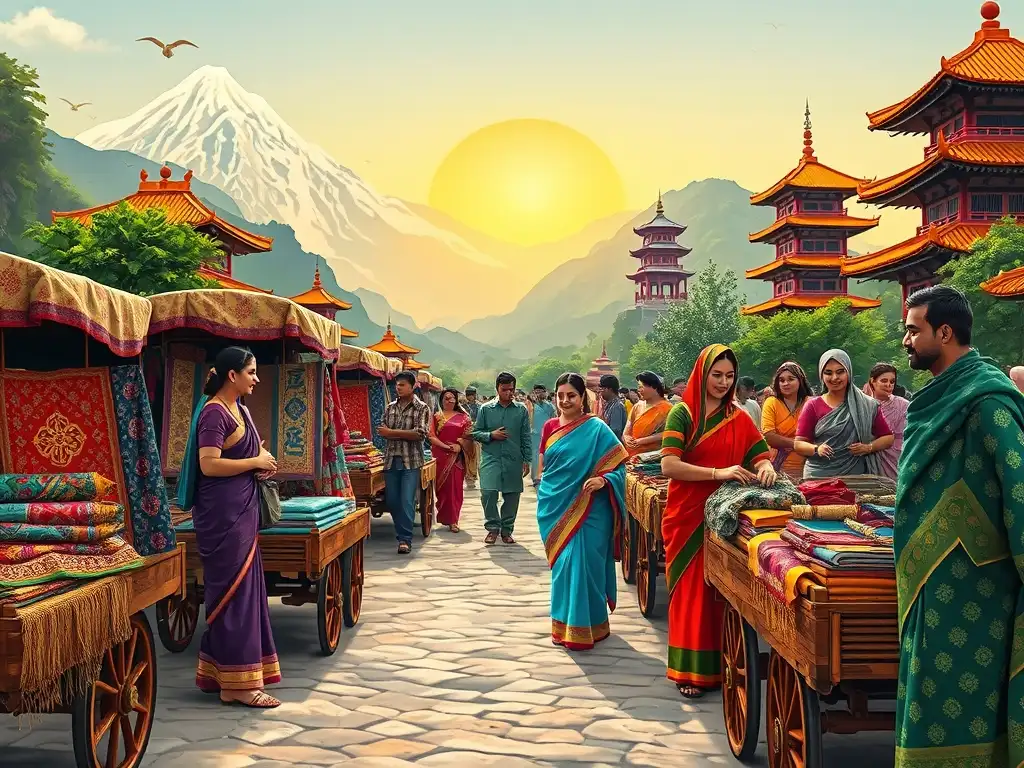
The exchange of textiles between India and China is a fascinating aspect of the broader historical interaction between these two great civilizations. This exchange was not merely economic but also cultural, influencing art, fashion, and social practices on both sides. The routes taken for this exchange were diverse, involving both overland and maritime pathways that facilitated the movement of goods, ideas, and cultural practices.
Silk Road and Maritime Trade Routes
The Silk Road was a network of trade routes that connected the East and West, encompassing both land and sea paths. Indian textiles, known for their vibrant colors and intricate designs, traveled along these routes to reach China. The overland Silk Road facilitated the transport of goods from the northwestern regions of India, crossing through Central Asia and into China.
Conversely, maritime trade routes, particularly through the Indian Ocean, provided a crucial link for Indian textiles to reach Chinese markets via ports such as Guangzhou and Quanzhou. These maritime pathways allowed for the exchange not only of textiles but also of cultural practices, contributing to a rich tapestry of interaction between the two civilizations. The bustling trade along these routes was characterized by a vibrant exchange of goods, where Indian cottons and silks became highly sought after commodities in the Chinese market.
Key Trade Cities Facilitating Textile Exchange
Several key trade cities emerged as vital hubs in the exchange of textiles between India and China. In India, cities like Calicut and Cochin became prominent ports where merchants gathered to trade in textiles and spices. These cities were essential for exporting Indian fabrics, particularly cotton and silk, to the Chinese market.
In China, cities such as Xi'an, the eastern terminus of the Silk Road, and Guangzhou, a significant maritime trading port, played crucial roles. Xi'an was not only a trading hub but also a cultural melting pot where Indian and Chinese artisans would interact, leading to the exchange of textile techniques and designs. Similarly, Guangzhou facilitated maritime trade, bringing together traders from various cultures, including Indian merchants who introduced exquisite textiles to the local populace.
Influence of Geography on Trade Patterns
Geography significantly influenced the patterns of trade between India and China. The diverse landscapes of these regions—ranging from the Himalayas to the vast Indian Ocean—shaped the routes that traders would take. The formidable mountains of the Himalayas posed challenges for overland trade but also created a natural barrier that facilitated the flow of goods through specific passes.
Additionally, the monsoon winds greatly impacted maritime trade, allowing for predictable sailing conditions that connected Indian ports with Chinese destinations. The seasonal nature of these winds meant that traders could time their voyages to take advantage of favorable conditions, enhancing the efficiency of textile exchange between the two civilizations. The intersection of geography and trade routes played a significant role in establishing a consistent flow of goods, particularly textiles, between India and China.
The Impact of Indian Textiles on Chinese Culture
The introduction of Indian textiles had a profound influence on Chinese culture, shaping various aspects of life, including fashion, art, and social customs. The intricate designs, vibrant colors, and superior quality of Indian fabrics were highly valued in Chinese society, leading to their widespread adoption and integration.
Adoption of Indian Textile Techniques in China
Indian textile techniques, such as weaving and dyeing methods, were adopted by Chinese artisans, leading to a blending of styles and practices. The art of block printing, which originated in India, found its way to China, influencing local production methods.
Chinese craftsmen began to experiment with Indian techniques, resulting in unique fabric patterns that combined Indian aesthetics with Chinese sensibilities. This cross-pollination of textile techniques not only enriched Chinese fabric production but also paved the way for innovative designs that reflected a fusion of two rich cultural heritages.
Influence of Indian Patterns on Chinese Fabrics
The intricate patterns and motifs found in Indian textiles, including floral designs and geometric shapes, significantly influenced Chinese fabric designs. These patterns were often incorporated into traditional Chinese garments, adding a new layer of artistic expression to Chinese fashion.
As Indian textiles became more prevalent in Chinese markets, local artisans began to emulate Indian motifs, leading to the creation of hybrid designs that showcased the beauty of both cultures. This fusion resulted in garments that were not only functional but also served as a canvas for artistic storytelling, reflecting the shared history of cultural exchange between India and China.
The Role of Indian Textiles in Chinese Fashion and Society
Indian textiles played a pivotal role in shaping Chinese fashion, particularly among the elite classes. The luxurious quality of Indian silk and cotton fabrics made them highly desirable, and these textiles became symbols of status and wealth in Chinese society.
Moreover, Indian textiles influenced social customs, including marriage and festival attire. The vibrant colors and intricate designs of Indian fabrics were often chosen for special occasions, highlighting their importance in cultural celebrations. Over time, the integration of Indian textiles into Chinese fashion not only transformed clothing styles but also fostered a deeper appreciation for the intricate connections that existed between the two civilizations, underscoring the significance of cultural exchange in shaping historical narratives.
Chinese Contributions to Textile Practices
The intricate tapestry of textile practices in ancient China was significantly influenced by cultural exchanges with India. As Indian textiles made their way along trade routes, particularly the Silk Road, they brought not only materials but also innovative techniques that transformed Chinese textile production. Chinese craftsmen began to adopt Indian weaving methods, dyeing techniques, and even patterns, leading to a rich amalgamation of styles and practices. This exchange was not merely utilitarian; it played a crucial role in the evolution of Chinese fashion and textile artistry, making it more vibrant and diverse.
Integration of Indian Techniques into Chinese Crafting
One of the most prominent impacts of Indian textiles on Chinese practices was the integration of advanced weaving techniques. Indian artisans were renowned for their skill in creating fine fabrics, often using complex patterns and intricate designs. As these methods spread to China, local weavers began to experiment with new motifs and fabrics, leading to innovations in silk production.
For instance, the use of the double-weave technique, which allowed for more elaborate designs, became more commonplace in Chinese textiles after exposure to Indian practices. Additionally, dyeing techniques such as indigo dyeing were adopted, enhancing the color palette available to Chinese textile makers and elevating the overall quality and aesthetic appeal of their products.
Development of Unique Chinese Textiles Inspired by Indian Designs
The cultural exchange between India and China led to the development of unique textile forms that blended both influences. Fabrics like brocade and damask began to incorporate Indian-inspired designs, such as floral patterns and geometric shapes, which were then reinterpreted through the lens of Chinese aesthetics. This hybridization resulted in textiles that were not only functional but also served as symbols of status and cultural identity. The emergence of these unique textiles illustrated how cross-cultural interactions could lead to the creation of new art forms, enriching the textile heritage of both civilizations.
Cultural Significance of Textile Exchange in China
The exchange of textiles between India and China went beyond mere trade; it was a conduit for cultural dialogue and mutual influence. Textiles served as a medium for expressing social status, religious beliefs, and regional identities. In China, the adoption of Indian textiles often signified sophistication and wealth, with silk garments adorned with Indian motifs becoming popular among the elite. Moreover, the presence of Indian textiles in Chinese households reflected the broader trends of globalization and cultural exchange in the ancient world, highlighting the importance of textiles as a means of fostering understanding and connection between distinct cultures.
Case Studies of Indian Textiles in China
Notable Textiles and Their Stories
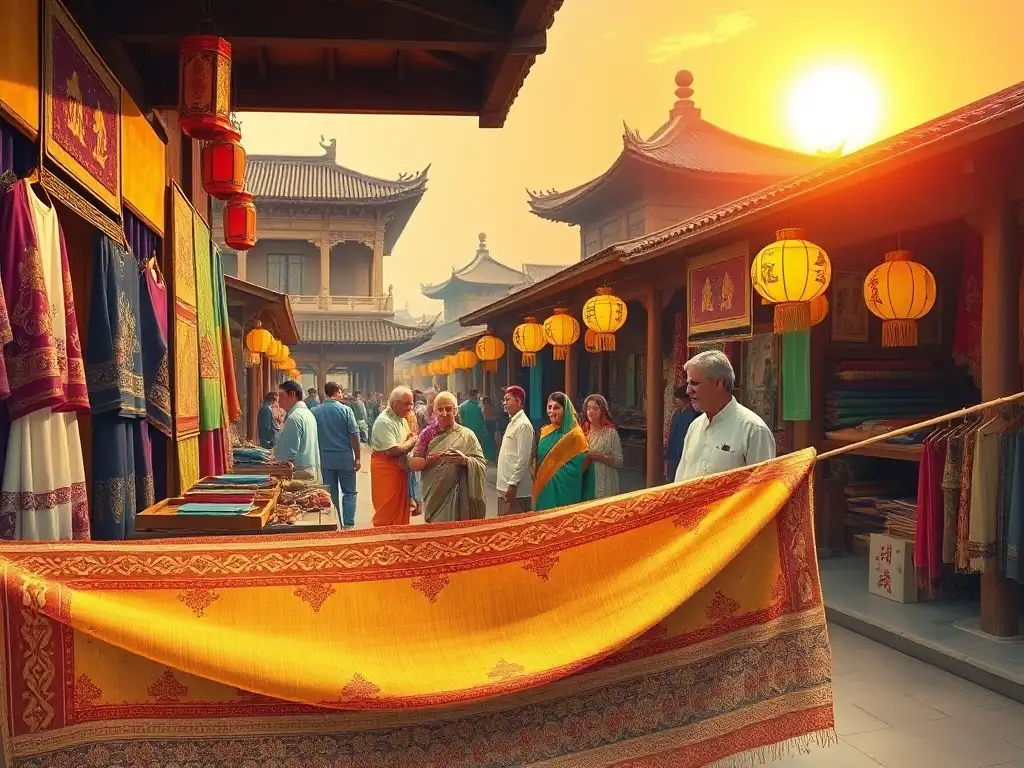
Among the notable textiles that traveled from India to China, the famous chintz stands out. This cotton fabric, often adorned with floral patterns, became highly sought after in Chinese markets. The stories surrounding its popularity reveal much about the social dynamics of the time, as chintz not only served practical purposes but also became a symbol of exoticism and luxury. Another important fabric was muslin, which gained fame for its fine quality and softness. Its introduction into Chinese fashion marked a significant shift in textile preferences, prompting local artisans to replicate its qualities with their own materials.
Famous Trade Events and Exchanges
Historical records indicate several key trade events that facilitated the exchange of textiles between India and China. The Tang Dynasty, known for its openness to foreign influences, saw a surge in textile trade, particularly during the 7th to 9th centuries. Major trade fairs in cities like Chang'an (modern Xi'an) acted as melting pots for merchants from diverse backgrounds, allowing Indian textiles to gain visibility and appreciation. Additionally, the maritime trade routes established during the Song Dynasty enabled a new wave of textile exchanges, linking southern India with coastal China and further enriching the textile landscape.
Historical Figures Involved in Textile Trade
Several historical figures played influential roles in the textile trade between India and China, acting as connectors of cultures. One such notable figure was Xuanzang, a Chinese monk who traveled to India in the 7th century. His accounts not only documented the rich textile traditions of India but also facilitated the exchange of ideas and goods upon his return to China.
Another important personality was Zheng He, the Ming Dynasty admiral, whose maritime expeditions in the 15th century helped establish trade links between China and various Indian coastal cities, further enhancing the flow of textiles and other goods. These figures exemplify the intertwined destinies of the two civilizations through the medium of textiles.
The Legacy of Indian-Chinese Textile Exchange
The exchange of textiles between India and China has a profound legacy that transcends mere trade. This historical interaction, rooted in the ancient Silk Road, facilitated not only the movement of fabric but also the exchange of ideas, aesthetics, and techniques. Indian textiles, renowned for their intricate designs and vibrant colors, made their way into Chinese markets, while Chinese silk and other materials found a receptive audience in India. This two-way exchange fostered a rich tapestry of cultural influences that shaped the textile traditions of both civilizations.
The methods of dyeing, weaving, and embroidery were enriched through this interaction. Indian artisans adopted techniques from Chinese silk production, while Chinese craftsmen were inspired by the elaborate patterns found in Indian textiles. This blending of practices not only enhanced the quality and variety of textiles produced but also underscored the interconnectedness of these two ancient cultures.
Long-lasting Impacts on Modern Textile Practices
The impacts of the Indian-Chinese textile exchange are still evident in modern textile practices. Contemporary textile industries in both countries continue to draw inspiration from historical techniques and motifs. For instance, the use of natural dyes, which was popularized during ancient exchanges, has seen a resurgence as consumers increasingly prefer sustainable and eco-friendly materials.
Additionally, the intricate embroidery styles that originated from this cultural exchange remain highly sought after today. Techniques such as zardosi from India and su embroidery from China are celebrated for their craftsmanship and artistic expression. The global textile market benefits from this rich heritage, where traditional methods coalesce with modern designs, creating unique products that honor ancient practices while appealing to contemporary tastes.
Preservation of Cultural Heritage through Textiles
Textiles serve as a vital thread in the preservation of cultural heritage for both India and China. Each piece of fabric tells a story, reflecting the traditions, beliefs, and values of its origin. The preservation of these textile traditions is crucial in maintaining cultural identity amid globalization.
In India, initiatives to revive traditional weaving techniques and promote indigenous materials have gained momentum, ensuring that ancient practices are not lost to time. Similarly, China has invested in safeguarding its textile heritage, recognizing the importance of these crafts in understanding its historical narrative. Museums and cultural programs in both countries highlight the significance of textiles as cultural artifacts, fostering appreciation among new generations.
Contemporary Indian-Chinese Collaborations in Textiles
In recent years, Indian and Chinese textile industries have sought to collaborate, merging their strengths to innovate and create unique products. Joint ventures between manufacturers have emerged, focusing on sustainable practices and technological advancements in textile production. These collaborations not only improve the quality of textiles but also expand the markets for both nations.
Cultural exchange programs and exhibitions further promote this partnership by allowing artisans from both countries to learn from each other. Such initiatives encourage the sharing of techniques and designs, leading to the development of a hybrid textile culture that embodies the rich history of their interactions.
Conclusion: Weaving Together Cultures
Summary of Indian Textiles Cultural Exchange History
The journey of Indian textiles to China reflects a long-standing tradition of cultural exchange between two ancient civilizations. This exchange has not only shaped the textile practices of both regions but has also contributed to their broader cultural narratives. From the vibrant hues of Indian cottons to the luxurious textures of Chinese silks, the influence of this historical interaction remains palpable in the textile industries today.
Reflection on the Importance of Cross-Cultural Interactions
The history of Indian textiles in China serves as a testament to the significance of cross-cultural interactions. These exchanges foster mutual respect and understanding, paving the way for collaboration and innovation. In an increasingly interconnected world, the story of Indian and Chinese textiles exemplifies the enduring impact of cultural exchange on society, reminding us that our shared histories enrich our present and shape our future.
- Introduction to Indian Textiles Cultural Exchange History
- Overview of Indian Textiles and Their Significance
- Importance of Cultural Exchange in Ancient Civilizations
- Historical Context of Indian Textiles
- The Routes of Cultural Exchange: India to China
- The Impact of Indian Textiles on Chinese Culture
- Chinese Contributions to Textile Practices
- Case Studies of Indian Textiles in China
- The Legacy of Indian-Chinese Textile Exchange
- Conclusion: Weaving Together Cultures
Frequently Asked Questions
What is the significance of Indian textiles in cultural exchange history?
Indian textiles have played a crucial role in cultural exchange, showcasing the artistry and craftsmanship of ancient civilizations, and influencing fashion and trade across continents.
How did Indian textiles reach China?
The journey of Indian textiles to China was facilitated by trade routes, particularly the Silk Road, which enabled the exchange of goods and ideas between diverse cultures.
What types of textiles were popular in ancient India?
Ancient India was known for its variety of textiles, including cotton, silk, and wool, often adorned with intricate embroidery and dying techniques that reflected regional identities.
How did Indian textiles influence Chinese culture?
Indian textiles introduced new designs and techniques in fabric production to China, leading to a blending of styles and the evolution of local textile traditions.
What role did the Gupta Empire play in textile production?
The Gupta Empire marked a golden age for Indian textiles, where advancements in dyeing and weaving techniques flourished, making Indian fabrics highly sought after in both domestic and international markets.
Final Reflection: Weaving Threads of Cultural Exchange
The journey of Indian textiles to China is not just a tale of fabric; it is a testament to the profound impact of cultural exchange on societies throughout history. Today, as we navigate a globalized world, the significance of this exchange resonates more than ever. The intricate patterns and vibrant colors of Indian textiles serve as a reminder of how art and commerce can bridge divides, fostering understanding and appreciation among diverse cultures. This historical narrative is not merely a relic of the past; it is a living legacy that continues to shape our interconnected world.
The influence of Indian textiles on Chinese culture has been monumental, creating a tapestry of shared traditions and mutual respect. This exchange has enriched both cultures, allowing them to learn from one another and evolve. As we reflect on this ongoing dialogue, we recognize that the threads of history are woven into the fabric of our present. Culture is the widening of the mind and of the spirit.
– Jawaharlal Nehru. This quote encapsulates the essence of cultural exchange, reminding us that our understanding of the world is deepened through the appreciation of others' histories and traditions.
As we conclude this exploration of Indian textiles and their journey to China, I invite you to reflect on your own role in this ongoing narrative. Consider how you can contribute to the tapestry of cultural exchange in your own life. Whether through supporting artisans, learning about different cultures, or sharing stories that celebrate diversity, each action can help weave a richer, more inclusive world. Let us embrace the lessons of the past and carry them forward, ensuring that the fabric of cultural exchange continues to thrive for generations to come.
Unveil the Threads of Connection!
Thank you for exploring the fascinating journey of Indian textiles to China with us! You've uncovered not just a story of fabric but a rich tapestry of cultural exchange that has shaped histories and identities. Now, it’s time to take your interest further and immerse yourself in this vibrant heritage.
Here’s how you can continue this journey:
- Dive Deeper: Research a specific textile that intrigues you to discover its origins, the artisans behind it, and its significance in cultural exchanges.
- Share the Story: Engage with friends and family by sharing this article or your newfound knowledge on social media. Together, let's spread appreciation for our shared heritage!
- Join the Community: Participate in local textile exhibitions or workshops to experience the artistry firsthand and connect with others who share your passion for textiles.
What aspect of the cultural exchange of textiles captivates you the most? We invite you to share your thoughts in the comments below!