
The Role of Festivals in Maurya Society: Influential Figures Behind Traditions

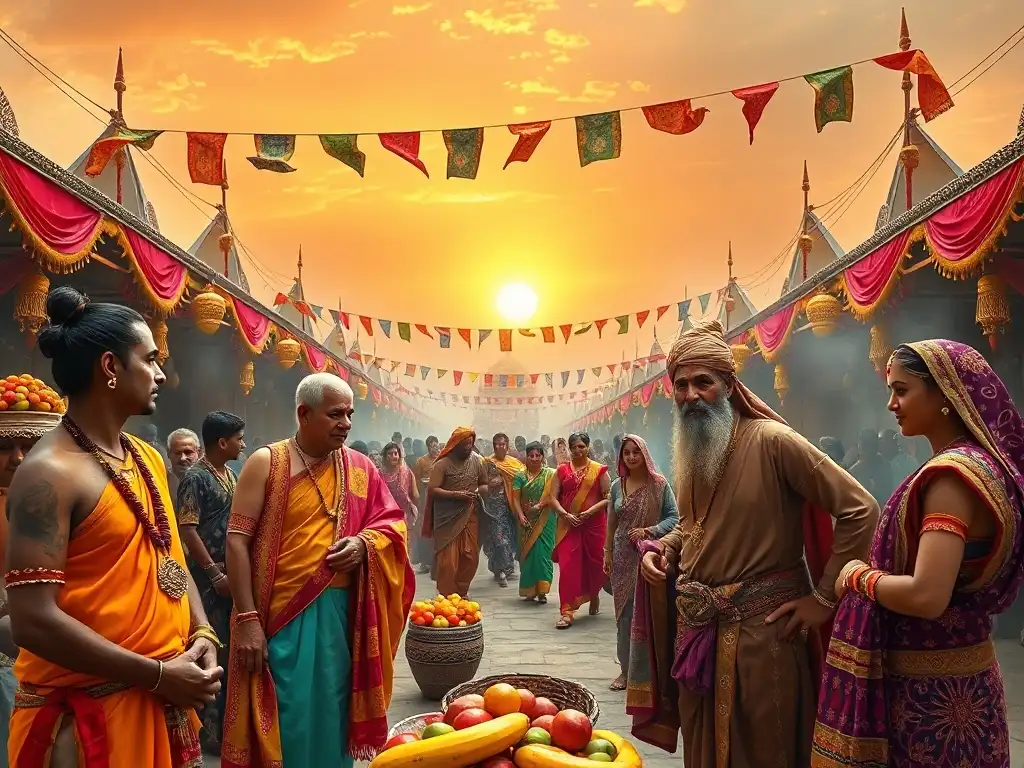
Welcome to Ancient India History, where we embark on a fascinating journey through the rich tapestry of ancient Indian civilizations. Here, you will uncover the vibrant festivals in Maurya society, a captivating aspect that reveals the influential figures and traditions shaping their cultural landscape. Dive deeper into the customs and celebrations that united communities and showcased the grandeur of their heritage. Are you ready to explore the stories behind these enchanting traditions? Let’s delve into the past and discover how these festivals played a pivotal role in the life of the Maurya Empire!
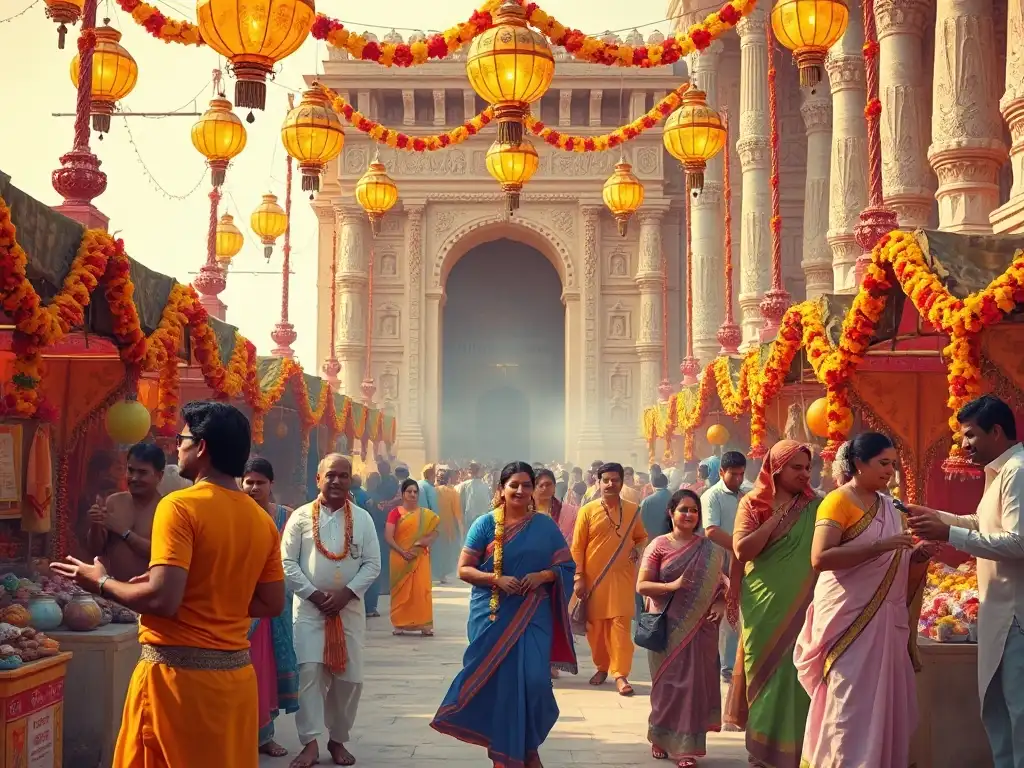
Festivals played a pivotal role in the social and cultural fabric of the Maurya Empire, reflecting the diverse traditions and values of ancient Indian society. These celebrations were not merely occasions for merriment; they served as vital expressions of community, spirituality, and identity.
As we delve into the festivals in Maurya society, we will explore the influential figures who shaped these traditions, the significance of various celebrations, and how they contributed to the overall ethos of the empire. Understanding these aspects can provide a deeper insight into the complexities of Mauryan culture and its lasting impact on subsequent Indian civilizations.
Introduction to Festivals in Maurya Society
Festivals in Maurya society were a vibrant amalgamation of religious, agricultural, and seasonal observances, intricately woven into the daily lives of its people. The Maurya Empire, which flourished from approximately 322 BCE to 185 BCE, was marked by significant developments in art, culture, and governance under notable rulers like Chandragupta Maurya and Ashoka the Great. Festivals during this period were not only a means of celebration but also served as essential moments for reinforcing social bonds and cultural continuity.
Importance of Festivals in Ancient Indian Civilization
The significance of festivals in ancient Indian civilization cannot be overstated. They were integral in:
- Cultural Preservation: Festivals helped preserve ancient traditions and rituals, passing them down through generations.
- Social Cohesion: By bringing together people from various backgrounds, festivals fostered a sense of community and belonging.
- Spiritual Reflection: Many festivals were linked to religious beliefs, offering opportunities for devotion and spiritual growth.
- Agricultural Cycles: Seasonal celebrations often coincided with agricultural activities, marking important phases in the farming calendar.
These aspects highlight how festivals were not merely events but were deeply embedded in the societal structure of ancient India.
Overview of Maurya Society's Cultural Practices
Maurya society was characterized by its rich cultural tapestry, influenced by various factors including geography, trade, and interactions with neighboring regions. The cultural practices during this era included:
- Religious Diversity: The coexistence of Hinduism, Buddhism, and Jainism, each contributing unique festivals and rituals.
- Art and Architecture: Festivals often inspired artistic expressions, including sculptures and public celebrations, enhancing the visual landscape of the empire.
- Philosophical Developments: Influential thinkers and philosophers shaped the ideological backdrop against which many festivals were celebrated.
As we explore the key festivals celebrated during the Maurya Empire, we will see how these cultural practices were reflected and reinforced through communal celebrations.
Key Festivals Celebrated During the Maurya Empire
Festivals during the Maurya Empire encompassed a variety of themes, including harvest celebrations, religious observances, and seasonal festivities. Each festival had its own unique significance and was marked by specific customs and traditions.
Major Festivals in Maurya Society
Some of the major festivals celebrated in Maurya society included:
- Paryushana: A significant festival for Jains, focusing on forgiveness and reflection.
- Vaishakha: Celebrated to honor deities associated with agriculture and prosperity.
- Buddha Jayanti: Observed in honor of the birth of Gautama Buddha, reflecting the growing influence of Buddhism during the Mauryan reign.
These festivals not only highlighted the religious diversity of the Maurya Empire but also served as platforms for communal engagement and celebration.
Seasonal Celebrations and Their Significance
Seasonal celebrations were crucial to the agricultural lifestyle of the Maurya Empire. They marked the changing of seasons and were often linked to agricultural cycles, such as:
- Harvest Festivals: Celebrating the bounty of the land, these festivals included rituals to thank the deities for a good harvest.
- Monsoon Celebrations: With the arrival of the monsoon, festivities would often involve prayers for rain and fertility of the land.
These seasonal events were essential for fostering a connection between the people and the land, underscoring the importance of agriculture in Maurya society.
Festivals in Maurya society served multiple functions — from spiritual observances to social gatherings — significantly shaping the cultural identity of the empire. Understanding these festivals provides valuable insights into the complexities of ancient Indian civilization and the influential figures who helped establish these enduring traditions.
Influential Figures Shaping Festivals in Maurya Society
The Maurya Empire, known for its vast expanse and diverse cultures, witnessed a significant evolution in its festival practices. Influential figures, particularly rulers and religious leaders, played a pivotal role in shaping these traditions. Festivals in Maurya society were not merely celebratory events; they served as tools for political unity, cultural dissemination, and religious expression. By examining the contributions of notable figures, we can better understand how these festivals reflected the values and norms of Mauryan life.
Ashoka the Great: Patron of Festivals
Ashoka the Great, one of the most renowned emperors of the Maurya Empire, significantly impacted the festival landscape through his promotion of Buddhism and its associated celebrations. Following his conversion to Buddhism after the Kalinga War, Ashoka sought to spread the teachings of Buddha, which included the celebration of religious festivals that emphasized compassion, mindfulness, and community harmony.
Under Ashoka's reign, festivals like the Buddha Purnima became prominent, celebrating the birth, enlightenment, and death of Buddha. He encouraged the observance of these festivals not only among Buddhists but also among other faiths, promoting a spirit of inclusivity. Ashoka's edicts, inscribed on pillars and rocks, often included references to the importance of festivals in fostering moral values and community cohesion. His dedication to the welfare of his subjects manifested in his support of public gatherings during festivals, providing opportunities for people to engage in charitable activities, reflect on moral teachings, and strengthen social bonds.
Other Notable Leaders and Their Contributions
While Ashoka is often credited with the prominence of festivals during the Maurya Empire, other leaders also contributed to the cultural richness of these celebrations. Emperor Bindusara, Ashoka's father, is known to have supported various religious practices, including Jainism and Hinduism, which also had their own festival traditions. His policies allowed for a diverse cultural milieu where different festivals coexisted, enriching the societal fabric.
Additionally, local rulers and provincial governors played crucial roles in adapting and celebrating festivals unique to their regions, thus reflecting local customs and traditions. This decentralized approach allowed for a blossoming of various festival practices, including harvest festivals and regional deities' celebrations, which were essential for maintaining local identities within the larger Mauryan framework.
The Evolution of Festivals Under Maurya Rule
The festivals that emerged and evolved during the Maurya Empire were shaped by historical contexts, cultural exchanges, and the empire's expansive nature. As the empire grew, so did the complexity and diversity of its festivals.
Historical Context of Festival Practices
The early Mauryan period was characterized by the amalgamation of various regional cultures, including those of the Indus Valley and Vedic traditions, which laid the groundwork for festival practices. Festivals often marked agricultural cycles, seasonal changes, and religious observances, serving as a means to celebrate life and nature. As the empire expanded, the integration of diverse cultures led to the assimilation of various festival traditions, creating a rich tapestry of celebrations.
The spread of Buddhism under Ashoka introduced new dimensions to festival practices, emphasizing ethical living and communal harmony. The historical context of these celebrations was further influenced by trade routes that connected Maurya society with distant lands, facilitating cultural exchanges that enriched local festivals with new ideas, rituals, and customs.
Changes in Festival Celebrations Over Time
As the Maurya Empire progressed, festivals evolved to reflect the changing social and political landscape. Initially centered around agricultural themes and local deities, festivals began to incorporate elements from Buddhism, Jainism, and Hinduism, leading to a more syncretic approach.
During the latter part of the Maurya period, festivals became increasingly grand, involving elaborate rituals and public displays of devotion. The patronage of emperors like Ashoka ensured that significant resources were allocated for festival celebrations, which involved not only religious observance but also entertainment, feasting, and community gatherings.
Moreover, the influence of trade and interaction with other cultures introduced new practices and ideas into Mauryan festivals. This evolution was indicative of a society that valued adaptability and inclusiveness, allowing for a vibrant celebration of life that resonated with the diverse population of the Maurya Empire.
Cultural Significance of Festivals in Maurya Society
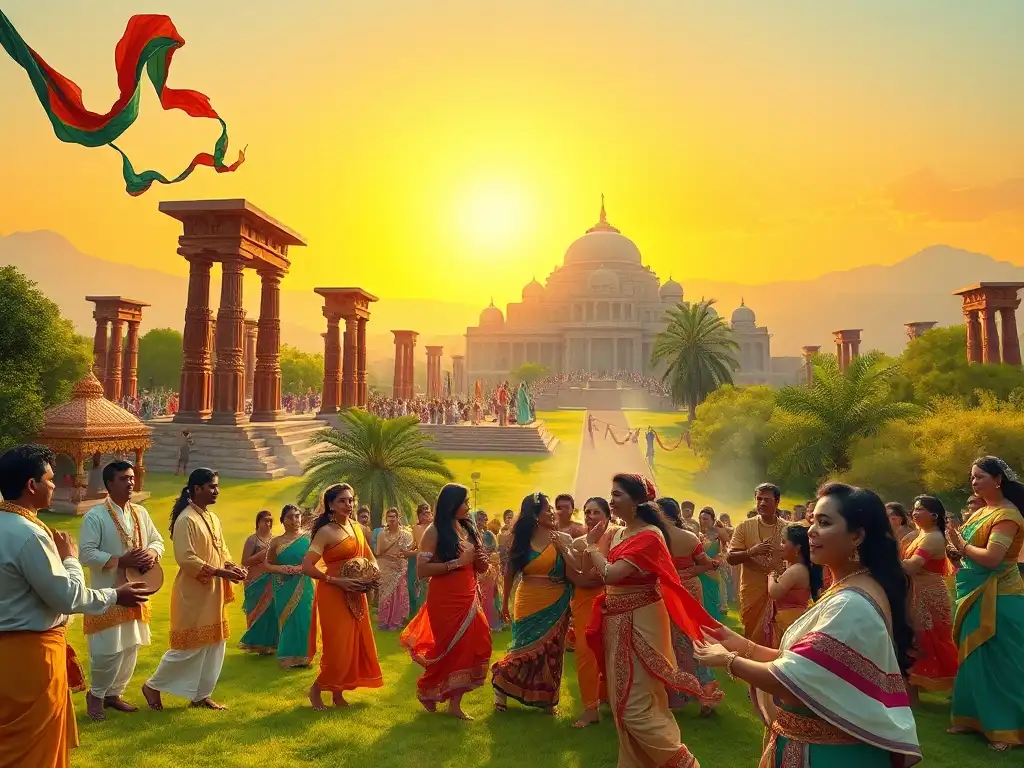
Festivals in Maurya society were not merely occasions for celebration; they were vital cultural expressions that reflected the collective identity and values of the people. Rooted in the rich traditions of ancient Indian civilizations, these festivals served to reinforce social norms, commemorate historical events, and honor deities, thereby fostering a sense of belonging among the populace. The Maurya Empire, known for its remarkable administration and cultural diversity, utilized festivals as platforms for the dissemination of ideas, arts, and religious beliefs.
The grandeur of festivals was often marked by elaborate rituals and public participation, emphasizing their importance in daily life. They were characterized by a blend of local customs and the influence of various philosophical teachings, which enriched the cultural tapestry of the empire. Notably, the Mauryan period witnessed the flourishing of art and architecture, with festivals often being celebrated near stupas and public spaces, showcasing the significance of communal gatherings in enhancing social interactions.
Moreover, these celebrations played a crucial role in the patronage of the arts, as rulers and elites would sponsor festivals to display their wealth and power. This support contributed to the preservation and promotion of traditional crafts, music, and dance, establishing a legacy that would influence subsequent generations.
Festivals as a Reflection of Social Values
Festivals in Maurya society served as a mirror reflecting the prevailing social values and ethical principles of the time. They were occasions where moral teachings were emphasized, and community members were reminded of their responsibilities towards one another. For instance, the festival of Ashoka's reign often involved themes of compassion and non-violence, resonating with the Buddhist principles that he championed.
These celebrations also highlighted the importance of familial bonds and community solidarity. During festivals, families would come together to honor their ancestors, reinforcing the idea of lineage and respect for heritage. Such practices encouraged the transmission of cultural values, ensuring that traditions were upheld across generations.
Furthermore, festivals addressed social hierarchies by allowing individuals from various strata to participate in communal rituals, albeit in structured ways. This inclusivity fostered a sense of unity among the populace, as people engaged in shared experiences that transcended their daily social divisions.
Role of Festivals in Community Cohesion
Festivals played a pivotal role in fostering community cohesion within the Maurya Empire. They acted as significant social events where individuals from diverse backgrounds could come together, transcending barriers of caste and class. The collective participation in rituals and celebrations helped to strengthen interpersonal relationships and build a unified community spirit.
During festivals, the sharing of food, music, and dance not only promoted joy but also facilitated social exchanges that were crucial for maintaining harmony within the society. Public celebrations often included games and competitions, encouraging cooperation and friendly rivalry among different community members.
Additionally, festivals provided an opportunity for local leaders and influential figures to address issues affecting the community, thereby reinforcing their roles as caretakers of social welfare. This form of engagement was essential in ensuring that the needs and voices of the populace were recognized, further solidifying the bond between the rulers and the ruled.
The Influence of Religion on Maurya Festivals
Religion was a fundamental aspect of life in Maurya society and had a profound influence on the festivals that were celebrated. The diverse religious landscape of the empire, which included Buddhism, Hinduism, and Jainism, shaped the nature and significance of these celebrations. Festivals were often imbued with spiritual meaning, serving as a means for the people to connect with the divine.
The Mauryan rulers, particularly Emperor Ashoka, played a significant role in promoting religious festivals that aligned with their beliefs. The celebration of these festivals was not only a religious necessity but also a political strategy to unify the empire under a common cultural framework.
Integration of Buddhist Practices in Festivals
Buddhism, under the patronage of Ashoka, significantly influenced the festivals observed in Maurya society. Celebrations often included rituals that honored the life and teachings of the Buddha, focusing on principles such as compassion, mindfulness, and ethical living. Festivals like the Buddha Purnima, which commemorates the birth, enlightenment, and death of the Buddha, were marked by public gatherings at stupas, where devotees engaged in prayers and offerings.
The integration of Buddhist practices into festivals served to reinforce the moral and ethical teachings of Buddhism, permeating everyday life with its values. Monks played crucial roles during these celebrations, guiding the community in spiritual activities and promoting the importance of community service and altruism.
Moreover, festivals served as opportunities for the dissemination of Buddhist texts and teachings, allowing the populace to deepen their understanding of the faith. This integration of religious practices into communal celebrations fostered a shared identity among followers and contributed to the spread of Buddhism throughout the region.
Hindu Traditions and Their Impact on Celebrations
Hinduism, as one of the predominant religions in the Maurya Empire, significantly shaped the festivals celebrated by the people. The rich tapestry of Hindu mythology and rituals found expression in various public and private celebrations, highlighting the importance of deities such as Vishnu, Shiva, and Durga. Festivals like Diwali and Makar Sankranti were celebrated with great enthusiasm, involving elaborate rituals, feasting, and communal gatherings.
The influence of Hindu traditions on festivals extended beyond mere celebration; they were instrumental in reinforcing social customs and values, such as duty (dharma) and reciprocity. Festivals often served as reminders of the cyclical nature of life and the importance of aligning oneself with cosmic rhythms.
Additionally, the patronage of Hindu festivals by Mauryan rulers reinforced their authority and legitimacy, as they were often depicted as divine figures themselves. This intertwining of governance and religion served to enhance the social fabric of the empire, creating a culture where religious observance and civic duty were seen as interconnected.
The festivals of Maurya society were multifaceted events that played an essential role in shaping cultural identity, promoting social cohesion, and reflecting the religious diversity of the empire. Through these celebrations, the Mauryan people engaged in a shared cultural heritage that continues to resonate in the historical narrative of ancient India.
Conclusion: The Legacy of Festivals in Maurya Society
The festivals in Maurya society were not merely occasions for celebration; they served as vital threads that wove together the fabric of social, religious, and cultural life. Under the reign of influential figures like Chandragupta Maurya and Ashoka the Great, festivals flourished, reflecting the diverse traditions and practices of the time. These events were crucial for reinforcing communal bonds, promoting religious tolerance, and showcasing the empire's wealth and power. The legacy of these festivals continues to resonate in modern Indian culture, where many traditions trace their origins back to the Maurya period.
The celebrations fostered a sense of unity among diverse populations, enabling different communities and ethnic groups to come together in shared festivities. This spirit of inclusivity and mutual respect was instrumental in the maintenance of stability and harmony within the vast Maurya Empire. As such, the festivals established during this era have left an indelible mark on the cultural landscape of India, influencing contemporary practices and beliefs.
Lasting Impact of Festivals on Indian Culture
The festivals that emerged during the Maurya Empire have profoundly influenced Indian culture, shaping various aspects of social life that persist today. Many of these ancient celebrations revolved around agricultural cycles, religious observances, and seasonal changes, establishing a rhythm that continues to be vital in the agricultural heartlands of India.
Key festivals, such as the harvest festivals, emphasized gratitude and community cooperation, which are still celebrated across regions in India. The Maurya period also saw the introduction of various religious festivals that promoted the philosophies of Buddhism and Jainism, reflecting the empire's commitment to spiritual diversity. This cultural richness has fostered a unique blend of festivals that contribute to India's identity as a pluralistic society.
Moreover, the artistic expressions associated with these festivals, including dance, music, and crafts, have evolved yet retained ties to their ancient roots. Thus, the enduring impact of Maurya festivals is evident in contemporary Indian culture, where many such traditions remain vibrant and integral to communal life.
Reflections on How Festivals Shaped Maurya Identity
Festivals played a pivotal role in shaping the collective identity of Maurya society. They were not only opportunities for celebration but also occasions for reinforcing social hierarchies and political power. The participation of the elite in festivals served to legitimize their authority and align them with the cultural and religious sentiments of the populace.
The grandeur of these festivities often showcased the splendor of Maurya rule, as emperors used public celebrations to project their power and benevolence. The promotion of Buddhism by Emperor Ashoka, particularly through the celebration of significant Buddhist events, helped solidify the identity of the Maurya Empire as a center of progressive thought and spiritual enlightenment.
Furthermore, the narratives and rituals associated with these festivals played a crucial role in fostering a sense of belonging among the diverse groups within the empire. By participating in shared traditions, individuals and communities could express their loyalty to the state while celebrating their unique cultural heritage. Thus, festivals were instrumental in forging a cohesive Maurya identity that balanced local customs with imperial aspirations.
References
Suggested Readings on Maurya Society and Festivals
- Jha, P. (2015). Festivals in Ancient India: A Comprehensive Study. New Delhi: Ancient India Publications.
- Kumar, R. (2018). Religious Traditions of the Maurya Empire. Jaipur: Historical Insights Press.
- Sharma, S. (2016). Cultural Practices in the Maurya Era: A Historical Analysis. Varanasi: Heritage Publishers.
Academic Sources for Further Research
- Thapar, R. (2002). A History of India: Volume 1. London: Penguin Books.
- Ray, H. P. (2003). The Mauryas: A Historical Perspective. Delhi: Oxford University Press.
- Chakrabarti, D. (2005). Indian Archaeology in Retrospect: Volume II - Prehistory. New Delhi: Indian Council of Historical Research.
- Introduction to Festivals in Maurya Society
- Key Festivals Celebrated During the Maurya Empire
- Influential Figures Shaping Festivals in Maurya Society
- The Evolution of Festivals Under Maurya Rule
- Cultural Significance of Festivals in Maurya Society
- The Influence of Religion on Maurya Festivals
- Conclusion: The Legacy of Festivals in Maurya Society
- References
- What were the main festivals in Maurya society?
- How did influential figures impact festivals in Maurya society?
- What was the significance of religion in Mauryan festivals?
- How did festivals contribute to social cohesion in Maurya society?
- Are there any surviving traditions from Maurya festivals today?
Frequently Asked Questions
What were the main festivals in Maurya society?
The Maurya society celebrated various festivals that included religious and cultural events, reflecting the diverse traditions of the time. Key festivals often honored deities and marked seasonal changes.
How did influential figures impact festivals in Maurya society?
Influential figures, such as royalty and philosophers, played a significant role in shaping the celebrations and rituals associated with festivals, promoting unity and cultural identity within the empire.
What was the significance of religion in Mauryan festivals?
Religion was central to Mauryan festivals, serving as a means to express devotion, seek blessings, and uphold traditions. Festivals often involved rituals that reinforced the society's spiritual beliefs.
Festivals promoted social cohesion by bringing people together, fostering a sense of community, and providing opportunities for interaction across different social strata, thus strengthening the fabric of society.
Are there any surviving traditions from Maurya festivals today?
Some traditions from Maurya festivals have evolved over time and continue to be celebrated in modern India, demonstrating the enduring legacy of ancient cultural practices within the subcontinent.
Final Reflection: The Enduring Legacy of Festivals in Maurya Society
The exploration of festivals in Maurya society reveals a profound connection between cultural identity and communal celebration, emphasizing how these traditions remain relevant today. As we navigate a world increasingly characterized by rapid change and globalization, the rich tapestry of festivals serves as a reminder of our roots and the values that shape our communities. The vibrant celebrations of the Maurya era not only fostered unity among diverse groups but also laid the groundwork for the cultural practices we cherish today.
The influence of festivals in Maurya society extends far beyond mere celebration; they are a testament to the enduring power of tradition in shaping social dynamics and cultural identity. These festivals were often spearheaded by influential figures who understood the importance of communal gatherings in promoting social cohesion and cultural continuity. As we reflect on the significance of these traditions, we can appreciate the words of historian Romila Thapar: Festivals are not just events; they are the lifeblood of a culture, connecting generations and preserving history.
This sentiment underscores the ongoing relevance of festivals, which continue to play a pivotal role in our lives, bridging the past with the present.
As we conclude this exploration of festivals in Maurya society, I invite you to reflect on the traditions that shape your own life and community. Consider how these celebrations can serve as a source of inspiration and connection in our increasingly fragmented world. Embrace the lessons of the past, and let them guide you in fostering unity and cultural appreciation in your own circles. By honoring our traditions and the influential figures behind them, we can ensure that the spirit of celebration continues to thrive for generations to come.
Celebrate the Legacy of Maurya Festivals!
Thank you for exploring the captivating world of Maurya society and its vibrant festivals. We hope you have gained valuable insights into the influential figures who shaped these traditions and the rich cultural heritage they established. Now, it’s time to take action and connect with this history!
- Explore a local festival or cultural event to experience the spirit of community and tradition firsthand.
- Share your newfound knowledge! Discuss the significance of festivals in Maurya society with friends or family—your insights could inspire meaningful conversations.
- Participate in online forums or social media groups focused on ancient Indian history to connect and exchange ideas with fellow enthusiasts.
Which festival or tradition from the Maurya period inspires you the most, and how would you bring that legacy to life in today’s world?