
The Role of Women in Gupta Science: Unveiling Hidden Figures


Welcome to Ancient India History, where we take you on a journey through the rich tapestry of ancient Indian civilizations. Today, we delve into a captivating topic that often remains in the shadows: the role of women in Gupta science history. Discover how these remarkable women contributed to a flourishing era of innovation and knowledge, often overlooked in mainstream narratives.
Their stories are not just tales of the past; they are a testament to the profound impact of female intellect and creativity in shaping the scientific landscape of ancient India. Join us as we unveil these hidden figures and inspire your curiosity to explore further!
Introduction to Women in Gupta Science History
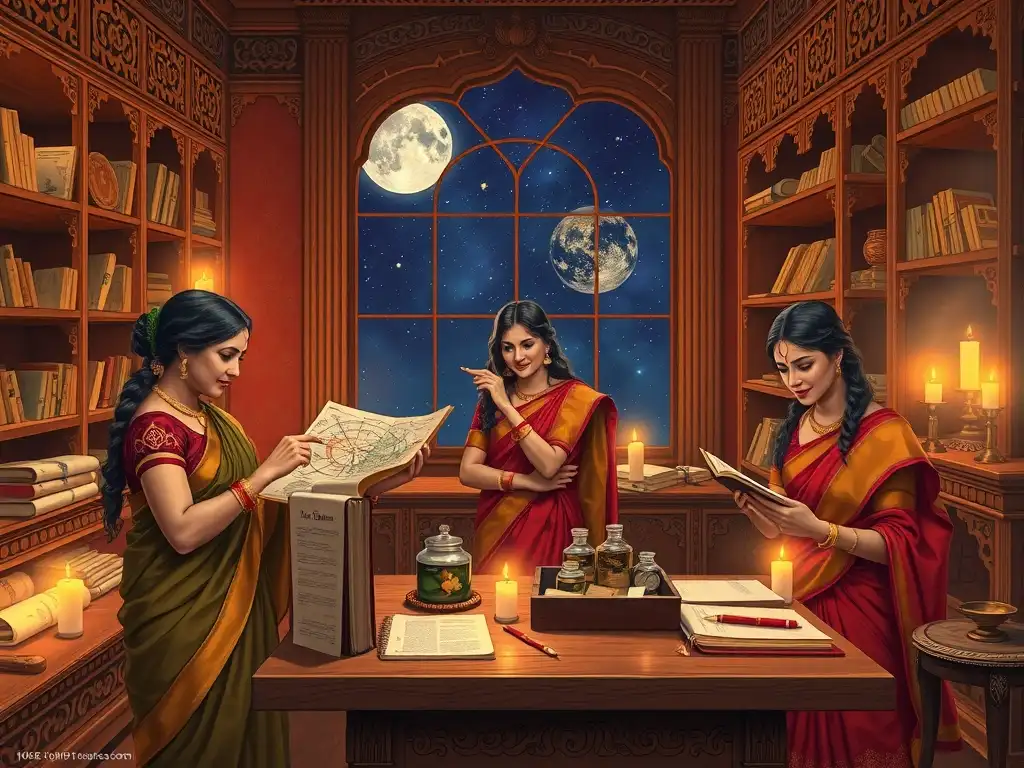
The Gupta Empire, often referred to as the "Golden Age of India," was a period marked by remarkable advancements in science, mathematics, art, and literature. While much attention has been given to the prominent male figures of this era, the role of women in Gupta science history remains a largely untold story.
This article aims to illuminate the contributions of women during this significant period, exploring their influence in various scientific endeavors and how their involvement shaped the intellectual landscape of ancient India. By uncovering the hidden figures of Gupta science, we can gain a more comprehensive understanding of the socio-cultural dynamics of the time and the crucial roles women played in the advancement of knowledge.
Historical Context of Women in Gupta Empire
The Gupta Empire (approximately 320 to 550 CE) was characterized by a flourishing of arts and sciences, alongside a complex social structure. To fully appreciate the role of women in this era, it is essential to understand the historical context in which they lived.
Social Structure and Gender Roles in Gupta Society
In Gupta society, the social hierarchy was predominantly patriarchal, with men holding primary power in both public and private spheres. However, women were not merely passive figures; they occupied various roles that contributed to the development of science and culture.
- Patriarchal Norms: Women were expected to adhere to traditional roles as wives and mothers, which often limited their formal education. Yet, many women engaged in intellectual pursuits within the domestic sphere.
- Education and Learning: While formal education for girls was rare, some women, particularly from affluent families, had access to knowledge through informal means. This included instruction from learned family members or participation in cultural gatherings.
- Influence in Literature: Women were active in literary circles, and their writings contributed to the philosophical and scientific discourse of the time. Some texts suggest that women were involved in the study of mathematics and astronomy, albeit often anonymously.
Women as Contributors to Gupta Science
Despite the constraints imposed by societal norms, women made significant contributions to various fields of science during the Gupta period. These contributions, though often overlooked, reflect their resilience and intellect.
- Medical Knowledge: Women played a crucial role in herbal medicine and traditional healing practices, passing down knowledge through generations. They were often the primary caregivers in their communities, utilizing their understanding of medicinal plants.
- Astronomy and Mathematics: Historical evidence suggests that some women participated in astronomical observations and mathematical calculations, although their names and works are frequently lost to history. These women contributed to advancements in calendars and timekeeping.
- Cultural Preservation: Many women were involved in the preservation of scientific texts and knowledge. Their efforts ensured that critical information was transmitted across generations, impacting future scholars and practitioners.
While the Gupta Empire is often celebrated for its male scholars and scientists, it is vital to recognize the contributions of women in Gupta science history. By exploring their roles and achievements, we can appreciate the richness and diversity of this golden age and acknowledge the significant impact women had on the scientific advancements of ancient India.
Key Figures: Women Who Shaped Gupta Science
The Gupta Empire, often referred to as the Golden Age of India, witnessed remarkable advancements in various fields such as science, mathematics, literature, and philosophy. While the contributions of male scholars are well-documented, the role of women in these domains is frequently overlooked. However, several key figures emerged during this period, whose intellectual pursuits and achievements deserve recognition.
Women in Gupta science history played essential roles, often as scholars, teachers, and philosophers, contributing to the rich tapestry of knowledge that characterized this era. Not only did they engage in scientific and mathematical inquiry, but they also influenced the prevailing philosophies of the time, helping to shape the intellectual landscape of ancient India.
Notable Women Scientists and Mathematicians
Among the notable women in Gupta science history, we can highlight figures such as Vatsala, who is believed to have made significant contributions to the field of mathematics. Although specific records are sparse, texts from the era suggest that she may have engaged in the study of geometry and algebra, possibly providing insights that would later influence her male counterparts.
Another noteworthy figure is Vimala, who is referenced in various ancient texts as a mathematician and astronomer. Her work in astronomy is thought to have included observations of celestial bodies, contributing to the calendar systems that were vital for agricultural and religious practices.
Additionally, Sarasvati, though more mythological in representation, symbolizes the intellectual spirit of women during the Gupta period. She is often invoked in literature and philosophy as a goddess of knowledge, arts, and sciences, representing the ideal of female scholarship.
Women in Literature and Philosophy
Women were not only confined to the sciences but also made significant contributions to literature and philosophy during the Gupta Empire. Ananda, a female philosopher, was known for her writings on ethics and metaphysics, which challenged the traditional views held by male philosophers. Her dialogues and treatises are believed to have influenced subsequent philosophical thought, emphasizing the importance of moral reasoning and the role of women in intellectual discourse.
Furthermore, women like Chandravati, a poetess of the time, contributed to the rich literary landscape of the Gupta Empire. Her poems often explored themes of love, nature, and the human condition, providing insight into the cultural and emotional experiences of women in her society. The works of such women are crucial for understanding the diverse perspectives and contributions that shaped the period's literature.
Challenges Faced by Women in Gupta Science
Despite the achievements of women in Gupta science history, they faced numerous challenges that impeded their progress. Societal norms and expectations often restricted their participation in scientific and academic fields, leading to significant barriers.
Barriers to Education and Professional Opportunities
Education for women during the Gupta period was not widely accessible. Most educational institutions were male-dominated, and women were often discouraged from pursuing formal education in sciences or mathematics. While some elite women may have had access to private tutors, the majority were limited to domestic roles, which significantly stifled their potential contributions to science.
Cultural attitudes towards women's roles further complicated their participation in professional fields. The prevailing belief that women should primarily focus on household duties often led to the neglect of their intellectual aspirations. As a result, many talented women remained unrecognized and uncelebrated, their contributions lost to history.
Personal Sacrifices and Resilience
Despite these barriers, many women in Gupta science exhibited remarkable resilience and determination. They often had to navigate societal expectations while pursuing their intellectual interests, leading to personal sacrifices. For instance, women like Vatsala and Vimala likely faced familial pressures to conform to traditional roles, yet they persevered in their scholarly pursuits.
The stories of these women embody a spirit of resilience, showcasing their ability to overcome obstacles in their quest for knowledge. Their dedication to science and philosophy not only advanced their fields but also paved the way for future generations of women scholars in ancient India.
While the contributions of women in Gupta science may not be as widely recognized as those of their male counterparts, they played a crucial role in shaping the intellectual landscape of the time. Their struggles and successes highlight the importance of acknowledging and celebrating the diverse figures in ancient Indian history.
Legacy of Women in Gupta Science History
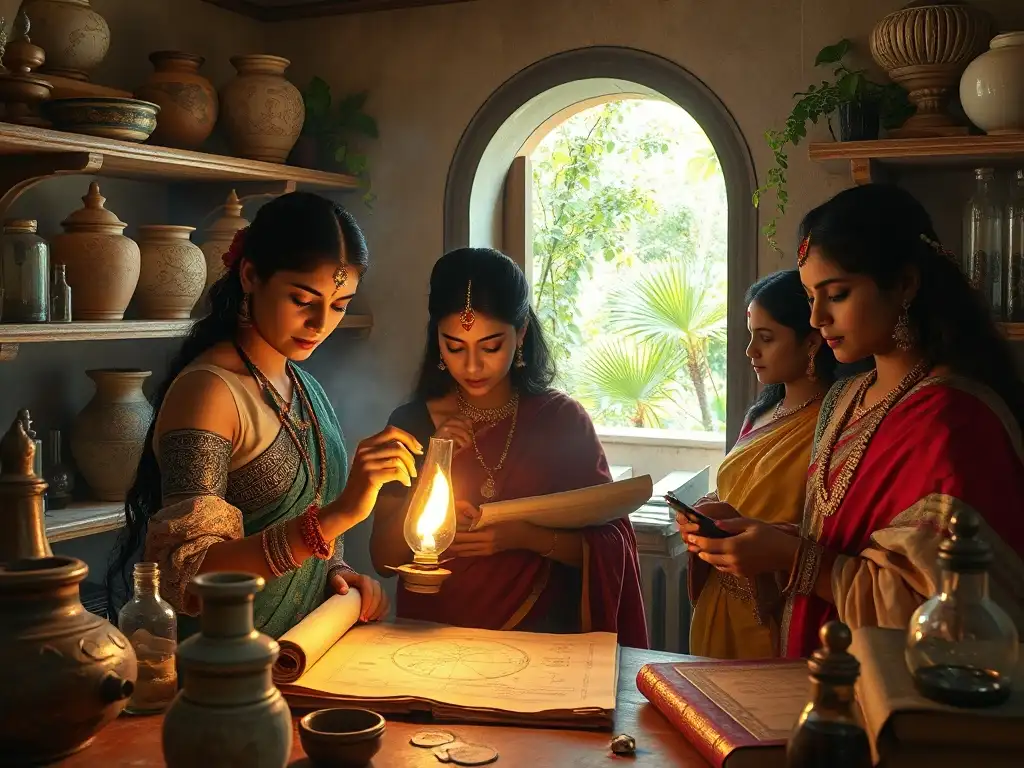
The Gupta Empire (approximately 320 to 550 CE) is often celebrated for its significant advancements in science, mathematics, and culture. However, the contributions of women during this era remain largely overlooked. Despite limited historical records, it is evident that women played vital roles in the scientific community, shaping the intellectual landscape of their time.
Women in Gupta science were not merely passive observers; they were active participants. Some women were known to contribute to fields such as medicine, astronomy, and mathematics. For instance, references in ancient texts suggest that women were involved in healing practices, utilizing herbal remedies and treatments passed down through generations. This involvement indicates a foundational role in the development of medical knowledge during the Gupta period.
Furthermore, women may have engaged in the transcription and preservation of scientific texts, ensuring that crucial knowledge was passed on to future generations. This legacy emphasizes the importance of women's contributions, even if their names have not been prominently recorded in history. The impact of their work laid the groundwork for future advancements and inspired subsequent generations of women in science.
Influence on Future Generations of Women in Science
The influence of women in Gupta science extends beyond their immediate contributions, as they served as role models for future generations. The cultural milieu of the Gupta Empire, which valued education and scholarship, likely empowered women to pursue knowledge in various scientific fields.
As the Gupta Empire fostered a climate of intellectual curiosity, women who participated in scientific endeavors inspired others to follow suit. This sense of empowerment can be observed in later periods of Indian history, where women began to emerge in more visible roles within the sciences and education. Historical accounts from subsequent dynasties reflect a growing acknowledgment of women's capabilities in intellectual pursuits, suggesting that the seeds sown during the Gupta period bore fruit in later centuries.
The legacy of women in Gupta science, therefore, is not only about their direct contributions but also about the inspiration and encouragement they provided to future generations of women. The ripple effects of their involvement in the sciences can be traced through history, highlighting the importance of recognizing these hidden figures.
Recognition and Rediscovery in Modern Scholarship
In recent years, there has been a growing interest in uncovering the contributions of women in ancient societies, including those of the Gupta Empire. Modern scholarship aims to rectify the historical oversight that has often minimized or excluded women's roles in science and mathematics. Researchers are increasingly analyzing ancient texts and inscriptions, seeking to identify and highlight the contributions of women.
The rediscovery of women’s roles in Gupta science is facilitated by interdisciplinary approaches that combine historical, archaeological, and literary analyses. For example, scholars are meticulously examining medical texts to uncover references to female practitioners, as well as studying inscriptions that may provide insights into the lives of women who contributed to scientific advances.
Additionally, conferences and publications focusing on gender studies in ancient history have opened avenues for discussions on the importance of women in scientific traditions. This re-evaluation of women's contributions serves not only to honor their legacy but also to enrich our understanding of Gupta science as a whole.
Conclusion: Reflecting on Women in Gupta Science
The role of women in Gupta science is a testament to the rich tapestry of contributions that shaped ancient Indian civilization. Despite the challenges of historical documentation, it is crucial to acknowledge the vital roles women played in advancing knowledge during this era. Their legacy, characterized by resilience and innovation, has influenced generations of women in science.
As modern scholarship continues to uncover and recognize these hidden figures, it becomes evident that the narrative of Gupta science is incomplete without the contributions of women. By reflecting on their influence, we can appreciate the broader context of scientific development in the Gupta Empire and inspire contemporary discussions about gender roles in science today. The acknowledgment of women in Gupta science history not only honors their contributions but also serves as a reminder of the importance of inclusivity in the historical narrative.
Call to Action: Further Exploration
The contributions of women in Gupta science history, though often overlooked, are crucial for understanding the broader narrative of this magnificent period. To truly appreciate the depth of their involvement, it is essential to delve deeper into the available resources and literature. Here are some ways you can further explore this fascinating topic:
- Read Scholarly Articles: Numerous academic journals and publications are dedicated to the study of women in ancient Indian history. Accessing these resources can provide insights into specific figures and their contributions.
- Explore Historical Texts: Many ancient texts contain references to women who made significant contributions to science and mathematics. Studying these texts can shed light on their roles and achievements.
- Visit Museums and Exhibitions: Museums that focus on ancient Indian history often showcase artifacts and exhibits related to the Gupta Empire. These can offer valuable context regarding women's contributions to science.
- Engage with Online Courses: Various platforms offer courses on ancient Indian history, including the Gupta period. These courses often touch upon the roles of women in various fields, including science.
- Join Discussion Forums: Engaging with communities interested in ancient history can lead to fruitful discussions and shared resources. Platforms like online forums or social media groups can be invaluable.
By taking these steps, you can contribute to the ongoing discourse surrounding the prominent yet often unrecognized role of women in Gupta science. Their stories are vital pieces of the historical puzzle that enrich our understanding of ancient Indian civilization.
- Introduction to Women in Gupta Science History
- Historical Context of Women in Gupta Empire
- Key Figures: Women Who Shaped Gupta Science
- Challenges Faced by Women in Gupta Science
- Legacy of Women in Gupta Science History
- Conclusion: Reflecting on Women in Gupta Science
- Call to Action: Further Exploration
Frequently Asked Questions
What was the role of women in Gupta science?
Women in Gupta science played a significant role despite being largely overlooked. They contributed to medical practices, astronomy, and mathematics, showcasing their intellectual capabilities.
Were there any notable women scientists during the Gupta period?
Yes, there were notable women scientists during the Gupta period, though many remain unrecognized in historical texts. Their contributions in areas like medicine and mathematics were impactful.
How did societal norms affect women in Gupta science?
Societal norms often restricted women's access to education and professional opportunities. However, some women managed to overcome barriers and made contributions to science and culture.
What contributions did women make to medical science in the Gupta era?
Women contributed to medical science through herbal remedies and traditional healing practices. They were often knowledge keepers, passing down valuable medical knowledge through generations.
How can we learn more about women in Gupta science history?
To learn more, explore historical texts, research articles, and archaeological findings that highlight women's roles. Engaging with scholarly works focusing on gender studies can also provide deeper insights.
Final Reflection: Celebrating the Unsung Contributions of Women in Gupta Science History
The exploration of women in Gupta science history reveals a profound narrative that is not only relevant today but also essential in understanding the broader context of gender roles in scientific advancement. As we delve into the contributions of women during this remarkable period, we uncover a tapestry of innovation and intellect that challenges the traditional narratives often dominated by male figures. This recognition is crucial, as it reminds us that the pursuit of knowledge has always been a collective endeavor, enriched by diverse voices and perspectives.
The impact of these hidden figures resonates deeply within our cultural and social landscape, as we continue to grapple with issues of representation and equity in science and technology. The stories of women in Gupta science not only highlight their remarkable achievements but also serve as a beacon of inspiration for future generations. The future belongs to those who believe in the beauty of their dreams.
– Eleanor Roosevelt. By acknowledging and celebrating these contributions, we pave the way for a more inclusive understanding of history that honors the roles women have played in shaping our world.
As we reflect on the lessons from the past, let us take action in our own lives by championing the voices of women in science today. Consider how you can support and uplift those around you, whether through mentorship, advocacy, or simply by sharing their stories.
The legacy of women in Gupta science is not just a historical account; it is a call to empower and inspire, urging us to recognize the potential within ourselves and others. Together, we can ensure that the contributions of women are celebrated and that their stories are woven into the fabric of scientific history for generations to come.
Unveil Your Curiosity and Empower Change!
Thank you for diving into the fascinating world of Gupta science and the remarkable yet often overlooked contributions of women. By exploring these rich narratives, you’ve taken a step towards recognizing the incredible impact these hidden figures had on history.
Now, let's turn that inspiration into action! Here are a few engaging ways to deepen your journey and share this knowledge:
- Join a local or online history group: Connect with fellow history enthusiasts to discuss the influential women in Gupta science and broaden your understanding together.
- Write a blog or social media post: Highlight what you've learned about these extraordinary women. Sharing their stories helps keep their legacies alive and inspires others to appreciate their contributions.
- Explore further: Choose a woman from this era and research her contributions; you may uncover new insights that deserve recognition!
What role do you think uncovering the stories of women in history plays in shaping our understanding of the past? Let’s keep the conversation going!