
The Gupta Empire’s Innovations in Textile Production and Trade

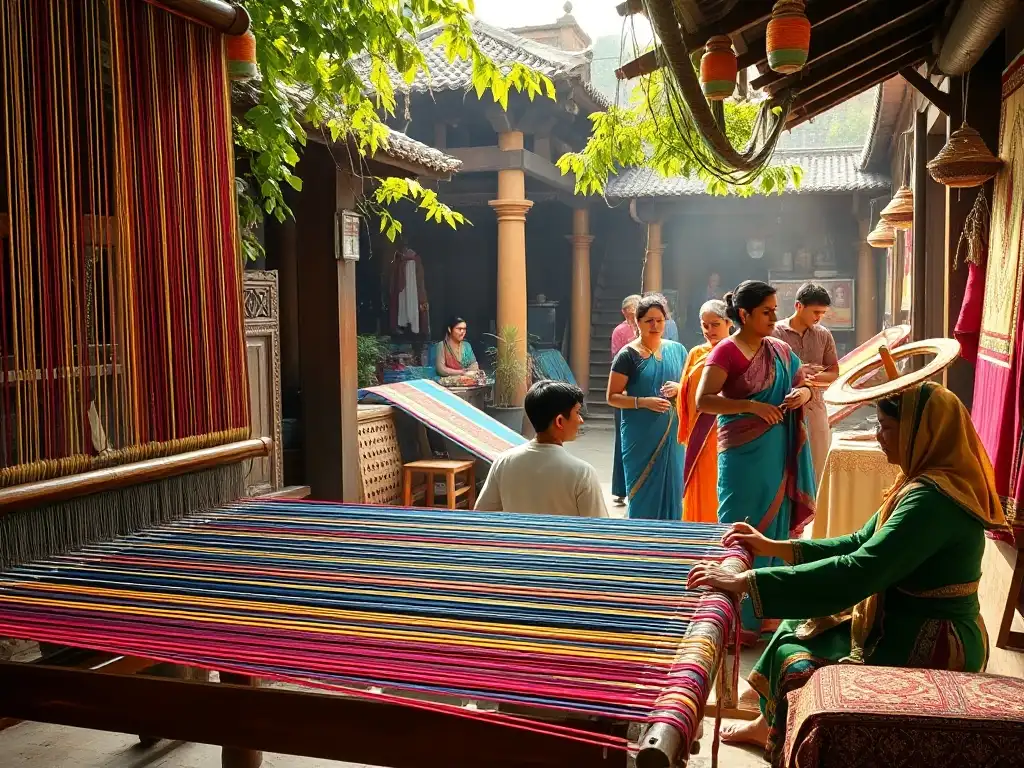
Welcome to Ancient India History, where we embark on a fascinating journey through the rich tapestry of ancient Indian civilizations. From the awe-inspiring Indus Valley to the illustrious Gupta Empire, each era unfolds stories of culture, innovation, and remarkable contributions that have shaped our world. Today, we delve into the intriguing realm of Gupta Empire textile innovations—a pivotal aspect that not only revolutionized production techniques but also transformed trade dynamics across continents. Prepare to uncover the vibrant threads of history that weave together the artistry and ingenuity of this remarkable period. Your exploration begins here!
Introduction to the Gupta Empire
The Gupta Empire, which thrived between the 4th and 6th centuries CE, is often hailed as a Golden Age of ancient India. This period was marked by remarkable advancements in various fields, including science, mathematics, art, and literature. However, one of the most significant contributions of the Gupta Empire was in the realm of textile production and trade. The innovations during this era not only transformed local economies but also established India as a prominent player in the global textile market.
Overview of the Gupta Empire
The Gupta Empire was founded by Maharaja Sri Gupta and is recognized for its extensive territorial expanse, covering much of the Indian subcontinent. The empire reached its zenith under the rule of Chandragupta II, who championed a culture of scholarship and supported the arts. The Gupta period is characterized by the flourishing of trade routes, which facilitated the exchange of goods, culture, and ideas. Textiles played a crucial role in this trade, with Indian fabrics becoming highly sought after for their quality and craftsmanship.
Significance of Textile Production in Ancient India
Textile production in ancient India was not merely a craft; it was a vital part of the economy and social fabric. The textiles produced during the Gupta period were renowned for their intricate designs, vibrant colors, and superior quality. Cotton, silk, and wool were the primary materials used, with each region specializing in different types of fabrics. The significance of textile production extended beyond economic implications; it also represented cultural identity and artisan heritage.
Key Innovations in Textile Production
The Gupta Empire was a period of remarkable innovation in textile production, driven by both technological advancements and a rich tradition of craftsmanship. These innovations laid the groundwork for future developments in the textile industry.
Advanced Weaving Techniques
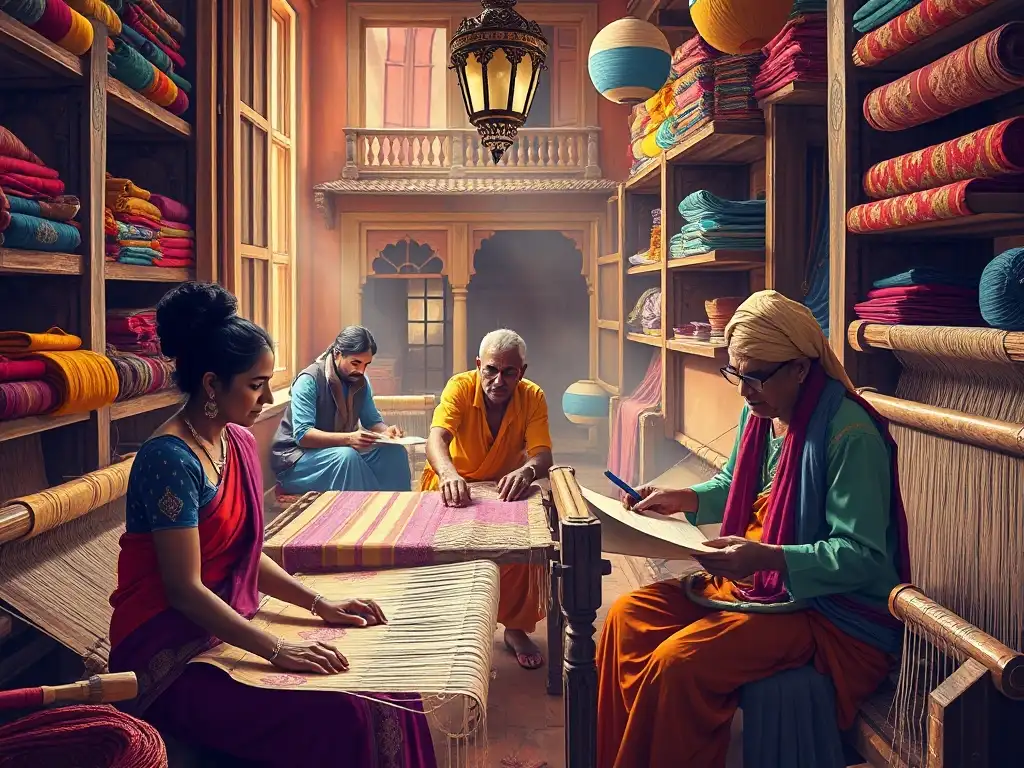
The Gupta artisans developed sophisticated weaving techniques that greatly enhanced the quality and intricacy of their textiles. These techniques included:
- Jacquard Weaving: A method that allowed for complex patterns to be woven into the fabric, leading to the production of richly designed textiles.
- Handloom Weaving: Utilized by skilled weavers, this technique enabled the creation of unique, high-quality fabrics that were both durable and aesthetically pleasing.
Dyeing Methods and Colorfastness
Color played a significant role in the textiles of the Gupta Empire, and the innovations in dyeing methods were pivotal. The use of natural dyes, derived from plants and minerals, resulted in vibrant and long-lasting colors. Key advancements included:
- Mordant Dyeing: This method ensured that colors adhered well to fabrics, enhancing their durability and vibrancy.
- Indigo Dyeing: The introduction of indigo as a dye allowed for the production of deep blue shades that became highly desirable in both domestic and international markets.
These innovations in textile production not only defined the Gupta Empire's economic landscape but also profoundly influenced cultural practices and trade relationships across regions.
The Role of Trade in Textile Expansion
The Gupta Empire, often regarded as a golden age in ancient Indian history, witnessed significant advancements in various sectors, particularly in textile production and trade. Trade played a pivotal role in expanding textile innovations, facilitating not only the exchange of goods but also the dissemination of ideas and techniques. The thriving trade networks connected the Gupta Empire to distant lands, enabling artisans and weavers to adopt and adapt different methods, thus enhancing the quality and variety of textiles produced.
The flourishing of trade during this era can be attributed to several factors, including the establishment of well-defined trade routes, the development of urban centers, and the patronage of the Gupta rulers. These elements combined to create an environment conducive to commerce, where textiles became one of the most sought-after commodities. As the demand for textiles increased, so did the innovations in production techniques, leading to a vibrant textile industry that not only catered to local markets but also attracted international buyers.
Trade Routes and Their Importance
The Gupta Empire's trade routes were extensive and strategically significant, linking the empire with various regions across Asia and beyond. Major trade routes such as the Silk Road and maritime routes through the Indian Ocean facilitated the movement of goods, including textiles, spices, and precious stones. These routes were not only crucial for economic transactions but also for cultural exchange, allowing for the introduction of new ideas and techniques into the Gupta textile industry.
Key features of these trade routes included:
- Silk Road: This ancient trade network connected India with Central Asia and China, allowing for the exchange of silk, cotton, and other textiles.
- Maritime Trade: Ports along the western coast of India, such as Sopara and Bharukaccha, were bustling trade hubs where textiles were exported to Africa, the Middle East, and Southeast Asia.
- Land Routes: Well-maintained roads facilitated overland trade, enabling merchants to transport textiles to neighboring regions, including the Roman Empire, where Indian textiles were highly prized.
The importance of these trade routes cannot be overstated, as they not only supported the economic fabric of the Gupta Empire but also established it as a center of cultural interaction and innovation.
Trade Goods and Textile Exchange
Textile trade in the Gupta Empire was characterized by a rich variety of goods exchanged both locally and internationally. The empire was renowned for its high-quality cotton fabrics, intricate silk garments, and beautifully dyed textiles. The exchange of these textiles was complemented by a range of other goods, including spices, metals, and agricultural products, which were essential for trade and economic stability.
Key aspects of trade goods and textile exchange included:
- Cotton and Silk: The Gupta Empire became famous for its fine cotton and silk textiles, which were often intricately woven with elaborate designs, making them highly desirable in international markets.
- Dyeing Techniques: The use of natural dyes from local flora allowed for a wide array of colors in textiles, enhancing their appeal and marketability.
- Cultural Significance: Textiles were not merely commodities; they also held cultural importance, often being used in religious ceremonies and as symbols of status and wealth.
The exchange of textiles fostered connections among diverse cultures, solidifying the Gupta Empire's reputation as a leading textile producer and trader.
Economic Impact of Textile Innovations
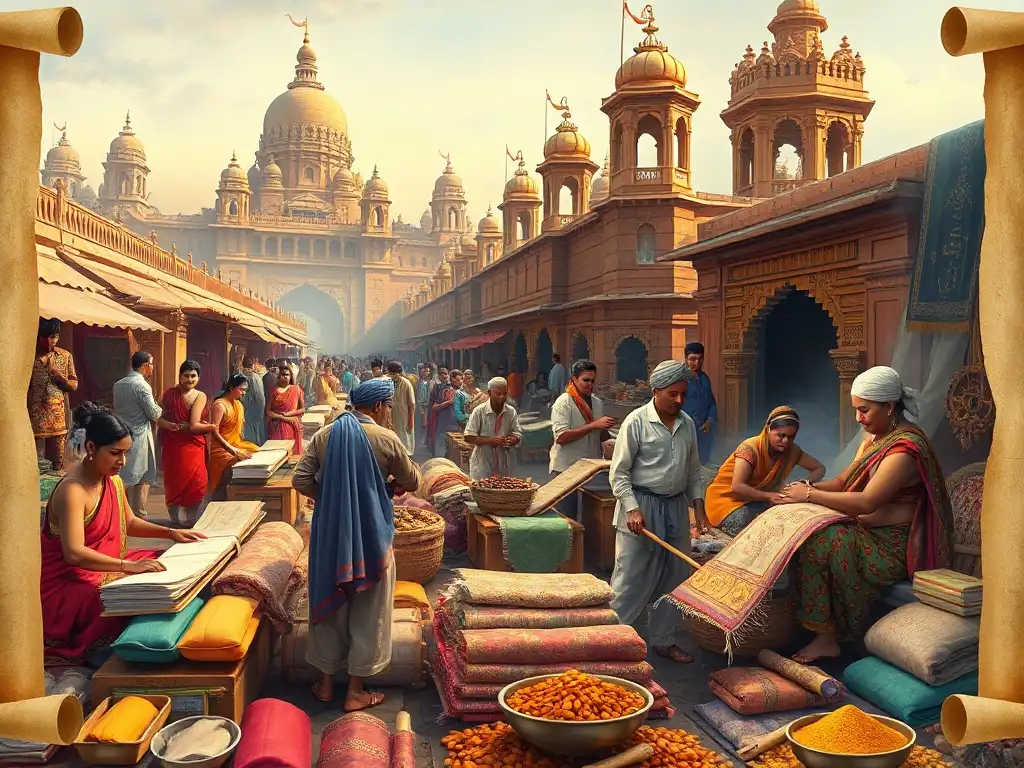
The innovations in textile production during the Gupta Empire had profound economic implications. The increased efficiency in textile manufacturing led to a surplus of goods, which contributed to the overall prosperity of the empire. These innovations not only enhanced the quality of textiles but also diversified the range of products available in the market, which in turn stimulated demand both locally and abroad.
Contribution to the Gupta Economy
Textile production became a cornerstone of the Gupta economy, generating significant revenue and employment opportunities. The skilled artisans and weavers organized into guilds played a crucial role in the economic landscape, producing textiles that catered to various market segments, ranging from local consumers to affluent international buyers.
Key contributions of textile innovations to the Gupta economy included:
- Increased Production: Innovations in weaving techniques and tools allowed for faster production, meeting the growing demand for textiles.
- Job Creation: The textile industry provided livelihoods to thousands of artisans, weavers, and traders, contributing to the overall economic stability of the empire.
- Revenue Generation: Taxes and duties on textile trade added to the royal treasury, enabling further investment in infrastructure and cultural projects.
The economic benefits derived from the textile industry were instrumental in maintaining the prosperity and stability of the Gupta Empire.
Influence on Local and Regional Markets
The innovations in textile production and trade during the Gupta Empire significantly influenced local and regional markets. As the production of textiles became more sophisticated, it led to the establishment of vibrant marketplaces where merchants traded not only textiles but also a variety of other goods. The demand for high-quality Indian textiles extended beyond the boundaries of the empire, impacting trade dynamics in neighboring regions.
Notable influences on markets included:
- Market Expansion: The growing reputation of Gupta textiles attracted traders from distant lands, expanding market opportunities and fostering economic growth in local communities.
- Cultural Exchange: The influx of foreign traders brought diverse cultural influences, which enriched local textile designs and techniques, resulting in a unique blend of styles that appealed to a broader audience.
- Price Fluctuations: The popularity of Gupta textiles could lead to price increases, but they also encouraged local artisans to innovate further, maintaining competitiveness in the market.
Overall, the Gupta Empire's textile innovations not only transformed its economy but also left a lasting impact on trade and cultural exchange in the region, solidifying its legacy as a center of excellence in textile production.
Cultural Significance of Gupta Textiles
Textiles during the Gupta Empire were not just practical items but held deep cultural significance that reflected the society's values, beliefs, and aesthetics. The exquisite craftsmanship and intricate designs of Gupta textiles played a crucial role in daily life, religious practices, and social hierarchies. The level of artistry in textiles from this era demonstrated the advanced skills of weavers and dyers, who often utilized natural dyes and local materials to create vibrant fabrics that symbolized both beauty and utility.
The textiles produced during the Gupta period were essential in trade, serving as a medium for cultural exchange. They represented the intricacies of Gupta society, where textiles often embodied the region's artistic heritage and technological advancements. The unique patterns and motifs used in these textiles were not merely ornamental; they conveyed stories and messages, reflecting the spiritual and cultural narratives of the time.
Textiles in Religion and Rituals
In Gupta society, textiles had a profound role in religious and ritualistic practices. Fabrics were integral to various ceremonies, from the draping of deities in richly embroidered garments to their use in sacred rituals. The significance of textiles was particularly evident in the attire worn by priests and devotees during religious ceremonies, which were often elaborate and symbolically rich.
Certain textiles were designated for use in specific rituals, with colors and patterns chosen for their spiritual meanings. For example, the color saffron was frequently used in garments associated with asceticism and spirituality, while other hues denoted wealth and prosperity. The use of textiles in religious settings not only enhanced the visual splendor of ceremonies but also reinforced the cultural identity of the Gupta people, making textiles a vital element of their spiritual life.
Influence on Fashion and Social Status
The Gupta Empire saw a distinct evolution in fashion, with textiles playing a pivotal role in defining social status and identity. The upper echelons of society adorned themselves with luxurious fabrics, often embellished with intricate embroidery and vibrant colors, which signified wealth and power. Silk, in particular, became a symbol of affluence, and its production was a closely guarded secret, elevating its status within the textile market.
Moreover, the fashion trends established during this period had a lasting impact on social dynamics. The differentiation of clothing styles among various classes and professions indicated one's social standing, with specific garments reserved for the elite. This influence extended to regional variations, where local styles emerged, blending traditional elements with the sophisticated techniques developed during the Gupta era. Thus, textiles not only served functional purposes but also became key indicators of social stratification and cultural identity.
Conclusion: The Legacy of Gupta Textile Innovations
The innovations in textile production and trade during the Gupta Empire have left an indelible mark on the history of Indian civilization. The advancements in techniques, materials, and designs established during this period set a benchmark for subsequent textile practices in India and beyond. The intricate craftsmanship and the cultural narratives woven into these textiles reflect a society that valued artistry and innovation, which contributed to the notion of a "Golden Age" in Indian history.
Lasting Impact on Subsequent Indian Civilizations
The legacy of Gupta textile innovations can be observed in the practices of later Indian civilizations, which adopted and adapted these techniques. The sophisticated methods of weaving, dyeing, and embellishing fabrics developed during the Gupta period laid the foundation for the flourishing textile industry in medieval and modern India. Cities that thrived on textile production, such as Varanasi and Ahmedabad, owe their prominence to the traditions established during the Gupta Empire.
Furthermore, the Gupta influence can be traced in the textiles used in regional dress, which continue to embody the artistic and cultural values of ancient India. The motifs, patterns, and techniques that originated in this era remain integral to contemporary textile art, showcasing the enduring legacy of Gupta innovations.
Reflection on Gupta Contributions to Global Textile Heritage
The Gupta Empire's contributions to textile innovations resonate beyond the borders of India, influencing global textile practices. The trade routes established during this period facilitated the exchange of goods, ideas, and techniques, allowing Gupta textiles to reach far-off lands. This cross-cultural interaction enriched the global textile landscape, as artisans and traders adopted Gupta techniques and motifs, blending them with their local traditions.
The Gupta Empire not only advanced the art of textile production but also shaped the cultural narratives that continue to inspire artisans today. The innovations of this golden age in textile history stand as a testament to the Gupta legacy, celebrating a rich heritage that has woven itself into the very fabric of global culture.
- Introduction to the Gupta Empire
- Key Innovations in Textile Production
- The Role of Trade in Textile Expansion
- Economic Impact of Textile Innovations
- Cultural Significance of Gupta Textiles
- Conclusion: The Legacy of Gupta Textile Innovations
- What were the main textile innovations during the Gupta Empire?
- How did the Gupta Empire influence trade in textiles?
- What materials were commonly used in textile production during the Gupta period?
- Were there any significant cultural influences on textile innovations in the Gupta Empire?
- How did the textile industry impact the economy of the Gupta Empire?
Frequently Asked Questions
What were the main textile innovations during the Gupta Empire?
The Gupta Empire saw significant advancements in textile production, including the introduction of new dyeing techniques and improved weaving methods, which enhanced the quality and variety of fabrics.
How did the Gupta Empire influence trade in textiles?
The Gupta Empire expanded trade networks, facilitating the exchange of textiles with regions like Southeast Asia and the Middle East, making Indian textiles highly sought after internationally.
What materials were commonly used in textile production during the Gupta period?
During the Gupta period, textiles were primarily made from cotton, silk, and wool. The quality of cotton textiles was particularly notable, leading to widespread popularity.
Were there any significant cultural influences on textile innovations in the Gupta Empire?
Yes, the Gupta Empire was influenced by various cultures, which led to the incorporation of diverse designs and motifs in textiles, reflecting a blend of local and foreign artistic styles.
How did the textile industry impact the economy of the Gupta Empire?
The textile industry significantly contributed to the economy of the Gupta Empire, providing employment and generating wealth through both domestic production and international trade in textiles.
Final Reflection: The Enduring Legacy of Gupta Empire Textile Innovations
The Gupta Empire's textile innovations not only revolutionized the fabric industry of their time but also laid the groundwork for modern textile production and trade. Today, as we navigate a global economy driven by fashion and technology, the principles established during the Gupta period resonate profoundly, reminding us of the intricate connections between culture, commerce, and craftsmanship. The ingenuity of this ancient civilization continues to inspire contemporary practices, highlighting the timeless nature of innovation.
The impact of the Gupta Empire's advancements in textile production can still be felt in our cultural and social landscapes. The vibrant fabrics and intricate designs that emerged during this era not only served practical purposes but also became symbols of identity and artistry. As we reflect on this legacy, we recognize that "the threads of history weave together the stories of our past, present, and future." The innovations in textile production during the Gupta Empire have influenced not just the economy but also the cultural expressions of countless societies, fostering a rich tapestry of shared heritage.
As we conclude our exploration of the Gupta Empire's textile innovations, I invite you to reflect on how these historical advancements can inspire your own journey. Consider the ways in which innovation and creativity can shape your life and community. Whether in your personal endeavors or professional pursuits, let the spirit of the Gupta Empire guide you to embrace change, celebrate craftsmanship, and contribute to a legacy of excellence that transcends time.
Unleash the Legacy: Embrace the Gupta Textile Revolution!
Thank you for diving into the fascinating world of the Gupta Empire's innovations in textile production and trade. You've discovered how this remarkable period shaped not just fabrics, but also the economic and cultural landscape of ancient India. Now, let’s take those insights and turn them into action!
Here’s how you can explore further and engage with this rich heritage:
- Investigate Your Local Textile Craft: Visit local artisans or craft fairs to see how traditional textile techniques are still alive today. Support local craftspeople and deepen your understanding of textile production!
- Share Your Insights: Discuss what you learned with friends and family or share your favorite textile facts on social media. Engaging others can ignite interest in our shared history!
- Join a Workshop: Look for workshops that focus on weaving or textile arts—experience the artistry of fabric-making firsthand. Who knows, you might uncover a hidden talent!
Which aspect of Gupta textile innovations intrigues you most, and how do you think it has influenced contemporary textile practices? Share your thoughts in the comments below!