
Ancient Indian Agricultural Texts: Knowledge Passed Down Through Generations

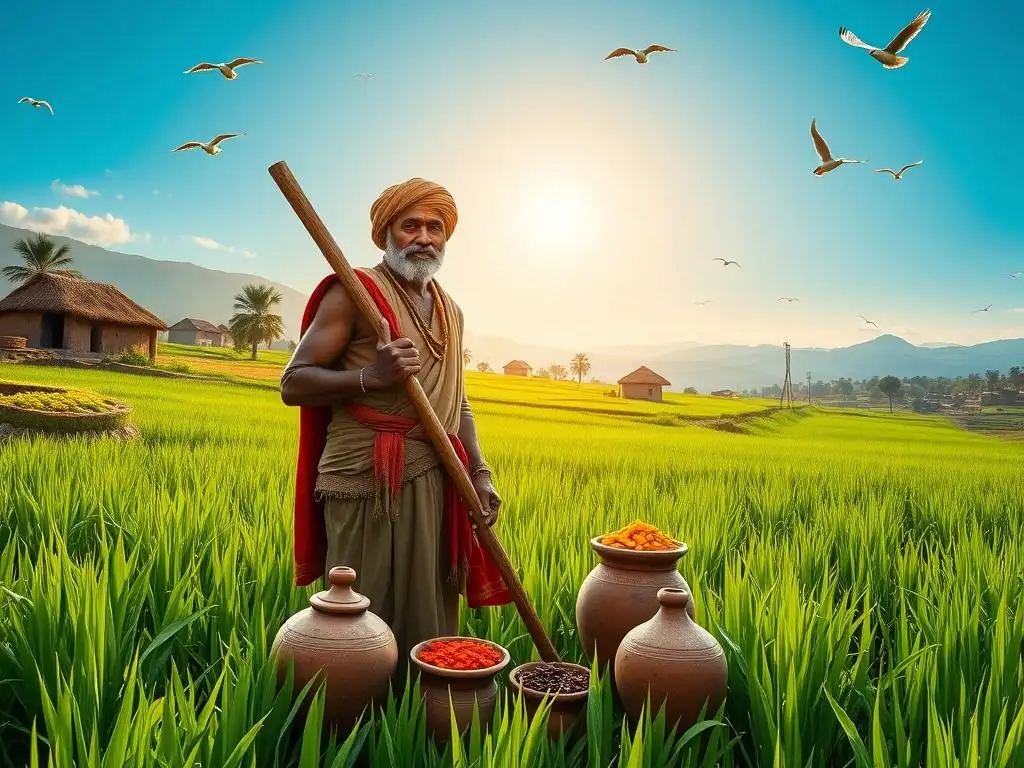
Welcome to Ancient India History, where we take you on a captivating journey through the rich tapestry of ancient Indian civilizations. Today, we delve into the fascinating realm of ancient Indian agricultural practices, exploring how these time-honored techniques shaped not only the land but also the very fabric of society. Join us as we uncover the wisdom embedded in ancient agricultural texts, revealing knowledge that has been passed down through generations. Prepare to be intrigued by the innovations and cultural significance of these practices, and discover how they continue to influence modern agriculture. Your exploration begins here!
Introduction to Ancient Indian Agricultural Practices
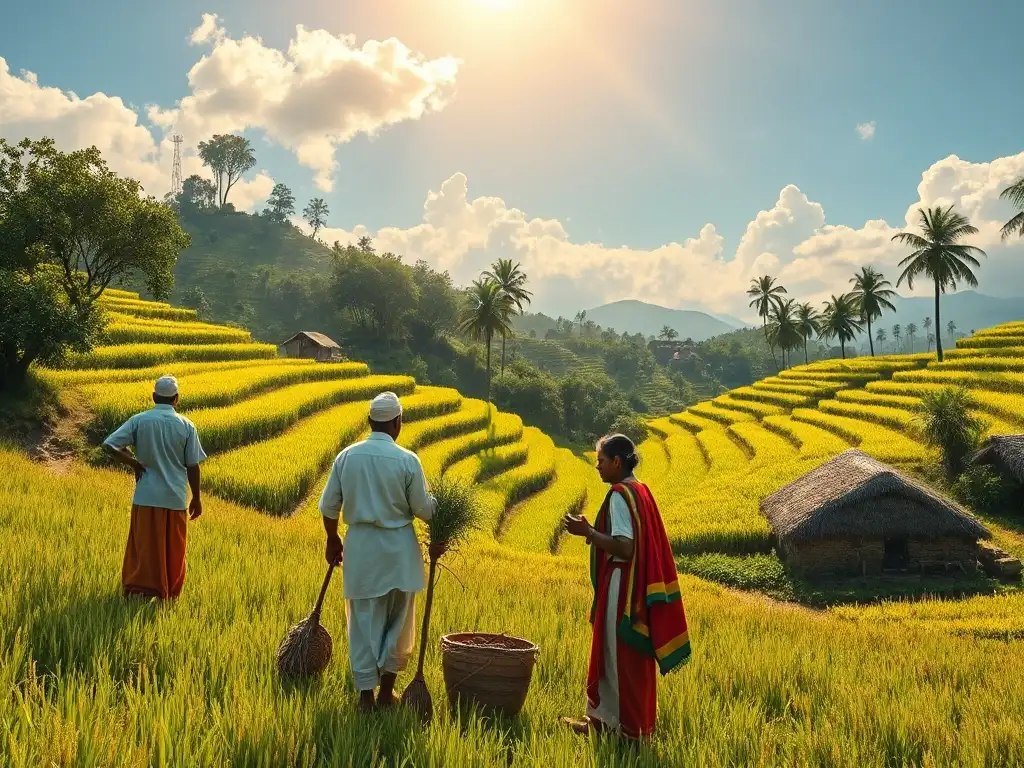
Agriculture has been the backbone of Indian civilization since ancient times, shaping not only the economy but also the social and cultural fabric of the society. The ancient Indian agricultural practices, rooted in a profound understanding of the environment and sustainability, were meticulously documented in various texts that have transcended generations. These texts offer invaluable insights into the techniques, tools, and philosophies that guided agricultural development in ancient India. By exploring these historical documents, we can uncover the sophisticated methods that contributed to agricultural innovations and the overall prosperity of ancient Indian societies.
Overview of Agriculture in Ancient India
The evolution of agriculture in ancient India can be traced back to the Indus Valley Civilization, where early agrarian practices laid the foundation for sustainable farming methods. The fertile plains of the Ganges and the Deccan Plateau became hubs of agricultural activity, fostering the cultivation of staples such as wheat, rice, and barley.
Key features of ancient Indian agriculture included:
- Crop Rotation: Farmers practiced crop rotation to maintain soil fertility and enhance yields.
- Irrigation Techniques: Innovations in irrigation, such as canals and wells, were developed to support crops during dry seasons.
- Organic Farming: Ancient texts suggest the use of natural fertilizers like cow dung and compost, promoting organic farming practices that are relevant even today.
Importance of Agricultural Texts in Historical Context
The significance of agricultural texts in ancient India cannot be overstated. These writings served multiple purposes:
- Knowledge Preservation: They preserved vital agricultural knowledge, ensuring that effective practices were not lost over time.
- Cultural Significance: Agriculture was deeply intertwined with religious and cultural beliefs, as reflected in various texts that emphasized the sanctity of farming and respect for nature.
- Guidance for Future Generations: These documents provided guidelines for farmers, fostering a sense of community and shared knowledge that spanned generations.
Key Ancient Indian Agricultural Texts
Ancient Indian agricultural texts are a rich repository of knowledge, detailing various practices and philosophies that shaped the agrarian landscape of the time. Among the most influential texts are:
Vrikshayurveda: The Science of Plants
Vrikshayurveda, attributed to the sage Surapala, is one of the earliest texts dedicated to horticulture and plant cultivation. This comprehensive manual covers:
- Plant Propagation: Techniques for planting and nurturing various species.
- Soil Health: Recommendations for maintaining soil fertility and health.
- Pest Management: Natural methods for controlling pests and diseases without harming the environment.
Krishi Parashara: An Agrarian Manual
Krishi Parashara, often regarded as a seminal work on agriculture, provides detailed insights into:
- Crop Cultivation: Guidelines on the cultivation of different crops, including seasonal variations.
- Agricultural Implements: Descriptions of tools and equipment that enhance farming efficiency.
- Meteorological Knowledge: Understanding of how weather patterns affect agricultural cycles.
Other Noteworthy Texts on Agriculture
In addition to Vrikshayurveda and Krishi Parashara, several other texts contribute to our understanding of ancient Indian agricultural practices:
- Ankira Shastra: Focuses on the measurement of land and the assessment of agricultural productivity.
- Bhagavad Gita: While primarily a spiritual text, it also incorporates agricultural metaphors that highlight the relationship between human labor and nature.
- Kautilya's Arthashastra: Discusses economic policies related to farming and resource management, emphasizing the importance of agriculture in statecraft.
These texts collectively illustrate the depth and sophistication of ancient Indian agricultural practices, reflecting a civilization that not only valued agriculture but revered it as a cornerstone of life and prosperity.
Fundamental Principles of Ancient Indian Agricultural Practices
Ancient Indian agricultural practices were characterized by a deep understanding of local ecology and sustainable farming techniques. The farmers of ancient India relied heavily on observing nature, which allowed them to develop methods that promoted soil fertility, crop diversity, and resilience against pests. These principles were not merely practical but were often intertwined with cultural and spiritual beliefs, reflecting a holistic approach to agriculture.
The agricultural texts from ancient India, such as the Krishi Parashara and Virgil's Agriculture, emphasized the importance of respecting the environment. They taught farmers how to align their practices with seasonal variations, which not only optimized crop yields but also ensured the preservation of natural resources for future generations. The knowledge passed down through these texts laid the foundation for many modern agricultural techniques.
Crop Rotation and Soil Fertility
One of the pivotal practices highlighted in ancient texts was crop rotation. This technique involved alternating different crops in the same field over successive seasons. By rotating legumes with cereals, for instance, farmers could restore nitrogen to the soil, thereby enhancing soil fertility. This practice not only prevented soil depletion but also reduced the likelihood of pest infestations, as different crops attracted different types of pests.
Ancient Indian farmers also understood the importance of fallow periods, allowing the land to recover naturally. They would leave fields uncultivated for a season or two, enabling the soil to regain its nutrient content. Texts often prescribed specific crops for rotation based on their compatibility, emphasizing a sustainable approach that balanced productivity with ecological health.
Use of Organic Fertilizers and Natural Pest Control
The use of organic fertilizers was a cornerstone of ancient Indian agricultural practices. Instead of relying on chemical fertilizers, farmers utilized materials such as compost, animal manure, and green manures. These organic substances enriched the soil with essential nutrients and improved its structure, leading to healthier crops.
Additionally, ancient texts detailed various natural methods for pest control. Farmers employed techniques such as intercropping, where different crops were planted together to confuse pests and reduce infestations. They also utilized botanical pesticides made from local plants, which were effective in managing pests without harming beneficial insects. This approach not only protected crops but also promoted biodiversity within agricultural ecosystems.
Water Management Techniques in Ancient India
Water management was crucial for the success of agricultural practices in ancient India, especially in regions prone to drought or erratic rainfall. The ancient texts elaborate on sophisticated irrigation techniques, including the construction of canals, tanks, and wells. These systems allowed farmers to efficiently harness river waters for irrigation, ensuring a consistent water supply for their crops.
Rainwater harvesting was another vital practice emphasized in ancient agriculture. Farmers developed methods to collect and store rainwater, which could be used during dry spells. The construction of check dams and percolation tanks demonstrated an advanced understanding of hydrology and a commitment to sustainable water use. These techniques not only supported agriculture but also contributed to the overall ecological balance of the regions.
Cultural Significance of Agriculture in Ancient Indian Society
Agriculture in ancient India was more than just a means of sustenance; it was deeply woven into the cultural fabric of society. The agrarian lifestyle influenced various aspects of life, including social organization, religious practices, and economic development. The significance of agriculture extended beyond the fields, shaping the identity and traditions of ancient Indian communities.
Agriculture's Role in Economic Development
The agricultural sector was the backbone of ancient Indian economies. It provided not only food for the population but also raw materials for various industries, such as textiles and pottery. Surplus produce allowed for trade, leading to the development of markets and economic relationships across regions.
The wealth generated from agriculture facilitated the rise of urban centers and contributed to the patronage of arts and architecture. Texts from the period indicate that prosperous agrarian societies had the resources to invest in public works, temples, and educational institutions, thereby fostering a rich cultural heritage.
Festivals and Rituals Related to Farming
Agricultural practices were closely tied to religious beliefs and seasonal festivals in ancient India. Farmers celebrated various festivals, such as Pongal, Makar Sankranti, and Baisakhi, which marked the harvest season. These events not only expressed gratitude to deities for a bountiful harvest but also served to strengthen community bonds.
Rituals surrounding planting and harvesting were prevalent, with farmers often conducting pujas (prayers) to seek blessings for their crops. The cyclical nature of agricultural life was mirrored in these cultural practices, highlighting the intrinsic connection between the land and the people.
The Influence of Agriculture on Social Structure
Agriculture played a significant role in shaping the social structure of ancient Indian society. The agrarian lifestyle led to the establishment of settled communities, which in turn fostered social stratification. Land ownership became a critical factor in determining social status, influencing power dynamics and governance within communities.
As agricultural practices evolved, so did the roles of various social groups. The emergence of a class of skilled farmers, laborers, and landowners created a complex social hierarchy. Additionally, the reliance on agriculture necessitated cooperation and communal efforts, which encouraged social cohesion and collective responsibility within villages.
Ancient Indian agricultural texts encapsulate a wealth of knowledge that has been passed down through generations, reflecting the ingenuity, sustainability, and cultural significance of ancient farming practices. These foundational principles not only contributed to the agricultural success of the time but also shaped the very essence of ancient Indian society.
Innovations in Ancient Indian Agriculture
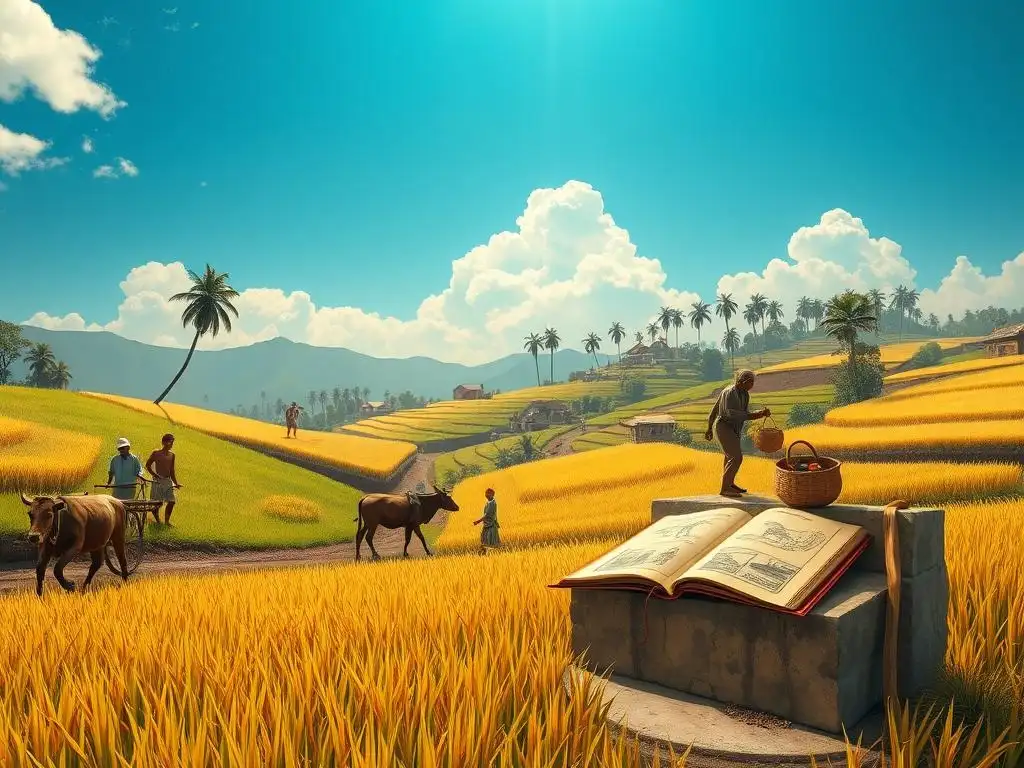
Ancient India was a cradle of agricultural innovation, where the blending of traditional knowledge and practical experimentation led to the development of sophisticated farming techniques. From the early days of the Indus Valley Civilization, where evidence of planned agricultural practices was evident, to the later advancements during the Vedic period, ancient Indian farmers continuously sought to improve crop yields and farming efficiency.
Innovations such as crop rotation, selective breeding of plants, and the introduction of new crops significantly enhanced agricultural productivity and resilience against environmental changes. These practices not only supported local communities but also laid the foundations for agricultural systems that would influence generations to come.
Tools and Techniques Used in Ancient Farming
The toolkit of ancient Indian farmers was diverse and highly specialized, reflecting the agrarian lifestyle that dominated society. Key tools included:
- Ploughs: Wooden ploughs, often pulled by oxen, were pivotal in tilling the soil. The design of these ploughs evolved over time, with the addition of iron tips enhancing their effectiveness.
- Sickle: This curved blade was essential for harvesting crops like wheat and barley, allowing for efficient cutting.
- Mortars and Pestles: Used for grinding grains, these tools were vital for food preparation and storage.
- Seed Drills: Early versions of seed drills facilitated the sowing of seeds at the correct depth and spacing, which ultimately improved germination rates and crop yields.
These tools were complemented by techniques such as intercropping, where different crops were grown together to maximize land use and reduce pest infestations, as well as the practice of fallowing, which allowed soil fertility to recover.
Irrigation Systems and Their Impact on Crop Yields
Irrigation was a cornerstone of ancient Indian agriculture, significantly impacting crop yields and agricultural sustainability. The construction of sophisticated irrigation systems, including canals, wells, and reservoirs, allowed farmers to access water during dry spells. Notable irrigation projects, such as those seen in the Indus Valley Civilization, featured advanced water management practices that maximized water distribution across fields.
The introduction of tank irrigation systems in southern India exemplified how ancient communities adapted to regional challenges. These systems captured rainwater and stored it for agricultural use, effectively increasing crop production in areas with variable rainfall patterns. As a result, irrigation not only boosted agricultural output but also contributed to the growth of urban centers, as surplus production allowed for trade and population expansion.
The Role of Agricultural Innovations in Sustaining Civilizations
Agricultural innovations were pivotal in sustaining ancient Indian civilizations. By enhancing food security, these advancements supported population growth and urbanization. The ability to produce surplus crops enabled communities to engage in trade, which was essential for economic development. Moreover, innovations such as crop diversification helped mitigate risks associated with monoculture, ensuring that communities could withstand adverse climatic conditions or pest outbreaks.
Additionally, agricultural practices were intertwined with social and religious life, with rituals often centered around planting and harvesting. The interdependence of agriculture and societal development highlights the integral role that farming innovations played in the continuity and prosperity of ancient Indian civilizations.
Legacy of Ancient Indian Agricultural Practices
The agricultural practices of ancient India have left a profound legacy that continues to influence agricultural methods today. Many of these time-tested techniques have been preserved and adapted, forming the basis of modern agricultural practices across the Indian subcontinent.
Influence on Modern Agricultural Techniques
Modern agricultural techniques in India often reflect the innovations of ancient practices. Techniques such as organic farming, crop rotation, and agroforestry have roots in traditional methods that emphasized sustainability and ecological balance. The use of indigenous seeds and natural fertilizers is a direct continuation of ancient practices that prioritized soil health and biodiversity.
Furthermore, many farmers today are re-embracing traditional knowledge, recognizing its value in addressing contemporary challenges such as climate change and food security. This resurgence emphasizes the importance of integrating ancient wisdom with modern science to develop resilient agricultural systems.
Preservation of Traditional Farming Knowledge
The preservation of traditional farming knowledge is crucial for maintaining agricultural diversity and sustainability. Numerous organizations and communities are actively working to document and revive ancient agricultural practices, ensuring that this invaluable knowledge is not lost to modernization. Initiatives focusing on farmer training, community workshops, and knowledge-sharing platforms play a significant role in passing down these practices to future generations.
Additionally, governmental and non-governmental efforts to support the documentation of indigenous farming methods contribute to a broader understanding of sustainable agriculture, fostering a culture of respect for traditional wisdom.
The Relevance of Ancient Practices in Contemporary Agriculture
Ancient Indian agricultural practices remain relevant in contemporary agriculture, particularly in the face of modern challenges such as climate change, soil degradation, and water scarcity. Techniques such as rainwater harvesting, organic pest management, and crop diversity are not only sustainable but also align with the principles of permaculture and regenerative agriculture.
By revisiting and integrating these ancient practices, modern agriculture can benefit from enhanced resilience and sustainability. The lessons learned from ancient Indian agriculture underscore the importance of harmony with nature, a principle that is increasingly recognized in today's agricultural discourse. Embracing this legacy can lead to innovative solutions that honor the past while paving the way for a sustainable future.
Conclusion: The Enduring Impact of Ancient Indian Agricultural Knowledge
Ancient Indian agricultural practices have left an indelible mark on the agricultural landscape, shaping the way farming is approached even in contemporary times. The wisdom encapsulated in ancient texts not only provided practical guidance for cultivation but also infused ethical and ecological considerations into agricultural practices. This comprehensive understanding of agriculture contributed to food security and sustainability, which have become critical issues in today's world.
The legacy of these agricultural texts is evident in the diverse farming techniques that have been adapted to various climatic and geographical conditions across India. The meticulous documentation of crop rotation, pest management, and soil conservation methods in texts such as the "Krishi Parashara" and "Bhavishya Purana" continues to inspire modern agricultural scientists and practitioners. The principles derived from these ancient practices advocate for a harmonious relationship with nature, emphasizing sustainable methods that are crucial for future generations.
Summary of Key Insights
- Historical Significance: Ancient Indian agricultural practices are rooted in a rich historical context, showcasing the evolution of farming techniques over millennia. Texts from the Vedic period to the Gupta era reveal advanced understanding of agriculture, including irrigation, crop diversity, and seasonal farming cycles.
- Innovative Techniques: The ancient texts highlight various innovative techniques such as the use of organic fertilizers, intercropping, and the importance of biodiversity. These methods were designed to enhance soil fertility and ensure sustainable yields.
- Cultural Integration: Agricultural practices were deeply intertwined with cultural and religious beliefs, illustrating how agriculture was not merely an economic activity but a way of life. Rituals and festivals often celebrated agricultural cycles, reflecting the community's connection to the land.
- Ecological Awareness: The ancient texts emphasize the importance of ecological balance, promoting practices that prevent soil degradation and maintain biodiversity. This holistic approach resonates with modern sustainability goals, making ancient wisdom increasingly relevant today.
The Importance of Preserving Agricultural Heritage
Preserving ancient Indian agricultural knowledge is vital for several reasons. First, it serves as a repository of sustainable practices that can inform contemporary agricultural strategies in the face of climate change and environmental degradation. By understanding and implementing these time-tested techniques, farmers can enhance productivity while maintaining ecological integrity.
Moreover, this knowledge represents a cultural heritage that reflects the values and practices of our ancestors. By preserving these agricultural traditions, we honor our history and ensure that future generations can benefit from the wisdom of the past. Educational initiatives and community programs aimed at promoting traditional farming methods can foster a renewed appreciation for this heritage.
In addition, as the global agricultural landscape faces challenges such as population growth and resource scarcity, ancient Indian agricultural practices can offer innovative solutions. Integrating these practices with modern technology can lead to more resilient agricultural systems that are capable of meeting the demands of the future.
The preservation and integration of ancient Indian agricultural knowledge into contemporary practices are essential for fostering a sustainable and productive agricultural future. By recognizing the value of these historical insights, we can create a food system that respects tradition while embracing innovation.
- Introduction to Ancient Indian Agricultural Practices
- Key Ancient Indian Agricultural Texts
- Fundamental Principles of Ancient Indian Agricultural Practices
- Cultural Significance of Agriculture in Ancient Indian Society
- Innovations in Ancient Indian Agriculture
- Legacy of Ancient Indian Agricultural Practices
- Conclusion: The Enduring Impact of Ancient Indian Agricultural Knowledge
Frequently Asked Questions
What are ancient Indian agricultural practices?
Ancient Indian agricultural practices refer to the traditional methods and techniques used by civilizations in India, primarily focused on sustainable farming, crop rotation, and the use of natural fertilizers.
How did ancient Indian agricultural texts contribute to farming?
Ancient Indian agricultural texts, such as the Krishi Parashara, provided valuable insights and guidelines on farming techniques, crop selection, and pest management, which helped enhance agricultural productivity.
What role did the Indus Valley Civilization play in agriculture?
The Indus Valley Civilization is known for its advanced agricultural practices, including the development of irrigation systems and the cultivation of crops like barley, wheat, and cotton, which laid the foundation for future agricultural advancements.
How did the Gupta Empire influence agriculture?
During the Gupta Empire, agriculture flourished through the introduction of new crops, advancements in farming tools, and the establishment of trade networks, leading to increased agricultural output and economic growth.
Are any ancient Indian agricultural practices still used today?
Yes, many traditional agricultural practices from ancient India, such as crop rotation, organic farming, and the use of natural pest control, continue to be relevant and are embraced in modern sustainable agriculture.
Final Reflection: The Enduring Legacy of Ancient Indian Agricultural Practices
The wisdom embedded in ancient Indian agricultural texts remains profoundly relevant today, as we grapple with modern challenges in sustainability and food security. These texts not only provide insight into effective farming techniques but also emphasize the harmonious relationship between humans and nature. As we face climate change and dwindling resources, revisiting these age-old practices could offer innovative solutions that resonate with contemporary needs.
The influence of ancient Indian agricultural practices extends far beyond the fields; it shapes our cultural identity and environmental consciousness. The principles of sustainable farming and biodiversity preservation found in these texts remind us of the importance of respecting our environment. As Mahatma Gandhi once said, The Earth provides enough to satisfy every man's needs, but not every man's greed.
This quote encapsulates the essence of ancient wisdom, urging us to adopt a more mindful approach to agriculture and resource management.
As we reflect on the lessons from these ancient texts, I invite you to consider how you can incorporate their teachings into your own life. Whether through supporting local farmers, practicing sustainable gardening, or advocating for policies that honor traditional knowledge, each small action contributes to a larger movement toward ecological balance. Let us honor the legacy of our ancestors by cultivating a future that respects the land and nurtures the generations to come.
Embark on a Journey of Agricultural Wisdom!
Thank you for diving into the rich heritage of ancient Indian agricultural practices! You've gained valuable insights into the knowledge that has thrived through generations. Now, it's time to put this wisdom into action and explore further!
Here’s how you can connect with this fascinating legacy:
- Start a Garden: Embrace sustainable living by planting your own herbs or vegetables, using the ancient techniques you’ve learned.
- Share Your Knowledge: Engage with friends and family about these timeless practices—consider hosting a workshop or simply discussing them over coffee!
- Explore Historical Texts: Visit your local library or utilize online resources to discover more about the agricultural writings that have influenced Indian farming traditions.
What unique agricultural practices will you implement in your life after learning about these ancient teachings? We would love to hear your thoughts below!