
The Role of Art in Indus Valley Rituals and Ceremonies

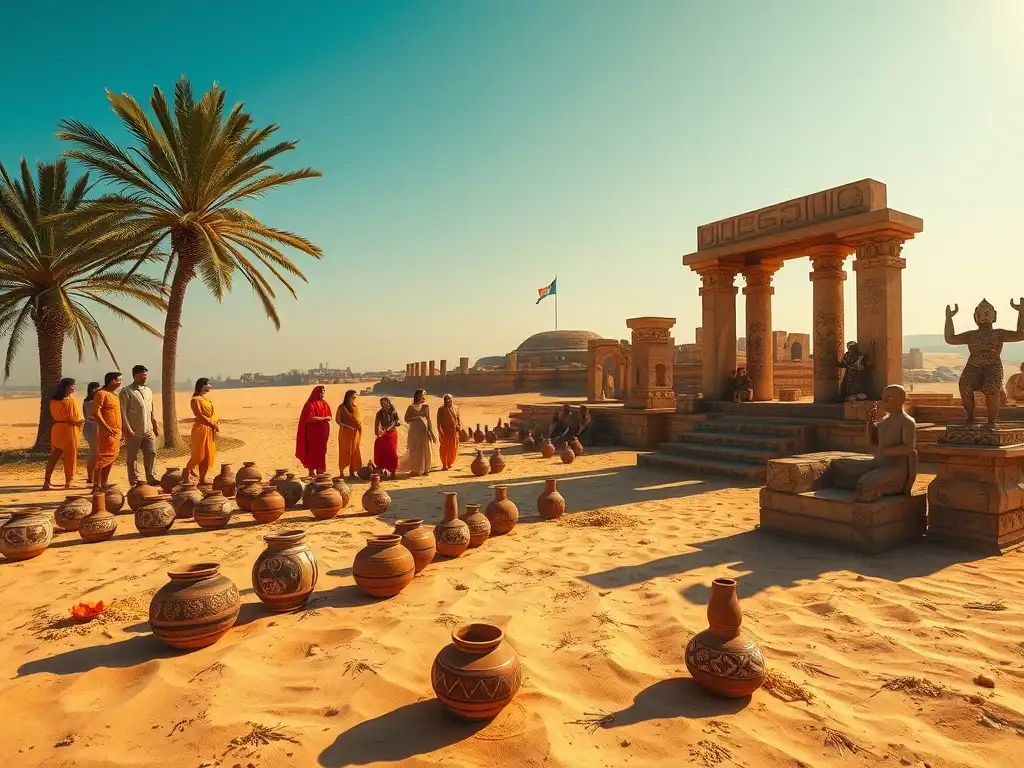
Welcome to Ancient India History, where we embark on a fascinating journey through time to uncover the rich tapestry of ancient Indian civilizations. From the sophisticated urban planning of the Indus Valley to the profound philosophies of the Gupta Empire, each era offers a unique glimpse into a world brimming with art, culture, and innovation.
In our featured article, "The Role of Art in Indus Valley Rituals and Ceremonies," we delve into the intricate art forms and significant rituals that shaped the lives of those who lived along the banks of the Indus River. Join us as we explore the profound connections between creativity and spirituality in this remarkable civilization — you won't want to miss the captivating discoveries that await!
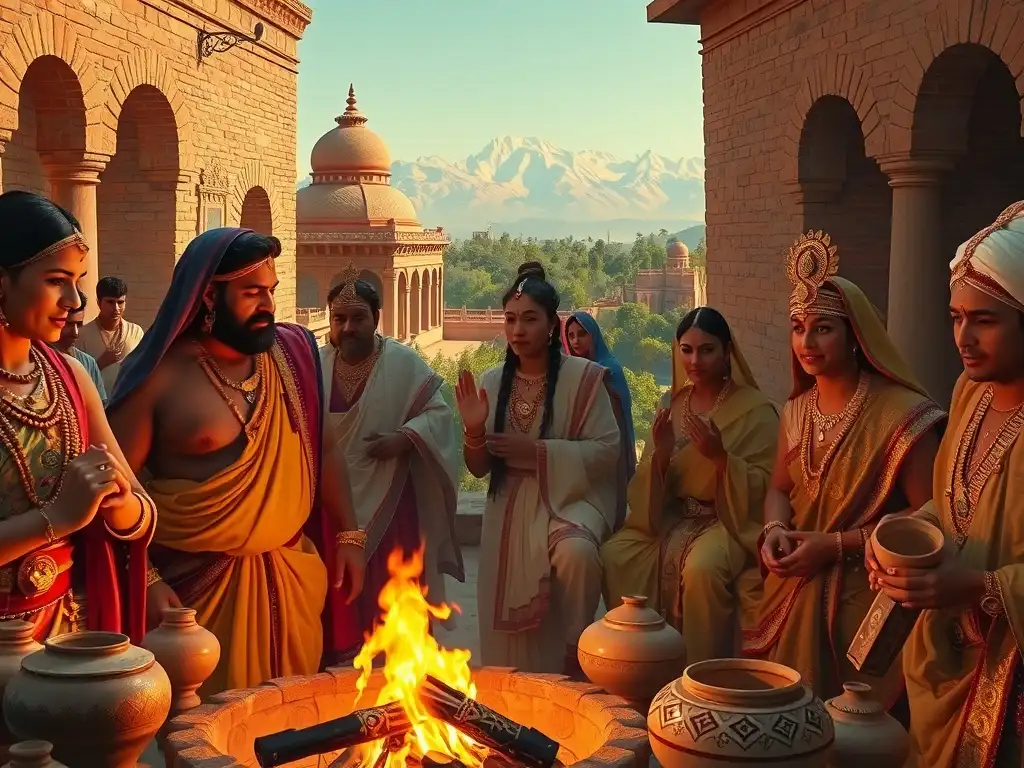
Art has always been a profound medium of expression for civilizations, serving as a reflection of their cultural values, beliefs, and practices. The Indus Valley Civilization, one of the world's earliest urban cultures, thrived between 3300 and 1300 BCE, predominantly in what is now Pakistan and northwest India.
It is renowned not only for its advanced urban planning and architecture but also for its rich artistic heritage that intertwined with various rituals and ceremonies. This article delves into the intricate role that art played in the rituals and ceremonies of the Indus Valley, examining how artistic expressions were integral to their spiritual and social practices.
Understanding Indus Valley Art and Its Significance
Overview of Indus Valley Civilization
The Indus Valley Civilization (IVC) is celebrated for its sophisticated society, which exhibited remarkable achievements in various domains, including urban planning, trade, and agriculture. Major cities like Harappa and Mohenjo-Daro featured well-structured layouts and advanced drainage systems, indicating a high level of organization. The civilization thrived on the banks of the Indus River, utilizing its resources to foster economic prosperity.
Characteristics of Indus Valley Art
Indus Valley art is characterized by its diversity and intricacy. Key features include:
- Terracotta Figurines: Often depicting animals and human forms, these figurines were likely used in rituals or as toys.
- Seals: Engraved with intricate motifs and symbols, these seals served both administrative and religious purposes, possibly used to denote ownership or convey messages.
- Pottery: Decorated with geometric patterns and scenes, pottery from this era showcases the artistic skills and aesthetic sensibilities of its creators.
The art of the Indus Valley is not merely decorative; it also served functional and ritualistic purposes, weaving a rich tapestry of cultural identity.
Importance of Art in Cultural Expression
Art in the Indus Valley was a vital aspect of cultural expression, reflecting the community's beliefs and values. Through artistic endeavors, individuals could convey their identities and societal roles. Furthermore, art played a crucial role in rituals, facilitating connections between the material and spiritual worlds. The use of symbols and motifs in Indus Valley art often carried profound meanings, representing fertility, prosperity, and divinity, thereby reinforcing communal ties and shared beliefs.
Indus Valley Rituals: An Introduction
Definition of Rituals in Ancient Cultures
Rituals are structured and symbolic actions performed in specific contexts, often carrying religious or cultural significance. They serve multiple purposes, including:
- Marking Life Events: Birth, marriage, and death rituals help individuals navigate significant life transitions.
- Community Cohesion: Participating in communal rituals fosters a sense of belonging and shared identity.
- Spiritual Connection: Rituals often aim to connect practitioners with divine forces or ancestors, seeking blessings or guidance.
In the Indus Valley, rituals were deeply embedded in daily life and community practices.
Overview of Ceremonial Practices in the Indus Valley
Ceremonial practices in the Indus Valley were likely diverse and multifaceted, reflecting the society's complexity. Evidence suggests that rituals may have included:
- Fire Rituals: Possibly related to agricultural fertility and worship of deities.
- Ritual Offerings: Items such as food, pottery, and figurines may have been offered to appease gods or spirits.
- Gatherings and Festivals: Large communal events that celebrated seasonal changes, agricultural cycles, or religious observances.
These practices were likely complemented by the rich art forms of the civilization, reinforcing the connection between daily life and spiritual beliefs. The integration of art into rituals not only enhanced their aesthetic appeal but also deepened their significance within the community.
The Connection Between Indus Valley Art and Rituals
The art of the Indus Valley Civilization is deeply intertwined with its rituals and ceremonies, reflecting a profound understanding of the spiritual and social dynamics of the time. Artistic expressions in this ancient culture served not only as aesthetic creations but also as vital elements in various ceremonial practices. The sophisticated craftsmanship of the Indus Valley artisans reveals a society that placed immense importance on the symbolic meanings behind their artistic endeavors.
Indus Valley art encompasses a range of mediums, including pottery, sculpture, and seals, each of which played a significant role in ritualistic contexts. The artifacts unearthed from archaeological sites like Mohenjo-Daro and Harappa showcase how art was utilized to communicate religious beliefs, social hierarchies, and communal values. As a result, understanding the connection between art and rituals provides valuable insights into the cultural and spiritual life of the Indus Valley people.
How Art Reflects Spiritual Beliefs
Art in the Indus Valley Civilization serves as a window into the spiritual beliefs of its people. The intricate designs and motifs found on pottery, seals, and figurines often depict deities, animals, and natural elements, suggesting a polytheistic belief system that revered various aspects of nature and life. For instance, the frequent depiction of the "Mother Goddess" in terracotta figurines indicates a fertility cult that may have played a central role in their spiritual practices.
Furthermore, the use of art in rituals likely functioned as a means of connecting with the divine. Many artifacts, such as ceremonial pottery, were likely created with specific intentions, embodying prayers or offerings to the gods. This practice illustrates how art was not merely decorative but served a functional purpose in mediating relationships between the spiritual and the material world.
Artistic Representations in Ritual Contexts
Artistic representations found within ritual contexts highlight the significance of various ceremonies in the Indus Valley Civilization. Archaeological evidence suggests that many art pieces were crafted specifically for use in rituals. For example, the elaborate depictions on seals, which often showcase animals and mythological figures, may have been used in ceremonial contexts to convey messages or invoke blessings.
In addition to seals, pottery adorned with intricate designs played a crucial role during rituals, potentially serving as vessels for offerings or containers for sacred substances. The careful craftsmanship and attention to detail in these artifacts underscore their importance in ritualistic settings, reflecting the belief that art could channel divine energies and facilitate communication with the spiritual realm.
Role of Symbols and Motifs in Ceremonial Art
Symbols and motifs in Indus Valley art are integral to understanding the ceremonial aspects of this ancient civilization. Common motifs, such as the "horned deity" and various animal representations, likely held specific meanings that resonated with the cultural and spiritual beliefs of the people. These symbols often conveyed complex narratives or associations with fertility, protection, and prosperity.
The recurrence of certain motifs across different artifacts suggests a shared visual language that transcended individual communities, reinforcing a collective identity among the people of the Indus Valley. The careful selection and repetition of these symbols in ceremonial art also indicate that they were imbued with power, serving as conduits for spiritual energy during rituals and ceremonies.
Types of Art Used in Indus Valley Rituals
The diversity of art forms employed in Indus Valley rituals reveals the multifaceted nature of their ceremonial practices. Various types of art, including pottery, sculpture, and seals, were crucial in expressing the spiritual and social dimensions of their rituals.
Pottery and Its Ritualistic Uses
Pottery was a significant aspect of Indus Valley art, often used in a variety of ritualistic contexts. The elaborate designs found on ceremonial pots suggest that they were not merely functional items but held symbolic significance in rituals. For instance, certain pottery pieces may have been used in offerings, with their decorative motifs representing specific deities or spiritual concepts.
Moreover, the presence of painted pottery in burial sites indicates that these artifacts were also integral to funerary rituals, reflecting beliefs about the afterlife and the importance of proper rites in ensuring safe passage for the deceased. The craftsmanship of these pottery items highlights the skill and reverence of the artisans who created them, further emphasizing their role in spiritual practices.
Sculpture and Figurative Art in Ceremonies
Sculpture and figurative art played a prominent role in the rituals of the Indus Valley Civilization. The creation of figurines, particularly those depicting deities or symbolic figures, suggests that these artifacts were used in various ceremonial contexts, possibly as offerings or objects of veneration.
The craftsmanship of these sculptures, often characterized by intricate details and lifelike representations, reflects the importance placed on ritualistic practices. Such figurative art not only served aesthetic purposes but also acted as focal points during ceremonies, facilitating a deeper connection between the worshippers and the divine.
Seals and Their Significance in Rituals
Seals are among the most iconic artifacts of the Indus Valley Civilization, with their intricate designs and inscriptions playing a crucial role in rituals. These small, carved objects were likely used for a variety of purposes, including trade and administration, but their artistic elements also suggest a ritualistic significance.
The motifs depicted on seals often include animals, deities, and symbols, which may have been used to invoke protection or blessings during ceremonies. Additionally, some seals may have served as amulets or tokens in religious practices, reinforcing their role as mediators between the material and spiritual worlds. The careful design and craftsmanship of these seals reflect their importance in the cultural and religious life of the Indus Valley people, highlighting the intersection of art and ritual in their society.
Case Studies of Art in Specific Indus Valley Rituals
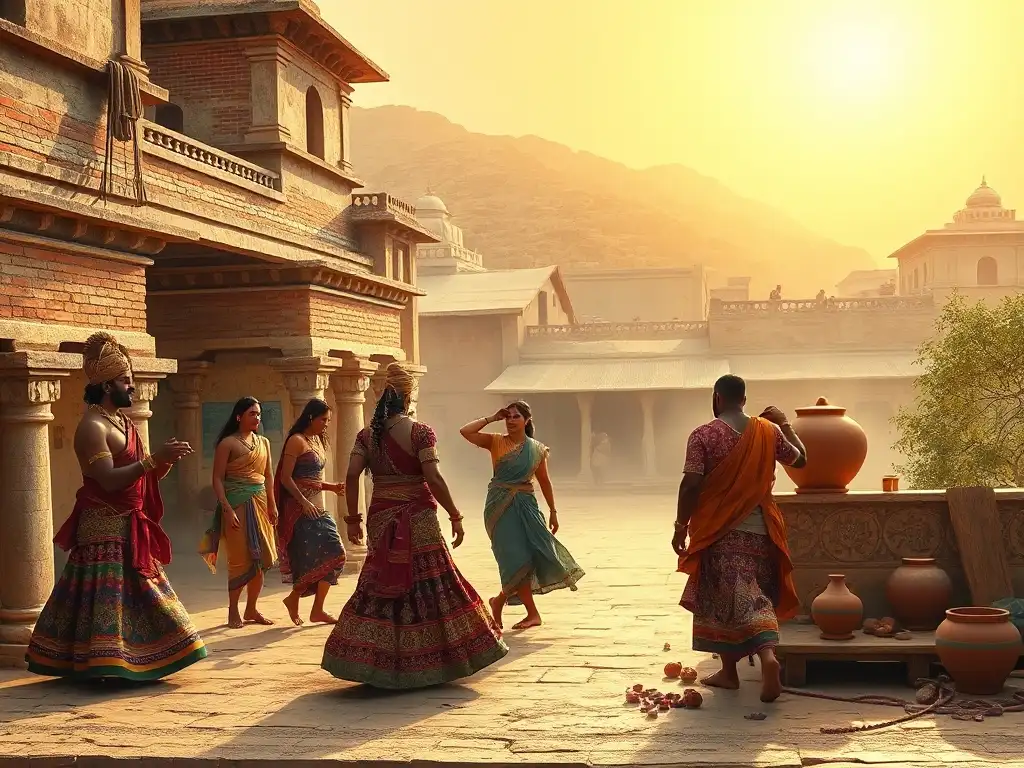
The art of the Indus Valley Civilization (IVC) serves as a remarkable lens through which we can explore the society's rituals and ceremonies. Various artifacts unearthed from sites like Harappa and Mohenjo-Daro provide compelling evidence of how art was interwoven with the spiritual and social fabric of these ancient communities. By examining specific rituals and their artistic manifestations, we can glean insights into the values, beliefs, and practices of the people of the Indus Valley.
Examination of Rituals Related to Agriculture
Agriculture was a cornerstone of the Indus Valley economy, and its significance is reflected in the artistic expressions associated with agricultural rituals. Terracotta figurines, pottery, and seals often depict scenes of farming activities, such as plowing and harvesting. These artifacts suggest that agricultural rituals may have included offerings to deities for successful crops, emphasizing the community's reliance on the fertility of the land.
One notable example is the discovery of a seal depicting a horned animal, which some scholars interpret as representing a fertility god or goddess. This seal, along with various terracotta figurines of women holding sheaves of grain, indicates that these rituals likely celebrated the agricultural cycle, reinforcing the connection between the earth’s bounty and divine favor.
Art in Funeral Practices and Ancestor Worship
Funeral practices and ancestor worship are critical aspects of understanding the spiritual life of the Indus Valley people. Archaeological findings, such as burial sites that include pottery, jewelry, and figurines, reveal that art played a significant role in these rituals. The use of intricate pottery and the careful placement of artifacts alongside the deceased suggest a belief in an afterlife and the importance of honoring ancestors.
Particularly noteworthy are the terracotta figurines found in graves, which may represent the deceased or serve as offerings to assist in their journey to the afterlife. The artistic styles of these figurines vary, indicating different cultural influences or social statuses within the community. This diversity underscores the complexity of Indus Valley beliefs surrounding death and the afterlife, as well as the rituals designed to honor those who had passed.
Celebratory Ceremonies and Their Artistic Expressions
Celebratory ceremonies in the Indus Valley were likely vibrant and multifaceted, with art playing a central role in their execution. Artifacts such as pottery adorned with intricate designs, decorative seals, and jewelry suggest that these events were marked by a display of wealth and artistic skill.
For instance, pottery featuring geometric patterns and figures may have been used during communal festivities, reinforcing social bonds and shared cultural identity. Additionally, the presence of musical instruments, such as small cymbals and flutes, indicates that music and dance were integral components of these celebrations, further enhancing the role of art in ritualistic contexts.
The Influence of Indus Valley Art on Subsequent Cultures
The artistic traditions of the Indus Valley Civilization did not vanish with its decline; rather, they laid foundational elements that influenced subsequent cultures in the Indian subcontinent. The motifs, techniques, and themes found in Indus Valley art can be traced through time, demonstrating a continuity of cultural expression.
Legacy of Indus Valley Art in Later Indian Civilizations
The legacy of Indus Valley art is evident in the artistic developments of later Indian civilizations, particularly during the Mauryan and Gupta periods. The use of sculptural forms, intricate carvings, and motifs reminiscent of Indus art can be seen in Buddhist art and architecture, indicating a direct lineage of artistic tradition.
Additionally, the emphasis on nature and the human figure in Indus Valley art set the stage for later artistic movements, where these themes were expanded and reinterpreted in various religious contexts. The continuity of certain symbols, such as the lotus and the tree of life, further underscores the enduring influence of Indus Valley aesthetics on subsequent artistic endeavors.
Continuation of Ritual Practices in Ancient India
The ritual practices observed in the Indus Valley also found echoes in later ancient Indian cultures. Elements of ancestor worship, agricultural rites, and celebratory ceremonies persisted, adapting to the changing social and religious landscapes.
For example, the agrarian festivals that are a hallmark of contemporary Indian culture can trace their origins back to the agricultural rituals of the Indus Valley. Similarly, practices surrounding funerals and ancestor veneration evolved but retained core components from the Indus tradition, showcasing the resilience and adaptability of cultural practices.
This continuity illustrates how the rich tapestry of Indus Valley art and rituals not only shaped their own civilization but also provided a lasting influence that enriched the cultural heritage of ancient India as a whole.
Conclusion: The Enduring Impact of Indus Valley Art and Rituals
The art and rituals of the Indus Valley Civilization reveal a profound connection between the aesthetic expressions of this ancient society and their spiritual and cultural practices. The intricate seals, pottery, and sculptures not only served practical purposes but also played an integral role in ritualistic ceremonies that defined their societal values and beliefs. This enduring impact is seen in the way these artifacts continue to influence modern interpretations of ancient Indian culture and contribute to our understanding of social dynamics, religious practices, and artistic traditions.
Summary of Key Points
- Art as a Ritualistic Tool: The various forms of art, such as terracotta figurines and engraved seals, functioned as essential components of religious and ceremonial practices, suggesting a complex belief system that was deeply intertwined with daily life.
- Symbolism and Representation: Many artworks from the Indus Valley feature symbols and motifs that hint at spiritual significance, emphasizing fertility, deities, and nature. This symbolism underscores the importance of these elements in the community’s rituals.
- Cultural Continuity: The artistic traditions established during the Indus Valley period can be traced through subsequent Indian civilizations, demonstrating a continuity of cultural practices and aesthetic values that shaped the subcontinent’s history.
- Archaeological Insights: Excavations in key sites like Mohenjo-Daro and Harappa have uncovered numerous artifacts that highlight the sophistication of Indus Valley art and its role in rituals, providing invaluable insights into the civilization’s social and religious fabric.
Reflection on the Importance of Art in Understanding Ancient Cultures
Art serves as a powerful lens through which we can examine and understand ancient cultures, particularly the Indus Valley Civilization. The artifacts unearthed from this period are not mere remnants of the past; they are narratives that convey the spiritual and social ethos of the time. By studying the art forms and their contexts, historians and archaeologists can glean insights into the values, beliefs, and daily lives of the Indus people.
Moreover, the meticulous craftsmanship seen in Indus Valley art reflects a society that placed great significance on aesthetics and symbolism, which can be indicative of a complex understanding of identity and community. This artistic expression provides a rich tapestry of information, allowing us to appreciate the subtleties of their rituals and ceremonies.
The exploration of Indus Valley art and rituals not only enriches our understanding of this ancient civilization but also highlights the enduring legacy of their cultural expressions, which continue to resonate in contemporary discussions of art, history, and identity. The study of these artifacts is essential for anyone interested in uncovering the depths of human creativity and the shared heritage of ancient civilizations.
- Understanding Indus Valley Art and Its Significance
- Indus Valley Rituals: An Introduction
- The Connection Between Indus Valley Art and Rituals
- Types of Art Used in Indus Valley Rituals
- Case Studies of Art in Specific Indus Valley Rituals
- The Influence of Indus Valley Art on Subsequent Cultures
- Conclusion: The Enduring Impact of Indus Valley Art and Rituals
- What is the significance of art in Indus Valley rituals?
- What types of art were created during the Indus Valley Civilization?
- How did rituals influence art in the Indus Valley?
- What materials were commonly used in Indus Valley art?
- How do Indus Valley art and rituals compare to those of other ancient civilizations?
Frequently Asked Questions
What is the significance of art in Indus Valley rituals?
Art played a crucial role in Indus Valley rituals by serving as a medium for spiritual expression and community identity. The intricate designs and motifs depicted in artifacts reflect the society's values and beliefs.
What types of art were created during the Indus Valley Civilization?
The Indus Valley Civilization is known for its sophisticated pottery, seals, and sculptures. These art forms often featured geometric designs and animal motifs, highlighting the civilization's artistic skills.
How did rituals influence art in the Indus Valley?
Rituals were integral to daily life, and art often accompanied these ceremonies, enhancing their significance. Artworks such as figurines and ceremonial objects were believed to hold spiritual power during rituals.
What materials were commonly used in Indus Valley art?
Artists in the Indus Valley utilized materials like clay, stone, and metal for their creations. The use of local resources allowed for a diverse range of art pieces that reflected the civilization's environment and culture.
How do Indus Valley art and rituals compare to those of other ancient civilizations?
While many ancient civilizations used art in rituals, the Indus Valley is unique in its emphasis on abstract designs and symbolism. This contrasts with other cultures that often depicted more figurative representations in their ceremonies.
Final Reflection: The Enduring Legacy of Indus Valley Art and Rituals
The exploration of Indus Valley art and rituals reveals a profound connection between creativity and spirituality that resonates with our contemporary world. Today, as we navigate a landscape increasingly dominated by technology and rapid change, the significance of art in expressing cultural identity and facilitating communal bonds remains as vital as ever. The rituals and artistic expressions of the Indus Valley civilization remind us that art is not merely an aesthetic endeavor but a powerful medium for conveying beliefs, values, and shared experiences.
The influence of Indus Valley art and rituals extends far beyond their historical context, shaping our understanding of cultural heritage and community engagement. As we reflect on the intricate seals, pottery, and figurines that have survived through millennia, we recognize their role in fostering a sense of belonging and continuity. Art is the most beautiful of all lies.
This quote encapsulates the essence of how art can transcend time, allowing us to connect with the past while inspiring future generations. The rituals that accompanied these artistic expressions served as a reminder of the importance of collective memory and identity, themes that continue to resonate in our diverse societies today.
As we conclude this exploration, I invite you to reflect on the role of art in your own life and community. Consider how creative expression can serve as a bridge between cultures and generations, fostering understanding and unity. Embrace the lessons from the Indus Valley civilization, and let them inspire you to engage with art not just as an observer but as a participant in the ongoing ritual of human connection. By doing so, we honor the legacy of those who came before us and contribute to a vibrant tapestry of shared human experience.
Unveil the Power of Art in Ancient Rituals!
Thank you for diving into the fascinating world of the Indus Valley and exploring the vital role that art played in their rituals and ceremonies. Your interest in this unique aspect of history enhances our understanding of these ancient civilizations. Now, it’s time to take the next step in your journey!
Here are a few engaging ways you can deepen your connection with the topic:
- Explore your creativity: Try your hand at creating artwork inspired by the intricate motifs and themes of the Indus Valley. Share your creations with fellow history enthusiasts online!
- Join a community: Find or start a discussion group dedicated to ancient art and rituals. Connect with others who share your passion for history.
- Visit a local museum: Seek out exhibitions that feature ancient Indian art or artifacts. Experiencing these connections in person can spark even more inspiration!
Which aspect of Indus Valley artistry resonates with you the most, and how do you think it influences modern artistic expressions? Let's discuss!