
The Role of Governance in the Indus Valley Civilization's Success and Decline


Welcome to Ancient India History, where we embark on a fascinating journey through the rich tapestry of ancient Indian civilizations! In this realm, we delve deep into the intricate stories of governance that shaped the Indus Valley Civilization, exploring how its structures contributed to both its remarkable success and eventual decline. What secrets lie within the ruins of this ancient society?
Join us as we uncover the pivotal role of governance in one of history's most enigmatic cultures, and prepare to be captivated by the unfolding narrative of a civilization that thrived and fell, leaving behind an indelible mark on history. Read on to discover the profound connections between leadership and legacy in the heart of ancient India!
Introduction to Indus Valley Civilization
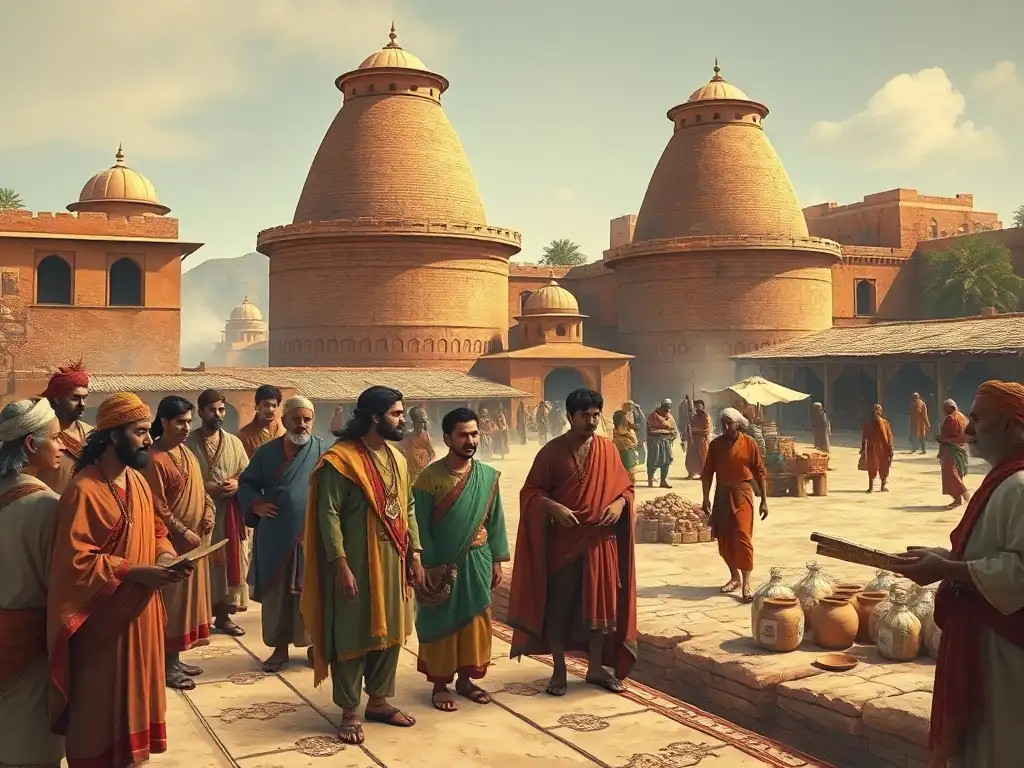
The Indus Valley Civilization (IVC), one of the world's earliest urban cultures, flourished between approximately 3300 and 1300 BCE in what is now Pakistan and northwest India. This remarkable civilization is known not only for its advanced urban planning and architecture but also for its intricate social structure and governance systems. The role of governance in the IVC was pivotal to its successes, including the establishment of trade networks, agricultural productivity, and urban centers.
However, governance also played a crucial part in the decline of this civilization, which remains a subject of significant scholarly interest. Understanding the complexities of Indus Valley governance and decline allows us to appreciate how leadership, administration, and policy shaped one of the most sophisticated societies of the ancient world.
Overview of the Indus Valley Civilization
The Indus Valley Civilization is distinguished by its remarkable urban centers, including Harappa and Mohenjo-Daro, characterized by well-planned streets, advanced drainage systems, and impressive architecture. The civilization thrived on agriculture, trade, and artisanal crafts, demonstrating a high level of economic organization. Its inhabitants developed a writing system, engaged in long-distance trade, and established a culture rich in arts and crafts.
Key features of the IVC include:
- Urban Planning: Grid-like city layouts and sophisticated sewage systems.
- Economic Systems: Agriculture, trade, and crafts as major economic activities.
- Cultural Achievements: Sculptures, pottery, and seals reflecting a rich artistic tradition.
Significance of Governance in Ancient Civilizations
Governance is a fundamental aspect that influences the stability, growth, and sustainability of any civilization. In ancient societies, effective governance provided a framework for law and order, resource management, and social cohesion. It was instrumental in the development of trade, the maintenance of infrastructure, and the organization of labor.
The significance of governance in ancient civilizations can be summarized as follows:
- Social Order: Establishing laws and regulations to maintain peace.
- Resource Allocation: Efficient management of agricultural and trade resources.
- Cultural Identity: Promotion of shared values and cultural practices through governance.
Understanding Indus Valley Governance
The governance structure of the Indus Valley Civilization is often seen as one of its strengths. While much remains unknown due to the undeciphered script and limited written records, archaeological evidence provides insights into the political and administrative organization of this advanced society.
Structure of Governance in the Indus Valley
The governance in the IVC likely featured a centralized authority, possibly led by a ruling elite or council. This structure facilitated coordinated efforts in urban planning, trade regulation, and resource management. Evidence from archaeological sites suggests that cities had public buildings, which may have served administrative functions, indicating a structured political organization.
Key elements of the governance structure include:
- Centralized Authority: Possible ruling elite managing city affairs.
- Local Administrators: Individuals overseeing local trade and agriculture.
- Public Institutions: Structures for administration and governance.
Key Features of Indus Valley Governance
The governance system of the Indus Valley Civilization was marked by several distinctive features that contributed to its effectiveness:
- Decentralization: While there was likely a central authority, power may have been distributed among local leaders, allowing for effective management of resources and local issues.
- Legal Framework: Although specific laws remain unknown, the existence of standardized weights and measures suggests a regulated trade environment.
- Urban Administration: Evidence of public baths, granaries, and warehouses points to organized urban management.
Role of Leaders and Administrators
Leaders and administrators in the Indus Valley Civilization played crucial roles in maintaining order and facilitating the daily operations of the cities. While specific names and titles are not documented due to the limitations of archaeological records, the presence of large public structures implies a class of individuals responsible for governance.
Roles likely included:
- Urban Planners: Individuals responsible for city layouts and infrastructure.
- Trade Overseers: Administrators managing trade activities and economic exchanges.
- Civic Leaders: Figures promoting social welfare and community cohesion.
Understanding the role of governance in the Indus Valley Civilization offers valuable insights into how leadership and administration contributed to both the success and eventual decline of this remarkable ancient society. The interplay between governance structures, social dynamics, and environmental factors remains a critical area of study as historians seek to unravel the complexities of the IVC's history.
Success of the Indus Valley Civilization Due to Effective Governance
The Indus Valley Civilization (IVC), flourishing between approximately 2600 and 1900 BCE, is renowned for its advanced urban centers, impressive architecture, and sophisticated social structures. The effectiveness of its governance played a pivotal role in its success, allowing it to establish one of the world's earliest urban societies. The governance in the IVC was characterized by a centralized administration that implemented strict urban planning, managed trade networks, and enforced laws, which collectively contributed to the stability and prosperity of its cities, such as Harappa and Mohenjo-Daro.
Urban Planning and Administrative Control
One of the hallmarks of Indus Valley governance was its remarkable urban planning. The cities were meticulously laid out in a grid pattern, with streets aligned at right angles and sophisticated drainage systems. This level of organization suggests a strong central authority capable of executing large-scale infrastructure projects. The presence of public baths, granaries, and warehouses indicates centralized administrative control over resources, ensuring the efficient management of city life and public health. Such urban planning not only facilitated trade and movement but also symbolized the governance’s ability to maintain order and public welfare.
Trade and Economic Management
The IVC thrived on a robust trade system, both locally and with distant regions, which was effectively managed by its governance. Archaeological evidence points to extensive trade routes connecting the Indus Valley to Mesopotamia and other civilizations, facilitating the exchange of goods such as textiles, metals, and agricultural products. The central authority likely regulated these economic activities, imposing standards and taxes that contributed to the civilization’s wealth. The use of standardized weights and measures further underscores the sophistication of trade practices, enhancing the efficiency and trust in commercial transactions.
Social Organization and Law Enforcement
Effective governance in the Indus Valley also extended to social organization and law enforcement. The existence of a uniform system of weights and measures indicates a level of regulatory oversight that ensured fairness in trade and commerce. The social structure was likely stratified, with a ruling elite overseeing various aspects of life, from economic activities to religious practices.
Law enforcement mechanisms, although not extensively documented, are inferred from the careful urban design and the presence of seals and inscriptions, suggesting that the IVC maintained order and addressed conflicts within its society. This overall framework of governance fostered a sense of community and stability essential for the civilization’s long-term success.
Factors Leading to the Decline of Indus Valley Governance
Despite its initial success, the Indus Valley Civilization ultimately faced decline, influenced by several factors that undermined its governance and stability. Understanding these elements provides critical insights into how governance failures can lead to the downfall of even the most advanced societies.
Environmental Challenges and Resource Management
Environmental challenges played a significant role in the decline of the IVC, directly impacting resource management and agricultural productivity. Evidence suggests that climate change, including shifts in monsoon patterns and prolonged droughts, affected water supply and agricultural yields. As the region's rivers, particularly the Indus, experienced changes in their course, the agricultural base that sustained the population began to erode. Governance structures that once effectively managed resources struggled to adapt to these environmental stresses, leading to food shortages and societal unrest.
Political Instability and Governance Failures
Political instability and potential governance failures are critical factors contributing to the decline of the Indus Valley Civilization. As cities grew, the complexity of governance increased, and it is plausible that the central authority faced challenges in maintaining control over vast territories. Fragmentation of political power may have occurred, leading to regional disputes and an inability to respond effectively to crises. The lack of a clearly defined ruling hierarchy and the possible breakdown of administrative systems could have further weakened governance, making the civilization vulnerable to internal conflicts.
Impact of External Invasions on Governance
The decline of the Indus Valley Civilization was also exacerbated by external invasions or migrations. The arrival of new groups, such as the Indo-Aryans, introduced different cultural and political dynamics. These external pressures could have strained the existing governance structures, leading to conflicts and the eventual disintegration of centralized authority. While the exact nature of these invasions remains a topic of debate, it is clear that they disrupted trade routes and societal cohesion, significantly impacting the governance and stability of the civilization.
While effective governance initially propelled the Indus Valley Civilization to great heights, a combination of environmental challenges, political instability, and external invasions ultimately undermined its governance framework, leading to its decline. The lessons learned from the rise and fall of the IVC continue to resonate, illustrating the intricate relationship between governance, society, and environmental conditions.
Comparative Analysis of Governance in Other Ancient Civilizations
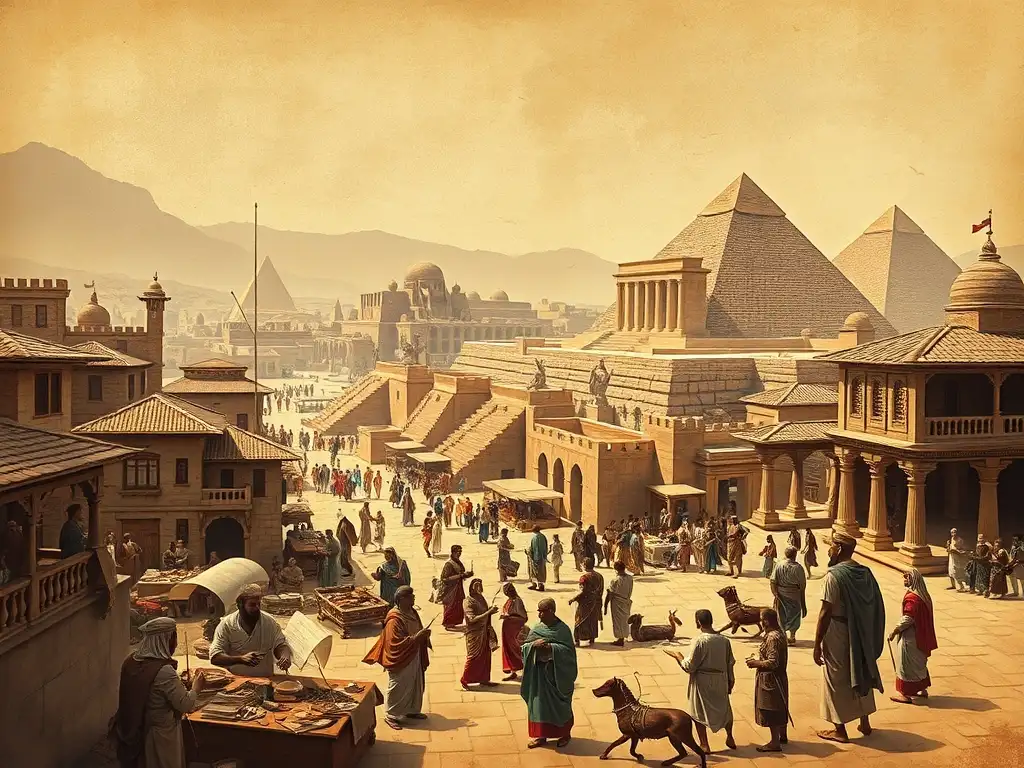
The governance systems of ancient civilizations provide valuable insights into how political structures influenced their successes and failures. By examining the governance in the Indus Valley Civilization alongside other ancient societies, such as Mesopotamia and Egypt, we can uncover patterns and unique attributes that underscore the significance of effective governance. This comparative analysis sheds light on how different systems shaped societal development, resource management, and responses to crises.
Governance in Mesopotamia vs. Indus Valley
In Mesopotamia, governance was characterized by a theocratic model, where rulers were often seen as representatives of the gods. This centralized authority was reflected in the construction of monumental architecture, such as ziggurats, which symbolized power and religious devotion. The governance structure was hierarchical, with kings and priests at the top, supported by bureaucrats who managed state affairs.
In contrast, the Indus Valley Civilization exhibited a more decentralized form of governance. Evidence suggests that while there were likely regional leaders, the decision-making process might have been more collective and community-oriented. The lack of monumental palaces or temples indicates a less pronounced focus on centralized authority. Instead, governance in the Indus Valley may have revolved around trade regulation, urban planning, and public health, as seen in the sophisticated drainage systems and grid-like city layouts of Harappa and Mohenjo-Daro.
The differences in governance models reveal how each civilization adapted to its unique environmental and social contexts. While Mesopotamia's governance was closely tied to religion and monarchy, the Indus Valley's approach likely emphasized cooperation among city-states and community welfare, which contributed to its initial success.
Lessons Learned from Other Civilizations' Governance Models
The examination of governance in other ancient civilizations provides crucial lessons for understanding the Indus Valley's trajectory. For instance, the centralized bureaucracy of Egypt, which maintained stability through a strong administrative system, highlights the importance of efficient resource management. This contrasts with the Indus Valley, where the absence of clear administrative records may have hindered the ability to respond to economic challenges or environmental changes.
Moreover, the collapse of the Roman Empire illustrates the vulnerabilities of overextended governance structures. The fragmentation of authority led to a decline in civic order and infrastructure maintenance. Similar lessons can be drawn regarding the Indus Valley, where potential environmental stressors, such as changing river patterns or climatic shifts, may have overwhelmed a decentralized governance system unable to effectively mobilize resources or coordinate responses.
Ultimately, analyzing these governance models reveals that adaptability, resource management, and community engagement are critical factors for the longevity and resilience of civilizations, including the Indus Valley.
Historical Perspectives on Indus Valley Governance and Decline
Understanding the governance of the Indus Valley Civilization requires a deep dive into historical perspectives shaped by archaeological findings and scholarly interpretations. These insights contribute to our comprehension of how governance practices may have influenced the civilization's eventual decline.
Archaeological Evidence of Governance Practices
Archaeological evidence plays a pivotal role in reconstructing the governance practices of the Indus Valley. Excavations have uncovered well-planned cities with advanced urban infrastructure, indicating a high degree of administrative organization. The presence of standardized weights and measures suggests a regulated trade system, while intricate drainage systems point to effective public health management.
Artifacts such as seals and inscriptions have been crucial in understanding the bureaucratic aspects of the Indus Valley. While the exact nature of their governance remains elusive due to the undeciphered script, the uniformity of these seals across various sites hints at a cohesive economic or political network. Additionally, the layout of cities like Harappa and Mohenjo-Daro implies a level of planning and coordination, possibly overseen by local leaders or councils.
This evidence suggests that the Indus Valley Civilization had a sophisticated governance system that facilitated trade, urbanization, and public welfare, which were critical to its success.
Interpretations of Decline by Historians
The decline of the Indus Valley Civilization has sparked diverse interpretations among historians. Some scholars argue that environmental factors, such as drought or river shifts, led to agricultural decline and, subsequently, societal collapse. This perspective emphasizes the vulnerability of the Indus Valley's governance model, which may have struggled to adapt to such changes.
Others focus on the potential for internal strife or sociopolitical fragmentation as contributing factors to the decline. The absence of large-scale warfare artifacts suggests that conflict may not have been the primary cause, but rather a gradual breakdown of regional governance structures that could not effectively respond to emerging challenges.
Moreover, economic factors, such as trade disruptions with neighboring regions, have also been posited as influencing the decline. As trade connections weakened, the economy may have suffered, leading to a decline in urban centers and governance efficacy.
The interpretations of the Indus Valley Civilization's decline reflect the complexities of governance and its critical role in ensuring societal resilience. Understanding these historical perspectives allows us to appreciate the intricate interplay between governance and civilization stability.
Conclusion: The Legacy of Indus Valley Governance
The governance system of the Indus Valley Civilization (IVC) was pivotal in shaping its societal structure, urban planning, and economic prosperity. The sophisticated nature of governance, characterized by organized city planning, standardization of weights and measures, and advanced trade practices, contributed significantly to the civilization's success. However, the decline of the IVC raises questions about how governance may have adapted—or failed to adapt—to changing environmental and societal challenges.
Reflection on Governance Impact on Civilization's Fate
The impact of governance on the Indus Valley Civilization's fate is a topic that warrants deep reflection. Effective governance facilitated trade, promoted urban development, and ensured social cohesion, which are crucial elements for any civilization's prosperity. However, as the civilization faced environmental stresses, such as potential climate change and river siltation, the rigidity or possible inadequacies in governance structures may have hindered effective responses. This failure to adapt could have contributed to the eventual decline of this once-thriving civilization, underscoring the critical importance of flexible governance in the face of adversity.
Lasting Contributions of the Indus Valley Governance System
The governance system of the IVC has left a lasting legacy that continues to influence modern understanding of city planning and administration. The emphasis on urban infrastructure, including drainage systems, public baths, and the grid layout of cities, showcases an advanced level of civic planning that was ahead of its time. Moreover, the IVC's trade regulations and weight systems set precedents for economic governance that would resonate through later Indian civilizations. These contributions highlight the significance of the Indus Valley's governance model in laying the foundation for future governance systems in India.
Further Reading on Indus Valley Civilization
For those interested in delving deeper into the complexities of the Indus Valley Civilization and its governance, a variety of resources are available that explore different facets of this ancient society. These materials provide insights into the socio-economic structures and the environmental challenges that shaped the civilization.
Suggested Resources on Governance and Societal Structures
- "The Indus Civilization: A Contemporary Perspective": by Jane McIntosh – This book provides a comprehensive overview of the governance structures and urban planning of the IVC.
- "Cities of the Indus Valley Civilization" by Gregory L. Possehl – An exploration of the archaeological evidence that highlights the governance and societal organization of the IVC.
- "Indus Valley Civilization: An Archaeological Perspective": by R. S. Sharma – This resource focuses on the governance, trade, and decline of the civilization, providing a broad view of its socio-political context.
Notable Works on Ancient Indian Civilizations
- "A History of Ancient India: From 4500 BCE to 1200 CE": by Upinder Singh – This extensive work covers various ancient Indian civilizations, including the Indus Valley, examining governance and societal changes over millennia.
- "The Wonder That Was India" by A. L. Basham – A classic text that provides insights into the cultural and historical developments of ancient Indian civilizations, including governance aspects.
- "Ancient India: Culture and Civilization": by Ram Sharan Sharma – This book discusses the evolution of governance across different ancient Indian cultures, providing context for the IVC's contributions to governance.
- Introduction to Indus Valley Civilization
- Understanding Indus Valley Governance
- Success of the Indus Valley Civilization Due to Effective Governance
- Factors Leading to the Decline of Indus Valley Governance
- Comparative Analysis of Governance in Other Ancient Civilizations
- Historical Perspectives on Indus Valley Governance and Decline
- Conclusion: The Legacy of Indus Valley Governance
- Further Reading on Indus Valley Civilization
- What was the structure of governance in the Indus Valley Civilization?
- How did governance contribute to the success of the Indus Valley Civilization?
- What factors led to the decline of the Indus Valley Civilization?
- Did the Indus Valley Civilization have written laws or codes?
- How does the governance of the Indus Valley compare to later Indian civilizations?
Frequently Asked Questions
What was the structure of governance in the Indus Valley Civilization?
The Indus Valley Civilization had a centralized governance system characterized by well-planned cities and advanced urban planning, indicating a strong administrative framework.
How did governance contribute to the success of the Indus Valley Civilization?
Effective governance facilitated trade, ensured resource management, and maintained social order, which were crucial for the civilization's prosperity and stability.
What factors led to the decline of the Indus Valley Civilization?
The decline can be attributed to environmental changes, economic challenges, and potential shifts in governance, which disrupted the established social and trade networks.
Did the Indus Valley Civilization have written laws or codes?
While no specific written laws have been found, the existence of uniformity in weights and measures suggests a form of regulatory governance that governed trade and daily life.
How does the governance of the Indus Valley compare to later Indian civilizations?
Later civilizations, like the Gupta Empire, adopted more feudal systems, but the Indus governance model laid the groundwork for subsequent administrative practices in ancient India.
Final Reflection: The Enduring Legacy of Indus Valley Governance
The exploration of governance in the Indus Valley Civilization underscores its pivotal role in both the flourishing and eventual decline of this ancient society. Today, as we navigate complex global challenges, the lessons drawn from the governance structures of the Indus Valley resonate more than ever. The balance between effective leadership and societal stability is a timeless theme, reminding us that the foundations of civilization are often built on the principles of governance and civic responsibility.
Cultural and social landscapes are continuously shaped by the governance models we adopt. The Indus Valley Civilization, with its sophisticated urban planning and administrative systems, serves as a testament to the power of governance in fostering innovation and cooperation. Yet, its decline also illustrates the fragility of such systems when faced with environmental and social pressures. As historian Jonathan Mark Kenoyer aptly stated, The rise and fall of the Indus Valley Civilization remind us that even the most advanced societies can falter without sustainable practices and adaptive governance.
As we reflect on the lessons from the Indus Valley, let us consider how we can apply these insights to our own lives and communities. How can we foster governance that is not only effective but also resilient and inclusive? I invite you to engage with the principles of good governance in your own context—be it in your local community, workplace, or personal relationships. By embracing the lessons of the past, we can contribute to a future that values sustainable practices and collective well-being, ensuring that the legacy of the Indus Valley continues to inspire generations to come.
Uncover the Secrets of Indus Valley Governance!
Thank you for diving into the fascinating world of the Indus Valley Civilization with us! You've explored how governance played a pivotal role in both its success and decline. Now, it’s time to take what you’ve learned and make it actionable!
Here are some ways you can deepen your understanding and engage with this rich historical narrative:
- Dive Deeper by Reading Further: Explore books or scholarly articles on the governance structures of other ancient civilizations to draw parallels and contrasts with the Indus Valley.
- Join the Conversation: Share your thoughts on social media about the valuable lessons we can learn from the governance of the Indus Valley. Tag us to foster discussion!
- Participate in a Local History Group: Seek out or start a community discussion group focused on ancient civilizations to exchange ideas and insights.
Which governance strategies from the Indus Valley do you believe could be effectively applied in today's world? We would love to hear your insights!