
The Transition from Oral to Written Traditions in Ancient Indian Poetry

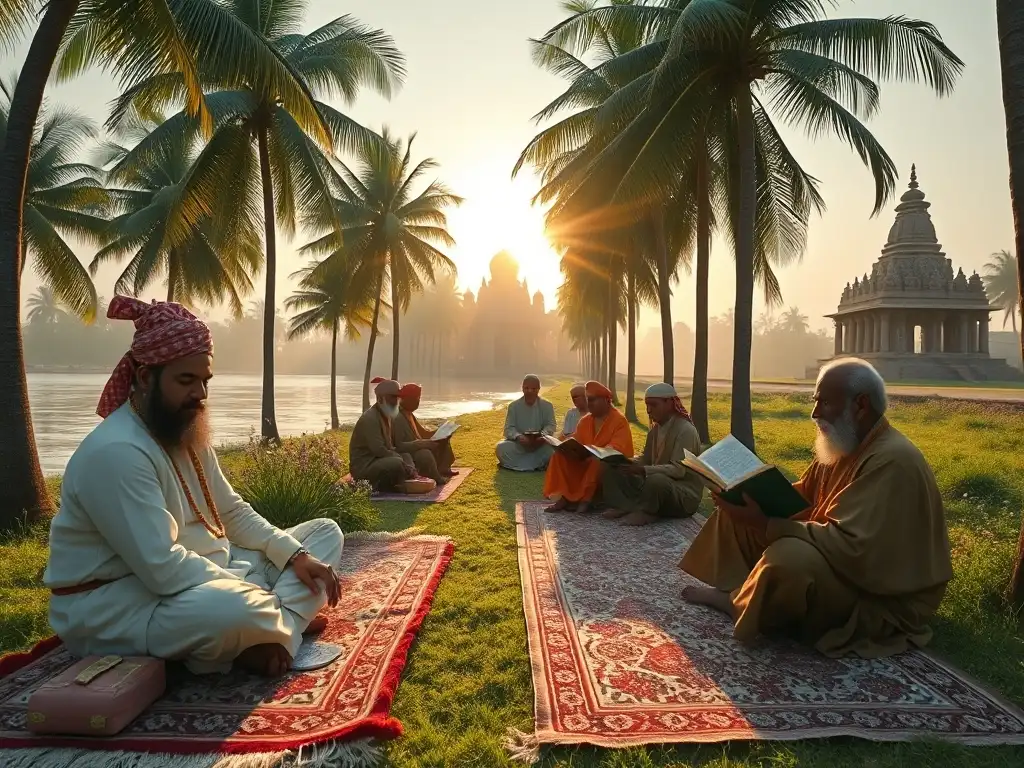
Welcome to Ancient India History, where we embark on a fascinating journey through the vibrant tapestry of ancient Indian civilizations. Here, we delve deep into the intriguing evolution of ancient Indian poetry traditions, exploring how the transition from oral to written forms transformed not just literature, but the very essence of cultural expression.
As we unravel the rich layers of this literary heritage, you will discover the profound impact these traditions had on society, philosophy, and art. Join us as we illuminate the path from the spoken word to the written page, and uncover the voices that shaped a civilization!
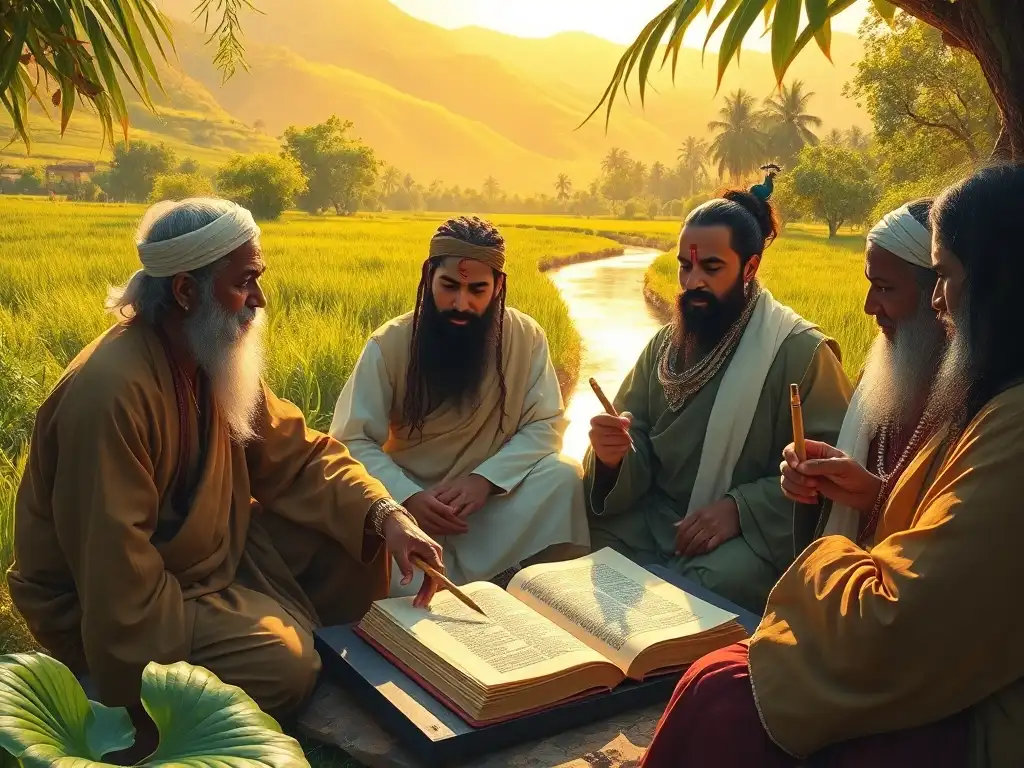
Introduction to Ancient Indian Poetry Traditions
The journey of ancient Indian poetry traditions reflects a rich tapestry of cultural heritage and artistic expression that has evolved from oral recitations to written forms. This transition not only highlights the artistic evolution of poetry but also showcases the profound impact of social, religious, and historical contexts on literary practices.
Ancient Indian poetry traditions encompass a myriad of themes and styles, influenced by the diverse civilizations that flourished in the Indian subcontinent, from the sophisticated urban centers of the Indus Valley to the philosophical depths of the Gupta Empire. Understanding this transition is crucial for appreciating the depth and significance of ancient Indian literature, as it laid the groundwork for future generations of poets and writers.
Overview of Oral Traditions in Ancient Indian Poetry
Oral traditions formed the backbone of ancient Indian poetry, serving as a vital means of preserving and transmitting cultural narratives, values, and folklore. These traditions were characterized by rhythmic structures, mnemonic devices, and performance elements that made them memorable and engaging. Key features of these oral traditions include:
- Storytelling Techniques: Poets often employed repetitive phrases and refrains to reinforce themes and aid memory.
- Cultural Transmission: Oral poetry was a communal activity, fostering a shared sense of identity and continuity among audiences.
- Dynamic Evolution: The fluid nature of oral traditions allowed for variations and adaptations, reflecting local dialects and contemporary issues.
These oral forms were not just artistic expressions but also conduits for spiritual and philosophical teachings, ensuring that wisdom was passed down through generations.
Significance of Oral Traditions in Indian Culture
The significance of oral traditions in ancient Indian poetry extends beyond mere entertainment; they played a crucial role in shaping societal values and communal cohesion. Key aspects include:
- Cultural Identity: Oral poetry served as a repository of collective memory, preserving the unique identities of various communities and regions.
- Moral and Ethical Instruction: Many poems conveyed moral lessons, providing guidance on ethical conduct and societal norms.
- Ritualistic Functions: Poetry was often interwoven with religious rituals, enhancing spiritual experiences and reinforcing cultural practices.
Through these functions, oral traditions contributed to the rich cultural fabric of ancient India, emphasizing the importance of storytelling as a means of understanding the human experience.
Historical Context of Ancient Indian Poetry
To fully appreciate the transition from oral to written forms of poetry, it is essential to explore the historical context of ancient Indian poetry. This context reveals how various civilizations contributed to the evolution of poetic expression.
The Indus Valley Civilization and Early Poetic Forms
The Indus Valley Civilization, which thrived around 2500 BCE, represents one of the earliest urban cultures in the Indian subcontinent. Although direct evidence of poetry from this civilization is scarce, archaeological findings suggest the existence of early forms of artistic expression, potentially including poetry. Key points to consider:
- Seals and Inscriptions: Artifacts such as seals with inscriptions indicate a developed system of writing, hinting at the possible existence of poetic forms or storytelling.
- Cultural Practices: The emphasis on ritualistic practices and communal gatherings may have fostered early poetic expressions as part of religious and social activities.
While the specifics of poetic forms during this period remain largely speculative, they laid the groundwork for future literary traditions.
Vedic Poetry: The Foundation of Ancient Indian Poetry Traditions
Vedic poetry, composed between 1500 and 500 BCE, marks a significant milestone in the history of ancient Indian poetry traditions. This period introduced a wealth of literary forms, including hymns, prayers, and philosophical discourses. Notable features include:
- Rigveda: The oldest known collection of Vedic hymns, the Rigveda is a cornerstone of ancient Indian poetry, blending spiritual insights with poetic artistry.
- Meter and Structure: Vedic poetry employed intricate meters such as Gayatri and Trishtubh, showcasing the sophistication of early poetic forms.
- Philosophical Themes: The exploration of existential questions and the nature of the universe in Vedic poetry set the stage for subsequent literary and philosophical developments.
Vedic poetry not only solidified the oral tradition but also paved the way for written forms that emerged later.
Influence of Religion and Philosophy on Poetry
The interplay of religion and philosophy profoundly influenced the development of ancient Indian poetry traditions. Key influences include:
- Spiritual Themes: Poetry often served as a medium for exploring divine concepts, ethical dilemmas, and the human condition, reflecting the spiritual aspirations of society.
- Philosophical Schools: Various philosophical schools, such as Vedanta and Samkhya, enriched poetic discourse, prompting poets to engage with complex ideas and metaphysical questions.
- Religious Texts: The integration of poetry within religious texts, such as the Upanishads and Puranas, further solidified the connection between literary expression and spiritual exploration.
As poetry transitioned from oral to written forms, these influences continued to shape its evolution, resulting in a diverse and profound literary heritage that resonates to this day.
The Shift from Oral to Written Poetry
The transition from oral to written traditions in ancient Indian poetry marks a significant evolution in the way literary expression was preserved and disseminated. Initially, poetry was primarily an oral form, relying on the memory of poets and their audiences. This oral tradition was characterized by rhythmic patterns, repetition, and a communal aspect that allowed for easy recall and performance. As societies advanced and the need for documentation grew, the shift to written poetry became inevitable.
This transition began around the 3rd century BCE, coinciding with the emergence of more complex social structures and the proliferation of trade and cultural exchanges. The advent of writing systems provided a means to capture the nuances of poetic expression, leading to a richer and more diverse literary landscape. The written word allowed poets to reach broader audiences, preserve their works for future generations, and establish a more permanent cultural legacy.
Factors Contributing to the Transition to Written Traditions
Several factors contributed to the shift from oral to written poetry in ancient India.
- Cultural Exchange: Increased interactions with other civilizations, particularly through trade, introduced new ideas and technologies, including writing systems from neighboring regions.
- Political Centralization: The rise of empires and kingdoms necessitated a more organized method of governance, which included record-keeping and documentation of laws, stories, and cultural practices.
- Buddhism and Jainism: The spread of these religions emphasized the importance of scriptures, thereby encouraging the development of written texts that captured their teachings and hymns.
- Technological Innovations: The development of writing materials, such as palm leaves and birch bark, along with the creation of scripts like Brahmi and Kharosthi, facilitated the recording of poetry and other literary forms.
These factors collectively laid the groundwork for a transition that not only preserved poetic traditions but also enriched them through the integration of new themes and styles.
The Role of Scripts and Language in Ancient Indian Poetry
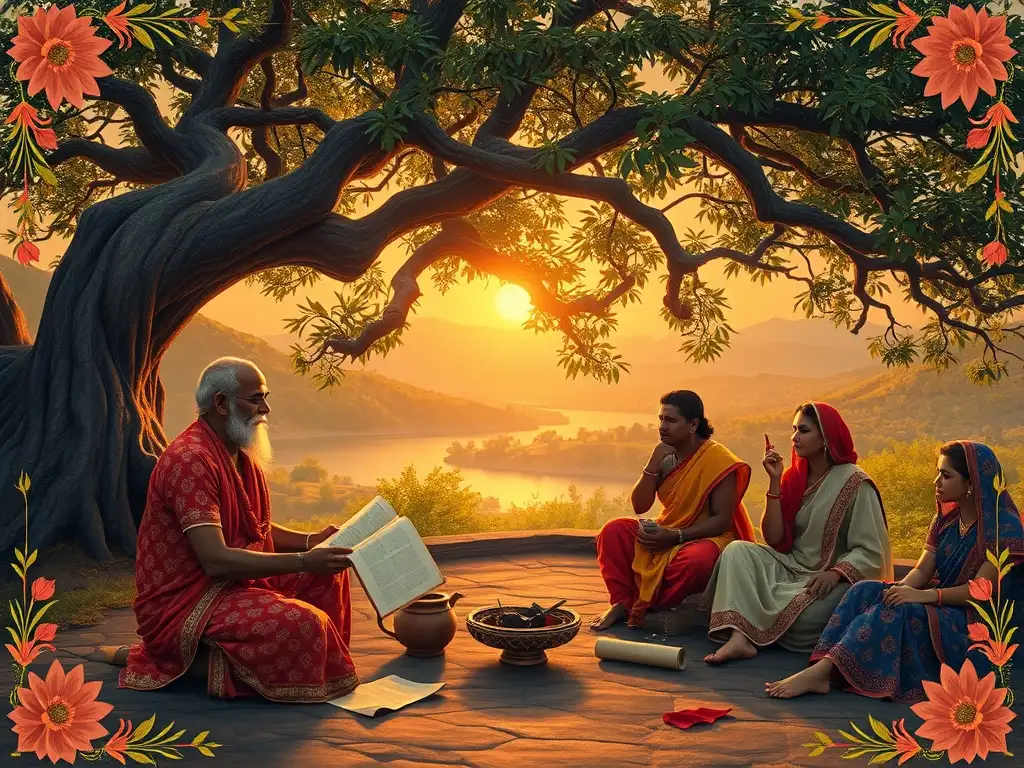
The introduction of scripts was crucial in shaping the landscape of ancient Indian poetry. The Brahmi and Kharosthi scripts, among others, were pivotal in capturing the nuances of languages such as Sanskrit and Prakrit.
- Sanskrit: As the primary language of many classical texts, Sanskrit provided a rich vocabulary and a sophisticated grammatical structure that greatly influenced poetic forms.
- Prakrit: This vernacular language was often used in folk poetry, reflecting the everyday lives and sentiments of common people, thus broadening the appeal of poetry beyond the elite.
The choice of language and script allowed poets to express complex ideas and emotions, making poetry more accessible to various segments of society. Written poetry also enabled the preservation of regional dialects and styles, fostering a diverse poetic tradition that celebrated local cultures and narratives.
Early Manuscripts and Their Impact on Poetry
Early manuscripts played a transformative role in the evolution of ancient Indian poetry. These texts, often meticulously copied by scribes, served not only as repositories of poetic works but also as sources of inspiration for future generations.
- Preservation of Oral Traditions: Manuscripts helped retain the essence of oral traditions while allowing for modifications and adaptations that reflected contemporary concerns.
- Influence on Literary Forms: The availability of written texts encouraged poets to experiment with new forms and structures, leading to the emergence of various poetic genres, including lyrical, narrative, and didactic poetry.
- Circulation of Knowledge: Manuscripts facilitated the sharing of poetic works across regions, enabling the cross-pollination of ideas and themes, which enriched the overall literary culture.
The impact of these early manuscripts cannot be overstated; they laid the foundation for a thriving literary tradition that would flourish in the centuries to come.
Characteristics of Oral Poetry in Ancient India
Oral poetry in ancient India was distinguished by several defining characteristics that set it apart from written forms.
- Memorization Techniques: Poets employed various mnemonic devices, such as alliteration and rhyme, to aid memory and enhance recitation.
- Repetitive Structures: The use of refrains and repeated phrases helped reinforce the themes and made it easier for audiences to engage with the poetry during performances.
- Improvisational Elements: Oral poetry allowed for spontaneous creativity, where poets could adapt their verses based on the audience’s reactions or current events, making each performance unique.
These characteristics fostered a dynamic and interactive relationship between the poet and the audience, creating a communal experience that was central to the oral tradition.
Themes and Motifs in Oral Poetry
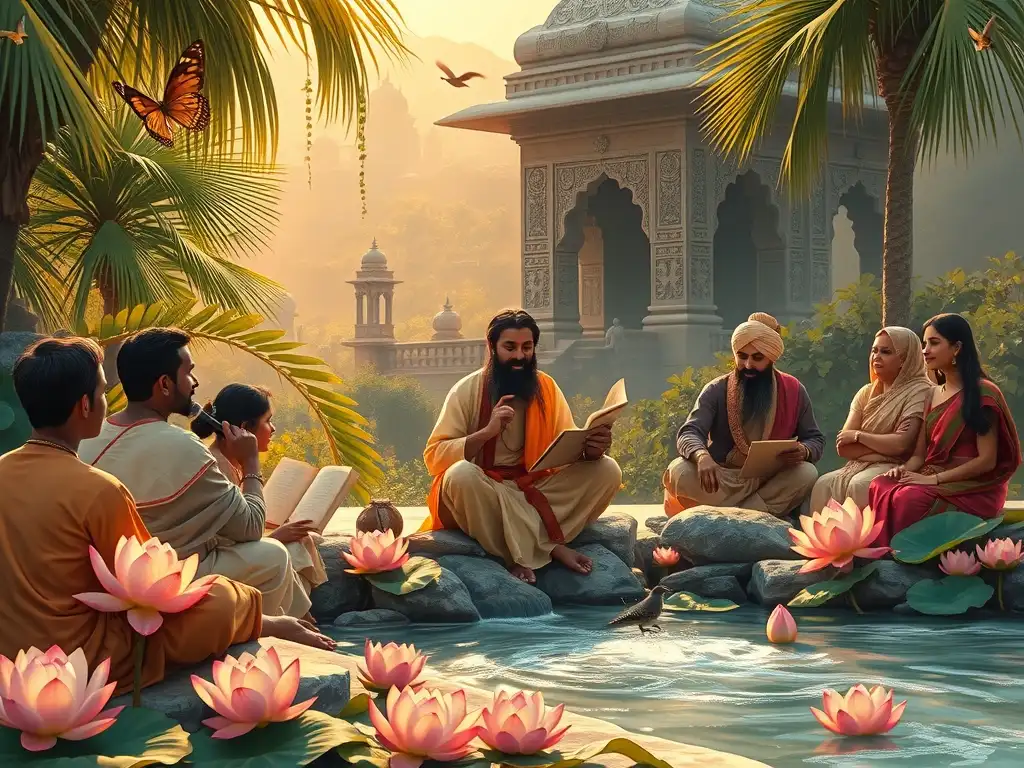
Themes and motifs in ancient Indian oral poetry were often reflective of the cultural and social contexts of the time. Common themes included:
- Nature and Landscape: Many poems celebrated the beauty of the natural world, intertwining human experiences with seasonal changes and agricultural cycles.
- Heroism and Valor: Epic tales of heroes and warriors were popular, highlighting virtues such as bravery, loyalty, and honor.
- Love and Relationships: Romantic themes, often depicted through metaphor and allegory, captured the complexities of love, longing, and familial bonds.
These themes resonated with audiences, allowing them to connect deeply with the poetic narratives and fostering a sense of shared cultural identity.
Performance Aspects of Oral Traditions
The performance aspect of oral traditions was integral to the experience of ancient Indian poetry.
- Storytelling: Poets often engaged in storytelling, using dramatic techniques to bring their verses to life, captivating audiences and eliciting emotional responses.
- Musical Accompaniment: Many oral poems were performed with musical instruments, enhancing the overall experience and creating a rhythmic flow that complemented the poetic structure.
- Audience Participation: The communal nature of oral poetry encouraged audience interaction, where listeners could respond, sing along, or even contribute to the performance, reinforcing collective memory.
These performance aspects not only enriched the poetry but also ensured its transmission across generations, as each retelling was a shared experience that kept traditions alive.
Community and Collective Memory in Oral Poetry
Oral poetry served as a vital means of preserving community history and collective memory in ancient India.
- Cultural Narratives: Through storytelling, communities passed down their histories, legends, and values, creating a sense of identity and continuity.
- Shared Experiences: Poetic performances often reflected communal experiences, such as festivals, rituals, and significant events, reinforcing social bonds and shared understanding.
- Adaptive Nature: The fluidity of oral poetry allowed for the incorporation of contemporary issues and local stories, ensuring that the poetry remained relevant and resonant with the community.
In this way, oral poetry functioned as a living archive, capturing the essence of a community's identity and experiences while adapting to the changing times.
Features of Written Poetry in Ancient Indian Traditions
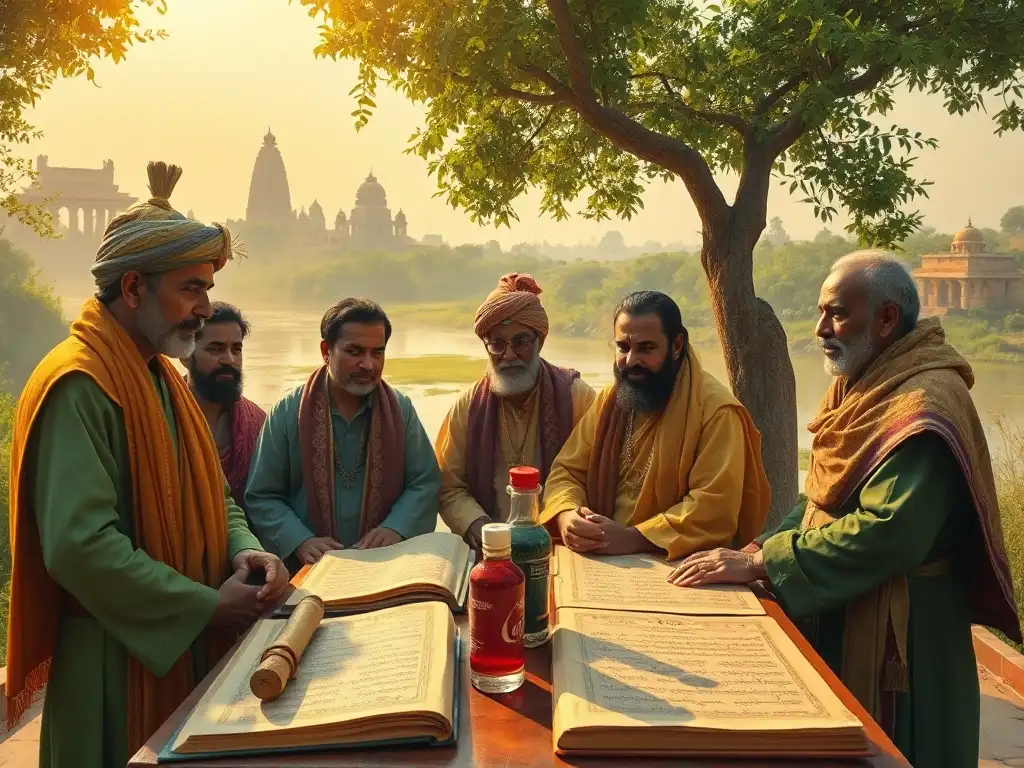
Written poetry in ancient Indian traditions introduced a variety of features that distinguished it from its oral predecessors. One of the most significant features was the use of script, allowing for the preservation and dissemination of poetic works beyond the limits of memory. This shift enabled poets to explore complex themes and intricate language without the constraints of oral performance.
Additionally, written poetry allowed for a greater emphasis on stylistic elements such as meter, rhyme, and alliteration. Classic texts such as the "Rigveda" exhibit these features through structured verses that enhance the aesthetic quality of the poetry. The introduction of literary devices like similes, metaphors, and symbolism became more pronounced in written forms, allowing poets to convey deeper meanings and emotions.
Moreover, the written tradition facilitated the establishment of literary canons. Important texts were compiled, edited, and preserved, leading to the standardization of certain poetic forms and themes. This not only helped in the classification of poetry but also nurtured a rich tradition of commentary and critique, which played a vital role in the evolution of poetic expression in ancient India.
Literary Styles and Forms in Written Poetry
The written poetry of ancient India is characterized by a diverse array of literary styles and forms, which evolved significantly over time. Among the earliest forms is the Sanskrit Shlokas, which are metrical verses often used in religious texts and epics. These verses were typically composed in a highly stylized manner, adhering to specific metrical patterns such as Anushtubh and Trishtubh.
Another prominent form is the Prakrit poetry, which emerged later and was written in vernacular languages. This shift allowed poets to reach wider audiences and express local cultural elements. The Ghazal and Raga are examples of poetic forms that flourished during this period, imbued with themes of love, nature, and spirituality.
In addition, Bhakti poetry became a significant style during the medieval period, emphasizing personal devotion to deities. Poets such as Mirabai and Kabir utilized accessible language and emotional depth, making their works relatable and widely appreciated.
The Natya Shastra, attributed to Bharata Muni, also outlines the connection between poetry and performance, illustrating how written forms influenced dramatic arts. This interplay highlights the dynamic nature of literary styles and forms within ancient Indian poetry traditions.
Preservation of Culture through Written Texts
The transition to written poetry played a crucial role in preserving ancient Indian culture and knowledge. Written texts acted as repositories of cultural heritage, encapsulating the philosophical, spiritual, and artistic developments of their time. The Vedas, for instance, not only serve as religious scriptures but also reflect the socio-cultural milieu of ancient Indian society.
Moreover, the establishment of libraries and educational institutions, such as Nalanda, facilitated the preservation and study of these texts. Scholars meticulously copied and annotated works, ensuring their survival against the passage of time and the potential loss of oral traditions.
Written poetry also allowed for the documentation of historical events, societal norms, and moral teachings, contributing to a collective identity. The use of written language in poetry further enabled the transmission of ideas across generations, fostering continuity and evolution within Indian culture.
Comparison of Oral and Written Poetry Traditions
The distinction between oral and written poetry traditions in ancient India reveals significant differences in form, function, and impact. While oral poetry was characterized by its spontaneous performance and reliance on memory, written poetry allowed for careful composition and revision. This transition marked a shift in how poetry was created, shared, and appreciated.
Differences in Structure and Composition
Oral poetry often followed a simpler structure, relying on repetition and formulaic expressions to aid memorization. Poets would adapt their verses in real-time, allowing for variation and improvisation based on audience reactions. This fluidity meant that the same poem could be performed differently each time, creating a unique experience for listeners.
In contrast, written poetry exhibited more rigid structural elements, as poets could meticulously craft their verses. The introduction of specific meters and rhyme schemes made the written form more complex and sophisticated. This resulted in a greater emphasis on linguistic precision and stylistic flourishes, fostering an environment where poets could explore intricate themes and ideas.
The Role of Audience in Oral vs. Written Poetry
In oral traditions, the audience played an active role in shaping the poetry. Performers often tailored their recitations to the immediate reactions of their listeners, engaging in a dynamic exchange. This interaction created a communal atmosphere, where poetry served as a shared cultural experience.
Conversely, written poetry catered to a more passive audience. Readers engage with texts at their own pace and can reflect on the work without the immediacy of performance. This shift allowed for a deeper intellectual engagement with poetry, as readers could revisit and analyze texts multiple times, leading to varied interpretations and scholarly discussions.
Longevity and Evolution of Ancient Indian Poetry Traditions
The transition from oral to written poetry has significantly influenced the longevity and evolution of ancient Indian poetry traditions. Written texts have preserved poetic works that might have otherwise been lost to time, ensuring that the contributions of past poets continue to resonate with future generations.
Moreover, the written tradition has allowed for the continuous evolution of poetic forms. As new literary styles emerged, poets drew inspiration from earlier works, creating a rich tapestry of intertextuality. This ongoing dialogue between past and present in poetry reflects the dynamic nature of ancient Indian literature.
The interplay between oral and written traditions has shaped the landscape of ancient Indian poetry, enriching its heritage and ensuring its relevance. The legacy of these traditions continues to impact contemporary literature, showcasing the enduring power of poetic expression.
Conclusion: The Legacy of Ancient Indian Poetry Traditions
The transition from oral to written traditions in ancient Indian poetry represents a significant turning point in the literary landscape of the subcontinent. This evolution not only transformed the way poetry was composed and transmitted but also shaped the cultural and spiritual identity of ancient Indian society. The written word allowed for the preservation of poetic works, enabling future generations to engage with the rich tapestry of themes, styles, and philosophies that characterized ancient Indian poetry traditions.
As a result, many foundational texts, such as the Vedas, Upanishads, and Mahabharata, became accessible in written form, ensuring that the wisdom and artistic expression encapsulated within them were not lost to time. This preservation facilitated a deeper exploration of various genres, including devotional poetry, philosophical treatises, and lyrical compositions, ultimately enriching the literary canon of India.
The legacy of these ancient poetry traditions continues to resonate in contemporary literature and art forms. The rhythmic patterns, metaphors, and themes established by early poets have influenced countless writers and artists, fostering a connection to the past. Moreover, the transition to written poetry has allowed for a broader dissemination of poetic works, encouraging dialogue between cultures and promoting a shared appreciation for the richness of ancient Indian literary heritage.
The Impact of the Transition on Future Generations of Poets
The shift from oral to written traditions had a profound impact on subsequent generations of poets in ancient India. With the advent of writing, poets gained new tools for expression, enabling them to experiment with form, structure, and language in ways that were previously constrained by the limits of oral recitation. Written poetry allowed for the refinement of stylistic devices, such as meter and rhyme, giving rise to distinct poetic forms that would later become hallmarks of Indian literature.
Additionally, the permanence of written texts encouraged poets to engage in deeper thematic explorations. They could now reflect on complex philosophical concepts, social issues, and personal expressions of emotion without the constraints of oral performance. This shift led to the emergence of influential literary figures, such as Kalidasa and Bhartrihari, who harnessed the power of written language to create works that would endure through the ages.
The availability of written poetry also fostered a sense of community and collaboration among poets. They could share their works with a wider audience, engage in literary discourse, and draw inspiration from one another. This exchange of ideas not only enriched individual creativity but also contributed to the development of a vibrant poetic tradition that celebrated diversity and innovation.
Reflections on the Cultural Significance of Poetry in Ancient India
Poetry held a central place in the cultural fabric of ancient Indian society, serving as a medium of expression for a wide array of human experiences, emotions, and beliefs. It was not merely a form of artistic expression; rather, it functioned as a critical vehicle for preserving history, philosophy, and spirituality. Through poetry, ancient Indians articulated their understanding of the cosmos, the divine, and the intricacies of human relationships.
The cultural significance of poetry in ancient India is evident in its role within rituals, festivals, and communal gatherings. Poetic recitation often accompanied religious ceremonies, reinforcing spiritual beliefs and fostering a sense of collective identity among participants. This intertwining of poetry and spirituality highlights how ancient Indian poetry traditions transcended mere entertainment to become integral to the social and religious life of the people.
Furthermore, the themes explored in ancient poetry—such as love, nature, morality, and the human condition—continue to resonate in contemporary society. By reflecting on these enduring themes, modern readers can gain insight into the values and aspirations of ancient Indian civilization. The cultural significance of poetry thus lies not only in its aesthetic beauty but also in its capacity to convey profound truths about existence, community, and the human experience, establishing a timeless connection between past and present.
- Introduction to Ancient Indian Poetry Traditions
- Historical Context of Ancient Indian Poetry
- The Shift from Oral to Written Poetry
- Factors Contributing to the Transition to Written Traditions
- The Role of Scripts and Language in Ancient Indian Poetry
- Early Manuscripts and Their Impact on Poetry
- Characteristics of Oral Poetry in Ancient India
- Themes and Motifs in Oral Poetry
- Performance Aspects of Oral Traditions
- Community and Collective Memory in Oral Poetry
- Features of Written Poetry in Ancient Indian Traditions
- Comparison of Oral and Written Poetry Traditions
- Conclusion: The Legacy of Ancient Indian Poetry Traditions
- What are the main characteristics of ancient Indian poetry traditions?
- How did the transition from oral to written traditions impact poetry?
- What role did the Indus Valley Civilization play in early poetry?
- How did the Gupta Empire influence ancient Indian poetry?
- What themes are commonly found in ancient Indian poetry?
Frequently Asked Questions
What are the main characteristics of ancient Indian poetry traditions?
Ancient Indian poetry traditions are characterized by meticulous meter, rich symbolism, and spiritual themes. They often reflect the cultural and philosophical values of ancient Indian societies.
How did the transition from oral to written traditions impact poetry?
The transition from oral to written traditions allowed for the preservation of poetry, enabling it to reach a wider audience. It also influenced the style and complexity of poetic forms, leading to more intricate compositions.
What role did the Indus Valley Civilization play in early poetry?
The Indus Valley Civilization contributed to the early expressions of poetry through its inscriptions and seals, suggesting a form of written communication. Although no direct poetic texts have been found, these artifacts hint at an early appreciation for literary expression.
How did the Gupta Empire influence ancient Indian poetry?
The Gupta Empire is often considered a golden age of literature in India, where poetry flourished under royal patronage. This period saw the emergence of notable poets like Kalidasa, who enriched the poetic landscape with their works.
What themes are commonly found in ancient Indian poetry?
Common themes in ancient Indian poetry include love, nature, spirituality, and mythology. These themes often reflect the values and cultural beliefs of the time, showcasing the connection between poetry and life in ancient India.
Final Reflection: Embracing the Legacy of Ancient Indian Poetry Traditions
The transition from oral to written traditions in ancient Indian poetry not only marks a pivotal moment in literary history but also underscores the profound impact of storytelling on culture and identity. Today, as we navigate a world increasingly dominated by digital communication, the essence of these ancient traditions reminds us of the power of words to shape societies and preserve heritage. The evolution from oral recitation to written texts has allowed for the preservation of rich narratives, ensuring that the voices of our ancestors resonate through time.
The influence of ancient Indian poetry traditions extends far beyond their historical context; they continue to inspire contemporary literature, art, and cultural practices. This legacy serves as a reminder of the importance of storytelling in fostering community and understanding. As poet A.K. Ramanujan aptly stated, A poet is, among other things, a storyteller, a keeper of the past, and a bridge to the future.
The stories woven into ancient texts not only reflect the values and beliefs of their time but also provide a framework for addressing modern challenges, encouraging us to draw from the wisdom of the past.
As we reflect on the significance of these ancient traditions, I invite you to explore how storytelling shapes your own life and community. Consider the narratives that have influenced you and how you can contribute to the ongoing tapestry of cultural expression. Whether through writing, sharing experiences, or engaging with others, each of us has the power to honor and perpetuate the rich legacy of ancient Indian poetry traditions. Let us embrace this opportunity to connect with our roots and inspire future generations through the art of storytelling.
Unveil the Richness of Ancient Indian Poetry!
Thank you for joining us on this exploration of the transition from oral to written traditions in ancient Indian poetry! We hope you’ve gained valuable insights into how these poetic forms evolved and their cultural significance throughout history. Now, it's time to take action and deepen your engagement with this fascinating topic.
Here are some steps you can take to further immerse yourself in the world of ancient Indian poetry:
- Dive Deeper: Read more about specific poets or poems that marked significant milestones in this transition. Explore the enchanting works of **Kalidasa**, or delve into the profound traditions found in the **Vedas**.
- Join the Conversation: Share your thoughts and insights on social media or in online forums dedicated to literature and history. Engaging with others can bring fresh perspectives on this rich literary tradition.
- Participate in a Workshop: Seek out local or online workshops that focus on poetry, storytelling, or the study of ancient literature. These opportunities can provide hands-on experience and a deeper understanding of the subject.
What aspect of ancient Indian poetry resonates with you the most, and how do you believe it influences our understanding of culture today?