
The Smriti Tradition: How Ancient Texts Guided Social Norms and Ethics


Welcome to Ancient India History, where we embark on a fascinating journey through the vast tapestry of India’s past. Dive deep into the intriguing world of ancient Indian texts and ethics as we explore the profound impact of the Smriti tradition on social norms and legal systems. Discover how these time-honored writings not only shaped the moral compass of ancient civilizations but continue to resonate in contemporary society. Are you ready to unlock the secrets of a civilization that laid the groundwork for modern ethics? Keep reading to uncover the wisdom that has stood the test of time!

Introduction to the Smriti Tradition
The Smriti tradition is a crucial aspect of ancient Indian culture, representing a vast body of texts that have shaped social norms, ethics, and legal principles across centuries. Unlike the Shruti texts, which are considered divinely revealed, the Smriti texts are human-made, encompassing a wide range of literature, including law codes, commentaries, and philosophical treatises.
This article delves into the significance of these ancient texts, particularly in guiding ethical conduct and societal values in ancient India. By examining the Smriti tradition, we can uncover how these texts not only reflected the prevailing moral standards but also influenced the legal frameworks that governed daily life in ancient Indian civilizations.
Overview of Ancient Indian Texts
Ancient Indian texts can be broadly categorized into two main groups: Shruti and Smriti.
- Shruti refers to texts that are believed to be divinely revealed, including the Vedas and Upanishads, which primarily focus on spirituality, rituals, and philosophical inquiries.
- Smriti, on the other hand, encompasses a variety of texts that are composed by sages and scholars, aimed at codifying laws, ethics, and social norms. Important Smriti texts include the Manu Smriti, Yajnavalkya Smriti, and various Dharmashastras.
These texts serve as a historical record of ancient Indian thought and provide insight into the lived experiences of the society at that time. They cover various aspects of life, including family dynamics, governance, and individual duties, reflecting the complex interplay of ethics, law, and culture.
Importance of Ethics in Ancient Indian Society
Ethics played a pivotal role in shaping the social fabric of ancient Indian society. The Smriti texts emphasized the importance of Dharma, a concept that embodies righteousness and moral duty. Key reasons for the significance of ethics in this context include:
- Social Cohesion: The ethical guidelines established in the Smriti texts fostered a sense of community and belonging among individuals, encouraging harmonious relationships.
- Legal Framework: Ethics and law were intertwined, with many legal principles derived from ethical considerations. The Smriti texts provided a foundation for the legal system, influencing how justice and order were maintained.
- Guidance for Rulers: Ethical standards outlined in these texts served as a guide for rulers and leaders, ensuring they governed justly and upheld moral values.
In essence, the ethical teachings of the Smriti texts were not merely theoretical but deeply embedded in the daily lives of individuals, influencing their choices and actions.
Historical Context of the Smriti Texts
To fully appreciate the significance of the Smriti tradition, it is essential to understand its historical context, including its origins and the key figures involved in its development.
Origins of Smriti Literature
The origins of Smriti literature can be traced back to the Vedic period (approximately 1500–500 BCE) when early sages began to compile and systematize knowledge. The transition from oral tradition to written texts marked a significant evolution in how knowledge was preserved and disseminated. Over time, various schools of thought emerged, leading to the creation of diverse Smriti texts that addressed the needs of a changing society.
Key Historical Figures in Smriti Tradition
Several influential figures contributed to the development of the Smriti tradition, shaping its ethical and legal frameworks. Noteworthy among them are:
- Manu: Often regarded as the author of the Manu Smriti, he is considered one of the most significant figures in codifying Hindu law and ethics. His work laid the groundwork for many subsequent texts and remains a primary reference for understanding ancient Indian legal principles.
- Yajnavalkya: Another prominent figure, known for the Yajnavalkya Smriti, which offers insights into various aspects of law and social duties, further expanding the Smriti tradition.
These historical figures not only contributed to the body of Smriti literature but also influenced the ethical landscape of ancient Indian society, providing a framework for justice, morality, and social responsibility.
Key Concepts of Ethics in Ancient Indian Texts

Ancient Indian texts, particularly the Smriti literature, play a crucial role in shaping the ethical framework of society. Central to these texts are the concepts of Dharma, Righteousness, and Varna, which together form the foundation of social norms and moral conduct. These texts not only codify laws but also embody the ethical ideals that guide individual behavior and societal interactions. The ethical teachings found in these texts transcend mere legalistic interpretations, emphasizing a holistic view of life that integrates duty, morality, and societal harmony.
The Smriti tradition, as a whole, reflects the rich tapestry of philosophical thought in ancient India, incorporating diverse perspectives on ethics. The teachings often stress the importance of intention behind actions, the consequences of choices, and the overarching pursuit of a harmonious society. Thus, the ethical dimensions of ancient Indian texts extend beyond rigid prescriptions to encompass a dynamic interplay between individual rights and societal responsibilities.
Definition of Dharma in Ancient Indian Ethics
Dharma is a foundational concept in ancient Indian ethics, often translated as 'righteousness' or 'duty.' It represents the moral order of the universe and guides individuals in performing their responsibilities according to their social roles. The interpretation of Dharma varies across different texts and contexts, but it fundamentally underscores the importance of aligning personal actions with the broader ethical framework of society.
In the Smriti literature, Dharma is not static; it evolves with time and circumstance, adapting to the changing needs of society. It encompasses various dimensions, including moral duty, legal obligation, and social norms. For instance, the duties of a ruler differ significantly from those of a merchant or a student, highlighting the contextual nature of Dharma. This adaptability ensures that ethical considerations remain relevant and practical in guiding human behavior throughout the ages.
The Role of Righteousness in Social Norms
Righteousness, or 'Dharma,' serves as a cornerstone for social norms in ancient India, influencing personal conduct and communal relationships. The concept is deeply embedded in the societal fabric, dictating acceptable behavior and establishing a sense of justice. Righteousness calls upon individuals to act with integrity, fairness, and compassion, fostering a spirit of cooperation and mutual respect within the community.
The Smriti texts articulate various forms of righteousness, often linked to the principles of truth (Satya), non-violence (Ahimsa), and self-control (Dama). These principles not only promote ethical behavior but also encourage individuals to cultivate virtues that contribute to societal well-being. By adhering to the norms of righteousness, individuals and communities can strive for a balanced coexistence, ensuring that personal interests align with collective welfare.
Major Smriti Texts and Their Contributions
The Smriti texts are a rich source of ethical guidance and legal principles in ancient India. They provide insights into the moral fabric of society and the historical evolution of laws. Each text contributes uniquely to the understanding of social norms, duties, and the ethical responsibilities of individuals within their respective roles.
Manu Smriti: The Foundation of Social Norms
The Manu Smriti, often regarded as the most authoritative of the Smriti texts, serves as a foundational document for understanding ancient Indian social norms and ethics. Composed around the 2nd century BCE, it outlines a comprehensive framework for societal organization, including caste duties, family roles, and legal obligations. The text emphasizes the concept of Dharma as pivotal in guiding personal conduct and societal interactions.
Manu Smriti's teachings on morality extend to various aspects of daily life, covering issues such as marriage, inheritance, and the administration of justice. Its influence can be seen in subsequent legal codes and social practices, solidifying its position as a cornerstone of ancient Indian ethical thought. While it has faced criticism for certain rigidities associated with caste, its role in shaping the ethical landscape of ancient India remains significant.
Yajnavalkya Smriti: Contributions to Legal Principles
The Yajnavalkya Smriti, another critical text in the Smriti tradition, offers a nuanced perspective on legal principles and ethical conduct. Often attributed to the sage Yajnavalkya, this text is notable for its systematic approach to law, providing detailed regulations on various aspects of life. It emphasizes the importance of justice and righteousness while offering practical guidance on resolving disputes and upholding social order.
One of the distinguishing features of the Yajnavalkya Smriti is its focus on individual rights and the responsibilities of rulers and citizens alike. It advocates for a just legal system that balances individual freedoms with the need for social harmony. Furthermore, its insights into economic transactions and property rights reflect a sophisticated understanding of the complexities of human interactions, making it a vital source for studying ancient Indian legal ethics.
Other Notable Smriti Texts and Their Ethical Insights
In addition to Manu and Yajnavalkya, several other Smriti texts contribute to the ethical discourse of ancient India. These include the Narada Smriti, which addresses legal principles and duties of a king, and the Brihaspati Smriti, which focuses on governance and ethical conduct in administration. Each of these texts offers unique insights into the ethical values that guided ancient Indian society.
The Narada Smriti emphasizes the importance of justice and the moral responsibilities of rulers, while the Brihaspati Smriti delves into the intricacies of governance and the ethical dimensions of leadership. These texts collectively highlight the diverse interpretations of ethics in ancient Indian thought, illustrating how various authors approached the challenges of their times while remaining anchored in the broader conceptual framework of Dharma.
Through these varied contributions, the Smriti tradition continues to influence contemporary discussions on ethics, law, and social norms in India and beyond.
The Smriti texts play a pivotal role in the framework of ancient Indian society by providing a codified set of guidelines that dictate social norms and ethical behavior. Unlike the Shruti texts, which are considered divinely revealed, Smriti texts are human compositions that reflect the cultural, social, and moral fabric of their times. These texts, including the renowned Manu Smriti, served as a reference point for various aspects of daily life, influencing everything from personal conduct to legal matters.
Smriti texts established foundational principles that guided the interactions among individuals and groups within society. They outlined responsibilities, duties, and rights, embedding ethical considerations within the social fabric. For instance, they addressed issues of justice, morality, and the importance of dharma (righteousness or duty), which became the cornerstone of social order. By doing so, Smriti texts ensured that ethical standards were not only preserved but also adapted to changing societal contexts.
Furthermore, the authority of these texts was reinforced through oral tradition, as they were recited and taught by sages and scholars. This perpetuation of knowledge helped solidify their influence, making the Smriti tradition a significant component of the legal and ethical systems in ancient India.
Social Hierarchies and Ethics in Smriti
The Smriti texts are intricately linked to the establishment of social hierarchies in ancient India, particularly through the varna system. The classification of society into four main varnas—Brahmins (priests), Kshatriyas (warriors), Vaishyas (traders), and Shudras (laborers)—was not merely a social structure but also an ethical framework that guided behavior and duties within each class.
Each varna had specific roles and responsibilities that were believed to be divinely ordained, thus intertwining ethics with social status. For instance, the Brahmins were tasked with upholding spiritual and educational pursuits, which were considered ethically superior, while the Shudras were often relegated to service roles. The Smriti texts delineated these roles with a strong emphasis on duty (dharma) and righteousness, positing that adherence to one’s prescribed role was essential for societal harmony.
However, this framework also faced scrutiny and evolution over time. While the texts aimed to maintain order, they also reflected and reinforced social inequalities, leading to debates about justice and ethics that resonate in contemporary discussions around caste and class. The ethical implications of these hierarchies continue to be a subject of analysis in both historical and modern contexts.
Gender Roles and Ethical Guidelines in Ancient Texts
Gender roles as defined by the Smriti texts reveal a complex interplay between societal expectations and ethical considerations. The texts often codified the roles of women within the family and society, emphasizing virtues such as devotion, fidelity, and obedience. Women were primarily viewed as caretakers and were expected to adhere to specific ethical guidelines that reinforced their roles as wives and mothers.
For instance, texts like the Manu Smriti outlined expectations for women regarding marriage, chastity, and household duties. These prescriptions often placed women in subordinate positions, reinforcing a patriarchal structure that dictated their rights and freedoms. However, the Smriti tradition also acknowledged the importance of women in certain contexts, such as education and religious rituals, although these roles were frequently constrained by societal norms.
The ethical implications of these gender roles continue to generate discourse among scholars and feminists, prompting a reevaluation of how ancient texts can inform modern understandings of gender and ethics. As society evolves, so too does the interpretation of these texts, leading to a dynamic discourse on the role of women in both ancient and contemporary contexts.
Comparative Analysis of Smriti and Other Ancient Texts
The Smriti tradition, while unique to ancient Indian civilization, shares notable similarities and contrasts with legal and ethical texts from other ancient cultures. Such comparative analyses provide insights into the universality and distinctiveness of ethical frameworks across civilizations.
Similarities with Legal Texts from Other Civilizations
Ancient legal texts from various cultures, such as the Code of Hammurabi in Mesopotamia or the Twelve Tables in Rome, exhibit parallels with the Smriti tradition in their efforts to codify laws and ethical standards. Like the Smriti texts, these documents served to regulate social behavior, establish justice, and define responsibilities within society.
For instance, both the Manu Smriti and the Code of Hammurabi emphasize the principle of retributive justice, prescribing specific punishments for offenses to maintain social order. Additionally, both sets of texts reflect the values and priorities of their respective societies, indicating the role of law in shaping ethical norms. The commonality in purpose highlights a shared human endeavor to create structured societies governed by moral principles.
Contrasts with Contemporary Ethical Systems
In contrast to contemporary ethical systems, which often emphasize individual rights and universal moral principles, the Smriti texts are rooted in a collective understanding of duty and societal roles. Modern ethics frequently advocate for egalitarianism and the intrinsic value of all individuals, whereas ancient texts like the Smriti delineate roles based on social hierarchies and varna systems.
This divergence raises critical questions about the evolution of ethics over time. While ancient texts provided a framework for societal order, contemporary ethical systems promote adaptability and inclusivity. As societies grapple with issues of justice, equality, and moral responsibility, the contrast between ancient and modern perspectives serves as a valuable point of reflection for understanding the development of ethical thought.
Criticism and Challenges of the Smriti Tradition
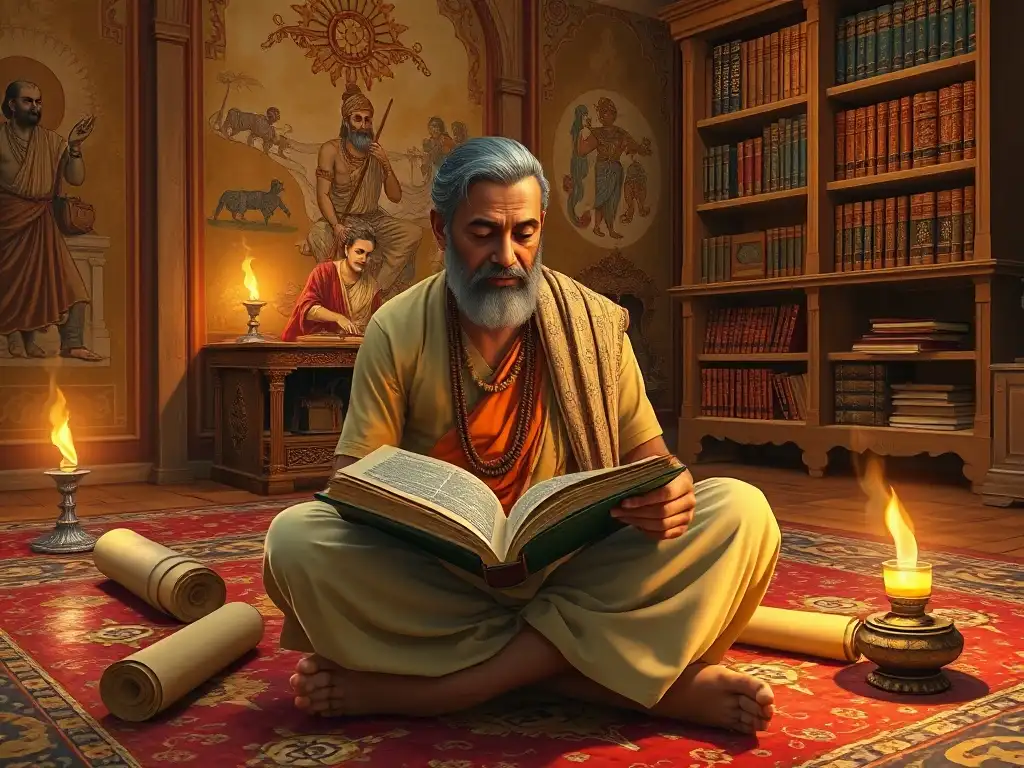
The Smriti tradition, while deeply influential in shaping ancient Indian society and ethics, has also faced significant criticism and challenges over the centuries. Scholars and practitioners have pointed out various limitations and issues related to the interpretation and application of these texts. Major criticisms include the rigidity of caste hierarchies, gender discrimination, and the potential for misinterpretation or misuse in enforcing social norms that may not align with contemporary ethical standards.
Historical Critiques of Smriti Texts
Historically, the Smriti texts, particularly the Manu Smriti, have been scrutinized for their endorsement of a rigid caste system and gender inequality. Critics argue that these texts often reflect the societal norms of their time, which may not be applicable or ethical in modern contexts. For instance, the Manu Smriti prescribes distinct roles and duties based on one's caste and gender, leading to systemic discrimination and social injustice. Many historians contend that such frameworks hinder social mobility and perpetuate inequality.
Furthermore, the historical context in which these texts were written raises questions about their authority and relevance. The Smriti texts are seen as secondary to the Shruti texts (like the Vedas), which are considered more sacred. This hierarchical view of texts leads to debates about which should guide ethical and legal considerations in society. Critics also highlight instances where the misinterpretation of Smriti has been used to justify oppressive practices, thereby calling into question the ethical implications of relying solely on these texts for social norms.
Modern Perspectives on Ancient Indian Ethics
In contemporary discussions, scholars and ethicists are reevaluating the Smriti tradition's contributions to ancient Indian ethics. Modern perspectives emphasize the dynamic nature of ethics, suggesting that while ancient texts provide valuable insights, they should not be seen as immutable laws. Many argue for a contextual interpretation of Smriti, suggesting that the ethical teachings can evolve to align with current societal values, such as equality and justice.
Additionally, modern discourse often highlights the need for critical engagement with these texts. Ethical frameworks inspired by Smriti can be reconciled with contemporary principles, allowing for a synthesis of ancient wisdom and modern ethical standards. This approach promotes a more inclusive understanding of ethics, respecting the historical significance of Smriti while advocating for progressive interpretations that benefit all sections of society.
Conclusion: The Legacy of the Smriti Tradition
The Smriti tradition has left an indelible mark on Indian society, shaping not only legal frameworks but also ethical norms and social behaviors. As a cornerstone of ancient Indian texts on ethics, Smriti continues to be a subject of both reverence and scrutiny. Its legacy is multifaceted, influencing various aspects of life, from daily conduct to broader societal structures.
Lasting Impact on Indian Society and Ethics
The impact of the Smriti tradition on Indian society is profound, particularly in the realm of ethics. Smriti texts have historically served as guides for ethical behavior, influencing everything from family dynamics to judicial practices. Their principles have permeated cultural and social practices, ensuring that ethical considerations remain a vital part of the Indian ethos. Even today, many of the values articulated in these texts resonate within modern Indian society, shaping discussions on morality, justice, and social responsibility.
Moreover, the integration of Smriti teachings into contemporary ethical debates highlights their enduring relevance. As society grapples with complex moral issues, the insights derived from these ancient texts continue to provide a framework for understanding ethical dilemmas, promoting discourse on justice, equality, and harmony.
Relevance of Smriti in Contemporary Discussions on Ethics
In contemporary discussions on ethics, the Smriti tradition is increasingly recognized for its potential to contribute to modern ethical frameworks. As society continues to evolve, the reinterpretation of Smriti texts can offer valuable lessons on moral conduct, social justice, and communal harmony. Ethicists and scholars advocate for a critical engagement with these texts, allowing for the extraction of timeless principles while discarding outdated practices.
The relevance of Smriti in today’s ethical landscape is also evident in its use as a reference point in legal discussions, social reform movements, and educational curricula. By fostering a dialogue between ancient wisdom and modern ethical considerations, the Smriti tradition remains a vital part of the discourse on ethics, encouraging individuals and communities to reflect on their moral responsibilities in a rapidly changing world.
Further Reading
The Smriti tradition represents a cornerstone of ancient Indian ethics and social norms, influencing numerous aspects of daily life, governance, and interpersonal relationships. To deepen your understanding of this intricate system, consider exploring the following texts and resources that provide valuable insights into ancient Indian ethics and the Smriti literature.
Suggested Texts on Ancient Indian Ethics
-
Manu Smriti
Often regarded as one of the most significant texts in the Smriti tradition, the Manu Smriti outlines the duties and responsibilities of individuals across various social strata. It serves as a foundational document for understanding ancient Indian legal principles and ethical guidelines.
-
Yajnavalkya Smriti
This text is notable for its focus on law and social order, providing insights into the ethical frameworks governing personal conduct and the justice system in ancient India.
-
Bhagavad Gita
While primarily a spiritual text, the Bhagavad Gita offers profound ethical teachings and dilemmas, addressing the complexities of duty (dharma) and righteousness in various life situations.
-
Arthashastra by Kautilya
Though often categorized as a treatise on statecraft and economics, the Arthashastra incorporates ethical principles that guide rulers in maintaining justice and social order.
-
The Dhammapada
This collection of sayings attributed to the Buddha presents an ethical code that complements the Smriti tradition, highlighting virtues such as compassion, truthfulness, and non-violence.
Resources for Exploring Smriti Literature
-
Online Libraries and Archives
Websites like the Internet Archive and Project Gutenberg offer access to translations and commentaries on ancient Indian texts. These platforms can be invaluable for researchers and enthusiasts alike.
-
Academic Journals
Journals focused on Indology and South Asian studies often publish articles on Smriti literature and ancient ethics. Subscribing to or accessing these journals can provide current scholarly perspectives.
-
University Courses
Many universities offer courses on ancient Indian philosophy, religion, and ethics, which often include the study of Smriti texts. Enrolling in these courses can provide structured insights and discussions.
-
Documentaries and Lectures
Educational platforms like Coursera and edX feature lectures and documentaries that cover the Smriti tradition and its ethical implications, making complex ideas more accessible.
-
Books by Renowned Scholars
Works by scholars such as R. C. Sharma and R. N. Dandekar delve into the historical and cultural contexts of Smriti texts, offering critical interpretations and insights that enhance understanding.
Engaging with these resources can significantly enrich your knowledge of ancient Indian texts and their role in shaping ethical norms across generations.
- Introduction to the Smriti Tradition
- Overview of Ancient Indian Texts
- Importance of Ethics in Ancient Indian Society
- Historical Context of the Smriti Texts
- Key Concepts of Ethics in Ancient Indian Texts
- Major Smriti Texts and Their Contributions
- The Role of Smriti in Shaping Social Norms
- Comparative Analysis of Smriti and Other Ancient Texts
- Criticism and Challenges of the Smriti Tradition
- Conclusion: The Legacy of the Smriti Tradition
- Further Reading
Frequently Asked Questions
What are ancient Indian texts and their significance?
Ancient Indian texts refer to a vast body of literature, including scriptures and philosophical works, that provide insight into the ethics, values, and social norms of ancient Indian civilizations.
The Smriti tradition consists of texts that are considered authoritative in guiding moral and ethical behavior, shaping societal structures, and influencing legal frameworks in ancient India.
What role did ethics play in ancient Indian society?
Ethics were central to ancient Indian society, dictating the behavior of individuals and communities, and ensuring harmony through principles outlined in texts such as the Manusmriti and the Bhagavad Gita.
Are there modern interpretations of ancient Indian ethics?
Yes, many scholars and practitioners explore how ancient Indian ethics can inform contemporary issues, emphasizing the relevance of texts in addressing moral dilemmas and promoting social justice today.
Key texts include the Manusmriti, which outlines social duties, and the Bhagavad Gita, which discusses dharma and the ethical responsibilities of individuals in various situations.
Final Reflection: The Enduring Legacy of Ancient Indian Texts on Ethics
The teachings of ancient Indian texts continue to resonate deeply in our contemporary society, reminding us of the profound connection between ethics and social norms. As we navigate the complexities of modern life, the wisdom encapsulated in texts like the Manusmriti and the Dharmashastras serves as a guiding light, urging us to reflect on our moral compass and the values we uphold. In an era where ethical dilemmas abound, the relevance of these ancient teachings is more crucial than ever, challenging us to align our actions with principles that foster harmony and justice.
The Smriti tradition has not only shaped the ethical frameworks of ancient societies but also continues to influence cultural and social landscapes today. As we witness the ongoing debates surrounding morality, justice, and societal roles, it becomes evident that these ancient texts provide a rich reservoir of insights that can inform our understanding of contemporary issues. The past is never dead. It's not even past.
— William Faulkner. This quote encapsulates the idea that our historical narratives and ethical foundations remain intertwined with our present, urging us to draw lessons from the past as we forge our future.
As you reflect on the teachings of the Smriti tradition, consider how these ancient texts can inspire you to cultivate ethical practices in your own life. Take a moment to ponder the values that guide your decisions and interactions with others. Embrace the opportunity to integrate the wisdom of ancient Indian texts into your daily life, fostering a deeper understanding of ethics that transcends time and culture. Let this reflection inspire you to be a beacon of integrity and compassion in your community, ensuring that the lessons of the past continue to illuminate the path forward.
Unveil the Wisdom of the Smriti Tradition!
Thank you for diving into the fascinating world of the Smriti tradition with us! By exploring how ancient texts shaped social norms and ethics, you’ve taken the first step toward understanding their profound impact on society.
Now, let's bring this knowledge to life with these inspiring actions:
- Engage with a Smriti text: Select a specific Smriti text that intrigues you and commit to reading a chapter this week. Reflect on how its teachings can be relevant to your life today.
- Join a discussion group: Organize or participate in a local or online forum where you can share insights and interpretations of Smriti texts with others who are equally interested.
- Share your thoughts: Write a brief post or create a video discussing how the Smriti tradition resonates with contemporary ethical dilemmas. Encourage your friends to join the conversation!
What insights will you uncover from the Smriti texts that can influence your daily choices?