
Architectural Marvels: Indian Styles in Chinese Temples and Monasteries

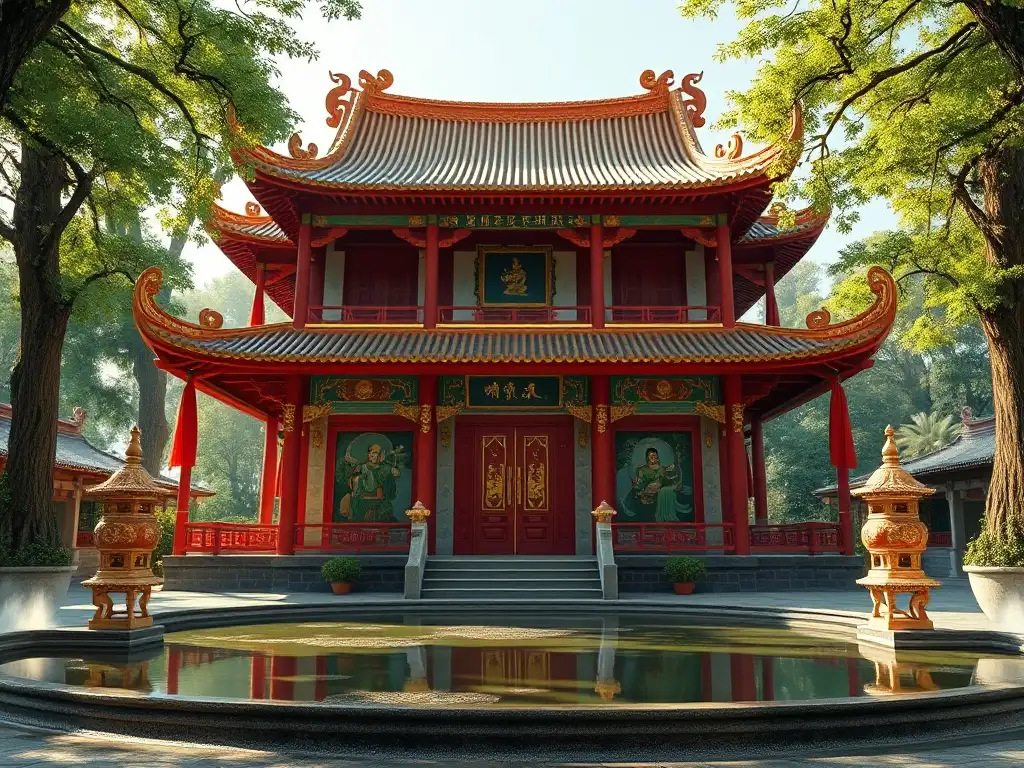
Welcome to Ancient India History, where we delve into the rich tapestry of ancient Indian civilizations and their profound impact on the world. In our featured article, "Architectural Marvels: Indian Styles in Chinese Temples and Monasteries," we uncover the fascinating Indian architectural influences in China—a testament to the vibrant interaction between cultures. Prepare to be captivated as we explore how the exquisite designs and philosophies of ancient India transcended borders, shaping the very essence of Chinese architecture. Join us on this enlightening journey and discover the interconnectedness of civilizations that continues to inspire!

Introduction to Indian Architectural Influences in China
The architectural landscape of China showcases a fascinating tapestry of designs, techniques, and styles, significantly shaped by various cultural influences throughout its history. Among these influences, the contributions of Indian architecture stand out as a monumental chapter that reflects the deep-rooted exchanges between two of the world's oldest civilizations.
From the intricate carvings of Buddhist stupas to the grandeur of temple complexes, the remnants of Indian architectural styles in China reveal a rich narrative of artistic and spiritual dialogue. This article delves into the Indian architectural influences in China, exploring how these exchanges have left an indelible mark on Chinese temples and monasteries.
Overview of Indian Architectural Styles
Indian architecture is characterized by its diversity and regional variations, ranging from the monumental stone structures of the Maurya period to the intricate designs of the Gupta Empire. Key features of Indian architectural styles include:
- Stupas: These dome-shaped structures, originally built to house relics, exemplify the sacred geometry and symbolism prevalent in Indian architecture.
- Temples: The intricate carvings and towering shikhara (spires) of Hindu temples showcase a culmination of artistry and devotion.
- Monastic Complexes: The rock-cut caves, such as those at Ajanta and Ellora, demonstrate advanced engineering techniques and artistic expression.
These architectural elements not only served religious purposes but also reflected the socio-political contexts in which they were built, influencing architectural practices across borders, including in China.
Significance of Indian Influences in Chinese Religion and Culture
The impact of Indian architecture on Chinese religious structures extends beyond mere aesthetics; it represents a profound exchange of spiritual ideas and cultural values. The introduction of Buddhism from India to China brought with it a wealth of architectural knowledge that reshaped Chinese temple design. Key aspects include:
- Symbolism: Indian architectural elements often carried deep symbolic meanings, which were integrated into Chinese temple architecture, enhancing the spiritual atmosphere.
- Buddhist Iconography: The depiction of Buddhist deities and narratives in Indian style influenced the iconographic choices made by Chinese artists and architects.
- Cultural Syncretism: The blend of Indian and Chinese architectural styles led to unique structures that embodied a fusion of cultural identities and practices.
Historical Context of Indian and Chinese Interactions
To fully appreciate the architectural exchanges between India and China, it is essential to explore the historical context that facilitated these interactions.
Ancient Trade Routes and Cultural Exchanges
The Silk Road, a network of trade routes that connected the East and West, played a pivotal role in the exchange of goods, ideas, and cultural practices. Indian merchants and travelers traversed these routes, bringing with them not only trade items but also architectural knowledge and religious philosophies. This exchange resulted in:
- Cross-Cultural Interactions: The influx of Indian artisans and architects into China contributed to the development of new architectural styles and techniques.
- Trade in Ideas: Religious texts, art, and architectural plans circulated along these routes, fostering an environment ripe for cultural syncretism.
The Spread of Buddhism and Indian Architecture
The arrival of Buddhism in China during the Han Dynasty marked a significant turning point in the architectural landscape. Indian architectural principles were adapted to local contexts, leading to the creation of distinct Buddhist structures. Notable developments include:
- Pagodas: Originating from the Indian stupa, the pagoda evolved into a unique form in China, characterized by its multi-tiered structure and decorative elements.
- Monasteries: The establishment of Buddhist monasteries in China mirrored Indian monastic architecture, featuring courtyards, prayer halls, and meditation spaces.
This rich tapestry of influence and adaptation highlights the enduring legacy of Indian architecture within Chinese culture, demonstrating how cross-cultural exchanges can lead to the creation of architectural marvels that resonate through history.
Major Indian Architectural Features in Chinese Temples
The architectural influences of India on Chinese temples are profound and multifaceted. Various elements from Indian architecture can be observed in the design and structure of these temples, reflecting a cross-cultural exchange that began as early as the Han dynasty. Key features that illustrate this influence include stupas, mandapas, intricate decorative motifs, and the overall layout of the temples. These elements not only showcase structural ingenuity but also symbolize the spiritual and philosophical ties between the two civilizations.
One of the most significant Indian influences in Chinese temple architecture is the stupa, which served as a reliquary in Buddhist tradition. The incorporation of stupas into Chinese designs can be linked to the spread of Buddhism along the Silk Road. The architectural principles of stupas—such as their hemispherical dome shape and the symbolic representation of Buddhist teachings—have found their counterparts in China's pagodas.
In addition to stupas, the mandapa—a pillared hall or pavilion used for various purposes in Hindu and Buddhist temples—also made its way into Chinese architecture, albeit with adaptations. The use of decorative motifs, such as lotus flowers and various depictions of Buddha, further emphasizes the aesthetic and spiritual connections between Indian and Chinese designs. These motifs often serve to narrate religious stories and convey philosophical meanings, enhancing the cultural richness of the temples.
Stupas and Pagodas: Similarities and Differences
Stupas and pagodas represent two architectural forms that share a common spiritual purpose yet possess distinct characteristics shaped by their cultural contexts. A stupa, originating from ancient India, is a mound-like structure that serves as a reliquary for sacred relics, often topped with a harmika. Stupas are typically hemispherical, symbolizing the universe and enlightenment.
Pagodas, on the other hand, evolved in China as a multi-tiered structure, often with an odd number of levels, reflecting traditional Chinese beliefs. While pagodas may serve similar religious functions, they differ in architectural style. Pagodas feature eaves that curve upward and are often constructed with wood, which is more prevalent in Chinese architecture, while stupas are primarily stone or brick constructions.
Despite these differences, both architectural forms exhibit a shared reverence for Buddhism. The transition from stupas to pagodas illustrates how Indian architectural concepts were adapted and transformed by Chinese artisans, merging local traditions with imported ideas. This synthesis is a testament to the dynamic cultural exchanges between India and China throughout history.
Use of Mandapas and Their Chinese Counterparts
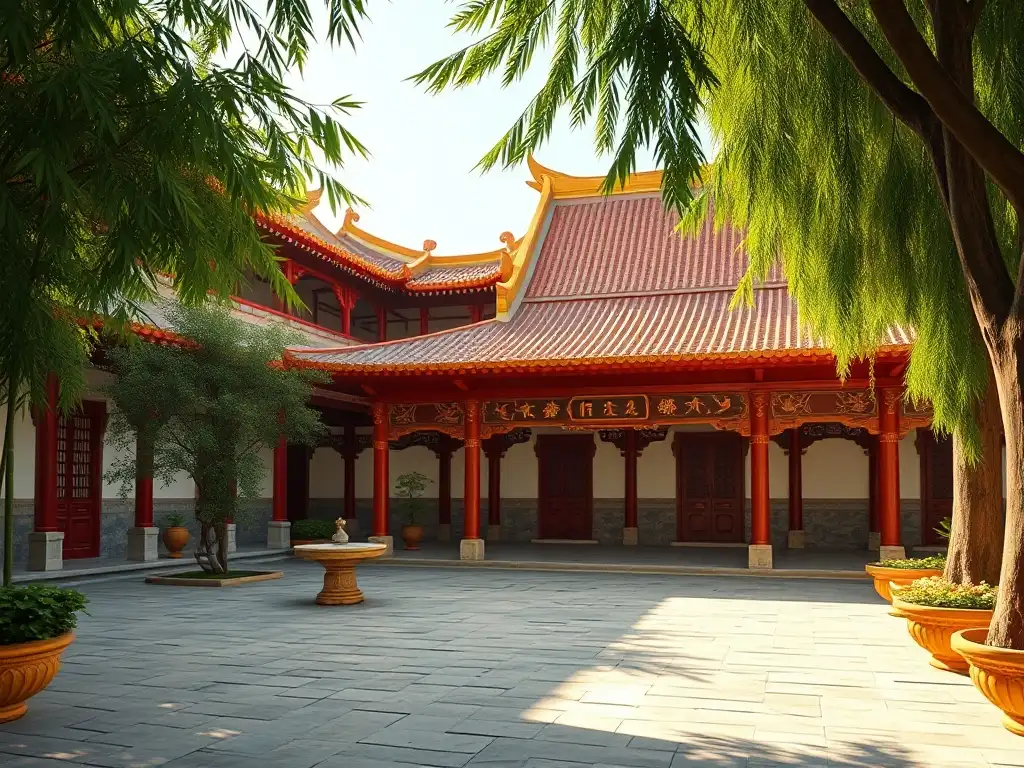
Mandapas, or pillared halls, are integral components of Indian temple architecture, serving as spaces for congregation, rituals, and meditation. In the context of Chinese temples, similar structures can be found, often referred to as "halls" or "pavilions." The Chinese counterparts serve similar purposes, acting as gathering spaces for worshippers and housing important religious artifacts.
The design of mandapas typically features intricately carved pillars and a spacious layout, allowing for the seamless flow of movement and light, which is essential for spiritual activities. In China, the equivalent halls often incorporate wooden beams and elaborate eaves, reflecting local architectural styles while maintaining the mandapa's core functional aspect.
The use of mandapas and their Chinese counterparts underscores the shared emphasis on communal worship and spiritual engagement. This architectural similarity not only highlights the influence of Indian design on Chinese temples but also reinforces the interconnectedness of religious practices across cultures.
Indian Decorative Motifs in Chinese Temples
The decorative motifs found in Chinese temples reveal a rich tapestry of Indian influences, particularly in the realm of Buddhism. Common Indian motifs, such as the lotus flower, the wheel of dharma, and various depictions of bodhisattvas, have been integrated into Chinese temple art. These motifs carry deep spiritual significance, symbolizing purity, enlightenment, and the path to nirvana.
Lotus flowers, often depicted in Chinese temple carvings, are emblematic of the Buddhist belief in rising above worldly suffering. Similarly, the wheel of dharma signifies the teachings of the Buddha and the cycle of life and rebirth. These motifs are not merely decorative; they serve to narrate the fundamental tenets of Buddhism and to inspire devotion among worshippers.
The adaptation of these Indian decorative elements into Chinese temple architecture demonstrates the fluidity of artistic expression across cultures. As artisans and architects shared ideas, they created a unique visual language that reflects both Indian and Chinese philosophies, enriching the spiritual experience within these sacred spaces.
Case Studies of Notable Temples and Monasteries
The White Horse Temple: A Fusion of Styles
The White Horse Temple, located in Luoyang, is one of the earliest Buddhist temples in China and an exemplary case of Indian architectural influence. Established in the 1st century CE, it served as a significant center for the propagation of Buddhism. The temple showcases a blend of Indian and Chinese architectural styles, evident in its layout and structural elements.
The temple features a central hall that mirrors the mandapa design, with intricately carved pillars supporting the roof. The use of stupas within the temple complex further emphasizes its Indian roots, creating a sacred space that reflects the dual heritage of Indian and Chinese cultures. The White Horse Temple stands as a testament to the enduring impact of Indian architecture on Chinese religious practices.
The Giant Wild Goose Pagoda: Indian Influences Explored
The Giant Wild Goose Pagoda, built in the 7th century during the Tang dynasty, is another significant example of Indian architectural influence in China. Originally constructed to house Buddhist scriptures brought back from India by the monk Xuanzang, the pagoda exhibits distinct features reminiscent of Indian stupas.
The structure's tiered design and the use of brick reflect Indian architectural principles, while the incorporation of Chinese aesthetics, such as the curved eaves, showcases a harmonious synthesis of the two styles. The Giant Wild Goose Pagoda serves not only as a religious site but also as a symbol of the cultural exchange that flourished along the Silk Road.
The Yonghe Temple: Architectural Synthesis of Indian and Chinese Elements
The Yonghe Temple, also known as the Lama Temple, is a prominent Tibetan Buddhist temple in Beijing that exemplifies the synthesis of Indian and Chinese architectural elements. Constructed in the late 17th century, the temple features intricate carvings and vibrant colors that draw from both traditions.
The temple's layout includes halls that resemble mandapas, providing spaces for worship and meditation. Additionally, the presence of stupas and various decorative motifs highlights the Indian influence. The Yonghe Temple stands as a vibrant example of how Indian architectural concepts have been seamlessly integrated into the Chinese cultural landscape, reflecting the enduring legacy of cross-cultural interactions.
The Role of Indian Monks in Shaping Chinese Architecture

The exchange between Indian and Chinese cultures, particularly in the realm of architecture, was significantly influenced by Indian monks who traveled to China. These monks were not merely spiritual guides; they were also cultural ambassadors who introduced Indian architectural principles and styles to Chinese society. Their journeys, often undertaken to spread Buddhism, led to the establishment of temples and monasteries that incorporated Indian architectural elements.
Indian monks such as Xuanzang and Faxian are notable figures in this cultural exchange. They traveled extensively across regions, documenting their experiences and observations. Xuanzang, in particular, returned to China with not only sacred texts but also insights into the architectural styles that characterized Indian religious structures. Their influence is evident in the design and layout of Chinese pagodas and temples, which began to reflect features akin to Indian stupas, emphasizing verticality and intricate ornamentation.
Furthermore, the monks played a pivotal role in training local artisans and builders, imparting their knowledge of construction techniques and aesthetics. This transfer of knowledge fostered a unique architectural style that blended Indian influences with traditional Chinese elements, resulting in structures that were both functional and symbolic.
Key Figures: Indian Monks and Their Contributions
Several Indian monks stand out for their significant contributions to the architectural landscape of China.
- Xuanzang (602-664 CE): Perhaps the most famous, Xuanzang traveled to India to acquire Buddhist texts and returned with not only scriptures but also architectural knowledge that influenced the design of Chinese Buddhist temples. His accounts detail the grandeur of Indian stupas, inspiring similar structures in China.
- Faxian (c. 337-422 CE): Another prominent monk, Faxian journeyed to India in search of Buddhist texts. His observations on temple architecture provided insights into how Indian architectural styles were adapted within the Chinese context.
- Bodhidharma (c. 5th-6th century CE): Regarded as the founder of Zen Buddhism in China, Bodhidharma's arrival contributed to the establishment of monasteries that harmonized Indian architectural styles with local aesthetics, emphasizing simplicity and natural beauty.
These figures not only played crucial roles in the dissemination of Buddhist philosophy but also in the architectural development that accompanied the rise of Buddhism in China. Their legacies are reflected in numerous temples and monasteries, which serve as testaments to the enduring influence of Indian architectural styles.
The Influence of Indian Rituals on Chinese Temple Design
The integration of Indian rituals into Chinese temple design profoundly impacted the spatial organization and aesthetics of these structures. Indian temple architecture often emphasizes the relationship between the sacred and the spatial environment, where rituals dictate the design and layout. This principle was adopted by Chinese architects, leading to the creation of temples that facilitated specific religious practices.
For instance, the circumambulation ritual, a significant aspect of Indian worship, found its way into Chinese Buddhist practices. Temples were designed with pathways that allowed devotees to walk around the sacred structures, reflecting a blend of Indian and Chinese ritualistic elements.
Moreover, the incorporation of elaborate carvings and iconography inspired by Indian iconography became common in Chinese temples. These artistic elements not only served decorative purposes but also reinforced the religious narratives that were central to both Indian and Chinese beliefs. The resulting architectural forms were not only places of worship but also embodiments of cultural synthesis, showcasing the rich tapestry of Indian influences in Chinese spiritual life.
Conclusion: Legacy of Indian Architectural Influences in China
The architectural legacy of Indian influences in China is profound, marking a significant chapter in the history of cross-cultural exchanges. The introduction of Indian styles and techniques has led to the creation of numerous iconic structures that symbolize the fusion of two rich cultures. From the intricate carvings of pagodas to the layout of Buddhist temples, the impact of Indian architecture is evident throughout China.
Lasting Impact on Chinese Religious Structures
The lasting impact of Indian architectural influences can be seen in various aspects of Chinese religious structures. Many of these buildings adopted features such as tiered roofs, elaborate stone carvings, and expansive courtyards, which are reminiscent of Indian architecture. The structural elements that promote verticality and grandeur also reflect Indian styles, enhancing the spiritual atmosphere of these spaces.
Additionally, the architectural concepts introduced by Indian monks have persisted into modern times, influencing contemporary temple designs. As a result, many of today's Buddhist temples in China still exhibit characteristics that trace back to Indian architectural principles, forging a continuous link to their historical roots.
Future Research Directions in Indian-Chinese Architectural Studies
The field of Indian-Chinese architectural studies is ripe for further exploration. Future research can delve into specific case studies of temples and monasteries that showcase Indian influences, providing deeper insights into the nuances of architectural adaptation.
Areas of interest include:
- Comparative studies of architectural elements between Indian and Chinese temples.
- Investigations into the roles of specific monks and their contributions to architecture.
- Analysis of regional variations in Indian architectural influences across different parts of China.
By pursuing these avenues, scholars can expand our understanding of how Indian architectural traditions have not only shaped Chinese structures but also contributed to the broader narrative of cultural exchange in Asia. This ongoing dialogue between the two civilizations continues to inspire and inform modern architectural practices.
References and Suggested Further Reading
To gain a deeper understanding of the Indian architectural influences in China, it is essential to explore a variety of texts and studies that delve into this fascinating intersection of cultures. Below are some key texts and archaeological findings that provide invaluable insights into this topic.
Key Texts on Indian Architectural Influence in China
-
"Indian Architecture: Buddhist and Hindu" by T. Richard Blurton
This comprehensive work explores the evolution of Indian architecture, focusing on how Buddhist and Hindu styles influenced neighboring regions, including China. Blurton's analysis of architectural features provides a solid foundation for understanding the cross-cultural exchanges that shaped temple designs.
-
"The Buddhist Architecture of China" by John M. Rosenfield
This book highlights the significant role that Indian architectural principles played in the development of Chinese Buddhist structures. Rosenfield's detailed descriptions of temple layouts and decorative motifs illustrate the direct influences of Indian designs on Chinese architecture.
-
"Cultural Exchanges between India and China" by J. L. Brockington
Brockington discusses the broader cultural exchanges between India and China, including architecture, art, and religion. This text emphasizes the interconnectedness of these civilizations and how architectural styles reflect their historical interactions.
-
"A History of Chinese Architecture: From the Earliest Times to the Present Day" by Liang Sicheng
Liang's authoritative work on Chinese architecture also touches upon the Indian influences that permeated various dynasties. His analysis of architectural forms and structures provides a contextual backdrop for understanding the incorporation of Indian styles.
Important Archaeological Findings and Studies
-
The Longmen Grottoes
Located in Luoyang, the Longmen Grottoes are a prime example of Indian influence on Chinese rock-cut architecture. The intricate carvings and statues within these caves showcase Indian stylistic elements, particularly in their portrayal of Buddhist deities. Archaeological studies reveal that the caves were developed during the Northern Wei dynasty, reflecting significant Indian artistic contributions.
-
Dunhuang Caves
The Dunhuang Caves, part of the Silk Road network, serve as a vital site for understanding the spread of Indian architectural styles in China. The murals and sculptures found here reveal a blend of Indian and Chinese artistic traditions, emphasizing the exchange of ideas between the two cultures. Recent excavations have uncovered more evidence of this interaction, further strengthening the case for Indian influences.
-
The Yungang Grottoes
Another significant archaeological site, the Yungang Grottoes, showcases a fusion of Indian and Chinese architectural styles. The large statues and elaborate carvings are reminiscent of Indian Buddhist art, indicating a direct inspiration from Indian models. Studies conducted at this site have highlighted the gradual adaptation of these styles into the local context.
-
The Influence of Indian Stupas in Chinese Pagodas
Research on the evolution of pagodas in China has revealed that many structural elements are derived from Indian stupas. Studies indicate that the tiered design of pagodas reflects the architectural principles established in Indian stupas, illustrating the enduring impact of Indian architecture on Chinese temple construction.
These texts and archaeological findings collectively shed light on the significant Indian architectural influences in China, enriching our understanding of the historical exchanges between these two great civilizations.
- Introduction to Indian Architectural Influences in China
- Historical Context of Indian and Chinese Interactions
- Major Indian Architectural Features in Chinese Temples
- Stupas and Pagodas: Similarities and Differences
- Use of Mandapas and Their Chinese Counterparts
- Indian Decorative Motifs in Chinese Temples
- Case Studies of Notable Temples and Monasteries
- The Role of Indian Monks in Shaping Chinese Architecture
- Conclusion: Legacy of Indian Architectural Influences in China
- References and Suggested Further Reading
- What are the main Indian architectural influences in China?
- How did Indian architecture impact Chinese temple designs?
- Are there specific examples of Indian styles found in Chinese structures?
- What role did Buddhism play in the architectural exchange between India and China?
- How can the study of Indian architectural influences help us understand cultural exchanges?
Frequently Asked Questions
What are the main Indian architectural influences in China?
The Indian architectural influences in China primarily stem from Buddhist temples and monasteries that adopted Indian designs, notably during the Tang Dynasty.
How did Indian architecture impact Chinese temple designs?
Indian architecture introduced unique features such as stupas, intricate carvings, and the use of symmetry, which became integral to Chinese temple design during the spread of Buddhism.
Are there specific examples of Indian styles found in Chinese structures?
Yes, notable examples include the Giant Wild Goose Pagoda in Xi'an, which showcases Indian architectural elements, reflecting the exchange of culture between India and China.
What role did Buddhism play in the architectural exchange between India and China?
Buddhism was a key factor, as it facilitated the movement of architectural styles along trade routes, leading to the integration of Indian elements in Chinese religious buildings.
How can the study of Indian architectural influences help us understand cultural exchanges?
Studying these influences reveals the interconnectedness of ancient civilizations, highlighting how architecture served as a medium for cultural exchange and mutual inspiration between India and China.
Final Reflection: The Enduring Legacy of Indian Architectural Influences in China
The intricate tapestry of Indian architectural influences in China serves as a profound reminder of our interconnected histories and cultures. Today, as we navigate an increasingly globalized world, the architectural marvels that blend these two rich traditions stand as testaments to the power of cultural exchange and the beauty that arises from collaboration. The fusion of Indian styles in Chinese temples and monasteries not only enriches the aesthetic landscape but also deepens our understanding of shared human experiences across borders.
The impact of Indian architectural influences in China extends beyond mere aesthetics; it shapes cultural narratives and spiritual practices. These structures are not just buildings; they are symbols of dialogue between civilizations, reflecting the historical interactions that have taken place over centuries. As we admire these architectural wonders, we are reminded of the words of architect Louis Kahn: A great building must begin with the unmeasurable, must go through measurable means when it is being designed and in the end must be unmeasurable.
This sentiment encapsulates the essence of how these influences transcend physical form, inviting us to explore the deeper meanings and connections they embody.
As we reflect on the lessons drawn from the architectural marvels discussed in this article, I invite you to consider how you can embrace the spirit of cultural exchange in your own life. Seek out opportunities to learn from diverse traditions, appreciate the beauty in differences, and foster connections that celebrate our shared humanity. In doing so, we not only honor the legacy of Indian architectural influences in China but also contribute to a future where collaboration and understanding flourish.
Unveil the Beauty of Cultural Synergy!
Thank you for exploring the fascinating intersection of Indian architectural styles in Chinese temples and monasteries. We hope you gained a deeper appreciation for how cultures blend to create stunning monuments. Now, it’s time to take that knowledge and make it your own!
Here are some actions you can dive into today:
- Explore Local Temples: Visit nearby temples or monasteries that showcase architectural influences from various cultures. Take your time to observe the unique features and historical significance.
- Start a Discussion: Share your thoughts on this topic with friends or family. Consider organizing a small gathering to discuss how architecture reflects cultural exchanges through the ages.
- Document Your Discoveries: Create a blog or photo journal capturing architectural marvels in your area. You might surprise yourself with the rich history surrounding you!
What thoughts or stories do you have about the architectural wonders in your own community? **Share your experiences below and let’s celebrate these incredible connections! **