
The Invention of the Potter's Wheel: A Technological Marvel of the Indus Valley

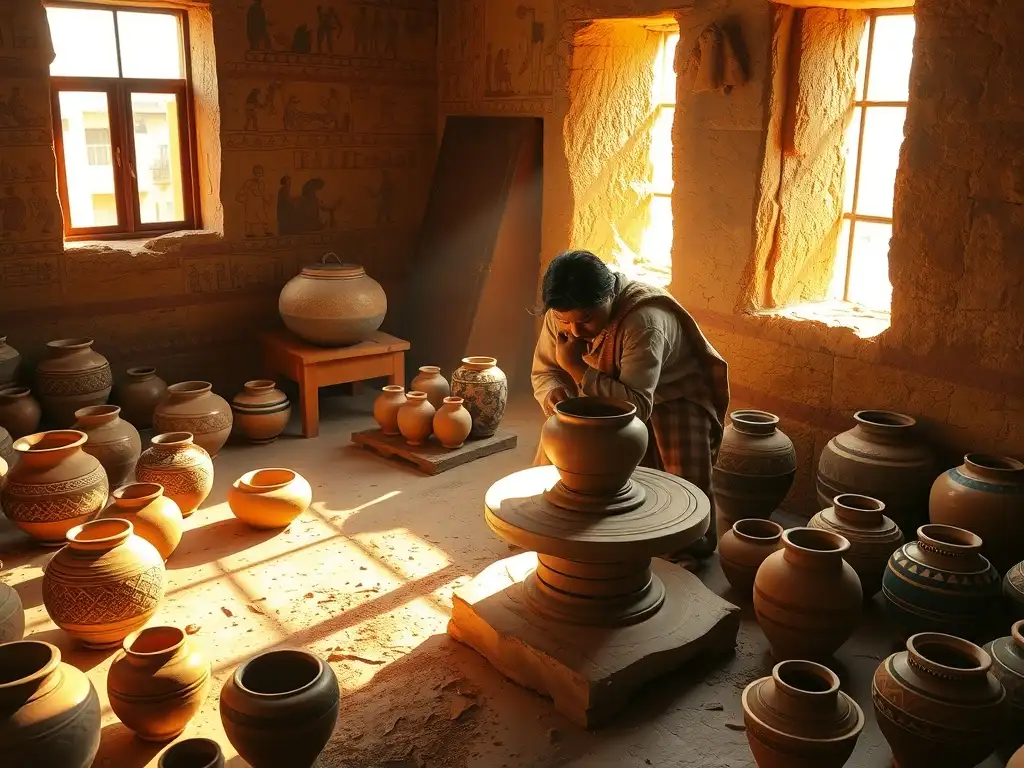
Welcome to Ancient India History, where we journey through the remarkable tapestry of civilizations that have shaped India’s past. Today, we delve into the intriguing history of the Indus Valley potter's wheel, a technological marvel that revolutionized craftsmanship and trade in one of the world's earliest urban cultures.
As we explore this pivotal invention, you'll uncover not only its significance in ancient Indian society but also the profound impact it had on the art of pottery and daily life. Join us as we unravel the secrets of the potter's wheel and its enduring legacy in shaping the rich heritage of ancient India.
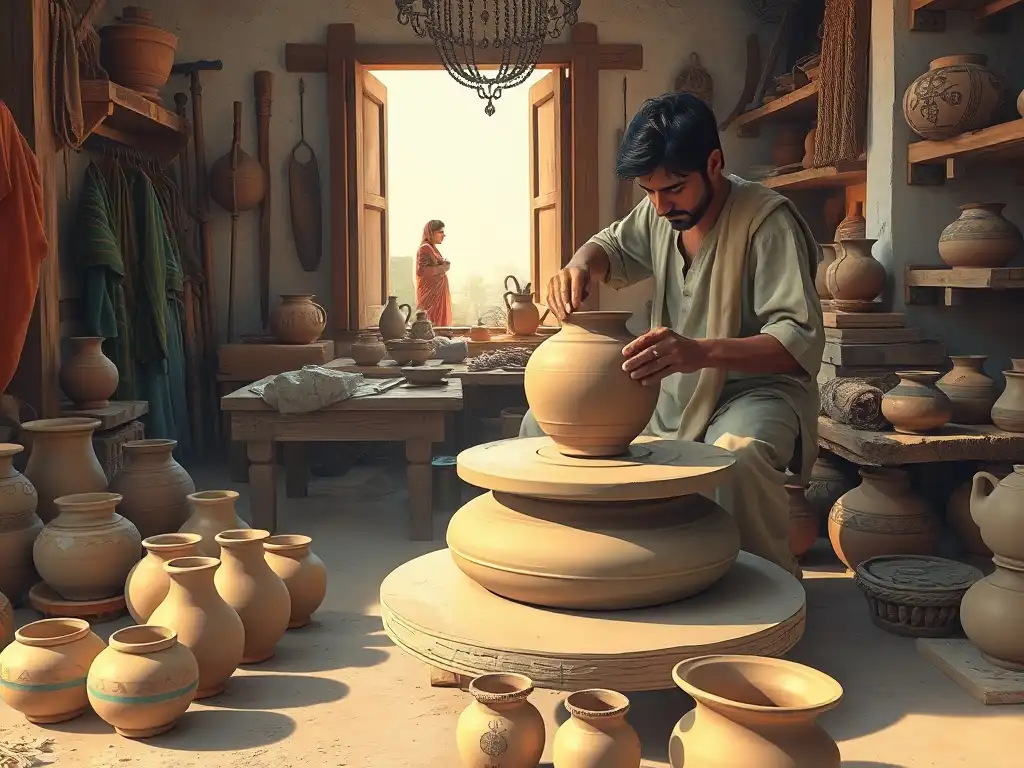
The invention of the potter's wheel stands as one of the most significant technological advancements of the Indus Valley Civilization, reflecting the innovative spirit and craftsmanship that characterized this ancient society. The potter's wheel not only revolutionized pottery-making but also played a crucial role in the economic and cultural development of the region.
This article delves into the history of the potter's wheel within the context of the Indus Valley, exploring its origins, features, and the broader implications of such technological marvels in shaping the civilization's legacy. By understanding the Indus Valley potter's wheel history, we can appreciate the intricate relationship between technology and daily life in one of the world's earliest urban cultures.
Introduction to the Indus Valley Civilization
Overview of the Indus Valley Civilization
The Indus Valley Civilization, which thrived between approximately 3300 and 1300 BCE, was one of the world's earliest urban societies. Spanning across modern-day Pakistan and northwest India, this civilization is renowned for its advanced city planning, architecture, and social organization. Major urban centers such as Harappa and Mohenjo-Daro exemplify the remarkable achievements of this culture, showcasing sophisticated drainage systems, standardized brick sizes, and well-structured streets.
- Major Features:
- Urban planning and grid layouts
- Advanced drainage and sanitation systems
- Trade networks extending to Mesopotamia and beyond
This civilization's contributions to technology, including metallurgy, textiles, and agricultural practices, laid the groundwork for future advancements in the subcontinent.
Importance of Technological Innovations in Ancient India
Technological innovations played a pivotal role in the growth and sustainability of ancient Indian civilizations. The developments in tools, agriculture, and crafts not only enhanced productivity but also influenced social structures and trade relations.
- Key Innovations:
- Agricultural tools that improved crop yields
- The use of metallurgy for weaponry and tools
- Pottery techniques that reflected artistic expression
The potter's wheel, in particular, is a testament to the ingenuity of the Indus Valley people, allowing for the mass production of pottery that was essential for storage, cooking, and trade.
The Indus Valley Potter's Wheel: A Historical Perspective
Origins of the Potter's Wheel in the Indus Valley
The origins of the potter's wheel in the Indus Valley can be traced back to around 3000 BCE. Archaeological evidence suggests that this technology was developed independently by the people of the Indus Valley, marking a significant advancement in pottery-making techniques. The introduction of the potter's wheel allowed artisans to create symmetrical and finely crafted pottery, which was previously made by hand.
- Significance of the Development:
- Enhanced efficiency and productivity in pottery production
- Allowed for the creation of more complex and diverse designs
- Contributed to the economic growth through increased trade of pottery goods
Key Features of the Indus Valley Potter's Wheel
The potter's wheel of the Indus Valley is characterized by several distinctive features that underscore its sophistication:
- Design and Structure:
- Typically made from clay or wood
- Operated by foot or hand, allowing for faster spinning
- Pottery Styles:
- Use of intricate designs and motifs, including geometric patterns
- Varied shapes and sizes to cater to different functional needs
The advancement represented by the potter's wheel not only highlights the technological prowess of the Indus Valley Civilization but also reflects the cultural significance of pottery in their daily lives and trade practices. Understanding the Indus Valley potter's wheel history provides valuable insights into the ingenuity and resourcefulness of this ancient civilization.
The Significance of the Potter's Wheel in Indus Valley Society
The potter's wheel was an extraordinary invention that revolutionized pottery production in the Indus Valley Civilization (IVC). This technological marvel not only enhanced the efficiency of pottery making but also played a crucial role in the economic, social, and cultural fabric of the society. By allowing potters to create symmetrical and uniform vessels, the wheel facilitated the production of a wide range of pottery styles, from everyday utilitarian items to intricate decorative pieces.
The introduction of the potter's wheel marked a significant shift towards specialized craftsmanship, which contributed to the growth of trade both within and outside the IVC. The ability to produce high-quality pottery in large quantities led to the development of a thriving market, where artisans could sell their wares, thereby increasing the economic stability of the region. Furthermore, pottery became a medium through which artistic expression flourished, reflecting the aesthetic values and cultural identity of the Indus Valley people.
Economic Impact of Potter's Wheel Technology
The potter's wheel had profound economic implications for the Indus Valley Civilization. Firstly, it enabled potters to produce a greater volume of pottery, which met the increasing demands of a growing population. This mass production reduced the cost of pottery, making it more accessible to various social classes.
Moreover, the surplus of pottery created new opportunities for trade. The Indus Valley potters not only catered to local markets but also exchanged their products with neighboring civilizations, such as Mesopotamia. This exchange of goods fostered economic interconnectivity, allowing for the flow of materials and ideas. The presence of pottery in archaeological sites beyond the Indus Valley indicates a well-established trade network, showcasing the economic prowess of this ancient civilization.
Social and Cultural Implications of Pottery Production
The production of pottery through the potter's wheel also had significant social and cultural implications. Pottery served not only as functional items for storage and cooking but also as symbols of status and identity. Elaborate designs and intricate decorations often indicated the wealth and social standing of the owner.
Culturally, pottery played a vital role in rituals and ceremonies. Certain vessels were crafted specifically for religious purposes, suggesting that pottery production was intertwined with spiritual beliefs. The styles and motifs used in pottery reflected the values and stories of the Indus Valley people, serving as a medium for cultural expression. The collaborative nature of pottery making often brought communities together, reinforcing social bonds and collective identity among the artisans and their patrons.
The Craftsmanship Behind the Potter's Wheel
Pottery in the Indus Valley was not merely a utilitarian craft; it was an art form that showcased the skill and creativity of its artisans. The craftsmanship behind the potter's wheel involved meticulous techniques and a deep understanding of materials, resulting in high-quality pottery that has endured through the ages.
Materials Used in Potter’s Wheel Construction
The construction of the potter's wheel in the Indus Valley utilized locally available materials such as clay, wood, and stone. The wheel itself was typically made from a solid base of stone or a wooden platform, with a rotating top made from clay. The choice of materials was crucial, as they needed to withstand the rigors of pottery production while allowing for smooth rotation.
Additionally, the clay used for creating pottery was often sourced from riverbanks, where it was rich in minerals. This type of clay provided the necessary plasticity for shaping and firing. The artisans also experimented with different additives, such as sand or grog (crushed fired pottery), to enhance the strength and durability of their wares.
Techniques Employed by Indus Valley Potters
Indus Valley potters employed a range of techniques to maximize the potential of the potter's wheel. The wheel allowed for the creation of symmetrical shapes, which was a significant advancement over hand-built pottery. Artisans skillfully controlled the speed and pressure applied to the clay, enabling them to produce various forms, from simple bowls to elaborate storage jars.
Firing techniques played a vital role in the final quality of the pottery. Potters utilized kilns that allowed for high-temperature firing, which resulted in strong and durable finished products. The use of glazes and decorative patterns further enhanced the aesthetic appeal of the pottery. The intricate designs often included geometric patterns and motifs that held cultural significance, reflecting the rich artistic heritage of the Indus Valley Civilization.
The invention of the potter's wheel was a transformative technological advancement that impacted various aspects of life in the Indus Valley, from economic growth to social cohesion and artistic expression. The craftsmanship behind this technology exemplified the ingenuity and skill of the ancient potters, making it a cornerstone of Indus Valley culture and history.
Comparison with Other Ancient Civilizations
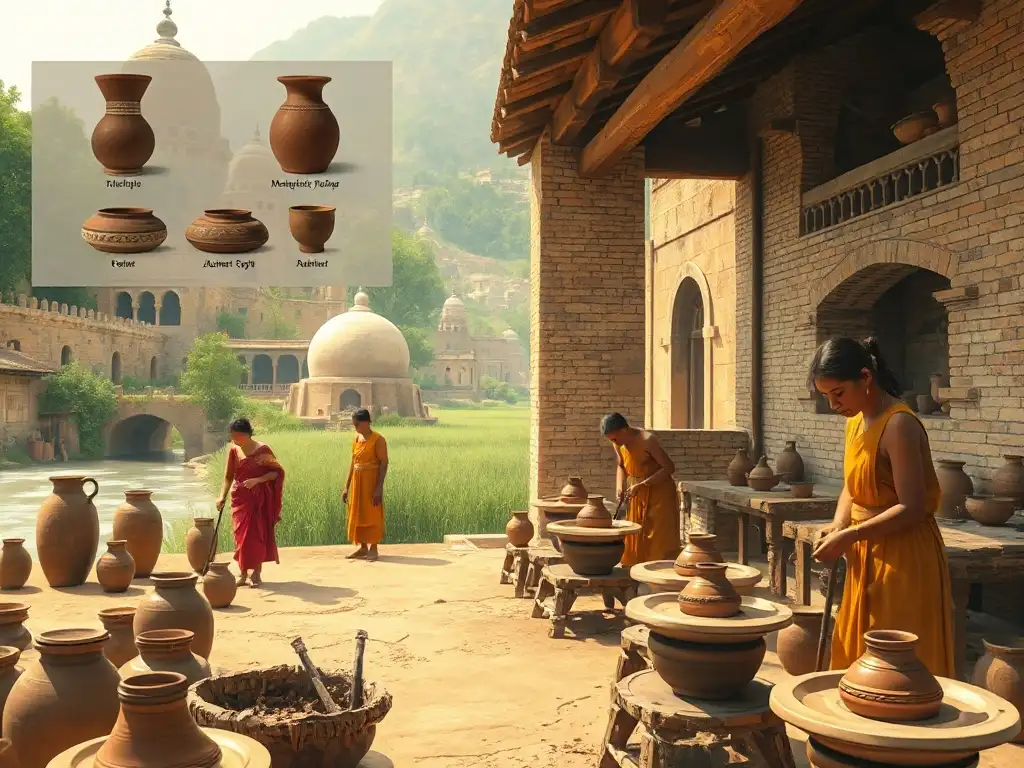
The potter's wheel is a significant technological advancement that emerged in various ancient civilizations, each contributing uniquely to its development and use. Understanding the similarities and differences in how the potter's wheel was utilized across cultures provides a deeper insight into the technological prowess of these societies. In particular, comparisons can be drawn between the Indus Valley Civilization, Mesopotamia, and Egypt, highlighting the distinct approaches to pottery production and the cultural implications of these innovations.
The Potter's Wheel in Mesopotamia and Egypt
In Mesopotamia, the potter's wheel dates back to around 3500 BCE, making it one of the earliest known uses of this technology. The Mesopotamian potter's wheel was typically a simple, two-part device consisting of a rotating base and a stationary support. This allowed artisans to create symmetrical pottery, which was essential for both functional and decorative purposes. The use of the wheel also enabled the production of larger vessels, which were crucial for storage and trade.
Similarly, in ancient Egypt, the potter's wheel appeared around 3000 BCE. Egyptian potters adopted a style that emphasized aesthetic beauty and ritual significance. The craftsmanship often included intricate designs and motifs that reflected their religious beliefs and daily life. However, the Egyptian wheel was often less advanced than its Mesopotamian counterpart, primarily due to the availability of labor and the emphasis on hand-built pottery techniques alongside wheel-thrown pieces.
In contrast, the Indus Valley Civilization, which flourished around 2500 BCE, showcased a distinct approach to pottery. While the exact timeline of the potter's wheel's introduction in the region remains debated, archaeological evidence suggests that it was utilized to produce a wide array of pottery styles, combining both functional and artistic elements.
Innovations and Differences in Potter's Wheel Technology
The potter's wheel technology in the Indus Valley Civilization was characterized by its unique innovations, particularly in the crafting techniques and the types of pottery produced. Unlike the relatively basic designs in Mesopotamia and Egypt, Indus Valley potters developed advanced wheel-throwing techniques that allowed for a diverse range of forms and sizes.
- Material and Design: Indus Valley pottery was often made from fine clay, which was well-suited for intricate designs and colorful glazes. The use of slip (liquid clay) for decoration was prevalent, allowing for elaborate motifs and patterns that spoke to the region's artistic sensibilities.
- Functionality: The Indus potter's wheel facilitated the mass production of pottery, which played a crucial role in trade and daily life. The ability to create standardized shapes and sizes improved the efficiency of pottery as functional ware, catering to both local needs and external trade demands.
- Cultural Significance: The pottery produced in the Indus Valley often featured unique geometric patterns and symbols that may have held cultural or religious significance, providing insights into the beliefs and practices of the people.
Archaeological excavations in the Indus Valley have unearthed a wealth of evidence related to the potter's wheel, shedding light on its significance in ancient society. Key sites reveal the methods and technologies employed by potters, as well as the broader cultural context in which these artifacts were created.
Key Sites of Indus Valley Pottery Production
Several archaeological sites in the Indus Valley have provided crucial insights into the production of pottery using the wheel. Among these, Harappa and Mohenjo-Daro stand out as primary centers of pottery production.
- Harappa: Excavations at Harappa have revealed numerous pottery kilns and workshops, indicating a sophisticated system of production. The presence of large quantities of wheel-thrown pottery suggests a thriving craft economy.
- Mohenjo-Daro: This site is notable for its extensive collection of pottery, which includes not only everyday functional items but also decorative pieces. The variety of shapes and sizes found here reflects the advanced skills of the potters and their ability to cater to diverse consumer needs.
Findings and Artifacts from Excavations
Archaeological findings related to the potter's wheel in the Indus Valley include a variety of artifacts that illustrate the technological advancements of the civilization:
- Pottery Types: Excavations have uncovered both utilitarian and ceremonial pottery, often adorned with intricate designs. The diversity in pottery styles indicates a rich cultural tapestry and a high level of artistic achievement.
- Kilns and Tools: Remnants of kilns used for firing pottery, along with tools employed in the crafting process, have been discovered. These findings provide insights into the production techniques and the scale of pottery manufacturing within the society.
- Trade Evidence: The discovery of pottery styles that match those found in other ancient civilizations suggests that the Indus Valley engaged in trade networks, further emphasizing the potter's wheel's role in economic interactions.
The archaeological discoveries related to the potter's wheel in the Indus Valley underscore its importance as a technological marvel that not only facilitated pottery production but also played a vital role in the cultural and economic life of ancient Indian civilizations. The advancements in pottery technology reflect the ingenuity and creativity of the people who inhabited this remarkable region.
The Legacy of the Indus Valley Potter's Wheel
The potter's wheel, a hallmark of the Indus Valley Civilization, represents a significant technological advancement that transformed pottery production. This innovation not only enhanced the efficiency of pottery making but also allowed artisans to create more intricate designs and uniform shapes. The legacy of the Indus Valley potter's wheel can be traced through subsequent generations of potters, with its influence evident in various aspects of pottery techniques and aesthetics throughout the ages.
The wheel's introduction marked a shift from hand-built pottery to a more standardized and refined production process. Artisans were able to produce a wide range of ceramic forms, from everyday utensils to decorative items. This shift not only improved the quality of pottery but also increased its availability, allowing for a wider distribution and use in both domestic and commercial contexts. The techniques developed during this period laid the groundwork for future innovations in pottery across different cultures.
Influence on Later Indian Pottery Techniques
The advancements made during the Indus Valley period significantly influenced later Indian pottery techniques. After the decline of the Indus Valley Civilization, the potter's wheel continued to be used and evolved in various regions of India. Subsequent cultures, such as those in ancient Gujarat and Rajasthan, adopted and adapted these methods, leading to the development of unique regional styles.
For instance, the use of the potter's wheel in the subsequent Mauryan and Gupta empires saw the emergence of more sophisticated glazes and decorative techniques. This innovation not only reflected the artistry of the time but also demonstrated the technical skills that had been honed since the Indus Valley era. The influence can be seen in the intricate motifs and colors that characterized pottery from these later periods, showcasing a blend of functional design and artistic expression.
Moreover, the techniques developed during the Indus Valley period served as foundational knowledge for artisans in future dynasties, ensuring that the art of pottery remained a vital part of Indian culture. The legacy of the potter's wheel is thus deeply embedded in the historical narrative of Indian craftsmanship.
Enduring Impact on Global Pottery Practices
The impact of the Indus Valley potter's wheel reached beyond the borders of India, influencing global pottery practices. As trade networks expanded, the techniques and styles of Indus Valley potters were disseminated to other regions, including Mesopotamia, Persia, and beyond. This cross-cultural exchange facilitated the sharing of innovative pottery methods, leading to the development of various pottery traditions across the world.
Notably, the principles of wheel-throwing techniques found in the Indus Valley were adopted by various other ancient civilizations. For instance, the ancient Greeks and Romans later refined these methods, creating their distinctive pottery styles that emphasized both functionality and artistry. The spread of the potter's wheel technology can be seen as a pivotal moment in the history of ceramics, elevating the craft to new heights and influencing aesthetic choices for centuries.
The enduring legacy of the Indus Valley potter's wheel is a testament to its significance in the evolution of pottery as a global art form. Its influence can still be observed today in contemporary pottery practices worldwide, where artisans continue to draw inspiration from ancient techniques.
Conclusion
Summary of the Indus Valley Potter's Wheel History
The Indus Valley potter's wheel stands as a remarkable technological achievement that revolutionized pottery production in ancient India. Emerging around 2500 BCE, the potter's wheel enabled artisans to create a diverse array of pottery with precision and efficiency. This innovation not only enhanced the quality of ceramic goods but also played a crucial role in the economic and cultural life of the Indus Valley Civilization.
The legacy of the potter's wheel extends beyond its initial use, influencing subsequent Indian pottery techniques and inspiring global pottery practices. The techniques developed during this period laid the groundwork for future advancements, showcasing the enduring impact of this ancient invention.
Final Thoughts on Technological Marvels of Ancient India
The potter's wheel is just one example of the numerous technological marvels that emerged from ancient Indian civilizations. Innovations in metallurgy, urban planning, and agricultural practices further illustrate the advanced understanding of science and technology possessed by these ancient cultures.
As we explore the history and contributions of the Indus Valley Civilization, it becomes clear that these technological advancements not only shaped the region's cultural landscape but also left an indelible mark on the world. The potter's wheel, with its profound influence on both local and global pottery practices, serves as a reminder of the ingenuity and creativity that characterized ancient Indian civilizations. Through continued exploration of these marvels, we gain deeper insights into the rich tapestry of human innovation and cultural exchange.
- Introduction to the Indus Valley Civilization
- The Indus Valley Potter's Wheel: A Historical Perspective
- The Significance of the Potter's Wheel in Indus Valley Society
- The Craftsmanship Behind the Potter's Wheel
- Comparison with Other Ancient Civilizations
- Archaeological Discoveries Related to the Potter's Wheel
- The Legacy of the Indus Valley Potter's Wheel
- Conclusion
- What is the significance of the potter's wheel in the Indus Valley civilization?
- How did the potter's wheel impact trade in ancient India?
- What were the materials used in the potter's wheel of the Indus Valley?
- When did the use of the potter's wheel begin in the Indus Valley?
- How does the potter's wheel relate to the broader history of ancient Indian civilizations?
Frequently Asked Questions
What is the significance of the potter's wheel in the Indus Valley civilization?
The potter's wheel was a revolutionary technological advancement that allowed artisans to create pottery with greater precision and efficiency, showcasing the sophistication of Indus Valley craftsmanship.
How did the potter's wheel impact trade in ancient India?
The potter's wheel enabled the mass production of pottery, which became a valuable trade commodity. This enhanced economic interactions between Indus Valley cities and neighboring regions.
What were the materials used in the potter's wheel of the Indus Valley?
The potter's wheel was primarily made from local clay and often featured a circular base made of wood or stone, demonstrating the resourcefulness of ancient artisans.
When did the use of the potter's wheel begin in the Indus Valley?
The use of the potter's wheel in the Indus Valley is believed to have started around 2500 BCE, marking a significant phase in the development of pottery techniques.
How does the potter's wheel relate to the broader history of ancient Indian civilizations?
The potter's wheel is a key example of the innovative spirit of ancient Indian civilizations, reflecting their cultural achievements and technological progress that laid the foundation for future advancements.
Final Reflection: The Enduring Legacy of the Indus Valley Potter's Wheel
The Indus Valley potter's wheel stands as a testament to human ingenuity and the transformative power of technology. As we explore its history, we uncover not just an ancient tool, but a pivotal innovation that revolutionized pottery production and shaped the cultural landscape of its time. Today, as we navigate a world increasingly defined by technological advancements, the lessons from the potter's wheel remind us of the profound impact that innovation can have on society and craftsmanship.
The influence of the potter's wheel extends far beyond its practical applications; it has become a symbol of creativity and cultural identity. In our contemporary society, where the intersection of art and technology continues to evolve, the principles embodied by the potter's wheel resonate deeply. The craftsmanship and artistry that flourished in the Indus Valley serve as a reminder of the importance of preserving our cultural heritage.
As the renowned potter Bernard Leach once said, "> The potter's wheel is a tool of the imagination, a means to express the inexpressible." This sentiment underscores the ongoing relevance of the potter's wheel in inspiring generations of artisans and creators.
As we reflect on the significance of the Indus Valley potter's wheel, let us embrace the call to honor our past while forging our future. Consider how the innovations of today can shape the world of tomorrow—whether through art, technology, or community engagement. I invite you to explore your own creative potential and think about how you can contribute to the legacy of innovation that began with simple tools like the potter's wheel. Together, we can ensure that the spirit of creativity and craftsmanship continues to thrive in our ever-evolving world.
Unveil the Legacy of Innovation!
Thank you for diving into the fascinating world of the Potter's Wheel and its remarkable impact on the Indus Valley civilization. Your curiosity not only enriches your knowledge but also helps preserve the stories of human ingenuity. Now, it’s your turn to explore further and connect with this incredible legacy!
- Start your journey by experimenting with clay yourself! Gather some pottery supplies and create your own masterpiece to appreciate the skill of ancient artisans.
- Share your newfound knowledge by discussing the Potter’s Wheel with friends, or invite them to join a pottery class for a hands-on experience of this ancient technology.
- Explore the rich history of other inventions in ancient civilizations by browsing our collection of articles on technological advancements at ancientindiahistory.com.
Which ancient innovation do you believe has had the most profound effect on our modern lives?