
The Artistic Legacy of the Indus Valley: What We Can Learn Today

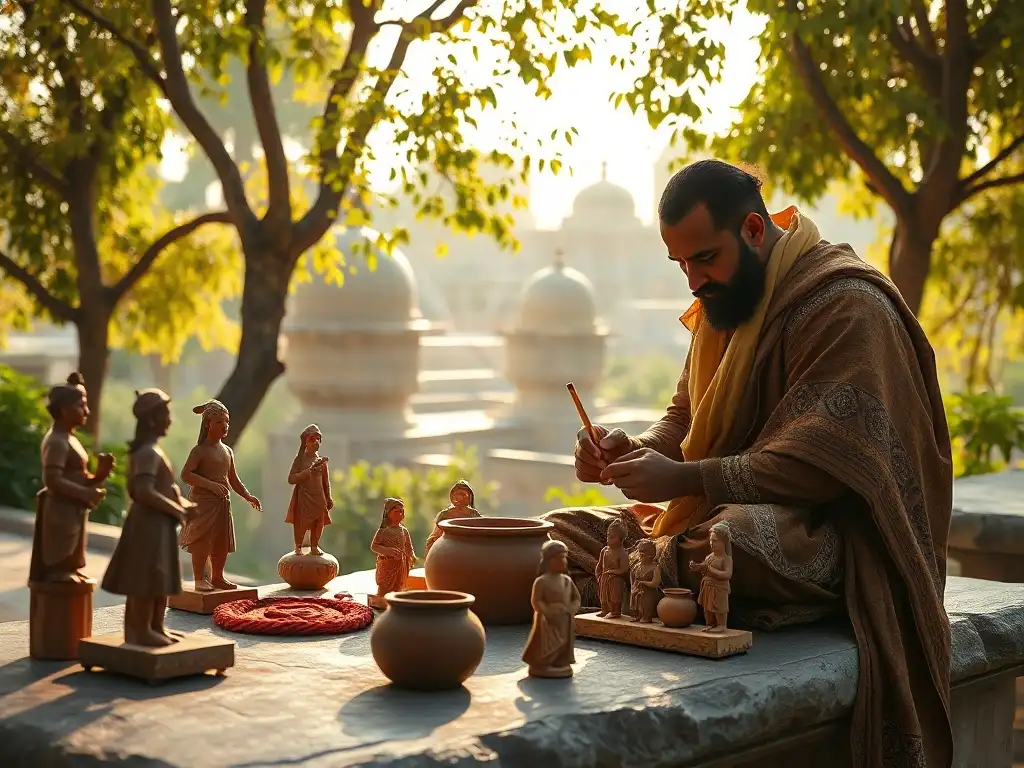
Welcome to Ancient India History, where we embark on a fascinating journey through time to uncover the rich tapestry of ancient Indian civilizations. Today, we delve into the Indus Valley artistic contributions, a testament to the creativity and ingenuity that flourished in this remarkable era.
As you explore our feature article, “The Artistic Legacy of the Indus Valley: What We Can Learn Today,” prepare to be captivated by the intricate artistry, advanced craftsmanship, and cultural significance that continue to inspire modern society. Discover the secrets of the past and see how they shape our present and future—your adventure into the depths of history begins now!
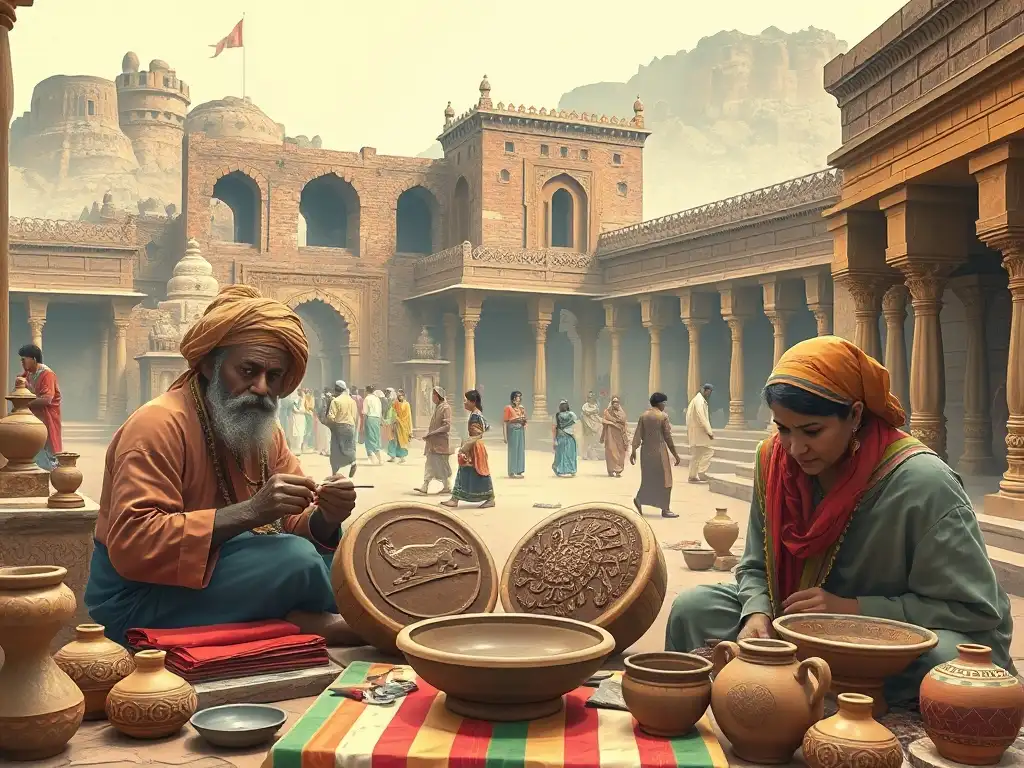
The artistic contributions of the Indus Valley Civilization represent a significant chapter in the narrative of ancient Indian history. Spanning roughly from 3300 BCE to 1300 BCE, this civilization is renowned for its sophisticated urban planning, advanced drainage systems, and, notably, its impressive artistic expressions.
Art in the Indus Valley was not merely ornamental; it served as a reflection of the society's values, technological advancements, and interactions with neighboring cultures. This article delves into the intricate details of the artistic legacy of the Indus Valley, exploring what these contributions reveal about the civilization and how they continue to resonate in contemporary discourse on art and culture.
Introduction to the Indus Valley Civilization
Overview of the Indus Valley Civilization
The Indus Valley Civilization, also known as the Harappan Civilization, flourished in the northwestern regions of South Asia, primarily in what is now Pakistan and northwest India. It was one of the world's earliest urban cultures, characterized by its well-planned cities like Harappa and Mohenjo-Daro. The civilization is distinguished by its advanced urban infrastructure, including grid layouts, sophisticated drainage systems, and standardized baked brick structures. The society was primarily agricultural, with extensive trade networks that connected it with Mesopotamia and other regions.
Importance of Artistic Contributions in Ancient Cultures
Artistic contributions in ancient cultures serve as vital expressions of their identity, beliefs, and social structures. They provide a window into the everyday lives of people, their spiritual practices, and their interactions with the environment. In the case of the Indus Valley, art reflects not only aesthetic sensibilities but also technological innovations and social hierarchies. Understanding these contributions can enhance our appreciation of cultural heritage and inspire contemporary artists and scholars alike.
Understanding Indus Valley Artistic Contributions
Key Features of Indus Valley Art
Indus Valley art is marked by several distinctive features, including:
- Sculptural Forms: The civilization produced a variety of sculptures, from small terracotta figurines to larger stone carvings. Notably, the "Dancing Girl" statue exemplifies the intricate craftsmanship and attention to detail characteristic of Harappan art.
- Seal Carvings: Indus seals, often made of steatite, display intricate designs and motifs, including animals, mythological figures, and scripts. These seals played a crucial role in trade and administration, serving as identifiers of ownership and authenticity.
- Pottery: The pottery of the Indus Valley showcases a range of styles and decorations, including geometric patterns and animal motifs. The use of painted pottery reflects the civilization’s artistic diversity and cultural practices.
Materials and Techniques Used in Indus Valley Art
The artisans of the Indus Valley employed a variety of materials and techniques that highlight their innovative spirit:
- Materials: Common materials included clay, terracotta, metal (particularly bronze and copper), and stone. The use of these materials demonstrates the civilization's access to resources and trade networks.
- Techniques: The techniques employed in crafting art ranged from molding and carving to painting and glazing. The sophistication of these methods indicates a high level of skill and artistic knowledge among the craftsmen. For instance, the intricate designs found on pottery suggest advanced techniques in painting and firing.
Through the examination of these artistic contributions, we can gain insights into the values and lifestyle of the Indus Valley civilization, allowing us to appreciate their legacy and its relevance in today's world.
Major Forms of Artistic Expression in the Indus Valley
The Indus Valley Civilization, one of the earliest urban cultures in the world, flourished from around 3300 to 1300 BCE in what is now modern-day Pakistan and northwest India. This civilization is renowned for its remarkable artistic contributions, which reflect a sophisticated understanding of aesthetics, functionality, and symbolism. The major forms of artistic expression in the Indus Valley include sculpture, pottery, and architecture, each demonstrating unique styles and cultural significance that continue to inspire contemporary artists and historians alike.
Sculpture: Significance and Styles
Sculpture in the Indus Valley was not only a form of artistic expression but also held significant cultural and religious meaning. The artisans of this civilization created a variety of sculptural works, from small figurines to larger religious statues.
- Terracotta Figurines: These small sculptures often depicted animals, humans, and deities. The most famous of these is the "Dancing Girl" figurine, which exemplifies the skill and detail of Indus Valley artisans. Crafted from bronze, it showcases a confident posture and elaborate jewelry, reflecting the civilization's appreciation for beauty and individuality.
- Seals: The Indus Valley is also known for its seals, which were intricately carved with animal motifs and script. These seals served various purposes, including trade and administrative functions. The motifs often included mythical creatures, suggesting the presence of a rich spiritual and cultural life.
- Material Diversity: Sculptors utilized a range of materials, including stone, bronze, and terracotta. The use of local materials not only showcases the resourcefulness of the Indus Valley artisans but also indicates an understanding of their environment.
The styles of sculpture varied across regions, but they consistently reflected a high level of craftsmanship and an aesthetic sensibility that combined realism with stylization.
Pottery: Styles and Symbolism
Pottery from the Indus Valley Civilization is another significant aspect of its artistic legacy. The pottery styles varied widely, reflecting both functional and decorative purposes.
- Handcrafted Techniques: Indus Valley potters employed hand-building techniques before the advent of the potter's wheel. This method allowed for unique shapes and sizes, catering to both everyday use and ceremonial functions.
- Decorative Styles: Pottery was often adorned with intricate designs, including geometric patterns, animals, and floral motifs. The use of red and black slip, along with burnishing techniques, created a distinctive aesthetic that is characteristic of Indus Valley pottery.
- Symbolism in Design: Many pottery designs are believed to have symbolic meanings, possibly related to fertility, prosperity, and the natural world. For instance, the frequent depiction of peacocks and lotuses suggests a connection to spirituality and reverence for nature.
- Functional vs. Artistic: While much of the pottery served practical purposes, such as storage and cooking, its artistic embellishments indicate a society that valued beauty and artistic expression in everyday life.
Architecture of the Indus Valley Civilization
The architecture of the Indus Valley Civilization is characterized by its advanced urban planning, sophisticated drainage systems, and monumental structures. These architectural achievements not only provide insight into the daily lives of the inhabitants but also reflect the civilization's social organization and technological prowess.
Urban Planning and Architectural Innovations
The cities of the Indus Valley, such as Harappa and Mohenjo-Daro, were meticulously planned and constructed, showcasing an understanding of urban design that was unparalleled for the time.
- Grid Layouts: The urban layout featured a grid pattern, with streets organized at right angles. This efficient design facilitated trade and movement, reflecting an advanced understanding of urban infrastructure.
- Drainage Systems: One of the most remarkable features of Indus Valley cities was their sophisticated drainage systems. Houses were equipped with private bathrooms and toilets connected to a centralized drainage system, indicating a high level of civic planning and concern for hygiene.
- Building Materials and Techniques: The use of baked bricks, uniform in size, allowed for durable construction. The architectural style often included flat roofs and multi-story buildings, demonstrating both practicality and aesthetic considerations.
These innovations illustrate the Indus Valley Civilization's ability to create functional urban environments that catered to the needs of its residents while promoting social interaction.
Notable Structures and Their Significance
Among the many structures found in the Indus Valley, several notable sites stand out for their cultural and historical significance.
- The Great Bath: Located in Mohenjo-Daro, the Great Bath is one of the earliest public water tanks in history. It measures approximately 12 meters long and 7 meters wide, indicating its importance as a ritualistic or communal space. The presence of such a structure suggests that the people of the Indus Valley placed great emphasis on cleanliness and possibly religious purification.
- Granaries: Large granary structures have been discovered in both Harappa and Mohenjo-Daro, which are believed to have been used for storing surplus grain. This indicates a well-organized agricultural system and the importance of trade and food security in the society.
- Citadels: Elevated areas known as citadels were constructed to serve as administrative and religious centers. These structures not only provided a defensive advantage but also symbolized the political and spiritual authority of the ruling elite.
The significance of these structures extends beyond their architectural features; they offer a glimpse into the social, economic, and spiritual life of the Indus Valley Civilization, leaving a lasting legacy that continues to be studied and admired today.
The Influence of Indus Valley Artistic Contributions on Later Cultures
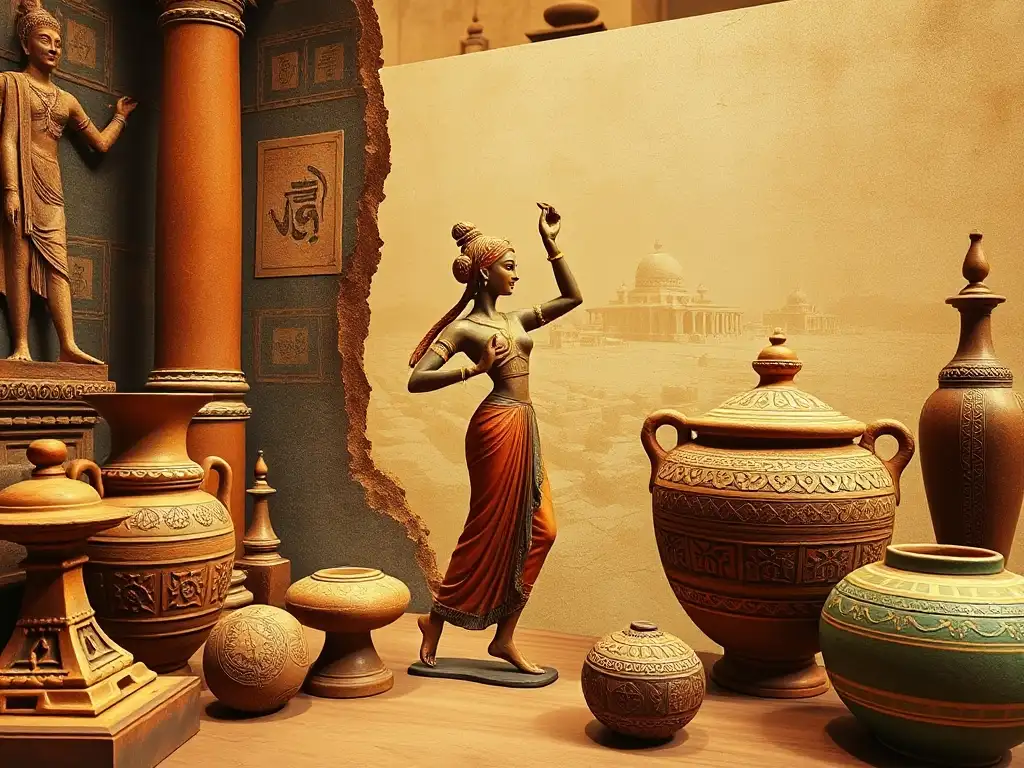
The artistic contributions of the Indus Valley Civilization are not only remarkable for their originality but also for the profound influence they had on subsequent cultures in the Indian subcontinent and beyond. As one of the earliest urban societies, the artisans of the Indus Valley set a standard for craftsmanship that resonated throughout later Indian civilizations. Their innovative techniques and aesthetic principles laid the groundwork for artistic expression in the region, fostering a continuity of cultural and artistic traditions that spanned centuries.
The intricate beadwork, pottery designs, and terracotta figurines from the Indus Valley demonstrate a high degree of sophistication and creativity. These artistic elements were not merely decorative; they served as vehicles for social and religious expression. As these artworks spread, they influenced the artistic vocabulary of later cultures, leading to the emergence of new styles that retained key aspects of Indus artistry while incorporating local innovations.
Continuities in Artistic Techniques
One of the most fascinating aspects of the Indus Valley's artistic legacy is the continuity of techniques observed in later artistic practices. Techniques such as the lost-wax casting method for bronze and copper metallurgy, as well as the use of intricate motifs and geometric patterns, can be traced from the Indus Valley into the Mauryan and Gupta periods. This continuity highlights a shared knowledge base and a cultural dialogue that persisted despite the changes in political and social structures.
Moreover, the use of natural materials, such as clay, stone, and metals, remained prevalent in Indian art long after the decline of the Indus Valley Civilization. The craftsmanship seen in the seals from the Indus Valley, characterized by their detailed engravings and symbolic motifs, is mirrored in the art of later civilizations, showing a clear lineage of technique and artistic intent. This connection reinforces the idea that the artistic practices of the Indus Valley were foundational to the evolution of Indian art.
The Impact of Indus Art on Subsequent Indian Civilizations
The impact of Indus Valley art on subsequent Indian civilizations is profound and multifaceted. The aesthetic sensibilities and motifs found in Indus artworks can be seen in the art of later empires, such as the Mauryan and Gupta empires. For example, the intricate floral and faunal motifs that adorned Indus pottery and seals reappeared in the decorative arts of these later periods, reflecting a continued appreciation for nature and symbolism.
Furthermore, the spiritual and ritualistic aspects of Indus art laid the groundwork for the iconography of Hindu and Buddhist art that emerged in subsequent centuries. The emphasis on figurative representation and the portrayal of deities and mythological narratives in later art forms can be traced back to the symbolic expressions found in Indus Valley artifacts. This enduring influence underscores the importance of the Indus artistic legacy as a precursor to the rich tapestry of Indian cultural expression.
Lessons from the Artistic Legacy of the Indus Valley
The artistic legacy of the Indus Valley offers invaluable lessons that resonate even today. By examining their art and architecture, we can gain insights into the values, beliefs, and social structures of this ancient civilization, fostering a deeper understanding of our own cultural identities.
Understanding Cultural Identity through Art
Art serves as a mirror reflecting the identity of a civilization. The artistic expressions found in the Indus Valley, from their pottery to their seals, reveal a society that valued craftsmanship, trade, and spiritual beliefs. The motifs and symbols used in their artworks not only served aesthetic purposes but also communicated social narratives and cultural practices. By studying these artifacts, we can appreciate how art can encapsulate the essence of a community's identity and heritage.
In contemporary society, understanding cultural identity through art can foster a sense of belonging and continuity. It reminds us of the importance of preserving our artistic traditions while embracing innovations that reflect our evolving identities. The lessons learned from the Indus Valley remind us to celebrate our cultural narratives through art, ensuring that they continue to inspire future generations.
Preservation of Artistic Traditions: Relevance Today
The preservation of artistic traditions from the Indus Valley is crucial in a rapidly changing world. As globalization brings diverse influences, maintaining the integrity of local artistic practices becomes essential. The techniques and styles developed by the Indus Valley artisans serve as a reminder of the rich heritage that must be honored and preserved.
Today, initiatives aimed at reviving traditional crafts and incorporating them into contemporary art are vital. By engaging with these practices, we not only honor the legacy of the Indus Valley but also ensure that such traditions remain relevant and vibrant in modern contexts. This preservation effort allows for the continuity of skills and knowledge that can foster economic opportunities for artisans while enriching the cultural landscape.
Inspiration for Modern Art and Architecture
The Indus Valley's artistic legacy continues to inspire modern artists and architects. The minimalist aesthetic, along with the emphasis on functionality and harmony with nature, resonates in contemporary design philosophies. Artists today draw from the geometric patterns and motifs found in Indus art, integrating them into various mediums, from painting to sculpture.
Moreover, the architectural principles evident in the urban planning of Indus Valley cities—such as grid layouts and drainage systems—serve as a source of inspiration for modern urban design. The emphasis on sustainability and community-oriented spaces in current architectural practices echoes the principles demonstrated by the ancient civilization.
By looking to the Indus Valley for inspiration, modern creators can forge a connection with the past while innovating for the future. This synergy between ancient artistry and contemporary practice enriches our cultural discourse and reaffirms the timeless relevance of the artistic contributions from the Indus Valley.
Conclusion
The artistic legacy of the Indus Valley Civilization is a remarkable testament to the creativity and innovation of its people. This ancient civilization, flourishing between 3300 and 1300 BCE, left behind a wealth of artistic contributions that continue to inspire and inform contemporary perspectives on art and culture. From their intricately crafted pottery and seals to the sophisticated urban planning and architectural marvels, the Indus Valley artists exhibited a profound understanding of aesthetics, functionality, and community values.
Recap of Indus Valley Artistic Contributions
To summarize, the Indus Valley Civilization's artistic contributions encompass a wide array of mediums and techniques that highlight their advanced skills and cultural sophistication. Key highlights include:
- Terracotta and Pottery: The residents produced remarkable terracotta figurines and pottery adorned with geometric patterns and animal motifs, showcasing their artistic finesse and attention to detail.
- Seals and Inscriptions: The use of seals, often engraved with intricate designs and script, indicates a complex system of trade and communication. These seals not only served practical purposes but also reflected the spiritual and cultural beliefs of the society.
- Architecture: The urban planning of cities like Harappa and Mohenjo-Daro, with their well-organized streets, drainage systems, and impressive public buildings, reflects their architectural ingenuity and an understanding of civic needs.
- Sculpture: The figurative sculptures, including the famous "Dancing Girl," exhibit a high level of craftsmanship and provide insights into the social and cultural dynamics of the time.
These contributions collectively highlight the Indus Valley Civilization's emphasis on artistry as a means of expression, communication, and cultural identity.
Final Thoughts on Learning from the Past
Reflecting on the artistic legacy of the Indus Valley, it becomes evident that their contributions hold valuable lessons for contemporary society. The emphasis on harmony between functionality and aesthetics can inspire modern artists, architects, and urban planners to create spaces and objects that are not only visually appealing but also serve the needs of the community.
Moreover, the Indus Valley's ability to blend art with daily life reminds us of the importance of integrating cultural heritage into our current practices. As we navigate the complexities of modern life, the ethos of the Indus Valley—to create, innovate, and harmonize with nature—serves as a guiding principle. By studying their artistic contributions, we can foster a deeper appreciation for the role of art in shaping societies and strive to cultivate a world that values creativity, collaboration, and cultural continuity.
The artistic legacy of the Indus Valley is not merely a relic of the past; it is a vibrant part of our shared human experience that continues to resonate and inform our understanding of art and culture today.
- Introduction to the Indus Valley Civilization
- Understanding Indus Valley Artistic Contributions
- Major Forms of Artistic Expression in the Indus Valley
- Architecture of the Indus Valley Civilization
- The Influence of Indus Valley Artistic Contributions on Later Cultures
- Lessons from the Artistic Legacy of the Indus Valley
- Conclusion
- What are the artistic contributions of the Indus Valley civilization?
- How did art influence daily life in the Indus Valley?
- What materials were commonly used in Indus Valley art?
- How can we learn from the artistic legacy of the Indus Valley today?
- What are some notable examples of Indus Valley artistic works?
Frequently Asked Questions
What are the artistic contributions of the Indus Valley civilization?
The Indus Valley civilization is known for its intricate pottery, sculptures, and seals that reflect advanced artistic techniques and social organization.
How did art influence daily life in the Indus Valley?
Art played a crucial role in the Indus Valley, with items such as decorative tools and figurines serving not just aesthetic purposes but also functional and ritualistic ones.
What materials were commonly used in Indus Valley art?
Artists of the Indus Valley predominantly used materials like clay, terracotta, and stone, showcasing their skills in both sculpture and pottery.
How can we learn from the artistic legacy of the Indus Valley today?
The artistic legacy of the Indus Valley teaches us about the cultural values, technological advancements, and social structures of ancient civilizations, providing insights for modern society.
What are some notable examples of Indus Valley artistic works?
Notable examples include the dancing girl bronze sculpture and the seal of Pashupati, which exemplify the sophistication and symbolism of Indus Valley artistry.
Final Reflection: Embracing the Timeless Artistic Legacy of the Indus Valley
The artistic contributions of the Indus Valley civilization resonate profoundly in today's world, reminding us of the enduring power of creativity and cultural expression. As we explore the intricate pottery, sophisticated seals, and remarkable urban planning of this ancient society, we uncover not just artifacts but a legacy that challenges us to appreciate the artistry inherent in our own lives. The Indus Valley's rich artistic heritage serves as a testament to the universal human desire to create beauty and meaning, urging us to reflect on how these ancient practices can inspire contemporary innovation.
The influence of the Indus Valley's artistic achievements extends beyond mere aesthetics; it shapes our cultural and social landscapes in profound ways. By examining the values embedded in their art, we can draw parallels to our current societal challenges and aspirations. The emphasis on community, sustainability, and craftsmanship in Indus Valley art encourages us to rethink our own approaches to creativity and collaboration. As the renowned artist Pablo Picasso once said, “Every act of creation is first an act of destruction,” reminding us that innovation often arises from the deconstruction of established norms. We must learn to see the world through the lens of those who came before us, for their insights can illuminate our path forward.
As we conclude this exploration of the Indus Valley's artistic legacy, I invite you to reflect on how you can incorporate the lessons of this ancient civilization into your own life. Consider how the values of creativity, community, and sustainability can shape your actions and decisions today. Let the artistry of the past inspire you to create meaning in your own life, fostering connections with others and nurturing the beauty around you. Embrace the call to action: how will you honor the artistic contributions of the Indus Valley in your own journey?
Embrace the Legacy: Transform Your Perspective Today!
Thank you for exploring the rich artistic legacy of the Indus Valley! We hope you feel inspired to discover how these ancient innovations can influence our modern world. As you reflect on the insights gained, consider taking the next steps on your journey of discovery.
- Explore your creativity: Take a moment to create a piece of art inspired by the techniques or themes you learned about from the Indus Valley. Share your creation with friends or on social media to spark engaging discussions!
- Join a community: Find or start a local or online group that shares a passion for ancient art forms. Collaborate and exchange ideas with others who have similar interests.
- Dive deeper: Consider reading books or watching documentaries that explore the artistry and daily life of the Indus Valley Civilization in greater detail.
Which aspect of the Indus Valley's artistic legacy resonates with you the most, and how will you incorporate it into your life moving forward?