
The Evolution of Gupta Drama and Theatre: A Cultural Exploration

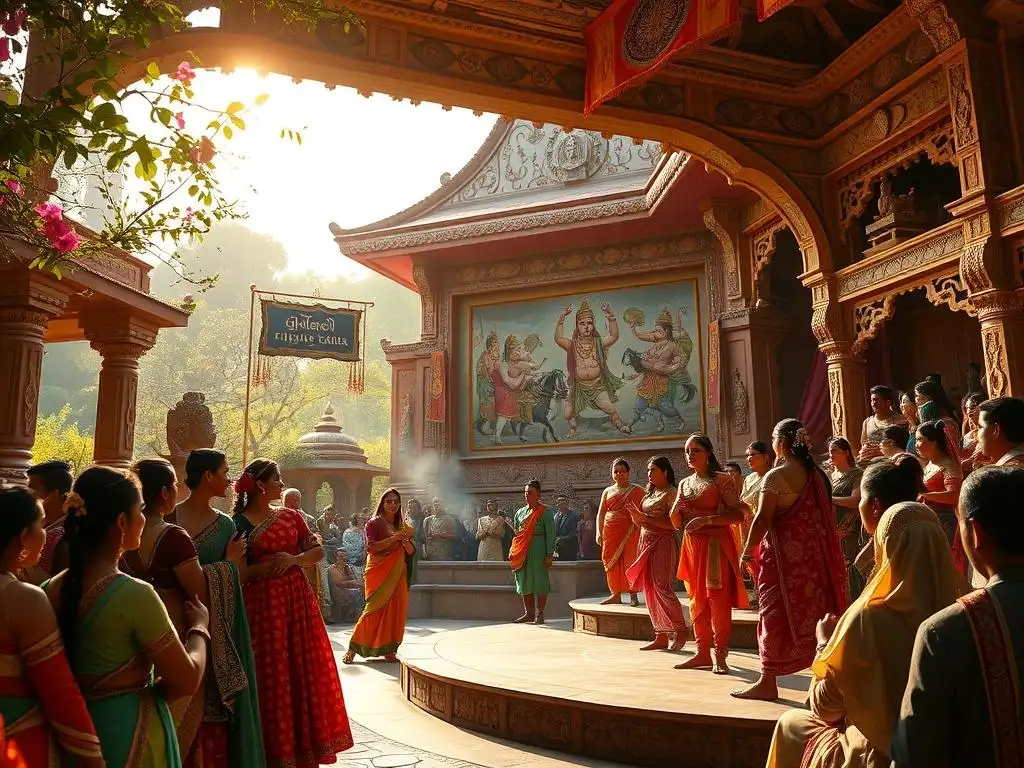
Welcome to Ancient India History, where we embark on a mesmerizing journey through time to uncover the rich tapestry of ancient Indian civilizations. Today, we delve into the intriguing world of the Gupta Empire, a period renowned for its remarkable contributions to drama and theatre. What were the theatrical innovations that captivated audiences in this golden age?
Join us as we explore the evolution of Gupta drama and theatre, revealing the cultural dynamics that shaped this vibrant era. Prepare to be captivated by stories that echo through the ages, inviting you to discover more about the legacy of artistry in ancient India.
The Gupta Empire, often hailed as the "Golden Age" of India, marked a significant period of cultural, intellectual, and artistic flourishing from approximately 320 to 550 CE. This era witnessed remarkable advancements in various fields, including science, mathematics, and literature, but perhaps none as captivating as the evolution of drama and theatre. Gupta drama and theatre not only reflect the socio-political landscape of the time but also encapsulate the rich tapestry of human emotions, moral dilemmas, and the intricate interplay of society and culture.
As we delve into the nuances of Gupta theatre, it is essential to understand its roots in earlier traditions while recognizing the unique innovations that emerged during this period. The Gupta Empire's theatrical practices were characterized by a blend of various influences, including the earlier Natyashastra, which laid the groundwork for Indian dramatic art.
This article aims to explore the evolution of Gupta drama and theatre, examining its key features, significant playwrights, and the broader cultural implications of this art form. By understanding these elements, we can appreciate how the Gupta Empire not only shaped the performing arts but also left an indelible mark on the cultural heritage of India.
- Introduction to the Gupta Empire and Its Cultural Significance
- Historical Background of Gupta Drama and Theatre
- Characteristics of Gupta Empire Drama and Theatre
- Prominent Works and Playwrights of the Gupta Era
- The Social and Cultural Context of Gupta Theatre
- The Decline and Transformation of Gupta Drama and Theatre
- Conclusion: The Lasting Impact of Gupta Empire Drama and Theatre
- References and Further Reading on Gupta Empire Drama and Theatre
- Frequently Asked Questions
- Final Reflection: The Enduring Legacy of Gupta Empire Drama and Theatre
- Unveil the Richness of Gupta Theatre!
Introduction to the Gupta Empire and Its Cultural Significance
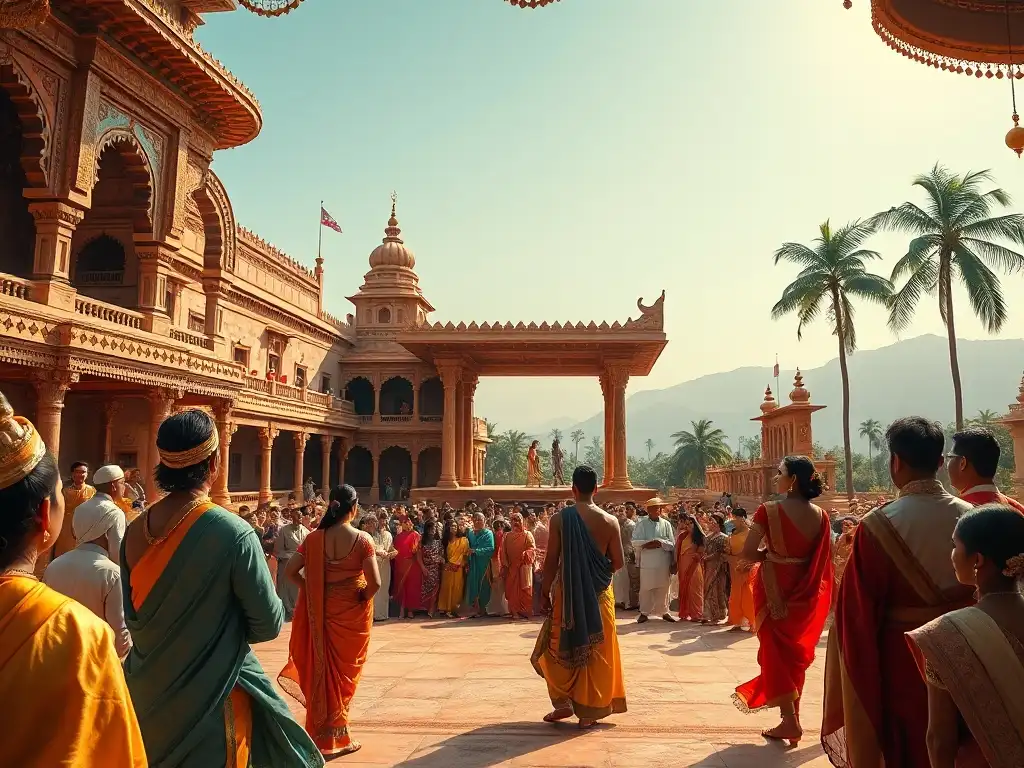
The Gupta Empire, often referred to as the "Golden Age" of India, flourished between the 4th and 6th centuries CE. This period is marked by significant advancements in various fields, including science, mathematics, literature, and the arts. The Gupta rulers, such as Chandragupta I and Samudragupta, played a crucial role in unifying vast regions of India, fostering not only political stability but also a vibrant cultural milieu. This cultural renaissance led to the emergence and evolution of various art forms, including drama and theatre, which were integral to societal expression and entertainment.
Overview of the Gupta Empire's Golden Age
The Gupta Empire's Golden Age is characterized by remarkable achievements across diverse domains. Notably, this era witnessed:
- Literature: Renowned poets and playwrights, including Kalidasa, produced works that are still celebrated today. Their contributions laid the foundation for classical Sanskrit literature.
- Science and Mathematics: The era is credited with significant advancements, such as the concept of zero and the decimal system, which revolutionized mathematics.
- Art and Architecture: Gupta art is distinguished by intricate sculptures and stupendous temples, showcasing the empire’s aesthetic sensibilities.
In this vibrant cultural context, drama and theatre emerged as essential art forms, reflecting both the social values and religious beliefs of the time. The popularity of these performances provided insights into the daily lives of people and served as a medium for storytelling, moral instruction, and entertainment.
Importance of Drama and Theatre in Ancient Indian Civilization
Drama and theatre during the Gupta Empire were not merely forms of entertainment; they played a pivotal role in the cultural and social fabric of ancient Indian civilization. Here are some key aspects highlighting their importance:
- Cultural Reflection:
- Drama served as a mirror to society, reflecting cultural norms, values, and the complexities of human emotions.
- Plays often depicted mythological themes, historical narratives, and moral dilemmas, allowing audiences to connect with their heritage.
- Religious Significance:
- Many theatrical performances were rooted in religious traditions, often enacted during festivals and rituals.
- The portrayal of deities and divine narratives reinforced spiritual beliefs and cultural practices among the populace.
- Literary Contributions:
- The era produced notable playwrights like Bhasa and Kalidasa, whose works have significantly influenced Indian literature.
- Their plays often combined poetry, music, and dance, enriching the theatrical experience and showcasing the artistic prowess of the time.
- Educational Value:
- Drama provided a platform for moral and ethical teachings, often imparting lessons about dharma (duty) and the consequences of human actions.
- Through performances, audiences were encouraged to reflect on personal conduct and societal responsibilities.
- Social Engagement:
- Theatre served as a social gathering point, bringing together diverse groups of people and fostering community interaction.
- It provided an avenue for dialogue on contemporary issues and societal challenges, encouraging critical thinking among audiences.
Drama and theatre during the Gupta Empire were not only significant cultural expressions but also vital components of social structure, education, and religious practice. Their legacy continues to influence Indian performing arts, making the study of Gupta Empire drama and theatre essential for understanding ancient Indian civilization.
Historical Background of Gupta Drama and Theatre
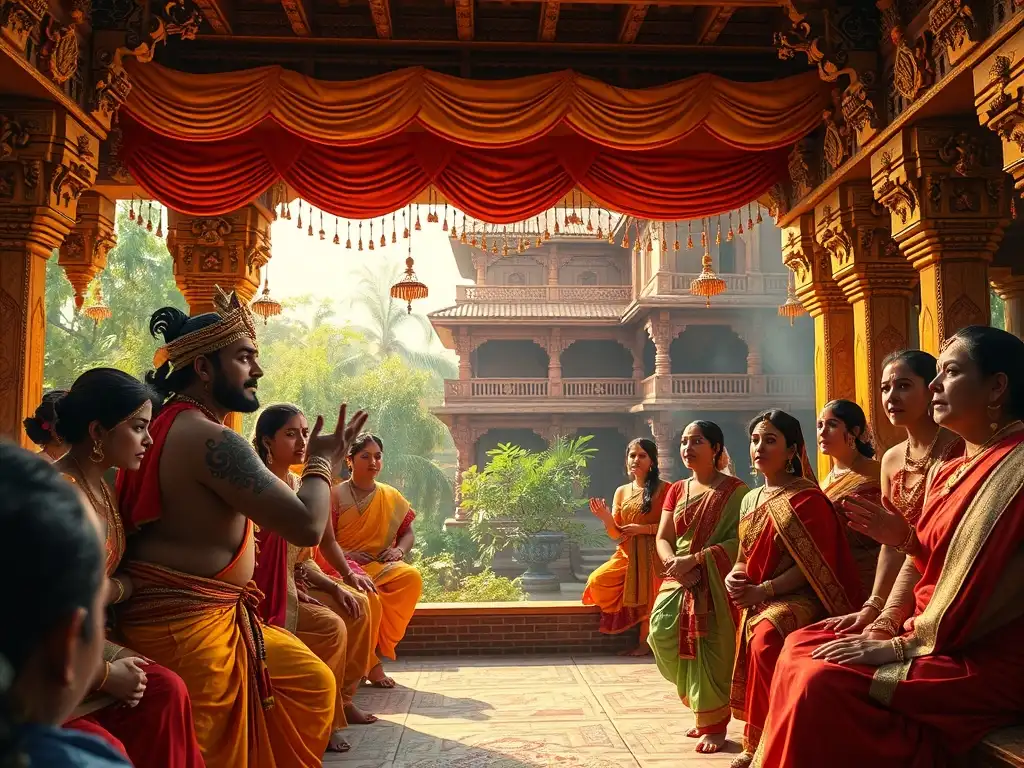
Origins of Theatre in Ancient India
The origins of theatre in ancient India can be traced back to the Vedic period, where ritualistic performances and storytelling laid the groundwork for more structured forms of drama. The Nātya Shāstra, attributed to the sage Bharata Muni, is a seminal text that codifies the principles of drama and performance. This treatise, composed around the 2nd century BCE to the 2nd century CE, outlines various aspects of theatre, including stagecraft, acting techniques, and the importance of rasa (emotion) in performances.
Theatre evolved as a means of both entertainment and spiritual expression, with performances often depicting mythological narratives and moral teachings. The Sanskrit drama, which flourished during the Gupta Empire (approximately 320 to 550 CE), emerged as a significant cultural phenomenon, showcasing sophisticated storytelling, character development, and poetic dialogue. This period is often referred to as the "Golden Age" of Indian culture, during which theatre became a prominent art form, reflecting the social, religious, and political milieu of the time.
Influence of Earlier Indian Cultures on Gupta Theatre
The Gupta Empire's drama and theatre were heavily influenced by earlier Indian cultures, particularly the traditions established during the Mauryan Empire (322–185 BCE) and the Post-Mauryan period. The Mauryan court had seen the rise of theatrical performances, which were often held in royal courts and public spaces to entertain and educate the populace. The works of playwrights like Bhasa and Kalidasa during the Gupta period showcased the influence of previous literary forms and styles.
Additionally, the folk traditions played a crucial role in shaping Gupta theatre. The integration of local narratives, music, and dance forms enriched the theatrical repertoire, allowing for a diverse range of performances that appealed to various segments of society. Genres such as Natya (dance-drama) and Prakarana (social drama) emerged, drawing inspiration from earlier texts and performances while incorporating contemporary themes and issues.
The Gupta theatre also saw the blending of religious and secular themes, highlighting the coexistence of spirituality and everyday life. This synthesis not only entertained but also educated audiences on moral values and societal norms, making theatre a vital tool for cultural transmission.
Key Historical Figures in Gupta Drama
Several key figures emerged during the Gupta Empire, whose contributions to drama and theatre have left an indelible mark on Indian cultural history. Among them, Kalidasa stands out as one of the greatest playwrights of ancient India. His works, such as Shakuntala and Vikramorvasiyam, exemplify the height of poetic expression and dramatic structure. Kalidasa's ability to weave intricate narratives with emotional depth and vivid imagery has earned him a revered place in Indian literature.
Another notable figure is Bhasa, a playwright whose works predate the Gupta period but significantly influenced Gupta drama. His plays, including Svapnavasavadatta and Pancharatra, are characterized by their lively plots and dynamic characters, setting the stage for future playwrights to build upon.
Additionally, Harsha (c. 606–647 CE), a playwright and king, contributed to the theatrical landscape with his notable play Nagananda. His works often blended poetry and drama, reflecting the cultural richness of the Gupta Empire. Harsha's performances were not only entertaining but also served to reinforce the social and political ideologies of his time.
These figures, along with many others, played a crucial role in the evolution of Gupta drama and theatre, creating a legacy that continues to influence Indian performing arts today. Through their innovative storytelling, rich character development, and integration of diverse themes, they laid the foundation for the flourishing tradition of drama in ancient India.
Characteristics of Gupta Empire Drama and Theatre
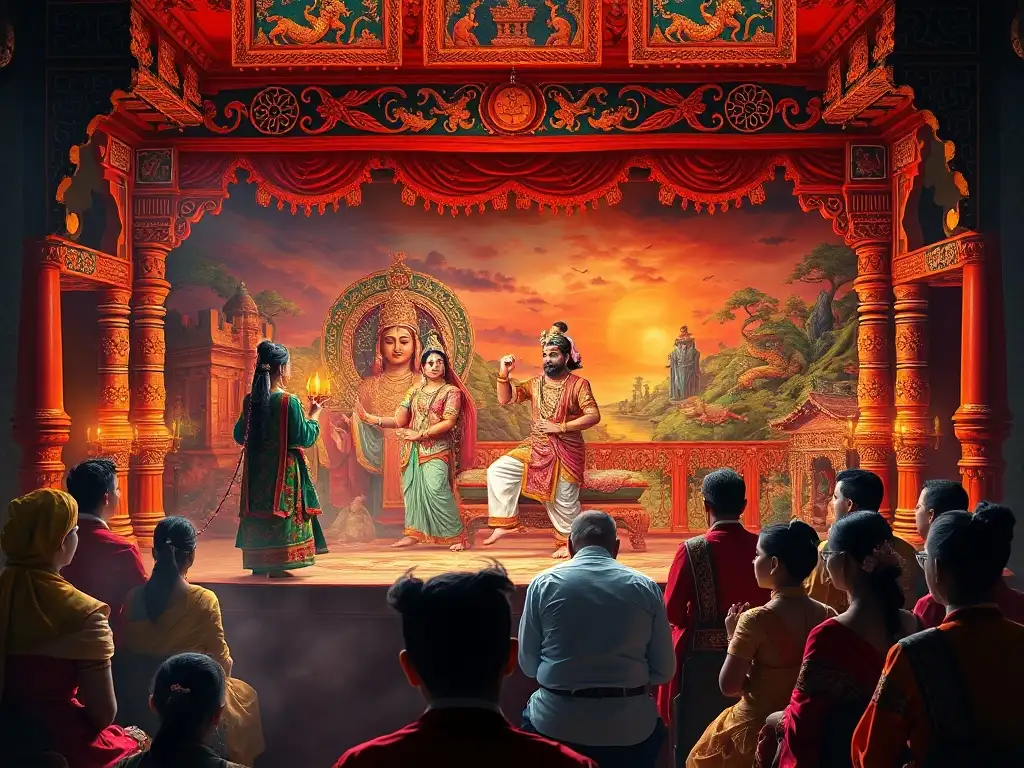
The Gupta Empire, often referred to as the "Golden Age" of ancient India, witnessed a remarkable flourishing of drama and theatre. This period, spanning from approximately 320 to 550 CE, saw the integration of various cultural, philosophical, and artistic elements that shaped the unique characteristics of Gupta drama. The theatre during this era was not merely a form of entertainment but a reflection of the society's values, religious beliefs, and social dynamics.
One of the defining features of Gupta Empire drama is its emphasis on realism and moral lessons. Dramas were often derived from epics, history, and mythology, portraying characters that resonated with the audience. The narratives typically explored themes of dharma (duty), karma (action and consequence), and moksha (liberation), resonating with the philosophical underpinnings of the time.
In addition to thematic depth, Gupta theatre also highlighted elaborate staging and costuming. Performances were known for their grandeur, with intricate sets that reflected the aesthetic sensibilities of the period. The use of vibrant costumes and makeup was essential to bring characters to life, enhancing the visual appeal of the performances.
Moreover, the language of Gupta dramas was primarily Sanskrit, which not only served to elevate the theatrical experience but also made it accessible to the educated elite of the time. The scripts were often poetic, incorporating metaphors and similes that enriched the dialogue and added layers of meaning.
Major Themes and Topics in Gupta Dramas
Gupta dramas encompassed a wide array of themes and topics that mirrored the complexities of ancient Indian society. Notable themes included:
- Mythology and Religion: Many dramas drew inspiration from Hindu epics such as the Mahabharata and Ramayana, exploring the lives of gods, heroes, and moral dilemmas. The portrayal of divine characters often served to reinforce religious ideals and values.
- Social Issues: Gupta theatre did not shy away from addressing contemporary social issues. Topics such as caste dynamics, gender roles, and family relationships were common, providing a platform for societal reflection and critique.
- Romantic and Heroic Tales: Love stories, often intertwined with valor and sacrifice, were central to many dramas. These narratives celebrated human emotions while also highlighting the importance of honor and duty.
- Philosophical Discourses: The integration of philosophical themes was another distinguishing feature of Gupta drama. Plays often included discussions on ethics, morality, and the nature of existence, reflecting the intellectual pursuits of the era.
Through these themes, Gupta dramas served as a mirror to the society of the time, providing insights into the values, struggles, and aspirations of its people.
The Role of Music and Dance in Gupta Theatre
Music and dance were integral components of Gupta theatre, enhancing the emotional and aesthetic experience of the performances. The incorporation of musical elements served not only to entertain but also to convey the underlying emotions of the narrative.
- Musical Instruments: Various traditional instruments, including the veena, flute, and tabla, were commonly used to accompany performances. The music played a significant role in setting the mood and rhythm of the drama.
- Dance Forms: Dance was not merely a performance art but a vital storytelling medium. Different dance styles, often influenced by regional traditions, were employed to express emotions and advance the plot. Notable classical dance forms that can trace their roots back to this period include Bharatanatyam and Kathak.
- Integration with Performance: The seamless integration of music and dance into the narrative structure of plays added a dynamic layer to the storytelling. Performers used gestures, expressions, and movements to communicate the subtleties of the characters’ emotions, enriching the audience's experience.
In essence, the synergy of music and dance in Gupta theatre not only elevated the artistic quality of the performances but also reinforced the cultural values and traditions of the time.
Unique Features of Gupta Theatre Productions
Gupta theatre productions were characterized by several unique features that distinguished them from earlier forms of drama. These elements contributed to the richness and depth of the theatrical experience.
- **Incorporation of Dance-Drama: The blending of dance and drama into a cohesive art form was a hallmark of Gupta theatre. This combination allowed for a more expressive and dynamic interpretation of stories, appealing to both the visual and auditory senses of the audience.
- Use of Symbolism: Gupta plays often employed symbolism to convey deeper meanings. Objects, colors, and even character traits were imbued with significance, allowing the audience to engage with the narrative on multiple levels.
- Audience Interaction: Performances often included elements that encouraged audience participation. This interactive aspect created a communal experience that fostered a deeper connection between the performers and the viewers.
- Staging Techniques: The staging of Gupta dramas involved innovative techniques, including the use of backdrops and props that enhanced the visual storytelling. The attention to detail in set design reflected the artistic accomplishments of the Gupta period.
- Influence of Sanskrit Literature: The prominence of Sanskrit literature during the Gupta Empire greatly influenced the themes, language, and structure of theatre productions. This literary foundation provided a rich vocabulary and stylistic approach that elevated the overall quality of the performances.
The unique features of Gupta theatre productions contributed to the establishment of a sophisticated and enduring theatrical tradition that has influenced subsequent generations of Indian theatre. The legacy of Gupta Empire drama and theatre continues to be celebrated as a vital aspect of ancient Indian cultural heritage.
Prominent Works and Playwrights of the Gupta Era
The Gupta Empire, often referred to as the Golden Age of India, witnessed a flourishing of art and culture, particularly in the realm of drama and theatre. This period saw the emergence of several prominent works and playwrights whose creativity and innovations contributed significantly to the landscape of classical Indian literature.
Notable Dramas from the Gupta Period
Among the most celebrated dramas from the Gupta period are "Shakuntala," "Malavikagnimitram," and "Vikramorvasiyam." These works are not only vital to the understanding of Gupta Empire drama and theatre but also reflect the socio-political and cultural ethos of the time.
- Shakuntala:
- Written by Kalidasa, this play is possibly the most famous work from the Gupta period. It tells the story of Shakuntala, a beautiful maiden who falls in love with King Dushyanta. The narrative explores themes of love, destiny, and the power of memory.
- The emotional depth and poetic language used in "Shakuntala" have made it a timeless classic. It has also inspired numerous adaptations across various art forms.
- Malavikagnimitram:
- This play is another masterpiece attributed to Kalidasa. It revolves around the romance between King Agnimitra and the beautiful maid Malavika. The comedy and intricate characterizations provide a glimpse into royal life and courtly intrigues during the Gupta Empire.
- The play's humor and romantic entanglements showcase the sophisticated understanding of human emotions that characterized drama of this era.
- Vikramorvasiyam:
- This drama, attributed to Kalidasa, narrates the love story between King Pururavas and the celestial nymph Urvashi. The blend of myth and romance, along with its exploration of divine and human love, makes it a significant work in the context of Gupta drama.
- The play also reflects the cultural belief in the interconnectedness of the earthly and the divine.
These notable dramas not only highlight the artistic excellence of the Gupta period but also serve as a cultural commentary on the values and aesthetics of ancient Indian society.
Contributions of Kalidasa and Other Renowned Playwrights
Kalidasa is undoubtedly the most prominent playwright of the Gupta era, often regarded as the "Shakespeare of India." His contributions to drama and poetry have left an indelible mark on Indian literature.
- Kalidasa's Style:
- His use of metaphors, imagery, and lyricism set a high standard for future dramatists. His ability to weave complex emotions into simple narratives made his works relatable and profound.
- Other Playwrights:
- While Kalidasa stands out, other playwrights also made significant contributions. For example, Bhasa, an earlier playwright whose works were revived during the Gupta period, influenced many contemporary writers. His plays, such as "Svapnavasavadattam" and "Pratijna Yaugandharayana," showcased the use of dramatic elements like suspense and conflict, enriching the theatrical tradition.
- Themes and Innovations:
- The playwrights of this era often explored themes of love, morality, and the human condition, pushing the boundaries of traditional storytelling. The incorporation of elaborate stage directions and character development marked a shift toward more dynamic performances.
The contributions of Kalidasa and his contemporaries laid the foundation for the rich theatrical heritage in India, influencing generations of artists and playwrights who followed.
Analysis of Famous Plays and Their Cultural Impact
The plays of the Gupta Empire, particularly those by Kalidasa, are not just literary works; they are cultural artifacts that offer insight into the values, beliefs, and aesthetics of ancient Indian society.
- Cultural Reflection:
- The themes of love, duty, and the relationship between humans and the divine in these plays reflect the societal norms and spiritual beliefs of the time. For instance, "Shakuntala" explores the importance of dharma (duty) and karma (action), emphasizing the moral responsibilities of individuals.
- Influence on Later Literature:
- The narrative techniques and character archetypes established in Gupta drama influenced later literary traditions in India and beyond. The emphasis on emotional depth and psychological complexity can be seen in later works of Indian literature and drama.
- Performative Aspects:
- Gupta drama was characterized by elaborate performances, including music, dance, and intricate costumes. These elements not only enhanced the storytelling but also engaged audiences, creating a holistic cultural experience.
- Legacy:
- The legacy of Gupta drama and theatre continues to resonate today, inspiring modern adaptations and performances. The themes and artistic expressions of this era have transcended time, maintaining their relevance in contemporary cultural narratives.
The drama and theatre of the Gupta Empire represent a pinnacle of artistic achievement that has shaped the trajectory of Indian literature and performance arts. The works of playwrights like Kalidasa not only entertain but also offer profound insights into the human experience, making them invaluable components of ancient Indian civilization's cultural contributions.
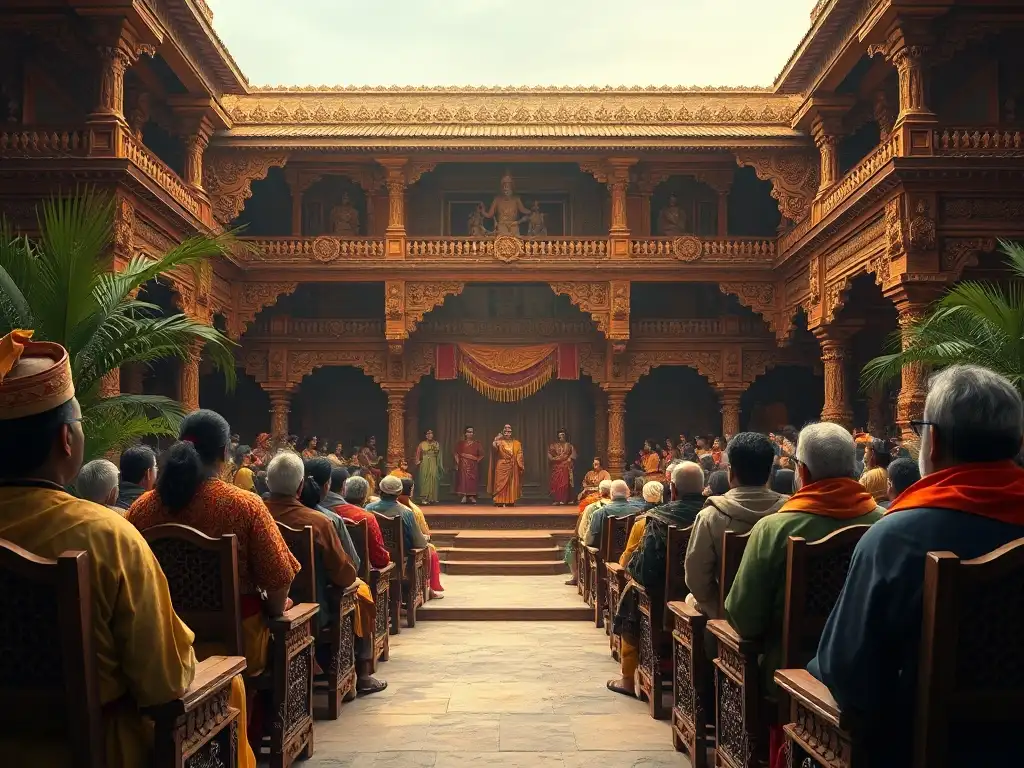
The Gupta Empire, often referred to as the Golden Age of India, witnessed significant advancements in various fields, including art, literature, and drama. The social and cultural milieu of this period played a pivotal role in shaping Gupta drama and theatre. This flourishing environment was characterized by a blend of religious influences, patronage from the elite, and a growing appreciation for the performing arts.
Audience and Patronage in Gupta Drama
The audience for Gupta drama was diverse, ranging from the local populace to the royal courts. Elite patrons played a crucial role in promoting theatrical productions, often financially supporting playwrights and artists. This patronage system was essential for the survival and growth of theatre during this era.
- Royal Patronage: Kings and nobles often sponsored theatrical performances as a means of showcasing their wealth and power. Court performances were a common feature, where the audience comprised dignitaries and the royal family.
- Local Audiences: In addition to courtly entertainment, dramas were performed in local villages and towns, making theatre accessible to the general populace. These performances often drew from popular folklore and local myths, fostering a sense of community and shared cultural identity.
- Diverse Genres: Gupta drama encompassed various genres, including comedy, tragedy, and mythological narratives. This variety attracted different audience segments, from the intellectual elite to the rural folk, thus expanding the reach of theatrical art.
The Role of Theatre in Gupta Society and Religion
Theatre in the Gupta Empire was not merely a form of entertainment; it served as a vital tool for social and religious expression. The intertwining of drama with religious themes significantly influenced its development.
- Religious Narratives: Many plays were based on Hindu epics and Puranic stories, providing moral lessons and reinforcing religious beliefs. This integration helped in the dissemination of cultural values and religious teachings to the audience.
- Ritualistic Elements: Theatre often included ritualistic components, where performances coincided with religious festivals. This connection enhanced the spiritual experience of the audience, as drama became a medium to connect with the divine.
- Cultural Identity: Theatrical performances contributed to the cultural identity of the Gupta Empire, reflecting the society's values, beliefs, and social norms. Through drama, audiences engaged with their heritage, fostering a sense of unity and continuity.
Festivals and Performances: Cultural Significance
Festivals during the Gupta period were vibrant occasions marked by theatrical performances that highlighted the cultural richness of the time. These events were significant for several reasons:
- Celebration of Festivals: Major festivals such as Navaratri and Diwali included theatrical performances that depicted mythological stories, enhancing the festive atmosphere. Such events were essential for community bonding and cultural expression.
- Educational Value: The performances often served an educational purpose, informing audiences about historical events, moral lessons, and religious practices. Plays acted as a medium for storytelling, preserving oral traditions and imparting knowledge.
- Artistic Expression: The integration of music, dance, and drama during festivals showcased the artistic talents of the performers. This multifaceted approach elevated the status of theatre within society, recognizing it as a respected art form.
The social and cultural context of Gupta theatre was characterized by diverse audiences, religious influences, and significant festivals. The interplay between drama and societal values ensured that Gupta Empire drama and theatre thrived, leaving a lasting legacy in the annals of ancient Indian culture.
The Decline and Transformation of Gupta Drama and Theatre
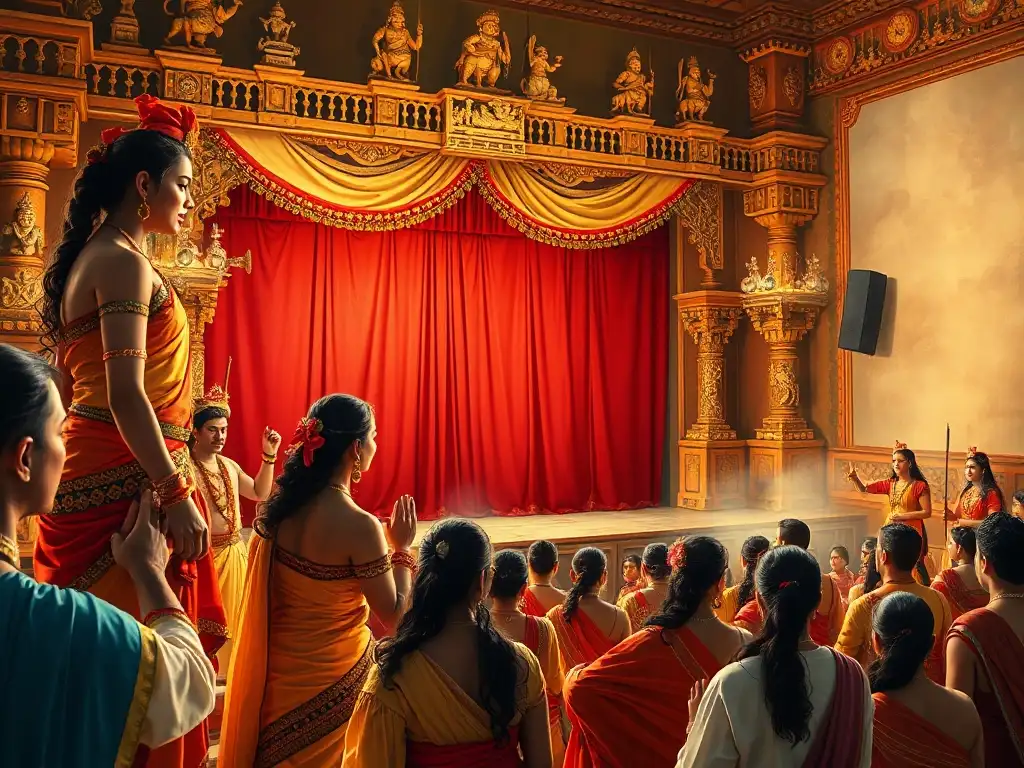
Factors Leading to the Decline of Gupta Theatre
The Gupta Empire, often referred to as the Golden Age of India, witnessed a flourishing of arts, particularly in drama and theatre. However, by the end of this era, various factors contributed to the decline of Gupta theatre.
- Political Instability: The gradual disintegration of the Gupta Empire due to internal strife and external invasions severely impacted the patronage that artists and playwrights relied on. As royal patronage diminished, so did the resources available for theatrical productions.
- Rise of Regional Powers: The emergence of regional kingdoms in the post-Gupta period led to a fragmentation of cultural and artistic expressions. These new powers often favored local traditions over the classical styles that had flourished during the Gupta Empire.
- Cultural Shifts: The evolving social and religious landscape also played a role. The rise of Bhakti movements and other religious practices shifted focus from the grand narratives celebrated in Gupta drama to more personal and devotional expressions of spirituality.
- Decline in Literary Output: The end of the Gupta period saw a reduction in the production of significant literary works. This decline was marked by fewer notable playwrights emerging to create new theatrical pieces, which in turn led to a stagnation in the evolution of Gupta drama.
The Transition to Post-Gupta Theatre Traditions
As the Gupta Empire waned, theatre underwent significant transformations, leading to the emergence of post-Gupta theatre traditions.
- Incorporation of Folk Elements: Post-Gupta theatre began to integrate folk traditions and local narratives, reflecting the diverse cultures that had emerged in the absence of Gupta dominance. This fusion led to the creation of vibrant performances that resonated more with the common people.
- Shift to Religious Themes: The influence of Bhakti and other religious movements prompted a shift in theatrical themes. Plays began to focus more on religious narratives, epics, and local legends, which were more accessible to the audience.
- Regional Language Development: The decline of Sanskrit as the primary language of theatre paved the way for regional languages to flourish. This allowed for a broader audience engagement and the development of distinct regional theatre styles.
- Emergence of New Forms: The post-Gupta period also saw the rise of various theatrical forms, such as Natyashastra influenced performances and Tamasha in Maharashtra, which incorporated music and dance, making theatre more dynamic and appealing.
Legacy of Gupta Drama in Later Indian Theatre Forms
Despite the decline of Gupta theatre, its legacy continued to influence later Indian drama and theatre forms.
- Structural Foundations: The structural elements established during the Gupta period, including the use of dialogue, character development, and stagecraft, laid the groundwork for future theatrical expressions in India.
- Influence on Classical Sanskrit Drama: The techniques and themes prevalent in Gupta drama influenced later Sanskrit playwrights, such as Kalidasa and Bhasa, who incorporated elements from earlier traditions into their works, ensuring the continuity of rich storytelling.
- Cultural Integration: The blending of Gupta theatre elements with regional traditions resulted in diverse performances that celebrated local cultures while still honoring the classical roots established during the Gupta Empire.
- Legacy in Modern Theatre: The principles of Gupta drama, including its focus on aesthetics and performance, continue to resonate in modern Indian theatre. Contemporary playwrights often draw inspiration from ancient texts and styles, showcasing the enduring impact of Gupta theatre on India's cultural landscape.
While Gupta theatre faced decline and transformation, its rich legacy laid the foundation for the evolution of Indian drama, ensuring its influence would be felt for centuries to come.
Conclusion: The Lasting Impact of Gupta Empire Drama and Theatre
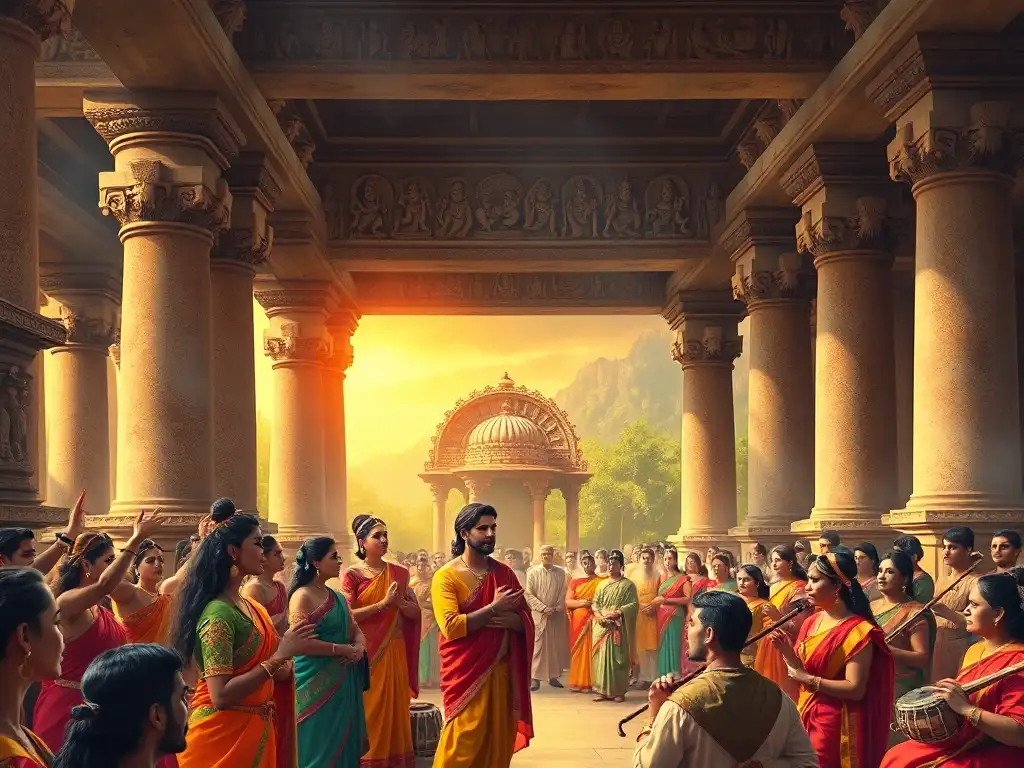
The Gupta Empire, often referred to as the Golden Age of India, made substantial contributions to the arts, particularly in the realm of drama and theatre. This period witnessed a remarkable evolution in the form and content of theatrical performances, characterized by its intricate narratives, detailed character development, and the integration of various art forms.
The dramas of the Gupta period were not merely entertainment; they served as a medium for conveying moral lessons, philosophical ideas, and social commentary. These works, mainly written in Sanskrit, were performed in royal courts and public spaces, reflecting the cultural values and societal norms of the time. Key playwrights like Kalidasa and Bhasa emerged during this era, leaving a legacy that would influence not just Indian theatre but also global literary traditions.
Summary of Contributions to Indian Culture
The contributions of Gupta Empire drama and theatre to Indian culture can be summarized as follows:
- Literary Advancements: The plays from this era showcased heightened literary sophistication, with complex plots and rich poetic language. The use of metaphor and symbolism became prevalent, enhancing the depth of storytelling.
- Cultural Reflection: Gupta theatre reflected the socio-political climate of the time, addressing themes such as love, valor, and dharma (duty/righteousness). This interplay between theatre and societal issues fostered a cultural dialogue that resonated with audiences.
- Performance Techniques: Innovations in stagecraft, including elaborate costumes, makeup, and set designs, transformed theatrical presentations. The use of music and dance further enriched performances, creating a holistic artistic experience.
- Influence on Later Traditions: The techniques and themes established during the Gupta period laid the groundwork for subsequent Indian theatrical forms, including classical dance-drama styles like Kathakali and Manipuri. The essence of Gupta drama continues to influence modern Indian theatre and cinema.
Reflection on the Importance of Gupta Drama in Modern Times
The significance of Gupta Empire drama and theatre extends beyond historical appreciation; it remains relevant in contemporary society. Here are several reflections on its importance today:
- Cultural Heritage: Gupta drama represents a vital part of India’s cultural heritage. The values and narratives from this era continue to resonate with modern audiences, providing a sense of identity and continuity.
- Inspiration for Artists: Modern playwrights and filmmakers draw inspiration from Gupta theatre's themes and storytelling techniques. The exploration of human emotions and ethical dilemmas present in these ancient works informs contemporary artistic expressions.
- Educational Value: Incorporating Gupta drama into educational curricula fosters an understanding of India's rich literary history. It encourages students to appreciate the complexities of human experience as depicted through ancient narratives.
- Global Influence: As global interest in diverse cultures grows, Gupta theatre serves as a key example of how ancient civilizations contributed to the world’s artistic landscape. The universal themes explored in Gupta dramas continue to be relevant, allowing for cross-cultural dialogue.
The legacy of Gupta Empire drama and theatre is not only a testament to the artistic achievements of ancient India but also a source of inspiration and reflection for modern society. The interplay of art, culture, and morality established during this period continues to enrich the understanding of human experiences across generations.
References and Further Reading on Gupta Empire Drama and Theatre
The Gupta Empire, often heralded as the Golden Age of India, was a period marked by significant advancements in arts and culture, particularly in drama and theatre. To deepen your understanding of this enriching subject, the following resources provide a comprehensive look into the evolution of Gupta drama and theatre.
Recommended Books and Articles
- "The Art of Ancient India: Hindu, Buddhist, Jain" by John Guy
- This book dives into the artistic expressions during the Gupta period, including theatrical arts, and provides valuable insights into the societal influences on drama.
- "Indian Theatre: A Historical Survey" by Kapila Vatsyayan
- Vatsyayan’s work offers an extensive exploration of Indian theatre, with a dedicated section on the Gupta Empire, highlighting key figures, playwrights, and the socio-political context of the time.
- "The Plays of Bhasa" by A. N. D. K. Narayan
- This analysis of Bhasa’s plays, which were pivotal during the Gupta period, sheds light on the themes, structures, and cultural significance of ancient Indian drama.
- "The Gupta Empire: A Political and Cultural History" by R. C. Majumdar
- This historical overview includes discussions on the contributions of the Gupta Empire to drama and the performing arts, illustrating their impact on later Indian theatre.
- "The Nāṭya Śāstra: An Ancient Treatise on Theatre" by Bharata Muni
- Considered the foundational text on Indian drama, this work provides essential context for understanding the principles that influenced Gupta theatre.
Online Resources for Exploring Gupta Theatre
- Digital Library of India
- A vast repository of texts relating to ancient Indian history, including works on Gupta theatre. Search for texts related to "Gupta Empire drama" to find relevant materials.
- Internet Archive
- Offers free access to historical books and documents. Search for titles related to Indian theatre and drama during the Gupta period.
- The Cultural Heritage of India
- This online platform features articles and papers on various aspects of Indian culture, including sections dedicated to the dramatic arts of the Gupta Empire.
- Academia.edu
- A social networking site for academics, where you can find research papers and articles authored by scholars on Gupta drama and theatre.
- YouTube - Historical Documentaries
- Search for documentaries focusing on the Gupta Empire that may feature segments on its theatrical traditions and cultural practices, providing a visual context to the written resources.
By utilizing these resources, readers can gain a deeper appreciation of the Gupta Empire drama and theatre, exploring its historical significance and lasting influence on Indian culture.
Frequently Asked Questions
What is the Gupta Empire known for in the realm of drama and theatre?
The Gupta Empire is celebrated for its flourishing arts, particularly in drama and theatre, which saw significant advancements during this period, emphasizing literary excellence and performance arts.
How did Gupta drama differ from earlier Indian theatrical forms?
Gupta drama introduced new themes and styles, often focusing on mythology, romance, and social issues, distinguishing it from the earlier forms that were primarily religious and ritualistic.
Who were the prominent playwrights of the Gupta Empire?
Notable playwrights included Kalidasa, whose works like Shakuntala and Vikramorvasiyam are considered masterpieces, showcasing the sophistication and depth of Gupta drama.
What role did the audience play in Gupta theatre?
The audience was integral to Gupta theatre, as performances were often interactive, with audience participation enhancing the overall experience and making it a communal event.
How did Gupta theatre influence modern Indian drama?
The legacy of Gupta theatre laid the groundwork for modern Indian drama by establishing narrative techniques, character development, and thematic diversity that continue to resonate in contemporary performances.
Final Reflection: The Enduring Legacy of Gupta Empire Drama and Theatre
The exploration of Gupta Empire drama and theatre reveals not only the artistic brilliance of a bygone era but also its profound relevance in today's cultural landscape. As we navigate a world increasingly defined by rapid change and digital expression, the timeless themes and intricate narratives of Gupta drama remind us of the power of storytelling to bridge generations and cultures. The artistic innovations of this period continue to resonate, serving as a testament to the enduring human experience and our collective quest for meaning.
Cultural narratives shaped during the Gupta Empire have left an indelible mark on the evolution of theatre, influencing not only Indian art forms but also inspiring global theatrical traditions. The intricate interplay of performance, spirituality, and societal reflection found in Gupta dramas fosters a deeper understanding of our own cultural identities.
As noted by the playwright Kalidasa, “The world is a stage, and we are but players,” highlighting the universal nature of performance and its ability to reflect our shared humanity. This ongoing influence invites us to appreciate the rich tapestry of cultural heritage that continues to shape our artistic expressions today.
As we reflect on the lessons from Gupta drama and theatre, let us embrace the call to engage with our own cultural narratives and artistic endeavors. I encourage you to explore the stories that resonate within your own life and community, drawing inspiration from the past to create a vibrant future. By honoring the legacy of the Gupta Empire's theatrical contributions, we can cultivate a deeper appreciation for the arts and their role in fostering connection, understanding, and creativity in our ever-evolving world.
Unveil the Richness of Gupta Theatre!
Thank you for diving into the fascinating world of Gupta drama and theatre with us! We hope you’ve gained insights into how this vibrant cultural phenomenon has shaped the performing arts. Now, it’s time to take your exploration even further!
Here are a few ways you can continue your journey:
- Dive Deeper: Discover the influential playwrights of the Gupta period and explore their works and their lasting impact on modern theatre.
- Join the Conversation: Share this article with friends or on social media to discuss the enduring legacy of Gupta theatre in contemporary culture.
- Experience It: Attend a local play or performance inspired by ancient traditions to witness how these historic forms continue to thrive!
What aspect of Gupta drama intrigues you the most, and how do you see it influencing today’s artistic landscape?