
Ancient Indian Metal Art: A Blend of Aesthetics and Engineering

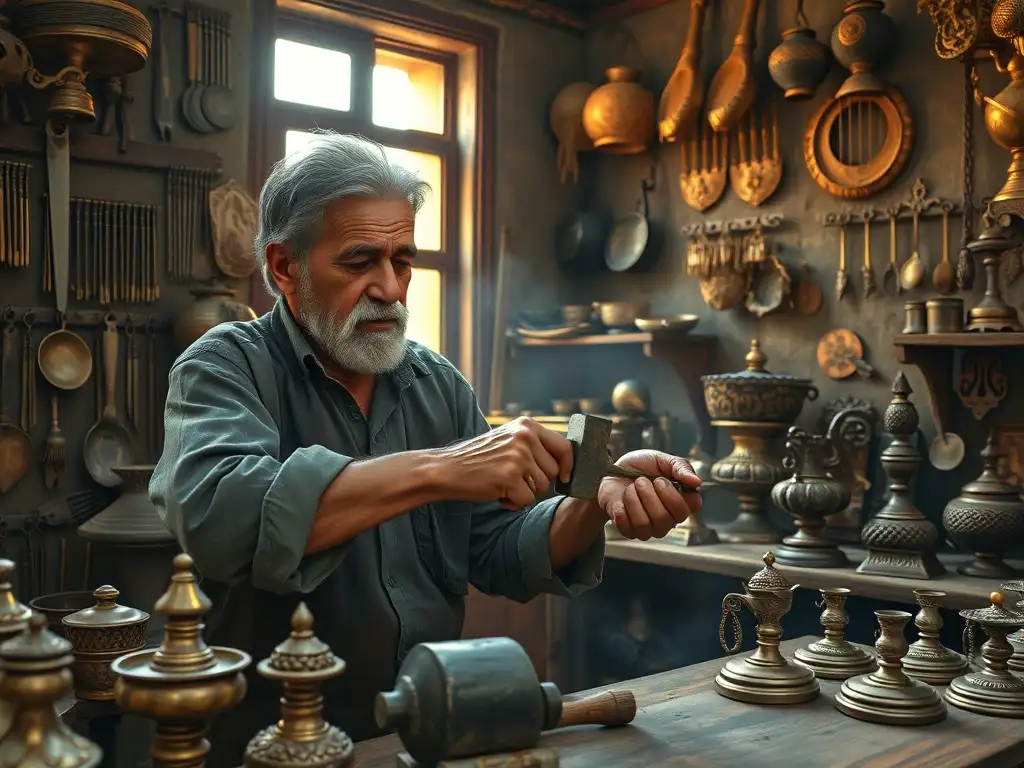
Welcome to Ancient India History, where we invite you to journey through the fascinating tapestry of India's past, exploring the rich and diverse narratives that shaped its civilizations. In our spotlight today is the enchanting world of ancient Indian metal art techniques, a remarkable fusion of aesthetics and engineering that showcases the ingenuity of artisans from the Indus Valley to the Gupta Empire.
Discover how these time-honored practices not only reflect the artistic spirit of ancient India but also reveal the technological innovations that influenced countless generations. As you delve into this captivating article, prepare to be inspired by the legacy of craftsmanship that continues to resonate today!
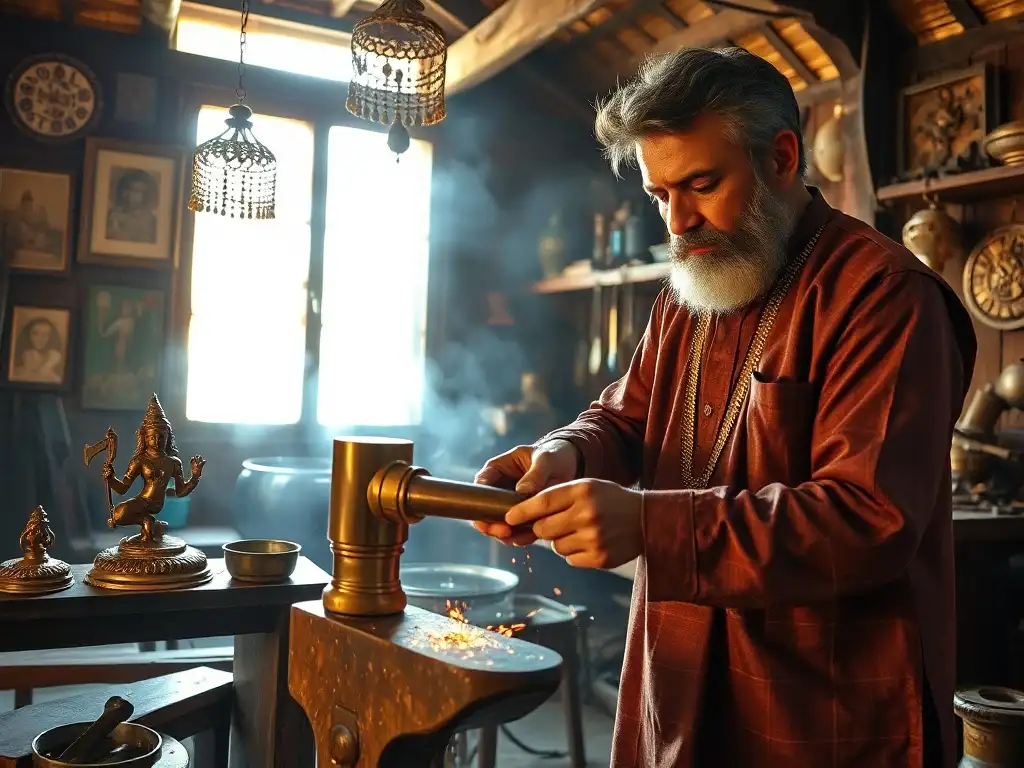
Introduction to Ancient Indian Metal Art Techniques
Ancient Indian metal art is a captivating fusion of aesthetics and engineering that reflects the profound creativity and technological prowess of its civilizations. Spanning thousands of years, this art form showcases not only the aesthetic sensibilities of ancient artisans but also their advanced understanding of metallurgy and material science. From intricate sculptures to functional tools, ancient Indian metal art techniques reveal a rich tapestry of cultural and historical influences, demonstrating how artistry and engineering can intertwine to produce remarkable works.
This article delves into the various techniques employed in ancient Indian metal art, exploring their evolution and significance in the broader context of Indian history. By examining the historical backdrop and the craftsmanship involved, we aim to illuminate the contributions of ancient Indian artisans to the fields of metallurgy and aesthetics.
Overview of Metal Art in Ancient India
Metal art in ancient India encompasses a wide array of creations, including:
- Sculptures and Statues: Many of these pieces served religious or ceremonial purposes, often depicting deities and mythological figures.
- Functional Items: Items such as tools, utensils, and weaponry reflect the practical applications of metalwork.
- Jewelry: The intricate designs of ancient jewelry showcase the artistic skills and cultural practices surrounding adornment.
The use of metals like bronze, copper, and gold highlights the technical advancements achieved by ancient Indian civilizations, with various regions developing their unique styles and techniques.
Importance of Aesthetics and Engineering in Metal Work
The synthesis of aesthetics and engineering in ancient Indian metal art is crucial for several reasons:
- Cultural Expression: Metal art served as a medium for expressing religious beliefs, social status, and artistic creativity, allowing artisans to convey deeper meanings through their work.
- Technological Innovation: The engineering aspects of metal art reflect the advanced metallurgical techniques developed by artisans, including casting, alloying, and surface finishing.
- Preservation of Heritage: These artworks have stood the test of time, preserving the cultural heritage and technological achievements of ancient Indian societies.
The interplay between beauty and functionality illustrates how ancient Indian metal art techniques were not merely about creating visually appealing objects but also about harnessing the properties of metals to serve practical purposes.
Historical Context of Metal Art in India
To fully appreciate the evolution of ancient Indian metal art, it is essential to understand its historical context, which reveals the influences and innovations that shaped this craft.
Early Beginnings: Indus Valley Civilization
The Indus Valley Civilization (circa 3300–1300 BCE) marks one of the earliest instances of metal artistry in India. Archaeological findings indicate that the people of this civilization skillfully worked with copper and bronze, producing a variety of tools and decorative items. Notable artifacts include:
- Copper tools: Used for agriculture and craftsmanship.
- Bronze figurines: Such as the famous dancing girl statue, showcasing advanced casting techniques.
These early metal arts laid the foundation for subsequent developments in metallurgy across India.
Evolution of Metal Craftsmanship through the Ages
Following the Indus Valley period, metal art in India evolved significantly through various dynasties:
- Mauryan Period (322–185 BCE): The use of iron became prominent, with artisans creating intricate sculptures and inscriptions.
- Gupta Period (circa 240–550 CE): Known as the Golden Age of India, this era saw a remarkable flourish in the quality and diversity of metal art, particularly in bronze sculptures representing deities.
Each era brought new techniques, materials, and artistic influences, enriching the tapestry of ancient Indian metalwork.
Influences of Different Dynasties on Metal Art Techniques
Throughout history, various dynasties played pivotal roles in shaping metal art techniques in India:
- Chola Dynasty: Renowned for their bronze sculptures, utilizing the lost-wax casting method to create life-like figures.
- Mughal Empire: Integrated Persian influences, leading to the development of intricate inlay work and decorative techniques in metals like gold and silver.
Each dynasty contributed unique styles and methods, reflecting the cultural amalgamation that characterized ancient India, making the study of ancient Indian metal art techniques an essential aspect of understanding the region's rich heritage.
Key Techniques in Ancient Indian Metal Art
Ancient Indian metal art is renowned for its exquisite craftsmanship and innovative techniques that blend aesthetics with engineering prowess. Various techniques have emerged over the centuries, each contributing to the rich tapestry of metal art in the region. These techniques not only showcase the artisans' skills but also reflect the cultural and social values of the times. Understanding these key techniques provides insight into the historical context and the technological advancements of ancient Indian civilizations.
Lost-Wax Casting Method
The lost-wax casting method, known as cire perdue, is one of the most significant techniques in ancient Indian metal art. This intricate process involves creating a model of the desired object in wax, which is then encased in a mold made of clay or fine sand. Once the mold is heated, the wax melts away, leaving a cavity into which molten metal is poured.
This technique allowed artisans to produce highly detailed and complex designs, including religious icons, decorative sculptures, and household items. The precision achieved through lost-wax casting is evident in the fine details of the artifacts, such as the intricate facial features of deities or the elaborate patterns on jewelry.
Notably, this method was widely used during various periods, including the Maurya and Gupta empires, and continues to influence contemporary metalworking practices.
Repoussé and Chasing Techniques
Repoussé and chasing are two complementary techniques that involve shaping and embellishing metal sheets. Repoussé involves hammering the reverse side of the metal to create a relief design on the front. Artisans use chisels and hammers to push the metal outward, resulting in raised patterns and figures.
Chasing, on the other hand, is a technique used to refine and detail the repoussé work. By working directly on the surface, artisans can create intricate designs, textures, and fine lines. This combination of techniques has been instrumental in producing decorative panels, temple ornaments, and ceremonial items.
The interplay of repoussé and chasing not only enhances the aesthetic appeal of the objects but also demonstrates the high level of skill and artistry prevalent in ancient Indian metalwork.
Inlay Work and its Significance
Inlay work is another prominent technique in ancient Indian metal art, characterized by the insertion of contrasting materials into a metal surface to create decorative patterns or images. Common materials used for inlay include gemstones, ivory, and other metals.
This technique is significant for several reasons:
- Aesthetic Appeal: Inlay designs add vibrant colors and textures, elevating the artistic quality of the metalwork.
- Cultural Symbolism: Many inlay patterns carry cultural meanings, often depicting mythological stories or religious motifs that resonate with the beliefs of the time.
- Status and Wealth: Inlaid metal objects were often associated with royalty and the elite, serving as symbols of status and wealth.
Inlay work has been widely observed in various artifacts, from intricate jewelry to elaborate weapons, showcasing the artisans' creativity and technical skills.
Materials Used in Ancient Indian Metal Art
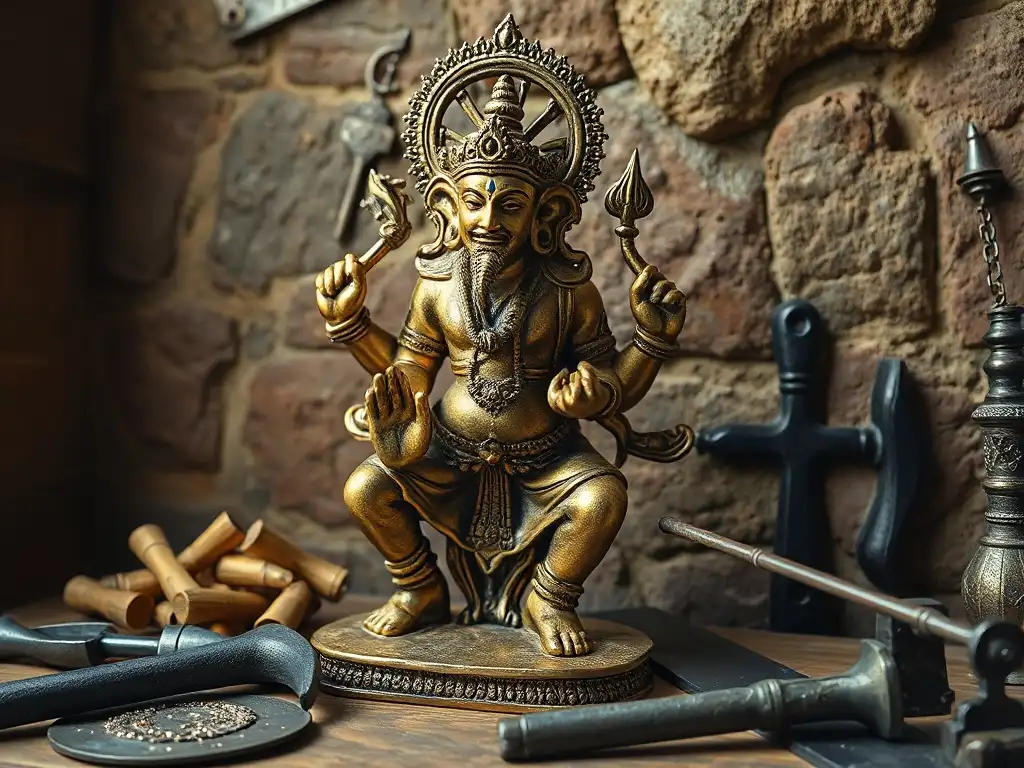
The choice of materials in ancient Indian metal art significantly influenced the techniques and the final outcomes of the artwork. Various metals and alloys were utilized, each bringing its unique properties and aesthetic qualities to the craftsman's palette.
Types of Metals: Gold, Silver, Copper, and Iron
Ancient Indian artisans primarily worked with four key metals: gold, silver, copper, and iron.
- Gold: Highly valued for its luster and rarity, gold was often used for jewelry and ceremonial objects. Its malleability allowed artisans to create intricate designs and fine detailing.
- Silver: Like gold, silver was used for both decorative and functional items. Its reflective quality made it a popular choice for inlays and engravings.
- Copper: Copper served as a foundational metal in ancient metalworking. It was utilized for everyday objects, tools, and coins. The ability to alloy copper with tin led to the creation of bronze, further expanding the possibilities for artistry.
- Iron: Known for its strength and durability, iron was primarily used in weaponry and tools. The technological advancements in iron metallurgy, including the production of wootz steel, played a critical role in ancient India's military prowess.
Alloys and Their Unique Properties
The use of alloys in ancient Indian metal art is notable, particularly the combination of metals to enhance specific properties. Bronze, an alloy of copper and tin, was highly favored for its strength and resistance to corrosion.
- Bronze: Used extensively for sculptures, bells, and utensils, bronze allowed for finer details and durability. The casting techniques employed for bronze artifacts often showcased the artists' skill and craftsmanship.
- Other Alloys: Artisans experimented with various combinations, such as brass (copper and zinc) and various forms of iron alloys. These alloys were not only functional but also expanded the range of artistic expression.
The ability to create and manipulate alloys reflects the advanced knowledge of metallurgy in ancient India, contributing to the region's legacy in metal art.
Influence of Local Resources on Metal Art
The geography and natural resources of ancient India had a profound impact on metal art. The availability of specific metals and minerals influenced the types of artifacts produced and the techniques employed.
- Geological Richness: Regions rich in copper and iron deposits, such as Rajasthan and the Deccan plateau, became centers for metal production. This accessibility facilitated the growth of skilled artisan communities.
- Cultural Exchange: Trade routes connecting ancient India with neighboring civilizations brought new materials and techniques, enriching the local metal art practices. The introduction of new alloys and decorative styles reflects the dynamic nature of ancient Indian culture.
- Environmental Factors: The climate and local traditions also played a role in the types of metalwork created. For instance, the demand for durable cookware led to the development of specific techniques suited for functional items.
The interplay of local resources, advanced techniques, and the artistry of ancient Indian metal artisans resulted in a rich heritage of metal art that continues to inspire and influence contemporary practices.
Aesthetic Aspects of Ancient Indian Metal Art
Ancient Indian metal art is renowned for its intricate designs and remarkable craftsmanship, reflecting a deep appreciation for beauty and aesthetics. The artistry exhibited in metal sculptures and artifacts goes beyond mere functionality; it embodies the cultural narratives and philosophical ideologies of its time. The use of metals such as bronze, gold, silver, and iron allowed artisans to create detailed representations of deities, animals, and natural elements, demonstrating both technical skill and creative vision.
Artisans often employed techniques like casting, engraving, and inlaying to enhance the visual appeal of their work. The aesthetic choices made in metal art were influenced by various factors, including regional traditions, available materials, and the intended use of the artifacts. For instance, temple sculptures featured elaborate carvings and decorations aimed at invoking divine presence, while everyday items reflected the everyday life and culture of the people.
Symbolism and Motifs in Metal Artworks
Symbolism plays a crucial role in ancient Indian metal art, with many artworks designed to convey specific meanings or represent cultural beliefs. Common motifs include lotus flowers, which symbolize purity and enlightenment, and animals like elephants and lions, representing strength and nobility. Each motif is carefully chosen and often reflects religious or philosophical concepts, making the artworks layered with meaning.
In addition to symbolic motifs, the use of geometric patterns and intricate filigree designs adds to the overall aesthetic experience of the pieces. These designs not only enhance beauty but also serve to connect the viewer with the deeper cultural context and spiritual significance of the artworks. The thoughtful integration of symbolism in metal art emphasizes the harmony between form and function, making each piece a unique expression of artistic and cultural identity.
Regional Variations in Aesthetic Styles
Ancient Indian metal art showcased a diversity of aesthetic styles influenced by geographical, cultural, and historical factors across the subcontinent. For example, the metalwork from the southern regions, particularly Tamil Nadu, is characterized by its intricate bronze sculptures of deities, often used in temple rituals. These sculptures display a unique style marked by exaggerated features and dynamic poses, reflecting the region's rich spiritual heritage.
Conversely, northern India produced metal artifacts with a distinct Mughal influence, incorporating intricate inlay work and floral patterns that highlight the fusion of indigenous and foreign artistic traditions. The craftsmanship in regions like Rajasthan is renowned for its use of vibrant enameling and intricate ornamentation, often seen in traditional jewelry and decorative items.
These regional variations not only showcase the skill of ancient craftsmen but also underscore the cultural narratives and identities that shaped the artistic expressions across ancient India.
The Role of Metal Art in Religious and Cultural Practices
Metal art in ancient India was deeply intertwined with religious and cultural practices. Many artworks served as offerings in temples, enhancing the spiritual atmosphere and facilitating devotion among worshippers. Bronze sculptures of deities were often ritually worshipped, and their intricate designs were believed to embody the divine essence, making them central to religious ceremonies.
Moreover, metal artifacts such as ceremonial weapons, ritual vessels, and jewelry played significant roles in cultural celebrations and rites of passage. These items were not merely decorative; they held symbolic meanings and were often associated with protection, prosperity, and honor. The craftsmanship involved in creating these pieces reflected a society that valued artistry as a vital aspect of its cultural and spiritual identity.
Engineering Marvels in Ancient Indian Metal Techniques
The engineering prowess demonstrated in ancient Indian metal art is equally impressive as its aesthetic qualities. Advanced techniques in metallurgy and material science allowed artisans to create durable and functional items that have stood the test of time. The knowledge of alloy composition, casting methods, and metalworking tools played a significant role in the production of high-quality artifacts.
Architectural Applications of Metal Art
Metal art was often employed in architectural contexts, enhancing not only the structural integrity of buildings but also their aesthetic appeal. The use of metal in temple construction, such as the intricate metal doors and decorative brackets, showcased the engineering skills of ancient craftsmen. These elements were designed not only for durability but also to create visually striking entrances that invited worshippers into sacred spaces.
Additionally, metal was used in the construction of fortifications and weaponry, demonstrating the dual purpose of functionality and artistry. The blending of aesthetic design with practical applications in architecture highlights the innovative spirit of ancient Indian metalworkers, who understood the importance of both beauty and utility in their creations.
Tools and Equipment Used by Ancient Craftsmen
The tools and equipment used by ancient Indian metal artisans were critical to their ability to create intricate works of art. Basic tools such as chisels, hammers, and anvils formed the backbone of their workshops, allowing craftsmen to manipulate metals with precision. More advanced techniques included using furnaces for casting and various methods for alloying metals, which required extensive knowledge of materials and chemical properties.
Artisans often passed down their skills through generations, leading to a rich tradition of craftsmanship that emphasized both technique and artistry. This transmission of knowledge was essential for maintaining the high standards of quality and creativity associated with ancient Indian metal art.
Innovations in Metalworking Techniques
Ancient Indian metalworkers were pioneers in numerous innovations that transformed metal art practices. Techniques such as lost-wax casting, which allowed for the creation of detailed and complex sculptures, exemplify their advanced understanding of metallurgy. This method involved creating a model in wax, encasing it in clay, and then melting the wax away to leave a mold for pouring molten metal.
Additionally, the development of unique alloys, such as the famous iron pillar of Delhi, which is notable for its rust-resistant properties, showcases the ingenuity of ancient Indian metallurgy. These innovations not only contributed to the aesthetic appeal of metal art but also ensured the longevity and functionality of the artifacts produced, solidifying the legacy of ancient Indian craftsmanship in the annals of history.
Preservation and Legacy of Ancient Indian Metal Art Techniques
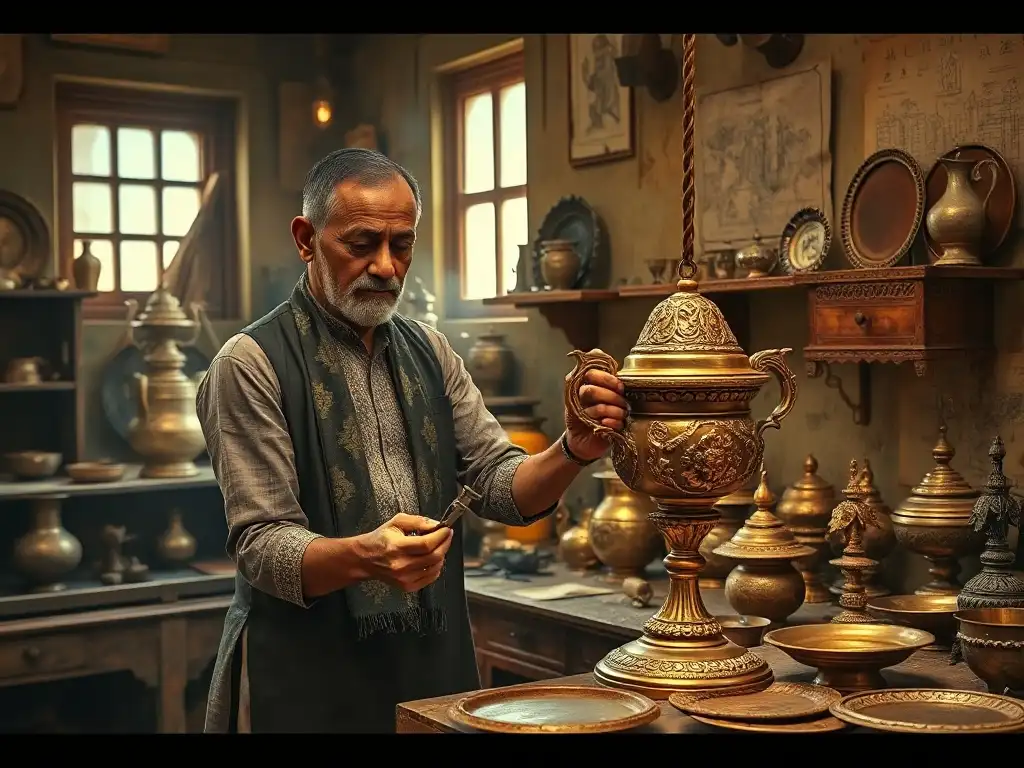
The preservation of ancient Indian metal art techniques is crucial for understanding the intricate blend of aesthetics and engineering that characterized the ancient civilizations of India. These techniques, which include lost-wax casting, damascening, and metal inlay, not only demonstrate the high level of craftsmanship but also reflect the cultural, spiritual, and technological advancements of their time. However, the legacy of these techniques is at risk due to various factors, including the decline in traditional practices and the lack of documentation.
Efforts to preserve these techniques have gained momentum in recent years, with artisans and scholars collaborating to document and teach these skills to new generations. The establishment of workshops, exhibitions, and educational programs aims to keep the art alive, ensuring that the knowledge passed down through centuries continues to flourish.
Challenges in Preserving Ancient Techniques
Preserving ancient Indian metal art techniques presents several challenges. One of the primary issues is the loss of artisans skilled in these traditional methods. As modern technology and mass production techniques dominate the market, fewer craftsmen are willing to devote the time and effort required to master these intricate processes.
Additionally, the lack of formal documentation poses another significant hurdle. Many techniques were passed down orally or through practice rather than written records, leading to variations and potential loss of knowledge over time. The transition from a traditional to a modern economy has also influenced the demand for these art forms, resulting in fewer opportunities for artisans to showcase their work.
Moreover, the environmental factors can impact the preservation of metal artworks. Corrosion, pollution, and the use of inappropriate conservation methods can degrade ancient artifacts, making it essential to adopt scientifically sound preservation techniques that respect the original craftsmanship.
Modern Revival and Adaptation of Traditional Metal Art
In recent years, there has been a notable revival of interest in ancient Indian metal art techniques. This resurgence is fueled by a growing appreciation for traditional crafts and a shift towards sustainable and handmade products. Artisans are now exploring ways to adapt these ancient techniques to modern contexts, incorporating contemporary designs while maintaining the integrity of the traditional methods.
Collaborations between designers and traditional artisans have led to innovative products that appeal to modern consumers. For example, jewelry makers are blending ancient techniques like filigree and chasing with contemporary styles, resulting in unique pieces that honor heritage while appealing to current trends.
Additionally, various non-profit organizations and government initiatives are working to support artisans through training programs, grants, and marketing assistance, ensuring that these skills are not only preserved but also adapted for future generations.
Influence of Ancient Techniques on Contemporary Art Forms
The influence of ancient Indian metal art techniques extends far beyond traditional crafts and can be seen in various contemporary art forms. Artists today are drawing inspiration from the intricate designs, motifs, and methods employed by ancient craftsmen.
For instance, the use of inlay work and damascening in modern sculptures and installations reflects the enduring appeal of these techniques. Artists often incorporate symbolic elements derived from ancient Indian mythology and philosophy, merging tradition with modern artistic expression.
Moreover, contemporary fashion designers are increasingly referencing ancient metal art techniques in their collections, which not only elevates the aesthetic value of the garments but also fosters a deeper connection to India's rich cultural heritage. This interplay between ancient techniques and modern art forms highlights the adaptability and relevance of traditional crafts in today's creative landscape.
Conclusion: The Enduring Legacy of Ancient Indian Metal Art
The legacy of ancient Indian metal art is a testament to the remarkable ingenuity and craftsmanship of India's past. The techniques developed by artisans centuries ago continue to inspire and influence modern art forms, creating a bridge between history and contemporary creativity.
Summary of Techniques and Their Impact
Ancient Indian metal art techniques such as lost-wax casting, damascening, and metal inlay have not only produced stunning artifacts but also laid the foundation for future innovations in metallurgy and design. The impact of these techniques is evident in both traditional and modern contexts, where they are celebrated for their beauty and complexity.
The cultural significance embedded in these techniques further enhances their value, emphasizing the stories and traditions that have shaped Indian society over millennia. As interest in these art forms grows, so too does the recognition of their importance in understanding India's historical and cultural narrative.
Future of Ancient Indian Metal Art in Modern Context
Looking ahead, the future of ancient Indian metal art techniques appears promising, with a concerted effort to preserve and revitalize these skills. The integration of traditional methods into contemporary design, coupled with increased awareness and appreciation for handmade crafts, suggests a renewed interest in these art forms.
Furthermore, the rise of eco-conscious consumerism is likely to bolster the demand for sustainable and artisanal products, providing artisans with a viable market for their crafts. By embracing both innovation and tradition, ancient Indian metal art techniques can continue to thrive and evolve, ensuring that their legacy endures for generations to come.
References
[List of scholarly articles, books, and sources relevant to ancient Indian metal art techniques]
- Books
- The Art of Indian Metalwork by Robert A. Brown – This comprehensive book explores various metalworking techniques used in ancient India, with a focus on aesthetic and functional aspects.
- Indian Iron Age: The History and Culture of the Iron Age in India by S. K. Sahu – A detailed examination of the metallurgical advancements during the Iron Age in India, including insights into metal art.
- Metallurgy in Ancient India by R. K. Sharma – This book delves into the specific techniques and technologies employed by ancient Indian artisans in metal creation.
- Scholarly Articles
- "Metallurgical Techniques in Ancient India: An Overview" in the Journal of Historical Metallurgy – This article provides a survey of the various metallurgical practices and their implications for understanding ancient Indian craftsmanship.
- "Bronze Age Crafts in the Indus Valley Civilization" published in the Journal of Archaeological Science – A study focusing on the techniques used in bronze production and art within the Indus Valley, showcasing the sophistication of early Indian metallurgy.
- "Lost Wax Casting in Ancient Indian Sculpture" in The International Journal of Art and Technology – This article details the lost-wax casting method, a significant technique in ancient Indian metal art, and its artistic traditions.
- Theses and Dissertations
- "A Study of Metal Art Techniques in Ancient India" – PhD dissertation by A. K. Mehta, exploring the technical and artistic dimensions of ancient Indian metal art.
- "Cultural Significance of Metal Art in Ancient Indian Societies" – Masters thesis by Priya Verma, analyzing the role of metal art in cultural expressions and societal structures.
- Online Resources
- Archaeological Survey of India (ASI) – A valuable resource for research papers and articles related to ancient Indian metallurgy and artifacts.
- Digital Library of India – This repository offers access to a variety of historical texts and documents related to ancient crafts, including metalworking techniques used in India.
- Exhibition Catalogs
- Treasures of the Indus Valley: Ancient Jewelry and Metalwork – Catalog from a major exhibition showcasing ancient metal artworks from the Indus Valley, providing insights into the craftsmanship and techniques used.
- The Metal Arts of Ancient India – An exhibition catalog that documents various ancient metal artifacts, detailing the methods and cultural significance behind them.
These references collectively provide a robust foundation for understanding the intricate metal art techniques of ancient India, revealing both their aesthetic qualities and engineering prowess.
- Introduction to Ancient Indian Metal Art Techniques
- Historical Context of Metal Art in India
- Key Techniques in Ancient Indian Metal Art
- Materials Used in Ancient Indian Metal Art
- Aesthetic Aspects of Ancient Indian Metal Art
- Engineering Marvels in Ancient Indian Metal Techniques
- Preservation and Legacy of Ancient Indian Metal Art Techniques
- Conclusion: The Enduring Legacy of Ancient Indian Metal Art
- References
Frequently Asked Questions
What are ancient Indian metal art techniques?
Ancient Indian metal art techniques refer to traditional methods used by artisans to create intricate metalwork, including sculptures, jewelry, and tools, showcasing both aesthetic beauty and technical skill.
How did ancient Indian civilizations influence metal art?
Civilizations like the Indus Valley and the Gupta Empire contributed significantly to metal art by developing advanced casting and alloying techniques, resulting in unique styles and craftsmanship that are still admired today.
What materials were commonly used in ancient Indian metal art?
Artisans primarily used copper, bronze, and gold for their creations. These materials were chosen for their durability and workability, allowing for intricate designs and lasting beauty.
How did religion impact ancient Indian metal art?
Religion played a crucial role, with metal art often depicting deities and mythological themes. This not only fulfilled spiritual needs but also reflected the cultural values and beliefs of the time.
Are there any surviving examples of ancient Indian metal art?
Yes, numerous examples exist, including the Brahmanical sculptures and temple ornaments from the Gupta period, showcasing the sophistication and craftsmanship of ancient Indian metal art.
Final Reflection: The Timeless Legacy of Ancient Indian Metal Art Techniques
The intricate craftsmanship and innovative engineering of ancient Indian metal art techniques continue to resonate in today's world, reminding us of the profound connection between artistry and functionality. As we navigate a rapidly evolving technological landscape, the enduring beauty and sophistication of these ancient practices serve as a testament to human creativity and ingenuity. The ability to blend aesthetics with engineering not only showcases the skill of artisans from centuries past but also inspires contemporary creators to explore the harmonious relationship between form and function.
The influence of ancient Indian metal art techniques can be seen in various aspects of modern culture, from contemporary design to sustainable practices in craftsmanship. The principles of balance, precision, and beauty that governed these ancient techniques are now being revisited by artists and engineers alike, fostering a renewed appreciation for traditional methods. Art is not what you see, but what you make others see.
– Edgar Degas. This quote encapsulates the essence of ancient Indian metal art, as it invites us to look beyond the surface and appreciate the stories, skills, and cultural significance embedded within each piece.
As we reflect on the lessons of ancient Indian metal art, let us carry forward the spirit of innovation and creativity into our own lives. I invite you to explore your own artistic potential, whether through crafting, designing, or simply appreciating the beauty around you. Embrace the idea that every creation holds the power to connect us with our history and inspire future generations. By honoring these ancient techniques, we not only preserve a rich cultural heritage but also ignite a passion for artistry that transcends time and place.
Unveil the Masterpieces of Ancient Metal Art!
Thank you for diving into the fascinating world of ancient Indian metal art with us! We hope you’ve gained insights into the unique blend of aesthetics and engineering that defines this remarkable craftsmanship. Now, it’s time to take your passion further and explore the wonders of ancient artistry.
Here’s how you can continue your journey:
- Explore local museums or exhibitions featuring ancient artifacts to experience these stunning creations up close.
- Share your newfound knowledge with friends or on social media to spark engaging conversations about the beauty of ancient art forms.
- Join online communities or forums focused on ancient history and art—connect with fellow enthusiasts and deepen your appreciation!
Which piece of ancient Indian metal art resonates with you the most, and why? Let’s ignite a discussion in the comments!