
The Role of Ancient Indian Metallurgy in Military Strategy and Warfare

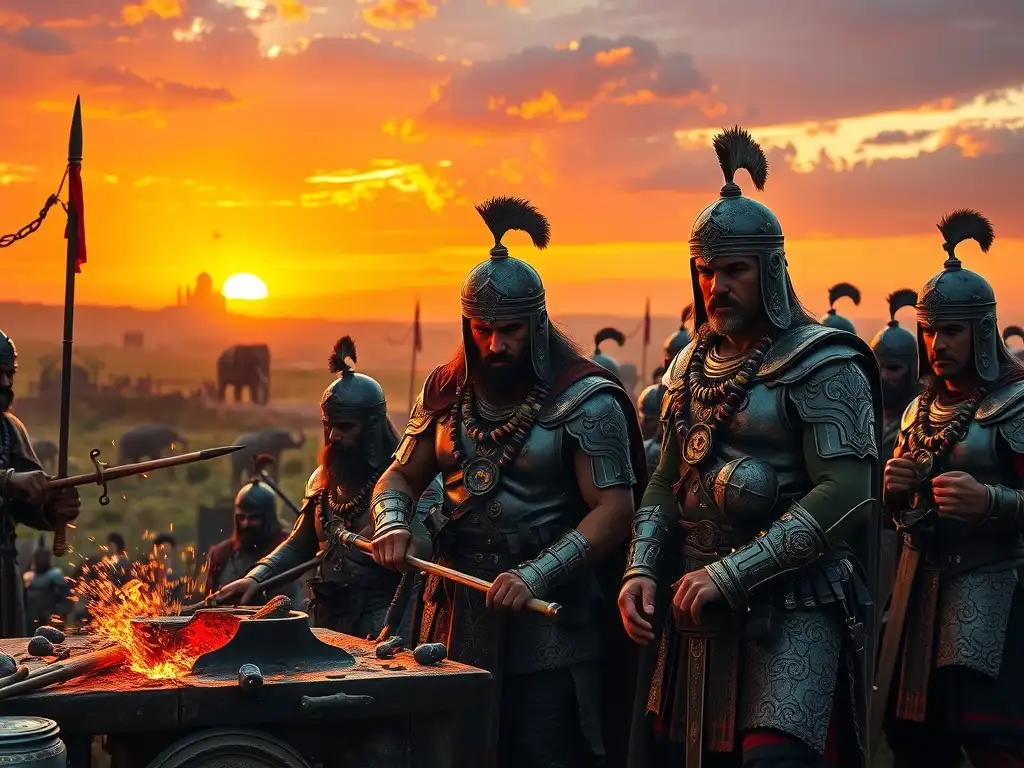
Welcome to Ancient India History, where we embark on a fascinating journey through the rich tapestry of ancient Indian civilizations. Today, we delve into the intriguing world of Ancient Indian metallurgy in warfare, uncovering how these technological advancements shaped military strategy and influenced the outcomes of battles.
From the remarkable craftsmanship of weaponry to the innovative techniques that defined an era, prepare to discover the profound impact of metallurgy on ancient Indian warfare. Join us as we explore these captivating narratives that not only highlight the ingenuity of our ancestors but also invite you to ponder the legacy they left behind.
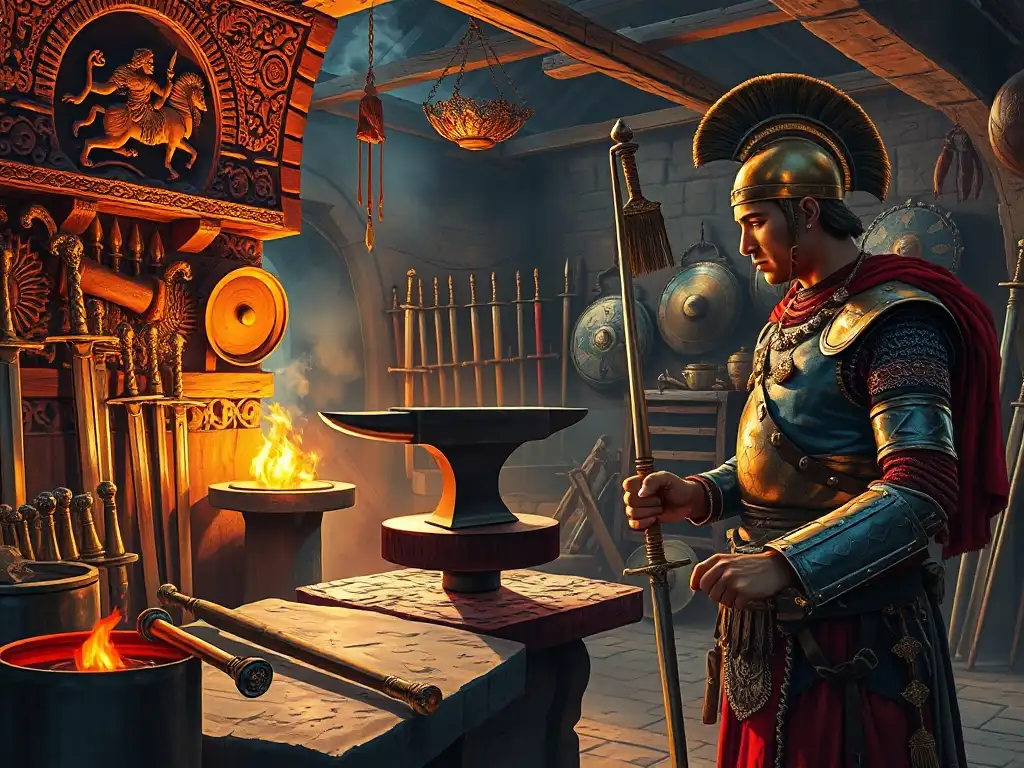
Ancient Indian metallurgy played a pivotal role in shaping the military strategies and warfare techniques of various civilizations throughout history. From the advanced metalworking skills of the Indus Valley Civilization to the sophisticated weaponry of the Gupta Empire, metallurgy was not only a technological advancement but also a crucial factor in enhancing the effectiveness of military operations. This article delves into the intricate relationship between ancient Indian metallurgy and its applications in warfare, highlighting how these advancements contributed to the success and sustainability of military campaigns across different eras.
Introduction to Ancient Indian Metallurgy
Definition and Significance of Metallurgy in Ancient India
Metallurgy, the science and technology of metals, encompasses the extraction, refining, and manipulation of metal ores to create tools, weapons, and other artifacts. In ancient India, metallurgy was a foundational aspect of technological innovation, influencing various sectors, including agriculture, architecture, and, importantly, warfare. The ability to produce superior metal weapons and armor provided ancient Indian armies with a significant edge over their adversaries. Notably, the production of high-quality steel, known as Wootz steel, became a hallmark of ancient Indian metallurgy, renowned for its strength and durability.
Overview of the Evolution of Metallurgy in Ancient Civilizations
The evolution of metallurgy in ancient India can be traced back to the Indus Valley Civilization (circa 3300–1300 BCE), where early forms of copper and bronze tools were utilized. As civilizations progressed, the techniques of metalworking evolved, leading to the Iron Age around the 1st millennium BCE. The transition from bronze to iron marked a significant leap in military capabilities, enabling the creation of more effective weapons such as swords, spears, and arrows. Various ancient texts, such as the Arthashastra, provide insights into the strategic use of metal in warfare, underscoring its importance in military planning and execution.
Historical Context of Warfare in Ancient India
Key Ancient Indian Civilizations and Their Military Strategies
Throughout history, several civilizations in ancient India, including the Maurya and Gupta Empires, developed unique military strategies that were heavily influenced by their metallurgical advancements. The Mauryan Empire, under the leadership of Chandragupta Maurya, utilized well-coordinated infantry and cavalry units armed with iron weapons, which facilitated their expansion across the Indian subcontinent.
Similarly, the Gupta Empire is often referred to as the "Golden Age" of ancient India, marked by not only cultural and scientific advancements but also military innovations. Their use of advanced metallurgy led to the production of intricately designed weapons that played a crucial role in their military successes.
The Impact of Geography on Military Tactics and Metallurgy
Geography significantly influenced the development of military tactics and metallurgy in ancient India. The diverse topography, ranging from the Himalayan mountains to the vast Indo-Gangetic plains, shaped the way armies were organized and deployed. For instance, mountainous regions necessitated the use of lighter, more maneuverable weapons, while the plains favored larger, more heavily armed forces.
Additionally, the availability of natural resources such as iron ore and copper influenced the types of metalworking techniques adopted by different regions, ultimately affecting their military strategies. Understanding these geographical factors was essential for ancient Indian leaders to optimize their warfare tactics, making metallurgy an integral part of military planning.
The Development of Metallurgical Techniques
The development of metallurgical techniques in ancient India was a significant milestone in the evolution of military strategy and warfare. It began around 3000 BCE with the emergence of the Indus Valley Civilization, where early metallurgists started experimenting with copper and bronze. The evidence of smelting furnaces and metal tools uncovered in sites like Harappa and Mohenjo-Daro indicates a high level of sophistication in metalworking.
As time progressed, the techniques evolved, with notable advancements during the Vedic period (circa 1500-500 BCE). Ancient Indian metallurgists developed methods to forge and cast metals, leading to the production of more durable and effective weapons. By the time of the Maurya Empire (circa 322-185 BCE), the knowledge of metallurgy had reached new heights, facilitating the manufacture of high-quality iron tools and weapons, which played a crucial role in the expansion of empires and military conquests.
Innovations in Metal Extraction and Processing
Ancient Indian metallurgists made groundbreaking innovations in metal extraction and processing techniques, which were critical for military applications. One of the most notable advancements was the development of high-temperature furnaces, capable of reaching temperatures sufficient for smelting iron and copper.
The use of reducing agents such as charcoal in the smelting process allowed for more efficient extraction of metals from ores. Techniques like cupellation and cementation were also employed to refine metals further, yielding stronger and purer alloys. The introduction of quenching in water or oil after forging enhanced the hardness of weapons, making them more effective in battle.
Moreover, the ancient Indians were skilled in the art of alloying, leading to the creation of materials like Wootz steel, which was renowned for its exceptional quality and strength. This steel was highly coveted not only in India but also in foreign lands, significantly influencing warfare tactics and strategies.
Types of Metals Used in Warfare: Iron, Bronze, and Others
In ancient Indian warfare, various metals were utilized, each contributing uniquely to military capabilities.
- Bronze: As one of the earliest metals used, bronze, an alloy of copper and tin, was primarily employed for crafting weapons, tools, and armor. It was favored for its hardness and resistance to corrosion, making it ideal for close combat.
- Iron: The introduction of iron transformed ancient Indian warfare. Iron weapons, such as swords, spears, and arrows, were stronger and more abundant than their bronze counterparts. The ability to produce large quantities of iron weapons allowed armies to equip more soldiers, fundamentally altering military strategies and tactics.
- Other Metals: In addition to bronze and iron, ancient Indian metallurgists also utilized metals like lead and zinc for various applications. Although these metals were less common in weaponry, they were often used in the creation of armor and shields.
The strategic use of these metals not only enhanced the effectiveness of the military but also influenced the socio-political dynamics of ancient Indian civilizations, as the ability to produce superior metal goods often determined the strength and stability of empires.
Applications of Metallurgy in Military Equipment
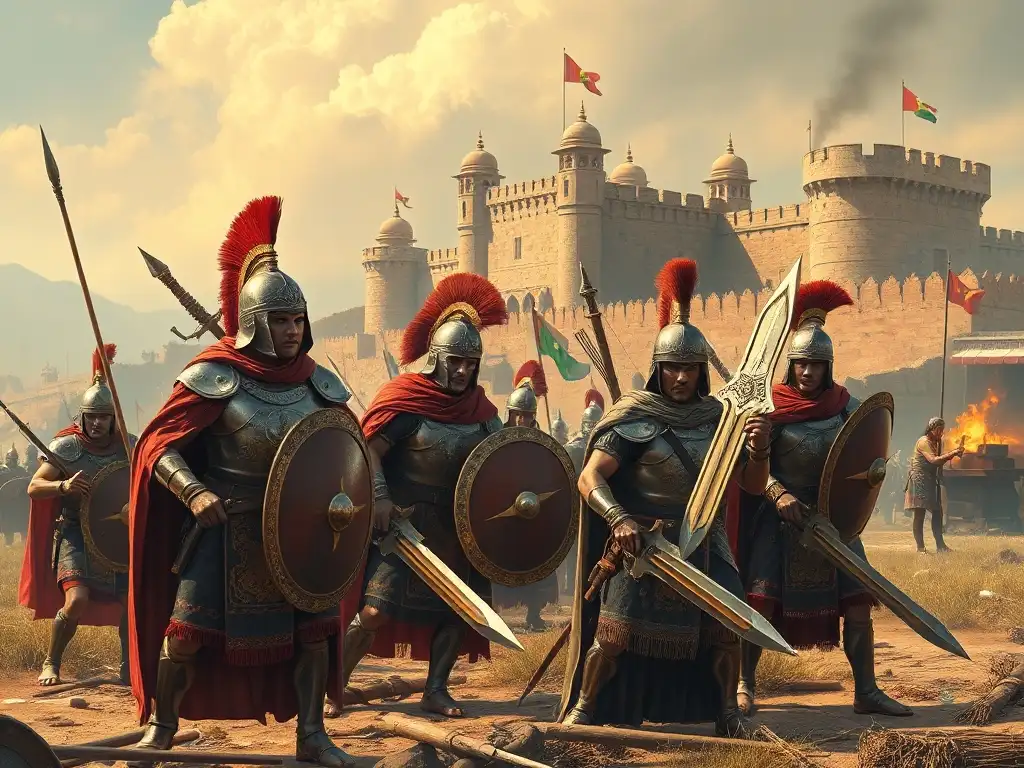
The applications of metallurgy in ancient Indian military equipment were diverse, reflecting the advanced understanding of materials and their properties. The ability to manipulate metals allowed ancient civilizations to create a wide range of military gear that significantly improved their combat effectiveness.
Weapons Crafted from Ancient Indian Metallurgy
Ancient Indian metallurgy led to the creation of an impressive array of weapons, each designed for specific combat scenarios. Notable examples include:
- Swords: Crafted from high-quality iron and sometimes alloyed with other metals, ancient Indian swords were renowned for their sharpness and durability. The khanda, a double-edged sword, was particularly celebrated for its effectiveness in battle.
- Spears and Lances: These weapons, often tipped with iron, were essential for both ranged and close combat, allowing warriors to engage enemies from a distance before closing in for hand-to-hand fighting.
- Bows and Arrows: The metallurgy of arrowheads, typically made of iron, provided superior penetration and lethality, enhancing the effectiveness of archers on the battlefield.
- Armor: The advancement in metallurgy also contributed to the production of protective gear, such as helmets and shields, which were essential for safeguarding warriors during confrontations.
The sophisticated weaponry produced through ancient Indian metallurgy not only provided a tactical advantage but also symbolized the technological prowess of the civilizations.
The Role of Chariots and Elephants in Warfare
Chariots and elephants played a pivotal role in ancient Indian warfare, and their effectiveness was amplified by advancements in metallurgy.
- Chariots: The construction of chariots involved the use of strong metals for their wheels and frames, enabling them to withstand the rigors of battle. Chariots were often equipped with bronze or iron blades to enhance their combat effectiveness, allowing them to cut through enemy lines swiftly.
- Elephants: Ancient Indian armies utilized war elephants, which were a formidable force on the battlefield. The use of metal armor for elephants provided protection against enemy weapons, while metal-tipped spears and projectiles were employed by the mahouts (elephant drivers) to attack from elevated positions.
The integration of metallurgy with these military assets not only changed the dynamics of warfare but also reflected the socio-political significance of such strategies in ancient Indian civilization. The combination of chariots and elephants, fortified by advanced metallurgical techniques, contributed to the successes of various dynasties, showcasing the profound impact of metallurgy on military strategy and operations.
Strategic Advantages Provided by Metallurgical Advancements
Ancient Indian metallurgy played a pivotal role in shaping military strategies and enhancing the effectiveness of warfare. The development of metalworking techniques and the utilization of diverse metals provided armies with strategic advantages that were crucial in battles. This era saw the transition from rudimentary weapons to advanced armaments, which significantly influenced the outcomes of conflicts.
The ability to forge high-quality weapons, such as swords, spears, and arrows, allowed warriors to engage more effectively in combat. Metallurgical advancements enabled the creation of stronger and more durable tools, reducing the risk of breakage during battles. Furthermore, the development of armor, including helmets and shields, offered enhanced protection to soldiers, thereby increasing their survivability on the battlefield.
Additionally, metallurgy facilitated the manufacturing of siege equipment, such as catapults and battering rams, which were essential for breaching fortified positions. The strategic use of these innovations not only allowed for more aggressive tactics but also altered the dynamics of warfare, empowering armies to execute complex maneuvers and strategies that would have been impossible with inferior technology.
Enhancing Combat Effectiveness through Superior Weaponry
The superiority of weaponry directly correlated with combat effectiveness in ancient Indian warfare. The introduction of high-carbon steel, known as “wootz steel,” revolutionized weapon production. This material was renowned for its exceptional toughness and ability to hold a sharp edge, providing warriors with a significant advantage in hand-to-hand combat.
Moreover, the art of metallurgy allowed for the manufacture of various types of weapons tailored to specific combat scenarios. For instance, the introduction of long swords, known as "khanda," and curved blades like “scimitars” improved reach and cutting power, making them formidable tools in battle.
The crafting of specialized weapons, such as the “bow and arrow” with metal tips, enhanced ranged combat capabilities. This innovation allowed archers to inflict greater damage from a distance, effectively changing the dynamics of battlefield engagements. As a result, armies with access to superior metallurgy could engage more effectively and dominate their foes, thereby influencing the outcomes of numerous conflicts throughout ancient India.
The Influence of Metal Craftsmanship on Military Tactics
The mastery of metal craftsmanship not only impacted the weapons used in warfare but also had profound implications for military tactics. With the advent of stronger and more reliable weaponry, commanders were able to devise novel strategies that maximized the potential of their forces.
For instance, the use of heavy infantry armed with metal weapons allowed for the formation of tightly packed battle lines, which could withstand enemy charges. The development of cavalry units equipped with metal-tipped lances and swords provided armies with the ability to execute flanking maneuvers, a tactic that could decisively influence the outcome of a battle.
Additionally, the versatility of metal weaponry encouraged the use of combined arms tactics, where infantry, cavalry, and chariots worked together in a coordinated manner. This synergy was crucial for exploiting the weaknesses of enemy formations and adapting to the fluid dynamics of warfare. The strategic deployment of various metal weapons thus transformed conventional battle tactics, enabling ancient Indian armies to achieve remarkable victories.
Case Studies: Notable Battles Utilizing Ancient Indian Metallurgy
The historical significance of ancient Indian metallurgy is best illustrated through specific battles that showcased its impact on military strategy and warfare. Through various case studies, we can observe how metallurgical advancements influenced the outcomes of significant conflicts.
The Battle of Kalinga: Metal Weapons and Their Impact
The Battle of Kalinga, fought in 261 BCE, is a prime example of the role of metallurgy in warfare. This battle marked a turning point for Emperor Ashoka of the Maurya Empire, as it was one of the bloodiest conflicts in Indian history. The Mauryan forces, equipped with advanced metal weapons and armor, faced the Kalingan army, which also utilized metal weaponry.
The superior quality of the Mauryan weapons, particularly their long swords and metal-tipped arrows, played a crucial role in the battle's outcome. Historical accounts suggest that the effectiveness of these weapons contributed to the Mauryan victory, despite the Kalingans' fierce resistance. The battle highlighted not only the strategic importance of metallurgy but also the devastating consequences of warfare, leading Ashoka to embrace a policy of non-violence thereafter.
Military Campaigns of the Maurya and Gupta Empires
The military campaigns of both the Maurya and Gupta Empires further exemplify the significance of metallurgy in ancient Indian warfare. The Mauryan Empire, under the leadership of Chandragupta Maurya and later Ashoka, engaged in numerous battles where their advanced metal weaponry provided a distinct advantage. The armies were characterized by their use of well-crafted swords, spears, and shields, which allowed them to conquer vast territories.
Similarly, the Gupta Empire, known for its cultural and scientific advancements, also relied heavily on metallurgy in warfare. The Gupta military utilized a combination of infantry and cavalry, all equipped with high-quality metal weapons that facilitated their conquests. The strategic deployment of these forces in battles against rival kingdoms showcased how superior metallurgy could dictate the course of military campaigns.
In both empires, the development of metallurgy not only enhanced the effectiveness of individual soldiers but also transformed the approach to warfare, making it an integral part of their military heritage.
The Cultural and Symbolic Significance of Metallurgy in Warfare
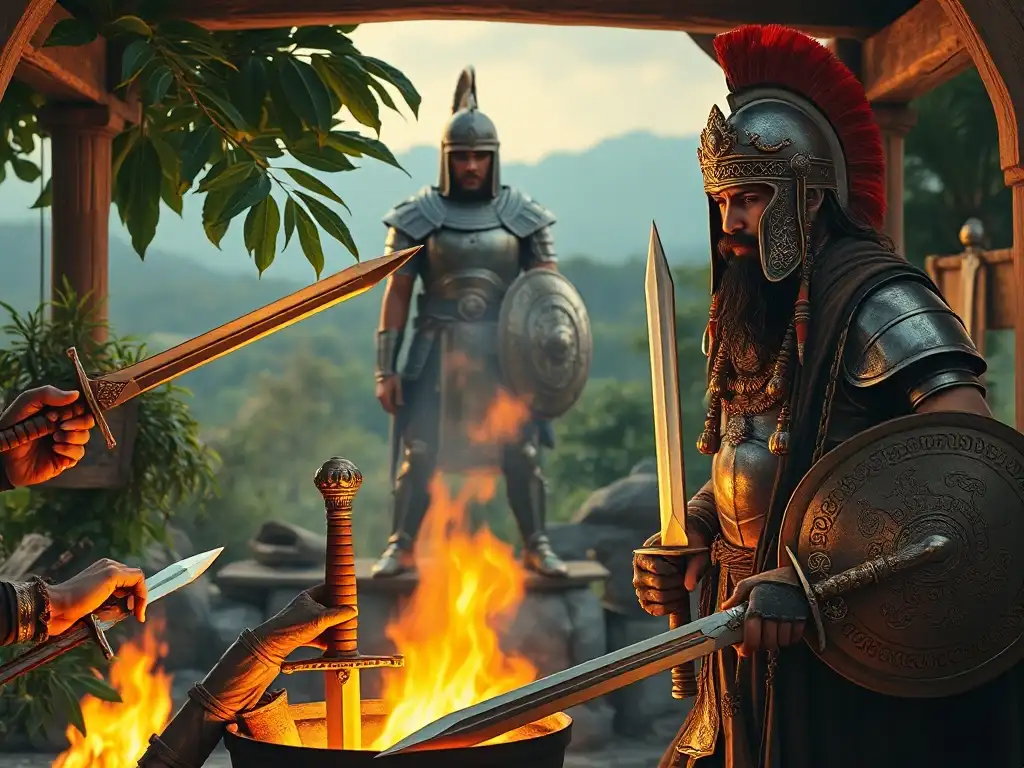
Metallurgy in ancient India was not merely a practical endeavor; it held profound cultural and symbolic significance within the context of warfare. The ability to produce weapons and armor from various metals was often viewed as a reflection of a civilization's technological advancement and sophistication. For instance, the crafting of high-quality iron and steel was not only crucial for military dominance but also served as a symbol of strength and resilience.
Warriors adorned themselves with intricately designed metal armors, which not only provided protection but also conveyed status and valor. The use of metals such as gold and silver in ceremonial weaponry underscored the spiritual and symbolic dimensions of warfare, where weapons were often seen as blessings from the divine. Thus, metallurgy transcended its functional role, becoming intertwined with the cultural narratives of heroism, power, and identity.
Metallurgy as a Reflection of Social Status and Power
In ancient Indian society, the mastery of metallurgy was closely associated with social status and power dynamics. The ability to forge superior weapons and tools often placed metallurgists, particularly blacksmiths, in a revered position within their communities. Kings and warriors relied heavily on skilled artisans to produce metalwork that not only enhanced their military capabilities but also elevated their status through the possession of finely crafted armaments.
Moreover, the production of high-quality metal goods was often monopolized by specific clans or guilds, creating an economic hierarchy that intertwined craftsmanship with social standing. The more advanced the metallurgical techniques, the greater the prestige associated with those who could wield such technology. This relationship between metallurgy and social hierarchy played a critical role in shaping the military strategies of various kingdoms, where control over metallurgical resources became synonymous with political power.
The Role of Artisans and Blacksmiths in Ancient Societies
Artisans and blacksmiths were the backbone of ancient Indian metallurgy, possessing both the skills and knowledge necessary to manipulate metals for military purposes. These craftsmen were often organized into guilds, where they honed their craft through generations, passing down techniques and innovations that significantly impacted warfare.
The intricate process of creating weapons such as swords, spears, and shields required not only technical expertise but also an understanding of the properties of various metals. Blacksmiths would often experiment with different alloys to enhance durability and effectiveness, leading to the development of renowned materials like Wootz steel, which was famed for its strength and sharpness.
In addition to their technical roles, artisans also served as cultural custodians, embedding artistic expressions within their metalwork. Their creations were not only functional but also aesthetically pleasing, often reflecting the values and beliefs of the society they served. Thus, the artisans' contributions to warfare were multifaceted, intertwining technology, art, and culture in a way that enriched the fabric of ancient Indian civilization.
Conclusion: The Lasting Legacy of Ancient Indian Metallurgy in Warfare
The legacy of ancient Indian metallurgy in warfare is a testament to the civilization's ingenuity and adaptability. Through the development of advanced metallurgical techniques, ancient Indian societies were able to enhance their military capabilities, influencing both regional and global warfare dynamics.
Summary of Key Contributions to Military Strategy
Ancient Indian metallurgy contributed significantly to military strategy through the production of superior weaponry and armor that provided a tactical advantage on the battlefield. The introduction of advanced iron and steel techniques allowed for the creation of lighter, more durable weapons, which improved mobility and effectiveness in combat. Additionally, the strategic establishment of metalworking centers facilitated the mass production of arms, ensuring that armies were well-equipped for prolonged conflicts.
These advancements not only improved the effectiveness of individual warriors but also reshaped the organizational strategies of armies, as metallurgical prowess became a crucial element in the planning and execution of military campaigns.
The Influence of Ancient Indian Metallurgy on Subsequent Civilizations
The influence of ancient Indian metallurgy extended far beyond its own borders, leaving a lasting impact on subsequent civilizations. The techniques developed in ancient India, particularly in iron and steel production, were adopted and adapted by neighboring cultures in Asia and beyond. The renowned Wootz steel, for example, became highly sought after throughout the Middle East and Europe, influencing weapon-making practices across various regions.
The transfer of metallurgical knowledge also fostered cross-cultural exchanges that enriched the technological landscape of warfare in the ancient world. As such, the legacy of ancient Indian metallurgy not only shaped military strategies during its time but also laid the foundational principles for future advancements in metallurgy and military technology across civilizations.
References and Further Reading
To fully appreciate the significance of ancient Indian metallurgy in warfare, it is essential to explore various sources that delve into the historical context, technological innovations, and military applications of metallurgical practices in ancient India. The following sections provide suggested sources for in-depth exploration and recommended literature that can enhance understanding of this multifaceted topic.
Suggested Sources for In-Depth Exploration of Ancient Indian Metallurgy
- Archaeological Reports: Numerous archaeological findings, particularly those from the Indus Valley Civilization, have unveiled metallurgical techniques that were advanced for their time. Reports from excavations at sites like Harappa and Mohenjo-Daro are invaluable for understanding the early applications of metallurgy.
- Scholarly Journals: Journals such as the Journal of Archaeological Science and Asian Archaeology frequently publish articles on ancient technologies, including metallurgy. These peer-reviewed papers often include case studies and analyses of artifacts that illuminate the practices of ancient Indian metallurgists.
- Museum Catalogs: Museums housing ancient artifacts, such as the National Museum in New Delhi, often publish catalogs that provide insights into the materials and techniques used in ancient Indian metallurgy. These catalogs can be a treasure trove of information on weapons and tools.
- Online Databases: Digital archives like the Indian Archaeological Society's database and the Archaeological Survey of India's online resources offer access to a wealth of documents and images pertaining to ancient metallurgical practices.
- Documentaries and Lectures: Educational platforms such as YouTube host documentaries and lectures by historians and metallurgists that discuss ancient Indian metallurgy and its implications for warfare strategies.
Recommended Books and Articles on Military History and Metallurgy
-
"The History of Metallurgy in Ancient India" by R. K. Sharma
This comprehensive book covers the evolution of metallurgical practices in ancient India, with a significant focus on military applications, weaponry, and armor-making techniques.
-
"War and Society in Ancient India" by R. S. Sharma
This work explores the intersection of warfare and society in ancient India, providing context for how metallurgy influenced military strategies and societal structures.
-
"Metallurgy and Military Technology in Ancient India" by A. N. Singh
Analyzing the technological innovations in metallurgy, this book discusses the materials used in weapon making and their impact on warfare tactics during various periods of ancient Indian history.
-
"The Indus Valley Civilization: A Historical Perspective" by S. P. Gupta
While primarily focused on the Indus Valley, this book touches upon the early metallurgical advancements that lay the groundwork for later military applications.
-
Articles in The Indian Journal of History of Science: This journal contains numerous articles that discuss specific aspects of ancient Indian metallurgy, including its applications in warfare and its contributions to military technology.
By engaging with these resources, readers can gain a deeper understanding of ancient Indian metallurgy in warfare and its broader implications for military strategy throughout history.
- Introduction to Ancient Indian Metallurgy
- Historical Context of Warfare in Ancient India
- The Development of Metallurgical Techniques
- Applications of Metallurgy in Military Equipment
- Strategic Advantages Provided by Metallurgical Advancements
- Case Studies: Notable Battles Utilizing Ancient Indian Metallurgy
- The Cultural and Symbolic Significance of Metallurgy in Warfare
- Conclusion: The Lasting Legacy of Ancient Indian Metallurgy in Warfare
- References and Further Reading
- What is ancient Indian metallurgy in warfare?
- How did metallurgy influence military strategies in ancient India?
- What materials were primarily used in ancient Indian metallurgy?
- Were there any notable ancient Indian texts discussing metallurgy and warfare?
- How did ancient Indian metallurgy compare to other civilizations?
Frequently Asked Questions
What is ancient Indian metallurgy in warfare?
Ancient Indian metallurgy in warfare refers to the techniques and innovations used in the production of weapons and armor, significantly impacting military strategies throughout history.
How did metallurgy influence military strategies in ancient India?
Metallurgy enabled the creation of superior weapons, such as swords and arrows, which provided a tactical advantage in battles, allowing armies to gain dominance over rivals.
What materials were primarily used in ancient Indian metallurgy?
Ancient Indian metallurgists predominantly used copper, bronze, and iron, each playing a crucial role in developing various weapons and equipment for warfare.
Were there any notable ancient Indian texts discussing metallurgy and warfare?
Yes, texts like the Arthashastra by Kautilya and various treatises on metallurgy provide insights into the strategic use of metals in warfare and their importance in military tactics.
How did ancient Indian metallurgy compare to other civilizations?
Ancient Indian metallurgy was highly advanced, often regarded as on par with other great civilizations such as the Greeks and Romans, particularly in the quality and craftsmanship of weapons.
Final Reflection: The Enduring Legacy of Ancient Indian Metallurgy in Warfare
The exploration of ancient Indian metallurgy in warfare reveals not only the ingenuity of past civilizations but also its profound relevance in today's military strategies. As we delve into the intricate techniques and materials that shaped the battlefield, we uncover a narrative that transcends time, emphasizing how innovation in metallurgy has been a cornerstone of military prowess throughout history. The mastery of metalworking not only equipped armies with superior weaponry but also laid the foundation for tactical advancements that resonate in contemporary warfare.
Clearly, the influence of ancient Indian metallurgy extends far beyond its historical context, shaping the cultural and social landscapes of military practices globally. The techniques developed in ancient India have inspired generations of metallurgists and strategists alike, highlighting the importance of technological advancement in warfare. The art of war is of vital importance to the State; it is a matter of life and death, the road either to safety or to ruin.
This quote encapsulates the essence of how critical advancements in metallurgy have been to the survival and success of civilizations, reminding us that the lessons learned from the past continue to inform our present and future.
As we reflect on the significance of ancient Indian metallurgy in warfare, I invite you to consider how the principles of innovation, adaptability, and strategic thinking can be applied in your own life. Let the legacy of these ancient techniques inspire you to embrace creativity and resourcefulness in your endeavors, whether in personal challenges or professional pursuits. By acknowledging the past, we can forge a path toward a future where the lessons of history guide us in overcoming obstacles and achieving greatness.
Unveil the Secrets of Ancient Metallurgy!
Thank you for diving into the fascinating world of ancient Indian metallurgy! We hope you’ve discovered how metalworking shaped military strategies and influenced warfare. Now it’s time to put that inspiration into action!
Here are a few steps you can take to deepen your understanding and appreciation of this captivating topic:
- Explore additional resources on ancient military tactics and metallurgy to see how they intertwine across various cultures.
- Connect with fellow history enthusiasts by sharing this article on social media or joining discussions in history forums.
- Experiment at home! Try your hand at a simple metalworking craft or project to appreciate the skills of skilled artisans from the past.
What aspect of ancient Indian metallurgy do you find most surprising or inspiring? We invite you to share your thoughts below!