
Understanding the Connection Between Religion and Metallurgy in Ancient India

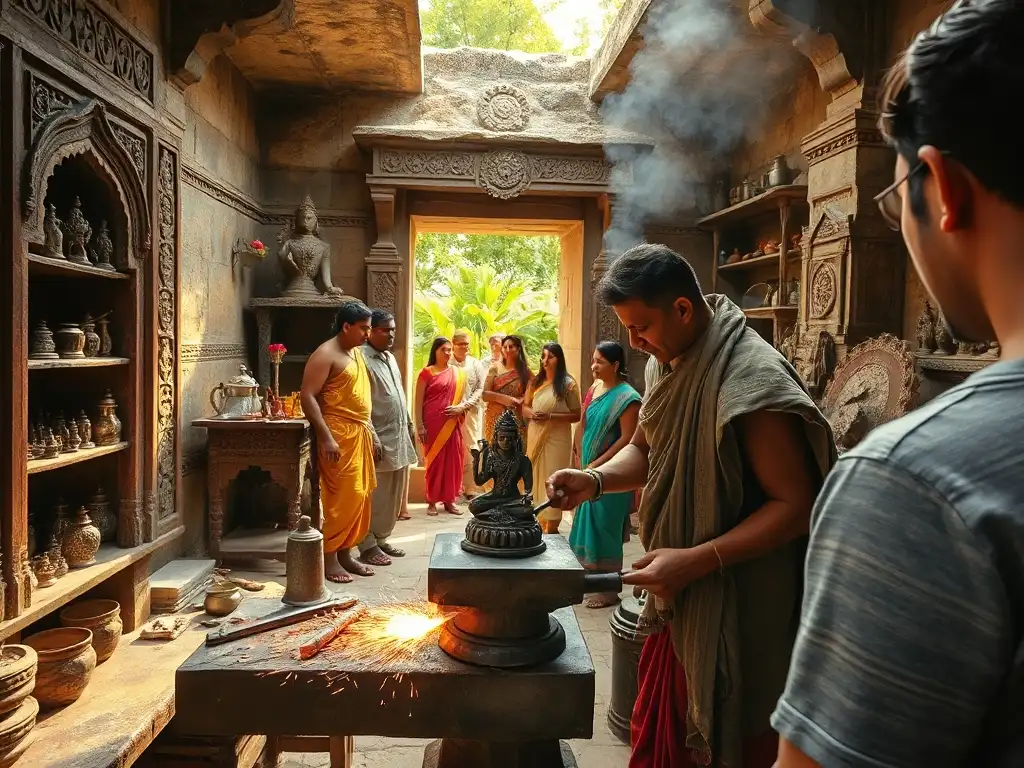
Welcome to Ancient India History, where we embark on a fascinating journey through time to uncover the rich tapestry of India's past. In our featured article, "Understanding the Connection Between Religion and Metallurgy in Ancient India," we delve into the intricate relationship between spiritual beliefs and technological advancements that shaped ancient civilizations. How did the divine influence the art of metalworking?
What secrets lie within the fusion of faith and innovation? Join us as we explore these captivating questions and more, igniting your curiosity about the remarkable contributions of ancient India in the realms of religion and metallurgy. Your adventure into history begins here!
Introduction to Religion and Metallurgy in Ancient India
The intricate relationship between religion and metallurgy in ancient India presents a fascinating exploration of how spiritual beliefs influenced technological advancements. From the Indus Valley Civilization to the Gupta Empire, metallurgical practices were not merely technical endeavors; they were deeply intertwined with the religious and cultural fabric of society.
This connection shaped not only the methods and materials used in metallurgy but also the philosophical underpinnings of the craftsman’s work. As we delve into this topic, we will uncover how religious ideologies guided the development of metallurgical techniques, the significance of metals in rituals and worship, and the broader implications of these practices on ancient Indian civilization.
Overview of Ancient Indian Civilization
Ancient India was characterized by a rich tapestry of cultures, languages, and philosophies. Emerging around 2500 BCE, the Indus Valley Civilization showcased advanced urban planning and trade practices. Following this, the Vedic period (1500-500 BCE) introduced profound religious texts and rituals that shaped the spiritual landscape. The advent of Buddhism and Jainism further diversified the religious milieu, influencing art, architecture, and craftsmanship. This complex interplay of culture and belief systems created a fertile ground for metallurgical innovations, allowing metals to transcend their utilitarian purposes and acquire sacred significance.
Importance of Metallurgy in Ancient India
Metallurgy played a pivotal role in the socio-economic development of ancient India. The ability to extract and manipulate metals like copper, bronze, and iron facilitated advancements in agriculture, warfare, and trade. Notably, the Iron Age marked a significant turning point as iron tools and weapons revolutionized farming practices and military strategies. Furthermore, metallurgy contributed to the artistic expression of the time, with intricate metalwork manifesting in sculptures, coins, and religious artifacts. The technological prowess demonstrated through metallurgy not only reflects the ingenuity of ancient Indian artisans but also underscores the civilization's ability to harmonize practical needs with spiritual aspirations.
The Role of Religion in Shaping Metallurgical Practices
Religion significantly influenced metallurgical practices in ancient India. Various deities associated with metals, such as Vishwakarma, the divine architect and craftsman, imbued the work of artisans with spiritual importance. Rituals and offerings often accompanied metallurgical processes, reinforcing the belief that divine blessings were essential for successful production. Metals were not just commodities; they were considered sacred, with certain metals like gold and silver being used in religious ceremonies and as offerings to deities. This connection between religion and metallurgy fostered a culture where craftsmanship was revered, and artisans were seen as custodians of sacred knowledge.
Historical Context of Metallurgy in Ancient India
Early Metallurgical Developments in the Indus Valley
The Indus Valley Civilization stands as one of the earliest cradles of metallurgy in ancient India, showcasing advanced techniques in bronze production. Archaeological findings indicate that the inhabitants utilized copper and bronze for tools, ornaments, and ritualistic objects. The precision in casting and the use of sophisticated techniques such as lost-wax casting highlight their metallurgical expertise. Moreover, the presence of seals adorned with intricate motifs suggests that metallurgy was not only functional but also served a symbolic purpose, often intertwined with the region's spiritual beliefs.
The Evolution of Metallurgy Through the Vedic Period
With the transition to the Vedic period, metallurgy evolved significantly. Texts like the Rigveda reference various metals, indicating their importance in rituals and daily life. The emergence of iron metallurgy during this time had profound implications, leading to improved agricultural tools and weaponry. This period also saw the codification of religious practices that emphasized the significance of metals in sacrificial offerings, further intertwining metallurgy with the spiritual ethos of the time.
Influence of Buddhism and Jainism on Metallurgical Techniques
The rise of Buddhism and Jainism introduced new dimensions to metallurgical practices in ancient India. These religions advocated for non-violence and minimalism, which influenced the types of metals used in rituals and the methods of production. The craftsmanship in metalwork flourished, as artisans created symbols of faith, such as stupas and figurines, utilizing materials that held spiritual significance. The aesthetic and functional aspects of metallurgy were harmonized with religious beliefs, leading to innovations that reflected the values of these philosophies.
In this article, we will further explore these themes, providing a detailed analysis of how religion and metallurgy coalesced to shape the technological landscape of ancient India. Stay tuned as we dive deeper into the historical context and significance of these connections.
Religious Significance of Metals in Ancient Indian Culture
In ancient India, metals were not merely materials for crafting tools and ornaments; they held profound religious significance that intertwined with the spiritual and cultural fabric of society. Metals such as gold, silver, copper, and brass were often associated with deities and were believed to possess unique properties that could influence the physical and metaphysical realms. The reverence for metals was reflected in various aspects of life, including rituals, art, and daily practices, establishing a deep connection between religion and metallurgy.
Religious texts and scriptures frequently mention the importance of specific metals in ceremonies and offerings. For instance, gold is often referred to as the "metal of gods," symbolizing purity and prosperity. This belief system influenced not only the spiritual practices but also the metallurgical advancements made during ancient times, highlighting the intricate relationship between religious beliefs and technological innovations.
Sacred Metals and Their Symbolism
Each metal in ancient Indian culture was imbued with distinct symbolic meanings. Gold, revered for its luster and rarity, was associated with the divine and considered a symbol of wealth and purity. It was often used in religious iconography and temple architecture. Silver, on the other hand, represented the moon and was connected to femininity and fertility, making it a popular choice for ritual objects.
Copper, known for its durability, was often linked to health and was believed to have purifying properties. It was commonly used in the making of utensils and ritual tools. Brass, an alloy of copper and zinc, symbolized strength and was used in various ceremonial contexts. This rich tapestry of symbolism surrounding metals reflects their integral role in the spiritual practices of ancient Indian civilizations.
Ritual Uses of Metal Objects in Religious Practices
Metal objects were central to many religious rituals in ancient India. From ceremonial bells and vessels to idols and amulets, these items played a crucial role in worship and offerings. Bells, often made of bronze, were used in temples to invite divine presence and signify the commencement of rituals. The sound produced was believed to ward off negative energies and enhance the spiritual atmosphere.
Moreover, metal vessels were used for conducting sacred rituals, such as "homas" (fire sacrifices), where offerings were made to deities. These vessels were often crafted with intricate designs symbolizing various aspects of nature and spirituality. The importance of metal in these practices underscores its significance as a medium through which devotees connected with the divine.
The Connection Between Metalworking and Divine Craftsmanship
In ancient Indian thought, metalworking was often perceived as a divine craft, with artisans regarded as skilled practitioners blessed by the gods. This belief is reflected in texts such as the Vedas and Puranas, which describe the celestial artisans who created divine objects from metals. The act of metalworking was seen as a spiritual endeavor that transcended mere craftsmanship, embodying the skills and knowledge passed down through generations.
Artisans, known as "karmakaras," were respected members of society who held the responsibility of creating sacred objects. Their work was considered a form of devotion, and the meticulous techniques they employed were thought to invoke divine favor. This connection between craftsmanship and spirituality fostered an environment where metallurgy flourished, leading to significant advancements in techniques and tools.
Metallurgical Innovations Inspired by Religious Beliefs
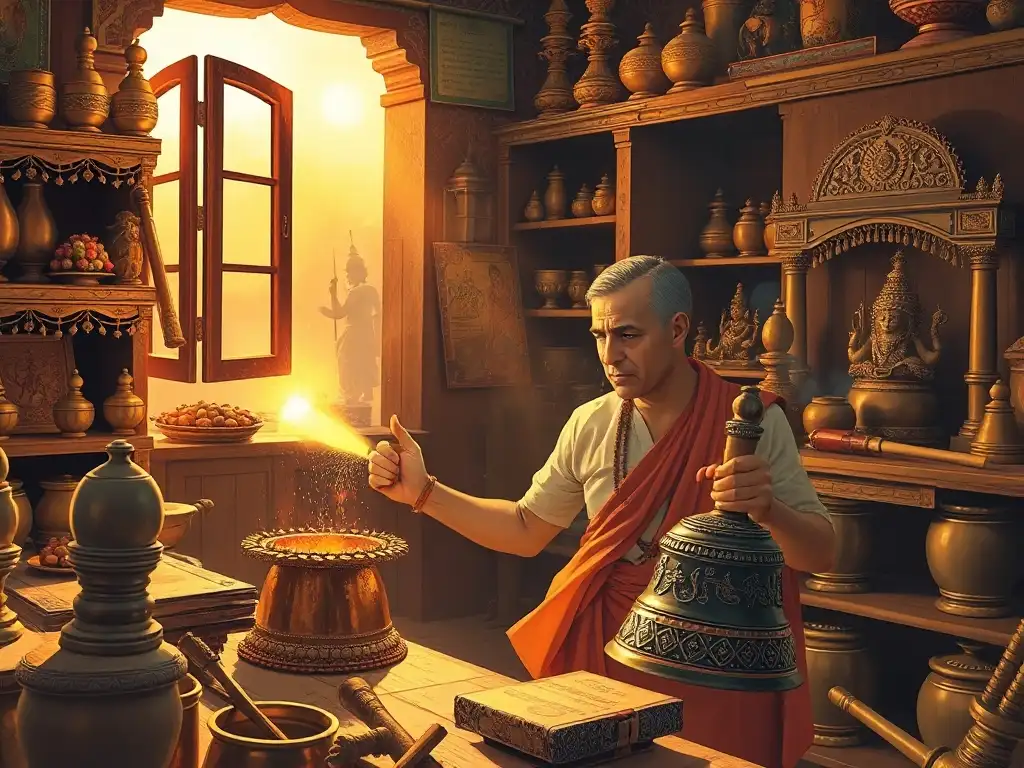
The intertwining of religion and metallurgy in ancient India not only influenced cultural practices but also spurred numerous innovations in metalworking techniques. As artisans sought to create objects of worship that adhered to religious standards, they developed advanced methods for extracting, refining, and shaping metals, resulting in a variety of unique artifacts.
Techniques and Tools Used in Religious Metallurgy
Ancient Indian metallurgists employed a range of sophisticated techniques and tools to create religious artifacts. Techniques such as lost-wax casting, alloying, and surface treatment were commonly used to enhance the aesthetic and functional qualities of metal objects. Lost-wax casting, in particular, allowed for intricate designs and shapes, making it ideal for crafting idols and decorative items.
Tools such as chisels, hammers, and anvils were essential for shaping and engraving metals. The development of these tools was closely linked to the demands of religious practices, as artisans were required to produce high-quality items that adhered to specific religious iconography and symbolism. This technological progress was driven by the necessity to meet the spiritual and cultural expectations of the time.
Case Studies of Notable Religious Artifacts
Numerous notable religious artifacts exemplify the connection between metallurgy and spirituality in ancient India. The famous bronze idols of deities, such as the Nataraja (Lord Shiva as the cosmic dancer), showcase exceptional craftsmanship and attention to detail. These idols were often created using the lost-wax casting technique, highlighting the skill and creativity of ancient artisans.
Another significant artifact is the Ashoka Pillar, which, made of iron, symbolizes the principles of Dharma and governance. Its construction illustrates the advanced metallurgical knowledge of the time and the importance of metal in conveying religious and political messages. Such artifacts not only serve as historical records but also reflect the rich spiritual legacy of ancient Indian culture.
The Role of Temples in Advancing Metallurgical Knowledge
Temples played a pivotal role in the advancement of metallurgical knowledge in ancient India. As centers of worship, they attracted skilled artisans who were tasked with creating elaborate sculptures, idols, and temple architecture. The demand for high-quality metal objects led to the establishment of workshops and guilds within temple complexes, fostering an environment of innovation and collaboration.
The presence of temples also facilitated the exchange of knowledge and techniques among artisans. This exchange contributed to the evolution of metallurgical practices, as artisans learned from one another and improved their methods. Temples became not only spiritual hubs but also centers of technological advancement, significantly impacting the field of metallurgy in ancient India.
Through these diverse aspects, the connection between religion and metallurgy in ancient India emerges as a rich and complex interplay that shaped the cultural and technological landscape of the time.
The Interplay Between Religion and Metallurgical Trade
The connection between religion and metallurgy in ancient India reveals a complex interplay where spiritual beliefs significantly influenced metallurgical practices and trade. Metallurgy was not merely a craft but was often imbued with religious significance, reflecting the values and ideologies of the time. The creation of metal artifacts, such as idols, ritualistic implements, and ceremonial objects, underscores the sacred nature of metalworking in various religious contexts.
In many ancient Indian cultures, metals were believed to possess divine properties. For instance, gold was associated with purity and immortality, making it a preferred material for temple adornments and religious offerings. The production and trade of metals were often conducted under the auspices of religious institutions, which played a pivotal role in promoting metallurgy as a craft interwoven with spiritual practices. This relationship not only enhanced the economic aspects of metallurgy but also served to elevate the status of metalworkers within society, as they were seen as artisans who bridged the material and spiritual worlds.
Trade Routes and the Spread of Metallurgical Knowledge
Trade routes were crucial for the dissemination of metallurgical knowledge across ancient India and beyond. The establishment of routes, such as the Silk Road and maritime paths, facilitated the exchange of not only goods but also ideas and techniques among different cultures. As traders and pilgrims traveled these routes, they carried with them innovations in metalworking, such as advanced smelting techniques and alloy compositions.
The interactions between Indian metallurgists and those from neighboring regions, including Persia and the Mediterranean, led to a fusion of practices that enriched local traditions. Notably, the introduction of new metal types and working techniques could be traced back to these exchanges, demonstrating how trade acted as a catalyst for technological advancement. The religious context of these trade routes also played a role; shrines and temples often served as points of rest for travelers, fostering an environment where ideas could be freely exchanged.
The Impact of Religious Pilgrimage on Metal Trade
Religious pilgrimages had a significant impact on the metal trade in ancient India, as they attracted large numbers of devotees and travelers to sacred sites. These pilgrimages not only stimulated local economies but also created a demand for various metal goods, such as offerings, amulets, and ceremonial artifacts. Temples emerged as key centers of metallurgical activity, where skilled artisans produced items that were essential for worship and devotion.
Moreover, the influx of pilgrims facilitated the movement of skilled craftsmen, who often traveled to sacred sites to meet the demand for religious artifacts. This movement allowed for the sharing of metallurgical techniques and styles, enriching the cultural tapestry of metalworking practices across regions. The intertwining of pilgrimage and trade thus fostered a vibrant ecosystem where religion and metallurgy coexisted and thrived.
Exchange of Ideas Between Different Cultures
The interaction between ancient Indian civilizations and other cultures led to a rich exchange of ideas regarding metallurgy. This cross-cultural dialogue was often initiated through trade, conquests, and migration. Indian metallurgists not only adopted techniques from neighboring cultures but also contributed their own innovations, creating a dynamic flow of knowledge.
For example, the introduction of techniques such as the production of high-quality steel, famously known as "Wootz steel," showcased how Indian metallurgical practices influenced and were influenced by interactions with other cultures, including the Middle East and Europe. These exchanges resulted in advancements that were beneficial to all parties involved, leading to a broader understanding of materials and their applications in both religious and secular contexts.
Conclusion: The Lasting Legacy of Religion and Metallurgy in Ancient India
The intricate relationship between religion and metallurgy in ancient India has left a profound legacy that continues to resonate today. This connection reveals the importance of cultural context in shaping technological practices, highlighting how spirituality and craftsmanship were often intertwined.
Summary of Key Connections Between Religion and Metallurgy
The key connections between religion and metallurgy in ancient India can be summarized as follows:
- Sacred Significance: Metals were often regarded as sacred, influencing their use in religious artifacts.
- Economic Role: Religious institutions promoted metallurgy as a vital economic activity.
- Cultural Exchange: Trade routes facilitated the dissemination of metallurgical knowledge and techniques across cultures.
- Pilgrimage Influence: Religious pilgrimages stimulated demand for metal goods and fostered artisan mobility.
The Influence on Modern Metallurgical Practices
The influence of ancient Indian metallurgy is still evident in modern practices. The legacy of techniques such as high-quality steel production continues to inspire contemporary metallurgists. Furthermore, the cultural appreciation of metalworking as an art persists, with many modern artisans drawing upon traditional methods and designs. The integration of spiritual values in craftsmanship remains a hallmark of Indian metallurgical practices, enriching both cultural heritage and contemporary innovation.
Future Research Directions in Understanding This Relationship
To deepen the understanding of the relationship between religion and metallurgy in ancient India, several research directions could be pursued:
- Archaeological Studies: Excavations of ancient religious sites could provide insights into the metallurgical practices of the time.
- Comparative Analysis: Examining the metallurgical practices of ancient India alongside those of other cultures can reveal patterns of exchange and influence.
- Technological Innovations: Investigating the evolution of specific metallurgical techniques and their religious significance may uncover new dimensions of this relationship.
By exploring these avenues, scholars can gain a more nuanced understanding of how religion shaped metallurgical practices and, conversely, how metallurgy influenced religious expressions in ancient India.
- Introduction to Religion and Metallurgy in Ancient India
- Historical Context of Metallurgy in Ancient India
- Religious Significance of Metals in Ancient Indian Culture
- Metallurgical Innovations Inspired by Religious Beliefs
- The Interplay Between Religion and Metallurgical Trade
- Conclusion: The Lasting Legacy of Religion and Metallurgy in Ancient India
- What role did religion play in the development of metallurgy in ancient India?
- How did ancient Indian civilizations utilize metallurgy in their religious practices?
- What were some key metallurgical techniques developed in ancient India?
- How did the Gupta Empire contribute to the relationship between religion and metallurgy?
- Can you give examples of religious symbols found in ancient Indian metallurgy?
Frequently Asked Questions
What role did religion play in the development of metallurgy in ancient India?
Religion significantly influenced metallurgy in ancient India by promoting the craftsmanship of metals for religious artifacts and rituals, leading to advancements in metalworking techniques.
How did ancient Indian civilizations utilize metallurgy in their religious practices?
Ancient Indian civilizations used metallurgy to create idols, ceremonial objects, and temple decorations, highlighting the interconnection between their spiritual beliefs and technological advancements.
What were some key metallurgical techniques developed in ancient India?
Ancient India saw the development of techniques such as smelting, alloying, and forging, which were essential not only for artistic endeavors but also for producing tools and weapons that had religious significance.
How did the Gupta Empire contribute to the relationship between religion and metallurgy?
The Gupta Empire is known for its patronage of arts and crafts, leading to a flourishing of metallurgical practices that were often tied to religious themes, such as the creation of gold coins depicting deities.
Can you give examples of religious symbols found in ancient Indian metallurgy?
Examples include copper or bronze sculptures of gods and goddesses, intricate jewelry with religious motifs, and ritual tools that played significant roles in ceremonies, all showcasing the cultural importance of metallurgy.
Final Reflection: The Interwoven Legacy of Religion and Metallurgy in Ancient India
The intricate relationship between religion and metallurgy in ancient India remains profoundly relevant today, as it reveals the ways in which spiritual beliefs and technological advancements can coexist and influence one another. This connection not only highlights the ingenuity of ancient civilizations but also serves as a reminder of how cultural practices shape our understanding of the world. The legacy of this interplay continues to resonate, urging us to explore the depths of our own beliefs and innovations.
The exploration of religion and metallurgy in ancient India has significantly influenced our cultural and social landscape, demonstrating how faith can inspire creativity and craftsmanship. The artifacts and techniques developed during this era are not merely remnants of the past; they are a testament to the human spirit's quest for meaning and mastery over materials.
As Mahatma Gandhi once said, “A nation’s greatness is measured by how it treats its weakest members,” reminding us that the advancements in metallurgy were often intertwined with the spiritual and communal values of the time. This perspective encourages us to appreciate the broader implications of our technological pursuits today.
As we reflect on the lessons from ancient India, let us consider how we can apply this understanding in our own lives. I invite you to explore the connections between your beliefs and your creative expressions, whether in art, science, or daily interactions. By acknowledging the profound impact of our values on our endeavors, we can foster a more harmonious relationship between our spiritual and material pursuits. Embrace the legacy of those who came before us, and let it inspire you to forge your own path that honors both tradition and innovation.
Unveil the Mysteries of Religion and Metallurgy!
Thank you for exploring the fascinating world of ancient India with us! By diving into the connection between religion and metallurgy, you've gained insights into how these two realms shaped the culture and innovations of the time. Now, it's time to put that knowledge into action!
Here are a few ways you can continue your journey:
- Start a discussion: Share your thoughts on how spirituality influenced scientific advancements in ancient cultures on our forum. Your perspective could spark new ideas!
- Explore further: Investigate local museums or online exhibits that showcase ancient Indian metallurgy; immerse yourself in artifacts that might surprise you.
- Connect with us: Subscribe to our newsletter for more articles and discoveries about ancient India, or share this topic with friends who are equally passionate about history!
What aspects of religion and metallurgy do you find most intriguing, and how do you think they shaped the identity of ancient Indian society?