
The Role of Trade Routes in Shaping India’s Artistic Syncretism

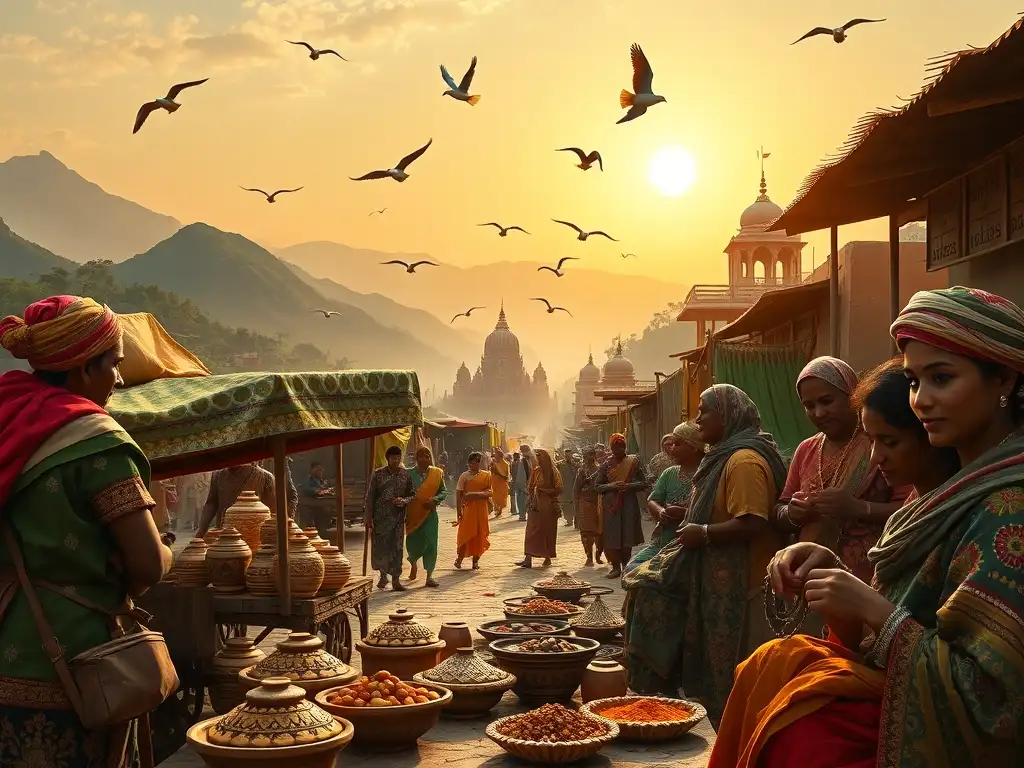
Welcome to Ancient India History, where we embark on a fascinating journey through the rich tapestry of India's past. In this exploration, we delve into the ancient Indian trade routes influence—a vital element that shaped not only commerce but also the artistic syncretism that flourished across the subcontinent. Discover how these routes facilitated cultural exchanges and left an indelible mark on art, architecture, and society. Are you ready to uncover the secrets of trade that transformed ancient India? Join us as we unveil the intricate connections that defined an era!
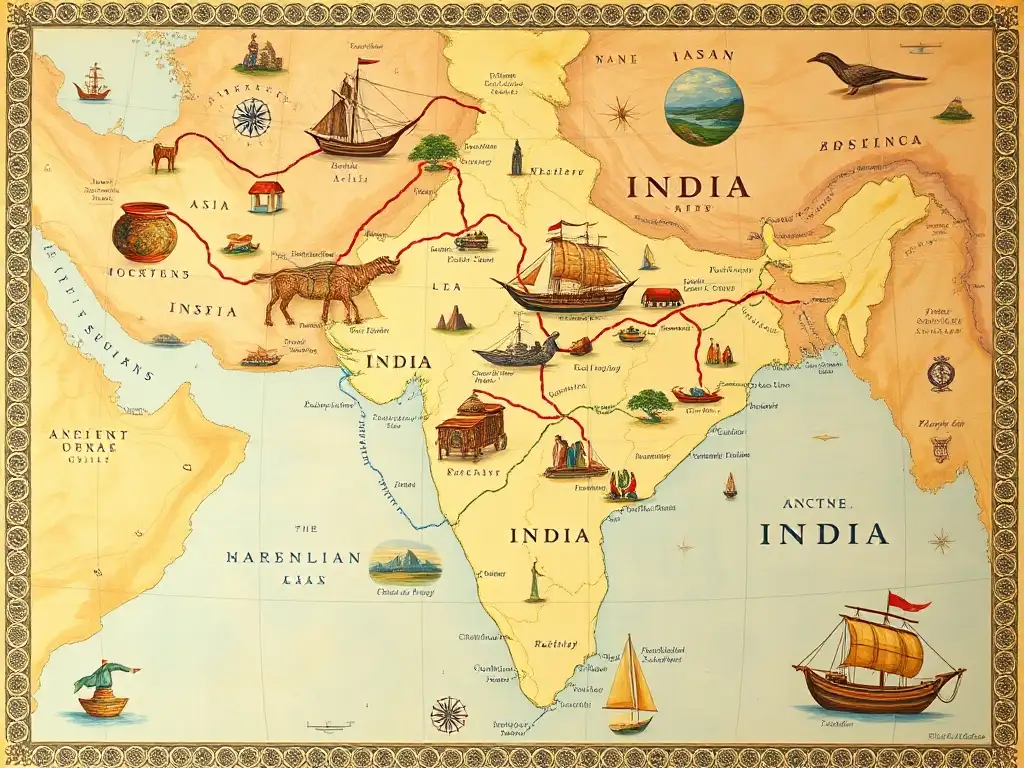
Introduction to Ancient Indian Trade Routes Influence
Ancient Indian trade routes were not merely conduits for the exchange of goods; they served as dynamic channels of cultural interaction that profoundly influenced the artistic expressions of the regions they traversed. Spanning from the Indus Valley civilization to the Gupta Empire, these routes facilitated the movement of traders, artisans, and ideas, resulting in a rich tapestry of artistic syncretism.
This article delves into how these ancient Indian trade routes influenced the integration and evolution of diverse artistic traditions, enriching the cultural landscape of the subcontinent. By understanding the intricate relationships between trade and artistry, we can appreciate the profound impact of commerce on the development of unique artistic styles and cultural identities within ancient India.
Overview of Trade Routes in Ancient India
The ancient trade routes of India were extensive and multifaceted, connecting the subcontinent with various regions across Asia, the Middle East, and even parts of Europe.
- Land Routes: The Silk Road, a network of trade routes that linked India with Central Asia, facilitated the exchange of not just silks and spices, but also artistic ideas and practices.
- Maritime Routes: The Indian Ocean trade network allowed for maritime exchanges, leading to the spread of cultural influences and artistic styles from Africa to Southeast Asia.
These routes were pivotal in creating a vibrant exchange of merchandise, ideas, and technologies, which laid the groundwork for artistic syncretism.
Importance of Trade in Cultural Exchanges
Trade played a crucial role in fostering cultural exchanges between diverse civilizations. The movement of goods often accompanied the migration of artisans, scholars, and religious figures who brought their unique artistic traditions with them, leading to a cross-pollination of ideas. Key aspects include:
- Cultural Diffusion: Artistic styles and techniques from distant lands were assimilated into local practices, leading to the emergence of hybrid art forms.
- Religious Influence: Trade routes facilitated the spread of religious beliefs, which often found expression in art and architecture, blending local traditions with foreign influences.
The Historical Context of Trade Routes in India
Understanding the historical context of trade routes in ancient India is essential for comprehending their influence on artistic syncretism. The evolution of these routes over time reflects the shifting dynamics of trade and cultural interactions.
Major Trade Routes in Ancient India
Several key trade routes were instrumental in shaping the cultural and artistic landscapes of ancient India:
| Trade Route | Significance |
|---|---|
| Silk Road | Connected India with Central Asia, facilitating cultural exchange. |
| Incense Route | Linked the Mediterranean with the Indian subcontinent, fostering trade in exotic goods. |
| Maritime Spice Route | Enabled the exchange of spices, textiles, and cultural ideas across the Indian Ocean. |
These routes not only supported economic prosperity but also served as pathways for cultural and artistic exchange.
Key Historical Periods of Trade Activity
Trade activity in ancient India can be divided into several key historical periods, each marked by significant developments in trade and artistry:
- Indus Valley Civilization (c. 3300–1300 BCE): Early trade networks established with Mesopotamia and Persia.
- Maurya Empire (c. 322–185 BCE): Flourishing trade under a unified empire, enhancing cultural exchanges.
- Gupta Empire (c. 320–550 CE): A golden age of art and culture, supported by extensive trade networks.
These periods highlight how trade routes influenced not only the economy but also the rich artistic heritage of ancient India, leading to a unique blend of styles and traditions that characterize the region's history.
Artistic Syncretism: Definition and Importance
Artistic syncretism refers to the blending and amalgamation of different artistic traditions, styles, and practices that occurs when cultures interact. In the context of ancient India, this phenomenon was profoundly influenced by the various trade routes that connected the Indian subcontinent to other regions, including Central Asia, the Middle East, and beyond. The importance of artistic syncretism lies in its ability to foster creativity, innovation, and cultural exchange, leading to the creation of unique art forms that reflect a diverse array of influences.
Artistic syncretism serves as a historical lens through which we can understand how ancient Indian civilizations adapted and evolved their artistic expressions. By combining indigenous styles with foreign elements, artists were able to create works that not only conveyed local narratives but also resonated with broader cultural dialogues. This interplay of ideas contributed to the rich tapestry of India's artistic heritage, making it a focal point of cultural synthesis.
What is Artistic Syncretism in Ancient Cultures?
Artistic syncretism in ancient cultures refers to the process by which art forms, motifs, and techniques from different cultural backgrounds are merged to create new artistic expressions. In ancient India, this was particularly evident through the influence of trade routes that enabled the exchange of goods, ideas, and artistic traditions. As a result, various art forms, such as sculpture, painting, and architecture, often exhibited characteristics from multiple cultures.
For example, the introduction of Hellenistic styles into Indian sculpture during the period of the Indo-Greek kingdoms led to the development of the Gandhara art style, which featured realistic human forms and drapery. Similarly, the interaction with Persian and Central Asian cultures introduced new motifs and themes into Indian art, enriching its diversity and depth. This blending of artistic elements not only reflected the historical interactions among cultures but also highlighted the adaptive nature of artistic expression.
The Role of Art in Cultural Exchanges
Art plays a crucial role in cultural exchanges by serving as a medium for communication and expression across different societies. In ancient India, artistic forms acted as conduits for the transmission of ideas, beliefs, and values, allowing for a deeper understanding between diverse populations. The visual language of art transcended linguistic barriers, making it a powerful tool for storytelling and cultural representation.
Through art, ancient Indian civilizations were able to convey their religious and philosophical ideas while simultaneously absorbing influences from other cultures. For instance, the incorporation of motifs and iconography from foreign cultures into Indian religious art not only enhanced the spiritual narrative but also illustrated the interconnectedness of various belief systems. This reciprocal relationship between art and culture facilitated a dynamic exchange that enriched the artistic landscape of ancient India.
How Trade Routes Facilitated Artistic Syncretism
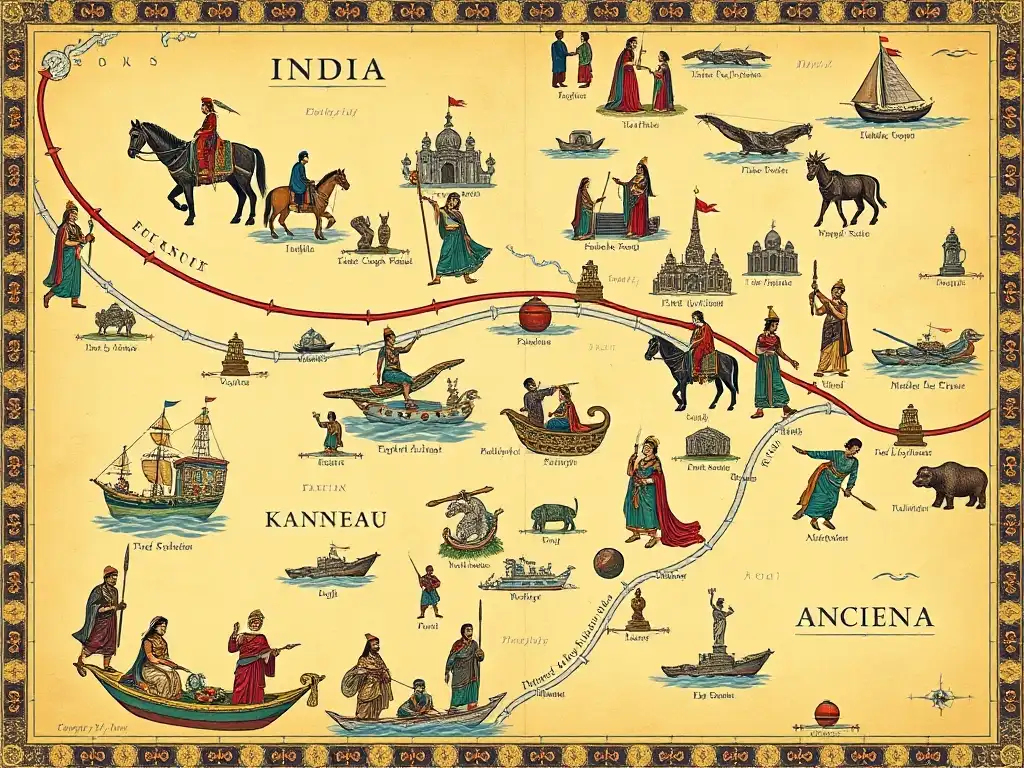
The extensive network of trade routes in ancient India played a pivotal role in facilitating artistic syncretism. These routes, including the Silk Road and maritime pathways, connected India to various civilizations, creating opportunities for cultural interaction and exchange. As merchants, travelers, and artists traversed these routes, they brought with them not just goods, but also ideas, techniques, and artistic traditions.
The movement of people along these trade routes led to the establishment of cultural hotspots where diverse influences coalesced. Cities such as Taxila and Pataliputra became melting pots of artistic innovation, where local artisans could engage with foreign styles and practices. This cross-pollination of ideas was instrumental in shaping the unique characteristics of Indian art, allowing it to evolve while retaining its distinct identity.
Exchange of Goods and Artistic Ideas
The exchange of goods along ancient trade routes was often accompanied by the transfer of artistic ideas. As merchants traded spices, textiles, and precious materials, they also shared artistic techniques and styles. For instance, the trade of ivory and precious stones facilitated the creation of intricate sculptures and jewelry that incorporated both local and foreign elements.
This exchange was not limited to physical goods; it also included the sharing of knowledge about artistic methods and practices. Artists in ancient India were thus able to learn from their foreign counterparts, adapting techniques such as fresco painting or pottery styles to suit their own cultural contexts. This dynamic interaction fostered a continuous evolution of art forms, leading to the emergence of distinctive styles that reflected a synthesis of influences.
Influence of Foreign Cultures on Indian Art
The influence of foreign cultures on Indian art is evident in various artistic traditions that emerged throughout history. As trade routes opened up, Indian artists were exposed to new themes, forms, and techniques that reshaped local artistic practices. The arrival of Buddhist art from Central Asia, for example, introduced new iconographic elements and stylistic approaches that were integrated into Indian religious art.
Moreover, the impact of Islamic art during the medieval period brought about significant changes in architecture and decorative arts, leading to the development of Indo-Islamic styles characterized by intricate tile work and elaborate calligraphy. This fusion of artistic traditions not only enriched Indian art but also illustrated the adaptability and resilience of cultural practices in the face of external influences.
The influence of foreign cultures on Indian art exemplifies the profound impact of ancient trade routes on artistic syncretism, highlighting how cultural exchanges shaped the vibrant artistic heritage of India.
Case Studies of Artistic Syncretism Influenced by Trade
Throughout history, ancient Indian trade routes have been pivotal in fostering artistic syncretism, blending diverse cultural influences into unique artistic expressions. These interactions not only facilitated the exchange of goods but also ideas, styles, and techniques that enriched the artistic landscape of India. Examining specific case studies reveals how these trade routes served as conduits for artistic innovation, transforming local traditions into vibrant, hybrid forms.
The Indo-Greek Artistic Influence
The arrival of the Indo-Greeks in the 2nd century BCE marked a significant turning point in the artistic expression of ancient India. As Hellenistic culture blended with indigenous Indian traditions, a new artistic style emerged, prominently seen in the Gandhara region. This syncretism is exemplified in the intricate sculptures of the Buddha, which combined Greek realism with Indian spiritual themes.
The Gandhara school of art showcased features such as drapery, facial expressions, and anatomical precision reminiscent of Greek sculptures. Moreover, the introduction of new motifs and iconography, such as the use of the Greek vine and floral patterns, further enriched the visual language of Indian art. The Indo-Greek influence is a prime example of how trade facilitated cultural exchange, leading to the creation of a distinctive artistic style that still resonates in modern interpretations of Buddhist art.
The Role of the Silk Route in Artistic Development
The Silk Route, a vast network of trade routes connecting the East and West, played a crucial role in shaping the artistic narrative of ancient India. This route facilitated not only the trade of silk but also a myriad of cultural exchanges that influenced artistic practices. The movement of artisans and craftsmen along the Silk Route allowed for the cross-pollination of ideas, styles, and materials.
For instance, the introduction of Persian motifs and techniques into Indian textiles and pottery can be traced back to interactions along the Silk Route. Furthermore, the influx of Buddhist art from Central Asia and the incorporation of foreign elements into Indian temple architecture reflect this rich tapestry of artistic dialogue. The Silk Route served as a vital artery for cultural transmission, ensuring that Indian art remained dynamic and innovative as it absorbed influences from various civilizations.
Regional Variations in Artistic Syncretism Along Trade Routes
Artistic syncretism in ancient India was not uniform; instead, it manifested differently across various regions. Factors such as local traditions, dominant trade networks, and interactions with neighboring cultures contributed to distinct regional variations in artistic styles. Analyzing these differences provides a deeper understanding of how trade routes influenced artistic expression across the Indian subcontinent.
Northern India: A Hub of Artistic Diversity
Northern India, particularly regions like Punjab and Uttar Pradesh, emerged as a vibrant hub of artistic diversity, influenced by multiple trade routes, including the Grand Trunk Road and the Silk Route. The confluence of various cultures, including Persian, Hellenistic, and local Indian traditions, resulted in a rich artistic milieu characterized by a fusion of styles.
For example, the Mughal period witnessed the amalgamation of Persian art with indigenous Indian practices, leading to the development of a unique style that emphasized intricate floral patterns and vibrant colors in miniatures and architectural designs. This syncretism was a direct outcome of the flourishing trade network that brought together artists, patrons, and ideas from diverse backgrounds.
Southern India: Maritime Trade and Artistic Exchange
Southern India, with its extensive coastline, was heavily influenced by maritime trade routes connecting it to Southeast Asia, China, and the Arabian Peninsula. This region's artistic traditions reflect a blend of local styles with external influences brought by traders and travelers.
The Dravidian temple architecture, for instance, showcases influences from both Indian and Southeast Asian styles, evident in the intricate carvings and towering gopurams (temple towers). Additionally, the Chola dynasty's maritime trade led to the spread of bronze sculptures, which incorporated Tamil and regional aesthetics while also reflecting influences from Khmer and other Southeast Asian cultures. This vibrant exchange underscores how maritime trade routes served as vital channels for artistic syncretism, enriching the cultural fabric of Southern India with diverse influences.
The Impact of Religion on Artistic Syncretism via Trade
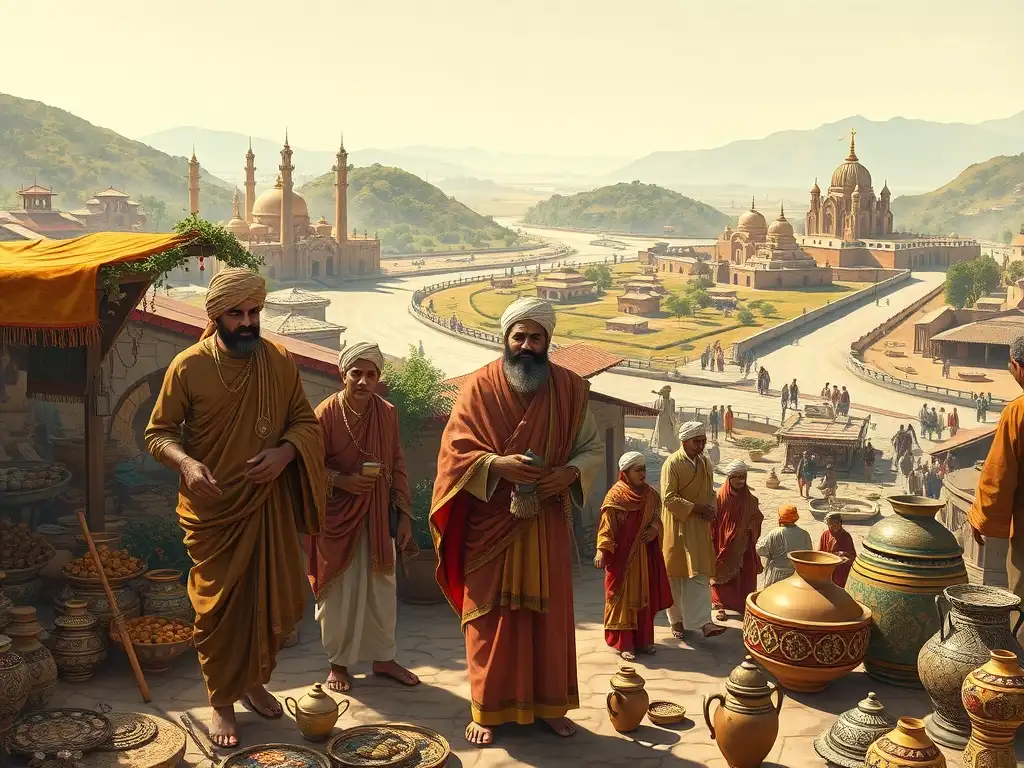
Trade routes in ancient India were not merely conduits for goods; they were vibrant channels of cultural exchange that facilitated the spread of religious ideas and artistic expressions. As merchants and travelers traversed these routes, they brought with them not only commodities but also their beliefs, practices, and artistic styles. This interaction had a profound impact on the artistic syncretism seen in India, as different religious traditions influenced one another, leading to the development of unique art forms that reflected a blend of cultural identities.
Spread of Religions and Their Artistic Expressions
The ancient Indian trade routes, including the Silk Road and maritime routes to Southeast Asia, played a crucial role in the dissemination of various religions such as Buddhism, Hinduism, and Jainism. Each of these religions contributed distinct artistic elements that were absorbed and transformed through interactions with other cultures.
- Buddhism: As traders carried Buddhist texts and relics along trade routes, they also transported artistic representations of the Buddha. Stupas and rock-cut caves, like those at Ajanta and Ellora, were adorned with intricate frescoes and sculptures that depicted Jataka tales, showcasing the synthesis of local artistic styles with Buddhist iconography.
- Hinduism: The flexibility of Hindu art allowed it to incorporate influences from other cultures, including Greco-Roman and Persian styles. Temples built along trade routes often featured sculptures that blended traditional Hindu motifs with foreign artistic techniques, creating a rich tapestry of visual storytelling.
- Jainism: Jain art flourished as merchants and traders promoted their faith along trade routes. The exquisite carvings found in Jain temples, such as those in Ranakpur, illustrate the influence of both local traditions and the artistic exchanges that occurred through trade.
Interactions Between Different Religious Traditions
The interactions among different religious traditions along trade routes fostered a unique environment for artistic syncretism. For instance, Buddhist and Hindu artists often collaborated, leading to shared motifs and themes in their artworks.
- Iconographic Exchanges: The depiction of deities like Avalokiteshvara, who took on characteristics of both Buddhist and Hindu iconography, exemplifies this blending. Such syncretic representations facilitated a broader acceptance of diverse religious narratives.
- Cultural Festivals and Art: Trade routes also enabled the sharing of cultural festivals that celebrated religious events. This exchange inspired local artists to create artworks that reflected the narratives and symbols associated with these festivals, further enhancing the syncretic nature of artistic expressions.
- Influence of Foreign Cultures: The influx of traders from different regions brought in new artistic techniques and materials, such as the use of glass and textiles in Hindu temple art, which were influenced by Roman and Middle Eastern practices.
Conclusion: The Lasting Legacy of Trade Routes on Indian Art
The legacy of ancient Indian trade routes is evident in the rich diversity of artistic expressions that emerged from the syncretism of religious traditions. This blend not only enriched India's artistic heritage but also laid the groundwork for future cultural exchanges.
Summary of Key Points on Trade Routes Influence
- The movement of goods along trade routes facilitated the spread of religious ideas and artistic forms.
- Different religions contributed unique artistic elements that were assimilated and transformed through cultural interactions.
- Iconographic exchanges and collaborative artistic practices led to a vibrant syncretism in Indian art.
The Continued Relevance of Artistic Syncretism Today
The influence of ancient Indian trade routes on artistic syncretism continues to resonate in contemporary art and culture. Modern artists often draw inspiration from the rich tapestry of India's historical interactions, blending traditional motifs with contemporary styles. This ongoing dialogue reflects the enduring impact of trade routes, emphasizing the importance of cultural exchange in shaping artistic identities. The legacy of syncretism serves as a reminder of the interconnectedness of human experiences, fostering a spirit of collaboration and creativity that transcends borders.
References and Further Reading
Understanding the intricate relationship between ancient Indian trade routes and their influence on artistic syncretism requires delving into a variety of scholarly resources. Below are some suggested books, articles, and online resources that provide valuable insights into this topic.
Suggested Books and Articles on Ancient Indian Trade Routes
-
"The Silk Roads: A New History of the World" by Peter Frankopan
This comprehensive volume explores the historical significance of trade routes, including those that connected India to the wider world. Frankopan highlights how these routes facilitated not just commerce but also cultural exchanges, influencing the artistic landscape of ancient civilizations.
-
"India and the Indian Ocean World: Trade and Navigation" by Ashwini Tambe and others
This collection of essays examines the maritime trade routes that linked India to other cultures. It offers a detailed analysis of how these interactions contributed to the blending of artistic styles and cultural practices.
-
"Trade and Traders in Ancient India" by K. S. Shukla
This book provides an in-depth exploration of the various trade routes in ancient India and their role in shaping economic and cultural exchanges. It discusses the impact of trade on the development of art and architecture.
-
"Cultural Interactions in the Indian Ocean World" by R. P. M. Reddy
This article delves into the cultural exchanges that occurred along the Indian Ocean trade routes, emphasizing how these interactions influenced the artistic traditions of regions connected to India.
-
"Art, Culture, and Commerce: The Role of Trade in Ancient Indian Civilization" by M. D. Pande
Pande's work illustrates the interconnectedness of trade, art, and culture in ancient India, providing specific examples of how trade routes facilitated artistic syncretism.
Online Resources for Exploring Indian Artistic Syncretism
-
The British Museum's Online Collection
The British Museum offers an extensive online collection of artifacts from ancient India, showcasing the artistic influences that emerged through trade. Visitors can explore detailed descriptions and images of items that reflect the syncretic nature of Indian art.
-
The Indian Council for Historical Research (ICHR)
The ICHR provides access to various research papers and publications that focus on the history of trade in India, including its impact on art and culture. Their digital archives are a valuable resource for scholars and enthusiasts alike.
-
The Archaeological Survey of India (ASI) Portal
The ASI’s official website offers a wealth of information on archaeological findings related to trade routes and their influence on art. It features reports, images, and maps that illustrate the historical significance of these trade networks.
-
"Trade Routes of the Ancient World" – National Geographic Education
This educational resource provides an overview of ancient trade routes across the globe, including those in India. It includes interactive maps and articles that highlight the cultural exchanges facilitated by these routes.
By exploring these resources, readers can gain a deeper understanding of how ancient Indian trade routes influenced artistic syncretism, reflecting the rich tapestry of cultural exchanges that characterized the region.
- Introduction to Ancient Indian Trade Routes Influence
- The Historical Context of Trade Routes in India
- Artistic Syncretism: Definition and Importance
- How Trade Routes Facilitated Artistic Syncretism
- Case Studies of Artistic Syncretism Influenced by Trade
- Regional Variations in Artistic Syncretism Along Trade Routes
- The Impact of Religion on Artistic Syncretism via Trade
- Conclusion: The Lasting Legacy of Trade Routes on Indian Art
- References and Further Reading
- What were the primary trade routes in ancient India?
- How did trade routes influence artistic development in ancient India?
- What were the key goods traded along these routes?
- How did these trade routes affect ancient Indian society?
- What is the significance of trade routes in the context of ancient Indian history?
Frequently Asked Questions
What were the primary trade routes in ancient India?
Ancient India was connected by several major trade routes, including the Silk Road, Maritime routes, and the Royal Road, facilitating the exchange of goods and cultures.
How did trade routes influence artistic development in ancient India?
The influx of diverse cultures through trade routes led to artistic syncretism, where different styles and traditions blended, enriching Indian art and architecture.
What were the key goods traded along these routes?
Ancient Indian trade routes facilitated the exchange of spices, textiles, precious stones, and metals, significantly impacting the economy and cultural exchanges.
How did these trade routes affect ancient Indian society?
The trade routes contributed to the economic prosperity of ancient Indian civilizations, fostering urbanization, cultural exchanges, and the spread of religions and philosophies.
What is the significance of trade routes in the context of ancient Indian history?
The influence of ancient trade routes is paramount in shaping India's cultural landscape, facilitating not only commerce but also the intermingling of ideas and artistic expressions across regions.
Final Reflection: The Enduring Legacy of Ancient Indian Trade Routes
The influence of ancient Indian trade routes on artistic syncretism is not just a historical curiosity; it is a testament to the interconnectedness of cultures that continues to shape our world today. As we navigate an increasingly globalized society, the lessons from these trade routes remind us of the power of exchange and collaboration in fostering creativity and innovation. The vibrant tapestry of art that emerged from these interactions serves as a striking reminder that diversity can lead to profound beauty and understanding.
The legacy of these trade routes is evident in the rich cultural landscape of India, where art forms, languages, and traditions have been woven together through centuries of exchange. This ongoing influence is not merely a relic of the past; it is a living, breathing aspect of contemporary life that encourages us to appreciate the beauty in diversity. Art is the most beautiful of all lies.
This quote encapsulates the essence of artistic syncretism, where the blending of different influences creates something uniquely captivating and meaningful.
As you reflect on the themes presented in this article, consider how you can embrace the spirit of exchange and collaboration in your own life. Let the stories of ancient trade routes inspire you to seek connections across cultures and to celebrate the diversity that enriches our shared human experience. By fostering an openness to new ideas and perspectives, you too can contribute to a world where artistic syncretism thrives, echoing the legacy of those who came before us.
Unveil the Vibrant Tapestry of India’s Artistic Heritage!
Thank you for exploring the fascinating journey of trade routes and their profound impact on India’s artistic syncretism! You've uncovered the richness of cultural exchange that has shaped India's artistic landscape. Now, let’s take it a step further and dive deeper into this vibrant heritage.
Here are some exciting actions you can take right now:
- Visit local museums or art galleries that showcase diverse art forms to experience their beauty firsthand.
- Share your insights with friends and fellow art enthusiasts on social media to ignite meaningful conversations about the influences in Indian art.
- Consider visiting historical sites along trade routes to see how these pathways fueled artistic exchanges and innovations.
What aspect of India's artistic syncretism has inspired you the most, and how do you see it reflected in today’s art world?