
The Fusion of Styles: How Ancient Indian Frescoes Borrowed from Neighboring Cultures

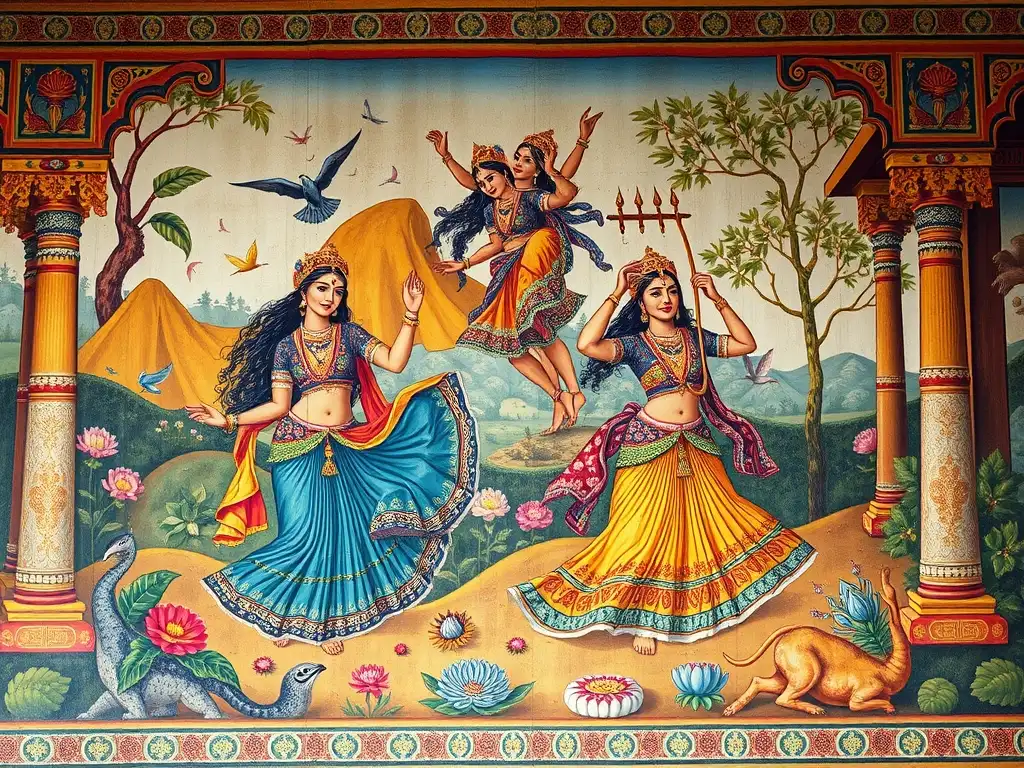
Welcome to Ancient India History, where we embark on a captivating journey through the rich tapestry of India's past. Here, we explore the fascinating interplay of cultures and influences that shaped ancient Indian civilizations, from the grandeur of the Indus Valley to the brilliance of the Gupta Empire. In our featured article, “The Fusion of Styles: How Ancient Indian Frescoes Borrowed from Neighboring Cultures,” we delve into the intricate world of ancient Indian frescoes and uncover the diverse cultural exchanges that breathed life into these stunning works of art.
Prepare to be intrigued as we unravel the stories behind these masterpieces and their significance in the grand narrative of ancient history. Dive in and discover the vibrant connections that define our heritage!
Introduction to Ancient Indian Frescoes and Cultural Influences
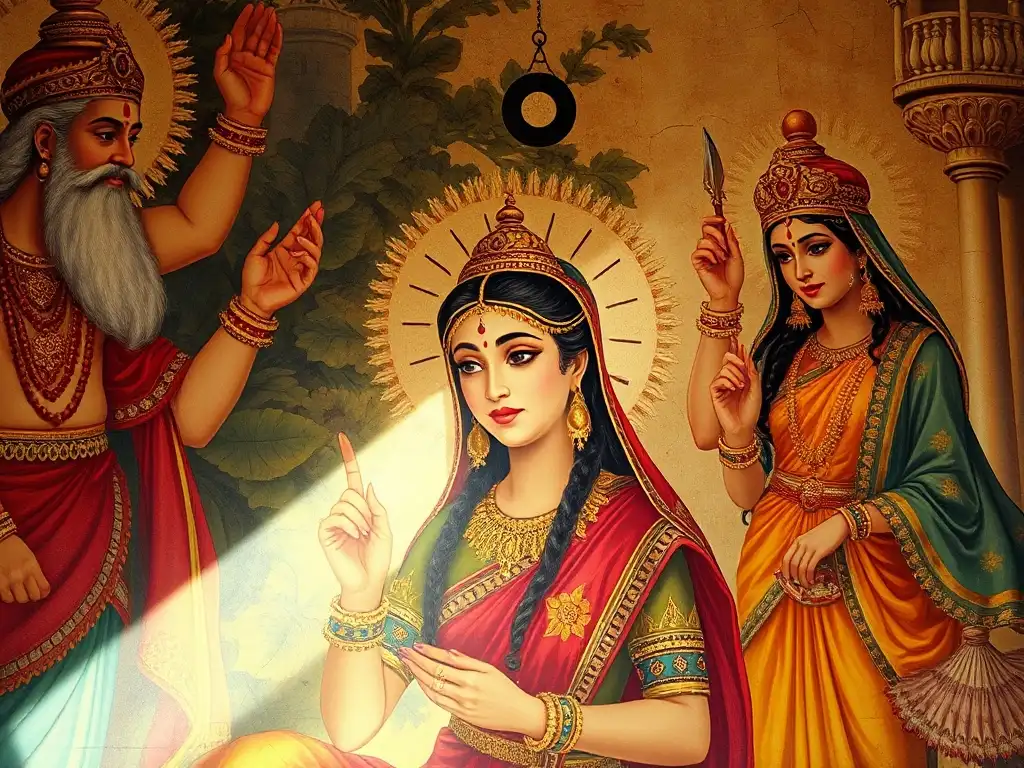
Ancient Indian frescoes represent a vivid tapestry of artistic expression that showcases the rich and diverse cultural influences that have shaped Indian civilization over millennia. These stunning wall paintings, found in various temples, caves, and palaces, are not merely artistic endeavors; they are historical documents that reflect the social, religious, and cultural dynamics of their time.
This article delves into the intricate interplay between ancient Indian frescoes and the myriad of cultural influences they absorbed from neighboring regions, illuminating the profound artistic and cultural syncretism that characterizes this remarkable heritage. By exploring these influences, we can better understand how ancient Indian frescoes not only depict local themes but also embody the broader historical narratives of interaction and exchange that defined the subcontinent.
Overview of Ancient Indian Frescoes
Ancient Indian frescoes can be traced back to as early as the 3rd century BCE, with notable examples emerging from the Ajanta and Ellora caves, as well as the grand palaces of the Gupta Empire. These artworks often depict religious motifs, mythological stories, and daily life, rendered in vibrant colors and intricate detail. They serve as a testament to the advanced artistic techniques and materials used by artisans of the time.
Key characteristics of ancient Indian frescoes include:
- Vibrant Colors: The use of natural pigments derived from minerals and plants.
- Intricate Designs: Detailed patterns and figures that tell a story or convey religious significance.
- Themes and Subjects: Predominantly religious, including depictions of deities, celestial beings, and scenes from epics like the Mahabharata and Ramayana.
Importance of Cultural Influences in Art
Cultural influences play a pivotal role in shaping artistic styles and techniques. In the case of ancient Indian frescoes, the interaction with neighboring cultures—such as the Persian, Greek, and Central Asian civilizations—led to a blending of artistic traditions. This syncretism not only enriched the visual language of Indian art but also facilitated the exchange of ideas, techniques, and materials.
The significance of cultural influences in art can be summarized as follows:
- Innovation: Exposure to new styles and techniques fosters creativity and innovation among artists.
- Identity: Art reflects the cultural identity of a civilization, showing how it adapts and incorporates external influences.
- Communication: Artistic expressions serve as a medium for cross-cultural dialogue, conveying shared themes and values.
Historical Context of Ancient Indian Frescoes
Understanding the historical context in which ancient Indian frescoes were created is crucial to appreciating their significance. The evolution of fresco techniques and the key regions that influenced these artworks reveal much about the cultural exchanges that took place throughout India's history.
The Evolution of Fresco Techniques in Ancient India
Fresco techniques in ancient India evolved through various phases, influenced by both indigenous practices and external methodologies. Early frescoes were primarily executed in simple styles, but as trade routes expanded and cultural exchanges intensified, artists began to adopt more sophisticated techniques.
Some noteworthy developments include:
- Materials and Techniques: The introduction of lime plaster and natural dyes improved the durability and vibrancy of frescoes.
- Stylistic Changes: The influence of Hellenistic art during the Mauryan period led to new forms of representation, including more realistic human figures and dynamic compositions.
- Regional Variations: Different regions in India developed distinct styles, reflecting local traditions and influences.
Key Regions Influencing Fresco Art
Several key regions surrounding ancient India contributed significantly to the evolution of fresco art. These areas were not only centers of trade but also hubs of cultural exchange, facilitating the flow of artistic ideas and techniques.
Notable regions include:
- Persia: The intricate designs and motifs from Persian art influenced Indian frescoes, particularly in the depiction of flora and fauna.
- Central Asia: The art of the Silk Road traders introduced new themes and styles, enriching the narrative quality of Indian frescoes.
- Greco-Roman World: The introduction of perspective and anatomical accuracy in figure representation can be traced back to influences from Hellenistic art.
By examining these influences and their impact on ancient Indian frescoes, we gain a deeper appreciation for the rich artistic heritage that continues to inspire contemporary art and culture in India.
Neighboring Cultures and Their Impact on Ancient Indian Frescoes
Ancient Indian frescoes are a testament to the rich artistic traditions and cultural exchanges that occurred over the centuries. The vibrant colors and intricate designs found in these artworks reflect the influences of various neighboring cultures that interacted with Indian civilization. From the early Indus Valley Civilization to the flourishing Gupta Empire, Indian frescoes were shaped by various artistic traditions, resulting in a unique fusion of styles. This artistic syncretism is a key feature of ancient Indian frescoes, showcasing how cultural influences from regions such as Persia, Greece, and Southeast Asia enriched the Indian artistic landscape.
Persian Influence on Indian Frescoes
The Persian influence on Indian frescoes can be traced back to the Achaemenid Empire's interactions with Indian kingdoms, particularly during the period of the Maurya Empire. Persian motifs, characterized by intricate floral patterns and elaborate geometric designs, began to appear in Indian frescoes. For instance, in the frescoes at the Ajanta Caves, one can observe the incorporation of Persian floral designs alongside traditional Indian elements.
Additionally, the use of vibrant colors and the techniques of shading and perspective, borrowed from Persian art, contributed to the depth and richness of Indian frescoes. The Persian style of representation, especially in the depiction of court scenes and nature, introduced new themes and compositions that were later adapted by Indian artists. This cross-cultural exchange not only enriched the visual language of Indian art but also paved the way for the emergence of new artistic styles that blended both Persian and indigenous elements.
Hellenistic Contributions to Indian Artistic Styles
The arrival of Hellenistic influences in India, particularly during the conquests of Alexander the Great and the subsequent establishment of the Greco-Bactrian Kingdom, marked a significant turning point in Indian art. Hellenistic art, known for its realistic portrayal of human figures and dramatic expressions, found its way into Indian frescoes, especially in the Gandhara region.
Artists began to adopt techniques such as chiaroscuro and foreshortening, allowing for more dynamic and lifelike representations. The frescoes at the Bamiyan Caves, for example, exhibit a blend of Hellenistic realism with Buddhist themes. The incorporation of Greek mythology and iconography into Indian art also reflects this cultural exchange, leading to innovative representations of deities and bodhisattvas that combined Greek and Indian aesthetics.
Influence of Southeast Asian Cultures on Indian Frescoes
Southeast Asian cultures played a crucial role in shaping the artistic traditions of ancient India, especially through trade and maritime exchanges. The spread of Hinduism and Buddhism into Southeast Asia brought with it a wealth of artistic influences that were integrated into Indian frescoes.
In the temples of Khajuraho and the cave complexes of Ellora, one can observe the stylistic elements characteristic of Southeast Asian art, such as the use of intricate carvings and elaborate narratives depicted through frescoes. Themes from Southeast Asian folklore and mythology were often interwoven with Indian narratives, creating a unique tapestry of cultural influences. The vibrant colors and fluid forms found in these artworks also reflect the aesthetic sensibilities of Southeast Asian artists, highlighting the dynamic interplay between the regions.
Thematic Elements in Ancient Indian Frescoes
The thematic elements of ancient Indian frescoes are diverse and multifaceted, reflecting the cultural, spiritual, and daily life aspects of Indian society. From religious symbolism to depictions of nature and mythology, these frescoes serve as a rich source of historical insight into the values and beliefs of ancient Indian civilizations.
Religious Themes and Symbolism
Religious themes dominate ancient Indian frescoes, serving as visual narratives that convey the spiritual beliefs of the time. Frescoes often depict scenes from Hinduism, Buddhism, and Jainism, showcasing deities, celestial beings, and sacred symbols. For example, the intricate frescoes found in the Ajanta Caves illustrate the life of the Buddha, highlighting key moments such as his enlightenment and teachings.
Symbolism plays a crucial role in these artworks, with colors and forms representing various spiritual concepts. The lotus flower, for instance, is frequently used to symbolize purity and enlightenment. Moreover, the presence of mandalas and other geometric patterns in these frescoes reflects the cosmological beliefs prevalent in ancient Indian philosophy, further enhancing their religious significance.
Depictions of Daily Life and Nature
In addition to religious themes, ancient Indian frescoes often portray everyday life, offering a glimpse into the social and cultural fabric of the time. Scenes of daily activities, such as farming, weaving, and family gatherings, are commonly depicted, showcasing the customs and traditions of various communities.
Nature also plays a significant role in these artworks, with lush landscapes, animals, and flora represented in vibrant hues. The use of natural elements not only enhances the aesthetic appeal of the frescoes but also serves as a reminder of the deep connection between the people and their environment. This thematic focus on daily life and nature underscores the harmony that ancient Indian societies sought to maintain with the world around them.
Representation of Mythology and Folklore
Mythology and folklore are integral to the thematic richness of ancient Indian frescoes. These artworks frequently illustrate stories from epics like the Mahabharata and Ramayana, bringing to life the characters and events that shaped the cultural identity of the time.
Frescoes often depict heroic battles, divine interventions, and moral dilemmas faced by mythological figures, reflecting the values and lessons embedded in these narratives. Additionally, local folklore adds another layer of complexity, as artists incorporate regional stories and characters into their works. This blend of mythology and folklore not only reinforces cultural continuity but also highlights the diverse storytelling traditions that flourished across ancient India.
Techniques and Materials Used in Ancient Indian Frescoes
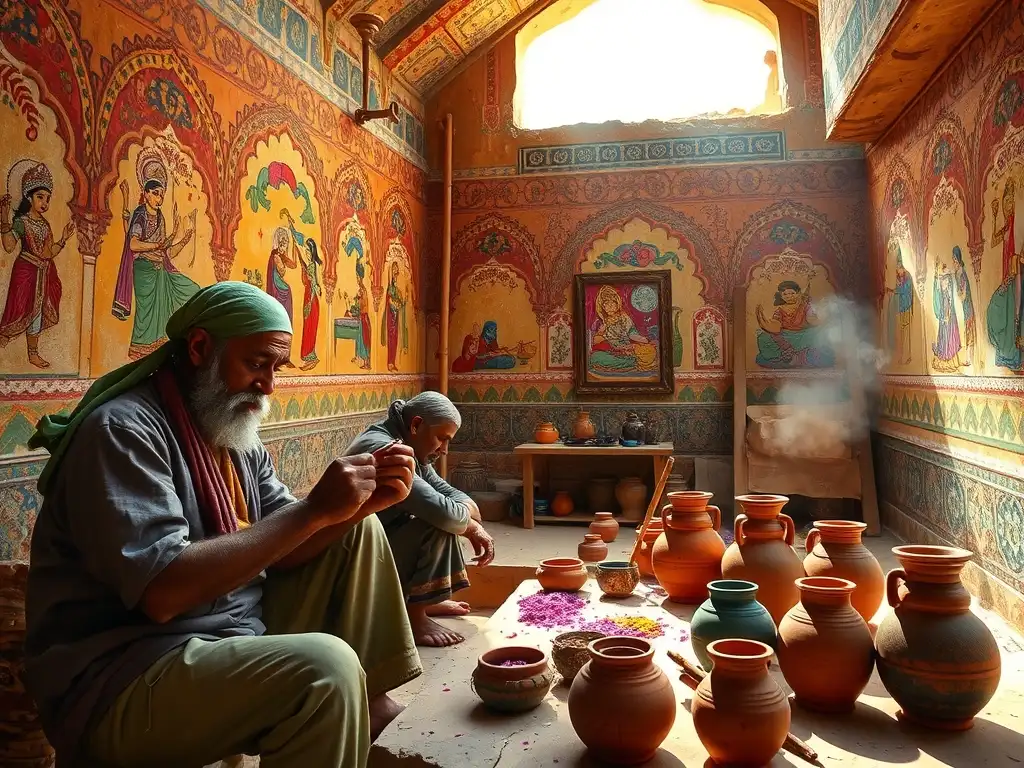
Ancient Indian frescoes are celebrated not only for their vibrant colors but also for the innovative techniques and materials employed by artists. The art of fresco painting in ancient India involved a meticulous process that combined skill, creativity, and a deep understanding of available resources. Two primary techniques were predominant: true fresco and dry fresco.
In true fresco, pigments were applied to wet plaster, allowing the colors to bond with the wall as it dried, resulting in a durable and long-lasting artwork. This method required precise timing and skill, as artists had to work swiftly before the plaster set. On the other hand, dry fresco, or "fresco secco," involved painting on dry plaster using a binding medium, typically egg or glue. While this method allowed for more detail and precision, it was less durable and susceptible to fading over time.
The materials used in the creation of these frescoes were sourced from the natural environment. Artists utilized various minerals and organic materials to create their palettes, leading to rich and diverse colors that have survived centuries.
Traditional Methods of Fresco Application
The application of frescoes in ancient India was a traditional art form that involved several stages, each requiring specific skills and techniques. The first step was preparing the wall surface, typically made of mud or clay, which was then coated with a layer of plaster. This plaster was essential for the adhesion of pigments and the longevity of the artwork.
Once the plaster was applied, artists would sketch the outlines of their designs using charcoal or other natural materials. This was followed by the careful application of colors, starting with broader sections and gradually moving to finer details. The use of tools such as brushes made from animal hair and natural fibers allowed for varied strokes and textures.
The process also involved the use of scaffolding to reach elevated areas, showcasing the ingenuity of ancient craftsmen. This traditional method not only highlighted the technical prowess of the artists but also their deep connection to the spiritual and cultural narratives they depicted.
Natural Pigments and Their Sources
Natural pigments played a crucial role in the vibrancy of ancient Indian frescoes. Artists sourced their colors from a variety of minerals, plants, and even insects. Common pigments included:
- Red ochre: Sourced from iron-rich clay, this pigment provided warm hues and was widely used for skin tones and landscapes.
- Blue and green hues: Derived from minerals like lapis lazuli and malachite, these colors were rarer and often reserved for significant subjects or divine figures.
- Yellow and saffron: Extracted from plant sources such as turmeric and safflower, these colors symbolized purity and were frequently used in spiritual motifs.
- Black: Obtained from charcoal or soot, black was used for outlines and details, enhancing the overall composition.
The use of these natural pigments not only contributed to the aesthetic appeal of the frescoes but also reflected the artists' understanding of their environment and the materials available to them.
Case Studies of Prominent Ancient Indian Frescoes
Ancient Indian frescoes are exemplified by remarkable sites that showcase the fusion of cultural influences and artistic styles. Two prominent case studies are the Ajanta Caves and the Bagh Caves, both of which illustrate the syncretic nature of ancient Indian art.
The Ajanta Caves: A Study of Cultural Syncretism
The Ajanta Caves, a UNESCO World Heritage site, are renowned for their exquisite frescoes that date back to the 2nd century BCE to the 6th century CE. These caves served as monastic retreats for Buddhist monks and are adorned with intricate wall paintings that narrate the Jataka tales—stories of the previous lives of the Buddha.
The frescoes at Ajanta reveal a significant cultural syncretism, drawing influences from various regions, including Hellenistic art from the west and local Indian traditions. For instance, the depiction of drapery, facial expressions, and the use of perspective in these artworks reflect a blend of styles. The incorporation of narrative elements and dynamic compositions showcases the interaction between different cultural aesthetics, highlighting the rich tapestry of influences that shaped ancient Indian art.
The Bagh Caves: Blending Styles and Influences
Located in Madhya Pradesh, the Bagh Caves are another significant site featuring remarkable frescoes that date back to the 5th to 6th centuries CE. These caves are distinguished by their vibrant colors and intricate designs, which exhibit a harmonious blend of Buddhist and local artistic traditions.
The frescoes at Bagh depict various themes, including celestial beings, floral motifs, and scenes from Buddhist mythology. The stylistic elements, such as the use of bold outlines and intricate patterns, reveal influences from both Indian and foreign artistic traditions, possibly linked to the trade routes that connected India with Central Asia.
The Bagh Caves exemplify how ancient Indian frescoes served as a canvas for cultural exchange, allowing artists to experiment with various styles and techniques. This blending of influences not only enriched the visual language of the frescoes but also contributed to the overall narrative of ancient Indian history and its interconnectedness with neighboring cultures.
The Legacy of Cultural Influences in Ancient Indian Frescoes
The legacy of cultural influences in ancient Indian frescoes is a testament to the vibrant exchanges that shaped Indian art throughout history. Originating from various regions, these frescoes are characterized by their intricate designs, vivid colors, and diverse themes that reflect the confluence of different cultural traditions. Influences from neighboring cultures, such as Persian, Greek, and Buddhist art, can be observed in the stylistic elements and iconography used in these works.
One of the most notable examples is the frescoes of Ajanta and Ellora caves, which showcase a blend of Indian and Hellenistic styles. The depiction of figures, drapery, and facial expressions in these frescoes highlights the adaptation and assimilation of foreign artistic techniques. This fusion not only enriched the visual language of Indian art but also served as a medium for storytelling, where narratives from various cultures were interwoven, creating a unique identity for ancient Indian frescoes.
Moreover, the themes portrayed in these frescoes often transcend religious boundaries, incorporating elements from Hinduism, Buddhism, and Jainism, reflecting the pluralistic nature of ancient Indian society. As a result, these works became a canvas for cultural dialogue, enabling the preservation of diverse traditions and beliefs through artistic expression.
How Ancient Indian Frescoes Inspire Modern Art
Ancient Indian frescoes continue to inspire modern artists, serving as a rich source of creativity and innovation. Contemporary artists draw upon the stylistic elements, color palettes, and themes found in these historical works to create pieces that resonate with today’s audiences. The vibrancy and emotional depth of ancient frescoes encourage artists to explore similar narratives and visual languages in their own work.
For instance, the use of bold colors and dynamic compositions in modern murals can be traced back to the techniques employed by ancient fresco painters. Artists often experiment with the juxtaposition of traditional motifs with modern themes, creating a dialogue between the past and the present. This interplay not only honors the legacy of ancient artistry but also revitalizes it, making it relevant in contemporary contexts.
Furthermore, exhibitions and art installations that focus on ancient Indian frescoes promote awareness and appreciation of this rich artistic heritage, encouraging a new generation of artists to engage with these historical influences. By incorporating elements of ancient Indian art into their practice, modern artists contribute to the ongoing evolution of artistic expression, ensuring that the legacy of these frescoes continues to thrive.
The Role of Preservation in Cultural Heritage
Preservation plays a vital role in maintaining the integrity of ancient Indian frescoes and safeguarding them for future generations. Efforts to document, restore, and conserve these artworks are essential for understanding the cultural and historical contexts from which they emerged. Various organizations and governments have undertaken initiatives to protect these sites, recognizing their significance not only as artistic achievements but also as valuable cultural heritage.
Techniques such as digital documentation, climate control, and careful restoration practices are employed to mitigate the effects of time and environmental factors on these fragile artworks. By investing in preservation, we ensure that the rich narratives and cultural influences embedded in ancient Indian frescoes remain accessible for study and appreciation.
Moreover, educational programs centered around preservation efforts help to foster a deeper understanding of cultural heritage among the public. By engaging communities in the importance of preserving their artistic legacy, we cultivate a sense of ownership and responsibility towards safeguarding these treasures.
Conclusion: The Significance of Cultural Exchange in Ancient Indian Frescoes
The significance of cultural exchange in ancient Indian frescoes cannot be overstated. These artworks serve as a mirror reflecting the interactions and influences between various civilizations, highlighting the dynamic nature of ancient Indian society. The blending of cultural elements demonstrates how art can transcend geographical boundaries, creating a rich tapestry of shared human experience.
Through the examination of ancient Indian frescoes, we gain insight into the cultural dialogues that shaped artistic expression. The fusion of styles and themes reveals how artists were not just creators but also conduits of cultural exchange, weaving together diverse influences to create something uniquely Indian. This legacy of artistic syncretism remains relevant today, as it encourages contemporary artists to explore and honor the interconnectedness of our cultural histories.
Reflection on Artistic Syncretism in Ancient India
Artistic syncretism in ancient India reflects a profound understanding of the interconnectedness of cultures. The ability of artists to absorb and reinterpret influences from neighboring civilizations speaks to the fluidity of cultural identities during that period. This syncretism can be observed in the thematic diversity and stylistic richness of frescoes, where the integration of various cultural elements resulted in a distinctive artistic language.
The frescoes not only depict religious and mythological narratives but also engage with everyday life, showcasing the multifaceted nature of ancient Indian society. This blending of influences offers a glimpse into how individuals and communities adapted to and embraced cultural diversity, fostering a sense of unity amidst differences.
In essence, the exploration of artistic syncretism in ancient Indian frescoes invites us to reflect on the importance of cultural exchange in shaping our collective identities. It encourages us to appreciate the value of diversity in art and culture, advocating for a more inclusive understanding of history.
The Continuing Influence of Ancient Indian Frescoes on Contemporary Culture
The influence of ancient Indian frescoes extends far beyond their historical context, permeating contemporary culture in various forms. From fashion and design to literature and cinema, the motifs, narratives, and aesthetics of these artworks continue to inspire creators around the world. The resurgence of interest in traditional art forms has led to a revival of ancient techniques and themes in modern artistic practices.
In the realm of fashion, designers often incorporate traditional patterns and colors inspired by frescoes into their collections, bridging the gap between ancient craftsmanship and contemporary style. Similarly, filmmakers draw upon the rich narratives depicted in these artworks, using them as inspiration for storytelling that resonates with modern audiences.
Moreover, art exhibitions and cultural festivals celebrating ancient Indian frescoes provide platforms for dialogue and exchange, fostering a greater appreciation for this artistic heritage. As contemporary culture evolves, the legacy of ancient Indian frescoes remains a vital source of inspiration, reminding us of the enduring power of art to connect us across time and space.
- Introduction to Ancient Indian Frescoes and Cultural Influences
- Historical Context of Ancient Indian Frescoes
- Neighboring Cultures and Their Impact on Ancient Indian Frescoes
- Thematic Elements in Ancient Indian Frescoes
- Techniques and Materials Used in Ancient Indian Frescoes
- Case Studies of Prominent Ancient Indian Frescoes
- The Legacy of Cultural Influences in Ancient Indian Frescoes
- Conclusion: The Significance of Cultural Exchange in Ancient Indian Frescoes
Frequently Asked Questions
What are ancient Indian frescoes?
Ancient Indian frescoes are decorative wall paintings created during various periods of Indian history, showcasing mythological themes, daily life, and cultural practices.
How did neighboring cultures influence ancient Indian frescoes?
Ancient Indian frescoes were significantly shaped by cultural exchanges with neighboring regions, leading to the incorporation of artistic styles, motifs, and religious themes from other civilizations.
What are some notable sites for ancient Indian frescoes?
Key sites for ancient Indian frescoes include Ajanta and Ellora Caves, as well as Buddhist monasteries, where the interplay of local and foreign influences can be vividly seen.
What themes are commonly depicted in ancient Indian frescoes?
Common themes in ancient Indian frescoes include religious narratives, royal life, nature, and mythological stories, reflecting the spiritual and cultural richness of the time.
Why is studying ancient Indian frescoes important?
Studying ancient Indian frescoes provides insights into the historical context and cultural dynamics of the region, revealing how societies interacted and evolved through artistic expression.
Final Reflection: The Cultural Tapestry of Ancient Indian Frescoes
The exploration of ancient Indian frescoes and their cultural influences reveals a rich tapestry woven from the threads of diverse traditions and artistic expressions. Today, as we navigate an increasingly globalized world, the significance of understanding these historical interactions becomes even more pronounced. The ability of art to transcend boundaries and reflect shared human experiences is a powerful reminder of our interconnectedness. In a time where cultural appropriation and authenticity are hotly debated, the story of ancient Indian frescoes serves as a testament to the beauty of cultural exchange.
The influences of neighboring cultures on ancient Indian frescoes have not only shaped the aesthetic landscape of India but have also contributed to a broader understanding of cultural identity. These frescoes are more than mere decorations; they are narratives that encapsulate the dialogues between civilizations. The blending of styles and motifs illustrates how art can serve as a bridge, fostering appreciation and respect among diverse communities. As the renowned art historian John Berger once said, The relation between what we see and what we know is never settled.
This ongoing dialogue continues to resonate today, as we seek to understand our own cultural identities in relation to the world around us.
As we reflect on the lessons from ancient Indian frescoes, let us embrace the spirit of curiosity and openness that these artworks embody. I invite you to explore the cultural influences in your own life—to recognize the myriad ways in which different traditions shape your perspectives and experiences. By acknowledging and celebrating these influences, we not only honor the past but also pave the way for a more inclusive and harmonious future. Remember, every brushstroke in history contributes to the masterpiece of our shared human experience.
Explore the Vibrant Crossroads of Culture!
Thank you for diving into the fascinating world of ancient Indian frescoes and their rich cultural tapestry! We hope you enjoyed uncovering how these masterpieces reflect the beauty of cross-cultural influences. Now, it's time to take the next step on this enlightening journey.
Here’s how you can further embrace the magic of ancient art:
- Dive deeper: Research a specific fresco from another culture and share what makes it unique compared to Indian styles.
- Visit a museum: Plan a visit to local exhibitions that showcase ancient Indian or regional art to witness these influences firsthand.
- Join the conversation: Share this article with friends or on social media to ignite discussions about cultural interactions throughout history.
What other cultural influences do you think shaped ancient Indian art? Share your thoughts and join the exploration of our shared history!