
The Role of Education in the Maurya Empire’s Administrative Framework


Welcome to Ancient India History, where we embark on a fascinating journey through the intricate tapestry of India's past. Today, we delve into the Maurya Empire's education system, a cornerstone of its administrative framework that shaped governance and societal structure. What innovative practices and philosophies were at play during this remarkable period? As you explore the layers of this extraordinary civilization, prepare to uncover how education not only influenced the empire's success but also left a lasting legacy on future generations. Dive in and enrich your understanding of ancient Indian civilizations!
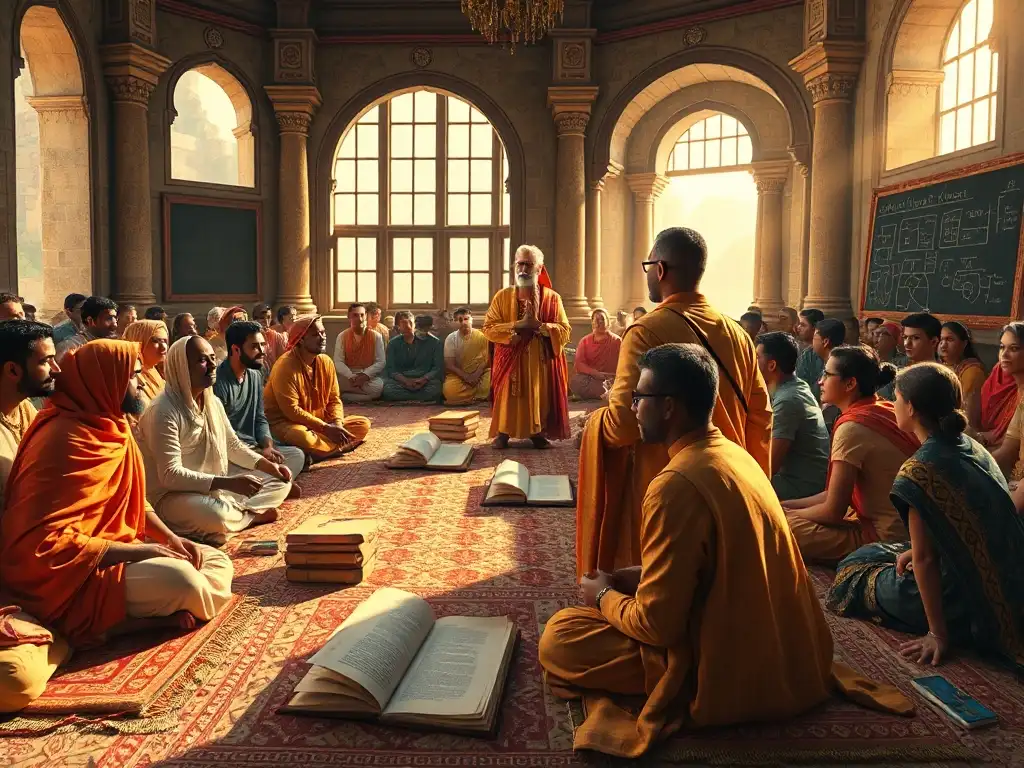
The Maurya Empire, one of the most significant and expansive empires in Indian history, flourished from approximately 322 to 185 BCE under the leadership of notable rulers like Chandragupta Maurya and Ashoka the Great. Central to its success was a robust administrative framework that not only managed vast territories but also ensured the effective governance of diverse populations.
A crucial pillar of this framework was the education system, which played an instrumental role in shaping the bureaucracy and enhancing the overall efficiency of governance. This article delves into the intricacies of the Maurya Empire education system, examining its historical context, significance, and the various influences that shaped it, ultimately highlighting how education served as a cornerstone for the empire's administrative prowess.
Introduction to the Maurya Empire Education System
Overview of the Maurya Empire
The Maurya Empire emerged during a time of significant political fragmentation in ancient India. Founded by Chandragupta Maurya, it marked a departure from previous political structures, establishing a centralized form of governance that extended across vast regions, including present-day India, Pakistan, and parts of Afghanistan. The empire is renowned for its administrative sophistication, which integrated various aspects of governance, such as law, economics, and military strategy. This complexity necessitated a well-educated bureaucratic class capable of managing administrative duties and maintaining social order.
Importance of Education in Ancient India
In ancient India, education was not merely a tool for personal advancement; it was integral to societal development and the functioning of various state apparatuses. The pursuit of knowledge encompassed a wide array of disciplines, including philosophy, mathematics, science, and the arts. Education was viewed as a means to cultivate moral values and civic responsibility, ensuring that educated individuals could contribute positively to their communities. The Maurya Empire, with its diverse populace and vast territories, recognized the need for a structured education system to create competent leaders and administrators who could uphold the empire's ideals and governance.
Historical Context of Education in the Maurya Empire
Pre-Mauryan Educational Traditions
Long before the Maurya Empire's inception, India had established a rich tradition of learning and scholarship. Institutions like the Gurukul, where students learned under the guidance of a guru, and the Brahmanical schools, which focused on Vedic studies, laid the groundwork for educational practices. The decline of the early Vedic period transitioned into a more organized approach to education, which was reflected in the Sanskrit language and the development of various philosophical systems. These pre-Mauryan educational traditions played a significant role in preparing the societal framework that the Maurya Empire would later build upon.
The Influence of Buddhism on Education
The Maurya Empire is particularly noted for the profound influence of Buddhism on its educational framework, especially during the reign of Ashoka. After his conversion to Buddhism, Ashoka championed the establishment of monastic schools and centers of learning that promoted not only Buddhist teachings but also various secular subjects. The spread of Buddhist philosophy emphasized moral and ethical education, which significantly impacted the administrative policies of the empire. Furthermore, Ashoka’s edicts encourage the dissemination of knowledge and literacy among the populace, signifying the importance of education in governance and societal harmony.
The Maurya Empire's education system was a crucial element of its administrative framework, influenced by historical traditions and the philosophical tenets of Buddhism. This article will further explore how education served both as a tool for governance and a means of cultural integration within this remarkable civilization.
Structure of the Maurya Empire Education System
The education system of the Maurya Empire was a cornerstone of its administrative framework, reflecting a sophisticated understanding of governance and public administration. Centralized under the rule of the Mauryan emperors, this system aimed to instill knowledge, ethics, and civic responsibility among the populace, particularly among those in positions of power. The structure was characterized by a blend of formal institutions, informal learning avenues, and a curriculum designed to meet the needs of the empire.
At the top of this hierarchy were the Taksashila (Taxila) and Nalanda universities, which served as premier centers of higher learning, attracting students from various regions. These institutions provided advanced education in subjects ranging from philosophy and rhetoric to science and mathematics. The curriculum was not only academic but also practical, aiming to prepare students for roles in administration, military, and the arts.
In addition to these universities, local Gurukuls (teacher-student residential schools) played a vital role in spreading education across the empire. They offered more accessible education, focusing on the transmission of traditional knowledge and skills. This dual structure of education ensured a comprehensive system that catered to both elite and common students, reinforcing the empire’s values and administrative efficiency.
Key Institutions of Learning
The Maurya Empire boasted several key institutions that significantly contributed to the education system.
- Taxila (Taksashila):
- One of the earliest universities in the world, Taxila was known for its diverse curriculum and was a melting pot of cultures and ideas. Scholars like Chanakya, a prominent figure in Mauryan history, were associated with this institution.
- Nalanda:
- Founded later, Nalanda became a crucial center for Buddhist studies and attracted students from across Asia. It offered an extensive range of subjects, including logic, grammar, and medicine.
- Gurukuls:
- These informal educational centers were prevalent throughout the empire and emphasized personalized learning. They operated on a system where students lived with their teachers, fostering an intimate teacher-student relationship.
These institutions were instrumental in shaping the intellectual landscape of the Maurya Empire, creating a literate and informed class equipped to manage the complexities of governance.
Curriculum and Subjects Taught
The curriculum in the Maurya Empire's educational institutions was comprehensive and diverse, designed to equip students with a wide range of knowledge and skills. Subjects taught included:
- Literature and Rhetoric:
- Emphasis on communication skills and the study of classical texts, including the Vedas and epics like the Mahabharata.
- Mathematics and Science:
- Fundamental principles of mathematics, astronomy, and medicine were introduced, laying the groundwork for future scientific advancements.
- Political Science and Administration:
- Courses on governance, law, and ethics were essential, particularly for students aspiring to join the bureaucracy.
- Philosophy and Religion:
- Students explored various philosophical ideologies, including those of Buddhism, Jainism, and Hinduism, fostering a culture of critical thinking and debate.
This curriculum not only emphasized academic knowledge but also practical skills necessary for effective governance, reflecting the Maurya Empire's commitment to a well-educated administrative class.
Role of Education in Administration and Governance
Education played a crucial role in the administration and governance of the Maurya Empire, serving as a foundation for the effective functioning of its bureaucratic machinery. The emphasis on education ensured that those in positions of power were not only literate but also well-versed in the principles of governance, ethics, and public administration.
The educated elite were tasked with implementing the emperor’s policies, managing local governance, and ensuring the welfare of the populace. This reliance on educated individuals facilitated a more organized and efficient administration, directly impacting the empire's stability and growth.
Educated Bureaucracy in the Maurya Empire
The Maurya Empire’s bureaucracy was characterized by a well-educated class of officials who were instrumental in executing administrative tasks. The emphasis on education ensured that bureaucrats were not only knowledgeable but also skilled in various fields necessary for governance.
- Training and Appointments:
- Many bureaucrats were selected based on their educational background, with training often occurring in elite institutions like Taxila. This created a meritocratic system where competence trumped hereditary privilege.
- Roles and Responsibilities:
- These educated officials managed local administrations, collected taxes, maintained law and order, and implemented the emperor’s directives, thus playing a pivotal role in the empire’s governance.
The educated bureaucracy was a vital component of the Maurya Empire, ensuring that governance was effective and aligned with the needs of the people.
The Impact of Education on Policy and Governance
Education had a profound impact on the policy-making and governance of the Maurya Empire. The learned individuals in positions of power influenced various aspects of governance, from economic policies to social reforms.
- Informed Decision-Making:
- Educated officials were able to provide valuable insights and analyses, leading to more informed and effective policy decisions. Their understanding of philosophy and ethics helped shape policies that were just and equitable.
- Promotion of Social Welfare:
- Education fostered a sense of responsibility among the ruling class, leading to initiatives aimed at improving the welfare of the populace, such as the establishment of hospitals and educational institutions.
- Cultural Integration:
- The diverse educational background of officials promoted cultural integration, as they brought different perspectives and ideas into governance, reflecting the empire's diversity.
The Maurya Empire's education system was integral to its administrative framework, shaping a competent bureaucracy and influencing governance policies that reinforced the empire's stability and prosperity.
Training of Officials and Civil Servants
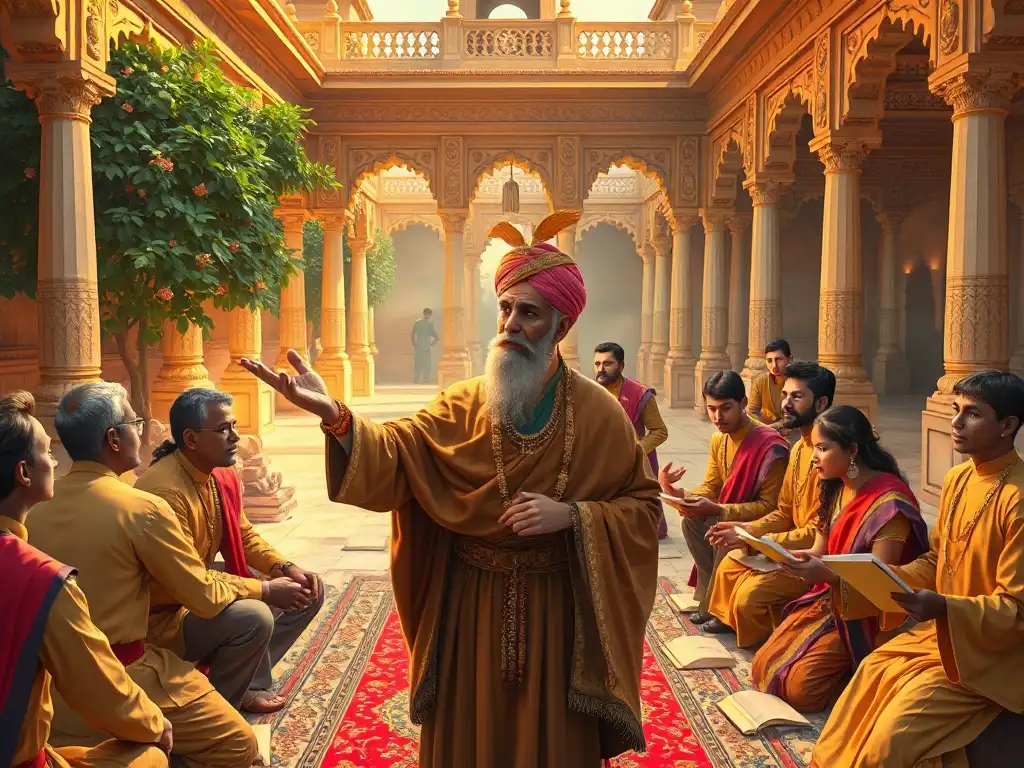
The Maurya Empire, renowned for its sophisticated administrative structure, placed significant emphasis on the training of its officials and civil servants. This training was crucial not only for the efficient functioning of the empire but also for the embodiment of its philosophical ideals. The education system in the Maurya Empire was designed to equip officials with the necessary skills and ethical frameworks needed to govern effectively.
The training of officials involved comprehensive instruction in various subjects, including administration, law, economics, and military strategy. The renowned ancient text, the Arthashastra, written by Kautilya (also known as Chanakya), served as a key resource for the education of future leaders. This text outlined the principles of governance, statecraft, and economic management, providing a solid foundation for those entering the administrative ranks.
Furthermore, practical training through apprenticeships under experienced officials allowed aspiring civil servants to gain first-hand experience in governance. This on-the-job training was instrumental in ensuring that officials were not only well-versed in theoretical knowledge but also adept at applying these concepts in real-world situations.
Recruitment and Training Processes
The recruitment process for officials in the Maurya Empire was meticulous and aimed at selecting individuals based on merit rather than lineage. Candidates were often assessed through rigorous examinations that tested their knowledge of governance, law, and economics. This meritocratic approach helped to cultivate a diverse pool of talent, advancing the empire's administrative capabilities.
Once selected, officials underwent extensive training that integrated both theoretical and practical aspects of governance. This training often included:
- Classroom Instruction: In-depth studies of texts like the Arthashastra, where officials learned about statecraft, diplomacy, and economic policies.
- Mentorship Programs: Pairing new recruits with seasoned officials helped facilitate knowledge transfer and fostered a culture of learning through experience.
- Field Training: By engaging in administrative tasks under supervision, officials learned the nuances of governance, decision-making, and public administration.
This holistic approach to training ensured that Maurya Empire officials were not only competent but also aligned with the ethical standards expected of them in their roles.
The Importance of Ethics and Morality in Governance
In the Maurya Empire, ethics and morality were considered integral to effective governance. The educational framework emphasized the cultivation of virtues such as integrity, justice, and empathy among its officials. This focus was rooted in the belief that a ruler’s moral standing directly influenced the welfare of the state and its citizens.
Kautilya’s Arthashastra underscored the importance of ethical governance, advocating for leaders to be both wise and virtuous. The education system stressed that officials must prioritize the welfare of the people, promote justice, and act in accordance with dharma (moral law). This ethical grounding not only enhanced the legitimacy of the administration but also fostered trust among the populace.
Moreover, the emphasis on ethics created a culture of accountability within the administrative framework. Officials were expected to uphold high standards of conduct, and those who deviated from these principles faced strict repercussions. This commitment to ethical governance contributed significantly to the stability and success of the Maurya Empire.
Education in the Maurya Empire was a vital component of social mobility, enabling individuals from various backgrounds to improve their social standing and contribute to society. By promoting learning and skills development, the educational system facilitated upward mobility, particularly for those in lower social strata.
Access to Education for Different Classes
While the Maurya Empire was characterized by a hierarchical society, efforts were made to provide access to education across different classes. Institutions such as the ancient universities of Takshashila and Nalanda became hubs of learning, attracting students from diverse backgrounds.
The curriculum included not only traditional subjects but also practical skills that could be applied in various professions. This inclusivity allowed individuals from lower classes to acquire knowledge and skills that were previously inaccessible, thereby breaking down some of the barriers imposed by the rigid social structure.
Education as a Tool for Empowerment
Education served as a powerful tool for empowerment within the Maurya Empire. It equipped individuals with the knowledge necessary to engage in governance, trade, and other professions, thus enhancing their economic prospects and social standing.
For instance, merchants and traders who received education in economics and trade practices were able to expand their businesses and increase their wealth. Similarly, educated individuals often took up roles in administration, contributing to the empire's governance and decision-making processes.
Additionally, the moral and ethical teachings embedded in the educational curriculum fostered a sense of responsibility among the educated classes, encouraging them to advocate for the rights and welfare of their communities. This empowerment through education not only enriched individual lives but also contributed to the overall stability and prosperity of the Maurya Empire.
Comparisons with Other Ancient Civilizations
The education system of the Maurya Empire can be contextualized through comparisons with other ancient civilizations, particularly the Gupta Empire and the Roman Empire. Each of these societies had unique approaches to education that reflected their governance, cultural values, and societal needs. Understanding these differences and similarities provides insight into the Maurya Empire's educational framework and its impact on administration.
Education in the Maurya Empire vs. Gupta Empire
The Maurya Empire, which thrived from 322 to 185 BCE, established a structured educational system that focused on practical knowledge and administration. Education during this period was primarily centered around the needs of the state, facilitating the training of bureaucrats, military leaders, and scholars. The famous university of Takshashila (Taxila) emerged as a significant center for higher learning, attracting students from various regions.
In contrast, the Gupta Empire (c. 320 to 550 CE) is often viewed as a golden age for Indian culture and education. While the Gupta period also emphasized statecraft and administration, there was a broader focus on philosophy, arts, and sciences. Institutions like Nalanda University became renowned centers of learning, fostering a more diverse curriculum that included subjects such as mathematics, astronomy, and medicine. This shift demonstrates how the Maurya educational system laid the groundwork for the more expansive and inclusive approach seen in the Gupta Empire.
Similarities and Differences with Roman Education Systems
While both the Maurya and Roman empires valued education, their systems differed significantly in structure and focus. Roman education was heavily influenced by Greek traditions and emphasized rhetoric, grammar, and philosophy, aiming to produce eloquent citizens capable of participating in public life. Roman schools were often private and expensive, catering predominantly to the elite, which created a stark divide in access to education.
In contrast, the Maurya Empire's education system was more pragmatic and state-oriented, focusing on subjects that were conducive to governance and administration. Education was accessible to a wider range of social classes, although it was still largely dominated by the upper castes. The presence of institutions like Takshashila indicated a more centralized approach to education, where the state played a crucial role in shaping the curriculum to meet administrative needs.
Challenges Faced by the Maurya Empire Education System
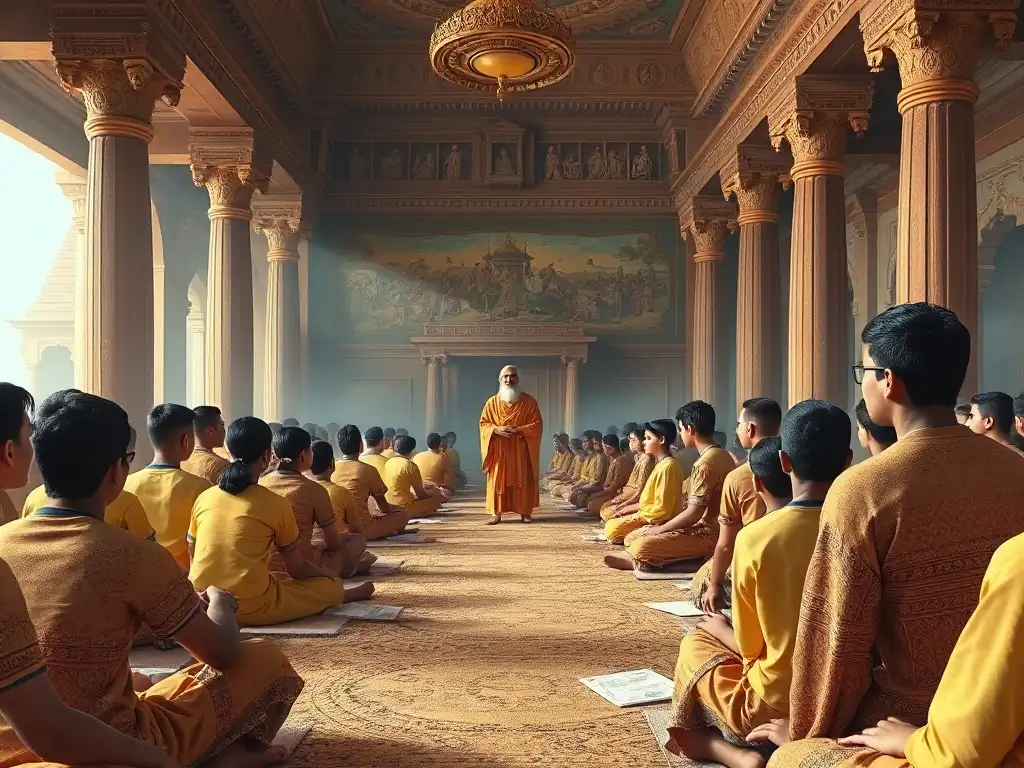
Despite its advancements, the education system of the Maurya Empire faced several challenges that limited its effectiveness and reach. These challenges included limitations in access and inclusivity, as well as societal attitudes towards education.
Limitations in Access and Inclusivity
Access to education in the Maurya Empire was not uniformly available to all social classes. While the state recognized the importance of training officials and skilled workers, the majority of the population, particularly those from lower castes, faced significant barriers. The educational institutions were predominantly established in urban centers, making it difficult for rural populations to benefit from them. Furthermore, the focus on training bureaucrats and military leaders often excluded a wider range of disciplines that could have enriched the overall educational landscape.
Societal Attitudes Towards Education
The societal attitudes toward education in the Maurya Empire were complex. On one hand, education was seen as essential for governance, and there was a degree of respect for scholars and teachers, particularly in the context of state service. On the other hand, prevailing caste hierarchies and traditional norms often dictated who could pursue education and in what fields. This created an environment where educational opportunities were not fully utilized, and innovation was stifled by rigid social structures. The interplay of these attitudes ultimately shaped the effectiveness of the Maurya education system and its contributions to the empire's administration.
Conclusion: Legacy of the Maurya Empire Education System
The Maurya Empire's education system played a pivotal role in shaping its governance and administrative effectiveness. The emphasis on an organized and structured approach to education fostered a culture of learning and intellectual growth. This system was not merely a tool for training bureaucrats but also a means to instill civic values, ethical governance, and a sense of responsibility towards the state. The legacy of this educational framework is evident in the subsequent Indian civilizations, where the principles of knowledge dissemination, state-sponsored education, and moral instruction continued to thrive.
The Mauryan commitment to education also laid the groundwork for future institutions of learning, like the renowned Nalanda University. This tradition of valuing education as a cornerstone of governance influenced subsequent empires, reinforcing the idea that a well-informed populace is essential for a stable and prosperous state. The blend of practical administration and philosophical inquiry during the Maurya period remains a significant chapter in the history of education in India.
Lasting Impact on Future Indian Civilizations
The educational practices initiated during the Maurya Empire set a precedent for future civilizations in India. Subsequent empires, including the Gupta Empire, adopted and adapted these educational frameworks, focusing on subjects such as philosophy, science, and mathematics. The importance placed on education by the Mauryas inspired later rulers to establish similar systems, ensuring that knowledge was accessible to diverse segments of society.
Moreover, the Maurya Empire’s educational policies influenced the development of various scholarly traditions in ancient India. The integration of practical knowledge with ethical and philosophical teachings became a hallmark of Indian education, shaping the curriculum in monasteries and universities for centuries to come. As a result, the foundations laid during the Maurya period not only contributed to the governance of their time but also enriched the cultural and intellectual heritage of India.
Reflection on the Role of Education in Governance
Education in the Maurya Empire was intricately linked to governance and administrative efficiency. The training of officials and administrators was rooted in an understanding of ethical leadership and public service. This reflects a profound recognition that educated leaders could make informed decisions that benefited the state and its citizens. The system encouraged administrators to engage with the populace, ensuring that governance was not merely top-down but involved a dialogue with the people.
The emphasis on education also led to the establishment of various institutions that trained individuals in statecraft, economics, and law. This not only enhanced the capabilities of the government but also fostered a sense of accountability and transparency. As such, the Maurya Empire's educational approach serves as a historical example illustrating how education can be a powerful tool for effective governance and social development.
References for Further Reading on Maurya Empire Education System
Suggested Books and Articles
- "The Mauryan Empire" by Romila Thapar - This comprehensive study provides insights into the administration, culture, and educational practices of the Mauryan period.
- "Ancient Indian Education: Hindu and Buddhist Traditions" by Suresh Chandra: - This book delves into the educational systems of ancient India, including the Mauryan contributions.
- "The Role of Education in Ancient Indian Society" by R. C. Sharma - A critical examination of how education influenced various aspects of ancient Indian life, with a focus on the Maurya Empire.
Online Resources for Ancient Indian History
- Ancient India: A Comprehensive Overview: - A digital repository featuring articles, timelines, and resources related to ancient Indian civilizations, including the Maurya Empire.
- The Indian History Congress - This platform offers access to research papers and articles focusing on various periods of Indian history, including the educational frameworks of the Maurya Empire.
- Digital South Asia Library - An extensive collection of resources on South Asian history, including documents and studies relevant to the Mauryan education system.
- Introduction to the Maurya Empire Education System
- Historical Context of Education in the Maurya Empire
- Structure of the Maurya Empire Education System
- Role of Education in Administration and Governance
- Training of Officials and Civil Servants
- Contribution of Education to Social Mobility
- Comparisons with Other Ancient Civilizations
- Challenges Faced by the Maurya Empire Education System
- Conclusion: Legacy of the Maurya Empire Education System
- References for Further Reading on Maurya Empire Education System
- What was the significance of the Maurya Empire's education system?
- How did the education system contribute to the Maurya Empire's governance?
- Were there any notable institutions for education during the Maurya Empire?
- How did the Maurya Empire promote education among its citizens?
- What impact did the Maurya Empire's education system have on future Indian societies?
Frequently Asked Questions
What was the significance of the Maurya Empire's education system?
The Maurya Empire's education system played a crucial role in shaping the administrative framework, ensuring that educated officials could effectively govern and implement policies.
How did the education system contribute to the Maurya Empire's governance?
The education system provided essential training in administration, law, and military strategy, which helped maintain the empire's stability and promote efficient governance.
Were there any notable institutions for education during the Maurya Empire?
Yes, institutions like Nalanda emerged, which became centers of learning, attracting scholars from various regions and fostering an environment of intellectual growth.
How did the Maurya Empire promote education among its citizens?
The Maurya Empire emphasized education through state-sponsored schools and encouraged the learning of subjects like philosophy, mathematics, and literature, which were vital for cultural development.
What impact did the Maurya Empire's education system have on future Indian societies?
The education system laid the foundation for future educational reforms and influenced subsequent Indian empires, contributing to a rich tradition of scholarship and learning in the subcontinent.
Final Reflection: The Enduring Legacy of the Maurya Empire's Education System
The education system of the Maurya Empire was not merely a tool for governance; it was a cornerstone of societal development that resonates with our contemporary understanding of education's role in shaping civilizations. Today, as we grapple with the complexities of global education systems, the Maurya Empire's approach reminds us that education can empower individuals and foster a cohesive society. The lessons from this ancient framework are as pertinent now as they were over two millennia ago, highlighting the transformative power of knowledge.
The influence of the Maurya Empire's education system can still be felt in our cultural and social landscapes, where the pursuit of knowledge remains a vital component of progress. The emphasis on education as a means to cultivate not just skilled administrators but also informed citizens is a principle that continues to guide modern educational philosophies. Education is the most powerful weapon which you can use to change the world.
– Nelson Mandela. This quote encapsulates the essence of the Maurya Empire's legacy, reminding us that education is a catalyst for change and a foundation for a just society.
As we reflect on the insights gleaned from the Maurya Empire's educational practices, let us take a moment to consider our own roles in promoting education within our communities. I invite you to explore how you can contribute to fostering a culture of learning and knowledge-sharing, ensuring that the lessons of the past inspire our actions today. Whether through mentorship, advocacy, or simply engaging in lifelong learning, each of us has the potential to be a part of this ongoing journey toward enlightenment and empowerment.
Unlock the Secrets of Ancient Administration!
Thank you for diving into the fascinating role of education within the Maurya Empire’s administrative framework! You’ve gained valuable insights into how knowledge shaped governance, and now it’s time to take action and deepen your understanding of this remarkable period in history.
Here’s how you can continue your journey:
- Explore further: Read related articles on Ancient Indian history to uncover more about the educational systems and administrative practices in various empires.
- Engage with history: Join a discussion group or an online community to share your thoughts and discoveries about the Maurya Empire and connect with fellow history enthusiasts.
- Create and share: Consider crafting an infographic or a short video that summarizes your key takeaways from this article, and share it with your friends on social media!
What aspects of education in the Maurya Empire inspire you the most to explore further?