
The Art of Living: How Indus Valley Homes Reflected Culture

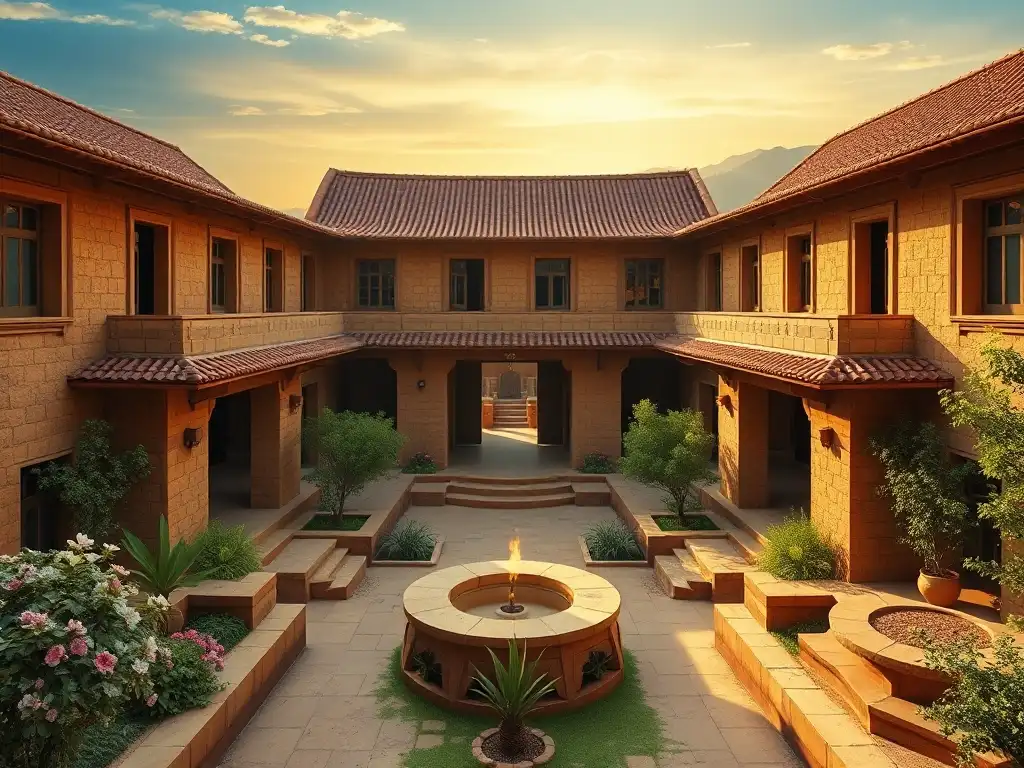
Welcome to Ancient India History, where we embark on a fascinating journey through the rich tapestry of ancient Indian civilizations. Today, we delve into the captivating world of Indus Valley home architecture, a reflection of the culture and ingenuity that defined one of history's most advanced societies. What secrets do these ancient structures hold about the lives of their inhabitants? Join us as we uncover the artistry and purpose behind these homes, and discover how they illuminate the broader narrative of India's historic legacy. Your adventure into the depths of ancient history begins here!
- Introduction to Indus Valley Home Architecture
- Characteristics of Indus Valley Home Architecture
- Cultural Significance of Indus Valley Homes
- Innovations in Indus Valley Home Architecture
- Comparison of Indus Valley Home Architecture with Other Ancient Civilizations
- Legacy of Indus Valley Home Architecture
- Conclusion: The Enduring Influence of Indus Valley Home Architecture
-
Frequently Asked Questions
- What characterized Indus Valley home architecture?
- How did the art of living influence architecture in the Indus Valley?
- What materials were predominantly used in Indus Valley homes?
- How did Indus Valley home architecture reflect the culture of its time?
- What impact did the Indus Valley civilization have on later architectural styles?
- Final Reflection: The Enduring Legacy of Indus Valley Home Architecture
- Uncover the Beauty of Indus Valley Living!
Introduction to Indus Valley Home Architecture
The architectural achievements of the Indus Valley Civilization stand as a testament to the ingenuity and sophistication of one of the world's earliest urban societies. Flourishing between 3300 BCE and 1300 BCE in what is now Pakistan and northwest India, this civilization is renowned for its advanced urban planning, social organization, and innovative construction techniques.
This article delves into the fascinating aspects of Indus Valley home architecture, exploring how the design and layout of homes mirrored the cultural values, social structures, and daily lives of the people who inhabited these ancient cities. By examining the architecture, we gain insight into the broader cultural landscape of the Indus Valley, revealing a society that valued functionality, community, and aesthetics.
Overview of the Indus Valley Civilization
The Indus Valley Civilization, often regarded as one of the cradles of civilization, thrived in the fertile plains of the Indus River. Major urban centers, such as Harappa and Mohenjo-Daro, were characterized by their remarkable grid patterns, sophisticated drainage systems, and brick-built structures. The civilization is estimated to have housed over five million people at its peak, showcasing a level of urbanization that was unprecedented for its time.
Key features of the Indus Valley Civilization include:
- Urban Planning: Cities were meticulously planned with streets arranged in a grid pattern, indicating advanced urban design principles.
- Innovative Infrastructure: The extensive drainage system and public baths highlighted the importance of hygiene and public health.
- Trade and Economy: Evidence of trade with neighboring regions points to a flourishing economy and cultural exchange, further influencing architectural styles.
The art and architecture of the Indus Valley reflect not only the practical needs of its inhabitants but also their artistic sensibilities and societal norms.
Importance of Home Architecture in Reflecting Culture
Home architecture in the Indus Valley Civilization serves as a crucial lens through which we can understand the cultural fabric of this ancient society. The layout, construction materials, and design elements of homes were not merely functional but also imbued with cultural significance.
- Societal Structure:
- Homes were often built around central courtyards, promoting family interaction and community cohesion.
- The size and complexity of a home often indicated the social status of its inhabitants.
- Cultural Practices:
- Architectural features, such as large windows and ventilation systems, suggest an awareness of climate and comfort, reflecting the daily lifestyle and environmental adaptations of the people.
- Decorative elements, such as terracotta figurines and intricate seals, found in homes indicate the aesthetic values and spiritual beliefs prevalent in the society.
- Functionality and Sustainability:
- Many homes incorporated sustainable practices, utilizing locally available materials like baked bricks and mud. This not only highlights the civilization's resourcefulness but also its connection to the environment.
Through examining the homes of the Indus Valley, we gain invaluable insights into how architecture is intertwined with culture, revealing the priorities, beliefs, and everyday lives of one of history's most remarkable civilizations.
Characteristics of Indus Valley Home Architecture
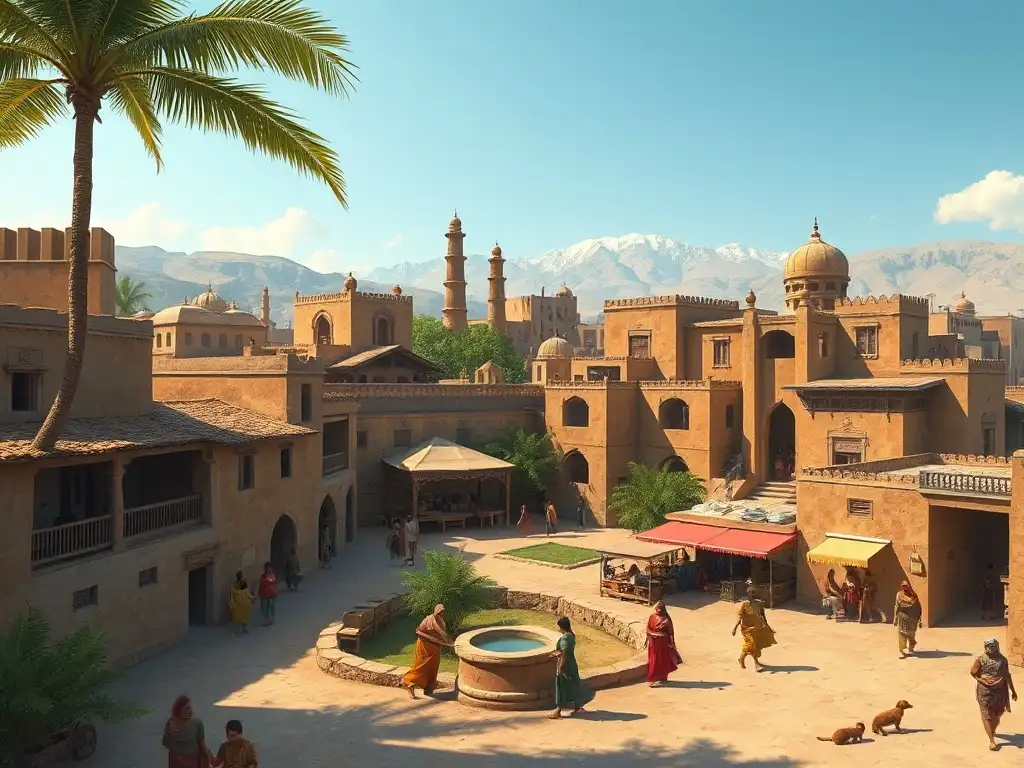
The Indus Valley Civilization (IVC), one of the world's earliest urban cultures, showcased remarkable advancements in home architecture that reflected their sophisticated social structure, environmental awareness, and aesthetic sensibilities. The Indus Valley home architecture is characterized by several defining traits that set it apart from contemporaneous civilizations.
Materials Used in Indus Valley Homes
Indus Valley homes were primarily constructed using locally sourced materials, which played a significant role in both functionality and durability. The main materials included:
- Mud Brick: The majority of homes were built with mud bricks, which were made from a mixture of clay, sand, and water. These bricks were sun-dried, making them cost-effective and readily available.
- Baked Brick: In more affluent areas, baked bricks were utilized due to their strength and resistance to weathering. These bricks were often used for important structures and public buildings.
- Wood and Stone: While wood was used sparingly due to its scarcity in some regions, it served essential purposes, such as roofing beams and door frames. Stone was employed in the construction of drainage systems and some foundations.
- Plaster and Paint: Homes often featured plaster finishes, and evidence suggests that some walls were adorned with simple decorative motifs, showcasing the inhabitants' artistic inclinations.
These materials not only reflect the technological capabilities of the Indus Valley inhabitants but also their adaptability to the local environment.
Design Elements of Indus Valley Residential Structures
The design of Indus Valley homes was pragmatic yet aesthetically pleasing, characterized by several notable elements:
- Single and Multi-Story Layouts: Homes varied from single-story to multi-story structures, with multi-story homes typically found in more densely populated areas.
- Courtyards: Many homes featured central courtyards, which served as communal spaces for daily activities and ventilation, enhancing the overall livability of the dwelling.
- Rectangular Rooms: The floor plans were predominantly rectangular, with rooms arranged around the courtyard. This layout allowed for efficient use of space and easy access to various parts of the home.
- Private and Public Spaces: Homes were often divided into private and public areas. Public spaces served for gatherings and social interactions, while private quarters offered family privacy.
- Drainage Systems: Advanced drainage systems were integrated into the home design, with most houses having their own sanitation facilities, reflecting a strong emphasis on hygiene and urban planning.
These design elements highlight the emphasis on community living, practicality, and aesthetic appeal in Indus Valley home architecture.
Urban Planning and Layout of Indus Valley Cities
The urban planning of Indus Valley cities like Mohenjo-Daro and Harappa exemplifies a high level of organization and foresight:
- Grid Layout: Cities were strategically designed with a grid pattern, facilitating ease of navigation and efficient land use. Streets were often straight and intersected at right angles, a precursor to modern urban planning.
- Zoning: The separation of residential, commercial, and industrial areas demonstrates a clear understanding of urban zoning. This organization reduced congestion and improved the quality of life for residents.
- Drainage and Sanitation: The cities featured sophisticated drainage systems, with covered drains running along the streets and connecting to individual homes. This sophisticated infrastructure minimized the risk of flooding and ensured sanitary conditions.
- Public Structures: The presence of public buildings, such as granaries and baths, illustrates the importance of communal facilities in the daily lives of the residents. These structures were often larger and more elaborately designed than private homes, showcasing the civilization's architectural capabilities.
The urban planning and layout of Indus Valley cities not only reflect the architectural prowess of the civilization but also its commitment to creating a functional and harmonious living environment.
Cultural Significance of Indus Valley Homes
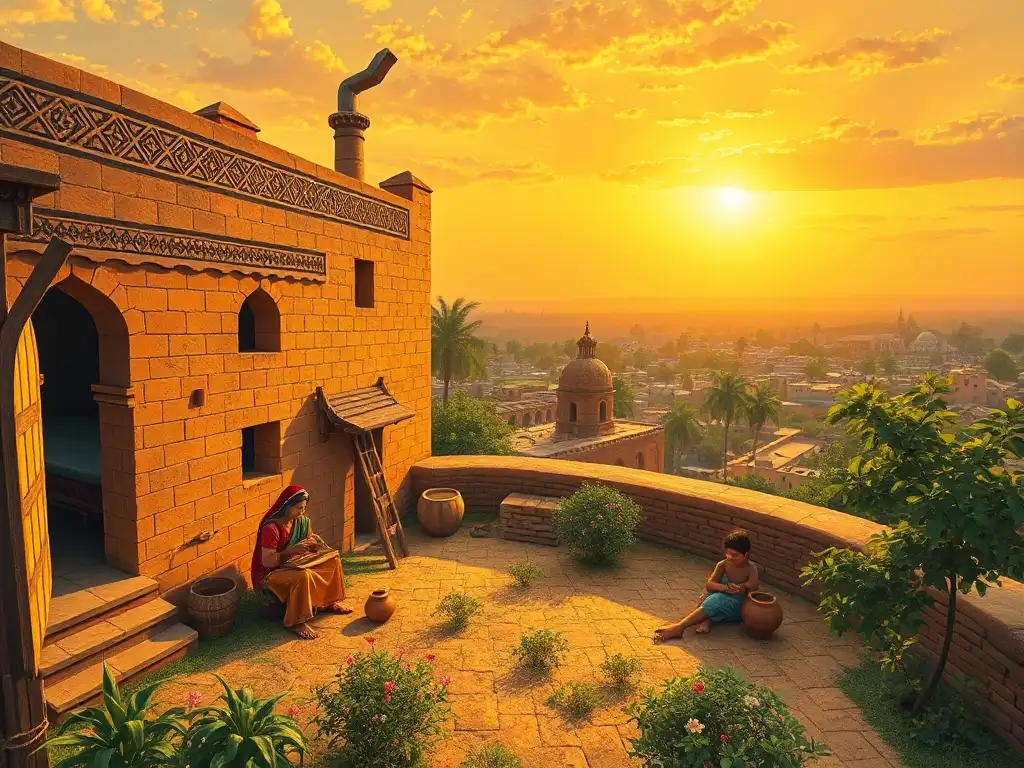
The homes of the Indus Valley Civilization were not merely structures for shelter; they served as vital reflections of the culture, values, and social dynamics of their time. Indus Valley home architecture showcases an advanced understanding of urban planning and construction techniques, indicating a sophisticated society. The layout and materials used in these homes reveal much about the lifestyle and social hierarchy of the inhabitants.
The architectural design of these homes was closely linked to the environmental conditions and available resources. Constructed primarily from baked bricks, which were durable and could withstand the region's climate, the homes often featured flat roofs and multiple stories. The presence of drainage systems and wells within residential areas highlights the civilization's emphasis on sanitation and public health, which was quite advanced for its era.
The social structure of the Indus Valley Civilization can be inferred through the architectural styles and sizes of homes. Evidence suggests a stratified society, where wealth and status were reflected in the scale and complexity of residential structures. For instance:
- Larger Homes: These were typically found in central locations and often featured multiple rooms, courtyards, and specialized areas for various functions, indicating a higher social status.
- Smaller Dwellings: More modest homes were located on the outskirts of the urban centers, often consisting of fewer rooms and simpler designs, suggesting a lower socio-economic status.
Additionally, the uniformity in bricks and construction techniques across the region indicates a level of social cohesion and shared cultural values. This standardization likely facilitated trade and communication, enhancing the interconnectedness of various communities within the Indus Valley.
Artistic Expressions within Home Design
Artistic elements within Indus Valley home architecture reveal the aesthetic sensibilities of the civilization. Homes often featured intricate carvings, painted decorations, and the use of artistic motifs that reflected the natural environment and spiritual beliefs. Notable aspects include:
- Terracotta Figurines and Ornaments: Many homes contained small artistic objects, often depicting animals, deities, or daily life scenes, which served to beautify the living spaces and possibly held religious significance.
- Mosaics and Wall Paintings: Some excavated sites have revealed evidence of wall paintings and decorative tiles, showcasing scenes of nature and mythology, which may have played a role in the inhabitants' spiritual and cultural practices.
The aesthetic choices made in home design not only enhanced the visual appeal of living spaces but also provided insight into the values and beliefs of the Indus Valley people, underscoring the interconnection between art, identity, and daily life.
The Role of Homes in Daily Life and Rituals
In the context of the Indus Valley Civilization, homes were central to daily life and ritual practices. They provided spaces for various activities, including cooking, social gatherings, and religious observances. The design of these homes facilitated a lifestyle that emphasized community and family, as seen in the arrangement of rooms and shared spaces.
- Kitchen Areas: Many homes had designated cooking areas, equipped with clay ovens and storage spaces for grains, reflecting the importance of food preparation and communal meals in daily life.
- Ritual Spaces: Some homes contained small altars or shrines, indicating that domestic worship was an integral part of the household routine. These spaces likely served as focal points for family rituals and celebrations.
The Indus Valley home architecture was a crucial aspect of daily life, serving not only practical needs but also embodying the cultural, social, and spiritual dimensions of the civilization. The architectural choices made by the inhabitants of the Indus Valley reveal a deep connection between their living environments and their collective identity, illustrating how homes were a reflection of the intricate tapestry of life in ancient India.
Innovations in Indus Valley Home Architecture
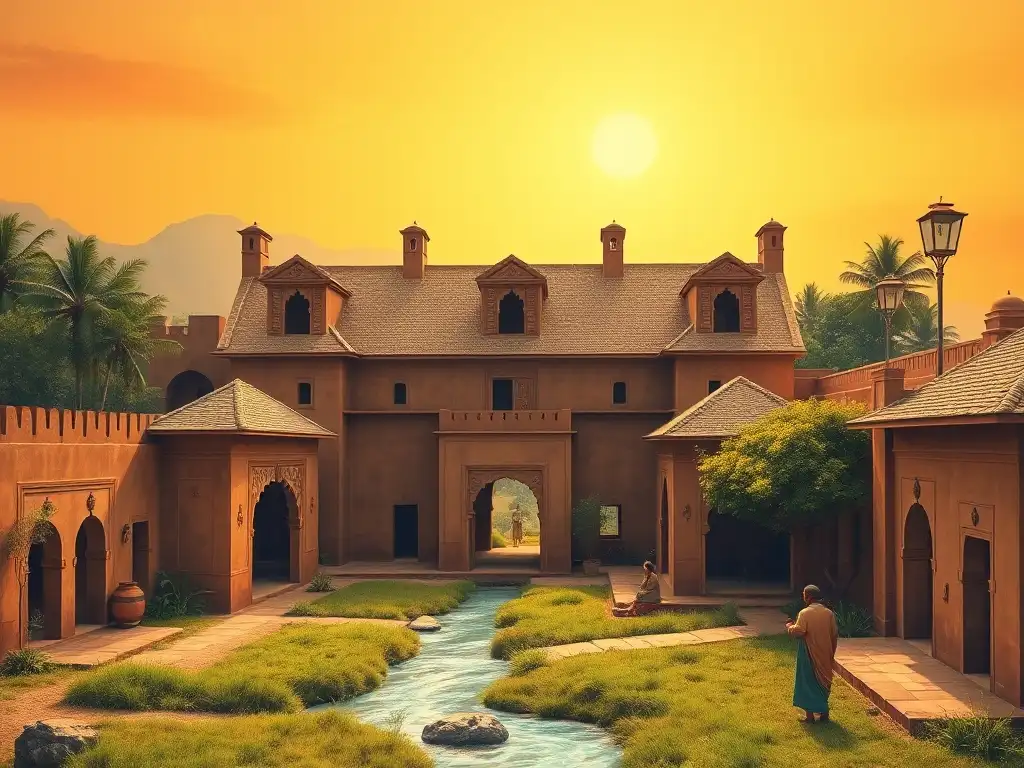
The Indus Valley Civilization (IVC), flourishing around 2500 BCE, is renowned for its advanced urban planning and innovative home architecture. The architectural features of this civilization not only reflect their engineering prowess but also their cultural values and social organization. Homes in the Indus Valley were meticulously designed with functionality, comfort, and sustainability in mind, showcasing a remarkable understanding of living spaces that catered to the needs of their residents.
Advanced Drainage Systems in Residential Areas
One of the standout innovations in Indus Valley home architecture is the sophisticated drainage system. The cities, including Mohenjo-Daro and Harappa, were equipped with a network of covered drains that channeled wastewater away from homes and public spaces.
- Key Features:
- Covered Drains: Most homes had access to a private drainage system that connected to the main street drains, ensuring hygiene and sanitation.
- Sloped Streets: Streets were systematically sloped, facilitating the efficient flow of water towards the drainage systems.
- Materials Used: The drains were constructed using fired bricks, which were both durable and effective at preventing blockages.
This advanced approach to drainage not only highlights the importance placed on sanitation but also indicates a well-planned urban infrastructure that prioritized public health.
Use of Public and Private Spaces in Home Design
Indus Valley homes exemplified a thoughtful division between public and private spaces, reflecting the social dynamics of the civilization.
- Home Layout:
- Private Courtyards: Many houses featured central courtyards that served as private outdoor spaces for family activities, gardening, and light cooking.
- Multi-functional Rooms: Rooms within the homes were often designed for multiple uses, allowing for flexibility in living arrangements. For instance, spaces could serve as sleeping quarters, work areas, or communal gathering spots.
- Public Interaction:
- Proximity to Public Spaces: Homes were strategically located near public amenities, such as wells and marketplaces, promoting community interaction while maintaining a degree of privacy.
- Access to Streets: The layout allowed easy access to streets, enhancing trade and social interactions without compromising the privacy of the residents.
This careful design of spaces indicates a sophisticated understanding of community living and the importance of social interaction in the Indus Valley culture.
Sustainability Practices in Indus Valley Construction
Sustainability was a key consideration in Indus Valley home architecture, demonstrated through various practices that aligned with environmental consciousness.
- Local Materials: Builders primarily used locally sourced materials, such as mud, clay, and fired bricks, reducing transportation needs and environmental impact.
- Natural Ventilation: Houses were designed with high ceilings and strategically placed windows to maximize airflow, reducing reliance on artificial cooling methods.
- Water Conservation: The inclusion of storage tanks and wells within residential areas reflects a community-oriented approach to water management, essential in the arid climate of the region.
These practices not only ensured the longevity of the structures but also highlighted the civilization's respect for their environment, setting a precedent for sustainable living that resonates even today.
The innovations in Indus Valley home architecture reveal a civilization that was remarkably advanced in terms of urban planning and architectural design. From sophisticated drainage systems to thoughtful space usage and sustainable practices, the homes of the Indus Valley reflect a rich cultural heritage that emphasizes community, health, and environmental stewardship.
Comparison of Indus Valley Home Architecture with Other Ancient Civilizations
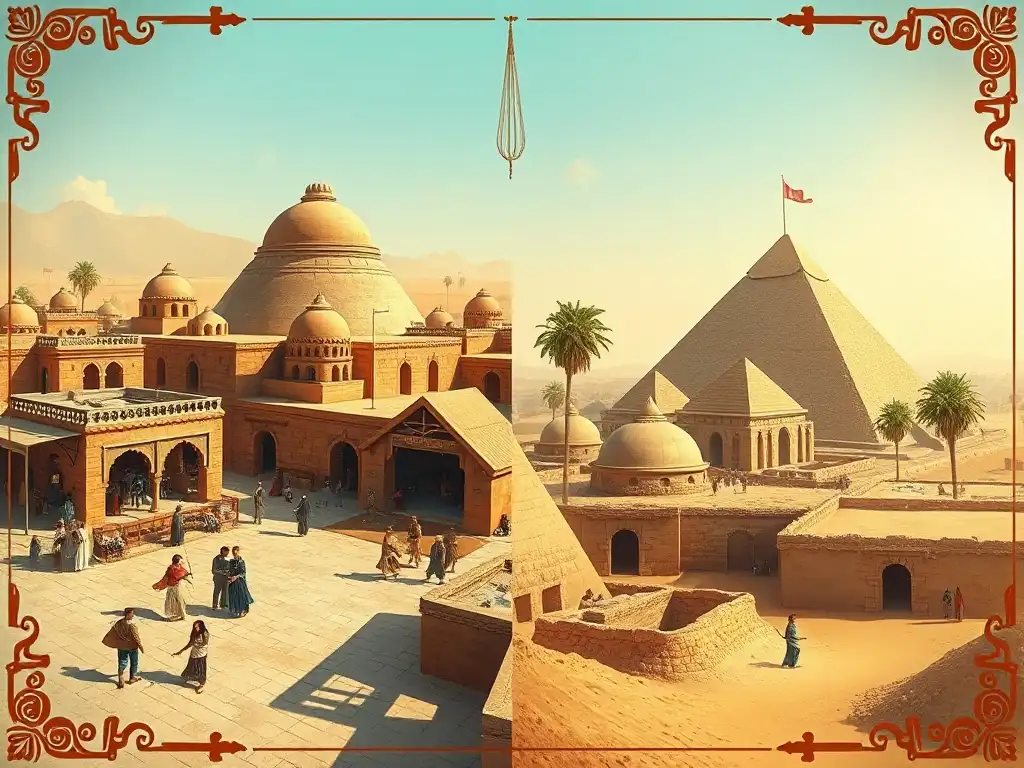
The Indus Valley Civilization is renowned for its advanced urban planning and sophisticated home architecture. When comparing these features with other ancient civilizations, such as Mesopotamia and Egypt, distinct differences and similarities emerge that reflect the unique cultural, geographical, and technological contexts of each civilization.
Indus Valley vs. Mesopotamian Homes
The architecture of the Indus Valley shares certain similarities with that of Mesopotamia, but notable differences highlight their unique approaches to urban living.
- Urban Planning: Both civilizations showcased a grid-like pattern in their urban layouts. However, Indus Valley cities, such as Mohenjo-Daro and Harappa, had a more rigorous adherence to sanitation and drainage systems. The streets in the Indus Valley were often wider, and homes were constructed with an emphasis on cleanliness and hygiene.
- Construction Materials: While Indus Valley homes were primarily made of baked bricks, Mesopotamian structures often utilized sun-dried mud bricks. This difference in materials resulted in varied durability and aesthetic qualities.
- Home Design: Indus Valley homes typically featured flat roofs, often used for additional living space, whereas Mesopotamian homes had sloped roofs to accommodate rain runoff. Additionally, the layout of Indus Valley houses often included courtyards and multiple rooms for various functions, emphasizing a communal lifestyle.
| Feature | Indus Valley Homes | Mesopotamian Homes |
|---|---|---|
| Urban Layout | Grid pattern, wide streets | Grid pattern, narrower streets |
| Main Material | Baked bricks | Sun-dried mud bricks |
| Home Roof Style | Flat roofs | Sloped roofs |
| Design Emphasis | Courtyards, communal living | Privacy and separation |
Indus Valley vs. Egyptian Residential Structures
When contrasting Indus Valley home architecture with that of ancient Egypt, several key distinctions arise that illustrate their respective cultural values and environmental adaptations.
- Materials and Techniques: Egyptian homes were primarily constructed from mud bricks, similar to Mesopotamia. However, they often incorporated stone for more prominent structures, such as temples and tombs. In contrast, the Indus Valley predominantly utilized fired bricks, which provided greater resilience against the elements.
- Architectural Features: Indus Valley homes generally had more complex layouts, with the inclusion of bathrooms and sophisticated drainage systems, which were less common in Egyptian residences. Egyptian homes tended to be simpler in design, focusing on functionality rather than intricate planning.
- Environmental Considerations: The climate played a significant role in architectural choices. Indus Valley homes were designed to combat the heat with thick walls and flat roofs, while Egyptian homes often had larger windows and higher ceilings to allow air circulation, reflecting the different environmental challenges faced by each civilization.
| Feature | Indus Valley Homes | Egyptian Homes |
|---|---|---|
| Main Material | Baked bricks | Mud bricks, some stone |
| Layout Complexity | Complex with bathrooms | Simpler, functional |
| Climate Adaptation | Thick walls, flat roofs | Larger windows, higher ceilings |
Influence of Geography on Architectural Choices
The geography of the Indus Valley Civilization significantly influenced its architectural choices, setting it apart from other ancient civilizations.
- River Proximity: The civilization thrived along the banks of the Indus River, which provided fertile land for agriculture and a reliable water source. This geographical advantage led to the development of advanced urban centers, with homes built to accommodate communal living and efficient sanitation systems.
- Natural Resources: The availability of raw materials, such as clay for bricks and timber for roofing, dictated construction methods. The Indus Valley's access to high-quality clay allowed for the widespread use of baked bricks, enhancing the durability and aesthetic appeal of their homes.
- Climate Factors: The arid climate of the Indus Valley necessitated architectural designs that offered protection from heat and dust. Features such as thick walls, small windows, and elevated platforms helped regulate indoor temperatures, showcasing an understanding of environmental challenges.
The Indus Valley home architecture is a remarkable reflection of its geographic and cultural context, setting it apart from other ancient civilizations. The comparative analysis with Mesopotamian and Egyptian homes underscores the ingenuity and adaptability of the Indus Valley people in their quest for a functional and harmonious living environment.
Legacy of Indus Valley Home Architecture
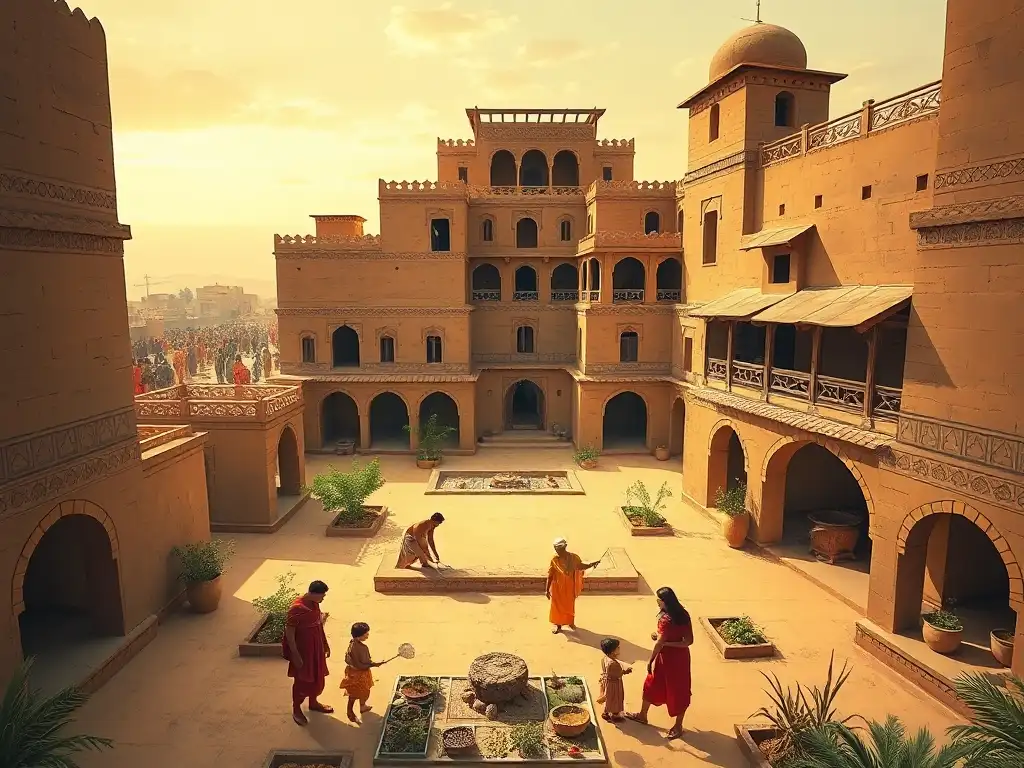
The legacy of Indus Valley home architecture is a testament to the advanced urban planning and architectural prowess of one of the world's earliest civilizations. Characterized by their innovative designs and functionality, these homes provide insight into the social, cultural, and economic aspects of the communities that once thrived in the Indus Valley.
Impact on Later Indian Architectural Styles
The architectural advancements seen in Indus Valley homes laid the groundwork for subsequent Indian architectural styles. The use of baked bricks, drainage systems, and uniformity in planning influenced later periods, particularly in the development of urban centers in ancient India.
- Baked Brick Construction: The Indus Valley people pioneered the use of standardized baked bricks, which became a hallmark of Indian architecture. This technique not only improved the durability of structures but also set a precedent for later builders.
- Urban Planning: The grid-like city layout of Harappa and Mohenjo-Daro is echoed in later Indian cities, where organization and accessibility were prioritized. The careful consideration for public spaces, homes, and sanitation systems reflected a sophisticated understanding of urban living.
- Drainage Systems: Advanced drainage systems, including covered drains and toilets connected to a sewage network, influenced later Indian civilizations, highlighting the importance of hygiene and public health.
Preservation and Study of Indus Valley Homes Today
Today, the preservation and study of Indus Valley homes are crucial for understanding the civilization's contribution to architecture and urban planning. Archaeological sites have become focal points for research, allowing historians and architects to glean insights into ancient methods and community structures.
- Archaeological Excavations: Ongoing excavations at sites like Mohenjo-Daro and Harappa continue to reveal detailed layouts of homes, including their courtyards, kitchens, and storage areas. This data aids in reconstructing not only the physical structures but also the cultural practices of the inhabitants.
- Conservation Efforts: Various organizations and governments are involved in the conservation of these ancient sites, ensuring that the architectural significance is preserved for future generations. Techniques used in restoration often consider original materials and construction methods to maintain authenticity.
- Educational Programs: Institutions are increasingly incorporating the study of Indus Valley architecture into their curricula, emphasizing its relevance in the history of architecture and urban planning. Workshops, seminars, and exhibitions help raise awareness about this ancient civilization's contributions.
Lessons Learned from Indus Valley Home Design
The design of Indus Valley homes offers numerous lessons applicable to contemporary architecture and urban planning. These ancient structures exemplify a balance between functionality and aesthetics, which remains relevant today.
- Sustainability: The use of locally sourced materials and the orientation of homes to maximize natural light and ventilation reflect sustainable practices that modern architects strive to emulate.
- Community Focus: The layout of homes, often centered around communal spaces, highlights the importance of community in residential design. This focus can inform current architectural trends that prioritize social interaction and community building.
- Innovative Water Management: The sophisticated water management systems in the Indus Valley homes offer insights into sustainable practices for addressing modern urban challenges such as flooding and water scarcity.
The legacy of Indus Valley home architecture not only sheds light on the past but also serves as a guide for future architectural and urban development, linking ancient wisdom with modern needs.
Conclusion: The Enduring Influence of Indus Valley Home Architecture
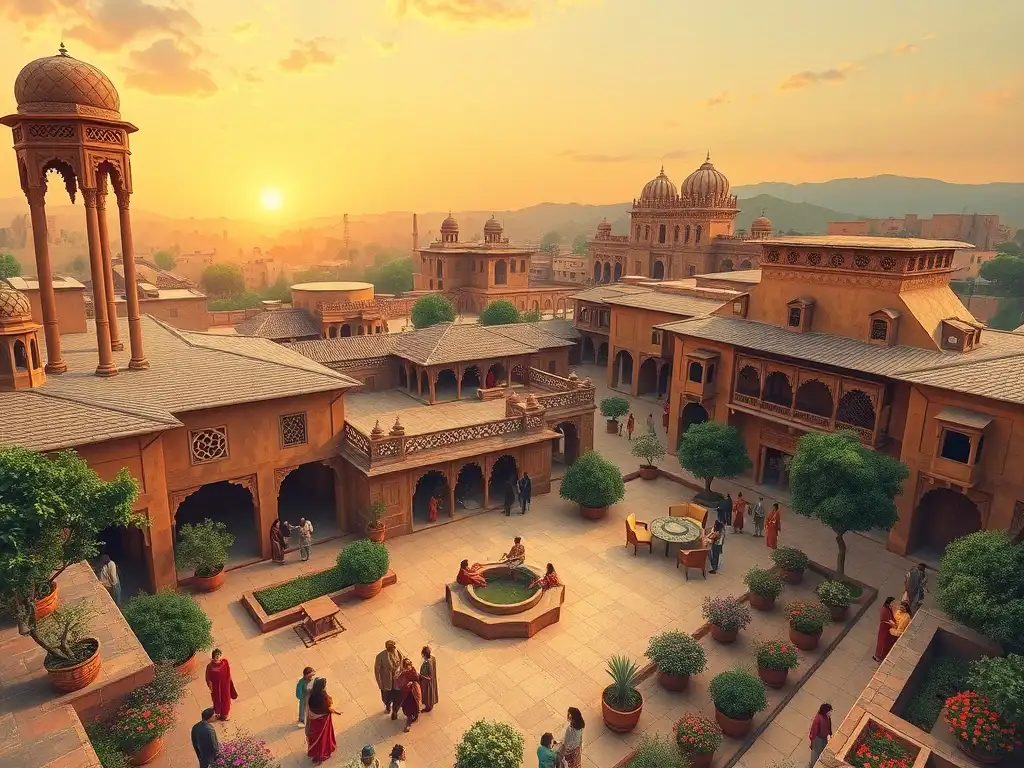
The architecture of the Indus Valley Civilization is not merely a relic of the past; it serves as a testament to the ingenuity and sophistication of one of the world's earliest urban cultures. The well-planned layouts, advanced drainage systems, and the use of durable materials illustrate a deep understanding of environmental factors and social needs. This architectural legacy has influenced subsequent generations and continues to be a subject of study and admiration.
Summary of Key Points
- Urban Planning: Indus Valley homes were meticulously laid out in grid patterns, showcasing an advanced approach to urban planning that prioritized functionality and accessibility.
- Materials and Construction: The use of baked brick and stone in home construction not only ensured durability but also reflected the technological advancements of the time.
- Drainage Systems: One of the most remarkable features was the sophisticated drainage system that facilitated sanitation and hygiene, highlighting the civilization's commitment to public health.
- Cultural Reflection: The architecture of homes and public spaces mirrored the social structure and cultural practices of the Indus Valley people, emphasizing community, trade, and craftsmanship.
- Artistic Elements: Decorative motifs and artistic designs found in homes provided insights into the aesthetic values and spiritual beliefs of the people.
The Importance of Understanding Ancient Architecture in Modern Times
The study of Indus Valley home architecture is crucial not only for historians but also for modern architects and urban planners. By analyzing the methods and principles employed by ancient civilizations, contemporary practices can benefit from lessons in sustainability, efficiency, and community planning.
- Sustainable Practices: The use of locally sourced materials and efficient designs can inspire modern eco-friendly building practices.
- Urban Design: The grid layout and communal spaces of Indus Valley settlements suggest a model for creating cohesive urban environments that promote social interaction.
- Cultural Heritage: Understanding these ancient structures enhances our appreciation of cultural heritage and informs efforts to preserve historical sites.
Thus, the architectural advancements of the Indus Valley Civilization continue to resonate, offering valuable insights into living harmoniously within our environments, which is as relevant today as it was thousands of years ago.
Frequently Asked Questions
What characterized Indus Valley home architecture?
Indus Valley home architecture was known for its well-planned layouts, featuring brick structures, and a focus on ventilation and drainage systems that showcased advanced engineering.
How did the art of living influence architecture in the Indus Valley?
The art of living in the Indus Valley emphasized community, hygiene, and comfort, which led to the construction of homes with courtyards and private bathing areas.
What materials were predominantly used in Indus Valley homes?
Baked bricks, wood, and natural stones were primarily used in Indus Valley homes, reflecting the availability of local resources and the importance of durability.
How did Indus Valley home architecture reflect the culture of its time?
The architecture reflected a sophisticated lifestyle, with homes designed for both functionality and aesthetic appeal, highlighting the civilization's values of order, cleanliness, and community living.
What impact did the Indus Valley civilization have on later architectural styles?
The Indus Valley civilization laid the groundwork for subsequent Indian architectural styles, influencing urban planning, drainage systems, and the use of brick construction in later periods.
Final Reflection: The Enduring Legacy of Indus Valley Home Architecture
The architectural marvels of the Indus Valley civilization are not just remnants of a bygone era; they are a testament to the sophisticated culture that thrived thousands of years ago. Today, as we navigate the complexities of modern living, the principles embedded in Indus Valley home architecture resonate more than ever. The emphasis on sustainability, community, and harmony with nature serves as a powerful reminder of how our living spaces can reflect our values and aspirations.
Culture is a living entity, continuously shaped by the spaces we inhabit. The homes of the Indus Valley were not merely structures; they were reflections of a society that prioritized urban planning, sanitation, and communal living. This legacy continues to influence contemporary architecture, reminding us that our environments can foster connection and well-being. As the historian and architect Charles Correa once said, Architecture is not just about buildings; it is about the people who inhabit them.
This perspective invites us to consider how our own living spaces can embody the same principles of functionality and beauty that characterized the homes of the Indus Valley.
As we conclude this exploration of Indus Valley home architecture, I invite you to reflect on your own living environment. How does your home reflect your culture, values, and aspirations? Consider the lessons from the past and how they can inspire us to create spaces that nurture community, sustainability, and a deeper connection to our surroundings. Let us carry forward the wisdom of the Indus Valley civilization, transforming our homes into sanctuaries that celebrate both our heritage and our future.
Uncover the Beauty of Indus Valley Living!
Thank you for diving into the fascinating world of Indus Valley homes. You've gained insight into how their architecture reflects **a rich and vibrant culture**. Now, let's take that knowledge a step further and actively engage with this incredible history!
Here are some simple actions you can take to deepen your understanding and appreciation:
- Explore a local museum or exhibit showcasing ancient cultures to see artifacts related to the Indus Valley.
- Join a community forum or social media group dedicated to ancient history to share your thoughts and learn from others.
- Create your own mini-exhibit at home using everyday items to represent the art and culture of the Indus Valley.
What aspect of Indus Valley culture resonates with you the most, and how would you incorporate those elements into your daily life?