
The Role of Language in Facilitating Ancient Indian Trade


Welcome to Ancient India History, where we embark on a captivating journey through the vibrant tapestry of ancient Indian civilizations! Here, we delve into the intricate role of language in facilitating ancient Indian trade—a topic that unveils the profound connections between culture, commerce, and communication. As we explore the fascinating dynamics of ancient Indian trade languages, prepare to uncover how these linguistic threads wove together diverse communities and enriched economies across the subcontinent.
Join us as we unlock the secrets of a bygone era and discover the enduring impact of these languages on trade and society. Your adventure into the depths of history begins now!
- Introduction to Ancient Indian Trade Languages
- Historical Context of Ancient Indian Trade
- The Role of Language in Trade Communication
- The Impact of Ancient Indian Trade Languages on Commerce
- Case Studies of Language Use in Ancient Trade
- Evolution of Trade Languages in Ancient India
- Conclusion
- Frequently Asked Questions
- Final Reflection: The Enduring Legacy of Ancient Indian Trade Languages
- Unlock the Secrets of Ancient Trade!
Introduction to Ancient Indian Trade Languages
The role of language in ancient Indian trade was pivotal in shaping the economic and cultural landscape of the subcontinent. As diverse civilizations flourished from the Indus Valley to the Gupta Empire, trade networks expanded, connecting various regions and facilitating the exchange of goods, ideas, and cultural practices. Language served as a crucial tool in these transactions, enabling merchants and traders to communicate effectively across different linguistic and cultural boundaries. By examining the ancient Indian trade languages, we can gain insights into how communication influenced trade dynamics, fostered relationships, and contributed to the overall prosperity of ancient Indian societies.
Overview of Trade in Ancient India
Ancient India was a hub of trade, with a rich tapestry of economic activities that spanned centuries. Key aspects of trade in ancient India included:
- Geographical Advantages: The subcontinent's strategic location connected it with major trade routes, including the Silk Road and maritime paths.
- Diverse Goods: Indian traders exchanged a variety of products such as spices, textiles, precious stones, and metals, attracting merchants from distant lands.
- Cultural Exchange: Trade was not just about goods; it facilitated the exchange of ideas, religions, and technologies, enriching the cultural fabric of India.
The flourishing trade networks were supported by well-established systems of communication, which were essential in negotiating deals and ensuring smooth transactions.
Importance of Language in Trade Facilitation
Language played a vital role in facilitating trade in ancient India, impacting various dimensions of commerce:
- Communication Across Cultures: With numerous languages spoken across regions, a common linguistic framework was necessary for effective dialogue. Languages such as Sanskrit, Prakrit, and Pali emerged as significant mediums of communication among traders.
- Standardization of Trade Practices: Language contributed to the development of standardized terminologies and practices in trade, which helped avoid misunderstandings and disputes. This standardization was crucial for maintaining trust and reliability in transactions.
- Documentation and Record-Keeping: Written language enabled the documentation of trade agreements, contracts, and inventory records, facilitating accountability and transparency in commercial activities.
- Cultural Integration: Language not only enabled trade but also promoted cultural exchange, allowing traders to share stories, beliefs, and practices, which further strengthened trade relationships.
The interplay between language and trade in ancient India highlights the significance of communication in fostering economic growth and cultural integration. Understanding these dynamics provides valuable insights into the complexities of ancient Indian trade languages and their enduring impact on the region’s history.
Historical Context of Ancient Indian Trade
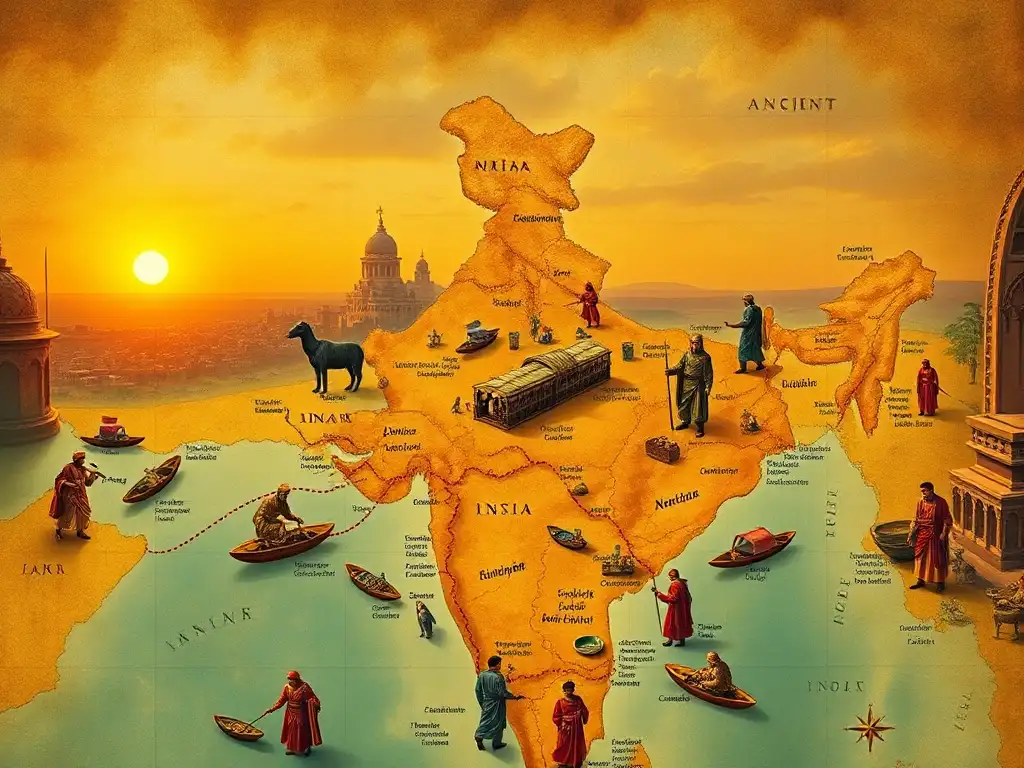
The history of trade in ancient India is a testament to the ingenuity and adaptability of its civilizations. From the earliest times, trade facilitated not only the exchange of goods but also the sharing of ideas, cultures, and languages. The emergence of trade languages was crucial in this context, as they helped bridge the communication gaps among diverse populations engaged in commerce.
Trade in ancient India can be traced back to the Indus Valley Civilization, where evidence of sophisticated urban centers suggests that trade was a vital aspect of their economy. As trade routes developed, so did the need for effective communication. This led to the evolution of specific languages and dialects that catered to the needs of traders, merchants, and travelers.
Major Trade Routes in Ancient India
Ancient India was strategically located at the crossroads of several trade routes that connected the East with the West. Notable routes included:
- The Silk Route: Linking India with Central Asia and beyond, this route facilitated the exchange of silk, spices, and other valuable commodities.
- The Spice Route: This maritime route connected India to the Mediterranean, where Indian spices were highly sought after.
- Land Routes: Various overland routes connected significant cities and regions within India, ensuring the movement of goods like textiles, metals, and agricultural products.
These routes were not just channels for trade but also pathways for cultural and linguistic exchange, leading to the emergence of trade languages that simplified communication and transactions.
Key Civilizations Involved in Trade
Trade in ancient India was characterized by the involvement of several key civilizations, each contributing to the linguistic landscape that facilitated commerce.
The Indus Valley Civilization
The Indus Valley Civilization (c. 3300–1300 BCE) is one of the earliest urban cultures in India, known for its advanced city planning and trade networks. Archaeological evidence suggests that the people of the Indus Valley engaged in extensive trade with neighboring regions, including Mesopotamia.
- Trade Languages: While the script of the Indus Valley remains undeciphered, it is believed that a proto-language existed, facilitating trade interactions.
- Goods Traded: The civilization exported a variety of goods such as textiles, beads, and metals, which were sought after in regional markets.
The need for effective communication in trade likely led to the formation of basic trade lexicons or simplified forms of existing languages.
The Maurya Empire
The Maurya Empire (c. 322–185 BCE) marked a significant expansion in trade activities across ancient India. Under the reign of Chandragupta Maurya and later Ashoka, trade flourished due to improved infrastructure and political stability.
- Sanskrit and Prakrit: During this period, Sanskrit emerged as a prominent language of administration, while Prakrit was widely spoken among the populace. Both languages played a crucial role in trade transactions.
- Trade Goods: The Mauryans traded in luxury items such as silk, spices, and precious stones, enhancing their economic power.
The use of standardized languages helped streamline trade practices, making transactions more efficient.
The Gupta Empire
The Gupta Empire (c. 240–550 CE) is often referred to as the Golden Age of India, characterized by significant advancements in arts, science, and commerce.
- Linguistic Diversity: The period saw a rich tapestry of languages, including Sanskrit, which was used in literature and administration, and various regional dialects that facilitated local trade.
- International Trade: The Gupta Empire expanded its trade networks to regions like Southeast Asia, the Middle East, and even parts of Africa, necessitating a common linguistic framework for traders.
The flourishing of trade during the Gupta period led to the formalization of trade languages, enhancing communication among diverse ethnic groups and cultures.
Ancient Indian trade languages were pivotal in shaping the economic landscape of the region. By fostering communication among various civilizations, these languages not only facilitated commerce but also contributed to the rich cultural exchanges that defined ancient Indian history.
The Role of Language in Trade Communication

Language served as a cornerstone for facilitating trade in ancient India, enabling not just the exchange of goods but also the transfer of ideas, culture, and technology across vast distances. The multilingual landscape of ancient Indian civilizations reflects the complexity and richness of trade interactions, where different languages acted as bridges among diverse communities. As traders traveled along established routes, their ability to communicate effectively through various languages played a critical role in the success of their commercial endeavors.
Languages Used in Ancient Indian Trade
The linguistic diversity of ancient India was profound, with numerous languages and dialects coexisting and evolving within different regions. The primary languages that emerged as significant facilitators of trade included:
- Sanskrit
- Prakrit
- Local dialects
- Foreign languages (e.g., Greek, Persian)
Each of these languages contributed uniquely to the trade environment, shaping the interactions between merchants, buyers, and local populations.
Sanskrit as a Trade Language
Sanskrit, the classical language of ancient India, held immense prestige and was widely used in scholarly and religious contexts. Its role in trade was significant due to the following reasons:
- Scriptural and Cultural Influence: Sanskrit texts served as manuals for trade practices, legal frameworks, and commercial ethics, thereby providing a common reference for traders across regions.
- Standardization of Terms: The usage of Sanskrit in trade facilitated the standardization of terminologies related to measurements, currencies, and goods, enhancing clarity in transactions.
- Literature and Documentation: The presence of Sanskrit in inscriptions and manuscripts ensured that vital trade agreements, contracts, and records were maintained, fostering trust among merchants.
In essence, Sanskrit not only aided in commerce but also helped in the cultural exchange that accompanied trade, enriching both the traders and the societies they interacted with.
Prakrit and Regional Dialects
While Sanskrit served as a formal trade language, Prakrit and various regional dialects were the vernacular languages spoken by the common people, including traders. Their significance in ancient Indian trade can be summarized as follows:
- Accessibility: Prakrit was more accessible to the general populace compared to Sanskrit, allowing local traders to communicate effectively with customers and partners who might not have been familiar with the more scholarly language.
- Regional Variations: As trade routes expanded, local dialects emerged, reflecting the unique cultural identities of various regions. This linguistic diversity enabled traders to engage with local communities, fostering mutual understanding and cooperation.
- Adaptability: The fluid nature of Prakrit and regional dialects allowed for the incorporation of foreign words and phrases, enriching the lexicon used in trade and enhancing communication with international traders.
While Sanskrit provided a formal framework for trade, Prakrit and regional dialects ensured that commerce was inclusive and accessible to a broader audience.
Foreign Languages Influencing Trade (e.g., Greek, Persian)
The interactions between ancient Indian traders and foreign merchants led to the introduction of several influential languages into the trade lexicon. Some noteworthy aspects include:
- Greek: Following Alexander the Great's conquests, Greek traders and diplomats engaged with Indian merchants. The exchange facilitated the introduction of Greek terms related to trade, commerce, and culture, influencing the way business was conducted.
- Persian: The Achaemenid Empire’s expansion into the Indian subcontinent brought Persian into the mix. Persian became especially relevant in administrative and trade contexts, as many Indian states interacted with Persian-speaking regions.
- Arabic: Later, the rise of Islamic trade networks introduced Arabic, further enriching the linguistic tapestry of ancient Indian trade. This introduced new concepts, techniques, and goods, transforming the trade landscape.
The incorporation of these foreign languages not only expanded the vocabulary of ancient Indian trade languages but also enhanced the cultural and commercial exchanges between India and other civilizations.
The interplay of various languages in ancient Indian trade was instrumental in fostering communication, understanding, and growth within regional and international markets. The legacy of these ancient trade languages continues to influence the linguistic and cultural landscape of India today.
The Impact of Ancient Indian Trade Languages on Commerce

Facilitating Cross-Cultural Interactions
Ancient Indian trade languages played a pivotal role in fostering cross-cultural interactions among diverse civilizations. Languages such as Sanskrit, Prakrit, and regional dialects enabled merchants from different backgrounds to communicate effectively, facilitating trade across vast distances. For instance, the Indus Valley Civilization utilized a script that, although not fully deciphered, indicates a complex system of communication that may have aided in trade with neighboring regions.
The Maritime Silk Road connected ancient India with various cultures, including those of the Roman Empire and Southeast Asia. Merchants employed a mix of local languages and dialects, often incorporating loanwords from one another, which not only enriched their vocabulary but also promoted cultural exchange. This linguistic interaction helped in establishing trust and rapport between traders from diverse backgrounds, leading to increased trade volumes and a vibrant economy.
Moreover, trade hubs such as Taxila and Pataliputra served as melting pots of cultures and languages, where traders from different regions converged. These centers facilitated the mixing of languages, leading to the emergence of pidgin forms that simplified communication. Such linguistic adaptability was essential for navigating the complexities of trade, and it provided an avenue for the exchange of goods, ideas, and cultural practices.
Language as a Tool for Negotiation and Agreements
Language served as a crucial instrument in negotiations and the formalization of trade agreements in ancient India. The ability to articulate terms, conditions, and prices in a mutually understood language was vital for successful commerce. In many instances, traders relied on interpreters who could bridge the gap between different linguistic groups, ensuring that negotiations proceeded smoothly.
The use of written agreements, often inscribed on clay tablets or parchment, exemplified how language facilitated legal frameworks for trade. These documents clearly outlined the responsibilities and expectations of each party involved, thereby minimizing disputes. For example, Sanskrit texts detail various trade practices, including the establishment of contracts, which were essential for ensuring compliance and fostering trust among traders.
Furthermore, oral traditions also played a significant role in negotiations. Storytelling and proverbs were common methods for imparting wisdom and negotiating deals, reflecting the cultural significance of language in the commercial context. Merchants would often recount past experiences or utilize relevant sayings to emphasize points, making the negotiation process more relatable and persuasive.
Influence on Trade Practices and Customs
The linguistic landscape of ancient Indian trade significantly influenced trade practices and customs. Different regions developed unique terminologies and expressions related to specific goods, which reflected local resources and cultural practices. For example, the trade of spices, textiles, and precious stones had its own lexicon, which merchants used to convey quality and value effectively.
Additionally, language played a role in the dissemination of trade practices across regions. As merchants traveled and interacted with various cultures, they introduced new terms and techniques that were adopted by local traders. This exchange not only enriched the local language but also contributed to the evolution of trade methodologies. The Gujarati traders, for instance, became prominent in maritime trade, and their linguistic practices influenced coastal trading communities throughout the Indian Ocean.
Moreover, festivals and rituals associated with trade were often conveyed through specific languages, reflecting the significance of cultural identity in commerce. Trade fairs, such as those held in Kanchipuram and Kashi, were not merely commercial events but also cultural gatherings where language played a significant role in social interactions and the establishment of long-lasting trading relationships.
Ancient Indian trade languages were instrumental in shaping the dynamics of commerce. They facilitated cross-cultural interactions, served as essential tools for negotiation and agreements, and significantly influenced trade practices and customs, thereby laying the groundwork for a vibrant economic landscape in ancient India.
Case Studies of Language Use in Ancient Trade
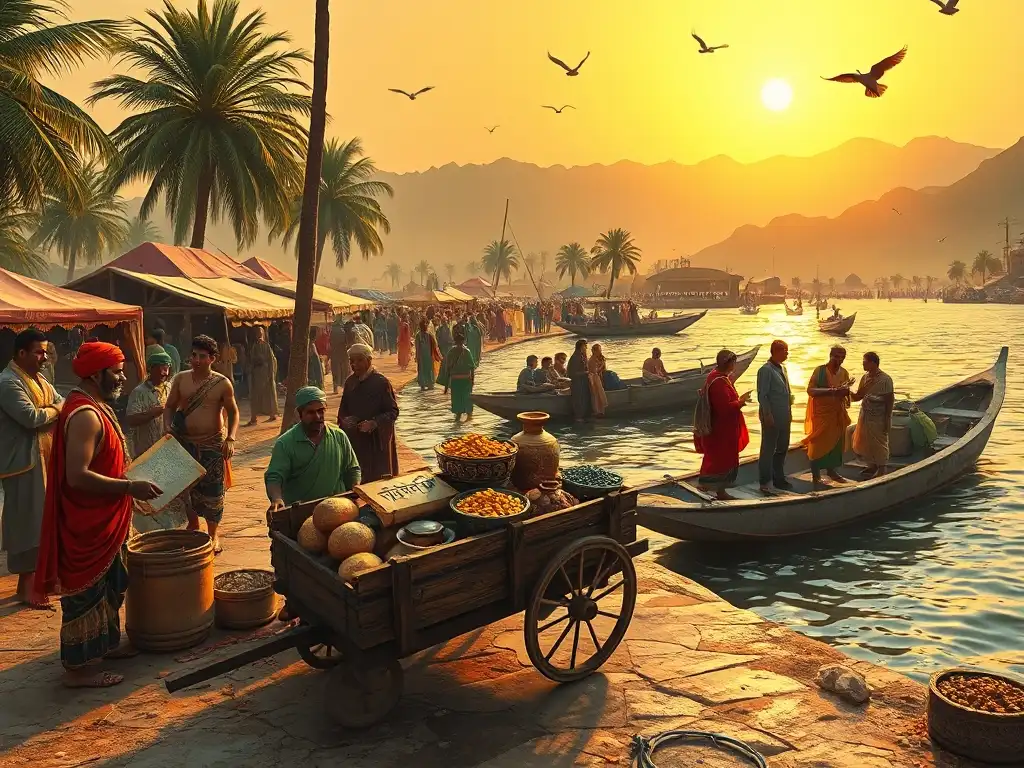
Example of Trade Relations with the Roman Empire
The trade relations between ancient India and the Roman Empire were characterized by a rich exchange of goods and cultures facilitated by a common understanding of languages. The primary language of trade during this period was Greek, due to the influence of Alexander the Great and the subsequent Hellenistic culture that permeated through the regions surrounding the Mediterranean.
Key Points:
- Goods Traded: The Romans were particularly interested in Indian products such as silk, spices, and gemstones. In return, India imported wine, glassware, and olive oil from Rome.
- Language as a Bridge: The use of Greek allowed Indian merchants and Roman traders to communicate effectively. Greek inscriptions have been found in Indian trade centers, indicating the prevalence of this language in commercial transactions.
- Cultural Exchange: The interaction between the two civilizations went beyond mere commerce. It led to a blending of cultures, evident in art, architecture, and religious practices.
Table 1: Major Goods in Trade between India and Rome
| Indian Exports | Roman Imports |
|---|---|
| Spices | Wine |
| Silk | Glassware |
| Gemstones | Olive Oil |
| Textiles | Metalwork |
Trade Interactions with Southeast Asia
Trade between ancient India and Southeast Asia flourished due to the strategic maritime routes that connected these regions. The languages prevalent in these interactions played a crucial role in facilitating commerce and cultural exchange.
Key Languages:
- Sanskrit and Pali: Many inscriptions found in Southeast Asia reflect the use of Sanskrit and Pali, primarily due to the spread of Hinduism and Buddhism from India.
- Malay and Tamil: As Indian traders settled in places like Sumatra and Java, Tamil became an important language of commerce, particularly in maritime trade.
Impacts of Language:
- Cultural Integration: The adoption of Indian languages in Southeast Asia led to significant cultural integration, influencing local customs, religious practices, and even local languages.
- Trade Networks: The establishment of trade networks like the Maritime Silk Route further solidified the significance of language in trade interactions, allowing for seamless communication among diverse groups.
The Role of Language in Maritime Trade
Maritime trade in ancient India was pivotal for the economy and cultural exchanges. The languages used in these interactions were essential for navigation, trade negotiations, and maintaining relationships across vast distances.
Key Elements:
- Multilingual Communication: Traders often spoke multiple languages to engage with various cultures. Languages like Arabic, Persian, and Chinese emerged as important in maritime contexts.
- Maritime Trade Hubs: Ports like Lothal and Kaveripattinam became melting pots of languages, where merchants from different backgrounds converged. This linguistic diversity allowed for effective trade operations and cultural exchanges.
Examples of Language Use:
- Trade Contracts: Many trade agreements were documented in multiple languages, ensuring clarity and mutual understanding.
- Navigation and Mapping: The development of navigational skills was often accompanied by the creation of maritime lexicons, which included terms for various goods, directions, and trading practices.
The role of language in ancient Indian trade was multifaceted, acting as a catalyst for commerce and cultural interaction across regions. The evolution of trade languages not only facilitated economic activities but also fostered a deeper understanding and appreciation of diverse cultures.
Evolution of Trade Languages in Ancient India
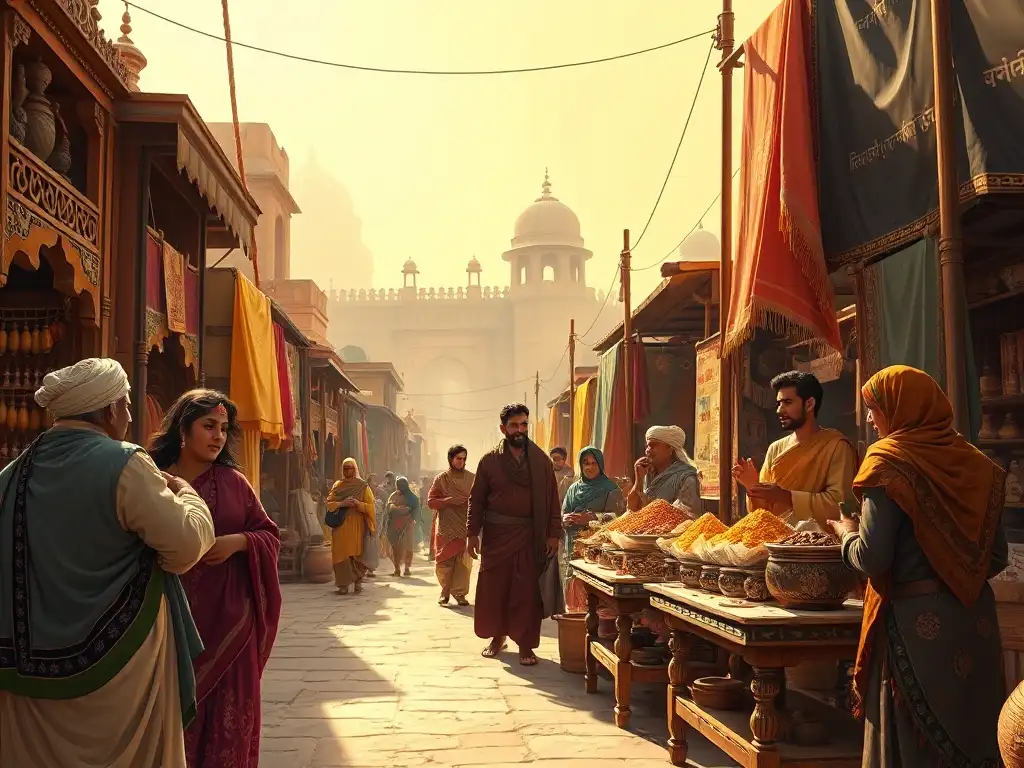
The evolution of trade languages in ancient India is a fascinating aspect that significantly influenced commerce and cultural exchanges. These languages were not merely tools for communication; they served as vital conduits for trade, connecting diverse communities across vast geographical regions.
Changes Over Time and Their Impact on Trade
Throughout various historical periods, ancient Indian trade languages underwent significant transformations, reflecting the dynamic nature of commerce.
- Indus Valley Civilization (circa 3300–1300 BCE): The earliest form of trade communication can be traced back to the Indus Valley Civilization, where seals with inscriptions were used primarily for trade. Although the language remains undeciphered, it’s believed that these symbols facilitated trade among merchants.
- Sanskrit and Prakrit (circa 600 BCE onwards): As trade routes expanded, particularly with the emergence of urban centers, Sanskrit and Prakrit became prominent. Sanskrit, being the language of the elite, was used in trade agreements and legal documents, while Prakrit served as the vernacular among merchants. This duality allowed for a more comprehensive trading network.
- Regional Languages and Dialects (circa 500 CE onwards): With the rise of regional powers and local economies, trade languages began to diversify. Languages such as Tamil, Telugu, Bengali, and Gujarati emerged, each facilitating trade within their respective regions while maintaining links to Sanskrit. This multiplicity fostered local commerce and encouraged trade across different cultures.
- Persian and Arabic Influences (circa 700 CE onwards): As Islamic empires expanded into India, Persian became a significant language of trade, especially in northern India. The influence of Persian and later Arabic added new vocabulary to existing languages, enriching trade communication and reflecting a blend of cultures.
The impact of these changes was profound:
- Expansion of Trade Networks: Enhanced communication led to the establishment of extensive trade routes, including the Silk Road and maritime routes connecting India to the Middle East and Southeast Asia.
- Cultural Exchange: The mingling of languages facilitated not only the exchange of goods but also ideas, traditions, and technologies, fostering a rich tapestry of cultural interactions.
- Economic Growth: The ability to communicate effectively across diverse linguistic groups allowed merchants to negotiate better and expand their markets, leading to increased economic prosperity.
The Influence of Trade Languages on Modern Indian Languages
The legacy of ancient Indian trade languages is evident in the linguistic landscape of modern India.
- Vocabulary Enrichment: Many modern Indian languages have absorbed words and expressions from historical trade languages. For instance, terms from Persian, Arabic, and Sanskrit are prevalent in Hindi, Urdu, and other regional languages.
- Cultural Continuity: The trade languages helped preserve cultural narratives and practices, which continue to manifest in various forms of literature, folklore, and oral traditions in contemporary Indian society.
- Linguistic Diversity: The multifaceted nature of ancient trade languages has contributed to India’s linguistic diversity. Modern languages often reflect the historical trade routes and interactions, showcasing a blend of linguistic influences that continue to shape identity and cultural heritage.
The evolution of ancient Indian trade languages not only facilitated commerce but also laid the groundwork for the rich linguistic and cultural diversity observed in India today. Understanding this evolution provides valuable insights into how language has shaped trade practices and cultural exchanges throughout history.
Conclusion

Summary of the Role of Language in Ancient Indian Trade
Language played a pivotal role in facilitating ancient Indian trade, serving as a medium through which merchants communicated, negotiated, and established relationships across diverse cultures. The variety of languages spoken in ancient India, including Sanskrit, Prakrit, Tamil, and Pali, not only enriched the trade interactions but also contributed to the cultural exchanges that were fundamental to the growth of commerce.
- Trade Cities and Language Diversity: Major trade centers such as Taxila, Pataliputra, and Ujjain were melting pots of languages and cultures. Traders and travelers from different regions, including those from Persia, Central Asia, and the Mediterranean, converged here, leading to the emergence of a polyglot environment where multiple languages coexisted.
- Script and Documentation: Various scripts, such as Brahmi and Kharosthi, were utilized for trade documentation. These scripts enabled the recording of transactions, contracts, and trade agreements, which were crucial for maintaining trust and accountability among traders. The ability to read and write in these languages allowed merchants to expand their networks and engage in long-distance trade effectively.
- Cultural Exchange through Language: As languages intertwined, they facilitated not only economic transactions but also the exchange of ideas, religions, and philosophies. For instance, the interaction between Indian traders and foreign cultures led to the introduction of new concepts and goods, enriching the Indian socio-economic landscape.
The Legacy of Ancient Indian Trade Languages in Modern Times
The legacy of ancient Indian trade languages continues to resonate in contemporary society, influencing modern languages and trade practices.
- Influence on Modern Languages: Many modern Indian languages, including Hindi, Bengali, and Marathi, have roots in ancient languages such as Sanskrit and Prakrit. This linguistic evolution reflects the historical trade links and interactions that have shaped the subcontinent’s culture.
- Trade Practices: The principles of negotiation and commerce that emerged from ancient trade practices still inform modern business strategies in India. The emphasis on relationship-building and verbal agreements can be traced back to the language-driven transactions of ancient times.
- Cultural Heritage: The rich vocabulary and phrases derived from ancient trade languages have become part of India’s cultural heritage, celebrated in literature, music, and art. This continuity underscores the importance of language as a vessel for preserving history and identity.
The languages of ancient Indian trade were not merely tools for communication but were integral to the economic, cultural, and social fabric of the time. Their legacy endures, shaping both the linguistic landscape and the commercial practices of modern India.
Frequently Asked Questions
What were the main trade languages used in ancient India?
Ancient India utilized Sanskrit, Prakrit, and Tamil as prominent trade languages, facilitating communication among merchants across diverse regions.
How did language contribute to trade during ancient times?
Language served as a vital tool in negotiations, record-keeping, and fostering relationships, thereby enhancing the efficiency of trade routes and partnerships.
Were there any regional dialects that influenced trade?
Yes, various regional dialects emerged, often adapting to local contexts, which helped in bridging cultural differences and enabling smoother commercial exchanges.
Did script play a role in ancient Indian trade languages?
Certainly! The development of scripts like Brahmi and Kharosthi allowed for written communication, which was essential for documenting transactions and trade agreements.
How did ancient Indian trade languages impact cultural exchange?
The use of trade languages not only facilitated economic transactions but also encouraged the exchange of ideas, customs, and beliefs, enriching the cultural tapestry of ancient India.
Final Reflection: The Enduring Legacy of Ancient Indian Trade Languages
The role of language in facilitating ancient Indian trade is not merely a historical footnote; it is a powerful reminder of how communication shapes economies and cultures. In today’s globalized world, the lessons learned from ancient trade languages resonate more than ever. As we navigate complex international markets and multicultural interactions, understanding the significance of language in trade can help us foster better relationships and drive economic growth.
The influence of ancient Indian trade languages extends far beyond their time, shaping the cultural and social landscape of the regions they touched. These languages served as bridges between diverse communities, enabling not only the exchange of goods but also the sharing of ideas and traditions. As noted by the historian Romila Thapar, Language is not just a means of communication; it is a vessel of culture and identity.
This observation underscores the importance of language in fostering unity and collaboration, a principle that remains vital in our interconnected world.
As we reflect on the insights gained from the study of ancient Indian trade languages, I invite you to consider how language can enhance your own interactions in today’s society. Embrace the diversity of languages around you, and recognize their potential to open doors and create opportunities. By doing so, you not only honor the legacy of ancient traders but also contribute to a more inclusive and prosperous future for all.
Unlock the Secrets of Ancient Trade!
Thank you for diving into the fascinating world of ancient Indian trade with us! We hope you’ve gained valuable insights into the pivotal role language played in shaping these early interactions. Now, it’s time to take those insights and transform them into action!
Here are some meaningful steps you can take:
- Explore further: Delve into historical texts or visit your local library to uncover more about ancient trade routes and the cultures involved.
- Share your knowledge: Discuss your newfound insights with friends or engage with online communities. Consider joining a forum or social media group dedicated to history and contribute your thoughts.
- Engage your curiosity: Think about creating a blog post or video detailing your learnings, or even start a mini-study group to explore ancient trade practices in more depth.
What aspect of ancient Indian trade surprised you the most and why? We’d love to hear your thoughts below!