
Ancient Indian Trade Practices: Lessons for Today’s Global Economy

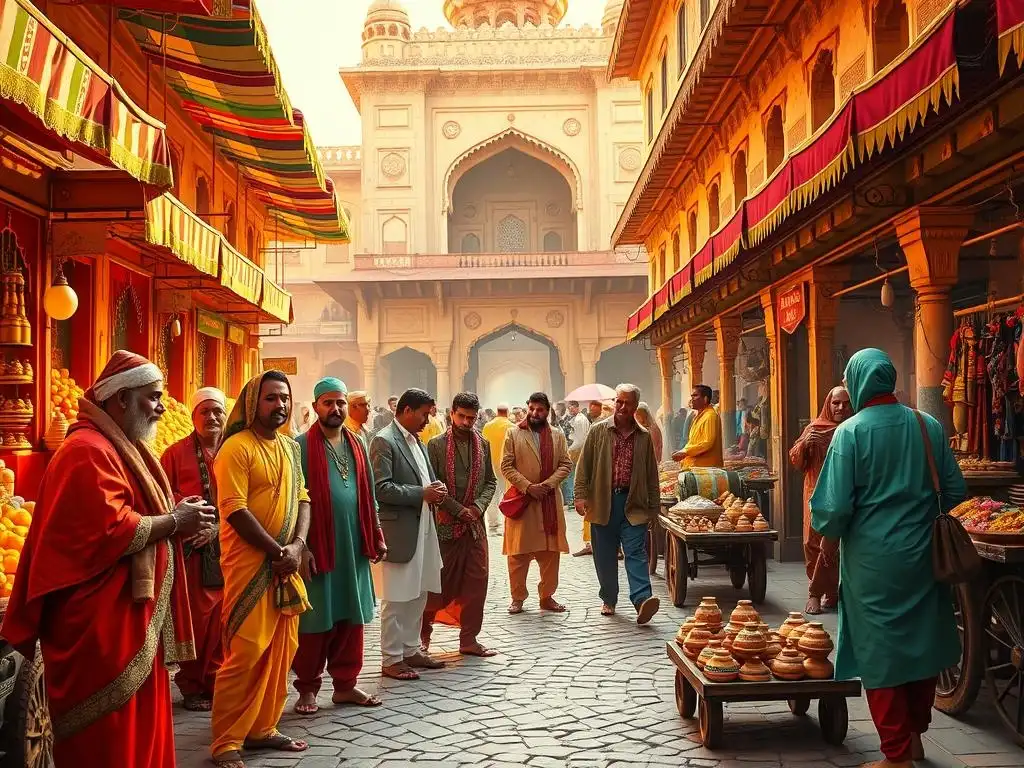
Welcome to Ancient India History, where we embark on a captivating journey through the rich tapestry of India's past! Here, we delve into the remarkable ancient Indian trade practices that not only shaped the economy of their time but also left an indelible mark on the global landscape. Have you ever wondered how these ancient techniques can offer valuable lessons for today's economy?
Join us as we uncover the innovative exchanges and cultural interconnections that thrived from the Indus Valley to the Gupta Empire, and discover the secrets that still resonate in our modern world. Dive in and let's explore together!

Introduction to Ancient Indian Trade Practices
The trade practices of ancient India represent a fascinating and complex tapestry that has significantly shaped the historical landscape of the subcontinent. From the bustling markets of the Indus Valley Civilization to the flourishing trade networks established by the Maurya and Gupta Empires, ancient Indian commerce played a pivotal role in the economic and cultural exchanges that laid the foundation for modern economies. By examining these ancient trade practices, we can glean valuable insights that resonate with today's global economy, particularly in areas such as trade routes, goods exchanged, and the impact of geography on commerce.
Overview of Trade in Ancient India
Trade in ancient India was not merely a means of exchanging goods; it was a dynamic force that facilitated cultural interactions and the spread of ideas. The ancient Indian economy was characterized by both internal trade—spanning various regions and communities—and external trade, which connected India with distant lands such as the Roman Empire, Southeast Asia, and the Middle East.
- Key Features of Ancient Indian Trade:
- Diversity of Goods: Ancient Indian traders dealt in a wide array of commodities, including spices, textiles, precious stones, and metals.
- Trade Associations: Merchant guilds played a crucial role in regulating trade practices, ensuring fair dealings, and providing support for traders.
- Cultural Exchange: Trade routes not only facilitated the movement of goods but also allowed for the exchange of cultural practices, religions, and technologies.
Significance of Trade in Ancient Indian Civilization
Trade was instrumental in fostering the economic prosperity of ancient Indian civilizations. It contributed to the growth of cities, the establishment of markets, and the development of sophisticated financial systems.
- Economic Growth: Trade led to wealth accumulation, which in turn spurred advancements in arts, science, and infrastructure.
- Cultural Integration: The interactions between traders of different cultures promoted social cohesion and the blending of traditions.
- Political Power: Control over trade routes and access to lucrative markets often dictated the rise and fall of empires, showcasing the strategic importance of commerce in ancient India.
Historical Context of Ancient Indian Trade
Understanding the historical context of ancient Indian trade is crucial for appreciating its complexities and contributions to the global economy.
Major Trade Routes in Ancient India
Ancient India was crisscrossed by several prominent trade routes that facilitated both internal and external commerce. Some of the most significant routes included:
- The Silk Road: This ancient network connected India to China and beyond, facilitating the exchange of silk, spices, and other goods.
- The Spice Route: Indian spices were highly sought after in markets across the world, leading to the establishment of maritime routes that connected India with the Middle East and Europe.
- Overland Trade Routes: Routes through the northwestern passes connected India to Central Asia, promoting trade with regions such as Persia and the Greco-Roman world.
Key Trade Goods in Ancient Indian Commerce
The ancient Indian economy thrived on a diverse array of trade goods, many of which are still valued today. Notable commodities included:
| Goods | Description |
|---|---|
| Spices | Particularly black pepper, cardamom, and cinnamon. |
| Textiles | Cotton and silk fabrics were highly prized across borders. |
| Precious Stones | Diamonds, rubies, and emeralds sourced from Indian mines. |
| Metals | Gold and silver, essential for currency and jewelry. |
Influence of Geography on Trade Practices
Geography played a critical role in shaping ancient Indian trade practices. The subcontinent's diverse landscapes, from coastal regions to fertile plains, facilitated various forms of commerce.
- Coastal Trade: India’s long coastline enabled robust maritime trade, particularly with Southeast Asia and the Arabian Peninsula.
- River Systems: Major rivers such as the Ganges and Indus served as vital trade arteries, promoting internal trade and agriculture.
- Mountain Passes: The Himalayas and other mountain ranges acted as natural barriers but also created strategic trade routes for the exchange of goods and culture with neighboring regions.
Understanding ancient Indian trade practices provides a wealth of lessons applicable to today’s global economy, encouraging us to reflect on the interconnectedness of cultures and the enduring legacy of commerce in shaping societies.
Trade Practices of Major Ancient Indian Civilizations
Ancient India was a hub of trade and commerce, with its various civilizations developing distinct trade practices that significantly influenced both regional and global economies. From the early trade routes established by the Indus Valley Civilization to the sophisticated trading mechanisms of the Maurya and Gupta Empires, these ancient practices laid the foundation for modern economic principles.
Trade Practices in the Indus Valley Civilization
The Indus Valley Civilization (circa 3300–1300 BCE) is renowned for its advanced urban planning and trade networks. The inhabitants engaged in both local and long-distance trade, facilitated by their strategic location near the Indus River, which provided access to the Arabian Sea. Key features of their trade practices included:
- Standardized Weights and Measures: They utilized a system of standardized weights and measures, which ensured fairness and accuracy in trade transactions. Archaeologists have discovered various stone weights, indicating a well-organized trading system.
- Trade Goods: The Indus Valley people traded in cotton textiles, pottery, jewelry, and metalwork. They also exported commodities like ivory and semi-precious stones, while importing raw materials such as gold and silver from distant lands.
- Trade Routes: The civilization established trade routes that connected them to Mesopotamia, Egypt, and Persia. Evidence suggests that they traded through both land and maritime routes, showcasing their navigational skills.
Trade and Commerce during the Maurya Empire
The Maurya Empire (circa 322–185 BCE) marked a significant evolution in trade practices in ancient India. Under the rule of Chandragupta Maurya and his grandson Ashoka, the empire expanded its trade networks both domestically and internationally. Key aspects of Mauryan trade practices included:
- State-Controlled Trade: The Mauryan government played an active role in regulating trade, imposing taxes on goods and ensuring the protection of trade routes. This state involvement helped stabilize the economy and fostered commerce.
- Diverse Trade Goods: Goods traded included textiles, spices, medicinal herbs, and agricultural products. The Mauryans also exported luxury items like jewelry and handicrafts to regions such as the Hellenistic world, facilitating cultural exchange.
- Infrastructure Development: The Maurya Empire invested in infrastructure, such as roads and ports, to support trade. The famous Grand Trunk Road, which connected various parts of the empire, became a vital trade artery, enhancing regional commerce.
Gupta Empire: The Golden Age of Trade Practices
The Gupta Empire (circa 240–550 CE) is often referred to as the Golden Age of ancient India, characterized by remarkable advancements in art, science, and trade practices. During this period, trade flourished due to several factors:
- Expansion of Trade Networks: The Gupta Empire expanded its trade networks across Asia, with significant interactions with Southeast Asia, China, and the Middle East. This expansion facilitated the exchange of goods, culture, and ideas.
- Innovative Trade Techniques: The Guptas introduced various innovations in trade, including the usage of coins made from precious metals, which simplified transactions and promoted economic growth.
- Cultural Exchange through Trade: The Gupta period saw the establishment of trade guilds, which played a crucial role in regulating trade practices and fostering cultural exchanges between different regions.
Cultural and Economic Impact of Ancient Indian Trade
The trade practices of ancient Indian civilizations had profound cultural and economic impacts that shaped society and left lasting legacies.
Role of Trade in Cultural Exchange
Trade served as a conduit for cultural exchange, facilitating the sharing of ideas, religions, and technologies between ancient Indian civilizations and other cultures. Notable impacts included:
- Spread of Buddhism and Jainism: Traders and monks traveled along trade routes, spreading religious philosophies such as Buddhism and Jainism across Asia, which contributed to cultural syncretism.
- Art and Language Exchange: The interactions between traders led to the exchange of artistic styles and languages, influencing local cultures and contributing to the rich tapestry of Indian heritage.
Economic Contributions of Trade to Ancient Indian Society
Ancient Indian trade practices significantly contributed to the economic prosperity of various civilizations. Key contributions included:
- Wealth Accumulation: Trade generated significant wealth for merchants and local economies, leading to the emergence of affluent city-states and prosperous communities.
- Urbanization: The growth of trade hubs fostered urbanization, with cities like Pataliputra and Taxila becoming centers of commerce and culture, attracting diverse populations.
Lessons from Ancient Indian Trade for Modern Economies
The trade practices of ancient India offer valuable lessons for today's global economy. These lessons include:
- Importance of Infrastructure: Just as the ancient empires invested in infrastructure to support trade, modern economies can benefit from improving transportation and communication systems to enhance trade efficiency.
- Regulatory Framework: The role of state regulation seen in ancient trade practices emphasizes the need for balanced government involvement in fostering fair trade and protecting consumers.
- Cultural Sensitivity in Trade: The cultural exchanges fostered by ancient trade highlight the importance of understanding and respecting cultural differences in today's globalized market, promoting cooperation and mutual benefit.
Comparison of Ancient Indian Trade Practices with Modern Trade
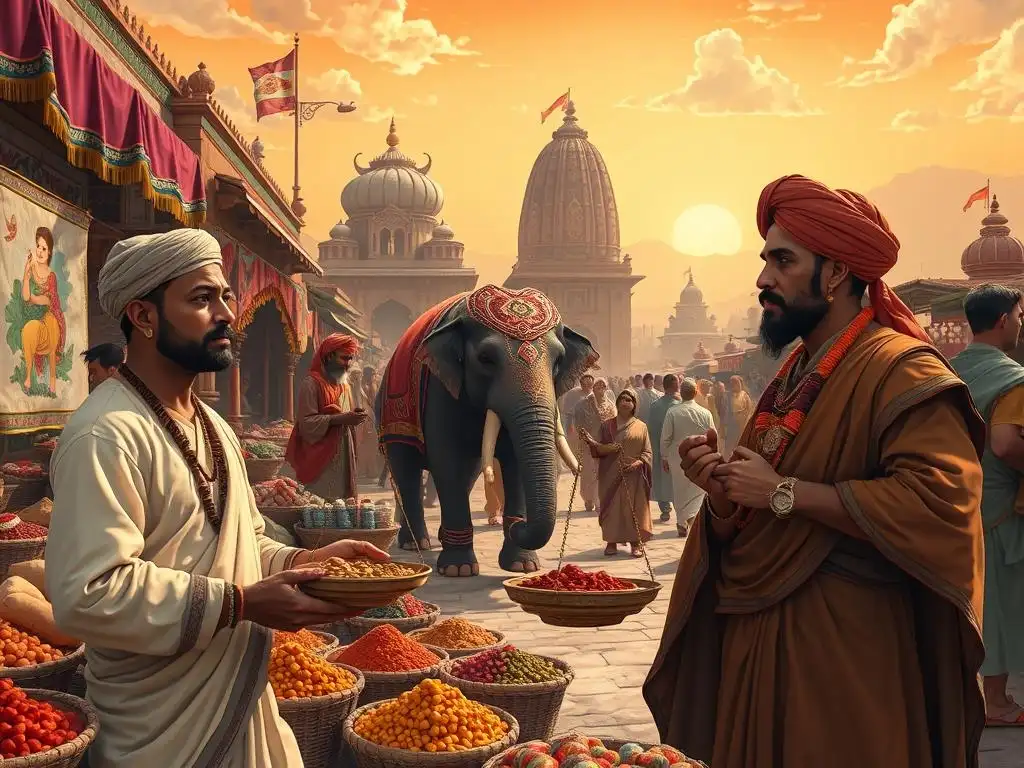
The trade practices of ancient India present a fascinating study in contrast and comparison with today's global trade systems. These historical practices not only laid the groundwork for economic interactions but also reflect the cultural exchanges that shaped civilizations. Understanding these practices allows us to draw parallels and learn valuable lessons applicable to modern commerce.
Similarities between Ancient and Modern Trade Practices
Both ancient and modern trade practices share fundamental principles that highlight the continuity of economic interactions across time. Some key similarities include:
- Barter System: Ancient Indian trade relied heavily on barter, where goods were exchanged without a standardized currency. Today, barter is making a resurgence in niche markets and local communities, particularly among those looking to reduce reliance on cash.
- Global Networks: Just as ancient Indian traders established extensive trade routes connecting the Indian subcontinent with regions as far as the Mediterranean and Southeast Asia, modern trade relies on global supply chains and international partnerships.
- Cultural Exchange: Trade has always facilitated cultural interactions. In ancient India, the exchange of goods also meant the exchange of ideas, religion, and art. Similarly, modern trade continues to foster cultural globalization, as products often carry cultural significance beyond their functional use.
- Marketplaces: Ancient Indian towns featured bustling markets that served as hubs for commerce and social interaction. Today’s marketplaces, whether physical or digital, fulfill a similar role, acting as sites for the exchange of goods and ideas.
Differences in Trade Regulations and Practices
While there are notable similarities, several differences exist between ancient and modern trade practices, particularly in regulations and technological advancements:
- Regulatory Framework: Ancient trade operated with minimal regulation, often governed by local customs and bartering agreements. In contrast, modern trade is heavily regulated by international laws, tariffs, and trade agreements designed to create a more structured and predictable environment.
- Currency and Financial Systems: The lack of standardized currency in ancient Indian trade posed challenges in valuation and exchange rates. Today’s global economy relies on sophisticated financial systems, including electronic payments, cryptocurrencies, and stock exchanges, enabling seamless transactions across borders.
- Technology and Communication: Ancient traders depended on physical routes and word-of-mouth for communication. Modern trade benefits from advanced communication technologies, such as the internet and real-time data analytics, allowing for instantaneous decision-making and coordination across vast distances.
Relevance of Ancient Indian Trade Practices in Today’s Global Economy
Ancient Indian trade practices offer valuable insights that can inform contemporary economic strategies:
- Sustainability: The reliance on local resources and sustainable practices in ancient trade models can inspire modern businesses to adopt more eco-friendly practices, minimizing their carbon footprint.
- Cultural Sensitivity: Ancient trade emphasized respect for different cultures, a principle that is increasingly important in today’s globalized economy, where businesses must navigate diverse cultural landscapes.
- Adaptability: The ability of ancient traders to adapt to changing geopolitical landscapes serves as a lesson for modern businesses facing the volatility of global markets. Flexibility and responsiveness to external changes remain crucial for success.
Challenges Faced by Ancient Indian Traders
Ancient Indian traders encountered numerous challenges that impacted their operations and success. Understanding these challenges can provide perspective on the complexities of trade, both then and now.
Geopolitical Issues in Ancient Trade
Geopolitical factors significantly influenced ancient Indian trade routes and relationships:
- Territorial Conflicts: Wars and territorial disputes often disrupted trade routes, making it difficult for traders to transport goods safely. The rise and fall of empires, such as the Maurya and Gupta Empires, directly affected the stability of trade.
- Changing Alliances: Traders had to navigate fluctuating alliances and rivalries between regions. For example, alliances with local rulers could facilitate trade, but shifts in power could lead to increased taxes or restrictions, complicating commerce.
- Cultural Barriers: Interaction with various cultures could lead to misunderstandings or conflicts. Ancient traders often had to adapt their business practices to align with local customs and laws, which could be challenging in diverse environments.
Environmental Factors Affecting Trade
The natural environment played a crucial role in shaping ancient trade practices:
- Geography: The diverse geography of India, from mountains to rivers, influenced trade routes. Traders had to consider these geographical barriers, which could limit accessibility and increase transportation costs.
- Climate: Seasonal weather patterns affected trade cycles. Monsoons, for example, dictated shipping schedules in coastal areas and could hinder or enhance trade depending on their timing and intensity.
- Resource Availability: The availability of local resources influenced trade dynamics. Scarcity of certain goods could lead to increased demand and higher prices, while abundant resources could drive down costs and encourage more trade.
Technological Limitations in Ancient Indian Trade
Technological constraints presented significant hurdles for ancient traders:
- Transportation: The reliance on animal caravans and wooden ships limited the speed and volume of trade. Modern advancements in transportation have dramatically increased the efficiency and capacity of global trade.
- Communication: Lack of advanced communication methods meant that traders often operated with limited information about market conditions and prices in distant regions. This limitation could result in missed opportunities and miscalculations.
- Storage and Preservation: Ancient traders faced challenges in storing and preserving perishable goods. Innovations in modern logistics, including refrigeration and advanced shipping techniques, have addressed many of these issues, enabling the trade of a broader range of products.
Lessons Learned from Ancient Indian Trade Practices
Ancient Indian trade practices provide invaluable insights that can be applied to contemporary economic strategies. By examining the methods, principles, and values that shaped trade in ancient India, modern economies can glean lessons about adaptability, sustainability, and the importance of networks. These practices not only facilitated the exchange of goods but also fostered cultural and intellectual exchanges that enriched societies. Understanding these historical trade dynamics can better inform today's global economy, emphasizing the need for collaboration and innovation.
Adaptability and Innovation in Trade
One of the most remarkable aspects of ancient Indian trade practices was their adaptability. Traders in ancient India were quick to respond to changing market demands and environmental conditions. For example, during periods of drought or famine, merchants would adjust their trading routes and diversify their goods to ensure sustainability and profitability.
Innovation was also key to their success. The use of advanced maritime navigation techniques enabled traders to engage in long-distance trade with regions such as Southeast Asia and the Middle East. The development of sophisticated trade instruments, like the use of standardized weights and measures, facilitated fair transactions and built trust among trading partners. These practices highlight the importance of flexibility and creativity in trade, principles that are just as relevant today as they were thousands of years ago.
Importance of Trade Networks and Alliances
Ancient Indian trade was characterized by extensive networks and alliances that spanned across regions and cultures. These networks were not just about the exchange of goods; they also involved the sharing of ideas, technologies, and cultural practices. The Silk Road and maritime routes were vital in connecting India with other civilizations, fostering economic interdependence.
Alliances with neighboring kingdoms and regions often led to mutual benefits and enhanced security for traders. For instance, the establishment of trade treaties helped reduce tariffs and improve cooperation among states. This interconnectedness illustrates how strategic partnerships can bolster trade, a lesson that modern economies can adopt to navigate globalization and competition effectively.
Sustainable Practices in Ancient Indian Trade
Sustainability was a cornerstone of ancient Indian trade practices. Merchants were keenly aware of the environmental impact of their activities and often implemented practices that ensured the long-term viability of resources. For example, the cultivation of spices and textiles was carried out with an emphasis on preserving biodiversity and maintaining ecological balance.
Additionally, trade routes often facilitated the exchange of knowledge regarding agricultural practices and conservation techniques. The emphasis on sustainability not only protected natural resources but also promoted a sense of responsibility towards the environment. Modern economies can learn from these ancient practices by prioritizing sustainability in trade policies and practices, ultimately contributing to a healthier planet.
Conclusion: The Legacy of Ancient Indian Trade Practices
The legacy of ancient Indian trade practices is profound, with lessons that resonate in today's global economy. By reflecting on the adaptability, innovation, and sustainability of these practices, contemporary societies can find inspiration for their own economic strategies.
Continuing Influence on Contemporary Trade
The principles established by ancient Indian traders continue to influence modern commerce. The emphasis on networking and collaboration is evident in today's global supply chains, where businesses must adapt quickly to changing market conditions. Additionally, the focus on sustainability is becoming increasingly vital as consumers demand ethically sourced products. By integrating these ancient practices into contemporary trade, businesses can enhance their resilience and success.
Final Thoughts on Integrating Ancient Wisdom into Modern Economy
Integrating the wisdom of ancient Indian trade practices into the modern economy offers a pathway to a more inclusive and sustainable future. As we face global challenges such as climate change and economic inequality, looking back at the successful strategies of the past can provide valuable guidance. By embracing adaptability, forging strong networks, and prioritizing sustainability, we can create a more equitable and prosperous global economy that honors the legacy of ancient civilizations.
- Introduction to Ancient Indian Trade Practices
- Historical Context of Ancient Indian Trade
- Trade Practices of Major Ancient Indian Civilizations
- Cultural and Economic Impact of Ancient Indian Trade
- Comparison of Ancient Indian Trade Practices with Modern Trade
- Challenges Faced by Ancient Indian Traders
- Lessons Learned from Ancient Indian Trade Practices
- Conclusion: The Legacy of Ancient Indian Trade Practices
- What were the main trade practices in ancient India?
- How did ancient Indian trade practices influence global trade?
- What were some key trade routes in ancient India?
- How did the Indus Valley Civilization contribute to trade?
- What lessons can modern economies learn from ancient Indian trade practices?
Frequently Asked Questions
What were the main trade practices in ancient India?
Ancient Indian trade practices included barter systems, the use of currency, and extensive trade routes connecting India with other civilizations. These practices facilitated the exchange of goods like spices, textiles, and precious stones.
How did ancient Indian trade practices influence global trade?
Ancient Indian trade practices played a crucial role in establishing trade networks that connected the East and West. This exchange influenced not only the economy but also the cultural and technological advancements across regions.
What were some key trade routes in ancient India?
Key trade routes included the Silk Road and maritime paths to regions such as Southeast Asia, the Middle East, and Africa. These routes enabled the movement of goods, ideas, and cultural exchanges, enriching ancient Indian civilization.
How did the Indus Valley Civilization contribute to trade?
The Indus Valley Civilization is known for its advanced urban planning and trade practices, including standardized weights and measures. Their strategic location facilitated trade with Mesopotamia and other regions, showcasing their economic prowess.
What lessons can modern economies learn from ancient Indian trade practices?
Modern economies can learn the importance of diversification, sustainability, and the value of cultural exchanges in trade. Understanding ancient practices can provide insights into building resilient and inclusive economic systems today.
Final Reflection: Ancient Indian Trade Practices and Their Enduring Legacy
Ancient Indian trade practices serve as a powerful reminder of the interconnectedness that has always existed in our global economy. As we navigate the complexities of today's trade dynamics, it becomes increasingly clear that the principles of collaboration, cultural exchange, and sustainability found in these ancient practices are not just historical footnotes but essential lessons for modern commerce. The wisdom of the past can illuminate our path forward, urging us to embrace diversity and innovation in our economic endeavors.
The influence of ancient Indian trade practices extends far beyond their historical context; they continue to shape our cultural and social landscapes today. These practices fostered a spirit of cooperation that transcended borders, allowing for the exchange of not only goods but also ideas and traditions. As we witness a resurgence of interest in ethical and sustainable trade, we can draw inspiration from the ancient merchants who prioritized relationships and mutual benefit. Trade is not just about the exchange of goods; it is a bridge that connects cultures and fosters understanding.
As we reflect on the lessons gleaned from ancient Indian trade practices, I invite you to consider how these insights can be applied in your own life and work. Whether you are an entrepreneur, a consumer, or simply a global citizen, think about how you can contribute to a more equitable and interconnected world.
Let us honor the legacy of those who came before us by fostering relationships that celebrate diversity and promote sustainable practices in our modern economy. Together, we can create a future that is not only prosperous but also deeply rooted in the values of cooperation and respect that have stood the test of time.
Revitalize Modern Trade: Apply Ancient Wisdom Today!
Thank you for diving into the fascinating world of ancient Indian trade practices! You’ve explored vital lessons that can enhance our understanding of today’s global economy. Now, it's time to translate these insights into action and make a difference in your own business or community.
Here are some powerful steps you can take:
- Implement sustainable practices in your business, drawing inspiration from ancient trade's resourcefulness and respect for the environment.
- Connect with local artisans and support fair trade initiatives to cultivate a community that values quality and authenticity in commerce.
- Explore opportunities to network with international partners, creating a modern version of historical trade routes that encourages cultural exchange and mutual growth.
Are you ready to embrace the rich traditions of the past to shape a more prosperous future in trade? What unique strategies do you believe can effectively bridge ancient wisdom with the economic challenges we face today?