
Women in Bhakti Movement: Voices of Devotion and Equality

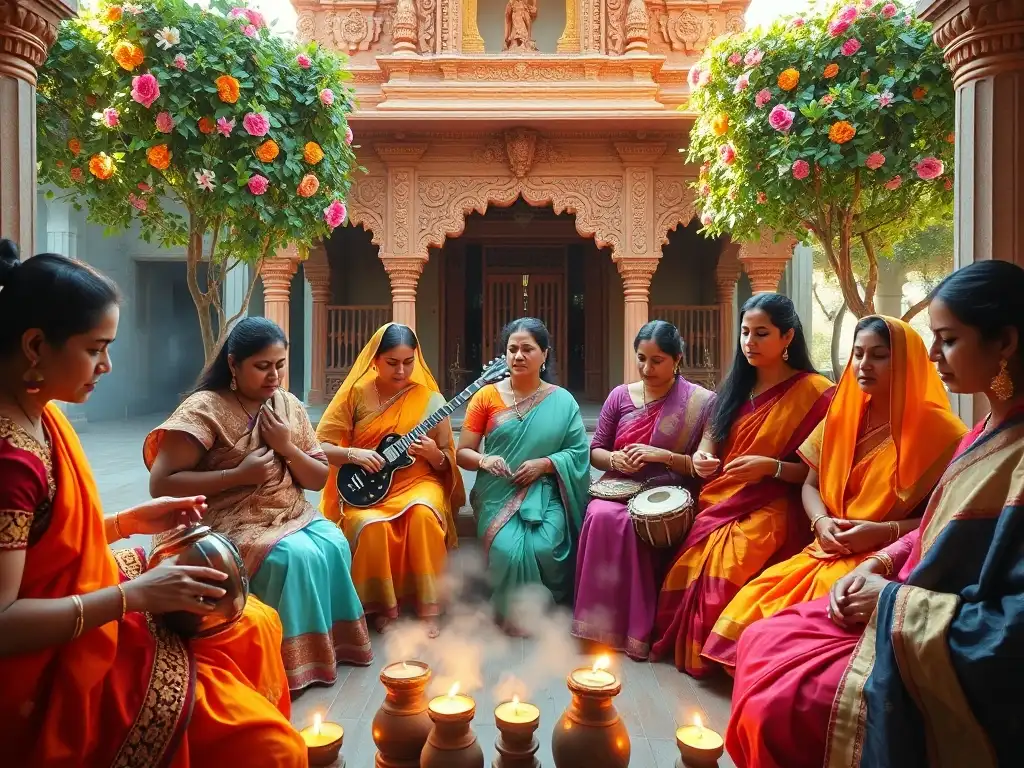
Welcome to Ancient India History, where we embark on a captivating journey through time to uncover the remarkable tapestry of India's ancient civilizations. In our featured article, “Women in Bhakti Movement: Voices of Devotion and Equality,” we delve into the empowering stories of women who shaped this transformative spiritual movement, advocating for both devotion and social equality. What roles did these trailblazing women play in a society often overshadowed by patriarchal norms?
Join us as we explore their legacy and discover how their voices echoed through the ages, inviting you to rethink the narratives of history. Dive in and let the stories inspire your understanding of the profound impact of women in ancient India!
Introduction to the Bhakti Movement
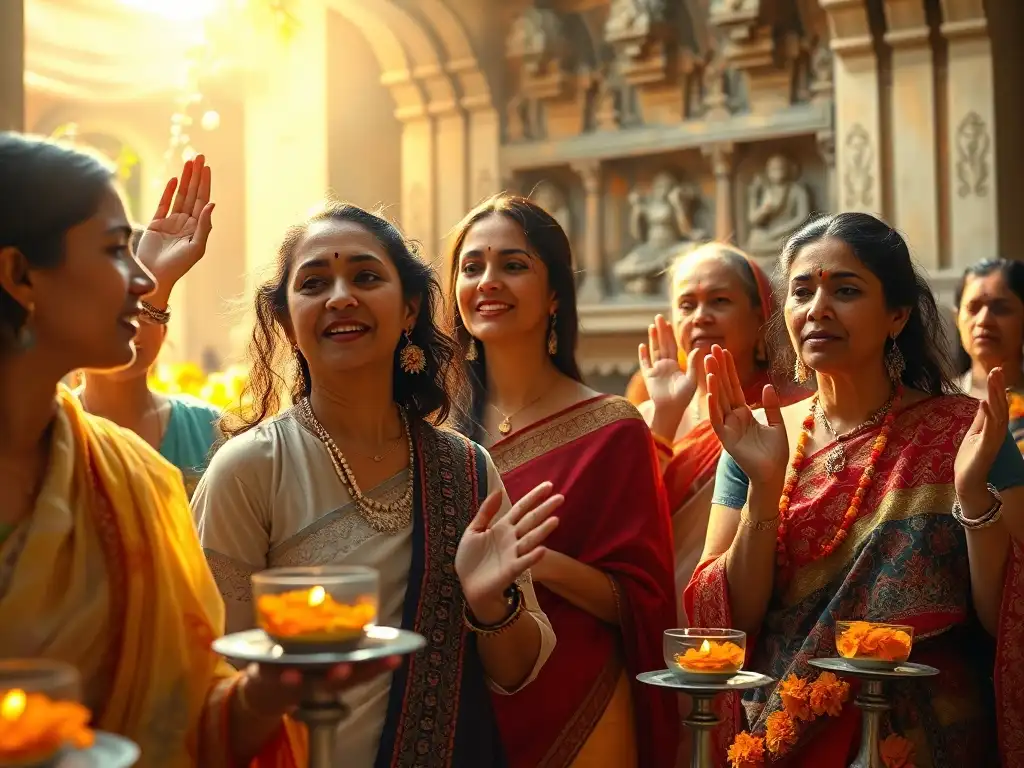
The Bhakti Movement, a profound spiritual and cultural phenomenon that emerged in medieval India, represents a transformative period in the history of Indian religions. Originating around the 7th century and flourishing until the 17th century, this movement emphasized personal devotion to a single god, transcending the rigid caste system and ritualistic practices that characterized traditional Hinduism.
Notably, the Bhakti Movement became a crucial platform for the expression of voices from various social strata, including women, who played an integral role in shaping its ethos. This article explores the pivotal contributions of women in the Bhakti Movement, shedding light on their devotion, their quest for equality, and their impact on society.
Definition and Historical Context of the Bhakti Movement
The term "Bhakti" translates to devotion, and the Bhakti Movement can be defined as a spiritual practice focused on loving devotion to a personal god, often expressed through poetry, music, and dance. Historically, the movement arose as a response to the growing discontent with the orthodox rituals and the increasing social stratification of the time. It sought to democratize spirituality, making it accessible to all, regardless of caste or gender.
Key historical figures, such as Ramanuja and Kabir, advocated for a direct relationship with the divine, thereby inviting followers to seek personal experiences of God rather than relying solely on priests or temples. This shift not only redefined religious practices but also opened avenues for women's voices and participation in a predominantly patriarchal society.
Importance of the Bhakti Movement in Ancient India
The Bhakti Movement holds significant importance in the historical and cultural fabric of ancient India. It played a crucial role in:
- Cultural Synthesis: The movement blended various religious traditions, including Hinduism and Islam, promoting a spirit of inclusivity and tolerance.
- Social Reforms: By challenging the caste system and advocating for equality, the movement contributed to social reform and laid the groundwork for future movements aimed at social justice.
- Artistic Expression: The rich literary and artistic output of the Bhakti saints, particularly in regional languages, not only enriched Indian literature but also empowered local voices, including those of women.
The Role of Women in the Bhakti Movement
The Bhakti Movement was notable for its embrace of women as spiritual leaders and devotees, allowing them to express their faith and devotion in ways that were often unrecognized in other religious contexts. Their contributions were not merely passive; women actively participated in the movement, challenging societal norms and asserting their spiritual agency.
Overview of Women's Participation in the Bhakti Movement
Women's participation in the Bhakti Movement can be characterized by:
- Poetry and Song: Many women composed devotional poetry, which became a medium for expressing their personal experiences of divine love. Their verses often reflected themes of longing, devotion, and the quest for equality.
- Community Leadership: Women took on leadership roles within their communities, organizing gatherings and promoting the teachings of Bhakti saints. This leadership was instrumental in fostering a sense of community and shared spiritual purpose.
Key Female Figures in the Bhakti Movement
Several prominent women emerged as key figures in the Bhakti Movement, leaving a lasting legacy through their devotion and teachings. Some notable examples include:
- Mirabai: Renowned for her unwavering devotion to Lord Krishna, Mirabai's poetry and songs articulated her spiritual struggles and defiance against societal norms. Her life and work continue to inspire countless followers.
- Akka Mahadevi: A 12th-century poet-saint from Karnataka, Akka Mahadevi is celebrated for her profound spiritual insights and her critiques of societal expectations for women. Her writings emphasize the importance of inner devotion over external rituals.
These women, among others, not only enriched the Bhakti Movement but also paved the way for future generations to explore their spiritual identities within a framework of equality and devotion.
Celebrated Women Saints and Their Contributions
The Bhakti Movement, which flourished between the 7th and 17th centuries in India, was a significant spiritual and cultural revolution that emphasized personal devotion to God and sought to transcend caste and gender barriers. Among the many voices that emerged during this period, women played a pivotal role in shaping its philosophy and spreading its teachings. These women saints not only expressed their devotion through poetry and song, but they also challenged societal norms and fought for equality. Their contributions have left a lasting legacy in Indian spirituality and continue to inspire movements for social justice today.
Mirabai: The Poetess and Devotee
Mirabai, one of the most celebrated figures of the Bhakti Movement, was a 16th-century poetess and devotee of Lord Krishna. Born into a royal family in Rajasthan, she defied the traditional roles imposed on women of her time. Mirabai's poems, known as "bhajans," express profound love and devotion for Krishna, often portraying him as her beloved. Through her verses, she conveyed a deep longing for divine connection, showing that spiritual love transcends worldly attachments.
Her defiance of societal expectations was evident in her rejection of an arranged marriage and her pursuit of a life dedicated to spirituality. Mirabai traveled extensively, sharing her songs with people from all walks of life, breaking caste barriers and empowering women. Her legacy is not only reflected in her poetry but also in the way she inspired generations of women to pursue their spiritual paths with courage and conviction.
Akka Mahadevi: The Spiritual Rebel
Akka Mahadevi, a 12th-century saint from Karnataka, is another prominent figure in the Bhakti Movement. Renowned for her passionate devotion to Lord Shiva, she is often celebrated as a spiritual rebel who challenged societal norms. Akka Mahadevi's life and poetry embody the struggle for autonomy and self-expression in a patriarchal society.
Her "Vachanas" (free-verse poems) articulate her intense longing for the divine and her rejection of material attachments. Akka Mahadevi lived a life of asceticism, emphasizing the importance of inner purity and devotion over external rituals. Her contributions to the Bhakti Movement are significant; she not only enriched the spiritual landscape of her time but also laid the groundwork for future feminist interpretations of spirituality and devotion.
Other Notable Women in the Bhakti Tradition
In addition to Mirabai and Akka Mahadevi, several other women contributed to the Bhakti Movement, each bringing unique perspectives and voices. For instance, Lal Ded, a 14th-century mystic from Kashmir, expressed her devotion through powerful poetry that often critiqued societal norms and focused on personal experience of the divine. Similarly, Chaitanya's female disciples played essential roles in propagating his teachings, highlighting the collaborative spirit of the Bhakti Movement.
Women like Sankardev's female followers in Assam also contributed through their devotional songs and narratives, emphasizing inclusivity and participation in spiritual practices. These women, each in their own way, reinforced the idea that devotion to God is not limited by gender, social status, or background, thereby enriching the Bhakti tradition.
Themes of Devotion and Equality in Women's Voices
The voices of women in the Bhakti Movement resonate with themes of devotion and equality, reflecting an inherent desire for spiritual connection and social justice. Their contributions extend beyond personal devotion, as they engage with broader societal issues, advocating for equity and the breaking down of barriers.
Expressions of Devotion Among Women
The expressions of devotion among women in the Bhakti Movement were characterized by their deeply personal and emotive nature. Through poetry, songs, and storytelling, women conveyed their spiritual experiences, often using simple language that resonated with the common people. This accessibility allowed their messages to transcend class and caste, making spirituality more inclusive.
Women saints often drew upon their lived experiences to articulate their devotion, using metaphors of love, longing, and loss to illustrate their relationship with the divine. Their works not only celebrated personal devotion but also reflected the struggles and aspirations of women in society, making their expressions powerful tools for spiritual and social transformation.
The Quest for Equality and Social Justice
The quest for equality and social justice is a recurring theme in the works of women saints from the Bhakti Movement. By challenging the patriarchal structures of their time, these women sought to assert their voices and rights within the religious sphere. Their poetry often highlighted issues such as caste discrimination and gender inequality, advocating for a more equitable society.
For example, Mirabai's defiance of societal norms and Akka Mahadevi's rejection of materialism served as potent symbols of resistance. They inspired not only women but also men to question the rigid social hierarchies and embrace a more inclusive form of spirituality. The legacy of these women continues to inspire contemporary movements for gender equality and social justice, demonstrating the enduring impact of their voices in the ongoing struggle for a more equitable world.
Impact of Women in Bhakti on Society and Culture
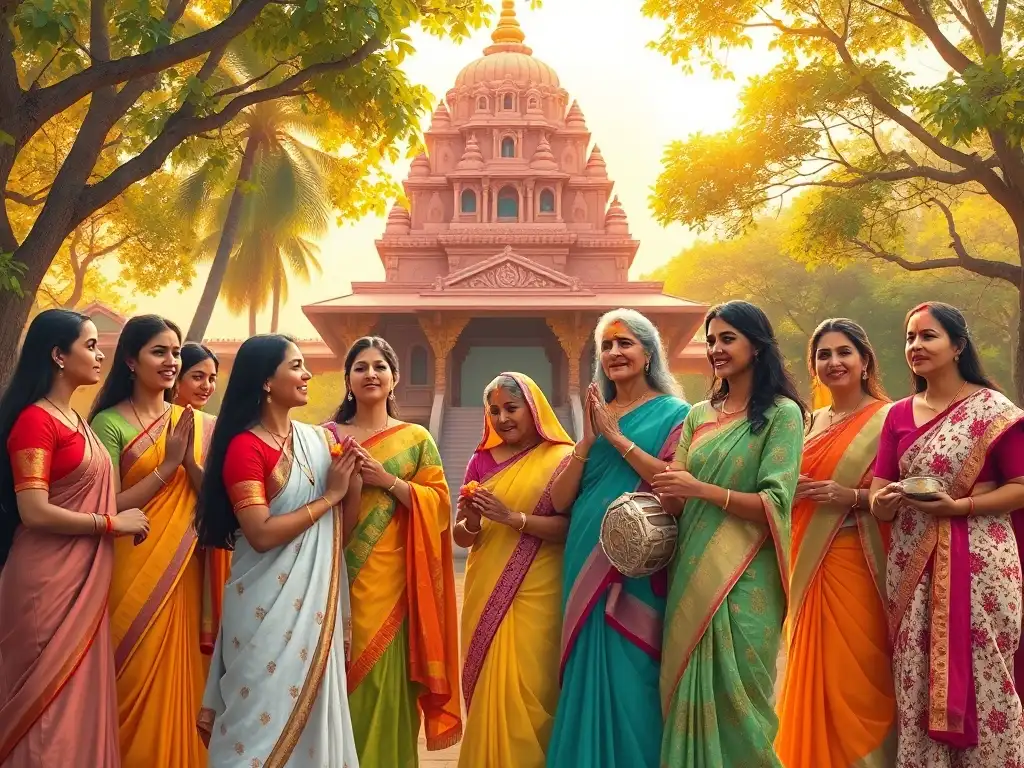
The Bhakti Movement, which emerged in India between the 7th and 17th centuries, marked a significant shift in the religious landscape of the subcontinent. One of its most profound impacts was the active participation of women, who contributed to both the devotional practices and the broader cultural milieu.
Women in the Bhakti Movement not only engaged in spiritual practices but also challenged and redefined societal norms surrounding gender. Through their poetry, songs, and teachings, they emphasized personal devotion over ritualistic practices, thereby democratizing spirituality. This shift allowed women to express their spiritual experiences and assert their identities outside the patriarchal frameworks that dominated contemporary society.
Moreover, the participation of women enriched the cultural tapestry of the Bhakti Movement. They introduced new themes of love, compassion, and equality into the devotional literature, making it more relatable to the common people. This fusion of gender and spirituality fostered a sense of community and collective identity, breaking down barriers between different castes and social groups. The legacy of these women continues to resonate, as their contributions laid the groundwork for future movements advocating for gender equality and social justice.
Transforming Gender Roles through Devotion
The Bhakti Movement played a crucial role in transforming traditional gender roles. Women like Mirabai, Akka Mahadevi, and Andal became iconic figures, revered not only for their devotion to God but also for their defiance of societal constraints. Their expressions of love and longing for the divine often mirrored the struggles faced by women in their lives, creating a powerful narrative that resonated across generations.
These women challenged the notion that spirituality was a male domain. By taking on public roles as poets and singers, they demonstrated that women could be leaders in the religious sphere. Their works often highlighted themes of equality, emphasizing that devotion to God transcends gender and social status. This radical reimagining of gender roles inspired subsequent generations of women, encouraging them to pursue spiritual fulfillment and social agency.
The shift was not merely ideological; it also had practical implications. Increased visibility of women in devotional practices led to gradual changes in societal attitudes toward women's roles. As women began to participate openly in religious gatherings and celebrations, the space for female expression expanded, allowing for a more inclusive understanding of spirituality.
Influence on Later Social and Religious Movements
The impact of the women in the Bhakti Movement extends far beyond its immediate context, influencing later social and religious movements in India. The emphasis on personal devotion and equality laid the groundwork for reformist movements in the 19th and 20th centuries, which sought to address social injustices, including caste discrimination and gender inequality.
The ideas propagated by Bhakti poets were instrumental in shaping the thoughts of later social reformers, such as Raja Ram Mohan Roy and Sarojini Naidu. They drew inspiration from the egalitarian principles espoused by female Bhakti saints, advocating for women's rights and education. The legacy of women in the Bhakti Movement can be seen in the struggles for independence and social reform, as their voices inspired many to challenge oppressive systems.
Furthermore, the Bhakti Movement's focus on devotion as a personal experience rather than a ritualistic adherence also influenced various spiritual movements in modern India, including the rise of Hindu nationalism and the spread of neo-Vedantic thought. By emphasizing the personal connection to the divine, these movements have continued to empower individuals, particularly women, to seek their spiritual paths amidst societal challenges.
Challenges Faced by Women in the Bhakti Movement
Despite the revolutionary nature of the Bhakti Movement, women faced significant challenges as they sought to assert their voices in a predominantly male-dominated society. The movement's emphasis on individual devotion and equality often clashed with societal norms and expectations.
Societal Restrictions and Resistance
Women participating in the Bhakti Movement encountered numerous societal restrictions. Traditional norms dictated that women should adhere to domestic roles, limiting their public engagement. As women began to express their spiritual devotion, they faced backlash from families and communities that viewed their actions as transgressions against societal expectations.
Resistance was often rooted in patriarchal structures that sought to maintain control over women's lives. Some women faced harsh criticisms, ostracism, or even violence for their defiance against traditional norms. The courage displayed by female saints in the face of such opposition is a testament to their commitment to their spiritual beliefs and the transformative vision of the Bhakti Movement.
Moreover, the dynamics of caste and class also presented challenges. Women from lower castes who sought to participate in the Bhakti Movement often faced additional layers of discrimination, complicating their quest for spiritual agency. The intersectionality of gender, caste, and class created a unique set of obstacles that female devotees had to navigate.
Balancing Personal Faith with Social Expectations
Balancing personal faith with social expectations was a constant struggle for women in the Bhakti Movement. While the movement encouraged personal devotion, societal pressures often dictated how that devotion could be expressed. Many women found themselves torn between their spiritual aspirations and their roles as daughters, wives, and mothers.
This tension is exemplified in the lives of notable Bhakti saints, who often had to negotiate their spiritual pursuits with familial obligations. For instance, Mirabai's unwavering devotion to Lord Krishna led to familial discord, as her in-laws disapproved of her spiritual expressions. Such narratives highlight the sacrifices women made to uphold their faith while adhering to societal expectations.
Despite these challenges, the women of the Bhakti Movement demonstrated resilience and determination. Their ability to navigate the complexities of personal faith and societal norms not only paved the way for future generations but also inspired a re-evaluation of women's roles in religious and spiritual spaces. The stories of these women remind us that the pursuit of devotion often involves confronting and redefining the boundaries imposed by society.
Legacy of Women in Bhakti Movement
The Bhakti Movement, which flourished in India from the 7th to the 17th century, is characterized by its emphasis on personal devotion to a divine entity, transcending traditional caste and gender barriers. Women played a pivotal role in this movement, leaving a profound legacy that continues to resonate in contemporary spirituality. The contributions of women such as Mirabai, Akka Mahadevi, and others not only enriched the Bhakti tradition but also paved the way for future generations to engage with spirituality on their terms.
These women expressed their spiritual experiences through poetry and songs that addressed the divine intimately and personally. Their works often challenged societal norms and highlighted issues of gender equality, devotion, and personal connection to the divine. The legacy of these female saints is evident in the way their teachings encourage inclusivity and the breaking down of hierarchical structures within spiritual practices.
Furthermore, the Bhakti Movement fostered a sense of community and collective identity among its followers, where women's voices were not only heard but celebrated. The rituals and practices that emerged during this time often included women's perspectives, ensuring their roles as spiritual leaders and contributors were acknowledged and remembered.
Lasting Influence on Modern Spiritual Practices
The influence of women in the Bhakti Movement has permeated modern spiritual practices across India and beyond. Their teachings continue to inspire contemporary movements that advocate for gender equality and social justice within religious frameworks. For instance, the concept of bhakti as a path to personal divinity encourages individuals to seek a direct connection with the divine, a principle that resonates with many modern spiritual seekers.
Moreover, the poetry and songs of female saints have been reinterpreted in various cultural contexts, often serving as a source of empowerment for women today. Through music, dance, and literature, the messages of devotion and equality promoted by these women are being revitalized, fostering a renewed interest in their contributions. This resurgence not only honors their legacy but also emphasizes the importance of women’s voices in spiritual discourse, reminding practitioners of the inclusive nature of bhakti.
Recognition of Women's Contributions in Historical Narratives
Historically, women's contributions to the Bhakti Movement have often been marginalized or overlooked in mainstream narratives. However, recent scholarship has begun to rectify this oversight, highlighting the significant roles women played in shaping the movement. By examining texts, oral histories, and cultural practices, historians are uncovering the stories of female saints whose lives and works exemplified the spirit of devotion and equality.
This recognition is crucial, as it challenges the patriarchal narratives that have dominated historical accounts. By placing women at the center of the Bhakti Movement, we gain a more holistic understanding of its development and impact. Additionally, this acknowledgment fosters greater appreciation for the diverse voices that have contributed to the spiritual landscape of India, encouraging a more inclusive approach to studying religious history.
Conclusion
Summary of Women's Impact in the Bhakti Movement
The impact of women in the Bhakti Movement is profound and multifaceted. Their voices not only enriched the spiritual landscape of their time but also laid the groundwork for future generations to explore spirituality from a perspective of equality and personal devotion. Through their poetry and teachings, women like Mirabai and Akka Mahadevi challenged societal norms and inspired countless individuals to seek a direct, personal connection with the divine, transcending traditional barriers of caste and gender.
This legacy is reflected in the continued relevance of their contributions, which serve as a reminder of the importance of inclusivity in spiritual practices. As contemporary movements draw upon the teachings of these female saints, they reinforce the notion that spirituality is a universal pursuit, accessible to all, regardless of gender.
Reflection on the Continuing Relevance of Women’s Voices in Spirituality
The enduring relevance of women's voices in spirituality is evident in the ongoing conversations surrounding gender, faith, and equality. As society continues to grapple with issues of discrimination and inequality, the teachings of women from the Bhakti Movement offer valuable insights and inspiration. Their emphasis on personal devotion and the dismantling of hierarchies resonates with modern spiritual seekers who advocate for a more equitable and just world.
Moreover, as new generations of women emerge as spiritual leaders and advocates for social change, the legacy of the Bhakti Movement serves as a guiding light. It reminds us that the quest for spiritual fulfillment is enriched by diverse perspectives, particularly those of women who have historically been silenced. In honoring their contributions, we not only preserve their stories but also empower current and future voices to engage in the ongoing dialogue about spirituality, devotion, and equality.
- Introduction to the Bhakti Movement
- The Role of Women in the Bhakti Movement
- Celebrated Women Saints and Their Contributions
- Themes of Devotion and Equality in Women's Voices
- Impact of Women in Bhakti on Society and Culture
- Challenges Faced by Women in the Bhakti Movement
- Legacy of Women in Bhakti Movement
- Conclusion
Frequently Asked Questions
What was the Bhakti Movement?
The Bhakti Movement was a spiritual and social movement in India, emphasizing devotion to a personal god and promoting equality among all individuals, regardless of caste or gender.
How did women participate in the Bhakti Movement?
Women played a significant role in the Bhakti Movement by becoming influential saints and poets, expressing their devotion and challenging societal norms through their poetry and teachings.
What contributions did women make during this period?
Women like Mirabai and Akka Mahadevi contributed to the movement by articulating the experience of devotion and advocating for social reform, highlighting the importance of gender equality.
How did the Bhakti Movement impact women's status in society?
The Bhakti Movement helped elevate the status of women by recognizing their spiritual authority and encouraging the idea that devotion is accessible to everyone, thus promoting social change.
Why is the Bhakti Movement significant in the context of women's history?
The Bhakti Movement is significant as it marked a shift toward greater inclusion of women in religious and social spheres, showcasing their voices and contributions in a historically male-dominated society.
Final Reflection: Empowering Voices of Devotion and Equality
The exploration of Women in the Bhakti Movement reveals a profound narrative that resonates deeply in today’s society. As we navigate an era marked by ongoing struggles for gender equality and spiritual expression, the voices of women from the Bhakti Movement remind us of the transformative power of devotion and the quest for equality. Their stories are not just historical footnotes; they are powerful testaments to resilience and empowerment that continue to inspire movements for social justice today.
The influence of these women extends far beyond their time, shaping cultural and social landscapes in ways that still echo in contemporary discussions about gender and spirituality. Their contributions challenge us to rethink traditional narratives and recognize the essential roles women have played in spiritual movements. As poet and activist Audre Lorde once said, I am not free while any woman is unfree, even when her shackles are very different from my own.
This sentiment encapsulates the ongoing journey toward equality, urging us to acknowledge and uplift the voices that have historically been marginalized.
As we reflect on the lessons from the Women in the Bhakti Movement, let us commit to amplifying these voices in our own lives. Consider how you can honor the spirit of devotion and equality in your community, whether through advocacy, education, or personal practice. Embrace the call to action that these women represent, and strive to create spaces where all voices are heard and valued. Together, we can continue the legacy of devotion and equality, ensuring that the lessons of the past inspire a more inclusive future.
Unveil Your Journey of Devotion and Equality!
Thank you for your interest in the rich history of women in the Bhakti movement! You've taken a crucial step in understanding the pivotal roles these incredible voices played in promoting devotion and equality. Now, it’s time to take that knowledge and turn it into action.
Here are a few meaningful steps you can take today:
- Dive Deeper: Consider exploring books or documentaries that highlight key figures in the Bhakti movement to gain deeper insights into their struggles and triumphs.
- Share the Story: Discuss the significance of women in the Bhakti movement with friends or on social media to celebrate their invaluable contributions to history.
- Engage with the Community: Join a local group or participate in online forums that focus on historical movements, sharing your thoughts and findings with others.
What insights have you discovered about the intersection of devotion and gender equality that resonate with your personal journey?