
Traditional Games and Pastimes: How Indus Valley Children Spent Their Days

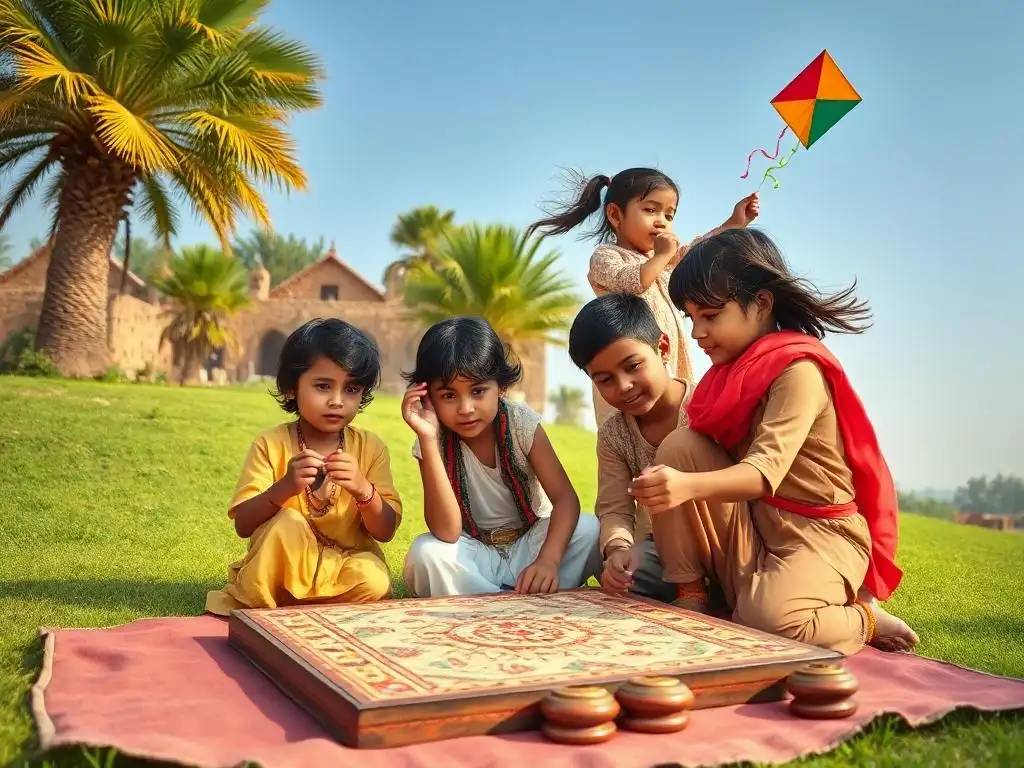
Welcome to Ancient India History, where we embark on a captivating journey through time to uncover the rich tapestry of ancient Indian civilizations. In this exploration, we delve into the vibrant world of Indus Valley children's traditional games, revealing how these pastimes shaped the lives of young ones in one of history's most remarkable cultures.
Prepare to be intrigued as we unveil the playful spirit of the Indus Valley, inviting you to discover the lessons, joys, and traditions that have echoed through centuries. Join us as we playfully connect the past with the present, and uncover the timeless heritage of ancient India!
- Introduction to Indus Valley Children's Traditional Games
- Types of Traditional Games Played by Indus Valley Children
- Cultural Significance of Games in Indus Valley Society
- Comparison of Indus Valley Children’s Games with Modern Games
- Archaeological Evidence of Games in the Indus Valley
- Conclusion: The Legacy of Indus Valley Children's Traditional Games
-
Frequently Asked Questions
- What types of games did children in the Indus Valley play?
- How did these games reflect the culture of the Indus Valley civilization?
- Were there any specific materials used for these games?
- How do these games compare to modern children's games?
- What can we learn about ancient Indian civilizations through these games?
- Final Reflection: Rediscovering the Joy of Indus Valley Children's Traditional Games
- Rediscover the Joy of Traditional Play!
Introduction to Indus Valley Children's Traditional Games
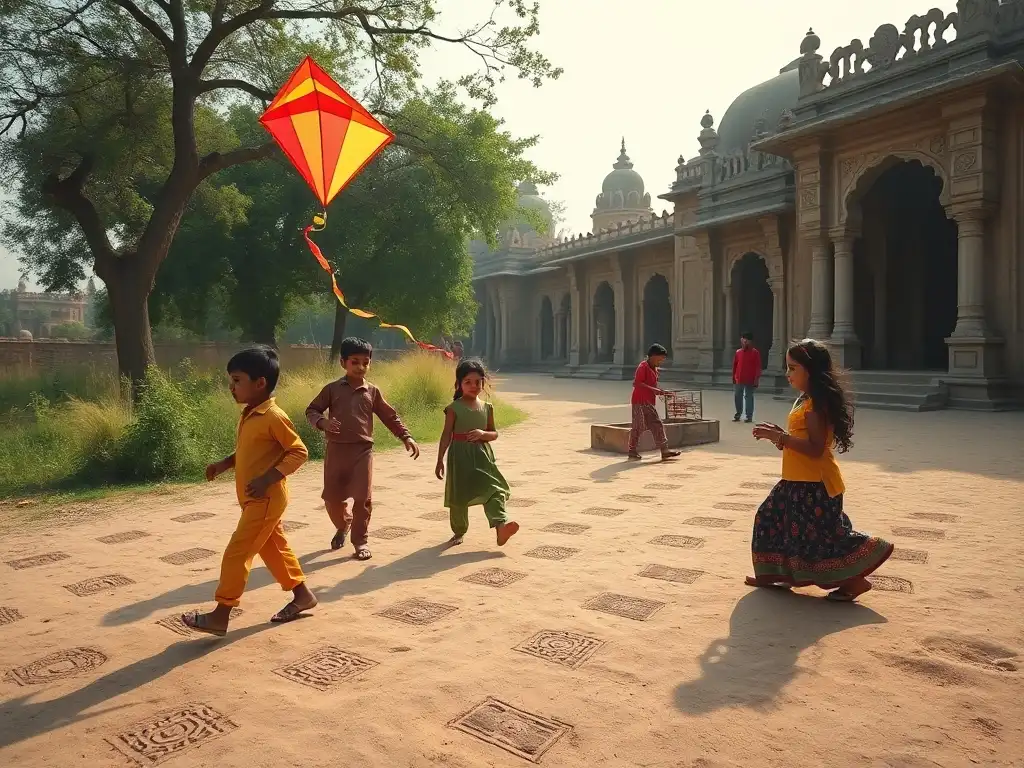
The Indus Valley Civilization, one of the most remarkable and advanced ancient cultures, flourished between 3300 and 1300 BCE in what is now Pakistan and northwest India. This civilization is renowned for its urban planning, sophisticated architecture, and innovative technologies. However, a fascinating yet often overlooked aspect of this civilization is the daily life of its children, particularly their play and leisure activities. Understanding the traditional games and pastimes of Indus Valley children provides us with a unique glimpse into their society, culture, and values.
Through archaeological findings and historical evidence, we can explore the various games, toys, and recreational activities that shaped the childhood experiences of these young inhabitants. These activities not only served as entertainment but also played a crucial role in socialization, skill development, and cultural transmission. In this article, we will delve into the types of games enjoyed by children in the Indus Valley, the significance of play in their lives, and how these activities reflect the broader context of the civilization.
Overview of the Indus Valley Civilization
The Indus Valley Civilization (IVC) was one of the world's earliest urban centers, characterized by its advanced city planning, irrigation systems, and trade networks. The civilization thrived in the fertile floodplains of the Indus River and included major urban centers like Harappa and Mohenjo-Daro.
Key features of the Indus Valley Civilization include:
- Urban Planning: Cities were meticulously planned with grid patterns, sophisticated drainage systems, and standardized fired-brick buildings.
- Trade and Economy: The civilization had a robust economy based on agriculture, trade, and craft production, with evidence of trade links spanning as far as Mesopotamia.
- Social Organization: Society was likely structured with various classes, including merchants, artisans, and farmers, although the exact hierarchy remains a subject of research.
- Cultural Practices: The IVC is known for its unique script, seals, and pottery, which reflect a rich cultural heritage.
Children in this thriving civilization played a significant role within their communities, and their games reflected the values and skills important to Indus society.
Importance of Play in Ancient Societies
Play is a fundamental aspect of childhood across cultures and eras, serving as a vital mechanism for learning and socialization. In ancient societies, including the Indus Valley, play was not merely a leisure activity; it held deep significance for children's development and societal cohesion.
The importance of play in ancient societies can be summarized as follows:
- Skill Development: Traditional games often involved physical activities that enhanced motor skills, coordination, and strength.
- Social Interaction: Through games, children learned to collaborate, negotiate, and resolve conflicts, fostering social bonds and community ties.
- Cultural Transmission: Games often incorporated elements of cultural heritage, allowing children to learn about their traditions, stories, and values.
- Creative Expression: Play encouraged creativity and imagination, enabling children to explore their environment and express themselves in diverse ways.
In the context of the Indus Valley Civilization, these factors were particularly relevant, as children's play reflected the broader societal norms and cultural practices of the time. Understanding these traditional games not only highlights the importance of play in childhood but also enriches our knowledge of the daily lives of Indus Valley inhabitants.
Types of Traditional Games Played by Indus Valley Children
Outdoor Games and Activities
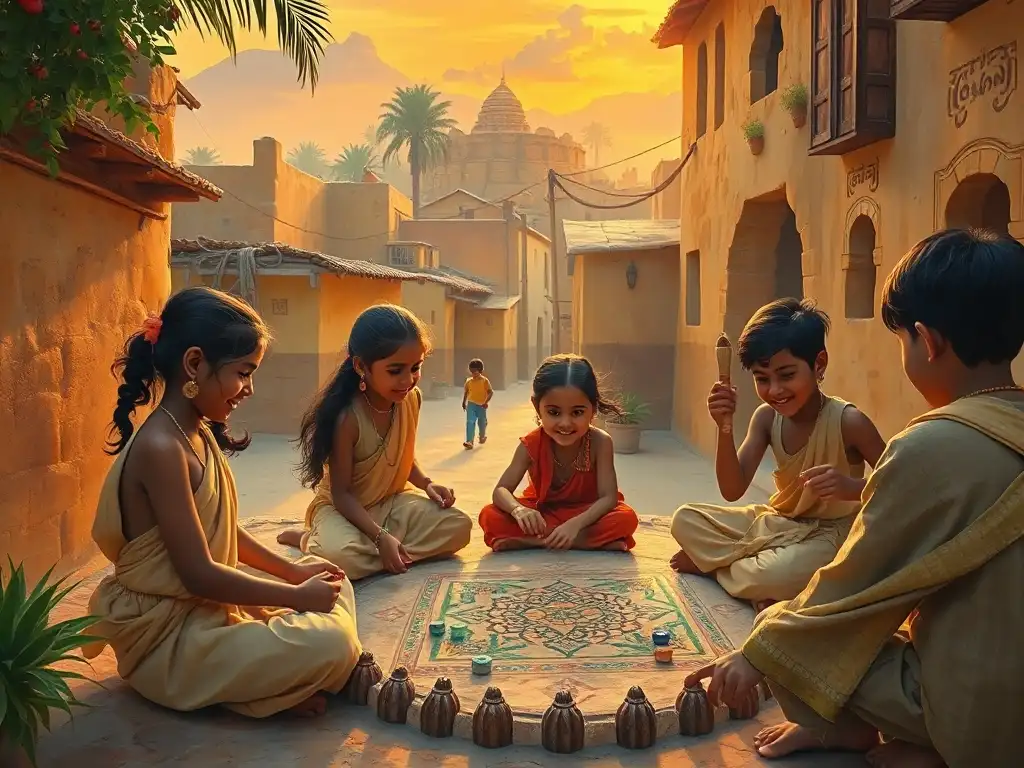
Outdoor games played an essential role in the lives of children in the Indus Valley civilization. These activities not only provided entertainment but also fostered physical fitness, social interaction, and teamwork. The open spaces and natural landscapes of the Indus Valley offered an ideal backdrop for various games and activities that children engaged in during their leisure time.
Popular Outdoor Games in the Indus Valley
Some of the most popular outdoor games among Indus Valley children included:
- Chasing Games: Similar to modern tag, children often engaged in chasing games that encouraged running and agility. These games helped develop physical stamina and quick reflexes.
- Ball Games: Evidence suggests that children played with balls made from natural materials like clay or animal skins. These games likely included elements of teamwork and strategy, resembling early forms of soccer or basketball.
- Hide and Seek: This classic game, which emphasizes stealth and strategy, is likely to have been played in the diverse terrains of the Indus Valley, utilizing natural hideouts like trees, shrubs, and buildings.
- Wrestling: Wrestling was not only a sport for adults but also a pastime for children, teaching them discipline and strength.
These games served as a means of teaching important life skills, such as cooperation, leadership, and conflict resolution, which were crucial in the communal society of the Indus Valley.
Role of Nature in Children's Play
The environment played a significant role in shaping the outdoor activities of Indus Valley children. The fertile plains, rivers, and hills provided ample opportunities for imaginative play. Children utilized natural materials in their games, whether it was crafting toys from clay or using sticks and stones in their activities. The abundance of flora and fauna also inspired games that mimicked animal behaviors or involved exploration, fostering a deep connection to their surroundings. This interaction with nature was crucial in developing an understanding of their ecosystem, which was an important aspect of life in the Indus Valley.
Indoor Games and Board Games
Indoor games were equally important in the daily lives of Indus Valley children. These activities not only entertained them during inclement weather but also encouraged critical thinking and creativity. The use of various materials found in their environment allowed for the creation of unique and engaging games.
Common Indoor Games of the Time
Some of the common indoor games that children played included:
- Dice Games: Children likely engaged in games that involved rolling dice, which were made from materials such as bone or clay. These games could range from simple luck-based activities to more complex strategic games.
- Marbles: Evidence suggests that children played with marbles made from clay or stone. This game required skill and precision, as players aimed to knock their opponents' marbles out of a designated area.
- Puzzles and Riddles: Intellectual games involving puzzles or riddles were popular, stimulating cognitive abilities and enhancing problem-solving skills.
These indoor activities not only provided entertainment but also served to strengthen familial bonds as children played with siblings and parents.
Materials Used in Traditional Board Games
The materials used in traditional board games were influenced by the resources available in the Indus Valley. Common materials included:
- Clay: Clay was a versatile material used to create game pieces and boards. Children would mold figures and shapes to represent different elements in their games.
- Wood: Wooden pieces were crafted for games like chess or checkers, providing durability and a tactile experience for players.
- Natural Fibers: Some games utilized woven mats or textiles, which served as game boards or areas to play on, showcasing the ingenuity of children in using available resources.
The creativity displayed in the construction of these games highlights the importance of play in the educational and social development of Indus Valley children, ensuring that their traditional games were not only fun but also fostered learning and growth.
Cultural Significance of Games in Indus Valley Society
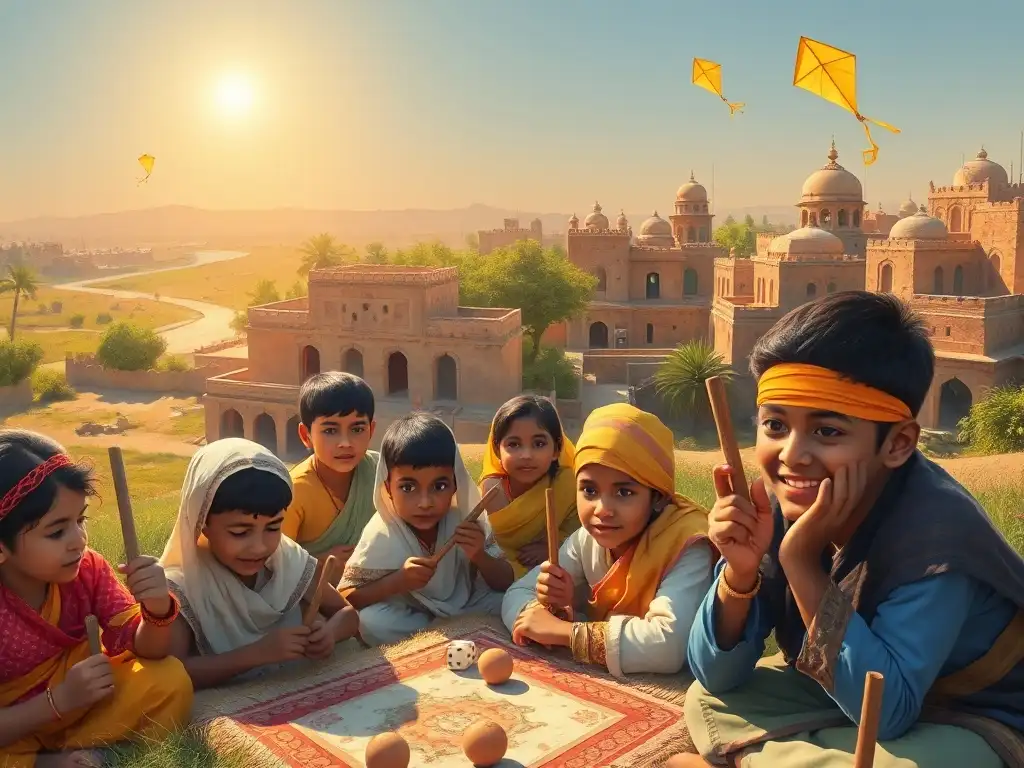
The Indus Valley Civilization (IVC), known for its advanced urban planning and rich cultural life, also placed significant importance on the role of games and play in the lives of children. Traditional games were not merely forms of entertainment; they served as vital components of socialization, education, and community bonding among the children of this ancient civilization.
Games in the Indus Valley were deeply intertwined with the social structure of the society. The types of games played often reflected the hierarchical nature of the community. For instance:
- Board Games: Evidence suggests that games like Chaturanga (a precursor to chess) were popular among the affluent class, highlighting the socioeconomic disparities within the community.
- Physical Games: Children from various social backgrounds engaged in physical games such as Kabaddi and Gilli Danda, which were accessible to all. This allowed for a blending of social classes during play, fostering a sense of unity despite their different statuses.
The presence of various artifacts, such as clay figurines and game pieces, indicates that these games also served as a means to express and reinforce social norms and values, including cooperation, strategy, and competition.
The Role of Family and Community in Play
Family units played a crucial role in the games that children engaged in, shaping their experiences and the types of play activities they participated in. Family gatherings often included traditional games, fostering bonds between generations. Key aspects include:
- Intergenerational Learning: Elders would teach children traditional games, passing down skills, strategies, and cultural narratives, which reinforced familial ties and shared cultural heritage.
- Community Engagement: Games were often played in community gatherings or festivals, promoting social cohesion and collaboration among families. This communal aspect of play allowed children to develop social skills, such as teamwork and negotiation, essential for their future roles in society.
The importance of community in games can also be seen in the way children would organize themselves into teams, reflecting the cooperative spirit that characterized Indus Valley society.
Educational Aspects of Traditional Games
Traditional games in the Indus Valley served a dual purpose: providing entertainment and fostering education. They were instrumental in children's development in several ways:
- Skill Development: Many games required significant physical coordination and strategic thinking, helping children develop essential skills that would benefit them in adulthood. For example, games that involved throwing or balancing taught motor skills and hand-eye coordination.
- Cognitive Growth: Games often involved rules and strategies, encouraging critical thinking and problem-solving. Children learned to assess situations, plan moves ahead, and adapt their strategies based on opponents' actions.
- Cultural Education: Through traditional games, children learned about their cultural heritage, including stories, myths, and moral lessons embedded in the gameplay. This not only preserved the culture but also instilled values such as fairness, respect, and responsibility.
The traditional games played by children in the Indus Valley Civilization were far more than leisure activities; they were essential to the social, familial, and educational fabric of their society. Through play, children not only enjoyed their youth but also prepared for their future roles as active members of their communities.
Comparison of Indus Valley Children’s Games with Modern Games
Similarities Between Ancient and Contemporary Games
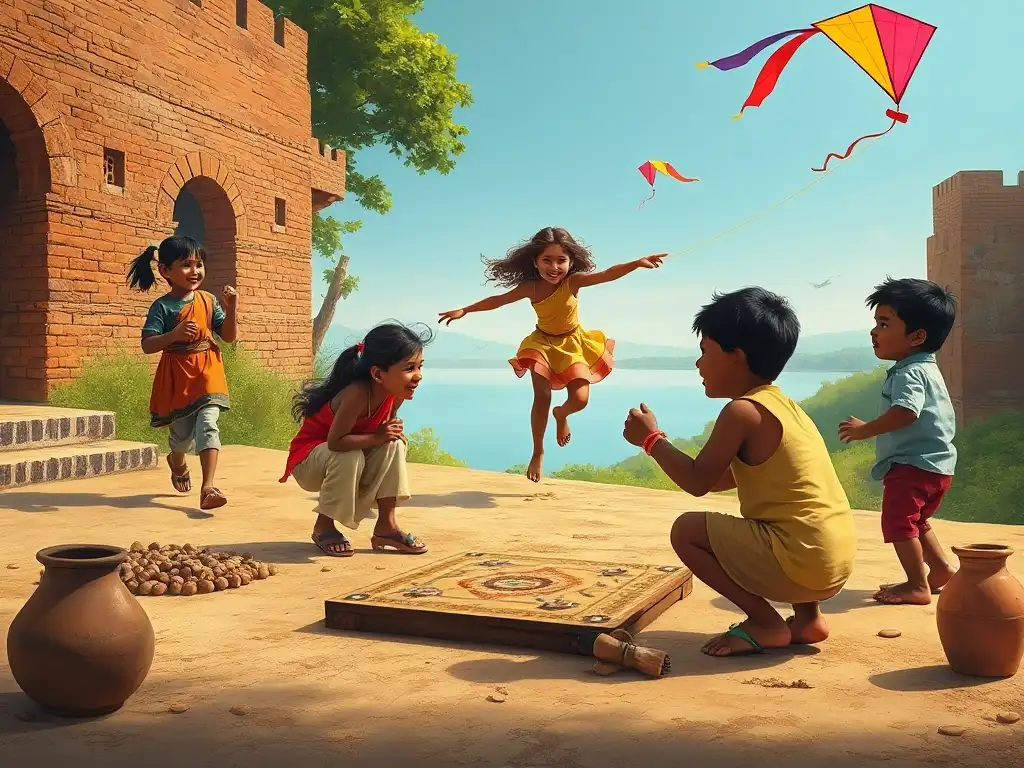
The games played by children in the Indus Valley Civilization share several striking similarities with modern games, showcasing the timeless nature of play in human culture. Both ancient and contemporary games serve essential functions in childhood development, including fostering social skills, physical coordination, and cognitive abilities.
- Social Interaction: Just as children today engage in group games to build friendships and develop communication skills, children of the Indus Valley likely participated in communal activities that encouraged cooperation and teamwork. Games like tag or hide and seek, which require players to work together and strategize, have parallels in ancient play.
- Physical Activity: The emphasis on physical movement is another common thread. Both eras feature games that promote physical fitness and agility. For instance, ancient games involving running and chasing are akin to modern sports like soccer or tag, proving that the need for active play transcends time.
- Imaginative Play: Many traditional games from the Indus Valley involved imaginative roles, just as contemporary games often do. Activities that encourage children to adopt different personas or engage in storytelling can be found in both ancient and modern contexts, highlighting the creative aspect of play.
- Use of Natural Materials: Both ancient and modern games frequently utilize the materials available in their environments. Indus Valley children might have played with clay toys or stones, similar to how contemporary children use balls, sticks, or other simple objects to create games.
Differences in Gameplay and Objectives
While there are notable similarities, significant differences exist between the gameplay and objectives of Indus Valley children's traditional games and those played today. These distinctions reflect the cultural, social, and technological contexts of each era.
- Game Complexity: Many modern games, especially those played with electronic devices, possess complex rules and strategies that often require advanced skills. In contrast, games from the Indus Valley were likely simpler, focusing on basic skills and physical abilities. For example, a game like gilli-danda (similar to cricket) may have had fewer rules and less structured gameplay compared to modern counterparts.
- Cultural Significance: The objectives of ancient games often held cultural significance, serving to teach children about their heritage and societal values. Games could be infused with lessons about teamwork, respect, and community, whereas many modern games focus primarily on competition and individual achievement.
- Tools and Resources: The tools and resources available for gameplay also differ markedly. Indus Valley children relied on natural materials to craft their games, while today's children have access to a wide variety of manufactured toys and electronic devices that can significantly alter the nature of play.
- Technological Influence: Modern games often incorporate technology to enhance gameplay, such as video games that offer immersive experiences. In contrast, Indus Valley games were grounded in physical interactions and direct engagement with peers, emphasizing the importance of human connection over technological mediation.
While the essence of play remains consistent across time, the context, complexity, and cultural significance of games played by Indus Valley children differ from those of modern society. Understanding these nuances enriches our appreciation of the continuity and evolution of play throughout human history.
Archaeological Evidence of Games in the Indus Valley
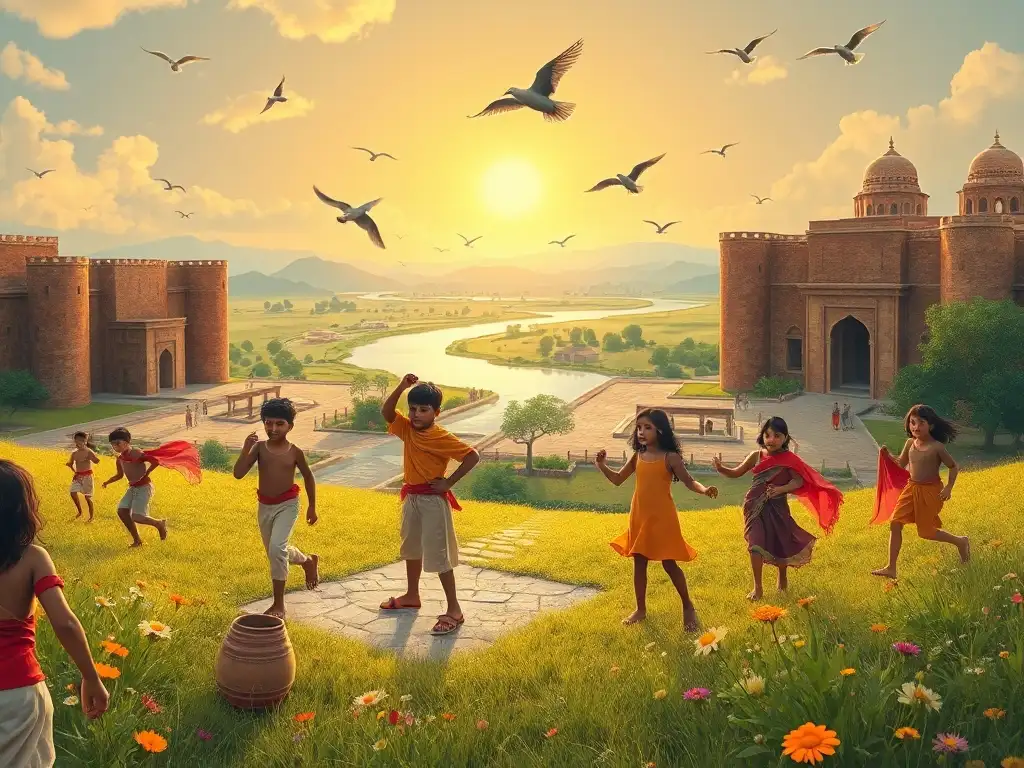
The archaeological evidence of games in the Indus Valley Civilization offers a glimpse into the playful nature of children during this ancient period. Excavations across major sites like Harappa and Mohenjo-Daro have revealed various artifacts that suggest a rich tradition of play, emphasizing the importance of leisure activities in the lives of young ones.
Discoveries of Game Artifacts and Toys
Numerous artifacts discovered at Indus Valley sites point to the prevalence of traditional games among children. These discoveries include:
- Dice: Made from materials like terracotta, bone, and ivory, these dice are often intricately carved, suggesting their use in games of chance. The presence of dice indicates that games involving strategy and luck were part of daily life.
- Toys: Artifacts such as miniature carts, animals, and dolls have been unearthed, showcasing the creativity and ingenuity of Indus Valley artisans. These toys were likely not only playthings but also served educational purposes, allowing children to mimic adult tasks.
- Board Game Pieces: The discovery of flat stones and clay pieces has led researchers to believe that board games similar to modern-day chess or backgammon were played. The strategic nature of these games could have helped in developing critical thinking skills.
- Marbles: Glass and terracotta marbles found in various sites suggest that games involving these spherical objects were common. The play with marbles likely encouraged physical skills and social interaction among children.
These artifacts provide compelling evidence that Indus Valley children engaged in a variety of games that contributed to their social, cognitive, and physical development.
Interpretation of Artifacts in Understanding Children's Play
Interpreting the artifacts discovered in the Indus Valley is crucial for understanding the role of games in children's lives. The various types of games and toys reveal much about the culture and social structures of the time. Here are some interpretations:
- Cultural Significance: The presence of toys and game pieces indicates that play was not merely a pastime but an integral part of childhood experiences. Games often reflect societal values, and the types of games played could have mirrored the skills deemed important for future roles in society.
- Socialization: The communal aspect of games suggests that children learned social skills and norms through play. Activities that involved multiple participants could foster teamwork, negotiation, and conflict resolution, essential skills in any society.
- Educational Purpose: Many games may have had an educational component, teaching children about strategy, problem-solving, and even the practicalities of adult life. For instance, playing with miniature carts might have familiarized children with the importance of trade and transport in their economy.
- Physical Development: Engaging in active games would have supported physical development, enhancing motor skills and coordination. This was especially important in a society that relied on physical prowess for various tasks.
The archaeological evidence and interpretation of artifacts from the Indus Valley Civilization illustrate the rich tapestry of children's traditional games. These activities not only provided amusement but also played a vital role in shaping the future citizens of this remarkable civilization.
Conclusion: The Legacy of Indus Valley Children's Traditional Games
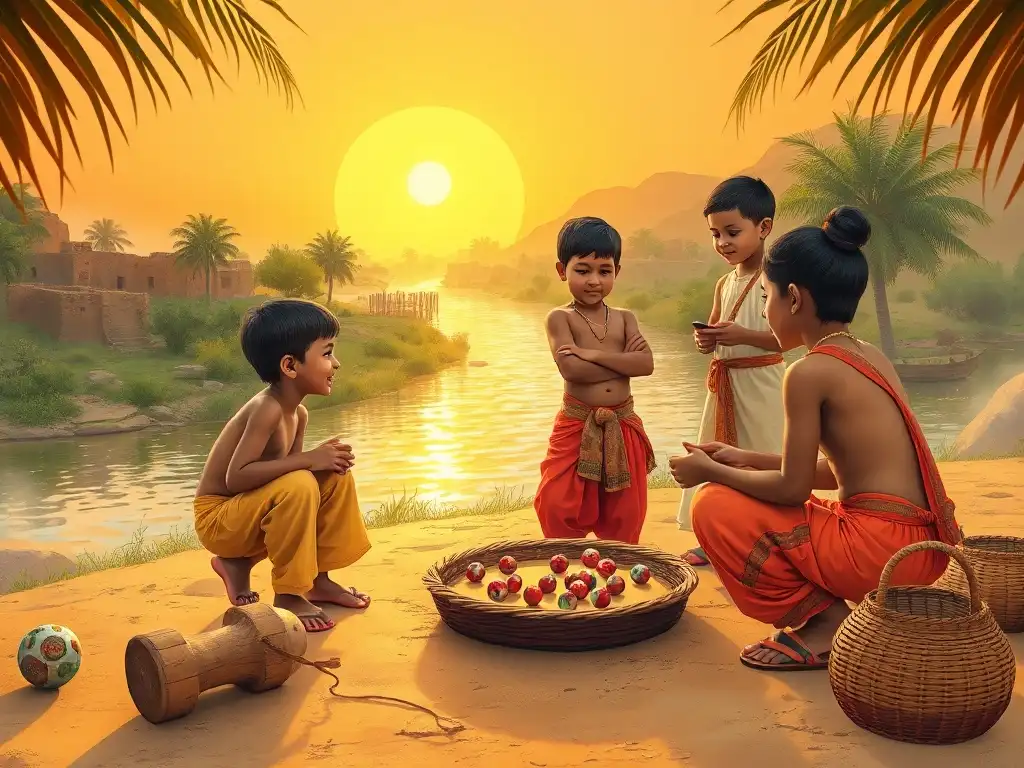
The legacy of Indus Valley children's traditional games is a testament to the creativity and resourcefulness of ancient societies. These games were not mere pastimes; they were a vital part of the community's social fabric, fostering skills essential for survival in a complex world. The influence of these games can still be seen in contemporary Indian culture, where many traditional games have evolved but retain core elements that reflect the ingenuity of their Indus Valley predecessors.
Influence on Future Generations
The traditional games played by children in the Indus Valley Civilization have left an indelible mark on future generations. These games often emphasized physical agility, strategic thinking, and teamwork, which contributed to the development of critical life skills. For instance, games involving dice and strategy not only entertained but also taught children about chance, probability, and decision-making.
Moreover, many of these games have been passed down through oral traditions, evolving over time yet maintaining their fundamental principles. Today, variations of these games can be found in rural and urban settings across India, showcasing the adaptability and resilience of cultural practices. The continuation of these games serves as a bridge connecting children today with their ancient ancestors, instilling a sense of identity and belonging.
Preservation of Cultural Heritage Through Games
The preservation of cultural heritage in the context of Indus Valley children's traditional games underscores their significance beyond mere entertainment. As communities engage in these time-honored activities, they reinforce cultural narratives and social values that define their identity.
Benefits of Traditional Games for Cultural Heritage:
- Community Engagement: Traditional games foster a sense of community, bringing together people of all ages to participate in shared experiences.
- Cultural Transmission: Through storytelling and play, children learn about their history, traditions, and values, ensuring these important aspects of their culture are not forgotten.
- Adaptation and Innovation: While many games have remained consistent, the ability to adapt them to modern contexts allows for innovative expressions of cultural heritage, blending the old with the new.
The traditional games of Indus Valley children not only reflect their daily lives but also act as a medium for preserving cultural heritage. As these games continue to be played and cherished, they serve as a reminder of the rich, diverse history of the Indus Valley Civilization and its lasting impact on the cultural landscape of India.
Frequently Asked Questions
What types of games did children in the Indus Valley play?
Children in the Indus Valley engaged in a variety of traditional games that often included ball games, board games, and tag-like activities. These games not only provided entertainment but also helped in developing social skills.
How did these games reflect the culture of the Indus Valley civilization?
The traditional games of the Indus Valley were deeply intertwined with their cultural values, often emphasizing teamwork, strategy, and creativity. They provided insights into the community dynamics and social structure of ancient Indian society.
Were there any specific materials used for these games?
Children often used natural materials such as stones, clay, and wood to create their games. This reflects a resourceful approach to play and highlights the creativity of Indus Valley children.
How do these games compare to modern children's games?
While many traditional games from the Indus Valley have evolved, the essence of play remains similar. Modern games often still focus on competition, teamwork, and skill development, echoing the past.
What can we learn about ancient Indian civilizations through these games?
Studying Indus Valley children's traditional games allows us to understand their daily life, social interactions, and the importance of play in fostering community bonds, revealing much about their civilization as a whole.
Final Reflection: Rediscovering the Joy of Indus Valley Children's Traditional Games
The exploration of Indus Valley children's traditional games reveals a profound connection between play and culture that resonates with our modern lives. In an age dominated by digital distractions, the simplicity and creativity inherent in these ancient pastimes remind us of the fundamental role that play has always played in human development.
The games of the Indus Valley civilization were not merely forms of entertainment; they were vital tools for socialization, learning, and cultural transmission. As we navigate our fast-paced world, the essence of these traditional games serves as a poignant reminder of the importance of play in fostering community and creativity.
The legacy of these games continues to shape our cultural landscape, inviting us to reflect on the values they embodied. From the cooperative spirit of team games to the strategic thinking required in board games, these activities fostered skills that are still relevant today. The joy and camaraderie experienced in play are universal, transcending time and geography. Play is the highest form of research.
– Albert Einstein. This quote encapsulates the enduring significance of play, highlighting its role in exploration and discovery, much like the children of the Indus Valley who learned about their world through games.
As we conclude this journey into the past, I invite you to reflect on the role of play in your own life. Consider how you can incorporate the spirit of these traditional games into your daily routine, whether through engaging with loved ones in playful activities or exploring new forms of creative expression. Let the lessons of the Indus Valley children inspire you to embrace the joy of play, fostering connections and creativity in your own life, and perhaps even reviving some of these timeless games for future generations to enjoy.
Rediscover the Joy of Traditional Play!
Thank you for exploring the fascinating world of Indus Valley children's games and pastimes with us. You've gained a glimpse into the vibrant play culture of our ancestors, and now it’s time to bring some of that richness into your life! Here are some practical ways to connect with this timeless tradition:
- Reconnect with Old Games: Play one of the traditional games highlighted in our discussion with your family or friends. **Gather materials and create your own version** for a fun-filled day!
- Share Your Experience: After trying out a game, share your experience on social media or in the comments below. Let’s celebrate the joy of play together!
- Explore Local Festivals: Look for events or organizations in your area that promote traditional games or cultural heritage. Participating can deepen your understanding and appreciation of your roots.
As you reflect on these actions, we invite you to ponder: Which traditional game from your childhood evokes the fondest memories, and how can you share that joy with a new generation?