
The Importance of Ritual and Science in Indus Valley Daily Life

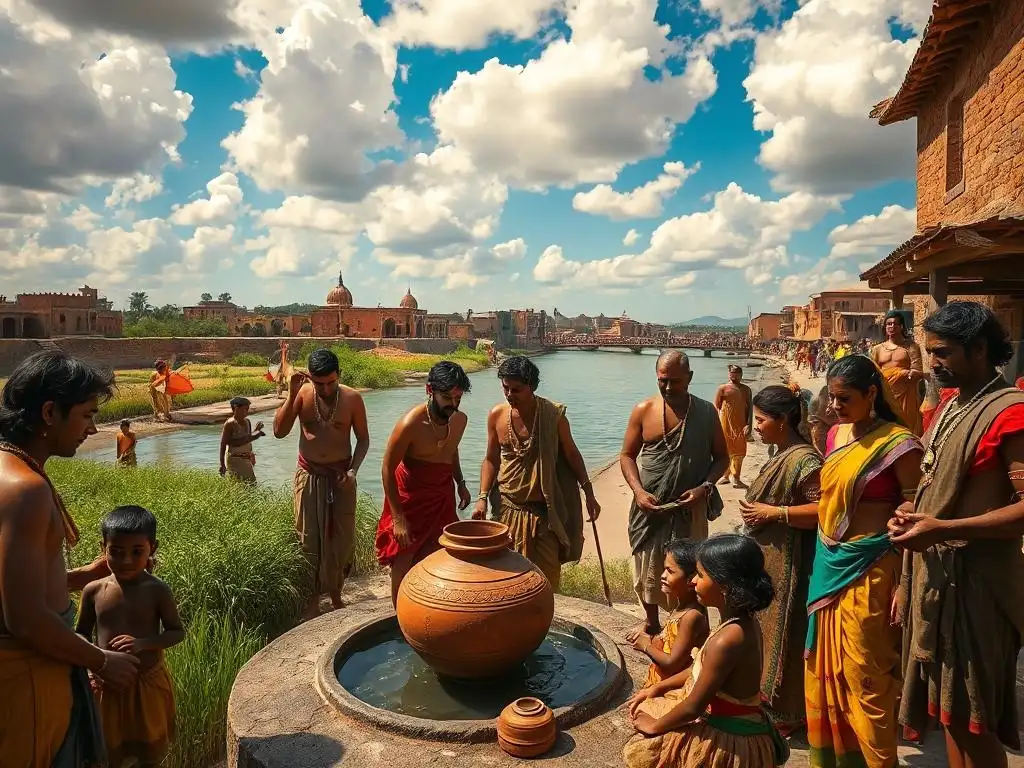
Welcome to Ancient India History, where we embark on a captivating journey through the rich tapestry of ancient Indian civilizations. Today, we delve into the fascinating world of Indus Valley daily life rituals, uncovering the intricate blend of tradition and science that shaped the lives of its people. What secrets do these rituals hold about their society, beliefs, and innovations?
As you explore our latest article, "The Importance of Ritual and Science in Indus Valley Daily Life," prepare to be intrigued by the profound connections that weave together the fabric of one of history's most remarkable cultures. Join us in uncovering the legacy of the Indus Valley and beyond!
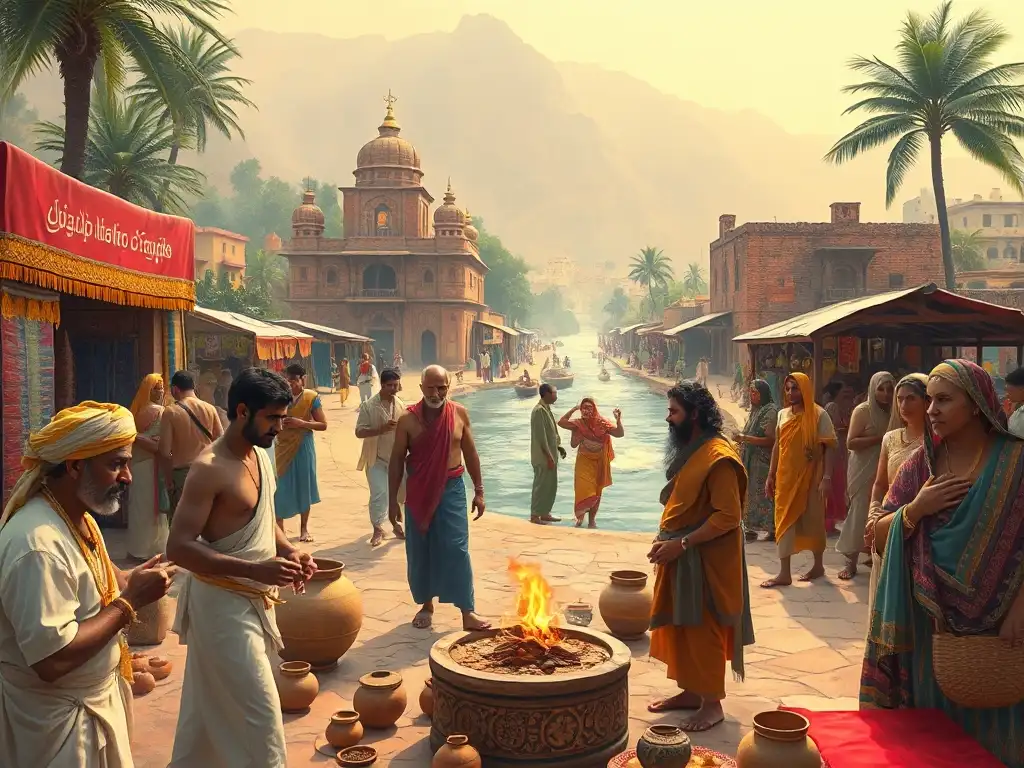
The Indus Valley Civilization, one of the oldest urban cultures in the world, thrived from approximately 3300 BCE to 1300 BCE in what is now modern-day Pakistan and northwest India. This remarkable society is renowned for its advanced urban planning, sophisticated drainage systems, and impressive architectural achievements. However, equally significant are the daily life rituals and scientific practices that permeated the lives of its inhabitants.
Understanding the intricate relationship between ritual and science in Indus Valley daily life not only sheds light on their cultural values but also highlights their contributions to various fields including agriculture, trade, and urban organization. In this article, we will explore the essential aspects of daily life rituals and how they intertwined with scientific practices, ultimately shaping the civilization's identity and legacy.
Understanding Indus Valley Civilization
Overview of the Indus Valley Civilization
The Indus Valley Civilization, also known as the Harappan Civilization, was characterized by its well-planned cities such as Harappa and Mohenjo-Daro. These cities featured grid layouts, advanced drainage systems, and public baths, indicating a high level of urban sophistication. The civilization was primarily agrarian, relying on the fertile floodplains of the Indus River for agriculture, which allowed for surplus production and trade with neighboring regions.
Historical Context and Timeline of Daily Life
The daily life of the Indus Valley people was deeply intertwined with their agricultural calendar, religious beliefs, and social structures. Key milestones in their timeline include:
- 3300 BCE: Emergence of urban centers.
- 2600–1900 BCE: Peak of the civilization, marked by significant advancements in arts, crafts, and trade.
- 1900 BCE: Gradual decline due to environmental changes and possible shifts in trade routes.
The rituals practiced during different seasons were often tied to agricultural cycles, emphasizing the importance of nature in their spiritual and daily lives.
The Role of Rituals in Indus Valley Daily Life
Defining Rituals in Ancient Societies
Rituals in ancient societies were structured activities performed in specific contexts, often imbued with spiritual significance. They served various purposes, including religious observances, social cohesion, and the transmission of cultural values. In the Indus Valley, rituals were not just religious acts but also incorporated scientific elements, such as agricultural practices aligned with lunar calendars.
Importance of Religious and Cultural Rituals
Religious rituals played a central role in the lives of the Indus Valley people. They believed in a pantheon of deities, which influenced their agricultural practices, festivals, and communal activities. Cultural rituals fostered a sense of community and identity, reinforcing social hierarchies and collective values. Evidence suggests that rituals often took place in communal spaces, such as the Great Bath in Mohenjo-Daro, highlighting their significance in public life.
Common Daily Life Rituals in the Indus Valley
Daily life in the Indus Valley was punctuated by a variety of rituals, including:
- Agricultural Festivals: Celebrations marking planting and harvesting seasons.
- Domestic Rituals: Practices conducted within households, often involving offerings to household deities or ancestors.
- Trade Rituals: Ceremonies to ensure successful trade and favorable relations with neighboring cultures.
These rituals not only connected individuals to their environment and community but also reflected their understanding of the world, blending the spiritual with the practical aspects of daily living.
Scientific Innovations Influencing Daily Life
The Indus Valley Civilization, flourishing around 2500 BCE, is renowned for its remarkable scientific innovations that significantly influenced daily life. The civilization’s advancements in various fields, including urban planning, agriculture, and metallurgy, helped create a structured and efficient society. The integration of these innovations with ritualistic practices highlights the civilization's multifaceted approach to life, where technology and culture coexisted harmoniously.
One of the most notable aspects of Indus Valley science was its impressive urban planning. The cities exhibited advanced drainage systems, well-organized street layouts, and standardized brick sizes, indicating a sophisticated understanding of engineering and architecture. This meticulous planning not only enhanced public health but also facilitated communal rituals and gatherings, reinforcing social cohesion.
Overview of Indus Valley Technology and Science
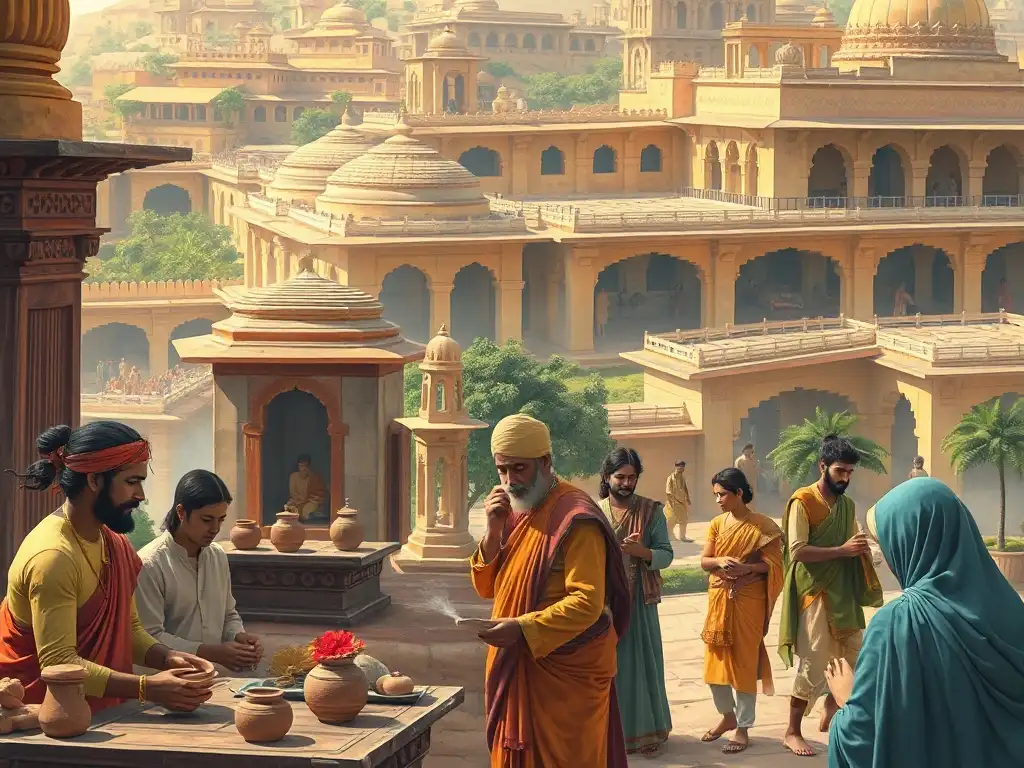
The technological prowess of the Indus Valley Civilization is evident through its agricultural techniques, metallurgical advancements, and crafting skills. The use of cotton for textiles, the production of intricate jewelry, and the development of seals for trade demonstrate a high level of craftsmanship. The civilization utilized precise measurements and standardized units for trade and construction, suggesting a developed system of mathematics.
Moreover, archaeological findings indicate that the people of the Indus Valley had a profound understanding of water management. They constructed reservoirs and sophisticated drainage systems to optimize agricultural productivity and maintain hygiene, which were essential for both daily life and ritualistic practices. This blend of technology and science illustrates their comprehensive approach to enhancing quality of life.
Agricultural Practices and Their Ritualistic Connections
Agriculture was the backbone of the Indus Valley economy and played a pivotal role in daily life rituals. The cultivation of wheat, barley, and pulses was not only a means of sustenance but also intertwined with various religious practices. Seasonal festivals often coincided with planting and harvesting times, reflecting the community's reliance on agricultural cycles.
Rituals surrounding agriculture included offerings to deities for a bountiful harvest, indicating a strong belief in the divine influence over natural processes. Archaeological evidence, such as terracotta figurines and pottery, suggests that these rituals were performed to ensure fertility and prosperity. Thus, agricultural practices in the Indus Valley were deeply rooted in both the practical needs of the people and their spiritual beliefs.
Urban Planning and Ritual Spaces
The urban layout of Indus Valley cities like Mohenjo-Daro and Harappa reveals a deliberate design that facilitated communal activities and rituals. Public baths, such as the Great Bath at Mohenjo-Daro, served not only as places for hygiene but also as sites for ritual purification. These spaces were likely central to social and religious gatherings, demonstrating the importance of cleanliness in both daily life and spiritual practices.
Furthermore, the arrangement of residential and public buildings suggests a community-oriented approach, where rituals could seamlessly integrate into urban life. The presence of large open spaces indicates that public worship and community celebrations were vital components of the society, influenced by the scientific understanding of urban infrastructure.
Interconnection Between Rituals and Science
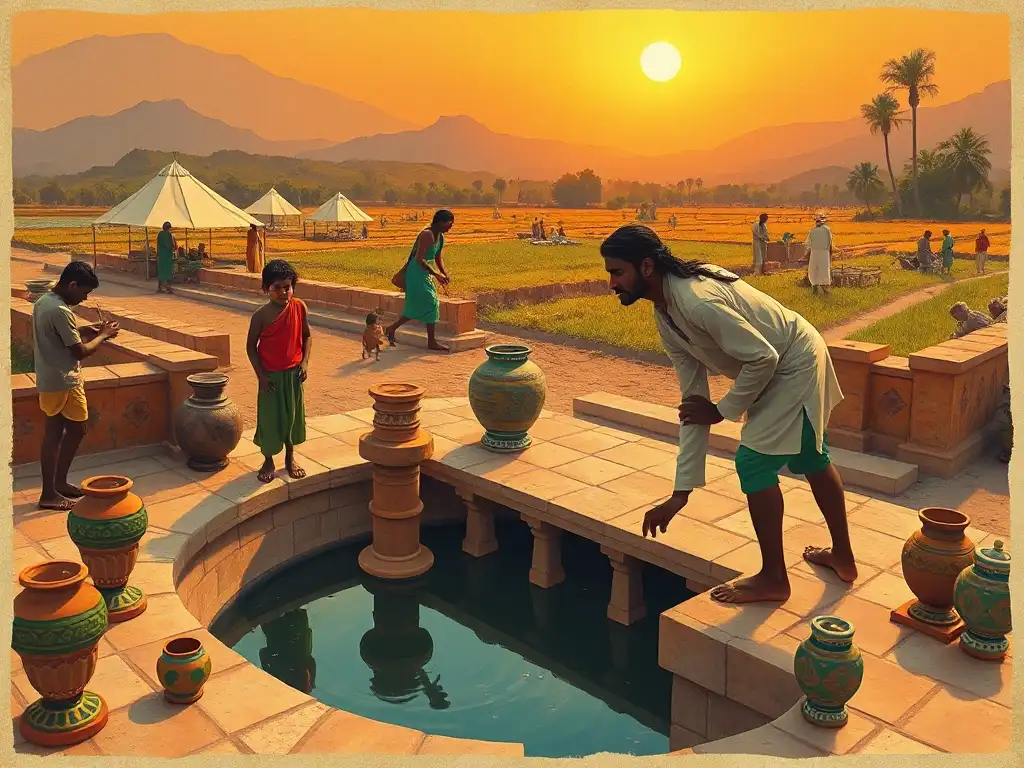
The relationship between rituals and science in the Indus Valley Civilization reflects a sophisticated worldview where both elements informed and enriched each other. Understanding natural phenomena influenced the timing and nature of rituals, while scientific advancements facilitated the execution of these practices.
How Science Informed Daily Rituals
The Indus Valley people possessed a remarkable understanding of seasonal changes, which directly influenced their rituals. For example, the timing of agricultural festivals was dictated by the monsoon patterns, demonstrating a keen awareness of environmental cycles. This scientific knowledge allowed them to align their rituals with nature, enhancing their efficacy and significance.
Moreover, advancements in metallurgy enabled the production of ritualistic items, such as ceremonial tools and offerings, which played crucial roles in religious practices. The integration of science into rituals not only highlighted the civilization’s ingenuity but also reinforced their connection to the natural world.
Rituals as a Reflection of Scientific Understanding
Rituals within the Indus Valley were often a reflection of their scientific comprehension. The use of fire for purification rites, for instance, reveals an understanding of the chemical properties of fire and smoke. This knowledge was intertwined with their spiritual beliefs, as fire was seen as a purifying element in many rituals.
Additionally, the construction of altars and the use of specific materials in rituals demonstrate an awareness of architectural principles and material properties. These practices indicate that the Indus Valley people did not view science and spirituality as separate entities; rather, they were interconnected aspects of their worldview.
Case Studies of Rituals and Their Technological Implications
Several case studies illustrate the interplay between rituals and technological advancements in the Indus Valley Civilization. One significant example is the use of pottery in rituals. The production of high-fired ceramics required advanced kilns and precise temperature control, reflecting their understanding of materials science.
Another case study involves the Great Bath, which is believed to have held ritual significance. Its construction required advanced engineering techniques, showcasing the symbiotic relationship between technology and religious practices. The presence of such structures indicates that the Indus Valley people were not only skilled builders but also deeply connected to their spiritual traditions through the spaces they created for worship.
The Indus Valley daily life rituals were intricately woven into the fabric of scientific understanding and technological innovation. This symbiosis not only enhanced their daily existence but also enriched their cultural and spiritual experiences.
Conclusion
The Indus Valley Civilization, one of the oldest urban cultures known to humanity, offers profound insights into the daily lives of its inhabitants through the lens of rituals and scientific practices. The intertwining of ritual and science not only reflects the sophisticated understanding of the environment held by these ancient people but also reveals a structured social order where spiritual beliefs and practical knowledge coexisted harmoniously. This synthesis of ritual and science in daily life fostered a sense of community, cultural identity, and continuity that has influenced subsequent civilizations.
Summary of the Interplay Between Ritual and Science
In the Indus Valley, daily life rituals were deeply embedded in the societal fabric, influencing various aspects such as agriculture, trade, and urban planning. Rituals often served to invoke blessings for successful harvests or safe travels, while scientific practices reflected a keen observation of natural phenomena.
For instance, the meticulous planning of cities like Mohenjo-Daro demonstrated advanced engineering skills, which were likely influenced by the religious and cultural imperatives of the time. The use of weights and measures in trade also indicates a scientific approach to commerce, where rituals may have played a role in legitimizing transactions and fostering trust within the community.
The Lasting Impact of Indus Valley Daily Life Rituals on Subsequent Cultures
The rituals practiced in the Indus Valley left an indelible mark on the cultural and spiritual landscapes of later Indian civilizations. Elements such as the worship of fertility deities, water-related rituals, and the construction of altars can be traced through various historical periods, influencing Hindu practices and beliefs.
Moreover, the emphasis on cleanliness and sanitation in Indus Valley cities laid the groundwork for later urban planning initiatives in South Asia. This legacy of ritual and science not only shaped the immediate successors of the Indus Valley Civilization but also contributed to the broader narrative of Indian culture and spirituality through the ages.
Further Reading and Exploration
For those interested in delving deeper into the fascinating world of the Indus Valley Civilization and its rituals, there are numerous resources available.
Recommended Books and Articles on Indus Valley Rituals
-
"The Indus Civilization: A Contemporary Perspective" by Gregory L. Possehl
This book offers a detailed overview of the Indus Valley Civilization, emphasizing its complexity and the interplay of culture and science.
-
"Ritual and Religion in the Indus Valley Civilization" by Rita Lucarelli
This article explores the significance of rituals within the Indus society, providing insights into their spiritual and practical dimensions.
-
"The Archaeology of Early Historic South Asia: Rise of the Cities" by Robin Coningham and Ruth Young
This work contextualizes the Indus Valley within broader historical developments in South Asia, including the evolution of rituals.
Museums and Archaeological Sites to Visit for Indus Valley History
-
National Museum of India, New Delhi
This museum houses an extensive collection of artifacts from the Indus Valley Civilization, providing a glimpse into their daily lives and rituals.
-
Archaeological Site of Mohenjo-Daro, Sindh, Pakistan
A UNESCO World Heritage site, Mohenjo-Daro is one of the best-preserved urban settlements of the Indus Valley, showcasing advanced urban planning and remnants of ritualistic practices.
-
Indus Valley Civilization Museum, Karachi, Pakistan
This museum offers insights into the cultural and scientific achievements of the Indus Valley, featuring artifacts and exhibits dedicated to daily life and rituals.
By exploring these resources and sites, one can gain a richer understanding of the significance of rituals and science in the daily lives of the Indus Valley Civilization and their lasting impact on subsequent cultures.
- Understanding Indus Valley Civilization
- The Role of Rituals in Indus Valley Daily Life
- Scientific Innovations Influencing Daily Life
- Overview of Indus Valley Technology and Science
- Agricultural Practices and Their Ritualistic Connections
- Urban Planning and Ritual Spaces
- Interconnection Between Rituals and Science
- Conclusion
- Further Reading and Exploration
- What were the daily life rituals in the Indus Valley?
- How did the Indus Valley civilization contribute to modern science?
- What role did religion play in Indus Valley daily life?
- Are there any surviving artifacts that showcase daily life rituals?
- How does the Gupta Empire relate to the Indus Valley civilization?
Frequently Asked Questions
What were the daily life rituals in the Indus Valley?
The daily life rituals in the Indus Valley included religious ceremonies, household practices, and agricultural activities that reflected their spiritual beliefs and societal norms.
How did the Indus Valley civilization contribute to modern science?
The Indus Valley civilization made significant contributions to early science, particularly in urban planning, measurement systems, and water management, which laid the foundations for future advancements.
What role did religion play in Indus Valley daily life?
Religion was central to daily life rituals, influencing everything from agriculture to social structures, as the people engaged in practices aimed at ensuring prosperity and well-being.
Are there any surviving artifacts that showcase daily life rituals?
Yes, numerous artifacts, such as pottery, seals, and tools, have been discovered that provide insight into the daily life rituals of the Indus Valley, indicating their cultural practices and social organization.
How does the Gupta Empire relate to the Indus Valley civilization?
The Gupta Empire succeeded the Indus Valley civilization, building upon its cultural and scientific achievements while contributing to a golden age of art, literature, and science in ancient India.
Final Reflection: The Enduring Significance of Indus Valley Daily Life Rituals
The exploration of Indus Valley daily life rituals reveals a profound connection between culture and science that resonates deeply in our contemporary world. As we navigate an era where the balance between tradition and modernity often feels precarious, understanding how these ancient practices shaped societal norms and community cohesion becomes increasingly relevant. The rituals of the Indus Valley civilization remind us that our daily actions and beliefs are not merely remnants of the past, but foundational elements that continue to influence our lives today.
Culture is a living tapestry woven from the threads of our rituals, beliefs, and practices. The Indus Valley civilization exemplifies how daily life rituals were not only essential for spiritual fulfillment but also served practical purposes that fostered social unity and environmental awareness. As we reflect on this, we can appreciate the words of historian David Christian: History is a way of understanding the present, and the past is a guide to our future.
The rituals of the Indus Valley remind us that our cultural heritage is a powerful lens through which we can examine our current societal challenges and aspirations.
As we conclude this exploration, I invite you to reflect on the rituals in your own life and consider how they shape your identity and community. What daily practices connect you to your heritage, and how can you incorporate the wisdom of the past into your present? By embracing the lessons of the Indus Valley daily life rituals, we can cultivate a deeper appreciation for our own traditions and their potential to inspire a more harmonious future. Let us honor the past while actively shaping a meaningful present and future, guided by the rituals that define us.
Embrace the Wisdom of Ancient Rituals Today!
Thank you for diving into the fascinating world of the Indus Valley! You've uncovered the remarkable role of rituals and science in daily life, which can inspire us to bring a touch of ancient wisdom into our modern routines. Now it’s time to take action and integrate these insights into your life.
- Start a daily ritual: Whether it’s meditation, journaling, or a simple practice of gratitude, choose one that resonates with you and commit to it for a month.
- Explore community events: Look for local workshops or gatherings that celebrate cultural traditions; sharing experiences can deepen your understanding and appreciation of ancient practices.
- Share your journey: Connect with friends or online communities that value cultural history; consider sharing your newfound knowledge and practices on social media to inspire others!
Which ritual or practice from the Indus Valley are you most excited to incorporate into your everyday life? Join the conversation in the comments below!