
The Spiritual Life of the Gupta Empire: Temples and Pilgrimages

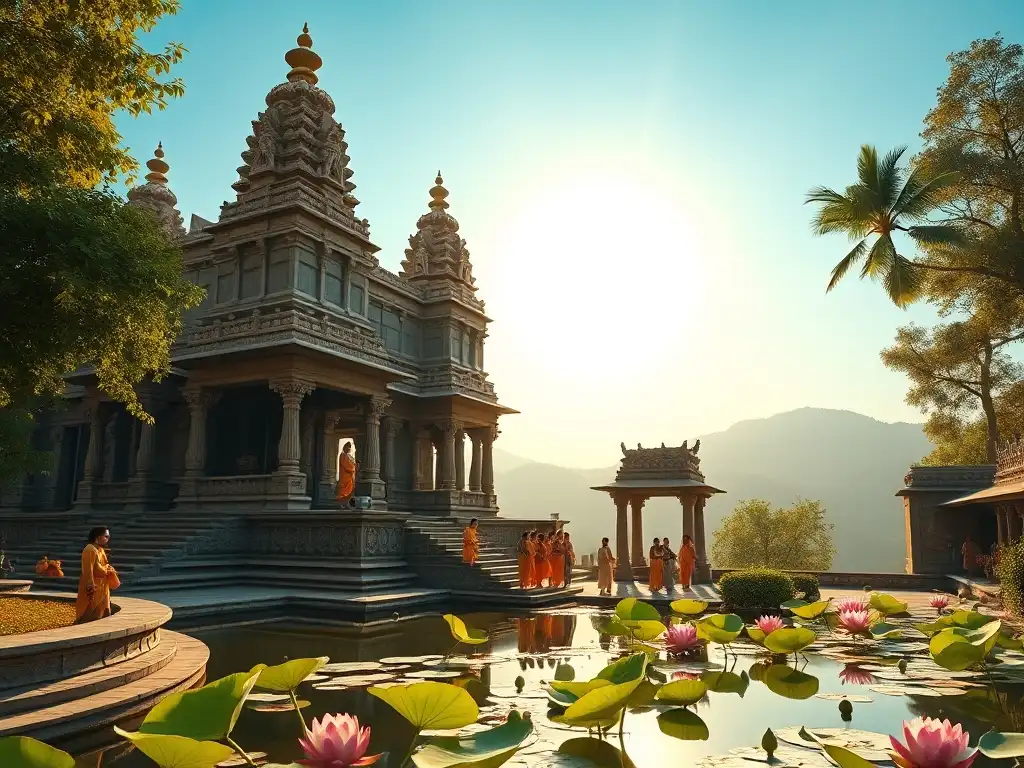
Welcome to Ancient India History, where we embark on a fascinating journey through time to uncover the rich tapestry of India's past. In this exploration, we delve into the Gupta Empire's spiritual practices, revealing how temples and pilgrimages shaped the lives of its people and the religious landscape of the era. Prepare to be captivated by the intricate rituals, vibrant beliefs, and the profound impact these practices had on culture and society. Join us as we unlock the secrets of this remarkable civilization and discover what lies beyond the surface of history!
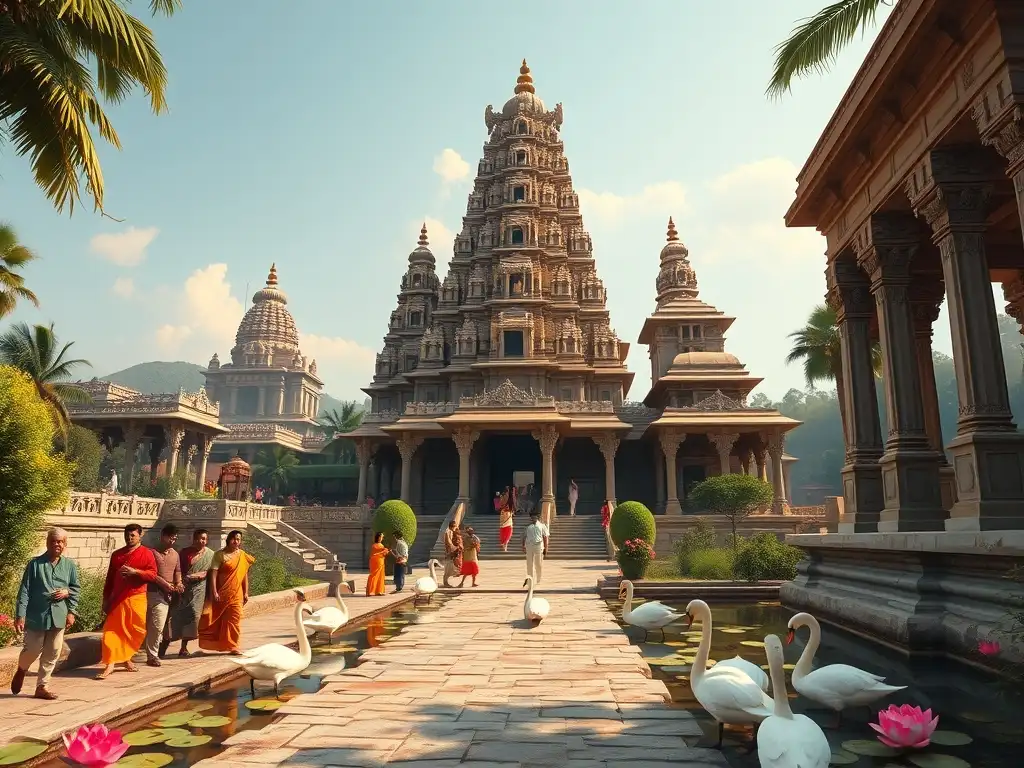
Introduction to Gupta Empire Spiritual Practices
The Gupta Empire, often heralded as the Golden Age of India, flourished from approximately 320 to 550 CE. During this period, the empire witnessed remarkable advancements in art, literature, and science, but perhaps most profoundly, it was a time of rich spiritual development. Gupta Empire spiritual practices were deeply intertwined with the daily lives of its people, influencing not only their rituals and beliefs but also their architectural achievements and societal structures.
Temples became not just places of worship but also centers of community life, serving as hubs for cultural exchange and pilgrimage. This article delves into the intricate tapestry of spiritual life during the Gupta Empire, exploring the significance of temples, the nature of spiritual practices, and the unique contributions that shaped the religious landscape of ancient India.
Overview of Spirituality in Ancient India
Spirituality in ancient India was characterized by a diverse array of beliefs and practices, primarily dominated by Hinduism, Buddhism, and Jainism. Each of these religions contributed uniquely to the spiritual fabric of the time:
- Hinduism: Focused on dharma (duty), karma (action), and moksha (liberation), it emphasized rituals and the worship of a multitude of deities.
- Buddhism: Promoted the path to enlightenment through the Four Noble Truths and the Eightfold Path, advocating for a life of moderation and meditation.
- Jainism: Stressed non-violence (ahimsa) and truth, with an emphasis on asceticism and the spiritual elevation of the soul.
These religions coexisted and often influenced one another, reflecting a rich spiritual dialogue that shaped the ethos of the Gupta Empire.
Importance of Religion in the Gupta Empire
Religion played a pivotal role in the governance and daily life during the Gupta period. Rulers like Chandragupta II and Samudragupta were known for their patronage of various religious institutions, which helped to legitimize their authority and promote social stability. The Gupta dynasty's commitment to religion can be summarized as follows:
- State Support: The Gupta rulers actively supported the construction of temples and sponsored religious festivals, which fostered loyalty among their subjects.
- Cultural Identity: Religion served as a unifying force, helping to establish a distinct cultural identity that transcended regional differences within the empire.
- Pilgrimage: Sacred sites became destinations for pilgrims, facilitating travel and trade, and promoting cultural exchanges with other regions.
Temples of the Gupta Empire
The temples of the Gupta Empire stand as monumental testaments to its spiritual life, showcasing not only architectural brilliance but also the deep religious devotion of its people.
Characteristics of Gupta Temples
Gupta temples were characterized by their intricate designs and sophisticated construction techniques, which included:
- Shikhara: A prominent tower over the sanctum (garbhagriha), symbolizing the mythical Mount Meru.
- Mandapa: A pillared hall for congregation, often decorated with detailed carvings depicting deities and mythological narratives.
- Sculptural Art: Temples featured exquisite sculptures that illustrated religious themes, including scenes from epics like the Ramayana and Mahabharata.
Major Temples and Their Significance
Several temples from the Gupta period hold immense historical and religious significance, including:
| Temple Name | Location | Significance |
|---|---|---|
| Kandariya Mahadeva Temple | Khajuraho | Exemplifies the fusion of architecture and erotic art. |
| Deogarh Temple | Uttar Pradesh | Known for its early Gupta architectural style and intricate carvings. |
| Dashavatara Temple | Deogarh | Dedicated to Vishnu, showcasing early temple architecture. |
Each temple not only served as a place of worship but also reflected the socio-political dynamics of the time.
Architectural Innovations in Gupta Temples
The Gupta period was marked by significant architectural innovations that influenced subsequent temple designs throughout India. Notable advancements included:
- Use of Stone: Transition from brick to stone construction allowed for more durable and elaborately carved structures.
- Increased Scale: Temples grew in size, accommodating larger congregations and more elaborate rituals.
- Regional Styles: Emergence of distinct regional styles that contributed to the diversity of temple architecture across the Indian subcontinent.
Through these innovations, Gupta temples became a hallmark of architectural achievement, symbolizing the spiritual aspirations and artistic prowess of the era.
Pilgrimages in the Gupta Empire
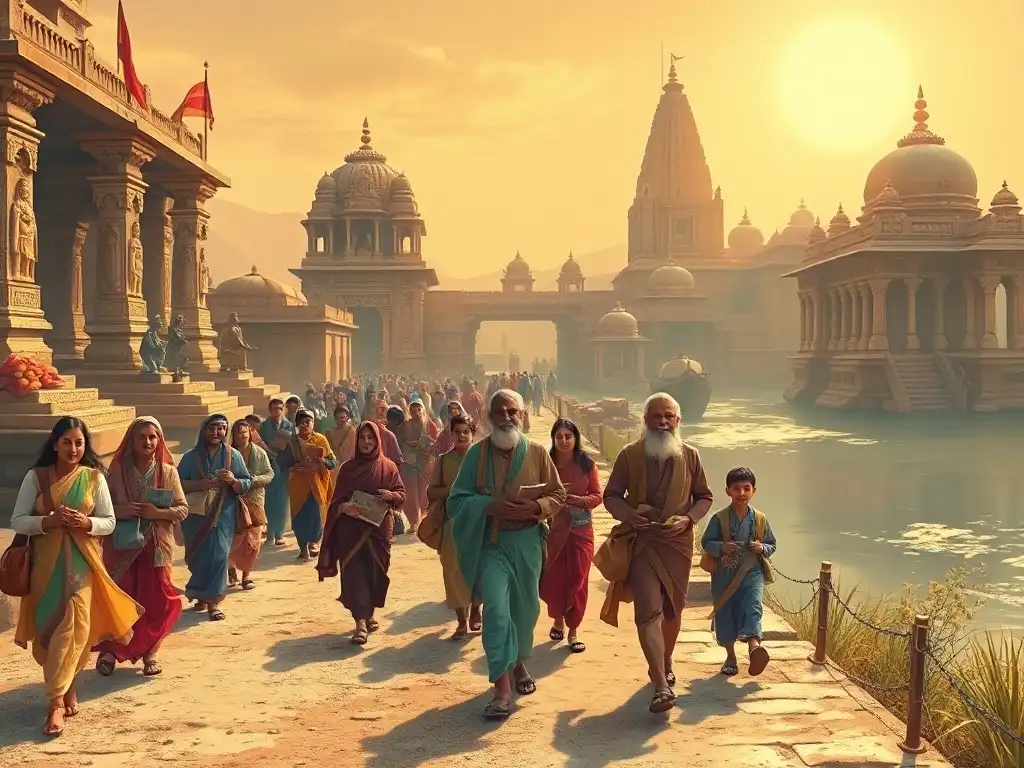
Pilgrimages played a crucial role in the spiritual life of the Gupta Empire, reflecting the cultural and religious diversity of the period. As the empire expanded, so did the networks of pilgrimage routes connecting significant religious sites. These journeys were not merely physical but also spiritual, as they represented a quest for enlightenment, purification, and connection with the divine. Pilgrimages often involved visiting sacred rivers, temples, and other holy places, and were considered essential for fulfilling religious duties and gaining merit.
Role of Pilgrimages in Gupta Spiritual Life
In the Gupta Empire, pilgrimages served multiple purposes within the spiritual framework. They were integral to Hinduism, Buddhism, and Jainism, each tradition fostering its own distinct practices. For Hindus, visiting sacred sites such as Varanasi and Kashi was seen as a means to attain moksha, or liberation from the cycle of rebirth. For Buddhists, significant sites related to the life of the Buddha, such as Bodh Gaya, were central to their spiritual journeys. Jain practitioners, too, embarked on pilgrimages to revered sites associated with the Tirthankaras, emphasizing the importance of asceticism and devotion.
Moreover, these pilgrimages facilitated the exchange of ideas and cultural practices, fostering a sense of unity among diverse religious communities. They also contributed to the economy, as towns along pilgrimage routes flourished due to increased trade and hospitality services catering to travelers.
Pilgrimage Festivals and Their Cultural Significance
Pilgrimage festivals were vibrant events that underscored the communal aspect of faith during the Gupta period. Festivals such as Kumbh Mela drew thousands of devotees, reflecting the significance of collective worship and the shared spiritual experience. These festivals were marked by rituals, processions, and cultural performances that celebrated divine narratives and local traditions.
The cultural significance of these festivals extended beyond religious observance; they played a vital role in reinforcing social cohesion and local identity. The gatherings allowed for the exchange of cultural practices, art, and literature, making them crucial in the development of Gupta culture. This sense of community and shared devotion among diverse groups also contributed to the empire's stability and unity.
Spiritual Practices and Beliefs in the Gupta Empire
The Gupta Empire was characterized by a rich tapestry of spiritual practices and beliefs, deeply influenced by the prevailing religious traditions. The period is known for its flourishing art, literature, and philosophy, all of which were intertwined with spiritual life.
Hinduism and Its Influence on Gupta Spirituality
Hinduism was the dominant religion during the Gupta period, shaping the spiritual landscape significantly. The Gupta rulers, known for their patronage of Hindu temples and scholars, contributed to the revival and consolidation of Hindu practices. Temples not only served as places of worship but also as centers for learning and community gatherings.
The worship of deities such as Vishnu and Shiva became more pronounced, with elaborate rituals and festivals dedicated to them. The concept of dharma, or righteous living, played a vital role in guiding the ethical and moral conduct of individuals within society. Additionally, texts such as the Puranas were compiled during this time, further enriching the spiritual narrative and providing guidelines for worship and devotion.
Buddhism and Jainism in the Gupta Period
Buddhism and Jainism continued to flourish alongside Hinduism during the Gupta Empire, contributing to the spiritual diversity of the era. Buddhist monasteries and stupas, such as those in Ajanta and Ellora, became prominent centers for meditation and learning, attracting monks and scholars from various regions.
Jainism, with its emphasis on non-violence and asceticism, also found a supportive environment in the Gupta period. The rulers often extended patronage to Jain communities, facilitating the construction of temples and the promotion of Jain literature. This coexistence of various spiritual paths fostered an atmosphere of mutual respect and intellectual exchange, enriching the cultural and spiritual heritage of the Gupta Empire.
The spiritual practices and beliefs of the Gupta Empire, characterized by extensive pilgrimages and a rich tapestry of religious traditions, played a pivotal role in shaping the cultural identity of the period. This era was truly a golden age for spiritual expression and development in ancient India.
Conclusion: Legacy of Gupta Empire Spiritual Practices
The spiritual practices of the Gupta Empire left an indelible mark on the cultural and religious landscape of India. This period, often referred to as the Golden Age, saw the flourishing of various religious traditions, particularly Hinduism and Buddhism. The establishment of grand temples and the promotion of pilgrimage sites not only facilitated the worship of deities but also served as centers of learning and cultural exchange. The architectural innovations seen in temple construction, characterized by intricate carvings and sculptures, set standards for future generations.
Moreover, the Gupta Empire's spiritual practices fostered a sense of community and identity among its people, as festivals and rituals became integral to everyday life. The blending of various religious influences during this era enriched the spiritual tapestry of India, laying the groundwork for the diverse religious practices that would follow.
Impact on Later Indian Spiritual Traditions
The spiritual practices of the Gupta Empire significantly influenced later Indian spiritual traditions. The emphasis on temple worship and the institutionalization of rituals became foundational aspects of Hinduism, shaping its practices in subsequent centuries. The Gupta period also saw the codification of texts that would guide religious practices, such as the Puranas, which integrated mythology, philosophy, and ritual, thereby enriching the spiritual life of later Hindu communities.
Furthermore, the Gupta Empire's promotion of Buddhism contributed to the religion's spread throughout Asia. Pilgrimage routes established during this time became vital for Buddhist monks and scholars traveling to and from sacred sites, facilitating the exchange of ideas and practices that would resonate across cultures. This interconnectedness of spiritual practices laid the groundwork for a more syncretic approach to religion in India, influencing both Hindu and Buddhist traditions.
Continuing Influence on Modern Religious Practices
The legacy of Gupta Empire spiritual practices can still be observed in modern India. Many of the rituals, festivals, and temple designs that originated during this period continue to be practiced today. For instance, the concept of pilgrimage remains deeply embedded in Hindu culture, with thousands of devotees undertaking journeys to sacred sites that were either established or popularized during the Gupta era, such as Varanasi and Mathura.
Moreover, the architectural styles that emerged from this period have left a lasting impact on temple construction throughout India. Modern temples often reflect the intricate designs and artistic expressions pioneered during the Gupta Empire, serving as a testament to the enduring nature of these spiritual practices. The blending of various religious elements, fostered during the Gupta era, is also visible in contemporary spiritual practices, as many individuals now engage in a diverse array of rituals and beliefs drawn from both Hinduism and Buddhism.
Further Reading and Resources
Recommended Books on Gupta Empire Spirituality
-
"The Gupta Empire: A Historical Study" by R. S. Sharma
This comprehensive account provides insights into the socio-religious dynamics of the Gupta period, focusing on its spiritual practices.
-
"Hinduism: A Very Short Introduction" by Kim Knott
While not exclusively about the Gupta Empire, this book offers a concise overview of Hindu practices that were shaped during and after this period.
-
"Buddhism in India: Continuity and Change" by A. K. Narain
This work explores the evolution of Buddhism during the Gupta Empire and its lasting impact on Indian spirituality.
-
"Temples and Pilgrimage in India" by David Kinsley
This book delves into the significance of temples and pilgrimage in Indian culture, with specific references to the Gupta period.
Online Resources for Exploring Gupta Temples and Pilgrimages
-
Archaeological Survey of India (ASI)
The ASI website offers a wealth of information on the archaeological sites and temples from the Gupta period, including historical context and preservation efforts.
-
Digital South Asia Library
This online resource provides access to maps, texts, and images related to the Gupta Empire, making it an excellent starting point for research.
-
Indian History Congress
This platform hosts papers and discussions on various aspects of Indian history, including the spiritual life of the Gupta Empire, offering a scholarly perspective on the topic.
-
Cultural Heritage of India
This website features articles and documentaries highlighting the temples and pilgrimage practices of ancient India, with a focus on the Gupta period and its legacy.
- Introduction to Gupta Empire Spiritual Practices
- Overview of Spirituality in Ancient India
- Importance of Religion in the Gupta Empire
- Temples of the Gupta Empire
- Pilgrimages in the Gupta Empire
- Spiritual Practices and Beliefs in the Gupta Empire
- Conclusion: Legacy of Gupta Empire Spiritual Practices
- Further Reading and Resources
- What were the main spiritual practices during the Gupta Empire?
- How did temples influence spiritual life in the Gupta Empire?
- What role did pilgrimages play in the Gupta Empire's spiritual practices?
- How did the Gupta Empire contribute to the development of spiritual texts?
- Were there any notable spiritual leaders during the Gupta Empire?
Frequently Asked Questions
What were the main spiritual practices during the Gupta Empire?
The spiritual practices during the Gupta Empire included Hindu rituals, Buddhist worship, and Jain ceremonies, reflecting the diversity of beliefs within the civilization.
How did temples influence spiritual life in the Gupta Empire?
Temples served as centers of worship, community gathering, and cultural expression, significantly shaping the spiritual life of the people and promoting art and architecture.
What role did pilgrimages play in the Gupta Empire's spiritual practices?
Pilgrimages were vital for spiritual growth, allowing devotees to visit sacred sites and partake in rituals, reinforcing their faith and connection to the divine.
How did the Gupta Empire contribute to the development of spiritual texts?
The Gupta era saw the composition and preservation of important spiritual texts, including scriptures related to Hinduism and Buddhism, which greatly influenced later philosophical thought.
Were there any notable spiritual leaders during the Gupta Empire?
Yes, notable spiritual leaders like Vasubandhu and Aryadeva emerged, contributing significantly to Buddhist philosophy and practices, while Hindu scholars also flourished during this period.
Final Reflection: Embracing the Spiritual Legacy of the Gupta Empire
The exploration of Gupta Empire spiritual practices reveals a rich tapestry of devotion, artistry, and community that resonates profoundly in today's world. As we navigate our increasingly complex lives, the spiritual traditions of the Gupta Empire remind us of the enduring power of faith and the human connection to the divine. The temples and pilgrimages of this era not only served as places of worship but also as vibrant centers of culture and social interaction, emphasizing that spirituality is not merely a personal journey but a communal experience that shapes societies.
The influence of the Gupta Empire's spiritual practices continues to echo through contemporary culture, illustrating how ancient beliefs can inform modern values. The intricate carvings of temples and the sacred routes of pilgrimage are not just relics of the past; they are living testimonies to the human quest for meaning and connection. Spirituality is not a destination; it is a journey that unfolds in the heart of every seeker.
This quote encapsulates the essence of our ongoing spiritual exploration, urging us to reflect on how the Gupta Empire's practices can inspire our own paths toward understanding and fulfillment.
As we conclude this exploration, I invite you to reflect on your personal spiritual journey and consider how the lessons from the Gupta Empire can enrich your life today. Whether through seeking community, engaging in rituals, or exploring the sacred spaces around you, let the legacy of the Gupta Empire inspire you to deepen your connection with the divine and with others. Embrace the opportunity to create your own pilgrimage—one that honors the past while paving the way for a more spiritually vibrant future.
Embrace Your Spiritual Journey Today!
Thank you for exploring the captivating world of the Gupta Empire and its remarkable spiritual heritage! You have discovered the significance of temples and pilgrimages in shaping ancient Indian culture. Now, it’s time to draw inspiration from this rich history and apply it to your own spiritual explorations.
Here’s how you can continue your journey:
- Plan a visit to a local temple this weekend to immerse yourself in a place of worship and connection.
- Share your insights from this article with friends or community members—discuss what spirituality means to you!
- Explore further by researching ancient pilgrimage routes and envisioning a travel experience that connects you to those historical journeys.
What steps will you take to incorporate a deeper sense of spirituality into your everyday life? Let’s start a conversation!